Mimar Sinan, Ottoman Naval Heritage & the Hagia Sophia-Inspired Mosque of Tophane

Kılıç Ali Pasha Mosque Istanbul – Complete Visitor Guide

Discover one of Mimar Sinan's fascinating late masterpieces,
built for the legendary Ottoman admiral Kılıç Ali Pasha beside the historic Tophane waterfront.

Explore Kılıç Ali Pasha Mosque

Kılıç Ali Pasha Mosque – Mimar Sinan's Hagia Sophia-Inspired Masterpiece in Tophane

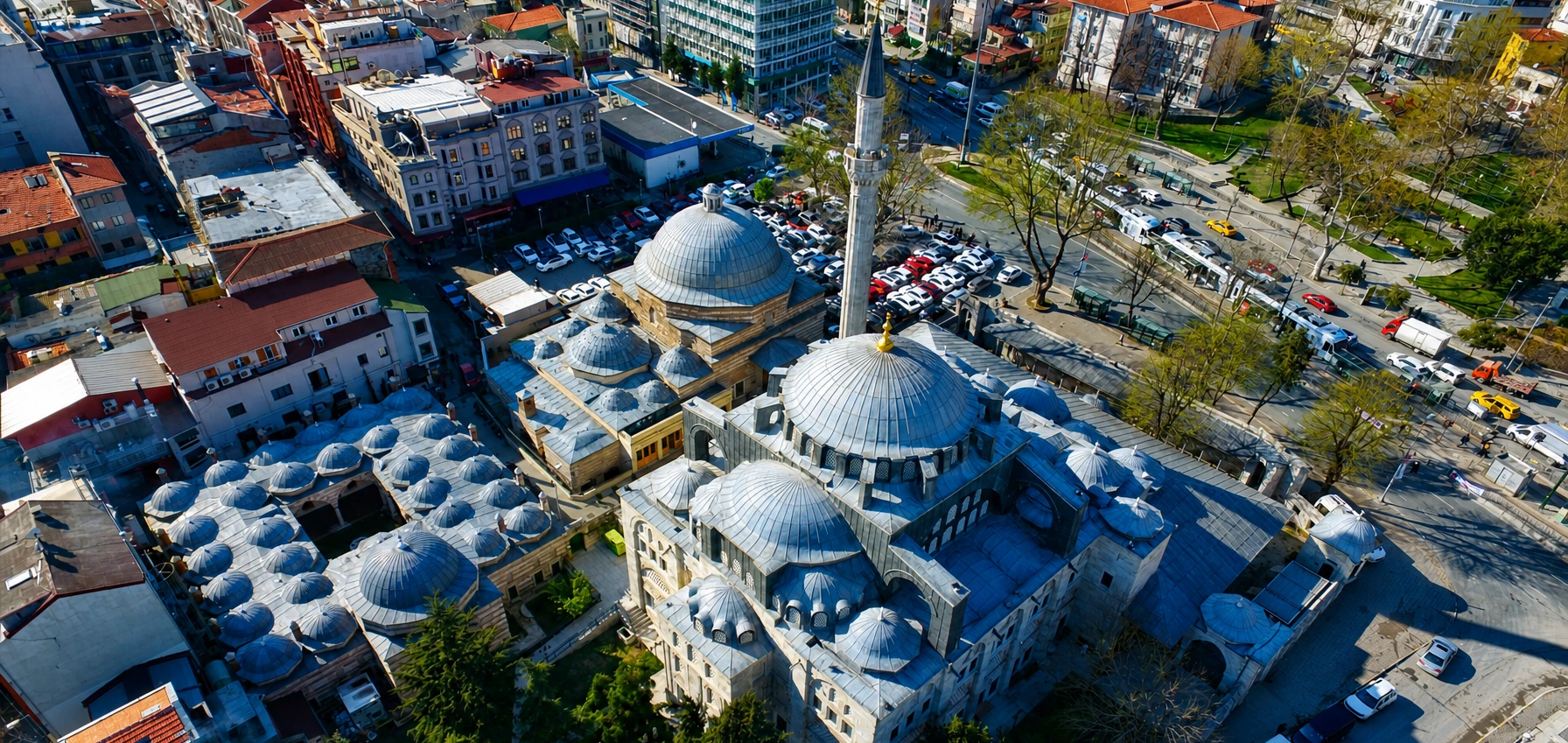
The Kılıç Ali Pasha Mosque stands in Tophane, between Karaköy and Kabataş on Istanbul's European shore. Completed in 1580, it was designed by Mimar Sinan for one of the Ottoman Empire's most celebrated naval commanders, Kılıç Ali Pasha.

The mosque is one of the most intriguing buildings of Sinan's long career because its architecture deliberately recalls Hagia Sophia. A central dome approximately 12.7 meters in diameter is extended along the main axis by two semi-domes, while galleries, great arches and powerful lateral supports create a miniature reinterpretation of the spatial system of the Byzantine monument.

Yet Kılıç Ali Pasha Mosque is far more than a reduced copy of Hagia Sophia. Sinan transformed the older architectural model through the proportions, structural clarity and decorative language of mature classical Ottoman architecture. Iznik tiles, white marble, a five-domed portico and a single slender minaret complete the composition.

The mosque once stood almost directly beside the sea at one of the most important landing points on the Galata–Tophane waterfront. Today the shoreline lies farther away, but the mosque remains surrounded by some of the most rewarding historic and cultural sites in central Istanbul, including Tophane Fountain, Nusretiye Mosque, Istanbul Modern, Galataport and Karaköy.

1580

Visit a major late-period work of Mimar Sinan completed for Ottoman Grand Admiral Kılıç Ali Pasha.

12.7 m Dome

Stand beneath the central dome of one of Sinan's most remarkable reinterpretations of Hagia Sophia.

İznik Tiles

See surviving 16th-century Ottoman tile decoration around the mihrab and qibla wall.

Tophane

Explore the mosque within easy walking distance of Karaköy, Galataport and the Bosphorus waterfront.

Know Before You Go

Kılıç Ali Pasha Mosque – Quick Facts

Essential information for visiting Mimar Sinan's 16th-century mosque and Ottoman naval complex in Tophane.

📍

Location

Tophane, Beyoğlu, between Karaköy and Kabataş on Istanbul's European side.

Open on Google Maps
🏛️

Architect

Mimar Sinan, chief architect of the Ottoman Empire.

Patron

Kılıç Ali Pasha, one of the greatest Ottoman admirals of the 16th century.

📅

Completion

The mosque's inscription records completion in 988 AH / 1580.

🎟️

Entrance

Normally free; the mosque remains an active place of worship and prayer takes priority.

⏱️

Suggested Visit

Allow around 30–45 minutes, or 2–4 hours when exploring the wider Tophane and Karaköy area.


Sinan, Hagia Sophia and Ottoman Maritime Power

Why Is Kılıç Ali Pasha Mosque Important?

The mosque unites one of the Ottoman Empire's greatest architects, one of its most famous admirals and a sophisticated reinterpretation of Byzantine monumental architecture.

Kılıç Ali Pasha Mosque belongs to the mature final decades of Mimar Sinan's career. By the time he designed the building, Sinan had already created monumental works such as the Şehzade, Süleymaniye and Selimiye mosques and had spent decades studying the possibilities of centralized domed architecture.

What makes the Tophane mosque particularly fascinating is its unmistakable dialogue with Hagia Sophia. The central dome, two axial semi-domes, side galleries and exterior supports immediately recall the Byzantine monument. Yet Sinan reorganized these elements according to Ottoman structural principles and the requirements of Islamic worship.

The mosque is equally important as a monument to Ottoman naval history. Its founder, Kılıç Ali Pasha, rose from the Mediterranean maritime world to become Kapudan Pasha — Grand Admiral of the Ottoman fleet. His career included campaigns across the Mediterranean, the Battle of Lepanto and the rapid reconstruction of Ottoman naval power afterward.

Its position in Tophane was therefore highly appropriate. The district contained the imperial cannon foundry, busy landing places and maritime infrastructure, while the mosque originally stood much closer to the Bosphorus than it does today.

For travelers following our guide to places to visit in Istanbul, Kılıç Ali Pasha Mosque also offers an excellent opportunity to explore the historical corridor connecting Karaköy, Tophane, Galata, Galataport and the lower districts of Beyoğlu.

History of Kılıç Ali Pasha Mosque

Construction of the mosque took place during the reign of Sultan Murad III and the mature years of Mimar Sinan's career. The foundation is generally associated with the period 1578–1580, and the inscription above the main entrance records completion of the mosque in 988 AH / 1580.

The wider complex developed around the mosque, with the nearby hamam documented as completed in 1583. The foundation ultimately included the mosque, medrese, hamam, Kılıç Ali Pasha's türbe and a cemetery or hazire. Historical accounts also refer to educational and charitable functions associated with the complex.

When the mosque was constructed, the shoreline was considerably closer. Tophane was one of the major maritime gateways on the northern shore of the Golden Horn and Bosphorus zone, and ships arriving in Istanbul could land near the complex.

The relationship with the sea was particularly appropriate for a mosque founded by the Ottoman Empire's leading admiral. The great dome and minaret formed part of the architectural skyline encountered by sailors entering the city's busy harbor.

The surrounding urban landscape changed repeatedly during the Ottoman and Republican periods. Road widening, shoreline reclamation and modern waterfront development gradually separated the mosque from the water, while alterations during the 20th century also reduced and reshaped parts of its original enclosure.

1578–1580

The principal construction period associated with the mosque.

1580

The inscription over the entrance records the completion of the mosque.

1583

Documentary evidence records completion of the adjoining Kılıç Ali Pasha Hamam.

Tophane

The complex originally stood directly beside an important maritime landing area.

1950s

Road works and urban changes altered parts of the historic courtyard and its relationship with the waterfront.

Today

The mosque remains an active place of worship in one of central Istanbul's busiest cultural districts.

Who Was Kılıç Ali Pasha?

Kılıç Ali Pasha, also historically known as Uluç Ali, was one of the most remarkable naval commanders of the 16th-century Mediterranean. Historical accounts identify him as having originated in Calabria in southern Italy before entering the North African and Ottoman maritime world.

He eventually converted to Islam, became a highly skilled seaman and rose through the naval hierarchy. By the middle decades of the 16th century he was participating in campaigns alongside some of the Mediterranean's most famous Ottoman commanders, including Turgut Reis.

His career brought him to positions of increasing importance in Tripoli, Algiers and the western Mediterranean. He became particularly famous during the Battle of Lepanto in 1571, where the Ottoman fleet suffered a major defeat against the Holy League.

Kılıç Ali commanded the Ottoman left wing. Unlike much of the fleet, a significant part of his squadron escaped destruction. Shortly after the battle, Sultan Selim II appointed him Kapudan Pasha, the Ottoman Empire's highest naval command, and his earlier name Uluç Ali increasingly gave way to Kılıç Ali.

He then played a central role in rapidly rebuilding Ottoman naval strength. His long maritime career continued under Sultan Murad III, and he remained one of the most powerful figures in the imperial navy until his death in 1587.

Calabria

Historical traditions identify Kılıç Ali Pasha as originating in southern Italy.

Uluç Ali

He was widely known by this name during the earlier stages of his Ottoman naval career.

1571

His performance during the Battle of Lepanto became one of the defining episodes of his career.

Kapudan Pasha

He became commander-in-chief of the Ottoman navy after Lepanto.

Naval Rebuilding

He helped reorganize and rebuild Ottoman naval power after the enormous losses of 1571.

1587

Kılıç Ali Pasha died and was buried in his türbe beside the mosque in Tophane.

Mimar Sinan, Kılıç Ali Pasha Mosque and Hagia Sophia

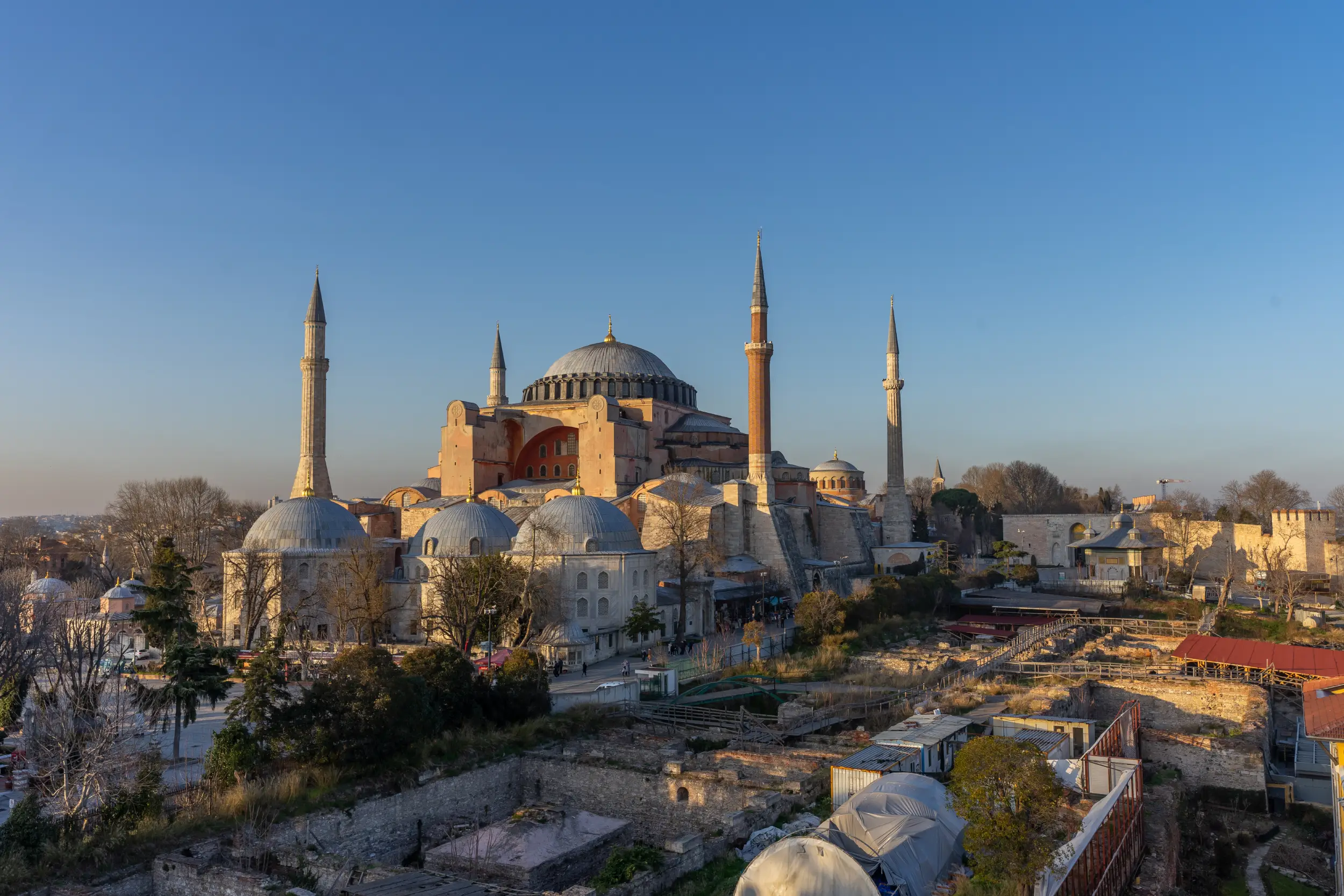
The architectural relationship between Kılıç Ali Pasha Mosque and Hagia Sophia is one of the principal reasons the mosque has fascinated architectural historians.

At first glance, the basic composition appears familiar: a central dome is extended along the longitudinal axis by two great semi-domes, while galleries occupy the lateral sides of the prayer hall. Large structural supports descend around the main domed space.

These features inevitably recall the revolutionary 6th-century design of Hagia Sophia. But Sinan did not simply reproduce the Byzantine building. He reduced the scale, clarified the structural relationships and adapted the composition to the requirements and visual language of a classical Ottoman mosque.

The four main piers, arches, pendentives and supporting elements create a much more controlled structural system. The side galleries are also arranged differently, allowing the central prayer space to retain greater visual unity.

The result can be understood as an architectural conversation: a master Ottoman architect studying one of Constantinople's greatest monuments and then demonstrating how its structural ideas could be reinterpreted almost a millennium later.

Central Dome

A dominant central cupola forms the heart of both architectural compositions.

Two Semi-Domes

Semi-domes extend the main space along the entrance-to-mihrab axis.

Side Galleries

Elevated lateral spaces recall Byzantine precedents while serving an Ottoman mosque interior.

Four Main Piers

Sinan's structural system creates a clearly organized support for the central dome.

Not a Copy

The mosque transforms Hagia Sophia's ideas rather than reproducing them literally.

Mature Sinan

The building belongs to the final great phase of Sinan's exceptionally long architectural career.

Architectural comparison: If you visit both buildings, look upward from the center of each prayer space. The broad concept is related, but the proportions, supports, galleries and transition from dome to lower space reveal how radically Sinan reworked the earlier model.

Architecture of Kılıç Ali Pasha Mosque

The mosque is constructed primarily from carefully worked stone and presents a comparatively compact exterior when measured against Istanbul's great imperial mosques. Its architectural ambition, however, becomes immediately clear upon entering the prayer hall.

Four principal piers support four great arches above which rises a central dome approximately 12.7 meters in diameter. The transition is accomplished through pendentives, while windows around the upper structure introduce natural light.

The central space is extended toward the entrance and qibla directions by two semi-domes. The mihrab projects within the qibla end, strengthening the longitudinal direction of the prayer space.

Along the sides, galleries and arcades enlarge the interior without competing with the central dome. This combination of longitudinal movement and lateral expansion creates a surprisingly spacious interior despite the mosque's relatively modest dimensions.

Outside, a traditional five-domed portico fronts the prayer hall. A second roofed portico supported by marble columns provides another layer of shelter and depth, while the mosque's single minaret rises beside the building.

12.7 m Dome

The main dome forms the dominant architectural center of the prayer hall.

Two Semi-Domes

Large half-domes extend the central space along the qibla axis.

Four Piers

Massive supports carry the principal arches and central dome.

Side Galleries

Arcaded galleries create additional depth while framing the central worship space.

Five-Domed Portico

The principal entrance porch follows the refined vocabulary of classical Ottoman mosque design.

One Minaret

A single slender minaret completes the mosque's distinctive Tophane silhouette.

The Dome and Semi-Domes of Kılıç Ali Pasha Mosque

The principal dome, approximately 12.7 meters in diameter, rests above four large arches carried by four principal supports. Pendentives mediate between the square structural system below and the circular base of the dome above.

Unlike the four-directional compositions used in some classical Ottoman mosques, Kılıç Ali Pasha Mosque develops strongly along one axis. A major semi-dome extends toward the mihrab, while another expands the space toward the entrance.

This produces the same broad longitudinal logic that makes Hagia Sophia immediately recognizable, but the scale is smaller and the structural organization is more compact.

The side zones remain visually connected to the center through arcades and galleries. As a result, visitors experience several layers of space at once: the central dome above, semi-domes ahead and behind, and the more intimate galleries stretching along either side.

Main Dome Approximately 12.7 meters in diameter
Structural Support Four main piers and four great arches
Transition Pendentives beneath the principal dome
Semi-Domes Two major semi-domes arranged along the main prayer axis
Spatial Inspiration A mature Ottoman reinterpretation of the Hagia Sophia system

Inside Kılıç Ali Pasha Mosque

The architecture is the dominant feature of the interior, but Kılıç Ali Pasha Mosque also preserves important decorative elements from the classical Ottoman period.

Among the most valuable are the 16th-century İznik tiles used around the mihrab and along sections of the qibla wall. Their blues, turquoise tones and floral compositions provide concentrated areas of color beneath the pale masonry and painted domes.

The mihrab and minbar are carved in white marble. Rather than overwhelming the architecture with excessive decoration, their refined geometry works with the disciplined proportions of the prayer hall.

Visitors should also look toward the side galleries. Their slender columns and layered arcades are essential to understanding how Sinan transformed the architectural ideas associated with Hagia Sophia into a more compact Ottoman interior.

Some colored-glass windows belong to later restoration campaigns, showing that the visual character of the mosque is the result of both its 16th-century construction and subsequent centuries of maintenance and repair.

İznik Tiles

Important 16th-century tile panels survive particularly around the mihrab and qibla wall.

Marble Mihrab

The prayer niche forms the spiritual and visual focus of the interior.

Marble Minbar

Fine stone craftsmanship reflects the refined decorative language of classical Ottoman architecture.

Side Galleries

Arcades and elevated spaces create one of the mosque's strongest architectural connections with Hagia Sophia.

Natural Light

Rows of windows illuminate the central dome, semi-domes and lateral spaces.

Layered History

Later restoration work can be seen alongside surviving 16th-century architectural elements.

The Courtyard and Five-Domed Portico

The contrast between the surrounding city and the mosque courtyard is one of the pleasures of visiting Kılıç Ali Pasha Mosque. Tophane is filled with trams, traffic, pedestrians and visitors moving between Karaköy, Galataport and Kabataş, yet the mosque enclosure creates a noticeably calmer atmosphere.

The principal son cemaat yeri, or portico for late-arriving worshippers, consists of arches supported by columns and covered by five small domes.

A second covered structure with a lead roof extends the sheltered entrance zone. Its marble columns and lower proportions produce a layered transition between the courtyard and the much taller domed prayer hall.

The historic enclosure has not survived entirely in its original form. Urban changes, particularly road works during the 20th century, altered the boundaries of the complex and reduced its once stronger relationship with the nearby waterfront.

Five Domes

The principal portico is divided into five domed bays.

Marble Columns

Columns and arches create a rhythmic transition between courtyard and mosque.

Second Portico

An additional roofed section expands the sheltered approach to the prayer hall.

Historic Courtyard

The enclosure once occupied a larger area before modern road and waterfront changes.

Visitor tip: Before entering the mosque, stand beneath the portico and look toward the surrounding streets. The contrast between Sinan's 16th-century architecture and modern Tophane is one of the site's most memorable features.

The Kılıç Ali Pasha Külliye

The mosque formed the centerpiece of a wider Ottoman külliye, a charitable architectural foundation combining religious, educational and public-service functions.

The surviving complex includes the mosque, medrese, hamam, türbe of Kılıç Ali Pasha and the surrounding hazire.

The medrese was organized around its own courtyard, with student cells and a larger domed teaching space. Over the centuries it experienced changing institutional uses and alterations.

The adjacent Kılıç Ali Pasha Hamam is one of the most distinctive surviving components. It was completed in the early 1580s and continues to function as a Turkish bath, although it operates separately from the mosque and has its own commercial visitor arrangements.

Behind the mosque lies the founder's türbe. Its stone exterior is octagonal, while the interior employs an unusual structural arrangement beneath its domed covering. Kılıç Ali Pasha was buried here after his death in 1587.

Mosque

The principal religious building and architectural centerpiece of the foundation.

Medrese

An educational institution arranged around a courtyard with student cells and a teaching space.

Hamam

A major domed Turkish bath belonging to the Sinan-designed complex.

Türbe

The domed mausoleum containing the burial of Kılıç Ali Pasha.

Hazire

Historic gravestones preserve another layer of the religious and maritime history of Tophane.

Historic Waterfront

The complex originally stood beside one of the important maritime approaches to Beyoğlu.

Kılıç Ali Pasha Hamam

Immediately beside the mosque stands the Kılıç Ali Pasha Hamam, an important component of the original foundation and one of Istanbul's best-known surviving Ottoman bath buildings.

Documentary evidence records completion of the hamam in 1583, a few years after the date on the mosque inscription. Like the mosque, the bath is associated with Mimar Sinan.

Its monumental changing hall, or camekân, is covered by a large dome approximately 14.1 meters in diameter. Beyond it, the sequence of warm and hot rooms follows a sophisticated arrangement adapted to the rituals of Ottoman bathing.

The hamam eventually fell into poor condition, but restoration returned the building to active use. Today it operates as a separate commercial Turkish bath rather than as part of a free visit to the mosque.

1583

Historical documentation records completion of the hamam in the early 1580s.

14.1 m Dome

A large dome covers the monumental changing hall.

Mimar Sinan

The bath belongs to the architectural ensemble associated with Sinan.

Still in Use

The restored building continues to operate as a traditional Turkish bath.

Important: The hamam and mosque have separate visitor arrangements. Entry to the mosque is normally free, while bathing services at the hamam require a separate reservation and payment.

Kılıç Ali Pasha Mosque and the Changing Tophane Waterfront

Understanding the historic shoreline dramatically changes the way you see Kılıç Ali Pasha Mosque. When the complex was constructed, the sea approached much closer to the mosque than it does today.

Tophane was one of Istanbul's principal maritime and military districts. Its imperial cannon foundry, landing places and proximity to the arsenal gave the neighborhood a strong connection with Ottoman naval power.

The position of a mosque founded by the Kapudan Pasha at this maritime gateway was therefore highly symbolic. Sailors, soldiers, merchants and travelers moving between ships and the city would have encountered the complex close to the waterfront.

Later shoreline reclamation, road construction and the development of modern port facilities pushed the water farther away. Today the mosque stands amid a completely different urban landscape, with Galataport, Istanbul Modern and contemporary Beyoğlu surrounding the historic complex.

Historic Shoreline

The mosque originally stood very close to the sea and an important landing place.

Naval District

Tophane was closely connected with Ottoman artillery, shipping and maritime activity.

Urban Transformation

Land reclamation and road construction gradually changed the mosque's relationship with the water.

Modern Tophane

Historic Ottoman monuments now stand beside museums, galleries and the redeveloped waterfront.

What to See at Kılıç Ali Pasha Mosque

Kılıç Ali Pasha Mosque rewards careful observation. Rather than walking directly through the prayer hall, move gradually from the courtyard to the portico, then examine the architecture from several positions inside.

Central Dome

Stand near the center of the prayer hall and look up toward the 12.7-meter-wide principal dome.

Two Semi-Domes

Follow the architectural axis from entrance toward mihrab and notice how the half-domes expand the space.

Side Galleries

Study the layered arcades that provide one of the strongest architectural connections with Hagia Sophia.

İznik Tiles

Look carefully around the mihrab and qibla wall for important examples of classical Ottoman tilework.

Mihrab & Minbar

Examine the refined white-marble craftsmanship at the spiritual center of the mosque.

Five-Domed Portico

Pause outside the prayer hall to appreciate the rhythm of columns, arches and small domes.

Kılıç Ali Pasha Türbe

See the founder's mausoleum and the historic cemetery beside the mosque.

Historic Hamam

Walk around the exterior of the adjoining Ottoman bath complex before continuing through Tophane.

Do not miss: Stand beneath the center of the main dome and compare the view mentally with Hagia Sophia. The relationship between the two buildings becomes much easier to understand from this position.

Practical Tips for Visiting Kılıç Ali Pasha Mosque

Dress Modestly

Shoulders and knees should be covered. Women should cover their hair inside the prayer hall.

Remove Shoes

Shoes must be removed before entering the carpeted prayer area.

Visit Between Prayers

Architectural sightseeing is most convenient outside the five daily congregational prayer periods.

Avoid Friday Midday

The mosque becomes considerably busier around the principal Friday congregational prayer.

Use the T1 Tram

Tophane tram stop is immediately beside the historic complex and is the easiest transport option for many visitors.

Explore on Foot

The mosque is ideally positioned for a longer walk through Tophane, Galataport, Karaköy and Galata.

Suggested Kılıç Ali Pasha Mosque and Tophane Route

Begin at Kılıç Ali Pasha Mosque. Spend approximately 30–45 minutes exploring the courtyard, five-domed portico, main prayer hall, İznik tiles and the founder's türbe.

Walk around the adjoining Kılıç Ali Pasha Hamam to understand the scale of the original külliye. The mosque, medrese and bath together reveal how Ottoman foundations served religious, educational and social purposes.

Continue across the Tophane area toward the monumental Tophane Fountain and Nusretiye Mosque. This short distance contains architecture from very different Ottoman periods, making it especially valuable for travelers interested in the evolution of Istanbul's architectural styles.

Continue toward the waterfront and Istanbul Modern, then walk through Galataport toward Karaköy. The modern shoreline is very different from Kılıç Ali Pasha's 16th-century harbor, but the walk helps explain how dramatically this part of Istanbul has changed.

From Karaköy, either finish with cafés and the waterfront or continue uphill toward Galata Tower and the historic streets of Galata.

Start Kılıç Ali Pasha Mosque
Külliye Kılıç Ali Pasha Hamam & surrounding complex
Ottoman Tophane Tophane Fountain & Nusretiye Mosque
Modern Culture Istanbul Modern
Waterfront Galataport & Karaköy
Optional Finish Galata Tower and historic Galata
Total Time Approximately 2–4 hours depending on stops
Shorter option: Allow around 45–60 minutes for the mosque, hamam exterior and immediate Tophane monuments, or approximately two hours if you continue through Galataport to Karaköy.

Kılıç Ali Pasha Mosque Visitor Information

Kılıç Ali Pasha Mosque remains an active place of worship rather than a museum. It is used for daily prayers, Friday prayer and religious gatherings.

There is normally no general entrance fee for the mosque. Visitors of all backgrounds can generally enter respectfully when congregational prayer is not taking place, although temporary restrictions may occur.

Because this is a living mosque, visitor access is better understood around prayer times rather than according to a rigid museum timetable. For sightseeing, weekday mornings and periods between the midday and afternoon prayers are generally convenient.

The mosque stands directly beside the Tophane stop of the T1 tram line, making it particularly easy to reach from Sultanahmet, Eminönü, Karaköy and Kabataş.

Site Kılıç Ali Pasha Mosque / Kılıç Ali Paşa Camii
District Tophane, Beyoğlu, Istanbul
Entrance Normally free; active place of worship
Visitor Access Best between prayers; temporary restrictions may occur
Suggested Time 30–45 minutes for the mosque
Best For Mimar Sinan, Hagia Sophia comparisons, Ottoman architecture and naval history
Prayer-time reminder: Prayer times change throughout the year. If your main purpose is architectural sightseeing, avoid arriving immediately before congregational prayer, especially around Friday midday.

Best Time to Visit Kılıç Ali Pasha Mosque

Weekday Morning

A good period for enjoying the courtyard and architecture before the surrounding streets become busier.

Mid-Afternoon

Often convenient for combining the mosque with Tophane, Galataport and Karaköy between prayer periods.

Friday

Avoid the main congregational prayer period if your purpose is sightseeing rather than worship.

Spring

Mild weather makes a longer walking route through Tophane and Karaköy especially pleasant.

Autumn

Comfortable temperatures are ideal for combining architecture with the waterfront.

Late Afternoon

Soft light can be particularly attractive for exterior photography around the courtyard and Tophane streets.

How Much Time Do You Need at Kılıç Ali Pasha Mosque?

15–20 Minutes

Enough for a quick look at the courtyard, portico and prayer hall if you are passing through Tophane.

30–45 Minutes

The ideal range for appreciating the dome, semi-domes, galleries, İznik tiles and exterior architecture.

60–90 Minutes

Add the türbe, hamam exterior, medrese and surrounding Tophane monuments.

Half Day

Continue through Istanbul Modern, Galataport, Karaköy and Galata for a rewarding urban heritage route.

Photography at Kılıç Ali Pasha Mosque

Kılıç Ali Pasha Mosque offers particularly rewarding architectural photography because the building combines a compact courtyard, repeating arcades, a strong dome silhouette and richly detailed interior spaces.

Inside, a wide-angle view from the central prayer space can reveal the relationship between the main dome, semi-domes and side galleries. The İznik tiles around the qibla wall provide excellent opportunities for detailed photographs.

Outside, the five-domed portico and single minaret work well from several positions around the courtyard. The surrounding streets also allow photographs showing the mosque within the dense modern fabric of Tophane.

Remember that this remains an active mosque. Avoid photographing people closely while they are praying, keep noise to a minimum and never block prayer rows or entrances while composing photographs.

Main Dome

Photograph upward from the central prayer space to emphasize the dome, pendentives and supporting arches.

Axial View

Use the entrance-to-mihrab axis to capture both semi-domes within the same architectural sequence.

Side Galleries

Columns and layered arches create strong repeating patterns inside the prayer hall.

İznik Tiles

Close architectural details reveal floral motifs and classical Ottoman color combinations.

Portico

The five domes, arches and columns produce excellent symmetrical compositions.

Tophane Context

Step farther away to show the historic mosque surrounded by the movement of contemporary Istanbul.

Photography etiquette: Avoid flash, tripods that obstruct circulation, and intrusive photographs of worshippers. Religious activity always takes priority over photography.

Accessibility at Kılıç Ali Pasha Mosque

The mosque occupies a very central and well-connected location, but visitors should remember that it is a 16th-century historic religious complex rather than a purpose-built modern visitor attraction.

Excellent Transport

The Tophane T1 tram stop is immediately beside the mosque.

Historic Thresholds

Entrances and courtyard surfaces may include changes of level and traditional stonework.

Prayer Hall

Shoe removal is required before entering the carpeted worship area.

Courtyard

Much of the exterior area can be explored at a gentle pace, although historic surfaces may be uneven.

Busy Surroundings

Tram traffic, pedestrians and nearby roads can make the area around the entrance crowded.

Ask on Arrival

If step-free access is essential, ask mosque staff for the most suitable currently available entrance.

How to Get to Kılıç Ali Pasha Mosque

The mosque stands beside Tophane tram stop on Meclis-i Mebusan Avenue, between Karaköy and Kabataş. Its central position makes it one of Istanbul's easiest Sinan mosques to include in a sightseeing route.

By T1 Tram

Use the Kabataş–Bağcılar T1 line and get off at Tophane. The mosque is immediately beside the stop.

From Sultanahmet

Take the T1 tram directly toward Kabataş and leave at Tophane.

From Eminönü

The T1 tram provides a direct connection, or combine the visit with a longer walk through Karaköy.

From Karaköy

Walk approximately 10–15 minutes along the Tophane direction or take the T1 tram one stop.

From Taksim

Take the F1 funicular to Kabataş and continue one stop on the T1 tram to Tophane.

From Asian Istanbul

Use a ferry to Karaköy or Kabataş and continue on foot or by tram.

Transport tip: For a particularly enjoyable visit, arrive through Karaköy, walk through the waterfront district to Tophane and continue toward Kabataş after exploring the mosque.

Places to Visit Near Kılıç Ali Pasha Mosque

The mosque stands in one of Istanbul's richest areas for combining Ottoman architecture, contemporary museums, waterfront walks and historic neighborhoods. Use our complete Istanbul visitor guide to build a wider route.

Kılıç Ali Pasha Hamam

See the monumental Sinan-designed Ottoman bath immediately beside the mosque.

Tophane Fountain

Explore one of Istanbul's great 18th-century monumental fountains only a short walk away.

Nusretiye Mosque

Compare Sinan's classical architecture with an elegant 19th-century Ottoman mosque in the same historic district.

Istanbul Modern

Combine Ottoman architectural heritage with one of Türkiye's leading museums of modern and contemporary art.

Galataport

Walk along the redeveloped Bosphorus waterfront immediately below historic Tophane.

Karaköy

Explore historic streets, churches, cafés and the busy waterfront between Tophane and the Golden Horn.

Galata Tower

Continue uphill through Galata to one of Istanbul's most recognizable medieval landmarks.

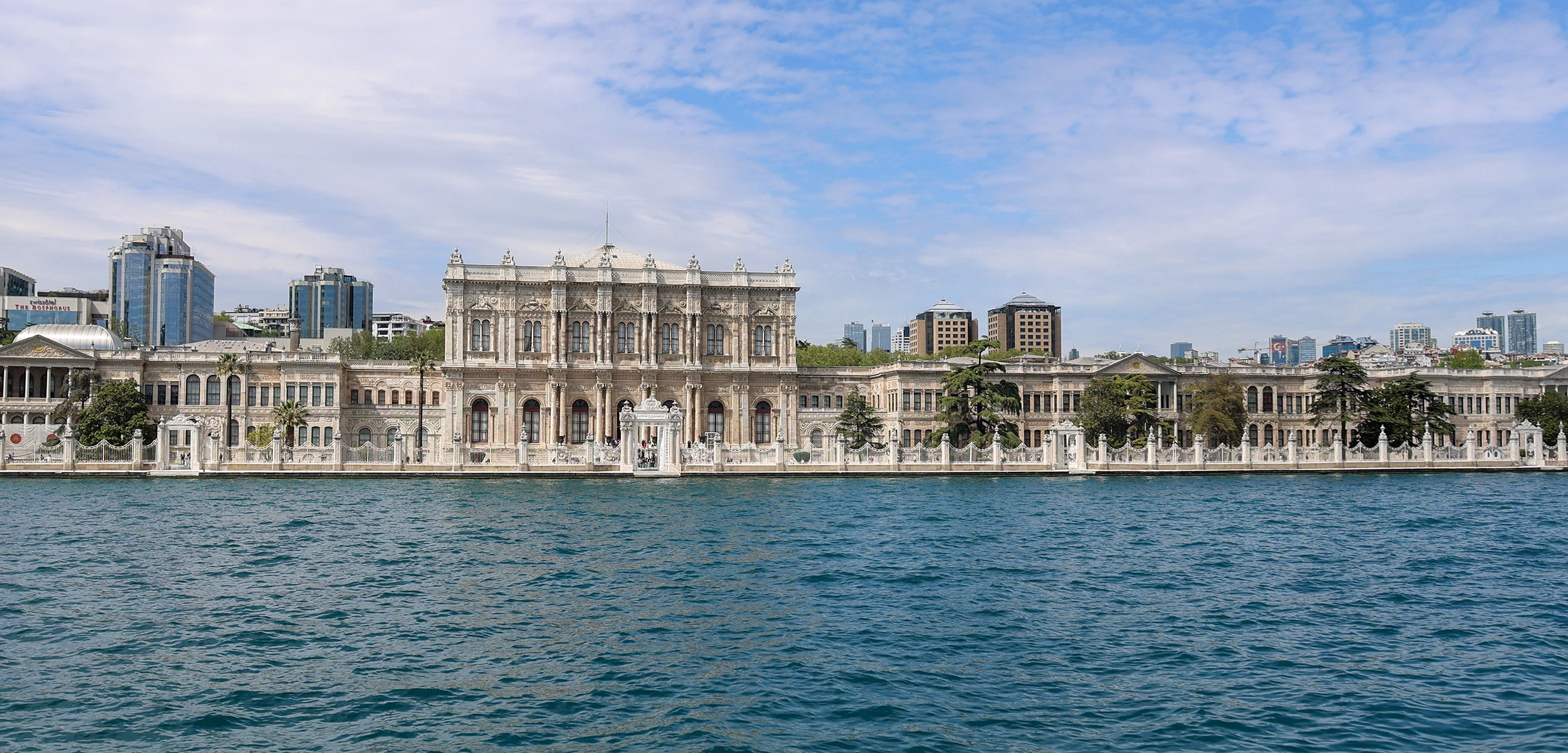
Dolmabahçe Palace

Travel toward Kabataş for the spectacular 19th-century Ottoman palace overlooking the Bosphorus.

Explore More of Istanbul

Continue through Istanbul's mosques, churches, palaces, cisterns, markets and archaeological monuments.

Frequently Asked Questions About Kılıç Ali Pasha Mosque

Where is Kılıç Ali Pasha Mosque?

The mosque is in Tophane in Istanbul's Beyoğlu district, between Karaköy and Kabataş on the European side.

Who built Kılıç Ali Pasha Mosque?

The mosque was designed by Mimar Sinan for the Ottoman admiral Kılıç Ali Pasha.

When was Kılıç Ali Pasha Mosque built?

The mosque was constructed during the late 1570s and its entrance inscription records completion in 988 AH / 1580.

Who was Kılıç Ali Pasha?

Kılıç Ali Pasha was one of the leading Ottoman naval commanders of the 16th century and served as Kapudan Pasha, or Grand Admiral of the Ottoman fleet.

Was Kılıç Ali Pasha originally Italian?

Historical sources identify him as originating in Calabria in southern Italy before entering the Ottoman Mediterranean world and later converting to Islam.

Was Kılıç Ali Pasha at the Battle of Lepanto?

Yes. He commanded the Ottoman left wing during the Battle of Lepanto in 1571 and successfully withdrew a significant part of his squadron.

Why does Kılıç Ali Pasha Mosque look like Hagia Sophia?

Mimar Sinan deliberately used a related architectural system with a central dome, two axial semi-domes, galleries and large supporting elements, but transformed the concept into a classical Ottoman mosque.

Is Kılıç Ali Pasha Mosque a copy of Hagia Sophia?

No. Although the architectural relationship is obvious, Sinan changed the proportions, structural arrangement, galleries and spatial organization. It is better understood as a sophisticated reinterpretation.

How large is the main dome?

The principal dome is approximately 12.7 meters in diameter.

How many semi-domes does the mosque have?

Two major semi-domes extend the central domed space along the entrance-to-mihrab axis.

How many minarets does Kılıç Ali Pasha Mosque have?

The mosque has one minaret.

Are there İznik tiles inside Kılıç Ali Pasha Mosque?

Yes. Important 16th-century İznik tile decoration survives around the mihrab and sections of the qibla wall.

What buildings belonged to the Kılıç Ali Pasha complex?

The surviving complex includes the mosque, medrese, hamam, Kılıç Ali Pasha's türbe and a historic cemetery or hazire.

Is Kılıç Ali Pasha buried here?

Yes. His mausoleum stands beside the mosque and contains the burial of the Ottoman admiral.

Is Kılıç Ali Pasha Hamam part of the complex?

Yes. The historic hamam is an important element of the foundation and was completed in the early 1580s.

Can I visit the Kılıç Ali Pasha Hamam?

Yes, but the hamam operates separately as a commercial Turkish bath. Its reservations and admission arrangements are independent from the mosque.

Was Kılıç Ali Pasha Mosque originally beside the sea?

Yes. The historic shoreline was much closer when the mosque was built, and the complex stood near an important maritime landing point in Tophane.

Why is the mosque no longer directly beside the water?

Shoreline reclamation, roads and later waterfront development moved the effective coastline farther from the historic complex.

Is Kılıç Ali Pasha Mosque free to enter?

There is normally no general admission fee because it remains an active mosque rather than a ticketed museum.

Can non-Muslims visit Kılıç Ali Pasha Mosque?

Visitors of all backgrounds can normally enter respectfully outside congregational prayer periods, subject to current mosque arrangements.

Do women need to cover their hair?

Women should cover their hair inside the prayer hall, while all visitors should dress modestly and cover shoulders and knees.

Do visitors need to remove their shoes?

Yes. Shoes must be removed before entering the carpeted prayer area.

Can I visit during prayer time?

Sightseeing may be restricted during congregational prayer, so visiting between prayer periods is more convenient and respectful.

What are Kılıç Ali Pasha Mosque opening hours?

Because it is an active mosque, visitor access follows the religious schedule rather than a fixed museum timetable. Plan your visit between prayers and allow for temporary changes.

What is the best time to visit Kılıç Ali Pasha Mosque?

A weekday morning or mid-afternoon is usually a good choice, particularly if you plan to continue through Tophane and Karaköy.

How long should I spend at Kılıç Ali Pasha Mosque?

Allow around 30–45 minutes for the mosque itself and two to four hours for a wider Tophane, Galataport and Karaköy route.

Is photography allowed?

Discreet architectural photography is generally possible, but visitors should avoid flash, noise and intrusive photographs of people praying.

How do I get to Kılıç Ali Pasha Mosque?

The easiest option is usually the T1 tram to Tophane. The mosque stands immediately beside the tram stop.

Can I walk from Karaköy?

Yes. Kılıç Ali Pasha Mosque is approximately a 10–15 minute walk from central Karaköy, depending on your starting point.

What can I visit nearby?

Kılıç Ali Pasha Hamam, Tophane Fountain, Nusretiye Mosque, Istanbul Modern, Galataport, Karaköy and Galata Tower are all natural additions to the visit.

Is Kılıç Ali Pasha Mosque worth visiting?

Absolutely. It combines Mimar Sinan's mature architecture, Ottoman naval history, İznik tiles and one of the most fascinating architectural dialogues with Hagia Sophia anywhere in Istanbul.


Responsible Visiting at Kılıç Ali Pasha Mosque

Give Worshippers Priority

Never stand directly in front of people praying or block prayer rows and entrances.

Dress Appropriately

Modest clothing respects the religious function of the mosque and its congregation.

Keep Noise Low

Avoid loud conversation, speakerphone use and disruptive behavior inside the prayer hall.

Photograph Carefully

Architecture can be photographed discreetly, but private prayer should never become an intrusive photo opportunity.

Protect Historic Surfaces

Do not unnecessarily touch İznik tiles, carved stone, marble or other historic decorative elements.

Follow Local Guidance

Prayer services, funerals, religious events, restoration or maintenance may temporarily change visitor access.

Private Kılıç Ali Pasha Mosque & Mimar Sinan Experiences

Connect Kılıç Ali Pasha Mosque with Hagia Sophia, other works of Mimar Sinan, Tophane, Galata, Karaköy and the Bosphorus through a private route designed around your interests and without compulsory shopping stops.

Custom Mimar Sinan & Ottoman Architecture Experience

Choose a focused half-day route around Kılıç Ali Pasha Mosque and Tophane, or create a deeper private journey comparing Sinan's mosques, Byzantine architecture and the extraordinary evolution of Istanbul's domed monuments.

Continue Exploring Historic Istanbul

Connect Tophane with Byzantine monuments, Ottoman masterpieces, Bosphorus palaces and some of Istanbul's most rewarding historic neighborhoods.