
Custom Keloğlan Cave Experience
Visit the remarkable Acıpayam cave, enjoy its natural rock formations and take in the surrounding countryside with private transport.
Request a Custom Visit





Keloğlan Cave (Keloğlan Mağarası) is one of Denizli Province’s memorable natural attractions, hidden above Dodurgalar in the Acıpayam district. Although the cave is only around 145 metres along its visitor route, its closely packed stalactites, stalagmites, stone columns and calcite curtains create the impression of a much larger underground world.
The cave lies at roughly 1,110 metres above sea level in a limestone hillside near the Denizli–Antalya corridor. Local residents and shepherds knew the site long before it became a visitor attraction; official sources state that it was developed for tourism and opened in 2003.
Its name is associated with a delightful folktale about a bald shepherd who supposedly awoke inside the cave with a full head of hair. The story is part of local culture, not an actual medical effect. Visitors come for the fascinating rock formations, atmospheric lighting, mountain views and the chance to explore a lesser-known side of Denizli.
This guide covers where Keloğlan Cave is, how to get there, geology, the famous legend, cave formations, walking conditions, bats, opening hours, ticket information, photography, accessibility, nearby attractions and practical private-tour ideas. Published seasonal hours and other operational details should always be reconfirmed before travelling.
A short but richly decorated underground walk.
Stalactites, stalagmites, columns and mineral curtains.
Discover the story behind the name Keloğlan.
Enjoy hillside viewpoints above the surrounding plain.
Key facts for visiting Keloğlan Mağarası in the Acıpayam district of Denizli.
Dodurgalar, Acıpayam district, Denizli, Türkiye.
Open on Google MapsApproximately 145 metres through decorated limestone galleries.
Approximately 1,110 metres above sea level.
2003, after geological studies and visitor preparation.
Generally humid and relatively warm inside the cave.
Stalactites, stalagmites, columns, flowstone and draperies.
Grip-soled shoes recommended for damp, uneven steps.
Allow about 30–60 minutes for the cave and viewpoint, depending on pace.
A journey through Keloğlan Cave is a wonderful contrast to the open-air landscapes of Denizli. Inside, layers of calcite have created a crowded world of hanging stalactites, rising stalagmites, fused columns and delicate mineral sheets. The short route rewards visitors who take time to look closely rather than rush through.
The cave is also an approachable introduction to karst geology—the slow interaction of water and soluble rock. For travellers driving between Denizli and the Antalya region, it can make an appealing extra stop when operating hours and road conditions permit.
After the underground visit, the surrounding hillside offers a second attraction: wide views toward the Acıpayam plain. The combination of geology, folklore and natural scenery makes the cave particularly interesting for curious families, photographers and guests exploring beyond Pamukkale.
See complex formations concentrated in a compact gallery.
A traditional tale that gives the site its memorable name.
Look out over the rural plain from approved viewpoints.
Watch how dripping water creates mineral forms.
A comparatively short attraction for suitable visitors.
Explore a different landscape from the famous travertines.
Keloğlan Mağarası is near Dodurgalar Mahallesi in the Acıpayam district of Denizli Province, southwestern Türkiye. The national Culture Portal places the cave on the eastern slope of Mallı Dağı, about 18 km east of Acıpayam and to the west of Dodurgalar.
Other local administrative descriptions use the nearby names Karadağ, Bucakiçi and Keloğlanlar Yakası. These place-names describe the same general upland setting; printed distances from Dodurgalar differ across official accounts according to the reference point and route used.
For navigation, search for the cave itself rather than Dodurgalar village alone. The final section is a hillside approach, and the actual route may differ from a simple town-to-town distance.
Denizli, southwestern Türkiye.
Acıpayam.
Dodurgalar Mahallesi.
Mallı Dağı / Karadağ area in official local descriptions.
Around 1,110 m above sea level.
Select Keloğlan Mağarası as your destination.
Official sources give a 145-metre visitor route, and the Turkish caves directory records an average gallery height of approximately 5–6 metres in sections. Do not mistake the short measured route for a simple, flat corridor; the space is full of irregular rock and naturally divided sections.
A visit can take around 20–40 minutes inside for many guests, depending on the pace of the group, photographs and the number of other people on the path. Allow additional time for the entrance approach and the viewpoint outside. These are planning estimates, not published fixed tour durations.
Walk slowly, watch your head near low projections and keep the route clear for other visitors. Avoid touching delicate formations even where they appear to be within easy reach.
145 m along the visitor route.
About 5–6 m in parts of the cave.
Plan roughly 20–40 minutes inside; individual pace varies.
Budget roughly 30–60 minutes or longer for photographs.
Maintained visitor path with steps and changes of level.
Pause where safe and allow groups to pass.
Keloğlan Cave developed in fractured Jurassic–Cretaceous limestone, according to the Türkiye Culture Portal and Denizli’s provincial tourism authority. Over long periods, slightly acidic water percolating through joints and cracks dissolved portions of the rock, gradually enlarging passages and cavities.
When mineral-rich water later dripped into spaces containing air, dissolved calcium carbonate could be redeposited as calcite. This long and variable process produces the dripstone features visible today. Their growth is generally very slow and dependent on local water flow and chemistry.
Official descriptions classify the cave as an essentially horizontal fossil passage cave. Here “fossil” is a geological description of its passage development and water history, not a claim that the entire cave consists of animal fossils.
Fractured Jurassic–Cretaceous limestone.
Water enlarges cracks in soluble carbonate rock.
Mineral deposits accumulate on walls and floors.
Limestone terrain shaped by water and dissolution.
An older cave passage rather than a show cave with an active river.
Even a small touch can stain or damage a slow-growing formation.
The cave’s most memorable feature is the high concentration of dripstone. Stalactites hang down from the ceiling where water releases calcite, while stalagmites build upward from droplets reaching the cave floor. In some locations these formations meet to form large stone columns.
Local tourism descriptions also identify very thin “macaroni” stalactites, curtain-like deposits, flowstone sheets and formations that resemble intricate lace. Natural columns separate the interior visually into small alcoves, making the gallery seem winding and full of discoveries.
The colours perceived during a visit are partly influenced by the artificial lighting. The underlying rock and calcite should be appreciated without assuming that dramatic coloured illumination represents a natural mineral colour.
Calcite formations suspended from ceilings.
Deposits building up from the cave floor.
Features formed when upward and downward deposits join.
Very fine tubular stalactites.
Thin mineral curtains shaped by flowing water.
Sheets of calcite coating rock surfaces.
From the entrance, visitors encounter a decorated chamber rather than a long featureless tunnel. The large gallery, stone pillars, recesses and winding sightlines create a series of changing views within a relatively small footprint.
The installed walking platforms and lights help visitors appreciate the stalactites and unusual walls. Some sections feel intimate where rock projects toward the walkway, while other views open toward taller groups of formations.
Because cave infrastructure and visitor management can change, follow the currently marked one-way or two-way route rather than entering unlit recesses. The most striking view may be just around a turn, so a careful pace is more satisfying than hurrying.
The principal visitor space.
Thick calcite columns divide sightlines.
Irregular side sections visible from authorised paths.
Illumination highlights the shape of the stone.
Follow installed visitor infrastructure.
Leave unlit or closed areas undisturbed.
The name Keloğlan means “bald boy” in Turkish and is also a familiar character type in Turkish folk tradition. The local cave legend tells of a bald young shepherd who fell in love but was rejected because of his appearance.
In the tale, the distraught shepherd took refuge in the cave and slept there for many days. When he awoke, his hair had miraculously grown. He returned to the village, won the affection of the young woman and eventually married her. Versions of the story differ in small details, as oral traditions often do.
This is folklore, not a medical claim: visiting the cave has not been shown to restore hair or treat baldness. The story adds cultural colour and illustrates how local communities explained and remembered remarkable places.
A “bald boy” figure known in Turkish folklore.
The central character in the local legend.
His shelter during an unexpectedly long sleep.
Hair regrowth belongs to the folk story only.
A happy ending in versions of the tale.
A reminder of local oral storytelling.
Local official accounts say the cave was known mainly to shepherds and nearby residents before it drew wider attention around 1990. Its relative isolation helped preserve the interior formations from the wear associated with extensive human use.
Denizli authorities and the former Dodurgalar municipal administration sought a formal study by the General Directorate of Mineral Research and Exploration (MTA). Geological surveys and a visitor-access project preceded the development of walking paths and lighting.
The cave was opened to tourism in 2003. Historical sources describe April of that year as the public opening period. Current visitor information is provided by Acıpayam Municipality and other government tourism records; management arrangements should always be checked against the latest official communication.
Primarily known locally, especially by shepherds.
Research and planning by MTA.
Paths and lighting developed for public access.
2003.
Acıpayam Municipality currently describes its responsibility for operation.
A show cave that still requires careful protection.
Government sources describe Keloğlan Cave as having a humid, relatively warm interior. Cave air feels different from exposed mountain air because of limited circulation, moisture and the buffering effect of the surrounding rock.
No dependable live indoor thermometer reading has been verified for this guide, so it would be misleading to promise an exact temperature or relative humidity for every visit. Expect damp conditions, occasional condensation and surfaces that may be slick, and wear clothing suitable for a cave rather than relying only on the outdoor forecast.
Some historical tourism texts mention the cave in connection with respiratory ailments. However, it is not a medical treatment centre; there is no basis here for recommending cave exposure as therapy for asthma, bronchitis or other conditions.
Moisture is a normal feature of the cave atmosphere.
Official sources describe a mild-to-warm microclimate.
Do not rely on an unsourced single value.
Choose footwear with reliable grip.
Anyone affected by damp enclosed spaces should assess comfort.
A scenic attraction, not a substitute for clinical care.
Yes. The official Turkish caves directory and Acıpayam Municipality refer to a bat colony associated with the cave, especially around the entrance. Bats are a natural part of underground ecosystems and should be observed, if seen, without disturbance.
Do not use flash on bats, touch them, feed them, block their flight paths or enter areas reserved for wildlife. The cave’s lighting and visitor route do not mean that every corner is a public viewing area.
Sightings may vary by season, time of day and animal behaviour. Visitors should not expect a bat encounter as a guaranteed part of their ticket.
Reported by official cave and municipal sources.
An important area for the colony.
Avoid disturbing bats and follow posted photography rules.
Do not enter roosting or closed spaces.
Keep noise low around wildlife.
The animals move and rest according to natural rhythms.
For most travellers, Keloğlan Cave is best regarded as a short attraction within a larger Denizli or Acıpayam excursion. The 145-metre visitor route may not take long, but detailed formations, photographs and the external terrace are reasons to allow extra time.
A practical plan is to reserve 30–60 minutes at the cave itself and more if travelling with children, stopping for refreshments or enjoying nearby landscape views. This estimate does not include the drive from Denizli, Pamukkale or Antalya.
Arrive with a comfortable buffer before the published closing time; you may be asked to finish the walk or stop entering earlier than the final gate closure.
Consider 30 minutes on site if conditions are straightforward.
Around 45–60 minutes allows more relaxed viewing.
Allow time for steps, breaks and questions.
Pause in permitted places without obstructing others.
Add a little time for the Acıpayam landscape.
Calculate separately from your exact starting point.
The Turkish Ministry of National Education’s public visitor listing shows 09:00–17:00 every day as a basic schedule. Its supplementary visitor notes describe opening at 09:00, closing at 17:00 in winter and at 18:30 in summer, and closure on the first day of certain religious holidays.
These are published administrative details rather than a real-time operating calendar. Seasonal changes, staffing, weather, holidays or temporary maintenance can affect admission, so confirm current hours before departure—especially if arriving late in the afternoon.
You should not assume that the entire public trail remains open until the exact final minute of the stated daily schedule. Ask whether the last entry is earlier.
The Ministry of Education visitor record describes paid entrance to Keloğlan Cave. However, a dependable operator-confirmed 2026 ticket price for adults, students and children was not available in the official sources reviewed for this guide.
Rather than quote an outdated amount, this page recommends checking with the operating authority for current individual and group prices, eligibility for any concessions, accepted payment methods and possible holiday changes. Do not assume that a museum pass covers a municipally operated cave.
If your visit is included in a private itinerary, ask whether admission is included in the tour quote or payable on arrival. The tour price and the cave ticket are separate things unless explicitly stated otherwise.
Visitor platforms, railings and lighting are described by the operating municipality. Even with this infrastructure, Keloğlan Cave is a natural underground environment with changes of level, steps, damp ground and uneven rock beside the path.
Wear secure, non-slip footwear and use railings where provided. Move cautiously in low or narrow sections, keep children beside you and avoid leaning over barriers to touch or photograph formations.
Check whether the visitor route is temporarily adjusted for maintenance. If someone in your group has difficulty with stairs, balance or enclosed spaces, ask the operator about the exact current path before purchasing tickets.
Installed visitor access exists in the show cave.
Expect changes of level rather than a completely flat floor.
Grip-soled shoes are preferable to smooth sandals.
Watch your head and shoulders.
Keep young visitors close to an adult.
Protect yourself and the cave formations.
A 145-metre route may sound easy, but distance alone does not determine accessibility. The cave has built visitor infrastructure, yet stairs, slopes, tight turning spaces and naturally irregular ground can create barriers for wheelchairs, pushchairs and guests with reduced mobility.
A public educational directory contains general accessibility metadata, but that alone is not enough to guarantee continuous step-free access through the whole cave. Ask the cave operator for up-to-date information about the entrance, platforms, width, gradients and available assistance.
Some guests may be able to enjoy the outside viewpoint or entrance facilities even if the full underground route is unsuitable; confirm parking and accessible toilets separately.
Do not assume the full route is step-free.
Likely inconvenient on steps; verify before arrival.
Ask which sections can be accessed safely.
Check the exact approach and any thresholds.
Confirm accessible parking and toilets in advance.
The outside view may be a worthwhile stop.
Children who enjoy unusual places may love spotting stone columns and learning the difference between stalactites and stalagmites. The Keloğlan legend also gives families an entertaining story to discuss before or after the visit.
Because the route can be damp and contains steps, younger children need close supervision. Remind everyone to walk rather than run, keep hands away from formations and stay with the group.
For sensitive children, describe the dim artificial lighting, enclosed setting and possible bats before entering. If a child becomes uncomfortable, follow staff instructions and return by the permitted route.
Discover rock formations made by dripping water.
Tell the bald shepherd story as a traditional legend.
Young children should remain within reach.
Trainers with good grip work well for many visitors.
Prepare children for low lighting and humidity.
Look carefully but do not touch.
Keloğlan Cave is richly photogenic: mineral curtains, columns and lighting create striking depth even on a short route. A modern phone can capture excellent images when held steadily and used without flash.
The Ministry of Education visitor notes explicitly state that flash photography is prohibited. Follow any further signposted photography restrictions and do not set up tripods, lights or large equipment without permission.
For sharp photographs, brace your hands, use night mode carefully and avoid leaning against delicate rock. Do not photograph bats at close range or block the path while experimenting with your camera.
A restriction stated in published visitor notes.
Use a stable stance without touching formations.
Let available illumination shape the photograph.
Columns and curtains make strong compositions.
Never hold cave deposits to pose for a photo.
Commercial photography may require approval.
The hillside outside the cave is a lovely complement to the underground experience. Acıpayam Municipality describes viewpoints over the Acıpayam plain, the Eşeler range and surrounding mountains. On a clear day, the high-country landscape helps explain the region’s limestone geology.
Local government material also mentions a short nature walk from the cave area toward a nearby viewpoint. Exact lengths and present trail maintenance should be verified; the older account’s 200-metre description is not a guarantee of a universally accessible, signed path today.
Stay on approved walking areas, avoid cliff edges and check weather before walking above the visitor facility. Mountain viewpoints can be windy or slippery even when the cave visit itself is straightforward.
Broad rural views from the uplands.
Part of the wider highland panorama.
The natural hillside surrounding the cave.
Only on open, established visitor paths.
Usually best for distant mountain visibility.
Avoid unstable slopes and unprotected edges.
The Türkiye Culture Portal describes an approach from the Denizli–Antalya road: beyond Acıpayam, turn east toward Dodurgalar and then use the signed northern hillside road to the cave. The national guide gives a more detailed sequence of turns, but drivers should always use current navigation and road signs rather than treat an old description as a live routing instruction.
The local municipality puts the cave roughly 5 km from the main Denizli–Antalya highway. Regional literature gives around 60 km from Denizli city, though the precise mileage depends on the chosen road and city starting point.
A private vehicle or pre-arranged driver offers flexibility for visitors coming from Denizli, Pamukkale or the Antalya corridor. The Ministry’s tourism page mentions minibuses between Acıpayam and Dodurgalar, but that does not guarantee transport all the way up to the cave gate.
Follow the Denizli–Antalya corridor toward Acıpayam.
Continue toward Dodurgalar and the marked cave road.
Allow a separate cross-district drive before the cave stop.
Possible as a detour on a longer road itinerary.
May reach Dodurgalar but not the final hillside gate.
Convenient for return travel and sightseeing stops.
Although the cave is near an important intercity route, the final approach climbs toward the mountains. Acıpayam’s official description mentions a road connection developed when the site opened to tourism, but conditions can change after storms, roadworks or winter weather.
Confirm the exact turnoff and available visitor parking before departure. Do not assume a large coach or mobility-adapted vehicle can use every part of a hillside road without checking.
Park only in designated spaces, keep emergency access unobstructed and allow more travel time than a simple straight-line map suggests. If arriving after dark, take extra care with poorly lit rural stretches.
The cave is above the surrounding plain.
Review weather and current route advisories.
Use permitted spaces at the visitor area.
Confirm minibus or coach suitability.
Plan carefully for slippery rural roads.
Use a precise cave destination pin.
The Ministry of Education visitor notes describe a small refreshment kiosk near the cave entrance, selling hot and cold drinks and simple food, and a terrace facing the Dodurgalar plain. These are published facilities, not a guarantee that every outlet will operate throughout the year.
Before travelling, confirm whether toilets, parking, refreshments and payment facilities are available and accessible for your group. Rural operating schedules sometimes differ from those of major archaeological museums.
Bring drinking water for the journey. The visitor notes prohibit food and drinks inside the cave; enjoy them outside and dispose of rubbish responsibly.
Refreshments have been described at the entrance.
Published as a viewpoint over Dodurgalar.
Confirm availability and accessibility.
Use authorised spaces.
Food and drinks are not permitted in visitor notes.
Take litter with you if bins are unavailable.
The national caves directory describes Keloğlan as open to visitors in both summer and winter. Underground conditions can be less affected by daily outdoor changes, but the final mountain road, viewpoints and operating hours remain seasonal considerations.
Spring and autumn can provide pleasant conditions for pairing the cave with a scenic outing. Summer can be good for a short break from the outdoors, but check heat and afternoon crowding. Winter demands attention to rain, cold, possible frost and early closing hours.
For photography and a relaxed visit, arriving earlier in the day generally leaves more flexibility. No season guarantees low visitor numbers or open facilities, so verify the day’s schedule.
Comfortable regional sightseeing weather is often possible.
A popular season; check any later closing time.
Appealing light and a chance for a quieter rural trip.
Check the hillside road, weather and shorter hours.
May be calmer, but staffing and school groups vary.
More time to enjoy the cave and viewpoint.
Dripstone forms extremely slowly, and the surface of calcite can be altered by the oils and dirt on human hands. Do not touch, break, scratch, collect or lean on formations, even if a pillar appears strong.
Stay on the constructed path, follow lighting and sign instructions, do not leave litter and keep voices low where bats may be roosting. No flash photography and no food or drink in the cave are identified in published visitor notes.
Protecting the cave means respecting both the visible formations and the less obvious ecological balance—air, moisture, wildlife and groundwater conditions that helped create it.
Protect fragile mineral surfaces.
Never break off or remove cave material.
Follow the published photography restriction.
Eat outside the cave.
Give any bats plenty of space.
Never bypass barriers or closed sections.
The rural district of Acıpayam offers a different perspective on Denizli Province: agricultural plains, limestone mountains, traditional settlements and natural viewpoints. Dodurgalar is the village setting most closely associated with Keloğlan Cave.
Local government descriptions suggest combining the cave with a gentle hilltop panorama or nearby village time. If travelling at a leisurely pace, consider a lunch stop or a countryside detour instead of trying to fit every distant Denizli attraction into one day.
Several additional Acıpayam nature and heritage sites appear in the municipal visitor guide, but their conditions differ. Check which places are ready for tourism before planning visits.
A useful base for local supplies and a meal.
Village associated with Keloğlan Cave.
Scenery across the plain and mountains.
Respect working farms and local neighbourhoods.
Consider a simple regional meal when available.
Enjoy the district without rushing to distant sights.
Keloğlan Cave can be part of a wider Denizli itinerary, but not every well-known regional attraction is close to the same road. Acıpayam and Dodurgalar are the natural companions for a short visit; other locations may require a substantial separate drive.
Acıpayam Municipality lists the Uçarı Gölpark and Acıpayam Canyon among district destinations. The municipality says visitor-infrastructure work at the canyon is continuing, so it should not be presented as a fully open, serviced excursion without confirmation.
For travellers with more time, Pamukkale, Hierapolis, Laodicea and Kaklık Cave offer contrasting natural and archaeological experiences elsewhere in Denizli Province.
The logical local pairing for a cave visit.
Municipal nature destination; check local access.
An emerging attraction; visitor works are noted as ongoing.
Different cave landscape, on a separate regional route.
Ancient city and biblical heritage near Denizli.
Travertines, archaeology and thermal history.
Kaklık Cave and Keloğlan Cave are both in Denizli Province, but they offer different kinds of scenery. Keloğlan is known for a concentrated forest of stalactites, stalagmites and columns inside a decorated limestone chamber.
Kaklık, by contrast, is associated with striking travertine deposits, flowing water and a distinctive grotto environment. Some travellers appreciate seeing both to understand just how varied limestone and groundwater landscapes can be.
They are not side-by-side attractions; plan transfers separately and check both sites’ admission rules and opening times before arranging a dual-cave day.
The cave can be enjoyed as a focused nature visit, a scenic detour while travelling through the region or part of a custom private Denizli tour. The programmes below are examples rather than scheduled departures or guarantees of opening.
Choose one or two complementary attractions based on your starting point. The greatest benefit of a personalised itinerary is time to enjoy formations and landscapes without unnecessary shopping stops.
If beginning in Pamukkale or elsewhere in Denizli Province, check real road timings; a destination that appears close on a map may require a much longer drive via the mountain and highway routes.
The most useful item is a pair of secure shoes with good grip. Damp paths, steps and natural rock do not pair well with slippery soles, even when the tour route is relatively short.
A phone or camera is welcome where permitted, but keep flash off. Bring drinking water for the outside journey, an extra layer if sensitive to temperature differences and a small amount of cash in case payment facilities are limited.
Leave bulky bags in your vehicle if safe and practical. The underground walk is more enjoyable when your hands are available for the railing and you can move easily past other visitors.
Best single item for walking safety.
Take photographs without flash.
Useful for changing outside/inside conditions.
For before or after, not inside the cave.
Confirm whether cards are accepted.
Keep hands free and avoid hitting formations.
Wow Cappadocia / Venere Travel can help you explore options for a custom Denizli excursion that includes Keloğlan Cave, provided the cave is open and suitable transport and guiding are available on your requested date.
Unlike a fixed group itinerary, a private arrangement can allow more time for photography, stop for lunch in the Acıpayam area and consider additional highlights if the route is practical. No compulsory shopping stops are included in our private sightseeing concept.
We will clarify the service scope in advance: vehicle, driver, any licensed guide, cave admission, pickup location and possible extra sightseeing. Cave operations and access restrictions remain under the relevant local authority.
Plan around your hotel or agreed transfer point.
Vehicle type matched to your group.
Where requested and available.
Inclusion or exclusion stated in the quotation.
Focus on history, geology and scenery.
Time for photographs and genuine exploration.
Near Dodurgalar Mahallesi in the Acıpayam district of Denizli Province, Türkiye.
Keloğlan Mağarası. It is also associated with the older name Keloğlanlar İni.
The Türkiye Culture Portal places it approximately 18 km east of Acıpayam; actual driving distance depends on the access route.
Regional tourism publications describe it as around 60 km from Denizli; confirm the road journey from your exact starting point.
Yes. Acıpayam Municipality describes it as roughly 5 km from the main highway.
Its published visitor route is approximately 145 metres.
It is a short show cave, but steps, damp paths and uneven surfaces mean it may not be easy for everyone.
Allow approximately 30–60 minutes on site, with extra time for a slow visit or the terrace.
The cave is described by the municipality as being around 1,110 metres above sea level.
Stalactites, stalagmites, columns, draperies, delicate tubular deposits and flowstone.
Water gradually dissolved fractured limestone and later deposited calcite into cave formations.
Yes. The galleries and formations are natural, although public access includes installed paths and lighting.
In 2003, after official geological study and visitor-route development.
A local folktale tells of a bald shepherd whose hair miraculously grew after sleeping in the cave.
No verified evidence supports this; the story is local folklore.
It is not a medical treatment centre, and a visit should not be treated as therapy.
Yes. Government sources describe a humid, relatively warm interior.
A current reliable fixed temperature was not verified; prepare for a humid enclosed environment.
Official cave records mention a bat colony. Observe wildlife quietly and without disturbance.
National cave records describe summer and winter visits, but current schedules and temporary closures should be checked.
An official educational listing shows 09:00–17:00 and also mentions summer closing at 18:30; confirm the current seasonal schedule.
Yes, published visitor notes say admission is paid; no reliable current 2026 amount was verified for this guide.
Do not assume MuseumPass applies; ask the cave operator about accepted tickets.
Follow posted rules. Government visitor notes specifically prohibit flash photography.
No. Published visitor notes state that food and drinks are not allowed inside.
A refreshment kiosk is documented near the entrance. Confirm toilets and current service availability before travel.
Many children enjoy it, provided they are closely supervised on steps and damp surfaces.
Step-free access throughout the route is not confirmed; check directly with the operator.
The natural walkway and steps may make a stroller impractical; verify first.
Yes, official local accounts describe views across the Acıpayam and Dodurgalar landscape.
Potentially, but they are in different parts of Denizli and require a separate driving plan.
It is in the same province but not adjacent to Pamukkale; allow a separate road transfer.
A detour may be possible on the Denizli–Antalya corridor; check your route and the cave hours.
Official information refers to minibus services between Acıpayam and Dodurgalar, but onward travel to the gate is not guaranteed.
You can request a customised Denizli itinerary; vehicles, licensed guides and cave entry are subject to confirmation.
Dial 112 for emergencies.
This guide is based principally on the Türkiye Culture Portal, Denizli Provincial Directorate of Culture and Tourism, Acıpayam Municipality, Acıpayam District Governorate, Türkiye’s national caves directory and the Ministry of National Education’s visitor notes.
The sources agree about the cave’s essential character, length and opening year, while some official texts use different nearby hill names or distances. Published seasonal hours should not be confused with real-time availability, and no unverified ticket price has been inserted into this page.
Always confirm current access, tickets, facilities, holiday restrictions and local roads with the cave operator before travelling.
Official location, geology and approach directions.
Cave tourism geology and dripstone details.
Opening history, formations, visitor infrastructure and bats.
More detailed historical cave and locality descriptions.
Visitor-route length, gallery height and cave habitat.
Published seasonal visiting notes, food and photo rules.
Explore remarkable cave formations, the Acıpayam countryside and nearby regional highlights at a comfortable pace. Custom private sightseeing and transportation can be discussed upon request, without compulsory shopping stops.
Personalised visits with geology, photographs and scenery.
Visit the remarkable Acıpayam cave, enjoy its natural rock formations and take in the surrounding countryside with private transport.
Request a Custom Visit
Learn how Keloğlan’s dripstone galleries differ from the travertine environment of Kaklık Cave. Separate driving and opening hours must be planned.
Customise Your Cave DayCombine ancient history with spectacular natural landscapes.

Discover famous white terraces, thermal springs and one of Anatolia’s most evocative ancient cities.
View Private Tour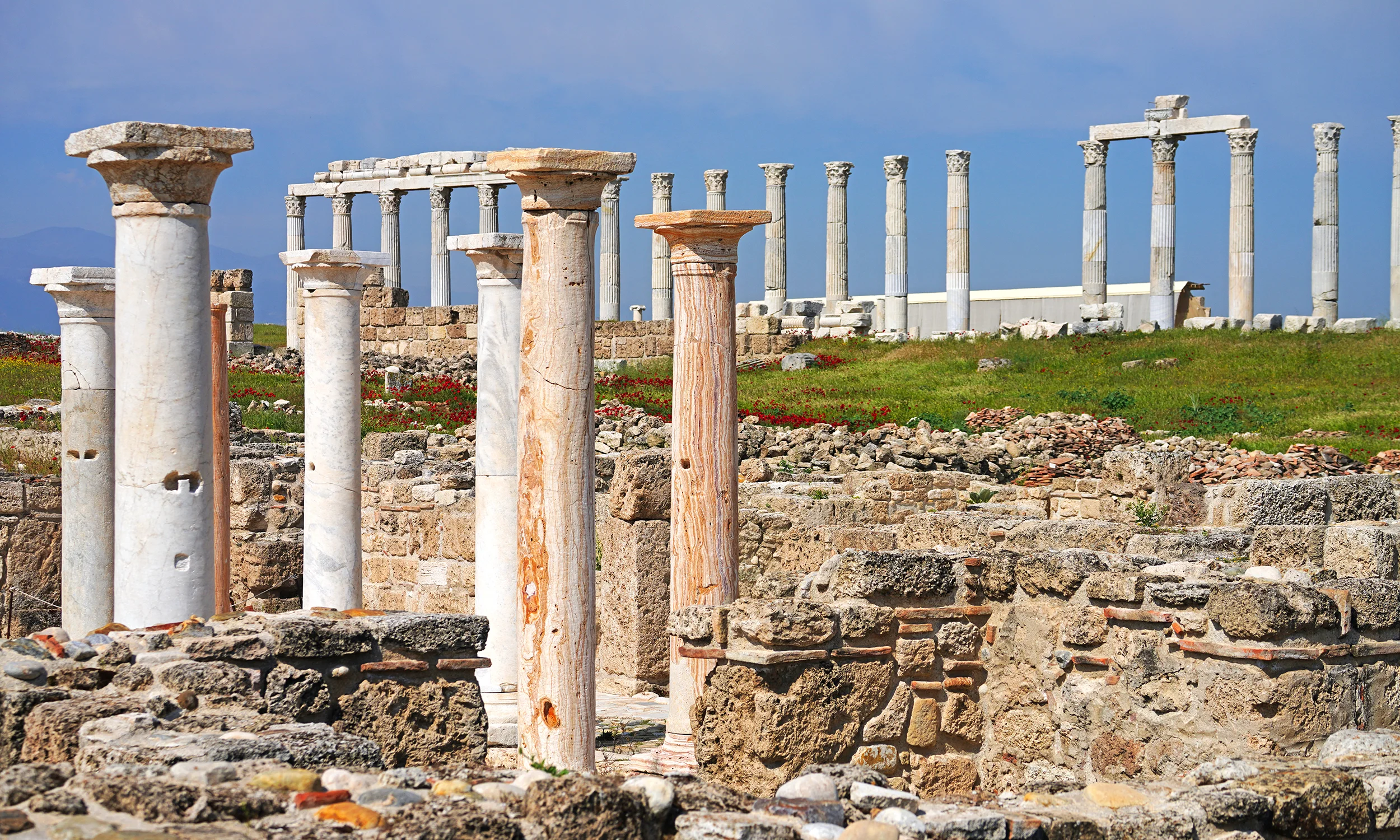
Walk through monumental Roman streets and discover the city’s importance in early Christian history.
Explore Laodicea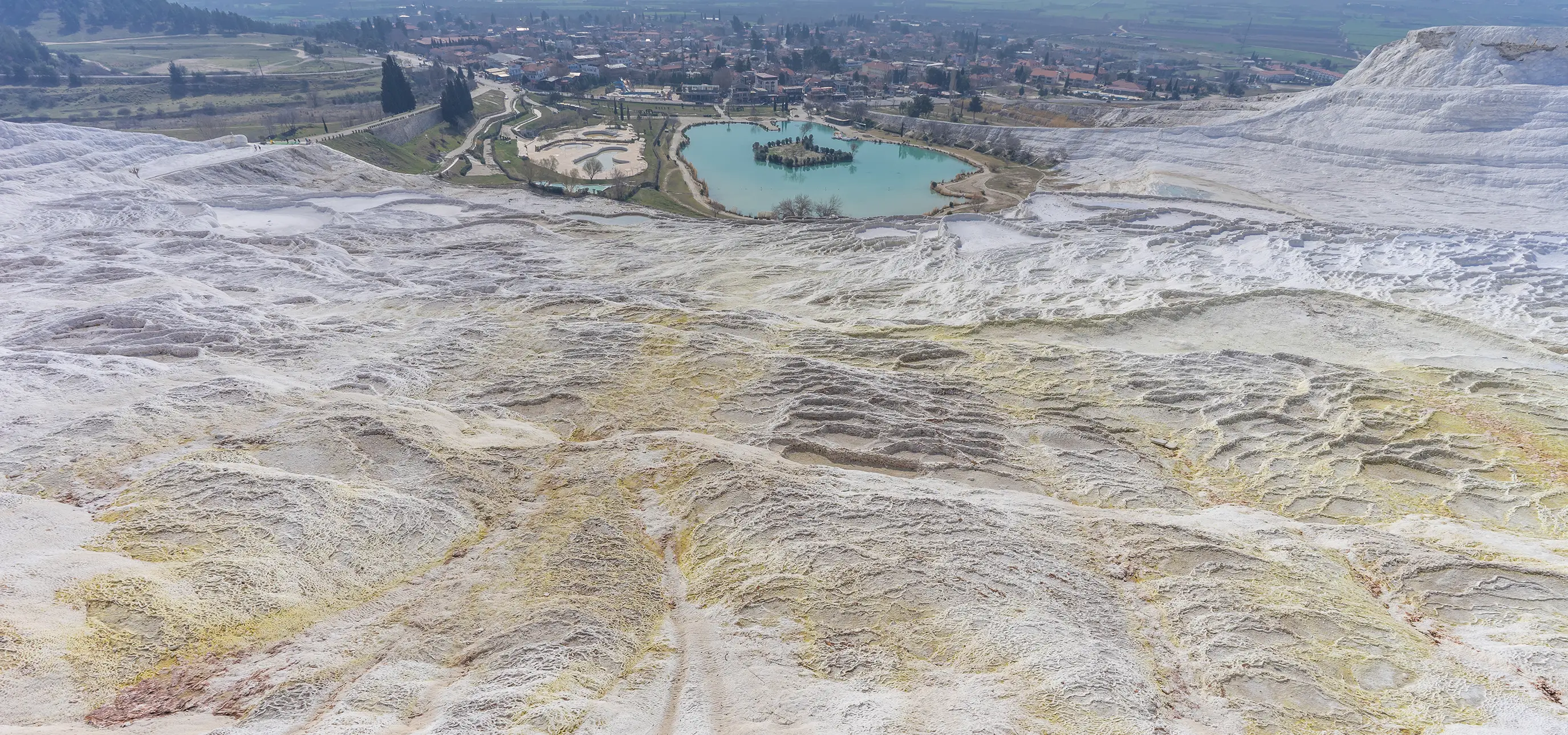
Plan a balanced programme of caves, natural viewpoints and archaeological sites based on your available time.
Explore Regional Tours