Private Sakarya Black Sea Coast Experience
Ask us about a tailor-made journey combining Kaynarca, Karasu, Yenimahalle, Kocaali and selected northern Sakarya nature stops.
Request a Custom Tour





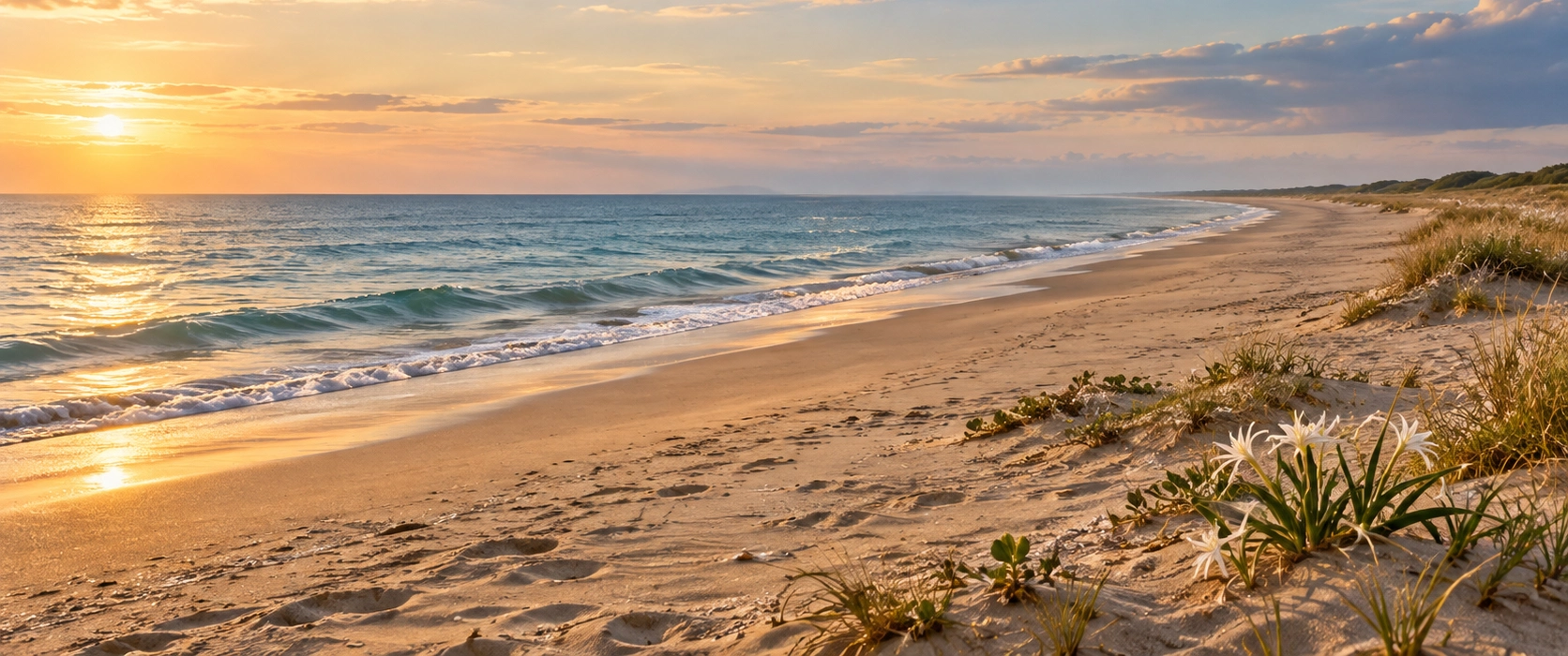
Kaynarca Beach, often associated with the Karaboğaz shoreline, is one of the most natural coastal areas in Sakarya Province. Stretching along the Black Sea in the northern part of Kaynarca district, the beach is known for its broad sandy character, long walking possibilities and comparatively undeveloped atmosphere.
Official tourism information for Sakarya describes the Kaynarca coast as extending for approximately 15 kilometres and highlights it as one of the quieter beaches in the province. Unlike more developed resort-style beaches, much of the experience here is about open sky, sand, sea and space rather than rows of cafés, hotels or beach clubs.
The shoreline is especially attractive to travelers who prefer low-key coastal scenery. Long stretches of sand make it suitable for beach walks, photography and spending time beside the sea, while the limited development gives the coast a distinctly rural Black Sea feeling.
One of the most important natural features is the presence of sand lilies growing in the coastal dune environment. These delicate plants are protected, so visitors should admire and photograph them without picking, trampling or disturbing their habitat.
Kaynarca's coast is also a reminder that the Black Sea demands respect. Waves, rip currents and rapidly changing weather can make swimming dangerous even when conditions appear attractive from shore. During the summer season, lifeguard and flag systems operate along Sakarya's northern coastline, and temporary swimming bans may be introduced when sea conditions become unsafe.
For travelers building a wider coastal route, Kaynarca Beach can be combined with Karasu Beach, Sakarya River Mouth at Yenimahalle, Kocaali Beach and the broader destinations featured in our Sakarya visitor guide.
Official tourism information describes Kaynarca's sandy Black Sea shoreline as stretching for roughly fifteen kilometres.
The beach is valued for open coastal scenery and a calmer atmosphere than Sakarya's busier resort areas.
Seasonal sand lilies grow in the dune habitat and should be observed without picking or damaging them.
Swim only when conditions are suitable and always obey lifeguard instructions, warning flags and temporary restrictions.
Essential information for planning a visit to one of Sakarya's quieter stretches of Black Sea coastline.
Kaynarca district, northern Sakarya, on the Black Sea coast.
Open on Google MapsLong, open and predominantly sandy Black Sea shoreline with dune vegetation.
Approximately 15 km according to official Sakarya tourism information.
Protected sand lilies can be seen in parts of the coastal dune habitat.
Public beach; general access to the natural shoreline is free.
Facilities are limited and Black Sea swimming conditions can change quickly.
Kaynarca stands out not because it is heavily developed, but because long sandy spaces and dune habitat still shape the character of the coast.
Kaynarca Beach is important within Sakarya's tourism landscape because it represents a more natural and less urbanized Black Sea experience. While Karasu and Kocaali are better known as established summer destinations, Kaynarca retains a quieter identity along significant stretches of its coast.
The approximately 15-kilometre shoreline creates a sense of openness that is increasingly difficult to find on heavily developed coastal routes. Visitors can walk long sections of beach, watch the changing light across the Black Sea and experience the coast without needing a structured attraction or ticketed entrance.
The beach also has ecological interest. The presence of sand lilies and dune vegetation shows that the coastline is more than a recreation area: it is also a living habitat that depends on visitors avoiding damage to fragile plants and sandy dune systems.
Kaynarca's coastal character also helps explain the diversity of Sakarya Province. The same province contains Sapanca Lake, forests, wetlands, waterfalls, historic towns and a long Black Sea frontage. Kaynarca provides one of the clearest examples of that maritime side of the region.
For photographers, walkers and travelers interested in quieter landscapes, the appeal lies in space, simplicity and changing weather. Clouds, wind, surf and wide horizons can transform the visual atmosphere from hour to hour.
Kaynarca's shoreline forms part of Sakarya's northern boundary with the Black Sea. The landscape is defined by a broad horizon, sandy shore, dunes and the open marine conditions typical of Türkiye's western Black Sea coast.
Rather than a compact urban beach, Kaynarca is better understood as a long coastal zone. Different access points can feel quite different depending on season, weather, maintenance and the number of visitors present that day.
The coast around Karaboğaz is particularly associated with quiet sandy scenery. Official tourism information notes that the area has relatively few permanent food, shopping and visitor facilities directly along the beach, which is an important part of its character but also something visitors must plan for.
On calm days the shoreline can feel spacious and peaceful. On windy days, however, the Black Sea becomes more dramatic, with stronger surf, blowing sand and fast-changing conditions. This contrast is part of the appeal of the coast, but it also reinforces the need for sensible beach safety.
Wide sea views and open sky give the coast a strong sense of space.
Long stretches of sand are suitable for relaxed walks and coastal photography.
Natural coastal vegetation survives behind parts of the beach and should not be disturbed.
Expect fewer permanent facilities than at a heavily developed resort beach.
Wave conditions can change rapidly with wind and weather.
The extended shoreline makes walking one of the simplest and most rewarding activities.
One of the most distinctive natural details along the Kaynarca coast is the sand lily, a striking white flower adapted to sandy coastal environments. The plant can appear during the warmer part of the year and adds an unexpected botanical highlight to the beach landscape.
Sand lilies survive in a difficult habitat of heat, salt, wind and shifting sand. Their presence is therefore closely connected with the health of the coastal dune ecosystem. Driving over dunes, trampling vegetation or removing flowers can damage this fragile environment.
Visitors should never pick sand lilies or move them for photographs. The best approach is to photograph from a respectful distance, remain on existing paths where possible and avoid stepping into vegetated dune areas.
Their presence makes Kaynarca Beach especially meaningful for travelers interested in nature. A beach visit becomes not only a day beside the sea, but also an opportunity to observe a specialized habitat that deserves careful protection.
Sand lilies should never be picked, removed or intentionally damaged.
The flowers are adapted to sandy, salty and wind-exposed coastal conditions.
Flowering is seasonal and varies with weather and local conditions.
Use a zoom or closer framing without stepping into the plants' habitat.
Avoid driving, camping or walking directly across sensitive vegetated dune areas.
Take all rubbish away so natural beach vegetation is not buried or contaminated.
Swimming can be part of a summer visit to Kaynarca, but visitors should treat the Black Sea with caution. Wave height, wind, underwater currents and rip currents can change quickly, and dangerous conditions are not always obvious from the shoreline.
During the summer season, Sakarya Metropolitan Municipality operates lifeguard services along the province's northern beaches, including Kaynarca. However, exact tower locations and daily staffing can vary, so never assume that every isolated stretch of coast is actively supervised.
Always check the flag system before entering the water. A red flag or official swimming ban means do not enter the sea. Temporary bans are sometimes introduced across Kaynarca, Karasu and Kocaali when wind, waves or currents create unsafe conditions.
Families with children should remain especially cautious. Young swimmers should stay within immediate adult reach, and inflatable toys should never be allowed to drift offshore in windy conditions.
If the sea looks rough, the best decision is simple: enjoy the beach from land. Walking, photography and sunset watching can be excellent alternatives on days when swimming is not safe.
Obey all lifeguard warnings and beach flag systems before entering the sea.
Never enter the water during an official swimming ban or red-flag warning.
Black Sea currents can be stronger than they appear from the shore.
When swimming, choose an actively supervised section whenever possible.
Keep young children within immediate adult reach near the water.
When conditions are poor, enjoy the coastline without entering the water.
Walk along the broad beach and appreciate how much open coastline remains around Kaynarca.
Watch changing wave patterns and the dramatic character of the sea, especially on breezy days.
Look for protected white sand lilies in suitable dune areas without touching or disturbing them.
Notice how sand and vegetation form a natural transition between the shoreline and inland landscape.
The lack of dense development creates broad views that are especially attractive around sunrise and sunset.
Summer brings more visitors and services, while the shoulder seasons reveal a much quieter side of the coast.
From a safe distance, rough-weather days can create powerful Black Sea photography.
The main attraction is the undeveloped coastal setting itself rather than built entertainment.
A visit to Kaynarca Beach feels simple, spacious and strongly connected to the natural coastline. Do not arrive expecting a continuous promenade of cafés, shops and organized beach services. The appeal is almost the opposite: there are long stretches where the sea and sand dominate the experience.
For many visitors, the best activity is simply to walk. Choose a comfortable section of beach and follow the shoreline while watching the surf, shells, tracks in the sand and changing dune vegetation.
Summer weekends can bring more local visitors, while weekdays and the shoulder seasons are generally quieter. The exact atmosphere varies considerably according to weather, access point and seasonal services.
Because facilities are limited, a little preparation makes the visit much more comfortable. Bring drinking water, sun protection, snacks and anything else you may need, especially if you plan to spend several hours on a quieter section of the coast.
Kaynarca works particularly well for people who enjoy uncrowded nature, beach walking and photography rather than resort entertainment. If you want a livelier beach atmosphere with more urban services, continue east toward Karasu Beach.
The most important rule at Kaynarca is to respect the sea conditions on the day of your visit. The Black Sea can change quickly, and a calm-looking shoreline can still contain dangerous currents.
Choose a beach section with visible lifeguard coverage whenever possible during the swimming season. Follow all flags, whistles, loudspeaker announcements and instructions from lifeguards or local authorities.
Do not swim alone, especially in isolated areas. Avoid entering the water after dark, during storms, in heavy surf or whenever visibility and conditions make supervision difficult.
If caught in a rip current, avoid exhausting yourself by fighting directly against it. Stay as calm as possible, float or tread water, signal for help and move parallel to the shoreline when able until you are out of the strongest flow. Prevention remains the best strategy: stay within designated swimming zones and follow local warnings.
Beach flags and lifeguard warnings are there for immediate safety conditions.
Use supervised areas and keep someone aware of where you are in the water.
Currents and waves are much harder to assess after dark.
Never rely on inflatables or flotation toys as a substitute for active supervision.
Use shade, sunscreen, a hat and sufficient drinking water during long summer visits.
Use existing tracks and avoid damaging vegetation while moving behind the beach.
Enough for a quick stop, sea views and a short walk along the sand.
A good minimum for a relaxed shoreline walk and photography.
Ideal for a slower beach visit with walking, snacks and time beside the sea.
Allows time for swimming when safe, sunbathing, nature observation and a longer coastal walk.
Best in summer if you bring supplies and want a quiet day away from developed resort areas.
Combine Kaynarca with Karasu, Yenimahalle and Kocaali for a full-day Black Sea route.
Kaynarca Beach can be visited throughout the year, but the experience changes dramatically with the seasons. Summer is the main period for swimming and traditional beach activities, while spring and autumn are excellent for walking and photography.
For swimming, the most suitable period is generally the summer season, provided lifeguards are on duty and sea conditions are safe. Even in summer, temporary swimming bans may be introduced during rough weather.
Spring offers cooler air, greener surroundings and a quieter atmosphere. It is a particularly good season for coastal walking, although sea temperatures may still be too cool for many swimmers.
Autumn can be beautiful when clear days bring softer light and fewer visitors. The Black Sea becomes more changeable as the season progresses, so treat the coast as a walking and photography destination rather than assuming swimming will be appropriate.
Winter shows the shoreline at its most dramatic. Strong winds, rough seas and cold conditions can create memorable scenery, but visitors should stay well back from powerful waves and avoid exposed areas during severe weather.
Quiet walks, mild days and fresh coastal scenery with relatively few visitors.
The main beach season for swimming, sunbathing and seasonal lifeguard services.
Excellent for softer light, long walks and a calmer visitor atmosphere.
Best for dramatic sea views rather than swimming; dress for strong wind and cold.
Often the quietest time for beach walking and clean, low-angle light.
A rewarding period for photography and watching the changing light over the shoreline.
Kaynarca Beach is especially suitable for wide, atmospheric landscape photography. Its long shoreline, open horizon and limited development allow simple compositions where sea, sky and sand become the main elements.
Early morning and late afternoon usually offer the most attractive light. Low sun can reveal patterns in the sand, footprints, dune textures and the layered movement of waves more clearly than harsh midday conditions.
On cloudy days, do not put the camera away. The Black Sea often looks most dramatic beneath changing cloud cover, and darker skies can create a strong contrast with pale sand and white surf.
If you find sand lilies, use a careful composition that includes the flower within its natural setting. Never move, pick or bend the plants for a photograph.
Longer focal lengths can compress lines of waves and emphasize distant weather, while wide lenses work well for showing the scale of the shoreline. Always protect cameras from blowing sand and sea spray on windy days.
Use the clean horizon for minimalist sea-and-sky compositions.
Photograph repeating surf lines from a safe position on the upper beach.
Low-angle light reveals ripples, footprints and wind-shaped patterns in the sand.
Photograph protected flowers in place without touching their stems or dune habitat.
Changing Black Sea weather can create dramatic cloud layers and strong visual mood.
Windblown sand and salt spray can damage lenses and camera mechanisms.
Kaynarca Beach lies on the Black Sea coast of Kaynarca district in Sakarya. The Karaboğaz area is one of the best-known access points associated with the district's long sandy shoreline.
General access to the public beach is free of charge. There is no single gated entrance or museum-style opening schedule for the natural coastline.
Official tourism information emphasizes that permanent facilities are limited along much of the shore. Seasonal services may operate in summer, but visitors should not depend on finding food, drinks, toilets or beach equipment at every access point.
Bring drinking water, sun protection and basic supplies, particularly if you plan to walk away from the more active summer areas. Take all rubbish with you and avoid leaving food packaging, cigarette ends or plastic on the sand.
Swimming access always depends on current sea conditions. Check local announcements, flags and lifeguard instructions before entering the Black Sea.
The Kaynarca coast can be reached by road, and official tourism information notes asphalt access to the beach area. This makes the shoreline relatively easy to approach by private vehicle compared with beaches that require long forest tracks or steep walking paths.
The beach itself is a natural sandy environment. Soft sand can be difficult for wheelchair users, people with limited mobility and families using standard strollers.
Accessible facilities, boardwalks and adapted toilets should not be assumed at every section of the coast. Because conditions and seasonal services may change, visitors with specific accessibility requirements should confirm the current setup before making a special journey.
For travelers who mainly want a sea view, it may be possible to enjoy the coastal atmosphere from the road-accessible edge without crossing large areas of soft sand. The exact ease of access varies by chosen entry point.
Access routes to the coast include paved roads, making arrival by car practical.
Natural beach sand can be challenging for wheelchairs and standard strollers.
Do not assume accessible toilets, ramps or beach mats are available at every entrance.
Different parts of the long coastline may offer very different arrival conditions.
Confirm current arrangements if step-free access is essential to your visit.
Visitors with limited mobility may prefer a brief stop close to a road-accessible beach entrance.
Kaynarca Beach is located north of the inland district center, where Kaynarca meets the Black Sea. The Karaboğaz shoreline is best reached by road, and private car is generally the most flexible option for exploring different parts of the long coast.
For navigation, search for “Karaboğaz Sahili, Kaynarca, Sakarya” or a specific beach access point rather than relying only on the general district name.
Official tourism information indicates that the access road is paved and the coast can be reached throughout the year. Weather can still affect the comfort of the visit, particularly during strong winter storms or heavy rain.
Public transport options to quiet beach sections can be limited and schedules may change seasonally. If you are not driving, confirm current local transport or arrange a taxi in advance rather than assuming frequent beach service.
Travelers continuing east can build an excellent northern Sakarya route toward Karasu Beach, Yenimahalle and the Sakarya River Mouth and Kocaali Beach.
The easiest option for reaching the coast and choosing among different beach access points.
Possible from Kaynarca district center; arrange return transport if visiting a quiet section.
Use “Karaboğaz Sahili Kaynarca Sakarya” for one of the best-known coastal access areas.
Official tourism information describes asphalt road access to the beach.
Purchase water and snacks before reaching the quieter parts of the shore.
Karasu and Kocaali extend the Black Sea road trip across northern Sakarya.
Begin your visit by choosing a safe, convenient access point around the Karaboğaz shoreline. Before settling on the beach, check the sea, weather, flags and any local safety notices.
Take a slow walk along the sand before entering the water. This gives you time to understand the conditions, identify any lifeguard-supervised area and appreciate the scale of the coastline.
Look carefully along the upper beach and dune edge for sand lilies and natural vegetation. Photograph them without stepping into the plants or disturbing the dunes.
If swimming conditions are safe, enjoy the sea within the supervised zone. If conditions are poor, stay on land and turn the visit into a coastal walk, picnic and photography stop instead.
For a longer day, continue east to Karasu Beach and then to Yenimahalle, where the Sakarya River reaches the Black Sea. With additional time, extend the route to Kocaali Beach.
Kaynarca Beach can be combined with Black Sea beaches, river scenery, nature parks and nearby coastal districts. See our complete Sakarya visitor guide for more places across the province.
Continue east to Sakarya's best-known Black Sea resort area for a busier beach atmosphere and a long sandy coast.
Visit Yenimahalle to see the Sakarya River meet the Black Sea and experience one of the province's most distinctive coastal landscapes.
Extend the coastal road trip farther east along another broad sandy shoreline on Sakarya's Black Sea coast.
Move inland for a completely different waterside environment of lake scenery, woodland and recreation near Adapazarı.
Travel west toward neighboring Kocaeli for another Black Sea beach landscape around Kandıra's rugged coastline.
Discover beaches, lakes, waterfalls, forests, museums, Ottoman monuments and historic towns throughout the province.
Kaynarca Beach is on the Black Sea coast of Kaynarca district in Sakarya Province. Karaboğaz is one of the best-known shoreline areas.
Official Sakarya tourism information describes the Kaynarca shoreline as approximately 15 kilometres long.
Yes. The coast is known for a long sandy shoreline with dune vegetation in parts of the beach.
Yes. It is a public natural coastline and general beach access is free of charge.
Facilities are limited along much of the coast. Seasonal services may operate in summer, but visitors should bring water and basic supplies rather than depending on permanent beachfront businesses.
Facilities vary by access point and season. Do not assume toilets are available directly beside every beach section; check locally when you arrive.
Swimming is possible when conditions are suitable, but the Black Sea can be dangerous. Use supervised areas and obey all flags, lifeguard instructions and temporary bans.
Seasonal lifeguard services operate along Sakarya's northern beaches, including Kaynarca, but coverage may not extend to every isolated part of the long shoreline.
Local authorities may temporarily prohibit swimming when wind, waves or currents make Black Sea conditions unsafe.
A red flag indicates that entering the sea is unsafe or prohibited. Do not swim until the warning is lifted.
Yes. Official tourism information notes protected sand lilies along the coast. They should be photographed without picking or damaging them.
No. Sand lilies are protected and should remain untouched in their natural dune habitat.
It is generally known as one of Sakarya's quieter coastal areas, although popular access points can become busier on warm summer weekends.
Bring drinking water, sun protection, snacks, a rubbish bag and beach equipment you may need because permanent services are limited.
Visit in summer for beach activities when conditions are safe, or in spring and autumn for quieter walking and photography.
Yes. The long coastline is attractive for walking, nature observation and photography throughout the year, although winter weather can be windy and rough.
Yes, but children require constant close supervision near the Black Sea. Choose a lifeguard-supervised section and stay out of the water whenever warnings are active.
Yes. Long shoreline walks are one of the main attractions, especially on cooler mornings and outside the busiest summer hours.
Yes. Photograph them from a respectful position without touching, picking or trampling the surrounding dune vegetation.
Private car is generally the most convenient option. Search for Karaboğaz Sahili, Kaynarca, Sakarya in your navigation application.
Official tourism information describes asphalt road access to the beach area.
Continue east to Karasu Beach and Kocaali Beach, or west toward the Kandıra coast in Kocaeli.
Explore Yenimahalle, Poyrazlar Lake Nature Park, Sapanca and the many historic and natural destinations in our Sakarya guide.
Carry out everything you bring, especially plastic, food packaging and cigarette ends.
Never pick, move or damage protected flowers growing in the dune habitat.
Avoid driving or walking through vegetated dune areas whenever an existing route is available.
Do not enter the sea during red-flag conditions or official swimming bans.
Preserve the quiet coastal atmosphere and respect other visitors and nearby residents.
Do not light fires in dune vegetation or dry coastal areas where flames can spread quickly.
Observe birds, plants and other coastal life without chasing, feeding or handling them.
Park without blocking roads, farm access, emergency routes or private property.
Combine Kaynarca Beach with Karasu, the Sakarya River mouth, Kocaali and inland nature through a private itinerary designed around your interests.
Mix quiet beaches, local coastal landscapes, photography and selected Sakarya nature stops in a flexible private day.
Ask us about a tailor-made journey combining Kaynarca, Karasu, Yenimahalle, Kocaali and selected northern Sakarya nature stops.
Request a Custom Tour
Discover lakes, forests, wetlands, waterfalls, historic towns, Ottoman monuments, museums, bridges and Black Sea beaches throughout Sakarya Province.
View Sakarya GuideConnect Kaynarca with more beaches, river scenery and coastal landscapes across northern Sakarya.
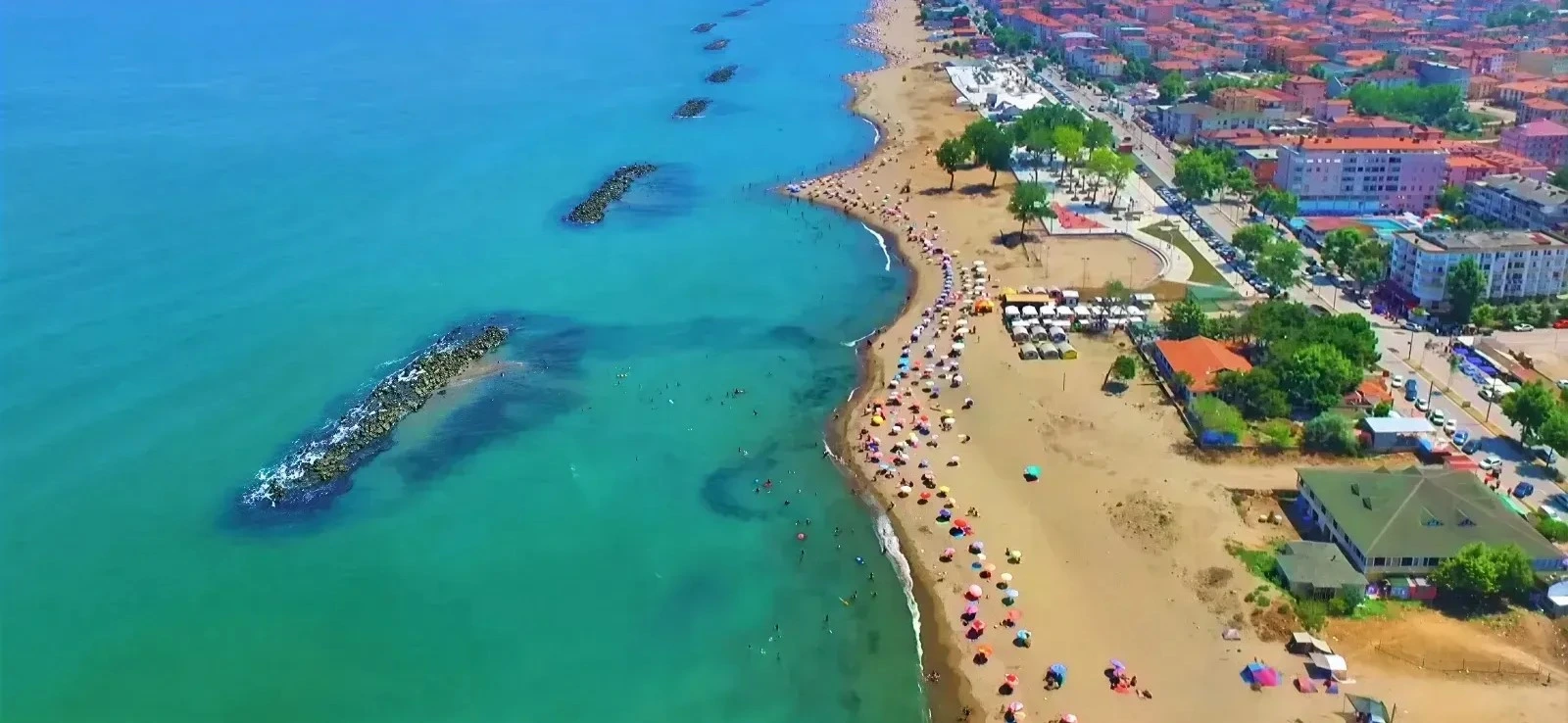
Continue east to one of Sakarya's best-known summer destinations, with a long sandy shoreline and a livelier resort atmosphere.
Explore Karasu Beach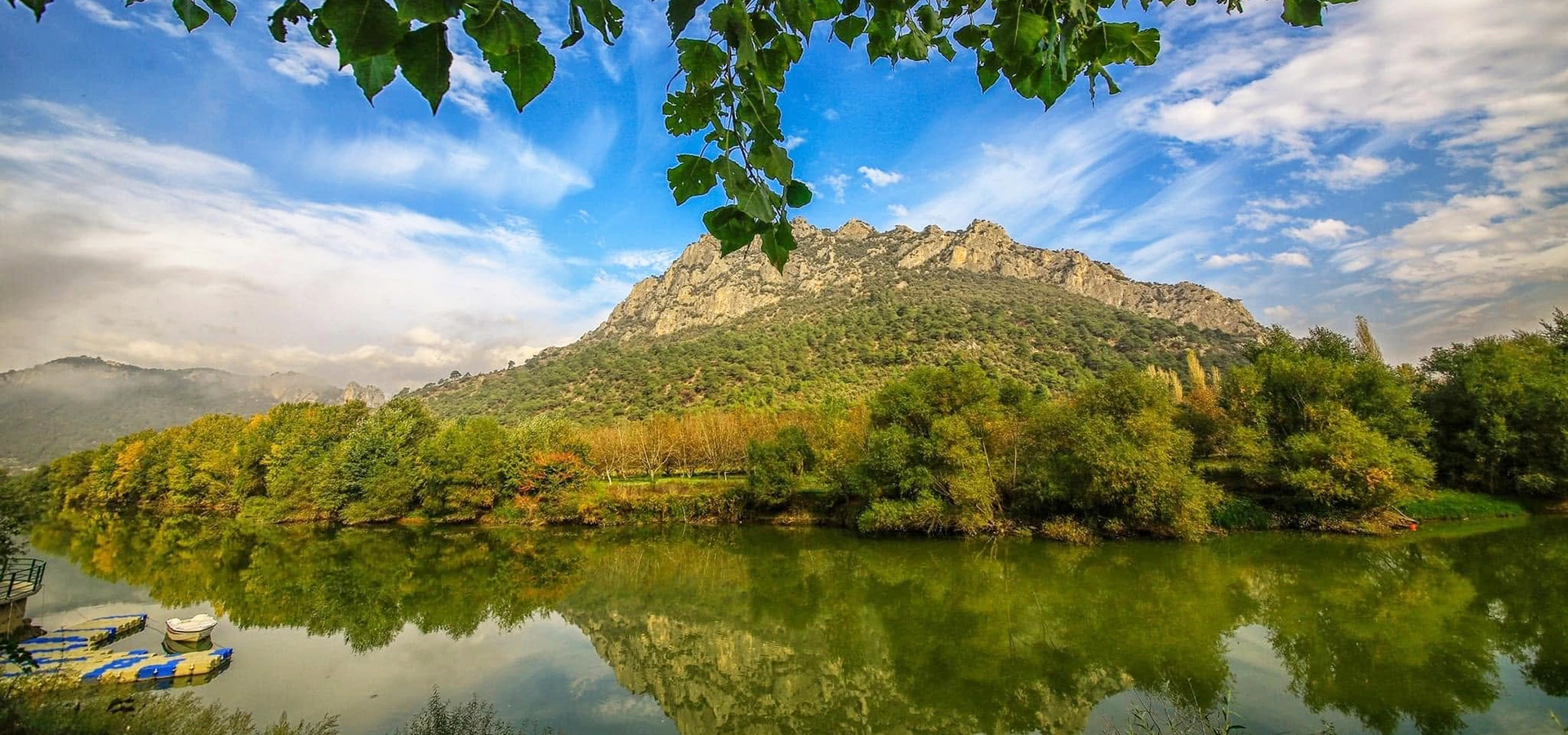
See where one of Türkiye's major rivers reaches the Black Sea at Yenimahalle, combining river, fishing and coastal scenery.
Explore Yenimahalle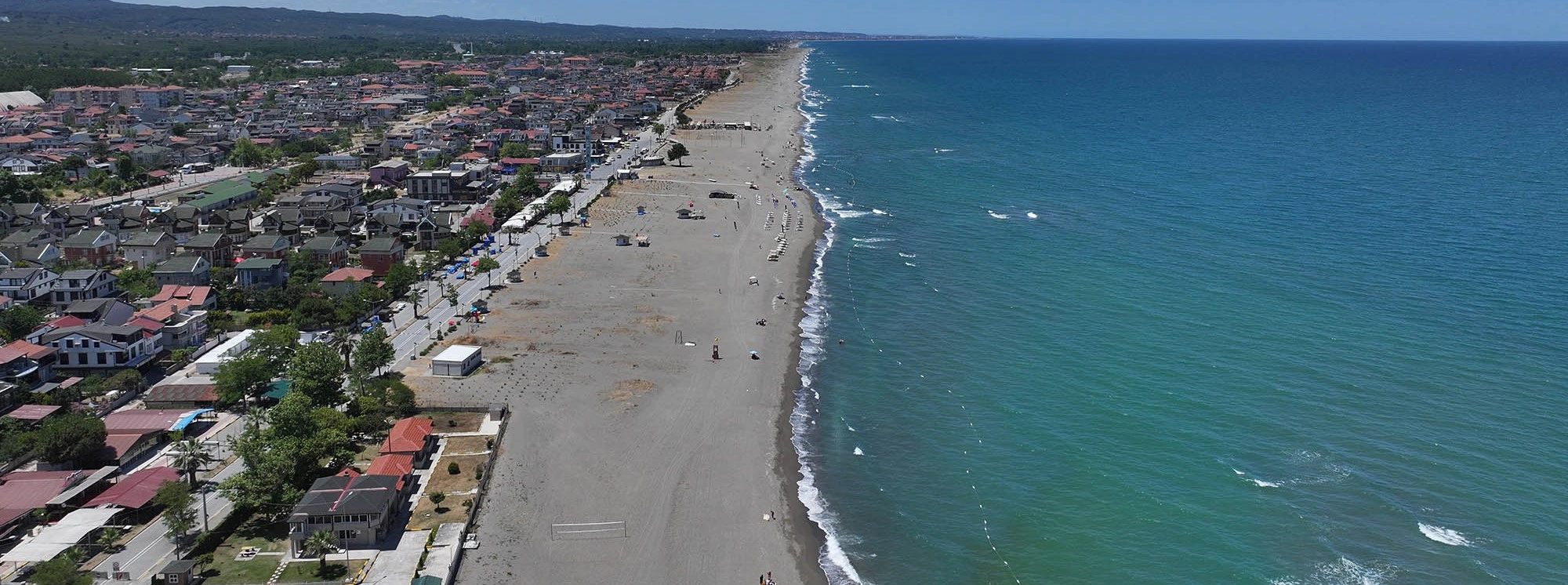
Extend your journey farther east along Sakarya's northern coastline for another broad Black Sea beach experience.
Explore Kocaali Beach