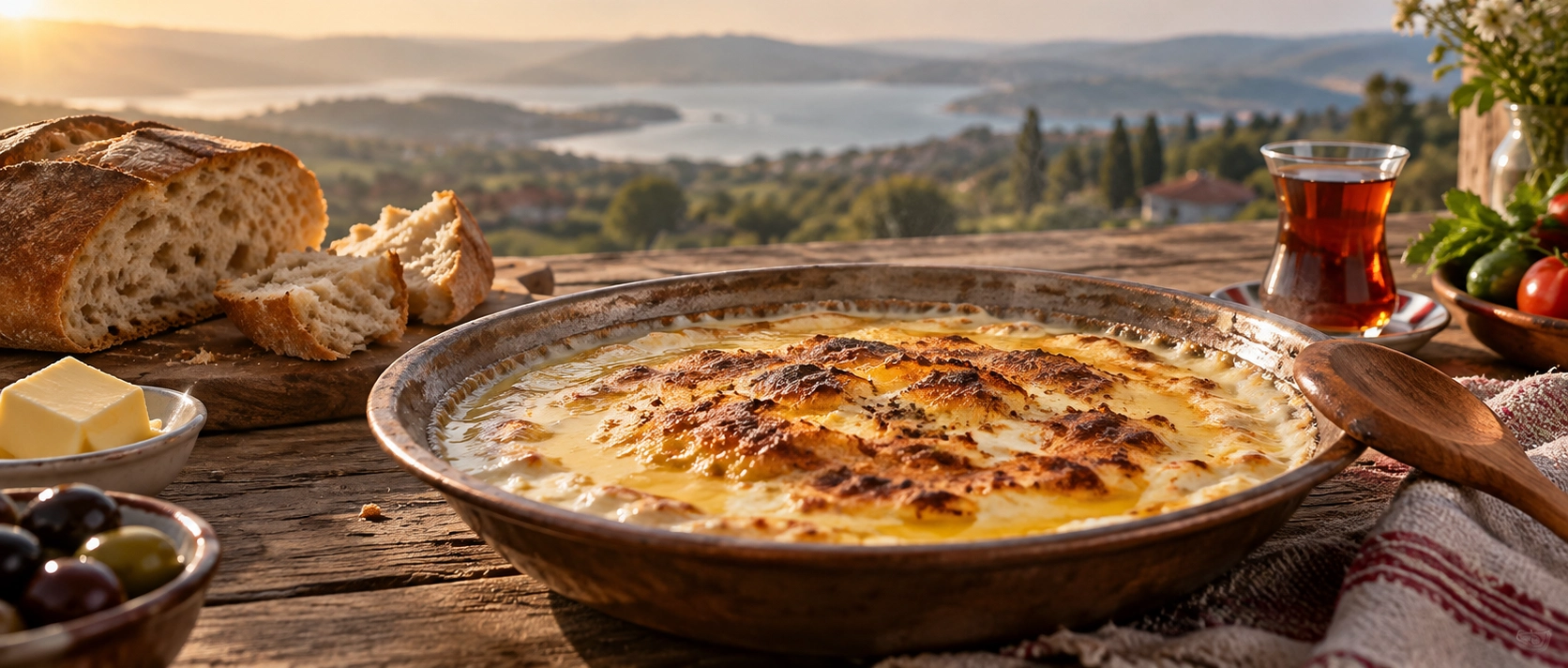
Kandıra Dartı
Stay in Kandıra and discover one of the district's most distinctive traditional dairy specialities.
Discover Kandıra Dartı





In the green countryside of northern Kocaeli, Kandıra preserves one of the Marmara region's most distinctive textile traditions: Kandıra Bezi, or Kandıra Cloth.
Historically woven in village homes on traditional wooden looms known locally as düzen, the cloth developed from the region's long association with flax cultivation, linen yarn and household weaving.
Kandıra Cloth was never simply decorative fabric. It was used for shirts, undergarments, trousers, sheets, towels, handkerchiefs, bags and household textiles, with different yarn thicknesses and weaving densities chosen according to purpose.
The tradition also includes embroidered and striped forms. Local motifs such as manda gözü and sevda çiçeği add another layer of identity to the cloth, while older examples preserve the visual language of village life.
Today, Kandıra Bezi is officially protected as a Turkish geographical indication. Its continued survival depends not only on preserving old textiles, but also on keeping alive the knowledge of preparing yarn, setting the loom, weaving by hand and decorating the finished cloth.
Kandıra Bezi received official geographical indication registration in Türkiye.
The traditional textile is protected under geographical indication registration number 396.
The registered cloth is traditionally woven in a relatively narrow width on wooden looms.
Flax-derived linen yarn is the material that gives Kandıra Cloth its historic identity.
Essential information about one of Kocaeli's most important traditional weaving traditions.
Kandıra,
Kocaeli, Türkiye.
Traditional
handwoven textile.
Flax-derived
linen yarn.
Plain weave
on a wooden loom.
Mahreç İşareti
Registration No. 396.
22 November 2018.
The cloth preserves the memory of household production, flax cultivation, village dress and women's textile knowledge in northern Kocaeli.
The cultural value of Kandıra Cloth comes from the way it connects agriculture, clothing, household life, craftsmanship and local identity.
Before factory-produced textiles became inexpensive and widely available, many rural communities produced part of their own fabric. In Kandıra, that meant transforming flax and prepared yarn into useful cloth on hand-operated looms.
The finished textile could serve many purposes. Fine cloth was suited to garments and delicate household pieces, while heavier yarn could be used for trousers, sacks, rugs and other durable objects.
This flexibility made Kandıra Bezi part of everyday life rather than a special-occasion craft alone. It belonged to work, clothing, dowries, domestic interiors and local exchange.
Its importance today is even greater because much of the old production system has declined. The cloth now provides a tangible connection with knowledge that once passed naturally from one generation to the next.
Flax is one of the oldest fibre plants used by human societies. Its long stem fibres can be processed into linen yarn, creating a textile valued for strength, breathability and its distinctive natural texture.
In Kandıra, the exact beginning of the local weaving tradition cannot be established with certainty. What is clear is that linen production and weaving became deeply rooted in the rural culture of the district.
Older accounts describe Kandıra Bezi as having been woven widely in village houses, where wooden looms formed part of a broader system of household production.
Local and official sources also preserve traditions linking the cloth with very early historical periods, including claims that especially durable forms were known in Roman times. These stories are important to local memory, but they should be treated as traditional historical associations rather than precisely documented production records.
The strongest evidence for the cloth's cultural significance comes from its much more recent rural history: a world in which flax, spinning, weaving, sewing, embroidery and household textile use formed part of everyday life in Kandıra.
The defining historic material of Kandıra Bezi is linen yarn made from flax.
Flax differs from cotton because the useful fibre is obtained from the plant's stem rather than from a soft seed boll. Traditional processing therefore requires several stages before a usable yarn can be produced.
In the older Kandıra countryside, flax cultivation once formed an important part of local agricultural life. Municipal sources note that Kandıra was a significant centre of Turkish flax production into the mid-20th century.
As local flax cultivation declined, one of the foundations of the traditional cloth also weakened. This helps explain why preserving Kandıra Bezi is not simply a matter of keeping old looms: the textile is connected to an entire agricultural and technical chain.
Traditional linen production begins long before the first thread reaches the loom. The flax plant must first be harvested and processed so the fibres inside its stems can be separated, cleaned and prepared for spinning.
Local descriptions from Kandıra recall flax being pulled from the soil, bundled, separated from its seed, soaked, dried and mechanically worked to release the usable fibre.
The fibres then had to be combed and spun into thread. This was skilled work in its own right, requiring control over thickness and consistency so that the finished yarn would behave properly during weaving.
The amount of labour involved helps explain why traditional flax production became difficult to sustain once cheaper industrial yarns and fabrics became readily available.
For visitors, understanding this preparation changes the way the finished cloth is perceived. A piece of Kandıra Bezi represents not one craft, but a sequence of agricultural, fibre-processing, spinning and weaving skills.
Kandıra Bezi is officially protected within Türkiye's geographical indication system.
The product is registered as a Mahreç İşareti under registration number 396. The application was filed on 9 January 2018 and the official registration date is 22 November 2018.
The registration holder is Kandıra Halk Eğitim Merkezi, and the geographical boundary identified in the specification is Kandıra district.
The official specification describes Kandıra Bezi as a cloth woven on looms specific to the district using linen yarn, with both linen-to-linen and cotton-warp / linen-weft forms represented in the registered production tradition.
Kandıra Bezi.
Mahreç İşareti.
No. 396.
22 November 2018.
Kandıra Halk Eğitim Merkezi.
Kandıra district.
Kandıra Cloth is fundamentally associated with linen yarn, although the registered specification recognises more than one traditional yarn arrangement.
A common registered form uses cotton in the warp — the lengthwise threads held under tension on the loom — and linen in the weft, which is passed across the loom during weaving.
Linen-to-linen versions also exist, preserving an even stronger connection with the older flax-based textile tradition.
Before weaving, the yarn may undergo preparation intended to improve its strength, smoothness and appearance. The registered method includes ash-water boiling for linen yarn and a traditional sizing process known as çirişleme.
These stages are functional rather than decorative: they help the yarn withstand the repeated friction and tension created during hand weaving.
One distinctive detail described in the official production method is the treatment of linen yarn before weaving.
The linen can be placed in a large copper vessel and boiled with ash mixed into the water. This traditional whitening process softens the darker natural appearance of the yarn and helps create the nostalgic, light-coloured character associated with the cloth.
After treatment, the yarn is wound onto traditional wooden equipment and then onto bobbins, preparing it for the next stages of loom setup.
The process is a useful reminder that colour in traditional textiles does not always begin with synthetic bleaching or modern dyeing. Older craft systems often relied on locally available materials and practical household chemistry.
Before being placed under tension on the loom, traditional yarn requires enough strength and smoothness to survive repeated movement through the weaving system.
Kandıra weaving therefore uses a preparation known as çirişleme, or sizing.
The registered method describes a cooked mixture containing water, flour, starch, oil and soap. The yarn is treated with this mixture and then dried.
Sizing gives the threads greater strength and slipperiness, helping them pass through the loom with less friction and breakage.
To a modern visitor, this may seem like a minor technical detail. In reality, it illustrates how much practical knowledge sits behind a seemingly simple piece of cloth.
Traditional Kandıra Cloth is woven on a wooden handloom known locally as a düzen.
The registered weaving system uses a two-heddle, two-treadle wooden loom. The weaver coordinates hands and feet, opening the shed with the treadles while passing the weft and beating each new row into place.
This rhythm requires concentration. The tension must remain balanced, the edges controlled and the weft packed consistently enough for the intended use of the fabric.
The official specification describes a typical fabric width of approximately 42–50 centimetres. This relatively narrow format reflects the dimensions and working logic of traditional village looms.
The result is not anonymous factory cloth. Small variations can preserve evidence of the human pace and hand control involved in production.
Kandıra Cloth is produced using bezayağı, the plain-weave structure in which weft threads pass alternately over and under the warp.
Plain weave is one of the most fundamental textile structures, but simplicity of pattern does not mean simplicity of production. A good handwoven cloth still depends on even tension, consistent beating, careful selvedges and correct yarn preparation.
The density of the weave can be adjusted according to the purpose of the finished textile. Garment fabric, for example, may be woven more closely than material intended for another domestic use.
The registered tradition also includes coloured yarn at the side edges, creating narrow bands that can make the selvedges visually distinctive.
These practical choices demonstrate how Kandıra weaving combines function and appearance without separating them into two different design problems.
Kandıra Bezi is not a single unchanging textile. The registered craft tradition includes several forms made for different purposes.
A piece of Kandıra Cloth, commonly around 42–50 cm wide and about 100 cm long, used especially as a ground for embroidery and decorative work.
A striped or patterned woven form traditionally associated with sheet-making and household textiles.
Used for garments, handkerchiefs, bags, nightwear and more delicate household pieces.
Historically associated with more durable products such as trousers, sacks and rugs.
The variety of forms reflects the practical intelligence of household weaving. Instead of producing one standard cloth for every purpose, weavers adjusted yarn thickness, density, pattern and finishing to the needs of the final object.
Within the registered Kandıra Cloth tradition, şemente refers to a prepared length of woven cloth often used for embroidery.
The official specification describes a typical şemente as approximately 42–50 centimetres wide and around 100 centimetres long.
Once woven, the cloth becomes a foundation for hand embroidery, decorative motifs and framed or household textile work.
Şemente demonstrates an important feature of Kandıra heritage: weaving and embroidery are closely connected, but they are not the same craft. First the fabric must be successfully produced; only then can the surface become a field for needlework.
For collectors and craft enthusiasts, embroidered şemente can be particularly interesting because it combines the structural skill of weaving with the visual storytelling of embroidery.
The word çezme is used in the Kandıra Cloth tradition for striped or patterned woven forms.
These textiles were traditionally associated especially with sheets and household use. Colour and stripe placement could add rhythm to an otherwise simple plain-weave structure.
Because traditional looms produce relatively narrow panels, larger household textiles could be created by sewing woven lengths together.
This construction method is common in many historic handweaving traditions: the loom determines the width, while sewing allows the weaver to build a much larger finished object.
Çezme therefore reveals how design in village textiles grew directly from the technical possibilities of the loom.
After weaving, Kandıra Cloth can be decorated with embroidery in coloured thread and metallic-looking decorative yarn.
Official and local sources record motifs including manda gözü and sevda çiçeği, while local descriptions also mention forms such as kartopu, eğrelti and geometric patterns.
The motifs should not be viewed as random ornament. They belong to a wider vocabulary of Anatolian textile decoration in which plants, geometry, everyday objects and symbolic forms are repeatedly transformed into needlework.
On an old textile, small differences in stitch, spacing or colour can reveal that the piece was not mass-produced. The hand of the maker remains visible.
Kandıra Bezi served a remarkably broad range of daily needs.
Fine woven cloth could be turned into shirts, underwear, nightwear, handkerchiefs, bags, table coverings and bedding.
Heavier forms could be used for trousers, sacks and rugs, showing how the same fibre tradition could move from delicate domestic objects to hard-wearing practical textiles.
Local clothing traditions also incorporated linen into garments worn by men and women in the district's villages.
This breadth of use is one reason Kandıra Cloth matters historically. It was not an isolated handicraft produced only for display. It was fabric for living.
Handwoven and embroidered textiles played an important role in traditional household preparation and dowry culture across Anatolia. Kandıra was no exception.
Local accounts remember Kandıra Bezi as an important part of bridal trousseaus, where woven and embroidered pieces demonstrated both practical preparation and textile skill.
Sheets, towels, decorative cloths, garments and carefully worked embroidered pieces could remain in family chests for decades.
For this reason, some of the most valuable witnesses to Kandıra's weaving history are not museum objects but family textiles preserved from earlier generations.
Such pieces record changes in yarn quality, motifs, colour, fashion and household use more directly than written descriptions alone.
Kandıra lies close to the Black Sea, in a landscape known for green vegetation, rainfall and relatively humid conditions.
Linen is valued for its breathability and ability to handle moisture, qualities that made it well suited to clothing and household use in such an environment.
This connection between fibre and climate is important. Traditional materials often become established in a region not simply because they are available, but because their physical qualities suit the way people live and work.
Kandıra Cloth therefore reflects a close relationship between local agriculture, climate and clothing practice.
The fabric is a reminder that traditional craft design often begins with environmental adaptation rather than fashion.
Local sources and even the modern registration documentation preserve a tradition that especially durable Kandıra cloth was known as “çalı yırtmaz” and was associated with very early use, including sailcloth in the Roman period.
This story has become part of the cultural narrative surrounding the textile. However, the surviving claims do not establish a continuous, fully documented chain between an identifiable Roman textile industry and the exact form of Kandıra Bezi registered today.
For that reason, the safest historical approach is to say that Kandıra Cloth has long-standing local traditions that are sometimes linked with antiquity, while the best-documented heritage belongs to the district's later village weaving culture.
This distinction does not make the story less interesting. On the contrary, it helps separate local memory from what can be demonstrated with precision.
Kandıra Cloth appears in local descriptions under several names, each reflecting a different aspect of the textile.
Çalı yırtmaz — literally suggesting a cloth that a bush cannot tear — emphasises the reputation of strong, durable woven material.
Köy çezmesi is another local expression connected with village weaving and patterned cloth traditions.
These names are culturally valuable because they preserve the language used around the textile before modern branding and geographical indication terminology became important.
Traditional craft vocabulary often disappears faster than the objects themselves. Recording the names helps preserve how local people understood and classified their own textiles.
A plain-woven linen cloth can look deceptively simple. Producing it by hand, however, requires constant judgement.
The weaver must control warp tension, treadle rhythm, shuttle movement, beating force, edge alignment and yarn behaviour.
Linen can be less forgiving than soft industrial yarn. Uneven tension or poorly prepared thread can create breakage, distortion or irregular edges.
Hand and foot coordination is especially important on the traditional treadle loom. The weaver changes the shed with the feet while the hands manage the weft and reed.
Much of this skill is learned through observation and repetition, which is why courses, master-apprentice teaching and practical workshops are essential to preservation.
The decline of Kandıra Bezi was not caused by one single change. It resulted from several pressures arriving together.
Traditional flax is labour-intensive to cultivate and process. Hand spinning and weaving require time, while industrial cloth can be produced more quickly, more uniformly and at far lower cost.
As commercial fabric became widely available, households no longer needed to maintain a loom simply to meet everyday clothing and bedding needs.
At the same time, local flax cultivation declined, weakening the agricultural foundation of the old textile system.
By the early 21st century, the craft had become sufficiently fragile that revival courses, municipal projects, exhibitions and geographical indication protection became increasingly important.
The survival of Kandıra Bezi today owes much to local education, craft courses, municipal support and cultural promotion.
Kandıra Halk Eğitim Merkezi has played a particularly important role, and its connection with the craft is reflected in its position as the geographical indication registration holder.
Kocaeli's municipal education and cultural programs have also helped bring the textile back into public view through demonstrations, training and exhibitions.
These projects matter because weaving cannot be preserved through photographs alone. A loom only becomes cultural heritage when someone still knows how to prepare it, thread it and weave on it.
Modern design can also help the craft survive, provided that new products respect the textile's origin and production identity.
Kandıra Bezi has moved beyond its original role as an everyday village textile.
Today, handwoven fabric may appear in decorative textiles, bags, accessories, table pieces, garments, souvenir products and exhibition work.
This change is not necessarily a break with tradition. Crafts have always adapted to the needs of the people who make and use them.
The challenge is to maintain the identifiable qualities of Kandıra weaving while giving craftspeople enough contemporary demand to continue production.
For travellers, a well-made Kandıra textile can therefore be both a useful object and a piece of living local culture.
The most meaningful place to look for Kandıra Bezi is Kandıra itself, where the textile remains part of the district's cultural identity.
Because traditional production is limited, availability can vary. Local cultural centres, public education activities, craft exhibitions and municipal events are often better places to encounter genuine weaving than ordinary souvenir shops.
Visitors should not assume that every linen-looking textile sold under a regional label has been woven according to the registered Kandıra method.
If authenticity matters, ask where the cloth was woven, what yarns were used and whether the maker follows the Kandıra Bezi geographical indication specification.
A seller who can identify the producer or workshop is generally more useful than one who can provide only a generic product name.
Kandıra Bezi and Şile Bezi are often mentioned together because both belong to the wider textile culture of the western Black Sea and Marmara region.
Local Kandıra sources strongly emphasise the older linen identity of Kandıra Cloth, while modern Şile Cloth is widely associated with cotton-based weaving.
The two should not simply be treated as interchangeable names. Kandıra Bezi has its own geographical indication, production specification, loom tradition, yarn combinations and local textile vocabulary.
The relationship between them is culturally interesting, but each deserves to be understood on its own terms.
For travellers interested in Turkish textiles, comparing regional weaving traditions can reveal how neighbouring communities developed different answers to similar needs for clothing, bedding and domestic fabric.
The cloth becomes easier to understand when you see the district that produced it.
Kandıra lies north of İzmit, between inland agricultural landscapes and the Black Sea coast. Its villages, fields and humid green environment shaped a way of life very different from industrial İzmit around the Gulf.
A cultural visit can combine textile heritage with local food, village traditions, coastal landscapes and the district's distinctive rural identity.
Kandıra is also known for regional foods, including Kandıra Dartı, making it possible to explore craft and culinary heritage in the same day.
Continue toward the coast and the story expands again, from household weaving to the Black Sea landscapes around Bağırganlı, Kumcağız and other northern Kocaeli communities.
Begin in Kandıra town centre with the story of Kandıra Bezi. If a weaving course, local exhibition or demonstration is available, take time to examine the loom before looking only at the finished products.
Next, add a regional food stop and discover Kandıra Dartı, one of the district's best-known traditional dairy specialities.
Continue north toward the Black Sea. Depending on your route, you can include Babalı for local cultural landscapes or Bağırganlı for a coastal stop.
Finish beside the sea, where Kandıra's landscape makes the textile story easier to place: a craft created in a humid, green district whose people once relied heavily on natural fibres, agriculture and household production.
Kandıra Centre – learn about the district and its traditional weaving heritage.
Kandıra Cloth – look for a loom, workshop, exhibition or authentic handmade example.
Local Food – taste Kandıra Dartı and explore the district's dairy traditions.
Black Sea Coast – continue to Babalı, Bağırganlı, Kumcağız or another coastal settlement.
Kandıra Bezi rewards close photography because the most important details are often small.
Use side lighting to reveal the texture of the linen yarn and the rhythm of the plain weave. Direct frontal light can flatten the surface and hide the character of the cloth.
If photographing a loom, include the warp threads, heddles, reed, shuttle and the weaver's hands to show how the textile is actually constructed.
For embroidered pieces, move close enough to record individual stitches, but also make a second image showing how the motif relates to the whole textile.
Natural settings work beautifully: wood, old chests, village interiors and soft daylight can complement the organic quality of linen without overwhelming the cloth.
Excellent for combining local culture with Kandıra's green countryside and comfortable day trips from İzmit or Istanbul.
Ideal for pairing the craft story with the Black Sea coast, beaches and local seasonal events.
A peaceful period for cultural exploration, rural landscapes and food-focused visits.
Best suited to indoor workshops, craft courses and slow cultural visits when weaving activities are available.
Enough to inspect a finished textile and learn the basic difference between handwoven linen and ordinary fabric.
Ideal for studying motifs, yarn texture and several different Kandıra Cloth products.
A good amount of time for a loom demonstration, exhibition or conversation with a craftsperson.
Combine the textile story with Kandıra town centre and a regional food stop.
Explore Kandıra's craft, food and rural identity at a comfortable pace.
Add Babalı, Bağırganlı, Kumcağız or another Black Sea coastal destination to your Kandıra visit.
Kandıra Cloth belongs to a wider landscape of regional foods, village culture, Black Sea nature and Kocaeli craftsmanship.
Discover the district's traditional dairy speciality and pair culinary heritage with the story of hand weaving.
Explore one of northern Kocaeli's distinctive coastal cultural areas and the rural landscapes of Kandıra.
Continue to the Black Sea coast for cliffs, coves, fishing culture and dramatic northern Kocaeli scenery.
Combine cultural exploration with one of the district's accessible seaside areas.
Return toward İzmit and discover another geographically rooted Kocaeli food tradition.
Continue across the province for Roman, Byzantine, Ottoman, industrial, culinary and natural heritage.
For travellers interested in traditional crafts, textiles, local history, slow travel, ethnography and regional culture, absolutely.
Kandıra Bezi does not have the immediate scale of a palace, castle or archaeological site. Its importance is revealed through detail.
A single piece of fabric can lead into stories about flax fields, village homes, women's labour, handlooms, dowries, embroidery, local clothing and changing rural economies.
It also shows how cultural heritage can survive in ordinary objects. A shirt, sheet or handkerchief may contain as much information about daily life as a grand monument contains about rulers.
That is what makes Kandıra Cloth so valuable: it preserves the history of making, wearing and living.
Kandıra Cloth, or Kandıra Bezi, is a traditional handwoven textile associated with Kandıra district in Kocaeli and historically connected with linen made from flax.
It comes from Kandıra, a district in northern Kocaeli, Türkiye, between inland rural landscapes and the Black Sea coast.
Yes. Linen yarn is central to its identity. The registered production tradition includes both linen-to-linen and cotton-warp / linen-weft forms.
Its Turkish name is Kandıra Bezi.
Yes. It is officially registered in Türkiye as a Mahreç İşareti.
Kandıra Bezi is registered under No. 396.
Its official geographical indication registration date is 22 November 2018.
The registration holder is Kandıra Halk Eğitim Merkezi.
The official geographical boundary is Kandıra district.
Traditional Kandıra Cloth is woven on a wooden handloom known locally as a düzen, using a two-heddle and two-treadle system.
The cloth is woven using bezayağı, or plain weave.
The registered specification gives a typical woven width of approximately 42–50 centimetres.
Çirişleme is a traditional sizing process that treats the yarn to improve strength and smoothness before weaving.
The registered method includes boiling linen yarn with ash in water as a traditional whitening treatment before the yarn is wound and prepared for weaving.
Şemente is a prepared length of Kandıra Cloth commonly used as a base for embroidery and decorative textile work.
Çezme refers to striped or patterned Kandıra weaving, traditionally associated especially with household textiles such as sheets.
Local embroidery includes motifs such as manda gözü and sevda çiçeği, together with other floral and geometric forms.
It was used for clothing, bedding, handkerchiefs, bags, table textiles, towels and other household items, while heavier cloth could be used for trousers, sacks and rugs.
The expression refers to the cloth's reputation for strength and durability; literally, it suggests fabric tough enough not to be torn by bushes.
Local tradition links especially durable cloth with Roman-era sailcloth, but this is best treated as a historical tradition rather than a fully documented continuous production record.
No. The two are related regional textile traditions, but Kandıra Bezi has its own geographical indication and production specification and is especially associated with linen.
Yes, although traditional production is much more limited than it once was. Education, local courses and cultural projects help keep the craft alive.
Authentic handmade examples can be found through local craft channels, exhibitions and selected outlets, but availability varies because production is limited and handwoven.
Sometimes. Weaving may be demonstrated through courses, workshops, cultural centres or special events. Check locally before travelling specifically for a demonstration.
Combine the textile heritage with Kandıra's local food traditions, rural villages and Black Sea coast, including places such as Babalı, Bağırganlı and Kumcağız.
At first glance, Kandıra Bezi is simply a pale woven textile.
Look closer and the district begins to appear inside it.
The linen recalls flax cultivation and the humid green countryside. The narrow width recalls wooden village looms. The selvedges reveal careful tension. The embroidery carries motifs chosen and stitched by hand.
Then comes the human story: the people who prepared the fibre, spun the yarn, sized the threads, worked the treadles, passed the shuttle and transformed finished cloth into garments and household objects.
There is also the story of change. Industrial textiles reduced the need for household weaving, and local flax production declined. Yet Kandıra Bezi survived strongly enough to receive geographical indication protection and inspire new efforts at revival.
That combination of material, skill, landscape, memory and continuity is what makes Kandıra Cloth one of Kocaeli's most meaningful pieces of living heritage.
From Kandıra's handwoven linen heritage, continue through northern Kocaeli for local foods, Black Sea landscapes, village culture and the wider history of the province.
Pair traditional craftsmanship with regional flavours, coastal scenery and cultural landscapes.
Stay in Kandıra and discover one of the district's most distinctive traditional dairy specialities.
Discover Kandıra Dartı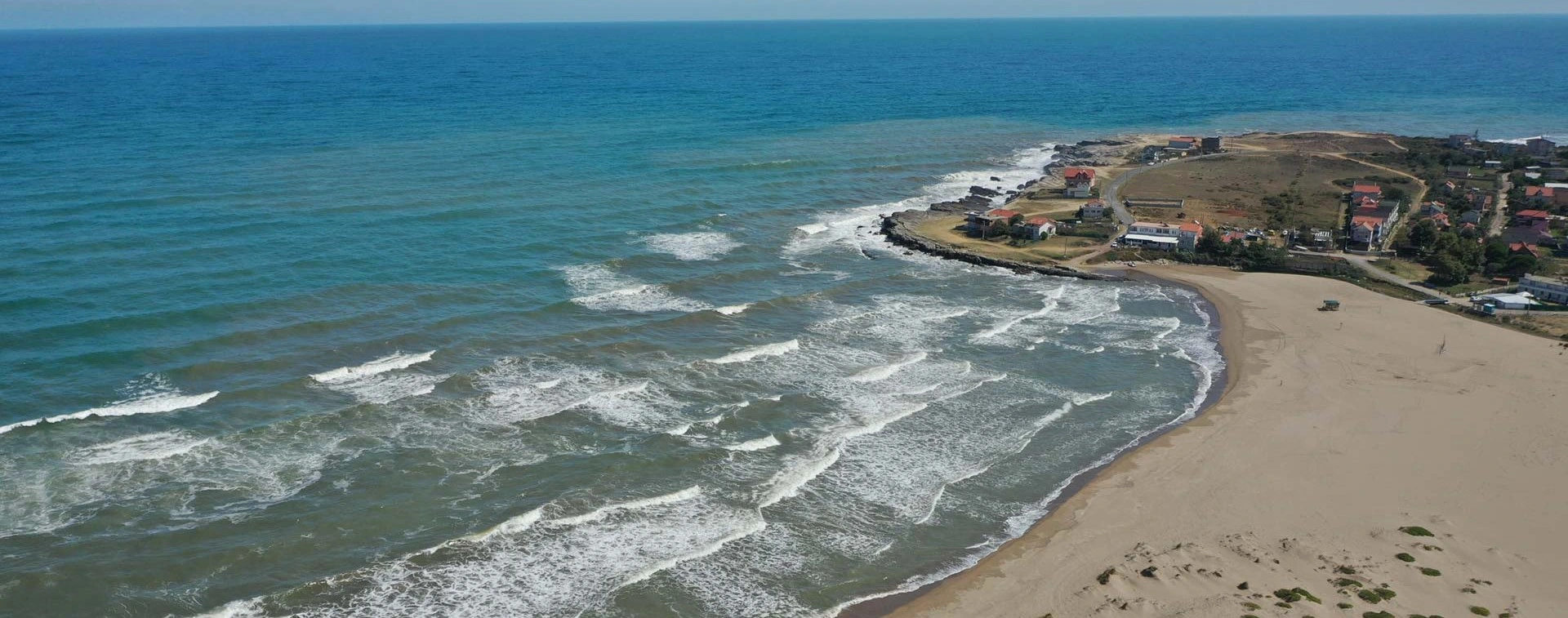
Continue north through Kandıra's rural landscape and explore the cultural character of the Babalı area.
Explore Babalı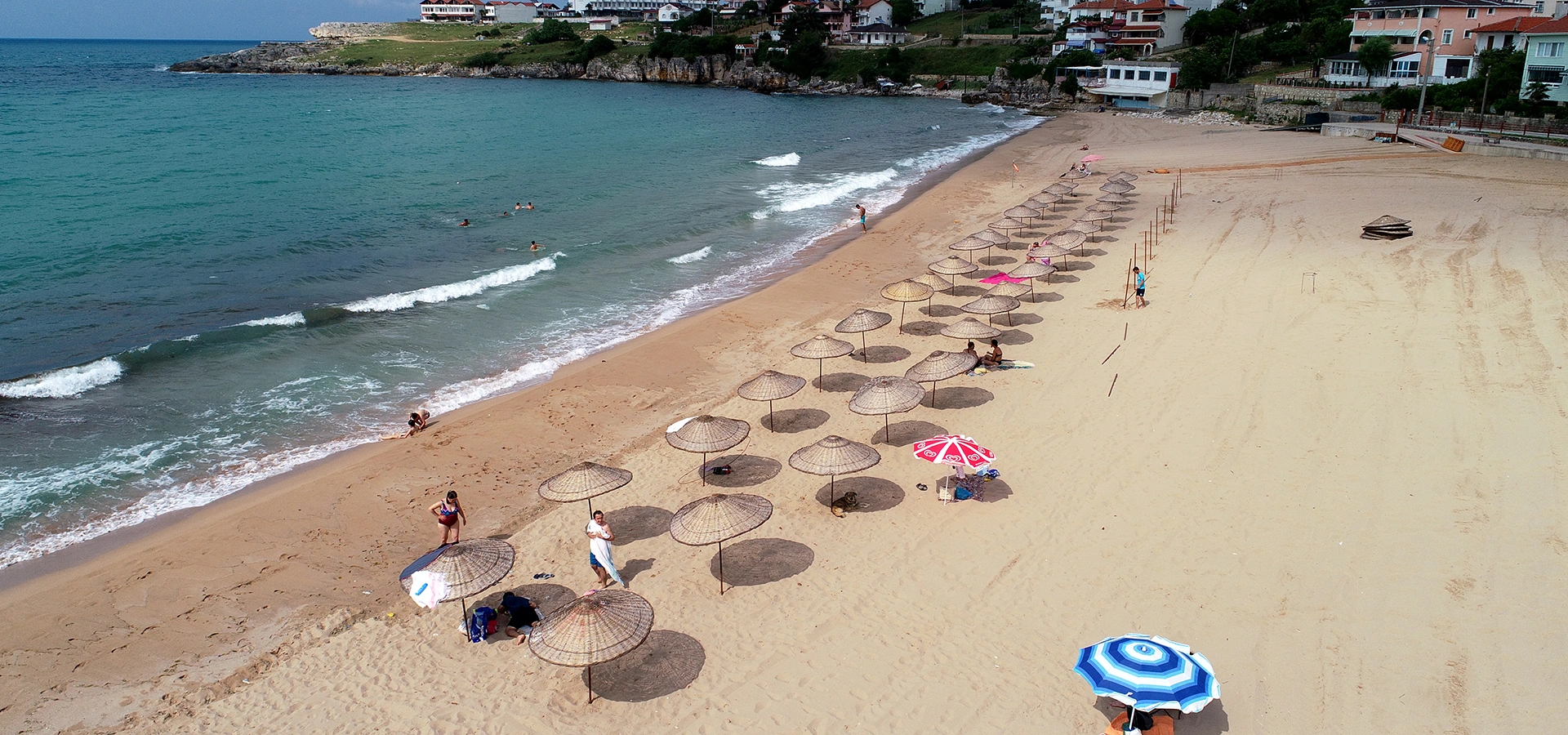
Pair Kandıra's craft heritage with dramatic Black Sea scenery, coves and the maritime character of the northern coast.
Explore Bağırganlı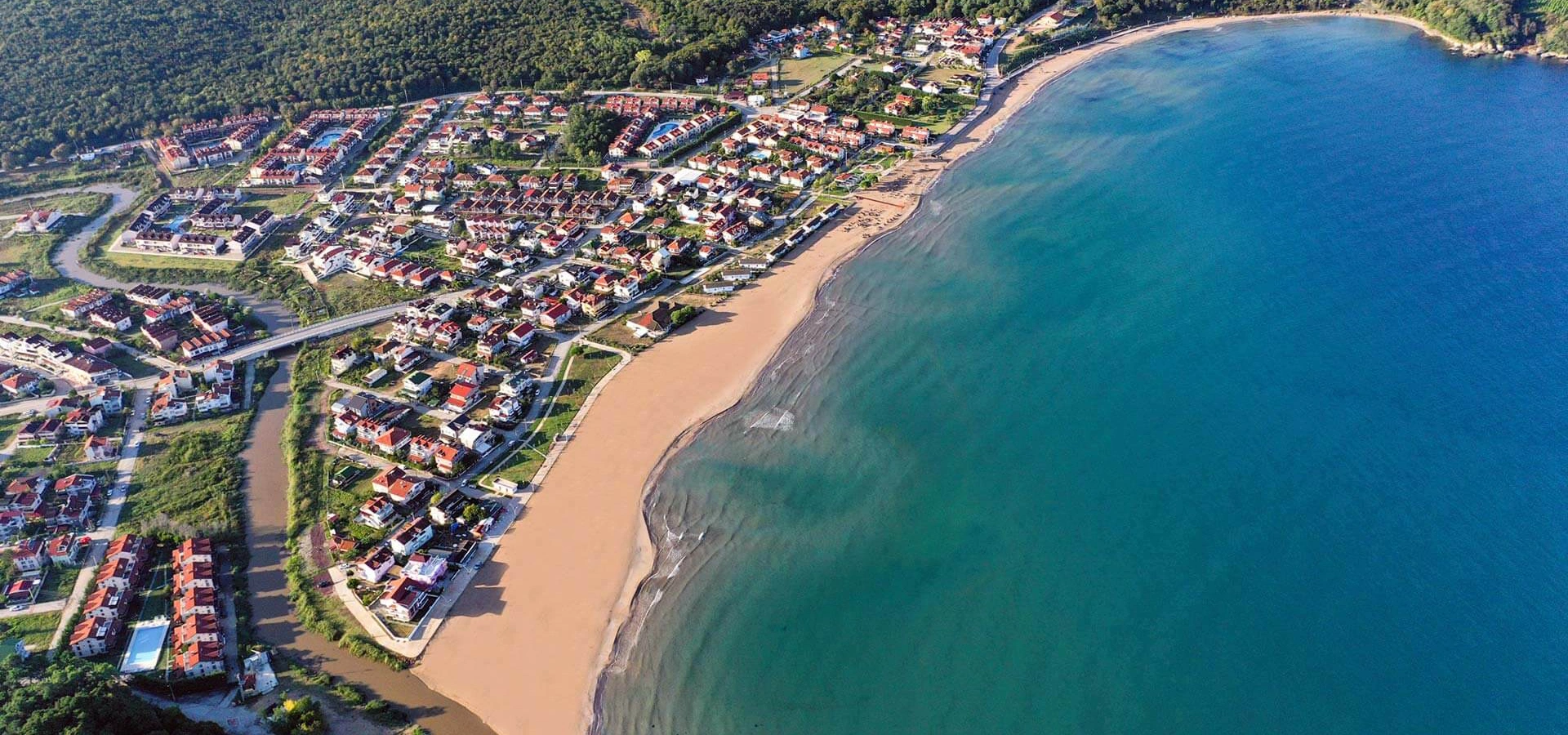
Continue your Kandıra day with an easy coastal stop along the Black Sea.
Explore Kumcağız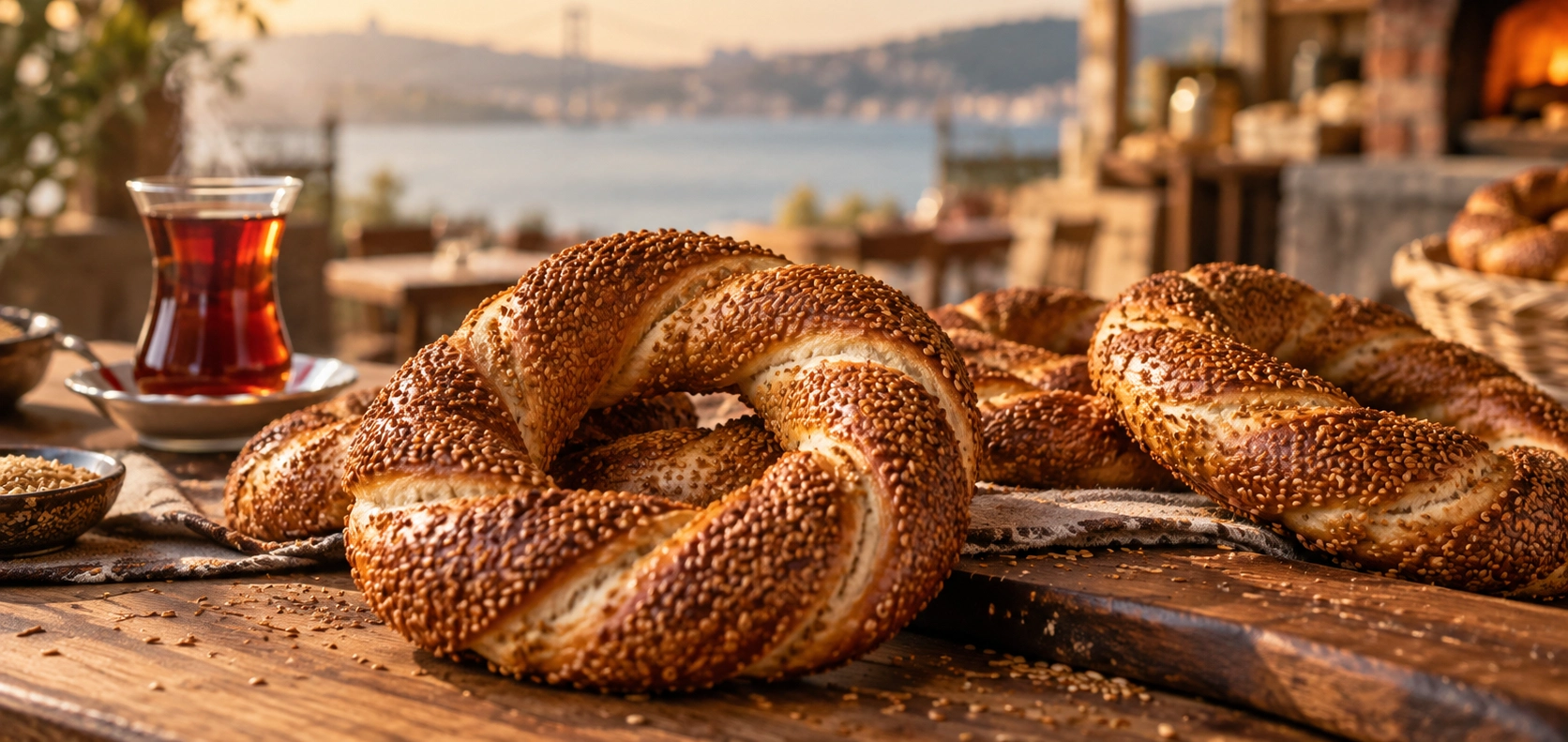
Return toward İzmit and explore another geographically rooted local tradition from Kocaeli.
Discover İzmit Simit
Discover ancient Nicomedia, Ottoman monuments, regional foods, traditional crafts, forests, beaches and mountain landscapes across Kocaeli.
Discover Kocaeli