Ottoman Imperial Caiques, Historic Galley, Atatürk's Boats, Naval Artifacts & Centuries of Turkish Maritime History

Istanbul Naval Museum – Complete Visitor Guide

Walk among gilded Ottoman royal boats, a centuries-old galley, naval weapons, ship models, historic flags and vessels associated with Mustafa Kemal Atatürk beside the Bosphorus in Beşiktaş.

Explore the Naval Museum

One of Istanbul's Most Spectacular Museums — and One of Its Most Underrated

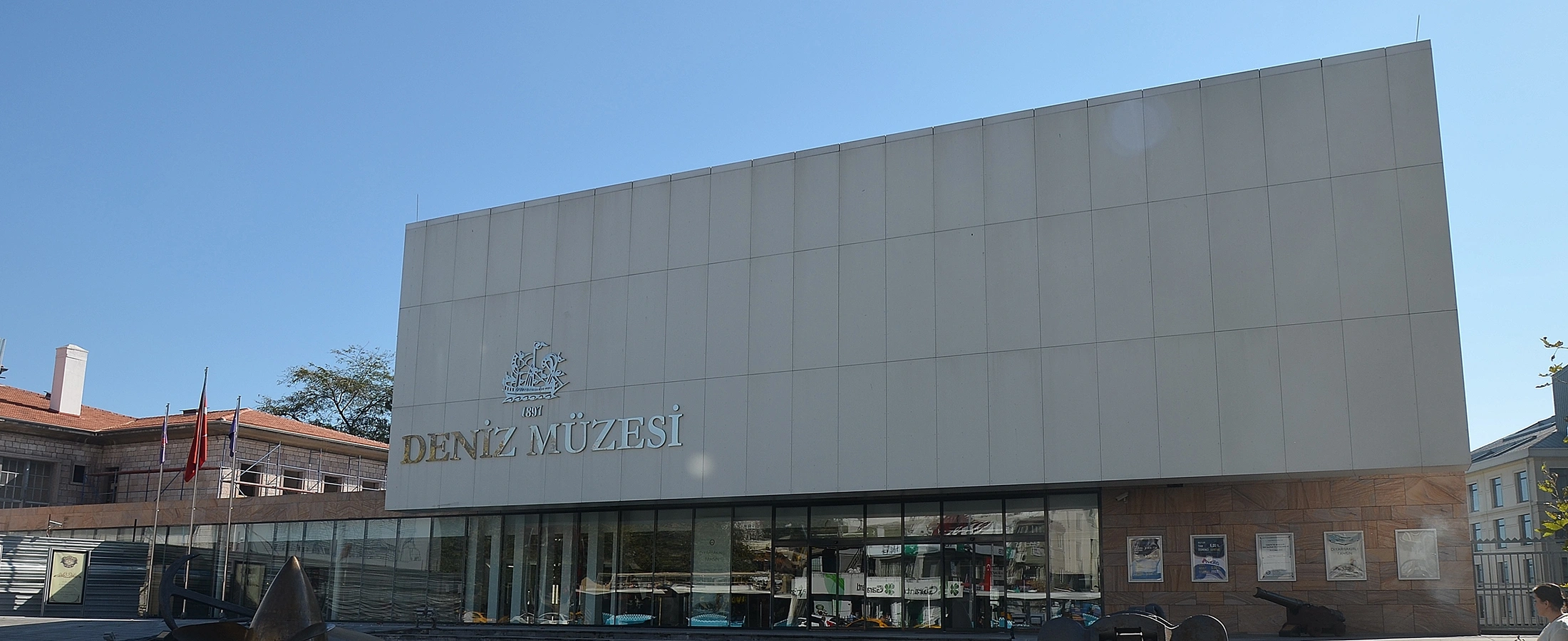
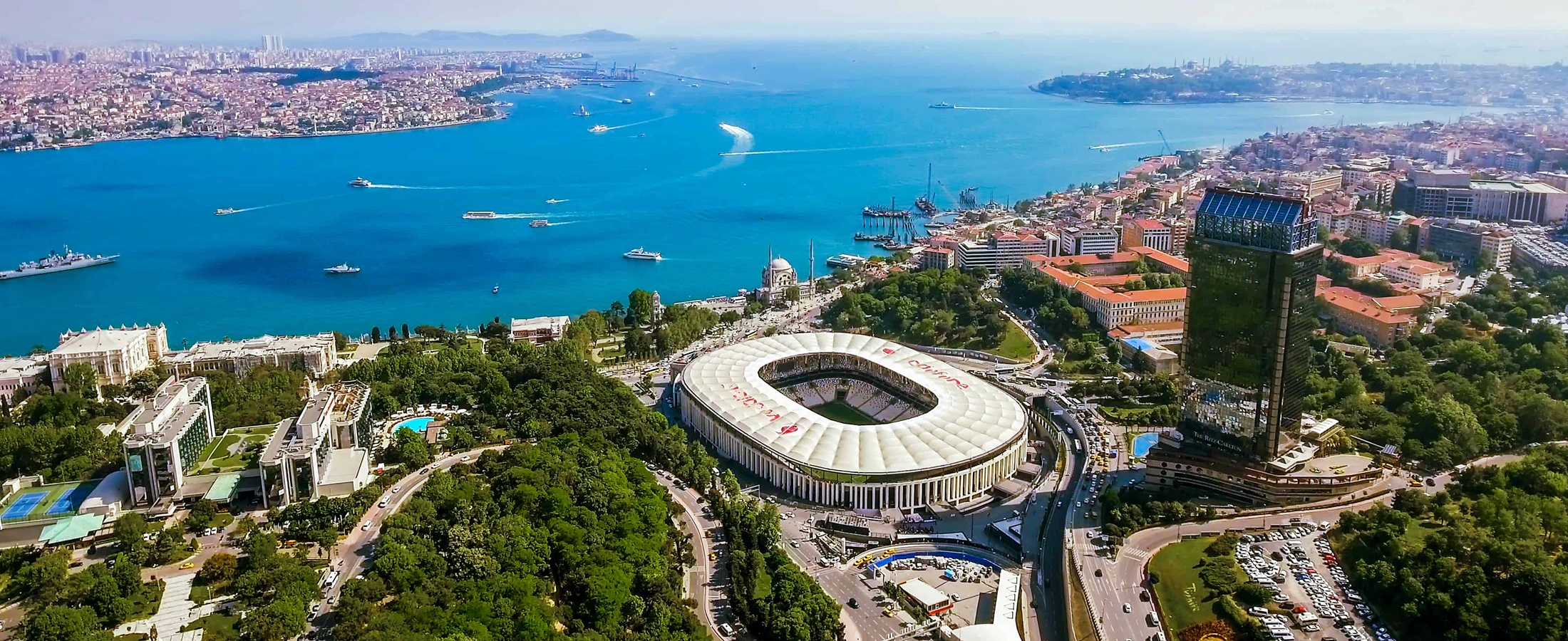
On the waterfront in Beşiktaş, only a short distance from Dolmabahçe Palace, the Istanbul Naval Museum preserves one of the great maritime collections of Turkey.

Founded in 1897, the museum grew from a small collection inside the Ottoman Imperial Arsenal into a major institution dedicated to the history of Ottoman and Turkish seafaring.

Its most unforgettable exhibits are not small objects behind glass. They are full-size vessels: imperial caiques, ceremonial boats, Atatürk's boats and the extraordinary Historic Galley.

The scale of the boat gallery can be startling. Long, slender hulls decorated with gilded eagles, floral carving, royal emblems and elaborate canopies stretch through a modern hall specifically designed around their conservation and display.

Beyond the boats, the museum explores the wider world of Turkish naval history through ship models, weapons, flags, uniforms, paintings, figureheads, nautical instruments, maps, insignia, ship ornaments and historic objects associated with celebrated admirals.

For travelers who want to understand Istanbul not only as an imperial capital but as a city shaped by the sea, this is one of the most rewarding museums in the city. Allow approximately 1.5–2.5 hours for a thoughtful visit.

Historic Galley

See an exceptionally rare surviving Ottoman galley whose wooden hull preserves a vessel type once central to Mediterranean maritime power.

Imperial Caiques

Walk beside richly decorated royal boats used by Ottoman sultans and members of the imperial household on the Bosphorus.

Atatürk & the Sea

Discover boats and maritime objects associated with Mustafa Kemal Atatürk and the early Republic.

Bosphorus Location

Explore maritime history only steps from the water in one of Beşiktaş's most historically appropriate museum settings.

Know Before You Go

Istanbul Naval Museum – Quick Facts

Essential information about Istanbul's principal naval museum, its historic vessels, Ottoman maritime collections, Atatürk exhibits and practical visitor planning.

📍

Location

Beşiktaş waterfront, beside Barbaros Square and close to Dolmabahçe Palace.

📅

Founded

1897 in the Ottoman Imperial Arsenal at Kasımpaşa.

Institution

A military museum administered by the Turkish Naval Forces.

🚣

Famous For

Historic Galley, Ottoman imperial caiques and one of the world's great collections of ceremonial boats.

🇹🇷

Republican History

Boats and maritime objects associated with Mustafa Kemal Atatürk.

🧭

Collections

Ship models, flags, weapons, uniforms, paintings, maps, figureheads, ornaments and naval memorabilia.

⏱️

Recommended Visit

Approximately 1.5–2.5 hours for most visitors.

⛴️

Best Transport

Ferry, bus or a walk from Kabataş; Beşiktaş is one of Istanbul's major transport hubs.


Ottoman Sea Power, Imperial Ceremony, Naval Technology and the Maritime Memory of a Bosphorus Capital

Why Is the Istanbul Naval Museum Important?

The museum is important because it preserves not only objects from ships, but also full-size vessels that make the maritime history of the Ottoman Empire physically visible.

The first reason to visit is the Historic Galley. Very few large wooden vessels from the age of oared Mediterranean warfare survive at all, and the Istanbul example is an extraordinary archaeological and technological survival.

The second reason is the museum's collection of Ottoman imperial caiques. These long ceremonial boats reveal the political theater of the Bosphorus, where royal movement itself became a carefully staged public image of power.

The third reason is historical breadth. The museum does not tell only the story of sultans. Its collections extend through naval warfare, shipbuilding, cartography, uniforms, weapons, flags, memorial culture and the transition from the Ottoman Empire to the Turkish Republic.

The fourth reason is location. Few museums in Istanbul have a setting so perfectly matched to their subject. The galleries stand beside the Bosphorus, one of the waterways that made Istanbul a strategic capital for centuries.

Finally, the museum is a reminder that the history of Istanbul cannot be understood from palaces, mosques and churches alone. The city was also an arsenal, port, shipbuilding center, naval base and maritime crossroads between the Black Sea and Mediterranean.

History of the Istanbul Naval Museum

The Istanbul Naval Museum was founded in 1897 during the reign of Sultan Abdülhamid II. It was created in the Ottoman naval arsenal at Kasımpaşa under the name Museum and Library Administration.

Its establishment was associated with Ottoman naval officials including Bozcaadalı Hasan Hüsnü Paşa, then Minister of the Navy, and with officers who recognized the need to preserve the rapidly disappearing material heritage of the Ottoman fleet.

The museum moved several times during the 20th century. Collections were transferred, stored and dispersed during periods of institutional change and wartime concern, particularly around the Second World War.

After the war, objects were gradually brought back together. The museum spent a period around the Dolmabahçe area before moving in 1961 to its present Beşiktaş location.

A separate historic boats gallery was later developed to display the enormous imperial vessels that could not be treated like conventional museum objects. Their scale, weight and vulnerability demanded a purpose-designed environment.

In 2005, a national architectural competition was held for a new museum project. The winning scheme by Teğet Mimarlık was developed into the contemporary complex that visitors see today.

Construction began in the late 2000s, and the renewed Historic Boats Gallery opened in October 2013. The result is a museum in which the architecture and the collection are unusually inseparable.

1897

The naval museum is founded inside the Ottoman Imperial Arsenal at Kasımpaşa.

1930s–1940s

The collection experiences institutional moves and wartime dispersal.

1948

The museum reopens in the Dolmabahçe area as the Naval Museum and Archive.

1961

The institution moves into its present Beşiktaş location.

1970s

A dedicated gallery expands the display of the Historic Galley and imperial boats.

2005

A national competition launches the design process for a new museum complex.

2013

The renewed Historic Boats Gallery opens in the contemporary museum building.

Today

The museum preserves one of Turkey's richest collections of naval and maritime heritage.

Istanbul as a Maritime Capital

The Naval Museum makes the most sense when Istanbul is understood as a city built around water. The Bosphorus, Golden Horn and Sea of Marmara were not scenic backgrounds to imperial life. They were strategic infrastructure.

For Byzantium and later Constantinople, control of the waterways helped secure trade, food supply, communication and military defense. After 1453, the Ottoman state inherited and dramatically expanded this maritime role.

The great imperial shipyard at Kasımpaşa, known as the Tersane-i Amire, became one of the largest naval-industrial complexes of the Mediterranean world.

From there, Ottoman fleets sailed toward the Aegean, Mediterranean, Black Sea, Red Sea and beyond. Admirals such as Barbaros Hayreddin Paşa, Turgut Reis, Piyale Paşa and Kılıç Ali Paşa became central figures in Ottoman maritime expansion.

At the same time, the Bosphorus remained a ceremonial waterway. Sultans, royal family members, foreign ambassadors and officials traveled by elaborately decorated boats, turning movement across the water into a visible language of rank and power.

Look beyond warfare: the museum is just as much about shipbuilding, ceremony, craftsmanship, transport, cartography and life on the water as it is about naval battles.

The Architecture of the Istanbul Naval Museum

The modern museum building is one of the reasons the Istanbul Naval Museum feels so different from many traditional military museums.

Designed by Teğet Mimarlık after a national competition, the new complex had to solve an unusual problem: how do you build a museum around historic boats measuring tens of meters long?

The answer was a vast, high-ceilinged gallery in which the vessels remain the dominant visual objects. Long internal bridges and upper walkways allow visitors to see the same boats from radically different heights.

From the floor, the caiques feel almost architectural. From above, their length, rowing arrangements, canopies and ornamental programs become easier to read.

The building also maintains a strong relationship with the Bosphorus and Beşiktaş. Glass, open sightlines and the museum's waterfront position constantly reconnect the historic boats with the water for which they were built.

Purpose-Built Gallery

The principal hall was designed specifically around the conservation and display needs of full-size historic boats.

Upper Bridges

Elevated circulation lets visitors study the boats from above instead of seeing only their hulls at eye level.

Large Spans

The gallery avoids intrusive columns around the principal vessels and preserves a powerful sense of scale.

Bosphorus Connection

The architecture deliberately relates the historic vessels to Istanbul's continuing life on the water.

Historic + Modern

The contemporary gallery works together with the older registered museum building rather than replacing it.

Opened in 2013

The renewed Historic Boats Gallery became one of Istanbul's most distinctive modern museum interiors.

The Historic Galley – The Museum's Greatest Treasure

The most important single object in the Istanbul Naval Museum is the vessel usually known simply as the Historic Galley — Tarihi Kadırga.

Research places its construction in the late 16th or early 17th century, although its exact building date remains a subject of scholarly investigation.

The galley is approximately 40 meters long and was powered by large banks of oars. Its form belongs to a maritime world in which speed, manpower and maneuverability mattered enormously in sheltered and coastal waters.

Unlike a heavily armed battle galley, this surviving vessel is closely associated with imperial use. Its decorated stern structure, carving and carefully finished surfaces reveal that ceremonial display mattered alongside navigation.

What makes the vessel exceptional is not simply its age. It is widely described as the only surviving original galley of its kind, making it one of the most important historic wooden vessels preserved anywhere in the world.

Walk its full length before moving upstairs. Then view it again from the higher level. The second perspective makes the extraordinary relationship between hull, oars, crew space and ceremonial stern much easier to understand.

Date Late 16th or early 17th century according to modern research
Length Approximately 40 meters
Propulsion Oars, historically combined with sailing capability
Use Closely associated with Ottoman imperial movement on coastal and sheltered waters
Importance An exceptionally rare surviving original Mediterranean galley

The Ottoman Imperial Caiques

For many visitors, the imperial caiques are the most visually spectacular part of the museum.

These long, narrow boats were used by Ottoman sultans, royal family members and the imperial household for travel along the Bosphorus and between waterfront palaces, mosques, pavilions and official ceremonies.

They were not ordinary transport. A sultan approaching the shore in a magnificent gilded boat was participating in a carefully choreographed form of imperial representation.

Look closely at the prows. Many display elaborate carved ornament, including birds, foliage, royal symbols, scrollwork and gilded sculptural forms.

At the stern, covered kiosks protected the principal passenger while also creating a highly visible stage of status. The length of the boats and number of oarsmen increased the drama of arrival.

The collection is internationally remarkable because so many original royal boats survive together in one place, allowing visitors to compare changing styles across the later Ottoman centuries.

Royal Transport

The caiques connected waterfront palaces, mosques, gardens and ceremonial landing places.

Gilded Decoration

Gold-colored carving transformed functional boats into highly visible expressions of imperial authority.

Long Oar Banks

The large number of rowers gave the boats speed while creating an impressive ceremonial rhythm.

Covered Kiosks

Elaborate stern canopies sheltered members of the imperial household and made rank visually legible.

Bosphorus Ceremony

Movement by water was a major part of Ottoman court life in a capital organized around shorelines.

World-Class Collection

The survival of so many full-size original ceremonial boats makes the gallery internationally significant.

Mustafa Kemal Atatürk & the Museum's Republican-Era Boats

The museum's story does not end with the Ottoman Empire. Several exhibits connect the galleries with Mustafa Kemal Atatürk and the maritime culture of the early Turkish Republic.

Visitors can see boats associated with Atatürk's life in Istanbul, including small craft connected with his use of waterfront residences and official vessels.

These objects create an important historical transition. Only a short distance away stand the elaborate caiques of Ottoman sultans; nearby are more modern boats connected with the founder of the Republic.

The contrast reveals how maritime technology, ceremonial language and political identity changed dramatically while the Bosphorus remained central to life in Istanbul.

Look for displays related to vessels such as Savarona and for personal or naval objects associated with Atatürk where currently exhibited. Individual displays can change with conservation and gallery rotation.

Do not skip this section: it gives the museum chronological balance and helps connect Ottoman naval heritage with the maritime institutions of modern Turkey.

Great Ottoman Admirals & Seafarers

Ships are only part of naval history. The museum also presents the commanders, cartographers, sailors and officials who shaped Ottoman power at sea.

The figure most closely connected with the Beşiktaş setting is Barbaros Hayreddin Paşa, the 16th-century Kapudan Pasha whose career transformed Ottoman naval power in the Mediterranean.

His tomb stands immediately outside the museum area, making the relationship between the collection and the surrounding neighborhood especially meaningful.

Other major names in Ottoman maritime history include Turgut Reis, Piri Reis, Piyale Paşa, Kılıç Ali Paşa and Cezayirli Gazi Hasan Paşa. Busts, paintings, models, weapons, flags and documentary material help connect these individuals with the ships and campaigns they commanded.

Piri Reis is especially important because Ottoman naval power depended not only on fighting ability but on geographical knowledge, coastal observation, route planning and cartography.

Barbaros Hayreddin Paşa

Grand admiral of the Ottoman fleet and one of the central figures in 16th-century Mediterranean naval history.

Turgut Reis

Celebrated corsair and admiral whose campaigns extended Ottoman influence across the Mediterranean.

Piri Reis

Navigator, admiral and cartographer remembered for the Kitab-ı Bahriye and his famous world maps.

Piyale Paşa

Important 16th-century admiral associated with major Ottoman operations in the Mediterranean.

Kılıç Ali Paşa

Kapudan Pasha whose name remains connected with the historic mosque complex in Tophane.

Cezayirli Gazi Hasan Paşa

18th-century naval commander and statesman remembered as one of the striking personalities of late Ottoman naval history.

Historic Ship Models

The museum's ship models are among its most useful exhibits for understanding vessels that no longer survive at full scale.

A carefully made model can reveal deck arrangement, rigging, artillery, sails, color schemes, superstructure and hull proportions in a way that paintings alone cannot.

Models of major Ottoman warships help visitors visualize the transition from galleys to large sailing vessels and eventually to steam-powered naval ships.

Pay particular attention to models of famous ships such as the Mahmudiye, a gigantic 19th-century Ottoman ship of the line whose scale reflected the ambitions of naval modernization.

For children and visitors new to maritime history, the model galleries are often the easiest place to understand how fleets changed over time.

Visitor tip: compare a ship model with the full-size galley or caiques nearby. The contrast between miniature interpretation and surviving vessel makes the museum especially engaging.

Figureheads, Ship Ornaments & Decorative Carving

Not every ship survives, but fragments of ships can preserve surprisingly powerful stories.

The museum contains figureheads, crests, name boards, carved ornaments and decorative elements removed from vessels that were later dismantled or lost.

These objects helped give ships visual identity. Lions, eagles, floral carving, royal emblems and monumental gilded forms transformed naval architecture into symbolic art.

On imperial boats, decoration communicated rank and dynastic authority. On warships, large ornaments and insignia could express the identity of the vessel, state or naval institution.

Because these pieces are displayed at close range, visitors can study carving techniques and surfaces that would have been difficult to see when mounted high on a ship's bow or stern.

Flags, Uniforms & Naval Textiles

Textiles are among the most fragile objects in any military collection, yet they can also be among the most historically meaningful.

The Naval Museum preserves historic flags, standards, uniforms, rank insignia and ceremonial textiles connected with Ottoman and Turkish naval history.

Large naval flags were designed to be recognized across distance. Their scale, inscriptions, colors and dynastic symbols communicated identity before radio and modern electronic communication existed.

Uniforms reveal another side of institutional history. Changes in cut, rank marks, headgear and decoration reflect wider reforms in the Ottoman state and the modernization of the armed forces.

Because historic textiles are sensitive to light, individual objects may be rotated, rested or temporarily removed from display for conservation.

Maps, Charts & Ottoman Cartography

Naval power depends on knowledge. Before satellite navigation, mariners relied on charts, coastal observation, compasses, piloting experience and accumulated geographic information.

The museum's paper collections and displays help place Ottoman seafaring within this larger tradition of maritime knowledge.

The greatest Ottoman name in cartographic history is Piri Reis, whose early 16th-century works combined Mediterranean sailing experience with geographical information drawn from multiple traditions.

His Kitab-ı Bahriye — Book of Navigation — describes ports, coastlines, islands, harbours and sailing conditions across the Mediterranean.

Visitors should note an important distinction: the famous surviving fragment of Piri Reis's 1513 world map belongs to the Topkapı Palace collections. The Naval Museum's value lies in presenting the wider maritime and cartographic context in which Ottoman navigators worked.

Navigation

Charts and instruments transformed observation into repeatable maritime knowledge.

Piri Reis

One of the most famous Ottoman cartographers and navigators of the early 16th century.

Kitab-ı Bahriye

A landmark Ottoman navigational work describing Mediterranean coasts and harbours.

Original 1513 Map

The celebrated surviving fragment is associated with Topkapı Palace collections rather than the Naval Museum.

The Golden Horn Chain & the Conquest of Constantinople

One of the most famous maritime episodes in Istanbul's history occurred during the Ottoman conquest of Constantinople in 1453.

The Byzantine defenders protected the entrance of the Golden Horn with a massive chain intended to prevent enemy ships from sailing directly into the harbour.

Mehmed II answered with one of the best-known operations of the siege: Ottoman vessels were transported overland behind Galata and lowered into the Golden Horn, bypassing the maritime barrier.

The Naval Museum has displayed large iron links associated with the historic Golden Horn chain tradition, connecting the museum directly with one of the defining moments in the city's naval history.

Different chain sections and objects connected with the 1453 defenses have been preserved or attributed in more than one Istanbul collection, so visitors should read the museum's current labels carefully rather than assuming every surviving fragment has an identical provenance.

Museum Collections & Exhibitions

The Istanbul Naval Museum preserves tens of thousands of objects, far more than can be displayed at one time. The visitor galleries therefore represent only part of a much larger research and conservation collection.

Historic Boats

Full-size imperial caiques, ceremonial vessels, small craft and the unique Historic Galley.

Ship Models

Detailed models help reconstruct vessels and naval technologies that no longer survive.

Weapons

Cannon, firearms, edged weapons and naval military objects illustrate changing warfare at sea.

Flags & Textiles

Historic standards, uniforms, rank insignia and ceremonial fabrics preserve naval visual identity.

Paintings

Naval battles, portraits, ships and maritime scenes preserve visual records of people and events.

Maps & Documents

Charts, manuscripts, printed material and archival objects reveal the intellectual side of seafaring.

Figureheads

Carved and gilded ship ornaments survive as powerful fragments of lost vessels.

Atatürk Collection

Boats and maritime objects connect the museum with the founder of the Turkish Republic.

What to See at the Istanbul Naval Museum

Historic Galley

Begin with the museum's most extraordinary vessel and walk its full length before viewing it from above.

Imperial Caiques

Compare the different royal boats, their gilded prows, canopies and rowing arrangements.

Atatürk's Boats

Follow the maritime story into the early Republic through vessels associated with Atatürk.

Upper Walkways

See the same historic boats from above and understand their extraordinary proportions.

Ship Models

Study famous Ottoman and Turkish vessels that cannot survive at full scale.

Figureheads

Look closely at carved lions, eagles, crests and ornaments once mounted on ships.

Naval Weapons

Trace the technological transition from galley warfare to artillery and mechanized fleets.

Historic Flags

Examine the scale, inscriptions and symbolism of naval standards and ceremonial textiles.

Maritime Paintings

Use paintings to visualize lost ships, admirals and major naval events.

Maps & Navigation

Explore the knowledge systems that allowed fleets to move across complex coastlines and seas.

Golden Horn History

Look for objects and interpretation connected with the maritime defenses of Constantinople.

Bosphorus Views

Do not forget the museum's setting: the water outside is part of the historical story inside.

Best Way to Visit the Museum

Begin in the Historic Boats Gallery and resist the temptation to rush immediately toward the most ornate caiques. Start with the oldest vessel and establish the chronology first.

Spend time beside the Historic Galley. Walk from bow to stern, look at the rowing arrangement and study the decorated imperial section.

Continue chronologically through the imperial caiques. Notice how length, ornament, canopy design and sculptural decoration change from vessel to vessel.

Use the ramp and upper bridges to view the boats again from above. This is one of the most important parts of the museum experience.

Move next into the broader naval galleries for models, weapons, flags, paintings, figureheads, cartographic material and naval memorabilia.

Finish with the Atatürk-related boats and Republican-era material, which bring the chronological story into modern Turkey.

After leaving the museum, walk a few steps to Barbaros Hayreddin Paşa's Tomb and monument. The outdoor setting provides a natural final chapter to the visit.

Stop 1 Historic Galley and earliest surviving boat technology
Stop 2 Ottoman imperial caiques at ground level
Stop 3 Upper bridges and overhead views of the boats
Stop 4 Ship models, weapons and naval technology
Stop 5 Flags, paintings, maps, figureheads and decorative objects
Stop 6 Atatürk and Republican-era maritime exhibits
Finish Barbaros Square and Barbaros Hayreddin Paşa Tomb outside

Istanbul Naval Museum Visitor Information

The museum is located at Sinan Paşa Mahallesi, Beşiktaş Caddesi 6/1, Beşiktaş, Istanbul, close to Barbaros Square and the Bosphorus waterfront.

The current official Turkish Museums listing gives weekday visiting hours of 09:00–17:00 and weekend / public-holiday hours of 10:00–18:00.

The same listing states that last visitor entry is 16:00 on weekdays and 17:00 on weekends and public holidays.

The museum is currently listed as closed on Mondays, as well as on New Year's Day and the first day of religious holidays.

At the time of writing, the official Turkish Museums platform lists standard adult admission at 60 TL. Ticket categories and prices can change, so this figure should always be checked shortly before visiting.

The museum is administered by the Turkish Naval Forces, so ticket systems and pass conditions can differ from museums directly operated by the Ministry of Culture and Tourism.

Location Beşiktaş waterfront / Barbaros Square
Weekdays Currently 09:00–17:00
Weekends Currently 10:00–18:00
Last Entry Currently 16:00 weekdays / 17:00 weekends and public holidays
Closed Day Monday
Current Adult Admission Official Turkish Museums listing currently shows 60 TL
Recommended Visit 1.5–2.5 hours
Important current-access note: opening hours, ticket prices, holiday arrangements, photography rules and individual gallery access can change. Always check the official museum information shortly before travel.

Practical Tips for Visiting

Avoid Monday

The museum is currently closed on Mondays.

Allow 1.5–2.5 Hours

The collection is much richer than a quick walk through the boat hall suggests.

Start with the Galley

Understanding the oldest vessel first makes the chronological development of the boat collection clearer.

Use the Upper Level

Do not leave without seeing the imperial caiques from the elevated bridges.

Look at the Details

Move beyond the size of the boats and study carving, gilding, emblems, oars and canopy decoration.

Read the Model Labels

Ship models often explain major vessels and technologies more clearly than isolated objects.

Combine with Barbaros

Barbaros Hayreddin Paşa's Tomb and monument are immediately nearby and belong naturally to the same maritime story.

Continue to Dolmabahçe

The palace is within walking distance and creates an excellent Ottoman waterfront combination.

Best Time to Visit

Weekday Opening

Usually the best choice for a quieter first look at the Historic Galley and imperial boats.

Late Morning

Ideal if you want to continue afterward toward Dolmabahçe Palace or the Beşiktaş waterfront.

Midday

A very good indoor stop when the waterfront becomes busy or summer temperatures rise.

Late Afternoon

Atmospheric around the Bosphorus, but respect the last-entry time and allow enough time for the full gallery route.

Rainy Days

One of Istanbul's strongest museum choices because the principal experience is indoors.

Winter

Excellent for combining a major collection with a quieter walk through Beşiktaş and Dolmabahçe.

How Much Time Do You Need?

45 Minutes

Enough only for the Historic Galley, a quick circuit of the imperial caiques and a few headline exhibits.

1 Hour

A fast visit for travelers mainly interested in the historic boats.

1.5 Hours

A good minimum for the boats plus selected galleries of models, weapons and maritime art.

2 Hours

Ideal for most visitors who want to understand the main historical narrative.

2.5–3 Hours

Recommended for naval-history enthusiasts, model lovers, researchers and visitors reading interpretation carefully.

Half-Day Beşiktaş Route

Combine the museum with Barbaros Hayreddin Paşa's Tomb, Dolmabahçe and the Beşiktaş waterfront.

Is the Istanbul Naval Museum Good for Children?

Yes. The Naval Museum is one of Istanbul's better traditional museums for families because many of its most important exhibits are large, visual and immediately understandable.

Children do not need to know Ottoman history to be impressed by a 40-meter galley, rows of royal boats, giant oars, ship models, cannon and carved figureheads.

For younger visitors, turn the museum into a visual search rather than trying to read every label. Ask them to find an eagle, a lion, a royal canopy, a cannon, a ship model and Atatürk's boat.

Older children and teenagers can use the galleries to understand larger questions: How did warships move before engines? Why were royal boats so decorated? How did steam power change naval warfare? Why was the Bosphorus strategically important?

Family strategy: begin with the full-size boats while attention is strongest, then use models and weapons to explain the transition from the Ottoman fleet to modern naval technology.

Photography at the Istanbul Naval Museum

The Historic Boats Gallery is one of the most photogenic museum interiors in Istanbul. The combination of enormous vessels, gilded decoration, high ceilings and elevated walkways creates strong compositions from almost every level.

At ground level, photograph the boats from their bows to emphasize the sculptural figureheads and extraordinary length of the hulls.

From the upper bridges, look downward along the oar banks and canopies. These views communicate scale far better than a close-up alone.

The Historic Galley is particularly effective from slightly elevated angles where the rowing layout and stern structure can be seen together.

Always follow current museum rules. Because this is a military museum, professional photography, tripods, flash, video equipment or photography in specific areas may be restricted or subject to separate permission.

Best Subject

The gilded prows of the Ottoman imperial caiques.

Best Wide View

The Historic Boats Gallery from an elevated bridge.

Best Historic Detail

Carved figureheads, royal emblems and stern canopies.

Best Scale Shot

Frame a visitor or walkway against the full length of a large caique.

Best Exterior

The museum's contemporary façade with the Beşiktaş waterfront context.

Check Current Rules

Follow staff instructions before using flash, tripods, professional cameras or video equipment.

Accessibility

The contemporary sections of the Istanbul Naval Museum were designed as a modern public museum, making the overall experience more accessible than many historic monuments in central Istanbul.

The current Turkish Museums listing identifies the museum as accessible and equipped with lifts. It also lists facilities for families with babies.

The main Historic Boats Gallery uses broad circulation spaces and upper-level connections that allow visitors to study the collection without navigating narrow historic staircases at every stage.

However, individual galleries, temporary exhibition arrangements or maintenance can affect the exact accessible route. Visitors who require a completely step-free experience should confirm current access before traveling.

The surrounding Beşiktaş district is busy and pavement conditions can vary, but the museum itself is located close to major public-transport stops and the waterfront.

Accessibility tip: arriving by taxi or public transport to central Beşiktaş minimizes long uphill walking. Confirm lift and gallery access directly if mobility requirements are essential.

How to Get to the Istanbul Naval Museum

The museum stands in central Beşiktaş, one of Istanbul's busiest transport districts, on the waterfront road between Dolmabahçe and the Beşiktaş ferry terminals.

For visitors coming from the Asian side, the most atmospheric approach is by ferry to Beşiktaş. From the ferry area, the museum is only a short walk toward Dolmabahçe.

From Sultanahmet, Eminönü or the historic peninsula, one practical route is to take the T1 tram to Kabataş and walk north along the waterfront toward Beşiktaş.

From Taksim, use the F1 funicular to Kabataş and continue on foot, or take one of the many buses running toward Beşiktaş.

From neighborhoods farther north, Beşiktaş is served by a dense network of buses and minibuses. Traffic can be heavy, so ferries and rail connections are often more predictable.

The museum is also within walking distance of Dolmabahçe Palace, making the two sites very easy to combine.

By Ferry

Take a ferry to Beşiktaş and walk a few minutes toward Dolmabahçe.

From Kabataş

Walk north along the Bosphorus waterfront toward Beşiktaş.

From Sultanahmet

Use the T1 tram to Kabataş, then continue on foot or by a short bus ride.

From Taksim

Take the F1 funicular to Kabataş or use a direct bus toward Beşiktaş.

From Kadıköy

A direct ferry to Beşiktaş makes the journey both easy and scenic.

By Taxi

Ask for Beşiktaş Deniz Müzesi, but allow extra time during heavy waterfront traffic.

Suggested Istanbul Naval Museum, Dolmabahçe & Beşiktaş Route

Begin at the Istanbul Naval Museum in the morning and allow approximately 1.5–2 hours. Start with the Historic Galley, continue through the imperial caiques and finish with the wider naval collections.

After leaving the museum, walk to the nearby Barbaros Hayreddin Paşa Tomb and Barbaros Monument. This is the natural outdoor continuation of the museum's story.

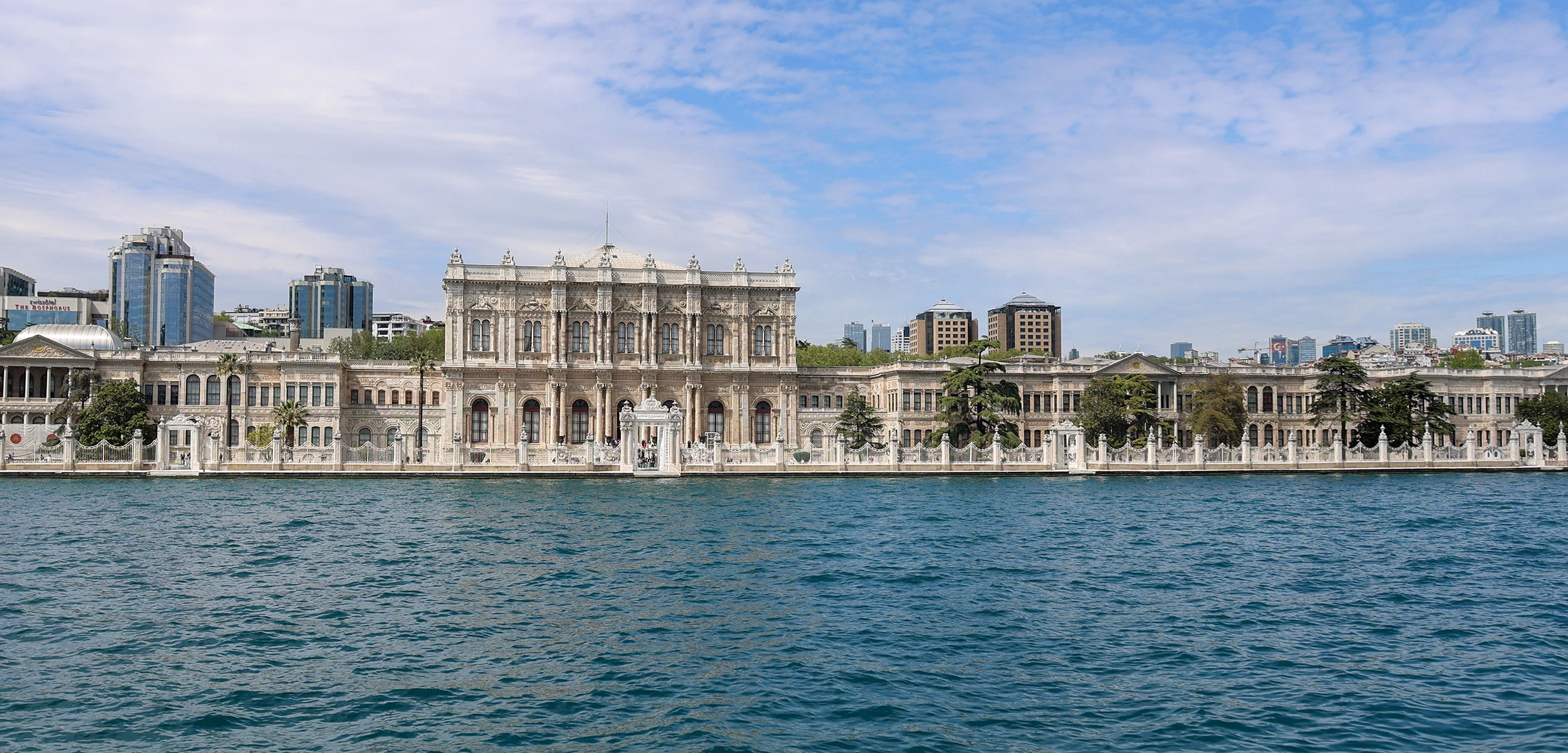
Next, walk south along the waterfront toward Dolmabahçe Palace. The route takes you from naval history into the ceremonial world of the 19th-century Ottoman court.

After visiting Dolmabahçe, return toward Beşiktaş for lunch and explore the market streets behind the waterfront.

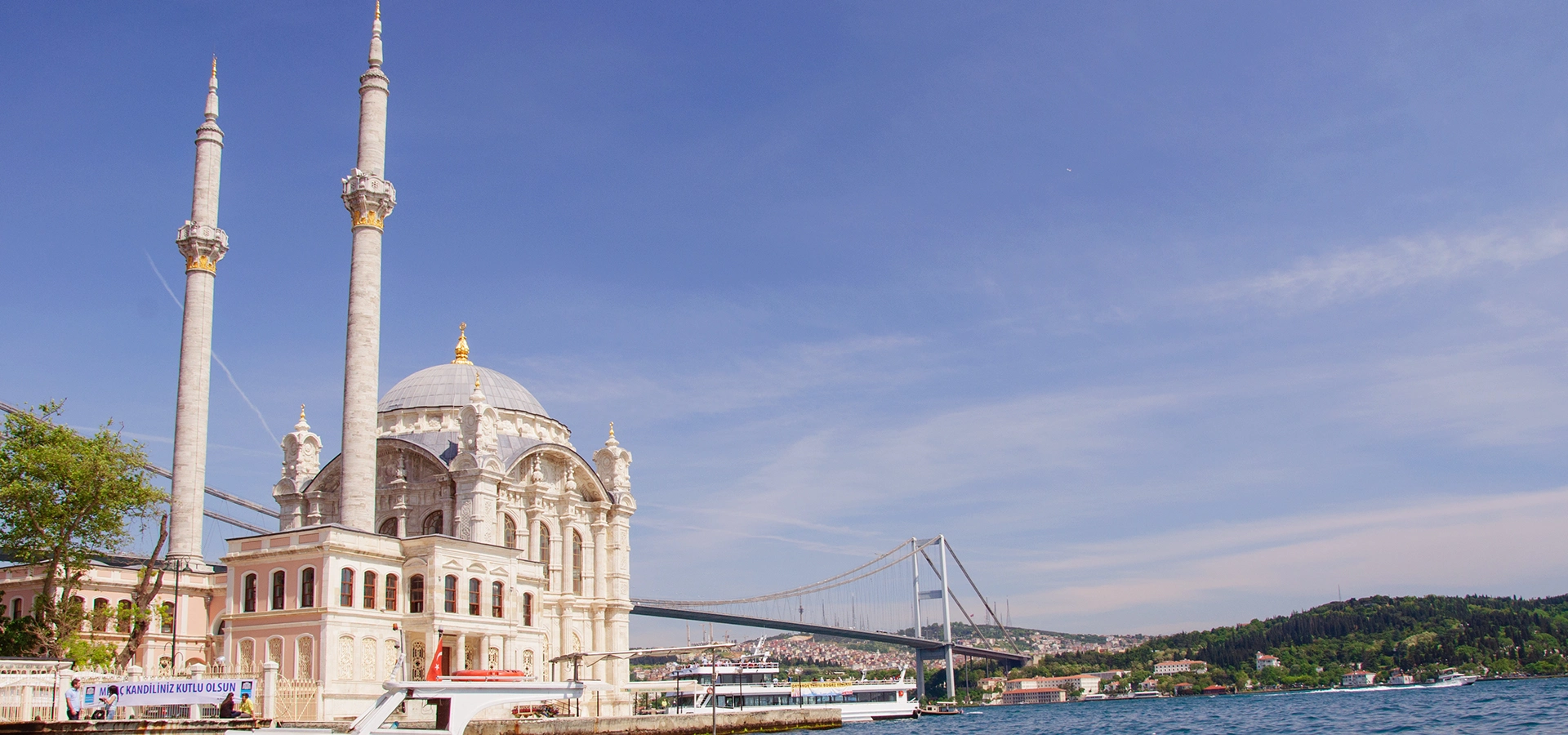
If you still have energy, continue north along the Bosphorus toward Ortaköy and Ortaköy Mosque.

This route works especially well because it follows the shoreline and keeps the historical theme focused on the Bosphorus as a corridor of imperial movement, naval power and modern urban life.

Stop 1 Istanbul Naval Museum – allow 1.5–2 hours
Stop 2 Barbaros Hayreddin Paşa Tomb and Barbaros Monument
Stop 3 Dolmabahçe Palace and waterfront gardens
Stop 4 Beşiktaş market streets and lunch
Optional Finish Ortaköy and Ortaköy Mosque beside the Bosphorus

What to See Near the Istanbul Naval Museum

Barbaros Hayreddin Paşa Tomb

Visit the tomb of the great Ottoman admiral only moments from the museum entrance.

Barbaros Monument

The monumental sculpture in Beşiktaş Square celebrates one of the defining figures of Ottoman naval history.

Dolmabahçe Palace

Continue into the ceremonial and political world of the late Ottoman Empire along the same waterfront.

Beşiktaş Market

Walk inland for cafés, bakeries, restaurants, fish markets and everyday neighborhood life.

Ortaköy

Continue north along the Bosphorus toward one of Istanbul's most popular waterfront districts.

Ortaköy Mosque

See one of the Bosphorus's most photographed Ottoman mosques in a dramatic waterside setting.

Yıldız Park

Move uphill into one of central Istanbul's largest historic green spaces.

Beşiktaş Ferry Pier

Finish with a ferry ride and experience the Bosphorus as a working transportation route rather than only a view.

Planning Your Visit

Frequently Asked Questions About the Istanbul Naval Museum

Where is the Istanbul Naval Museum?

It is located on the Beşiktaş waterfront in central Istanbul, close to Barbaros Square and within walking distance of Dolmabahçe Palace.

When was the Istanbul Naval Museum founded?

The museum was founded in 1897 inside the Ottoman Imperial Arsenal at Kasımpaşa.

Is it a military museum?

Yes. The Istanbul Naval Museum is administered by the Turkish Naval Forces and preserves the military and maritime heritage of the Ottoman and Turkish navies.

What is the museum most famous for?

It is especially famous for the Historic Galley and its extraordinary collection of Ottoman imperial caiques and ceremonial boats.

What is the Historic Galley?

The Tarihi Kadırga is a surviving Ottoman galley dating to the late 16th or early 17th century according to modern research. It is one of the rarest historic wooden vessels preserved anywhere in the world.

How long is the Historic Galley?

It is approximately 40 meters long. Its scale becomes much easier to appreciate when viewed from both the gallery floor and the upper level.

Is it really the only surviving original galley?

It is widely described in maritime scholarship and museum interpretation as the only surviving original galley of its kind, which gives it exceptional international importance.

What are Ottoman imperial caiques?

They are long ceremonial rowing boats used by Ottoman sultans, royal family members and the imperial household for travel on the Bosphorus and other sheltered waters.

Why are the imperial boats so richly decorated?

They were instruments of royal ceremony as well as transport. Gilded carving, canopies, royal symbols and long rows of oarsmen made the sultan's movement across the water a highly visible public event.

Are there boats connected with Atatürk?

Yes. The museum includes boats and maritime material associated with Mustafa Kemal Atatürk and the early Republican period.

Does the museum have ship models?

Yes. Ship models are an important part of the collection and help visitors understand famous vessels, rigging, hull forms and changing naval technology.

Are there naval weapons?

Yes. The museum preserves cannon, weapons, military equipment and ship components connected with different periods of naval warfare.

Can I see old Ottoman flags?

Historic flags, standards and other naval textiles form part of the museum's collection. Because textiles are sensitive to light, specific items may rotate for conservation.

Is Piri Reis's original 1513 world map here?

No. The famous surviving fragment of Piri Reis's 1513 world map belongs to the Topkapı Palace collections. The Naval Museum presents the broader history of Ottoman navigation and cartography.

Does the museum have anything connected with the Golden Horn chain?

The museum has displayed large iron links associated with the historic chain tradition connected with the defenses of the Golden Horn. Read the current labels carefully because chain fragments and attributions also appear in other Istanbul collections.

Who was Barbaros Hayreddin Paşa?

Barbaros Hayreddin Paşa was the great 16th-century Ottoman admiral who became Kapudan Pasha and helped establish Ottoman naval dominance in the Mediterranean. His tomb is beside the museum area in Beşiktaş.

Is Barbaros Hayreddin Paşa buried near the museum?

Yes. His historic tomb stands only a very short walk from the museum and should be included in the same visit.

When did the museum move to Beşiktaş?

The institution moved to its present Beşiktaş location in 1961. The modern Historic Boats Gallery opened in 2013.

Who designed the modern museum building?

The contemporary project was designed by Teğet Mimarlık after winning a national architectural competition in 2005.

What are the current opening hours?

The official Turkish Museums listing currently gives 09:00–17:00 on weekdays and 10:00–18:00 on weekends and public holidays. Always verify current hours before travel.

What time is last entry?

The official listing currently gives last visitor entry at 16:00 on weekdays and 17:00 on weekends and public holidays.

Which day is the Istanbul Naval Museum closed?

The museum is currently listed as closed on Mondays. It is also listed as closed on New Year's Day and the first day of religious holidays.

How much is admission?

At the time of writing, the official Turkish Museums platform lists standard adult admission at 60 TL. Prices and ticket categories can change, so check the official listing before visiting.

Is Müzekart valid?

Because the museum is administered by the Turkish Naval Forces rather than operating as a standard Ministry of Culture museum, pass conditions can differ and published sources have not always been consistent. Confirm current Müzekart acceptance directly before relying on it.

How long should I spend at the Istanbul Naval Museum?

Allow approximately 1.5–2.5 hours. Naval-history enthusiasts can easily spend three hours or more.

Is the museum close to Dolmabahçe Palace?

Yes. Dolmabahçe Palace is within comfortable walking distance and the two attractions combine very well.

Can I reach the museum by ferry?

Yes. Beşiktaş is one of Istanbul's major ferry hubs, and arriving by ferry is one of the easiest and most atmospheric ways to reach the museum.

What is the easiest route from Sultanahmet?

Take the T1 tram to Kabataş, then walk north along the waterfront toward Beşiktaş or use a short connecting bus ride.

Is the museum good for children?

Yes. The giant boats, cannon, ship models, figureheads and gilded decoration make it one of Istanbul's more visually engaging history museums for families.

Is photography allowed?

Photography rules can vary by gallery and equipment type. Follow current signs and staff instructions, especially for flash, tripods, professional equipment and video recording.

Is the museum accessible?

The official Turkish Museums listing identifies the museum as accessible and equipped with lifts. Visitors who require a fully step-free route should still confirm current gallery access before travel.

Is there a café or museum shop?

The current official listing includes café and shop facilities. Opening conditions can change with museum operations.

Is the Istanbul Naval Museum worth visiting?

Absolutely. It is one of Istanbul's strongest specialist museums and is especially rewarding for visitors interested in Ottoman history, ships, naval warfare, Atatürk, craftsmanship, transport, architecture or the Bosphorus. The full-size imperial boats alone make it unlike any other museum in the city.

Responsible Visiting

Do Not Touch the Boats

Historic wood, gilding and painted surfaces are extremely vulnerable to physical contact.

Respect Barriers

Ropes and platforms protect both visitors and vessels whose scale can make their fragility easy to underestimate.

Follow Photography Rules

This is a military museum, so photography and video conditions should be followed carefully.

Do Not Use Flash Where Restricted

Light-sensitive textiles, paintings and paper objects may require stricter conservation conditions.

Give Space to Other Visitors

The best viewpoints on the upper bridges can become busy; avoid blocking narrow observation areas.

Read Before Assuming

Naval objects often have complex histories, restorations and changing attributions; use the museum labels as your primary guide.

Private Istanbul Maritime & Bosphorus Heritage Experiences

Connect the Istanbul Naval Museum with Barbaros Hayreddin Paşa, Dolmabahçe Palace, Beşiktaş, Ortaköy, Ottoman maritime history, Bosphorus architecture and Istanbul's extraordinary relationship with the sea through a private route shaped around your interests and without compulsory shopping stops.

Custom Ottoman Naval & Bosphorus Heritage Experience

Choose a private Istanbul route focused on Ottoman admirals, naval history, imperial boats, Bosphorus palaces, maritime technology, Beşiktaş and the waterfront districts that shaped the life of the Ottoman capital.

Continue Along the Bosphorus

Extend the maritime theme through Beşiktaş and Ortaköy, following the shoreline that connected Ottoman palaces, mosques, landing places and royal residences.

Ortakoy Istanbul Bosphorus waterfront neighborhood

Explore Ortaköy

Continue north through Beşiktaş toward one of the Bosphorus's liveliest waterfront neighborhoods, filled with historic architecture, cafés and views across the strait.

Explore Ortaköy