Private Harmankaya & Bilecik Experience
Ask us about a tailor-made route combining Harmankaya Canyon, rural Bilecik and selected historical or natural attractions.
Request a Custom Tour





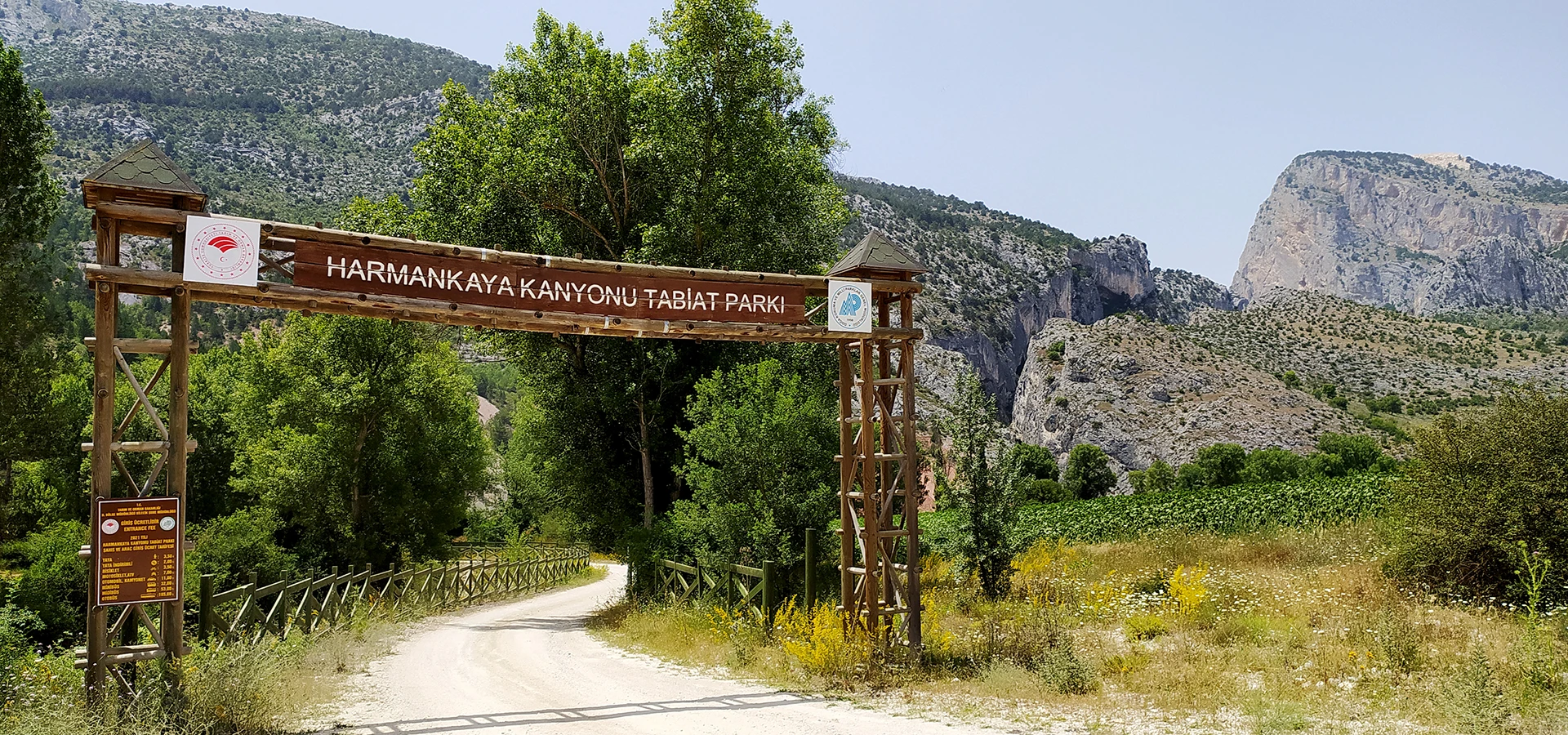
Harmankaya Canyon, officially protected as Harmankaya Kanyonu Tabiat Parkı, is one of the most spectacular natural attractions in Bilecik Province, Türkiye. The canyon lies between the districts of Yenipazar and İnhisar, where steep rock walls, flowing water, waterfalls and forested slopes create a landscape very different from the better-known Ottoman heritage sites of Bilecik.
The protected area covers approximately 397.6 hectares and was declared a Nature Park on 26 December 2012. The canyon passage itself is commonly described as roughly 2.5–3.1 kilometres long, depending on the route and measurement used. Its narrow gorge is framed by rock walls rising several hundred metres above the canyon floor.
Harmankaya is especially famous among outdoor enthusiasts for its waterfalls, pools, narrow rock corridors and canyoning potential. Local official sources describe two major waterfalls of approximately 25 metres and 20 metres, together with many smaller cascades. The full canyon passage is a serious adventure route rather than an ordinary sightseeing walk.
You do not need to complete the technical canyon route to appreciate the area. The nature park has developed visitor infrastructure including walking areas, viewing terraces, picnic facilities and landscaped recreational spaces. This makes Harmankaya attractive both to experienced outdoor groups and to visitors who simply want to enjoy the scenery from safer, easier access points.
The surrounding habitat includes black pine, red pine, juniper and oak, while the wider protected landscape supports a rich range of wildlife. The park is also increasingly associated with night-sky observation and astro-tourism, with ongoing work aimed at strengthening its international dark-sky profile.
Harmankaya Canyon can be combined with historic Bilecik and Söğüt for an itinerary that mixes nature and history. Continue with our Bilecik visitor guide, Şeyh Edebali Tomb and Ertuğrul Gazi Tomb in Söğüt for a broader journey through the province.
Harmankaya Canyon has been protected as a nature park since 2012 and covers nearly 400 hectares.
Two major waterfalls, smaller cascades, deep pools and sculpted rock passages create the canyon's dramatic interior.
The canyon is known for canyoning, hiking, nature photography, birdwatching and rock-based outdoor activities.
Low light pollution has made the Harmankaya area an important focus for astronomy events and dark-sky tourism initiatives.
Essential information for planning a visit to one of Bilecik's most impressive natural landscapes.
Between Yenipazar and İnhisar districts, Bilecik Province, Türkiye.
Open on Google MapsNature Park, officially designated on 26 December 2012.
Approximately 397.6 hectares under current official records.
Roughly 2.5–3.1 km depending on the route and measurement used.
Two principal waterfalls of about 25 m and 20 m, plus numerous smaller cascades.
Viewing areas can be accessible to ordinary visitors; a full canyon descent is a technical outdoor activity requiring proper preparation.
The canyon combines dramatic geology, flowing water, biodiversity and adventure tourism within a protected landscape.
Bilecik is often associated with early Ottoman history, but the province also contains deeply cut valleys, forested uplands and rugged canyon systems. Harmankaya is one of the clearest examples of this lesser-known natural side of the region.
The canyon's visual power comes from its narrow rock corridor and immense vertical scale. In places, visitors are surrounded by steep walls rising hundreds of metres above the stream, while erosion has shaped channels, pools and smooth rock surfaces along the canyon floor.
Water is central to the experience. Large waterfalls and many smaller cascades create a constantly changing landscape, especially when seasonal flow is stronger. The relationship between rock, water and elevation is what gives Harmankaya its distinct character.
The canyon also has an important recreational role. It attracts hikers, photographers, birdwatchers, campers and experienced canyoning groups, while official visitor facilities allow less technical visitors to enjoy viewpoints and picnic areas without entering the difficult inner gorge.
Finally, the low-light rural setting is giving Harmankaya a new identity as a place for astronomy and dark-sky tourism. Recent observation events have brought additional attention to the park as a destination that can be experienced after sunset as well as during the day.
Harmankaya is a steep-sided gorge cut through the rugged terrain between Yenipazar and İnhisar. Its most memorable sections are narrow enough for the cliffs to dominate the entire field of view, creating a sense of enclosure that is very different from an open valley walk.
The canyon floor changes continually. Visitors may encounter stream channels, boulders, polished rock, shallow sections, deeper pools and waterfall zones. Because water level and flow vary with weather and season, the character and difficulty of the canyon are never completely fixed.
Official tourism descriptions place the height of the surrounding canyon walls at several hundred metres, with some local measurements and tourism references citing heights approaching 600–700 metres in the wider canyon landscape. The important point for visitors is the exceptional vertical scale rather than a single uniform cliff height.
Forested slopes soften the harsher rock formations outside the narrowest passages. Pines, junipers and oaks create a transition between the open rural landscape and the cooler, more enclosed canyon interior.
Some sections form dramatic rock corridors where steep walls rise on both sides of the stream.
The surrounding canyon landscape reaches several hundred metres in vertical relief.
Flowing water has sculpted channels, basins, smooth surfaces and constricted passages.
Pine, juniper and oak vegetation surrounds much of the protected canyon landscape.
Rainfall and runoff can dramatically alter stream depth, waterfall strength and route difficulty.
Despite being reachable from Yenipazar, the canyon interior feels wild and far removed from urban Bilecik.
One of Harmankaya's defining features is its sequence of waterfalls and cascades. Bilecik's official local information describes two major falls measuring approximately 25 metres and 20 metres.
These are not the only drops in the canyon. Numerous smaller waterfalls and step-like cascades appear along the passage, creating a succession of changing water features rather than one single sightseeing waterfall.
Below some drops, water has formed deep pools and narrow channels. These sections are among the reasons that a complete canyon crossing is classed as a technical outdoor activity. Conditions that look manageable in low water can become dangerous after rain or during periods of stronger flow.
For visitors who are not equipped for canyoning, the best approach is to enjoy the landscape from designated trails, viewing areas and recreational parts of the nature park rather than attempting to reach waterfalls through the inner gorge independently.
Harmankaya Nature Park protects much more than exposed rock. The wider landscape contains a mosaic of forest, scrub, stream habitat and steep rocky slopes, creating ecological variety within a relatively compact area.
Official cultural information records black pine, red pine, juniper and oak among the characteristic trees of the park. These species form different communities according to slope, exposure and moisture.
The area is also reported as habitat for wild boar, brown bear, wolf, fox, jackal, hare and smaller mammals, as well as birds of prey and songbirds. Stream fish add another ecological layer within the canyon's aquatic environment.
Most visitors will not see large mammals, and wildlife should never be approached or fed. The best way to experience the park's biodiversity is through quiet observation, patience and minimal disturbance.
Black pine contributes to the forest character of the higher and cooler surrounding terrain.
Red pine appears within the park's varied forest communities and warmer exposures.
Junipers and oaks add diversity to the slopes around the canyon.
Raptors and smaller birds make the cliffs, woodland and open areas rewarding for patient birdwatchers.
The wider protected area supports wildlife including wild boar and larger carnivores, though sightings are uncommon.
Flowing water supports aquatic life and creates a cooler micro-environment inside the gorge.
Use designated viewpoints to appreciate the canyon's scale without entering the technical inner route.
Explore recreational paths and the landscape around the canyon entrance and developed park areas.
Experienced groups can undertake a full canyon passage with appropriate equipment, planning and guidance.
Photograph cliff walls, waterfalls, forest, viewing terraces and the dramatic contrast between light and shadow.
Quiet observation from open viewpoints can reveal raptors, woodland birds and other species.
Use designated recreational areas and facilities while keeping food and waste away from wildlife.
The wider Harmankaya area is used for outdoor events and camping, but current rules and permitted areas should be checked locally.
Low light pollution makes the area increasingly attractive for organized astronomy and night-sky observation.
Harmankaya is one of Bilecik's best-known locations for canyoning. The route connects the Yenipazar side near Karahasanlar with the Harmanköy side toward İnhisar, and official provincial tourism information describes a canyoning corridor of roughly 3.1 kilometres.
A complete crossing may involve water, slippery rock, deep pools, waterfall obstacles and confined passages. It should not be confused with a normal hiking trail. The appropriate equipment and technique depend on current water level, weather and the specific route used.
Independent first-time entry is not recommended. Visitors planning a full passage should go with experienced canyoning professionals or a qualified outdoor group that knows the canyon and can assess conditions on the day.
Heavy rain is particularly important. A canyon can collect runoff from a much wider catchment than the area visible from the entrance, so dangerous water conditions may develop even when rain is not falling directly overhead.
Yes. Harmankaya is not only for technical outdoor athletes. The nature park has been developed with visitor facilities that allow ordinary travelers to experience the scenery without completing the full canyon route.
Official park information records infrastructure including viewing terraces, bridges, picnic units, gazebos, landscaped areas and other visitor facilities. These areas offer a much more accessible way to appreciate the canyon's cliffs and forest setting.
For families, casual travelers or visitors with limited outdoor experience, the best plan is to focus on the entrance landscape, designated walking areas and viewpoints. Do not assume that a path visible beside the gorge continues safely through the entire canyon.
If you arrive mainly for photography or nature views, a short recreational visit can still be worthwhile, especially in spring or autumn when temperatures are comfortable and the surrounding vegetation adds more color to the landscape.
The rural landscape around Yenipazar has low levels of artificial light, making the Harmankaya area attractive for astronomy and night-sky observation. This potential has become an important part of recent tourism planning for the district.
In 2025, Harmankaya Canyon Nature Park hosted a multi-day Dark Sky Observation Event with astronomy activities, scientific presentations, workshops, nature walks and telescope observations.
Local authorities and regional development institutions have also been working toward international dark-sky recognition for the area. This is an ongoing development process and should not be confused with a completed international designation unless formally announced by the relevant accrediting body.
For visitors, the dark-sky initiative adds another reason to stay longer in the Yenipazar area. A daytime visit focused on canyon scenery can potentially be combined with organized night observation during scheduled events.
A visit changes dramatically depending on how you choose to experience the park. From the developed areas, Harmankaya can feel like a peaceful forest-and-viewpoint excursion with picnic spaces and broad views into rugged terrain.
Approach the canyon itself and the atmosphere becomes more dramatic. The walls close in, the sound of water grows stronger and the scale of the cliffs becomes much more apparent. Even from safe viewpoints, the landscape feels unusually wild for northwestern Türkiye.
For experienced canyoning groups, the inner gorge becomes an immersive full-body outdoor journey through water and rock. For ordinary sightseeing visitors, the experience is best understood as looking into a technical landscape rather than needing to conquer it.
Allow time to slow down. Harmankaya is especially rewarding when you listen for birds, watch light move across the rock faces and notice the contrast between dry exposed cliffs and cooler vegetation around the watercourse.
Enough for a short stop at accessible viewpoints if you are passing through Yenipazar.
Recommended for viewpoints, a gentle walk, photography and time in the recreational area.
Allow this for a longer nature visit with walking, photography, birdwatching and picnic time.
A comfortable choice for visitors who want to explore the park slowly and spend time around Yenipazar.
Suitable for a broader nature itinerary in rural Bilecik or an organized outdoor activity.
Timing varies greatly with conditions, group size, water level and route management; plan separately with experienced guides.
For general sightseeing, spring and autumn are usually the most comfortable seasons. Temperatures are milder than midsummer, and the surrounding vegetation adds more texture and color to the landscape.
Spring can bring stronger water flow and greener surroundings, but rain also increases the need for caution near streams, slopes and canyon access.
Summer offers longer daylight and generally easier road travel, but exposed areas can become hot during midday. The canyon interior may feel cooler, though technical entry should never be used simply as a way to escape heat without proper preparation.
Autumn is excellent for photography and walking. Softer light and seasonal vegetation can make the canyon especially atmospheric.
Winter brings quieter conditions but may also mean snow, ice, wet rock and difficult access. Technical canyon activity in cold conditions requires specialist planning and should not be treated as ordinary tourism.
Green landscapes and active water, with extra caution after rain.
Long days for sightseeing, but avoid the strongest midday heat in exposed areas.
Comfortable walking temperatures and attractive light for photography.
Potentially beautiful and quiet, but ice, snow and cold water can create significant hazards.
Often calm and pleasant for viewpoints, nature observation and walking.
Warm low-angle light can emphasize cliff texture, but leave enough daylight for a safe return.
Harmankaya offers some of the most dramatic nature photography in Bilecik. The best images usually emphasize scale—small trees, bridges or people can help show just how large the surrounding rock walls are.
From viewpoints, use wider compositions to capture the relationship between forest, cliff faces and the canyon opening. Inside safe recreational areas, look for textures in weathered rock, flowing water and vegetation.
Strong sunlight can create deep contrast inside the gorge. Morning or late afternoon may produce more balanced light on exposed walls, while overcast conditions can be useful for photographing water and shaded rock detail.
Photography must never encourage unsafe positioning. Do not cross barriers, stand close to unprotected edges, climb wet rocks or enter technical canyon sections simply for a photograph.
Include trees, bridges or distant visitors to communicate the immense height of the cliffs.
Look for reflections, flowing channels, cascades and patterns carved into the rock.
Viewpoints are ideal for broad compositions showing the canyon within its forested setting.
A longer lens can isolate cliff textures, vegetation and birds without approaching hazardous edges.
Moisture, spray and slippery ground are important considerations near canyon water.
Never move beyond barriers or technical limits for a better angle.
Harmankaya Canyon Nature Park is located between Yenipazar and İnhisar in Bilecik Province. The commonly used upper approach is from the Yenipazar side toward Karahasanlar village.
Bilecik Governorate directions place the canyon entrance approximately 7 km from Yenipazar district center when traveling west toward Karahasanlar. The opposite side of the canyon is associated with Harmanköy toward İnhisar.
The park includes visitor infrastructure, but this remains a rural and rugged natural area. Mobile signal, facility availability, road conditions and access to specific sections can vary, especially outside busy periods or during maintenance.
Opening arrangements, entry procedures, camping rules, fire restrictions and temporary closures may change. Check current official information before making a special journey, especially if your visit involves canyoning, camping or travel after severe weather.
Harmankaya includes developed recreational areas, but the attraction as a whole should not be assumed to be fully accessible or step-free. It is a steep natural canyon with uneven terrain and substantial elevation change.
Viewing areas and some park facilities may be easier to reach than the canyon floor, but gradients, steps, rough ground and seasonal surface conditions can still create difficulties.
Visitors who require wheelchair access or consistently level pathways should confirm current conditions with local park authorities before traveling.
For most visitors, sturdy footwear is strongly recommended. Wet rock, gravel, leaves, mud and frost can all affect traction even outside the technical canyon route.
Developed viewpoints can offer canyon scenery without entering the difficult inner gorge.
Natural surfaces, slopes and irregular paths are part of the wider park environment.
The full canyon route is not an accessible sightseeing path and involves serious natural obstacles.
Confirm current arrangements if wheelchair access is essential to your visit.
Supportive footwear with reliable grip is useful even for ordinary viewpoint visits.
Rain, mud, snow or ice can quickly make natural surfaces more difficult.
For most travelers, private car is the easiest way to reach Harmankaya Canyon Nature Park. The park lies in rural Bilecik between Yenipazar and İnhisar, away from the province's main city-center transport routes.
From Yenipazar, follow the road west in the direction of Karahasanlar. Official local directions place the canyon entrance roughly 7 km from the district center. For digital navigation, search for “Harmankaya Kanyonu Tabiat Parkı”.
Drivers should remember that navigation applications may identify different entrance, picnic or viewpoint points around the nature park. If you are meeting a canyoning guide or organized group, confirm the exact meeting location in advance rather than relying only on the general park pin.
Harmankaya can be included in a broader Bilecik road trip. After the canyon, continue toward Bilecik city for Ottoman heritage, or combine rural nature with Söğüt and Ertuğrul Gazi Tomb.
The most flexible choice for reaching the park and exploring rural Bilecik.
Follow the Karahasanlar direction; the commonly used canyon entrance is about 7 km from the district center.
Allow additional rural driving time and use current navigation for the nature park rather than estimating from straight-line distance.
Confirm the exact start, finish and vehicle arrangement with your guide or group before arrival.
Use “Harmankaya Kanyonu Tabiat Parkı, Bilecik” for the clearest search result.
Weather and rural maintenance can affect smaller access roads, especially in winter.
Begin at the developed area on the Yenipazar–Karahasanlar side and take time to understand the layout of the nature park before walking toward the canyon. Check any posted warnings or temporary restrictions first.
Continue to the viewing areas for your first look into the gorge. Use the elevated perspective to appreciate the scale of the cliffs and the forested landscape around them.
If conditions are good, follow designated walking areas and explore the recreational zone at a relaxed pace. Stop for photography, birdwatching or a picnic rather than treating the visit as a race to reach the deepest part of the canyon.
Unless you are joining a properly prepared canyoning group, do not continue into technical water sections. The inner route involves a completely different level of difficulty from ordinary park walking.
After Harmankaya, you can return toward Yenipazar or continue your Bilecik journey with Şeyh Edebali Tomb and the historic monuments of Bilecik city. If you have a full day or overnight itinerary, add Söğüt for a strong contrast between wild nature and Ottoman foundation heritage.
Harmankaya is an excellent nature-focused addition to a wider journey through Bilecik. See our complete Bilecik visitor guide for historical monuments, museums, towns and countryside across the province.
Explore the provincial capital's Ottoman foundation heritage, museums, old-city landscape and monuments.
Visit one of Bilecik's most important spiritual and historical landmarks associated with the foundation era of the Ottoman state.
Continue to Söğüt and discover the memorial complex of Ertuğrul Gazi, father of Osman Gazi.
Slow down in the rural districts surrounding Harmankaya and experience a quieter side of the province.
Use the provincial guide to discover additional forests, waterfalls, lakes, plateaus and protected landscapes.
Combine Ottoman history, rural villages, nature parks and adventure landscapes in one regional itinerary.
Harmankaya Canyon is located in Bilecik Province between Yenipazar and İnhisar districts, in northwestern Türkiye.
Yes. Harmankaya Kanyonu Tabiat Parkı was officially declared a Nature Park on 26 December 2012.
Current official Ministry information lists the protected area at approximately 397.6 hectares.
Official and tourism sources use slightly different measurements. The canyon passage is generally described as roughly 2.5–3.1 km, with the canyoning route commonly cited at about 3 km.
The cliffs rise several hundred metres above parts of the canyon. Local and tourism sources cite maximum heights in the wider gorge landscape of roughly 600–700 metres.
Yes. Local official information describes two major waterfalls of approximately 25 m and 20 m, plus numerous smaller cascades.
No. The full canyon passage is a technical outdoor route involving water, slippery rock, pools and waterfall obstacles. It is not an ordinary hiking trail.
For viewpoints and developed recreational areas, normally not. For a full canyoning passage, experienced professional or qualified group guidance is strongly recommended.
Yes. The nature park includes viewing terraces, recreational areas and visitor infrastructure, allowing non-technical visitors to enjoy the landscape.
Families can enjoy the developed park areas and viewpoints with normal supervision. The technical canyon route is not a standard family sightseeing walk.
The recreational parts can be visited responsibly, but the inner canyon contains real hazards including changing water flow, slippery rock, deep pools, steep terrain and waterfall sections.
No technical canyon activity should be attempted without a current risk assessment. Heavy rain can rapidly increase water flow inside a gorge, including runoff from areas not visible from the entrance.
Spring and autumn are generally excellent for ordinary sightseeing and walking, though rain can affect water levels and path conditions.
Yes. Summer offers long daylight hours, but exposed areas can be hot around midday. Bring water and sun protection.
It may be possible, but snow, ice, wet rock and cold water can make conditions significantly more difficult. Check road and park access before traveling.
Allow around 1–2 hours for viewpoints and an easy recreational visit, or longer if you plan nature walking, photography or a picnic.
The area has hosted camping and outdoor events, but current camping permissions, designated zones and seasonal restrictions should be checked locally before arrival.
Official park information records picnic and recreational facilities. Use designated areas and observe any current fire restrictions.
Yes. The park's cliffs, forest and stream habitats support both birds of prey and smaller woodland species.
Official tourism information records habitat for wild boar, bear, wolf, fox, jackal, hare, smaller mammals, raptors, songbirds and stream fish.
The area has an active dark-sky tourism and international recognition initiative. It should not be described as an officially certified International Dark Sky Park unless formal designation is confirmed by the accrediting organization.
Yes, the area has low light pollution and has hosted organized astronomy events. For night visits, check current park rules, access and event schedules.
Travel west from Yenipazar toward Karahasanlar village. Official local directions place the commonly used entrance about 7 km from the district center.
Because the canyon is rural, private car or arranged transport is usually the most practical option. Local transport can change, so verify current services in Yenipazar.
The park has developed visitor areas, but the overall landscape is rugged and cannot be assumed to be fully step-free. Confirm current access if wheelchair use is essential.
For a normal visit, wear sturdy walking shoes and weather-appropriate clothing. Technical canyoning requires specialist equipment and should be planned separately.
Bring drinking water, sun or rain protection, suitable footwear, a charged phone and any personal food you need. Rural facilities can be limited or seasonal.
Yes. It is one of Bilecik's best nature-photography locations, but stay behind barriers and never enter hazardous terrain for a photograph.
Combine the canyon with Şeyh Edebali Tomb, Bilecik city and Ertuğrul Gazi Tomb in Söğüt.
Use designated paths and viewpoints unless you are part of a properly prepared technical canyon group.
Leave no food packaging, bottles or other rubbish in the park or stream environment.
Do not add soaps, chemicals or waste to streams and pools.
Observe animals from a distance and never feed or disturb them.
Quiet behavior improves both wildlife observation and the experience of other visitors.
Forest-fire restrictions can change seasonally; use fire only where and when explicitly permitted.
Avoid scratching, painting or leaving marks on canyon walls and natural formations.
Temporary closures may protect visitors, wildlife or damaged trails. Do not bypass barriers or warning signs.
Combine Harmankaya Canyon with Bilecik's historic towns, Ottoman foundation monuments and countryside through a private itinerary designed around your interests and travel pace.
Build a flexible day around Harmankaya's landscapes and the historical highlights of Bilecik Province.
Ask us about a tailor-made route combining Harmankaya Canyon, rural Bilecik and selected historical or natural attractions.
Request a Custom Tour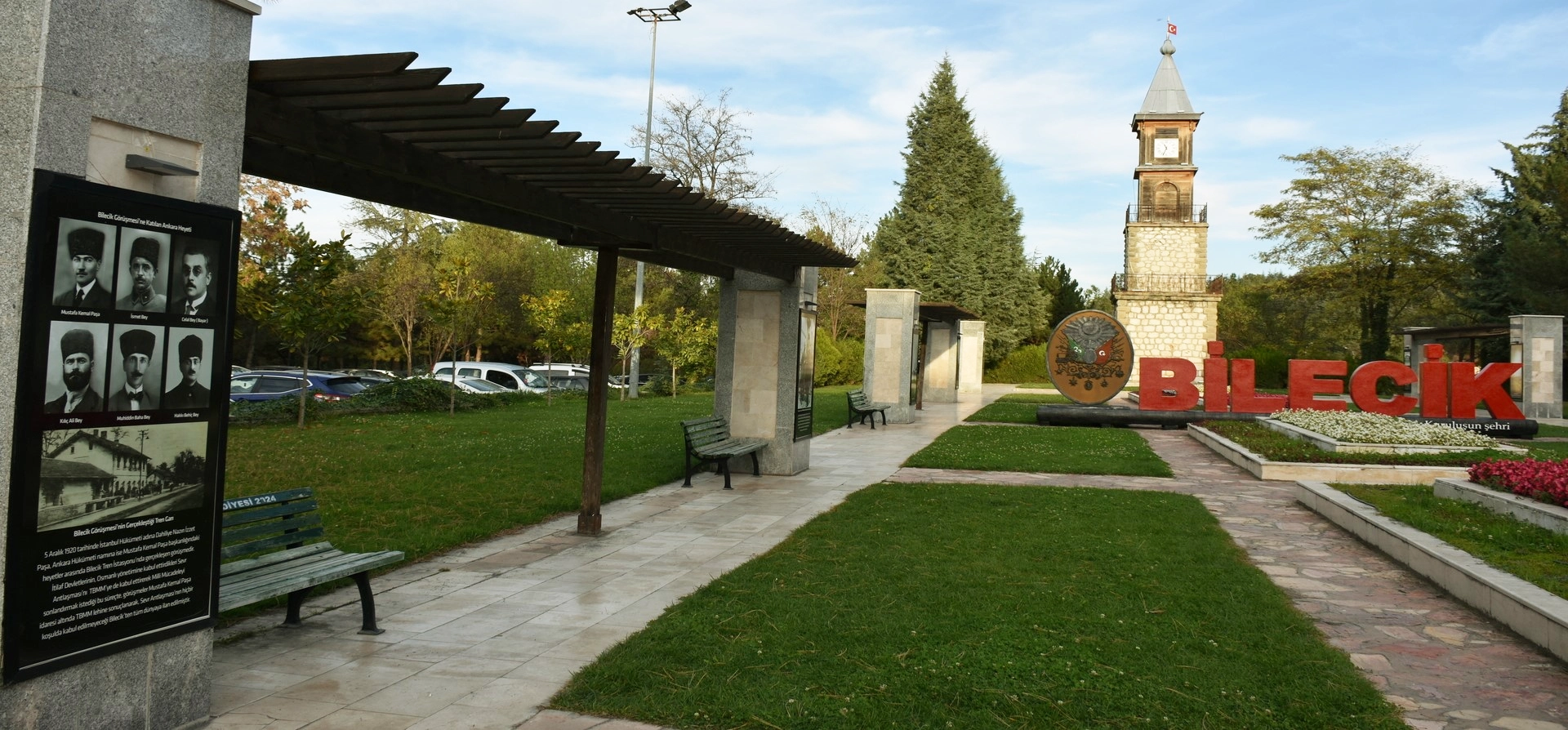
Discover Ottoman foundation heritage, museums, historic towns, forests, waterfalls and rural landscapes across the province.
View Bilecik GuidePair Harmankaya's wild landscape with the monuments that tell the story of the early Ottoman frontier.
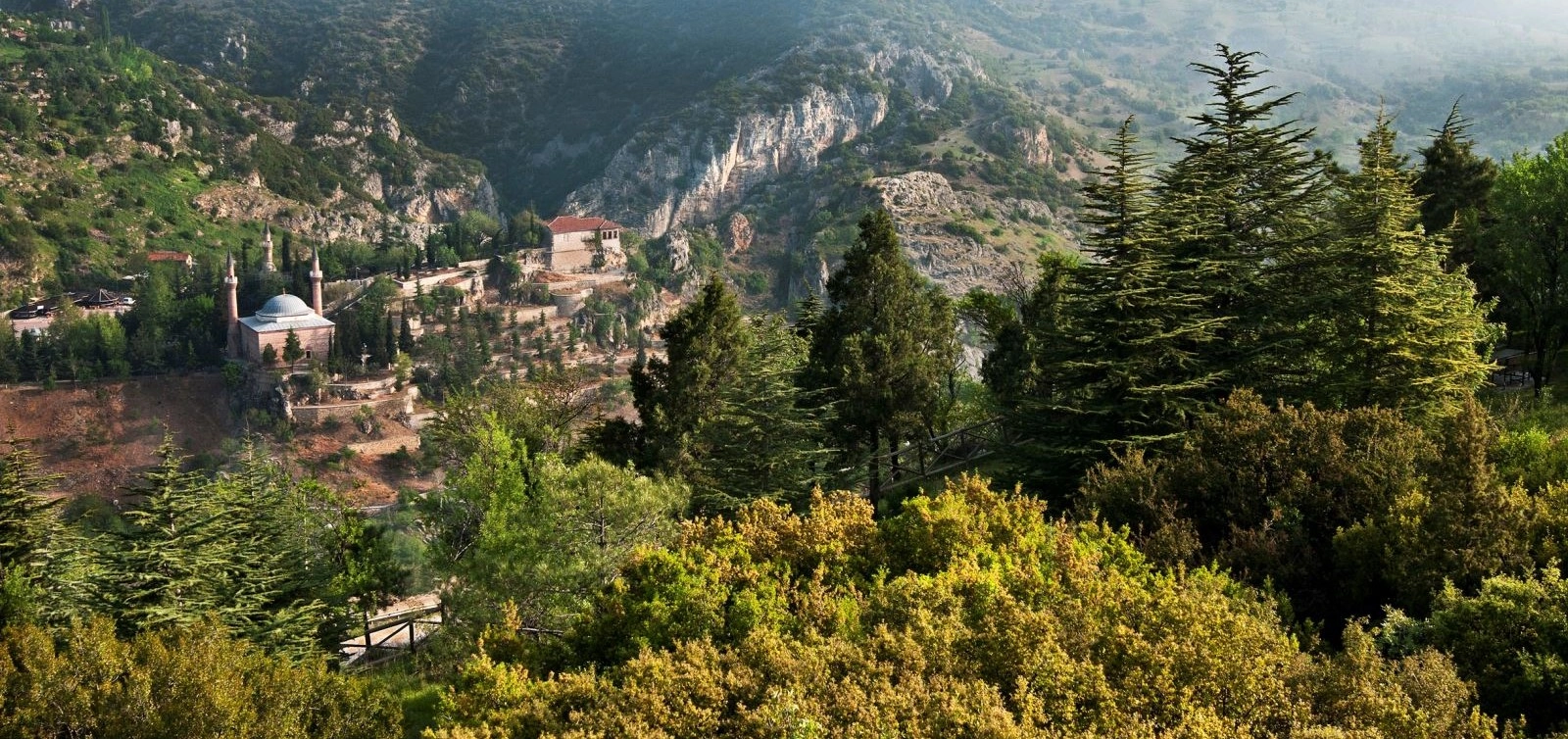
Visit one of Bilecik's most important spiritual monuments and explore the old-city landscape around the early Ottoman zaviye.
Explore Şeyh Edebali Tomb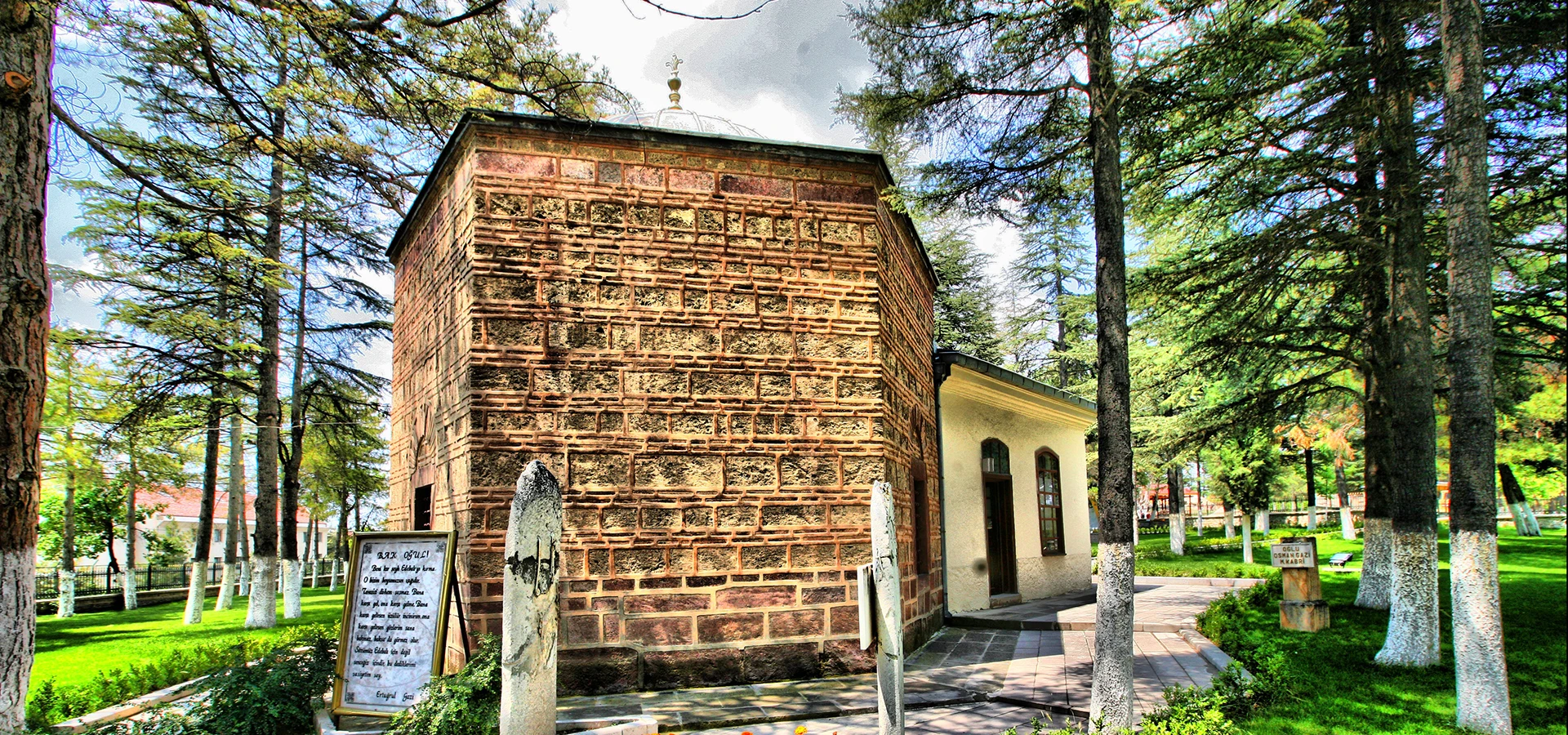
Continue to Söğüt and visit the memorial complex of Ertuğrul Gazi, father of Osman Gazi.
Explore Ertuğrul Gazi Tomb
Plan a deeper journey through the province's historical monuments, towns, rural landscapes and natural attractions.
Explore Bilecik