Private Markets & Flavors Experience
Ask us about a tailor-made walk focused on Ottoman market history, Turkish ingredients, local food culture and the commercial streets of Eminönü.
Request a Custom Tour




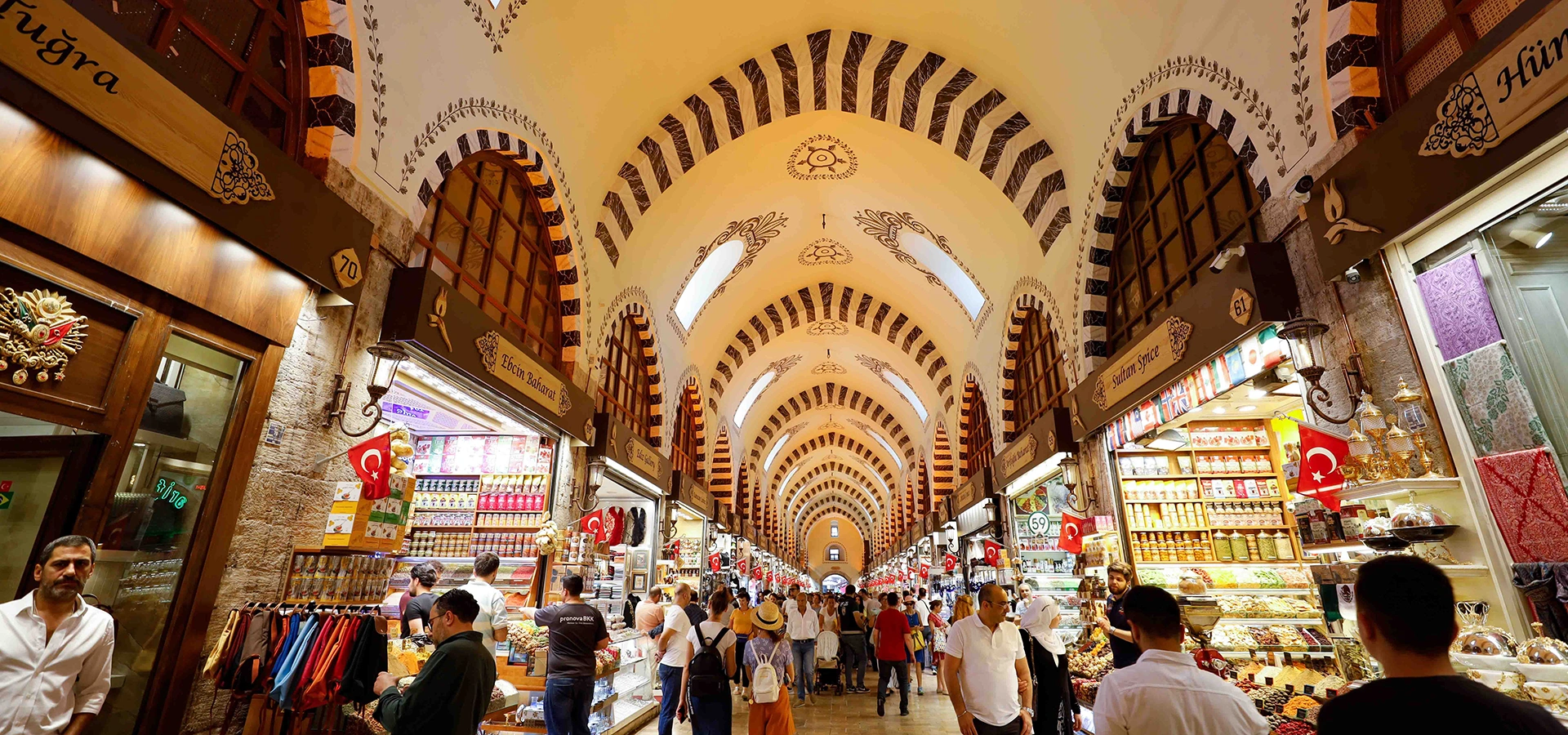
The Spice Bazaar, known in Turkish as Mısır Çarşısı, is one of Istanbul's most atmospheric historic markets. Standing beside the New Mosque in Eminönü, its vaulted passage is lined with colorful displays of spices, herbal teas, nuts, dried fruit, Turkish delight, sweets and regional delicacies.
The bazaar was completed in the 17th century as part of the New Mosque complex. Income from its shops helped support the mosque and its charitable institutions, placing everyday trade at the heart of an Ottoman religious and social foundation.
Although visitors often call it the Spice Market or Egyptian Bazaar, the Turkish word Mısır here refers to Egypt, not maize. The name became associated with the market because goods and revenues connected with Egypt played an important role in its commercial story.
The covered bazaar itself is compact, but the surrounding streets are part of the experience. Cheese shops, coffee roasters, dried-food merchants, household-goods stalls and the busy lanes of Tahtakale extend the market atmosphere toward Rüstem Pasha Mosque and the Grand Bazaar.
Explore a living Ottoman market completed as part of the New Mosque charitable complex.
Discover spices, lokum, dried fruits, nuts, teas, coffee and regional specialties.
Walk through the historic covered market without an admission ticket.
Combine the bazaar with Eminönü, the New Mosque, Galata Bridge and Rüstem Pasha Mosque.
Essential information for visiting Mısır Çarşısı in Istanbul's Eminönü district.
Eminönü, beside the New Mosque and close to Galata Bridge in Fatih.
Open on Google MapsCompleted in 1664 as part of the New Mosque complex.
Mısır Çarşısı means Egyptian Bazaar; earlier names included New Bazaar and Valide Bazaar.
Spices, herbal teas, lokum, dried fruit, nuts, sweets and traditional food products.
Free entry; individual purchases are paid directly to shopkeepers.
Allow 45–90 minutes, or longer if tasting and shopping.
The bazaar connects Ottoman architecture, charitable foundations, maritime trade and Istanbul's culinary culture.
The Spice Bazaar is more than a colorful shopping arcade. It formed part of the New Mosque külliye, an urban complex that combined worship, commerce and public benefit. Rent from the market's shops contributed to the maintenance of the mosque and its institutions.
Its position was strategic. Eminönü stood beside the Golden Horn docks, where merchandise arriving by sea could enter Istanbul's dense commercial districts. Spices and other valuable goods moved through networks linking Egypt, the eastern Mediterranean, Anatolia, Arabia, Iran, India and lands beyond.
The bazaar also preserves the memory of the traditional aktar trade. Aktars sold spices, seeds, dried plants, oils and mixtures used in cooking and everyday household practice. Modern shops are more varied, but herbs, seasonings, sweets and dried foods still define the market's identity.
For visitors following our guide to places to visit in Istanbul, the Spice Bazaar reveals a side of the city that monumental palaces and mosques alone cannot show: the tastes, negotiations, scents and human exchanges of a working commercial neighborhood.
The story begins with the New Mosque project, initiated in 1597 under Safiye Sultan. Construction was interrupted for decades before being revived under Hatice Turhan Sultan, mother of Sultan Mehmed IV, during a major period of rebuilding after the Great Fire of 1660.
The market was completed in 1664 under the supervision of imperial architect Mustafa Ağa. It belonged to the New Mosque complex and generated income through shop rents, helping sustain the foundation associated with the mosque.
The covered market was first known as the Yeni Çarşı, or New Bazaar, and the Valide Çarşısı, referring to its patronage by the Valide Sultan. From the 18th century, the name Mısır Çarşısı became established.
Fires in 1691 and 1940 threatened the structure. Repairs and restoration followed, including major municipal work in the early 1940s. Later conservation projects have continued to protect the domes, masonry, shopfronts and historic character of the bazaar.
Work began on the New Mosque project under Safiye Sultan.
Hatice Turhan Sultan revived the unfinished complex after the Great Fire of Istanbul.
The bazaar was completed as a commercial component of the New Mosque foundation.
The name Mısır Çarşısı, or Egyptian Bazaar, became widely established.
In modern Turkish, mısır can mean both Egypt and maize depending on context. The historic market's name refers to Egypt, which is why Egyptian Bazaar is the correct translation. Calling it the Corn Bazaar is a linguistic misunderstanding.
Accounts of the name emphasize the market's connections with goods brought through Egypt and revenues associated with the Ottoman province. Its English nickname, Spice Bazaar, reflects the fragrant merchandise that became its international identity.
The Turkish name, correctly translated in this context as Egyptian Bazaar.
The most familiar English name, inspired by the market's historic spice and herbal trades.
The New Bazaar, one of the market's earlier names linked with the neighboring New Mosque.
A historic name recalling Hatice Turhan Sultan, the Valide Sultan who completed the complex.
The Spice Bazaar has a distinctive L-shaped plan formed by two vaulted market arms. Rows of shops face the covered passage, while masonry piers, arches and domes create a rhythmic interior that feels monumental without losing the intimacy of a neighborhood market.
The building has six gates, each connecting the covered arcade with the crowded commercial streets outside. The Haseki Gate historically had an upper level associated with the resolution of disputes among merchants and customers, showing how commercial administration was built into the market itself.
A historic muezzin's lodge inside the bazaar reflects its close relationship with the New Mosque. The exterior is visually quieter than the brilliant merchandise within, but its domes and stone-and-brick construction form an essential part of the Eminönü skyline.
Two principal covered arms meet to create the bazaar's recognizable layout.
Historic entrances connect the interior directly with Eminönü's surrounding market district.
A sequence of arches and domes creates changing light above the busy shopfronts.
Upper rooms and administrative spaces add complexity to the market's historic form.
The interior lodge expresses the market's architectural relationship with the New Mosque complex.
Commercial displays continually change while the 17th-century structural rhythm remains visible.
The best purchase is one you understand and will genuinely use. Compare several shops, ask where products come from and request a small taste when appropriate. Prices, freshness and quality vary, so attractive presentation should not be your only guide.
Look for sumac, pul biber, isot, dried mint, cumin, nigella seeds and regional pepper blends.
Choose classic rose, pistachio, pomegranate, citrus or plain lokum and ask about freshness.
Apricots, figs, mulberries, dates and fruit leathers make practical edible gifts.
Pistachios, hazelnuts, almonds and roasted chickpeas are sold plain, salted or flavored.
Find black tea, herbal infusions, Turkish coffee and traditional coffee accompaniments.
Honey, tahini, pekmez, olives, cheese and preserves represent Türkiye's rich regional food traditions.
Olive-oil and laurel soaps are popular, but check ingredients if you have sensitive skin.
Coffee cups, tea glasses, grinders and small serving pieces are widely available around the market.
Many mixtures sold as exotic Turkish blends are designed for visitors, while some of the most authentic ingredients are simple staples used in homes across the country. Buying small quantities helps preserve aroma and allows you to try several flavors.
Deep red and pleasantly tangy, sumac is sprinkled over onions, salads, grilled dishes and meze.
Turkish red pepper flakes range from mild and fruity to hot; ask before choosing.
Associated with Şanlıurfa, these dark pepper flakes offer smoky, earthy and gently sweet notes.
A familiar ingredient in soups, yogurt dishes, dolma fillings and sauces.
Known as çörek otu, the small black seeds are often scattered over breads and pastries.
Real saffron is expensive and sold in fine threads; unusually cheap products may be safflower or another substitute.
Browsing is welcome, and you are never required to buy after accepting a sample. Take your time, compare products and confirm the final price before anything is weighed, cut, mixed or packed.
Confirm whether the displayed amount is per kilogram, 100 grams, box, packet or individual item.
State the quantity you want and agree on the approximate total before the product is packed.
Look at color, aroma, labeling, turnover and price in several stores before deciding.
Accept samples only if suitable for your dietary needs and ask about ingredients or allergens.
Negotiation may be possible for larger purchases, but everyday food prices are not always flexible.
Keep an itemized receipt, particularly for expensive products or goods being shipped.
Many established shops accept cards, but carry some Turkish lira for small purchases nearby.
Treat herbal mixtures as foods unless a qualified healthcare professional advises otherwise.
Begin outside the New Mosque to understand the relationship between the mosque, square, waterfront and market. Enter the covered bazaar slowly, looking above the merchandise to notice the arches, domes and historic shop rhythm.
Walk both arms of the L-shaped building before making purchases. This allows you to compare shops and prevents the first colorful display from determining your entire experience. Then return to one or two merchants for tasting and shopping.
Exit into the open-air food market and continue through the commercial lanes toward Rüstem Pasha Mosque. If you still have energy, follow the uphill market streets toward the Grand Bazaar or cross Galata Bridge for waterfront views.
The Spice Bazaar stands immediately beside the New Mosque in Eminönü. The easiest public-transport approach is usually the Eminönü stop on the T1 tram line. Ferries, buses and nearby Marmaray services make the district accessible from many parts of Istanbul.
The bazaar's official website currently lists working hours of 08:00–19:30 and states that it is open seven days a week. Individual shops may open later or close earlier, and religious holidays, public holidays, special events or restoration work can affect access.
Entry to the covered market is free. Security arrangements and access routes can change because Eminönü is a busy transport and commercial hub. Travel light and keep personal belongings secure in dense crowds.
The market is lively throughout the year. The best moment depends on whether you prioritize quiet architecture, active shopping, photography or the full energy of Eminönü.
Generally the easiest time for unhurried browsing, clearer photographs and conversations with merchants.
Shops are fully active and the surrounding food streets become increasingly energetic.
Expect the densest combination of tour groups, shoppers and people moving through Eminönü.
Atmospheric but busy; leave enough time so weighing, packing and payment are not rushed.
The covered passage offers shelter, although entrances and surrounding streets can become congested.
Confirm opening arrangements in advance, particularly around religious and national holidays.
Enough for a walk through both covered arms without serious shopping.
A comfortable introduction with time to notice the architecture and browse several shops.
Ideal for comparing products, tasting, purchasing and exploring the surrounding food lanes.
Best when combining the bazaar with the New Mosque and Rüstem Pasha Mosque.
Follow the broader market route through Tahtakale to the Grand Bazaar or Süleymaniye.
Keep the covered-market visit short and turn colors, aromas and ingredients into a sensory treasure hunt.
The Spice Bazaar is highly photogenic, but it is also a workplace. Ask before taking close portraits, do not rearrange merchandise and avoid blocking customers or narrow entrances. Individual shops may have their own photography rules.
Use diagonal compositions and repeated bowls to emphasize color, texture and abundance.
Include arches and domes so photographs show the historic building, not only the products.
Frame the transition between the darker covered passage and lively daylight outside.
Request permission clearly and respect a refusal without taking a concealed photograph.
Bright flash can disturb merchants and flatten the market's warm natural atmosphere.
Step aside before composing images and keep valuables secure while concentrating on your camera.
The main covered passages are largely on one level, but thresholds, paving, crowds and changing access arrangements can affect mobility. The surrounding commercial streets are uneven, congested and sometimes steep.
Weekday mornings generally offer more space for wheelchair users, strollers and slower-paced visitors.
Some gates and shops may have raised edges or steps even when the central passage is level.
Keep companions together and agree on a meeting point before entering at peak periods.
Hold children's hands near exits and outside streets, where porters and delivery carts may pass.
The covered passage is designed for circulation; plan breaks in nearby cafés or the mosque square.
Bulky luggage is difficult to manage in narrow shops and on crowded public transport.
The bazaar is centrally located beside Eminönü Square and the Golden Horn. Public transport is normally easier than driving because streets are crowded, parking is limited and traffic restrictions can affect drop-off points.
Leave at Eminönü and walk toward the New Mosque; the bazaar entrances are immediately behind it.
Services from Kadıköy, Üsküdar and other piers offer a memorable approach across the Bosphorus.
Leave at Sirkeci and walk approximately 10–15 minutes toward Eminönü.
Walk downhill through the market streets or take the T1 tram from Beyazıt to Eminönü.
Take the T1 tram to Eminönü or walk downhill through Gülhane and Sirkeci.
Ask for Eminönü Square and expect the closest legal drop-off to vary with traffic controls.
The bazaar lies at the center of one of Istanbul's richest walking areas. Use our complete Istanbul visitor guide to build a realistic route around Eminönü and the Historic Peninsula.
Visit the monumental Ottoman mosque whose charitable complex included the Spice Bazaar.
Climb above the market streets to see one of Istanbul's most beautiful ensembles of İznik tiles.
Watch ferries, fishermen and waterfront life while crossing the Golden Horn.
Continue uphill to Istanbul's immense covered commercial world of historic streets and hans.
Explore Mimar Sinan's imperial masterpiece and panoramic terraces above the Golden Horn.
Discover the historic railway district, traditional restaurants and streets leading toward Gülhane.
Enter a dense working market district filled with wholesalers, kitchenware and everyday commerce.
Continue by water for views of historic waterfront neighborhoods and Istanbul's layered skyline.
It is in Eminönü in the Fatih district, immediately beside the New Mosque and close to Galata Bridge.
Its Turkish name is Mısır Çarşısı, meaning the Egyptian Bazaar.
No. Although mısır can also mean maize in Turkish, the historic name refers to Egypt.
It was completed in 1664 as part of the New Mosque complex under the patronage of Hatice Turhan Sultan.
The name is linked with Egypt and the goods or revenues associated with the Ottoman-Egyptian trade network.
The official bazaar website currently lists 08:00–19:30, seven days a week. Verify holiday and special-event arrangements before visiting.
The official website currently states that the market is open seven days a week, including Sunday. Individual shop schedules may vary.
No. Entry to the covered bazaar is free, and you pay only for products you choose to buy.
Allow 45–90 minutes for architecture, browsing and shopping. A quick walk through the covered passage can take about 20–30 minutes.
Popular choices include sumac, pul biber, isot, Turkish delight, dried figs, apricots, nuts, tea, coffee, tahini, pekmez and regional sweets.
Polite negotiation may be possible for larger purchases, but fixed or everyday food prices are not always open to bargaining.
Compare several shops, ask whether the price is per kilogram or another unit, state the quantity clearly and confirm the approximate total before packing.
Many established shops accept cards, but Turkish lira is helpful for small purchases and surrounding street markets.
Many food merchants can seal or box products for travel. Ask before buying and check your destination's customs rules.
Yes. Its colors and aromas can be engaging, but the market becomes crowded, so keep children close and make the visit short and interactive.
General market photography is common, but ask permission for close portraits or photographs inside individual shops.
The main covered passage is largely level, but historic thresholds, individual shop steps and dense crowds may create difficulties. Visit at a quiet time and confirm current access if needed.
The Spice Bazaar is smaller and strongly associated with food, spices and delicacies. The Grand Bazaar is much larger, with extensive streets selling jewelry, carpets, leather, ceramics, textiles and many other goods.
Do not assume so. Products sold as herbs or traditional mixtures can interact with medication or be unsuitable during pregnancy. Seek advice from a qualified healthcare professional for medical use.
Yes. Its Ottoman architecture, waterfront location, culinary traditions and living market atmosphere make it one of the most memorable stops in historic Istanbul.
Stand aside while staff serve customers, receive deliveries or move goods through the passage.
Merchants are people at work, not part of a staged attraction.
Choose quantities you can use while products are still fresh and aromatic.
Combine purchases when practical and avoid unnecessary bags, boxes or plastic wrapping.
Ask about origin, ingredients and labeling instead of relying only on decorative presentation.
Do not attach anything to historic surfaces, obstruct gates or ignore barriers around restoration work.
Discover the Spice Bazaar, Eminönü and nearby Ottoman monuments with a private route shaped around your interests and without compulsory shopping stops.
Connect Istanbul's food culture with the New Mosque, Rüstem Pasha Mosque, Galata Bridge, the Grand Bazaar or another carefully selected historic site.
Ask us about a tailor-made walk focused on Ottoman market history, Turkish ingredients, local food culture and the commercial streets of Eminönü.
Request a Custom Tour
Discover covered bazaars, imperial mosques, Byzantine monuments, Ottoman palaces, historic neighborhoods and Bosphorus landscapes.
View Istanbul GuideCombine the Spice Bazaar with Istanbul's great markets, monuments and waterfront experiences.
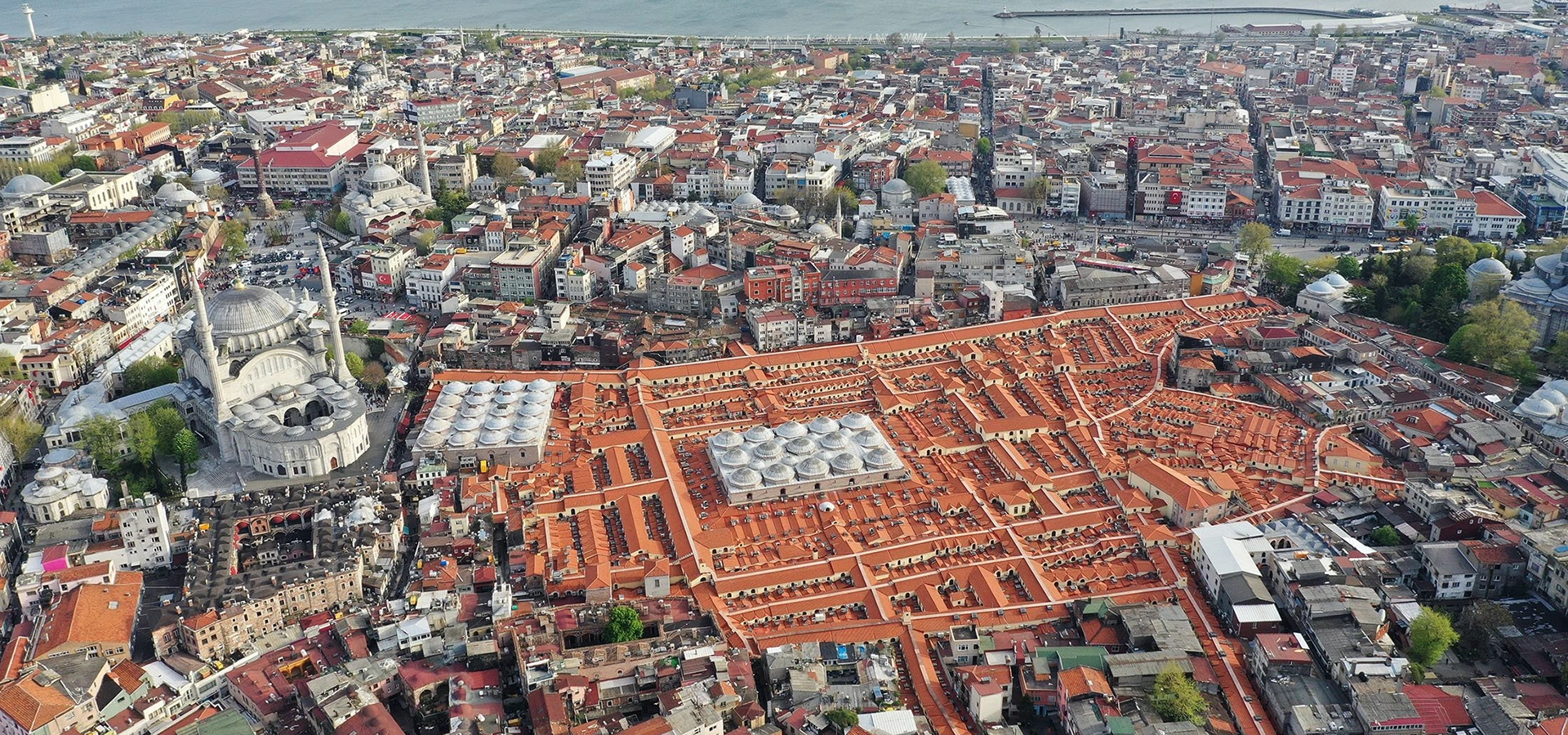
Explore an immense historic commercial world of covered streets, traditional trades, hans, jewelry, textiles and decorative arts.
Explore the Grand Bazaar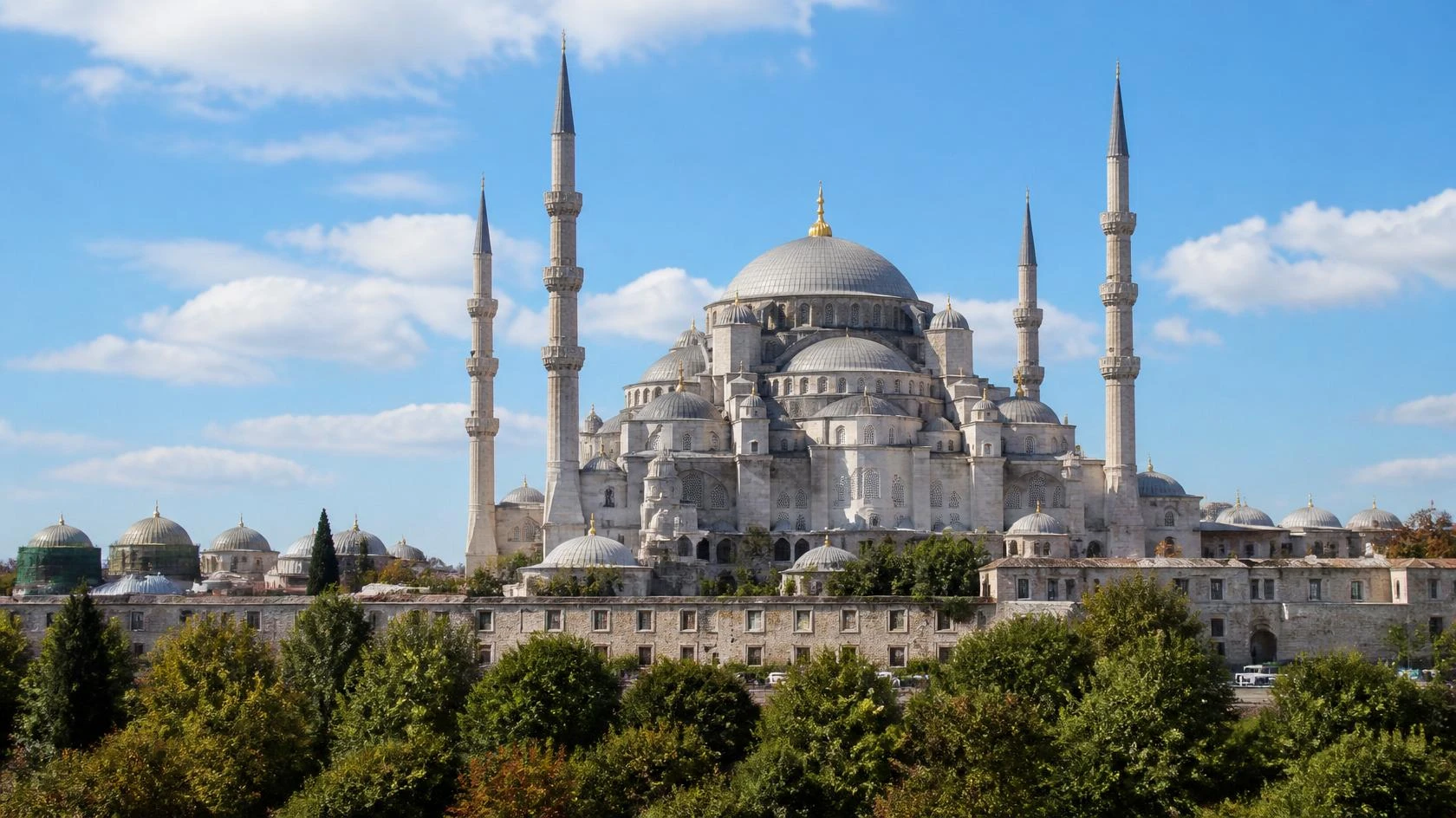
Visit Mimar Sinan's imperial masterpiece and admire exceptional views across the Golden Horn and Bosphorus.
Explore Süleymaniye Mosque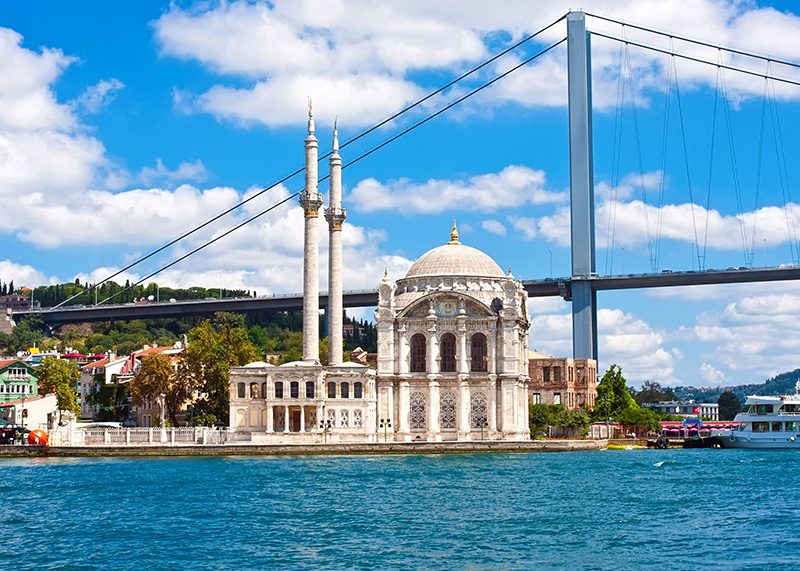
See Istanbul from the water after exploring Eminönü's markets, mosques, ferries and the Golden Horn waterfront.
Explore Bosphorus Cruises