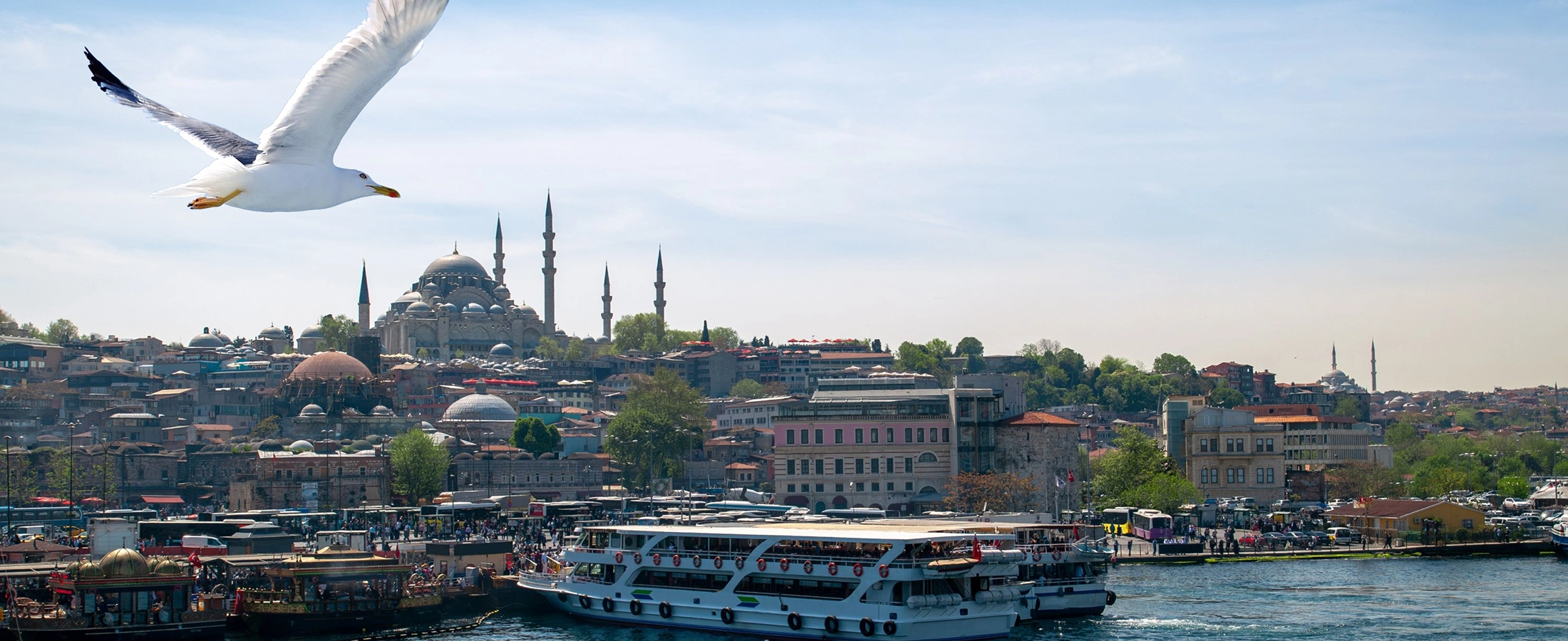
Private Eminönü Historical Walking Tour
Ask us about a tailor-made private route through Eminönü's waterfront, historic markets, Ottoman mosques, hidden hans and local food culture with pacing adapted to you.
Request a Custom Tour




Eminönü is one of the most vivid places to experience the daily rhythm of Istanbul. Located on the southern shore of the Golden Horn within the Historic Peninsula, it is where ferries arrive and depart, commuters cross the Galata Bridge, shoppers move through centuries-old market streets and the skyline of the New Mosque rises directly above the waterfront.
Within a compact walking area, visitors can explore the Spice Bazaar, enter the New Mosque, climb toward the jewel-like Rüstem Pasha Mosque, wander through Tahtakale's commercial lanes, eat beside the Golden Horn and cross the Galata Bridge toward Karaköy and Galata.
Eminönü has been associated with ports, merchants, customs, warehouses and markets for centuries. Its importance comes from geography: the district stands beside one of the natural gateways into the old city, immediately below the commercial hills of the Historic Peninsula and directly opposite Galata.
The atmosphere is very different from monumental Sultanahmet. Here, history is mixed with movement — ferry horns, fishermen, spice sellers, pigeons, street-food stands, delivery carts, mosque courtyards and the constant flow of people changing between boats, trams and buses.
Allow at least two to three hours for a focused visit. Half a day is better if you want to explore the bazaar streets, mosques and waterfront slowly, while a full day can easily include Süleymaniye, Sirkeci, Galata or a Bosphorus ferry journey.
Eminönü grew around the maritime and commercial life of the Golden Horn and remained a major trading zone through Byzantine and Ottoman times.
The Spice Bazaar, New Mosque and Rüstem Pasha Mosque create one of Istanbul's richest combinations of commerce and Ottoman architecture.
The waterfront remains one of Istanbul's classic places to board ferries toward the Asian side and other parts of the city.
Food stalls, fishermen, market lanes, ferry crowds and shopkeepers make Eminönü one of the best places to observe the living city.
Essential information about Eminönü's location, historic role, waterfront character, transport connections and major attractions.
Golden Horn waterfront, Historic Peninsula, Fatih district, on Istanbul's European side.
Port, customs, trade and market district serving Constantinople and Ottoman Istanbul.
The New Mosque dominates the waterfront beside Eminönü Square and the Spice Bazaar.
The Spice Bazaar, also known as the Egyptian Bazaar, is one of Istanbul's best-known historic covered markets.
Galata Bridge links Eminönü directly with Karaköy on the opposite shore.
Eminönü is one of the city's important waterfront departure points for local ferry services and sightseeing cruises.
The T1 tram provides convenient access from Sultanahmet, Beyazıt, Karaköy and other central districts.
Two to three hours for the essentials; half a day for markets, mosques and the waterfront without rushing.
Eminönü is one of the places where Istanbul's geography, trade, religion, transport and everyday urban life can be understood within a single compact district.
Eminönü matters first because of its waterfront position. The district occupies the southern side of the Golden Horn near its meeting point with the Bosphorus, placing it directly on historic maritime routes linking the old city with Galata, the Asian shore and the wider sea network.
Its second importance is commerce. For centuries, goods arriving by ship moved through this part of the city into markets, warehouses, caravan routes and commercial streets. The area's historic connection with customs is reflected in the name Eminönü itself, traditionally linked with the Ottoman customs official known as the emin.
Eminönü is also one of the clearest places to see how Ottoman religious complexes supported commercial life. The New Mosque and the Spice Bazaar formed part of the same urban and charitable landscape, while the nearby Rüstem Pasha Mosque rises above a dense zone of shops and trade.
The district later became even more important as modern transport reshaped Istanbul. Bridges across the Golden Horn, new quays, steam ferries, tramways and the railway terminus at nearby Sirkeci strengthened Eminönü's role as a major interchange between land and water.
For travelers, Eminönü offers something different from a monument-by-monument sightseeing district. It is a place where historic Istanbul is still used intensely: people shop, commute, worship, fish, eat, load goods, board ferries and cross between neighborhoods just as generations did before them.
The shores around modern Eminönü and Sirkeci were closely connected with the maritime life of Constantinople. The sheltered waters of the Golden Horn created natural harbor zones, and commercial activity developed along the waterfront below the city's elevated urban core.
During the Byzantine period, merchants from different parts of the Mediterranean operated around the Golden Horn. Latin trading communities, including Genoese and Pisan merchants, received commercial privileges at various times and contributed to the international character of the port district.
After the Ottoman conquest of Constantinople in 1453, the area remained a major commercial center. Warehouses, customs facilities, shops, religious foundations, hans and markets grew around the waterfront and the streets climbing toward the Grand Bazaar and Süleymaniye.
The name Eminönü is traditionally connected with the Ottoman maritime customs administration. The title emin referred to an official responsible for customs or financial administration, while önü means “in front of,” reflecting the area's relationship with the customs zone.
The 17th century transformed the skyline. The New Mosque was finally completed beside the waterfront, while the Spice Bazaar became a central element of the surrounding commercial complex.
In the 19th and early 20th centuries, the construction and rebuilding of Galata Bridge, development of modern quays, arrival of railways at nearby Sirkeci and expansion of tram and ferry networks changed the physical character of Eminönü. The district became one of the great transport gateways of modern Istanbul.
Today Eminönü forms part of the Fatih district and remains one of the city's busiest historic zones. Although its buildings and transport systems have changed repeatedly, its fundamental identity as a place of exchange has survived.
The Golden Horn waterfront served as an important harbor and commercial zone connected with Constantinople's maritime economy.
The Ottoman conquest began a new phase of customs, market, religious and commercial development around the port.
Major Ottoman monuments including the Rüstem Pasha Mosque reshaped the commercial streets above the waterfront.
The New Mosque and Spice Bazaar became defining elements of Eminönü's urban identity.
Bridges, steam transport, modern quays and railway connections strengthened Eminönü as a citywide interchange.
Eminönü remains a dense meeting point of markets, mosques, ferries, commuters, visitors and historic streets.
The best way to understand Eminönü is to begin at the water. From the quay, the district opens in several directions at once: the Golden Horn stretches inland, the Bosphorus lies beyond the historic peninsula, Galata rises across the bridge and the Ottoman city climbs uphill behind the New Mosque.
This geography explains why the district became such an important center of movement. Waterborne passengers and goods could arrive directly beside the old city's markets, while streets climbed toward the Grand Bazaar, Mahmutpaşa, Süleymaniye and the administrative heart of Istanbul.
The waterfront today remains intensely active. Ferries, sightseeing boats and local vessels move through the piers while fishermen line the Galata Bridge and crowds pass between transport stops, market entrances and mosque courtyards.
The scene is especially memorable from the middle of the Galata Bridge. Looking back toward Eminönü, the New Mosque anchors the shoreline while the domes and minarets of the Historic Peninsula rise behind it in layers.
The monumental New Mosque, or Yeni Cami, is the architectural symbol of Eminönü. Its domes and two minarets rise immediately beside the waterfront, creating one of Istanbul's most recognizable urban compositions.
Construction began at the end of the 16th century under the patronage of Safiye Sultan, but the project was interrupted for decades. It was later revived under Turhan Hatice Sultan, mother of Sultan Mehmed IV, and completed in the 17th century.
The mosque formed part of a larger religious and charitable complex. Its relationship with the adjacent Spice Bazaar is especially important because revenue from commercial buildings helped support the foundation.
Inside, visitors can admire a richly decorated Ottoman prayer hall with tilework, calligraphy, marble and a carefully balanced arrangement of domes and semi-domes. Outside, the mosque's open forecourt creates a dramatic transition between the crowded market district and the waterfront.
Immediately behind the New Mosque stands the Spice Bazaar, known in Turkish as the Mısır Çarşısı or Egyptian Bazaar. It is one of Istanbul's most famous historic covered markets.
The present bazaar dates to the 17th century and was developed as part of the commercial foundation connected with the New Mosque. Its L-shaped covered passages remain filled with shops selling spices, teas, dried fruit, nuts, sweets, Turkish delight, herbs, coffee and a wide range of food products and souvenirs.
The bazaar is at its most atmospheric when approached from the waterfront through the streets around the New Mosque. The transition from the open square into the covered market captures the historic relationship between port activity, commerce and religious foundations.
Do not limit the visit to the covered interior. The surrounding lanes around Hasırcılar, Tahtakale and the Flower Market continue the commercial atmosphere with food shops, household goods, coffee sellers, wholesalers and small businesses.
A short walk uphill from the Spice Bazaar leads to one of the great hidden masterpieces of Ottoman Istanbul: the Rüstem Pasha Mosque. Because it rises above a dense commercial block, many visitors pass nearby without realizing how extraordinary the interior is.
The mosque was designed by Mimar Sinan for Rüstem Pasha, grand vizier and son-in-law of Sultan Süleyman the Magnificent. Its elevated position above shops and storage spaces reflects both the cramped commercial setting and the economic logic of Ottoman religious foundations.
The interior is famous for its exceptional concentration of İznik tiles. Floral motifs, geometric patterns and deep blue, turquoise and red tones cover large areas of the walls, piers and entrance zones.
The approach is part of the experience. Finding the stairways from the busy market streets and then emerging into the raised mosque courtyard creates a remarkable contrast between the noise of commerce below and the calm architectural space above.
The Galata Bridge is far more than a practical crossing. It is one of Istanbul's great urban stages, connecting Eminönü on the Historic Peninsula with Karaköy beneath the hills of Galata.
Several bridges have occupied this general crossing since the 19th century. The present bridge continues a long tradition of linking the old commercial city with the districts across the Golden Horn.
The upper level carries vehicles, trams and pedestrians, while fishermen line the railings throughout much of the day. Below, restaurants and cafés occupy parts of the bridge close to the water.
Walking across provides outstanding views in both directions. Behind Eminönü rise the New Mosque and the domes of the Historic Peninsula; across the water, Galata Tower appears above the dense streets of Galata and Karaköy.
Pause on the Karaköy side or middle of the bridge for the New Mosque rising above the waterfront.
Look north toward the steep streets and Galata Tower above Karaköy.
Local anglers are part of the bridge's everyday identity and create one of Istanbul's most photographed street scenes.
Continue across the bridge into Karaköy, then climb or use transport toward Galata and Beyoğlu.
Few experiences feel more Istanbul than boarding a ferry from Eminönü. The district's piers connect the Historic Peninsula with other parts of the city and make the waterfront one of the easiest places to combine sightseeing with a short journey on the water.
Depending on the current timetable and operator, services may connect Eminönü with destinations such as Üsküdar, Kadıköy and Bosphorus stops, while sightseeing boats also depart from the wider waterfront area.
Even a short crossing transforms the view of Istanbul. From the water, the Historic Peninsula becomes a layered skyline of domes, minarets, palace grounds and hills, while the Galata district rises across the Golden Horn.
Ferries are useful not only as transport but as part of the travel experience. A crossing near sunset, when the city begins to illuminate, can be one of the most memorable low-cost experiences in central Istanbul.
Behind the Spice Bazaar, Eminönü changes from monumental waterfront to a dense network of commercial lanes. The streets around Tahtakale and Hasırcılar preserve the intense market character that has defined this part of Istanbul for centuries.
The area sells an extraordinary range of goods: kitchenware, packaging, textiles, coffee, sweets, dried foods, household supplies, decorations, toys, tools and wholesale products. It can feel chaotic, but that chaos is part of the district's historic identity.
Climbing uphill, visitors encounter old hans — commercial buildings organized around courtyards where merchants once stored goods, worked, traded and lodged. Many have been altered repeatedly, yet they remain important traces of Ottoman commercial architecture.
The streets eventually connect with the wider market world of Mahmutpaşa, the Grand Bazaar and Süleymaniye. Walking this route is one of the best ways to understand how Istanbul's waterfront trade historically fed the commercial interior of the peninsula.
Eminönü is one of Istanbul's classic districts for eating while exploring. The food experience is strongly connected with the waterfront and markets rather than formal dining alone.
The famous fish sandwich associated with the Eminönü waterfront is usually served simply with bread, grilled fish, onion and greens.
The streets behind the Spice Bazaar are filled with the aroma of freshly roasted and ground coffee.
Lokum, halva, baklava and other sweets are widely sold around the bazaar district.
Tangy pickles and their brine are traditional companions to fish sandwiches and other street foods.
Classic Istanbul street snacks appear around the square and transport routes, especially in cooler months.
Cheese, olives, bread, tea and small local eateries offer a more everyday alternative to tourist-oriented restaurants.
The best approach is to treat Eminönü as a tasting district. Try one or two simple things, continue walking, and leave room for another stop in the market streets or across the Galata Bridge in Karaköy.
Eminönü blends almost seamlessly into Sirkeci to the east. The two areas share the same waterfront corridor and together form one of the most historically important transport zones on the Historic Peninsula.
Sirkeci became internationally famous as the European terminus associated with the Orient Express. The historic railway station remains one of the district's defining late Ottoman buildings and recalls the era when travelers arrived in Istanbul by long-distance train from Europe.
Nearby, the monumental Great Post Office represents another chapter of late Ottoman architecture and state infrastructure. Its scale reflects the growing administrative and communications importance of the district at the turn of the 20th century.
Continuing east leads toward Gülhane Park, Topkapı Palace and Sultanahmet, making Sirkeci a natural bridge between Eminönü's markets and the monumental archaeological core of the old city.
The monumental Ottoman mosque that defines the Eminönü waterfront skyline.
A historic covered market filled with spices, sweets, tea, dried fruit, nuts and food products.
A Mimar Sinan masterpiece celebrated for some of Istanbul's finest İznik tile decoration.
Walk across the Golden Horn among fishermen and classic views linking Eminönü with Karaköy.
Experience Istanbul from the water with a local ferry or short Bosphorus journey.
Explore one of the old city's busiest commercial districts behind the Spice Bazaar.
Look for surviving courtyard buildings associated with Ottoman trade, storage and merchant life.
Visit the historic railway district associated with international train travel and the Orient Express.
A monumental late Ottoman building reflecting the district's administrative and communications history.
Try classic street flavors while watching ferries, fishermen and the movement of the Golden Horn.
Cross the bridge to continue into one of Istanbul's most historic port and hillside districts.
Climb through the market streets toward Mimar Sinan's great imperial complex overlooking the Golden Horn.
Begin in Eminönü Square near the waterfront and take a few minutes to understand the setting. Look toward the New Mosque, Galata Bridge and ferry piers before entering the historic district.
Visit the New Mosque, then continue directly into the Spice Bazaar. After exploring the covered market, exit into the streets around Hasırcılar and Tahtakale.
Climb toward the Rüstem Pasha Mosque and spend time with the İznik tilework. Then return gradually toward the waterfront through the commercial lanes.
Finish by walking onto the Galata Bridge. You can stop halfway for views back toward Eminönü or continue across to Karaköy for the next stage of your day.
Eminönü is a public district rather than a single ticketed attraction, so there is no general entrance fee. The waterfront, square, Galata Bridge and surrounding streets can be explored freely.
Individual sites follow their own rules. The New Mosque and Rüstem Pasha Mosque remain active places of worship, while the Spice Bazaar and individual shops operate according to commercial opening schedules.
Ferry services have separate timetables, routes and ticketing systems. Schedules can change according to season, day of the week, weather and operational requirements.
The biggest practical issue is usually crowding. Eminönü functions as both a tourist destination and a major transport and commercial hub, so pedestrian density can be intense around tram stops, ferry piers, bazaar entrances and the bridge.
No general ticket is required to walk through Eminönü Square, waterfront streets or Galata Bridge.
Tourist access may pause during prayer periods and visitors should follow modest dress requirements.
Shop and bazaar opening hours can vary, especially on public and religious holidays.
Check current departure piers and schedules before planning onward travel by boat.
Morning is excellent for photographing the waterfront and exploring the market streets before peak pedestrian traffic.
Busy transport hubs and crowded bazaars require the same awareness you would use in any major city.
The New Mosque and Rüstem Pasha Mosque are active religious buildings rather than tourist sites alone.
Prices and quality can vary considerably in tourist-facing shops, especially for spices, tea, sweets and souvenirs.
Historic paving, steep market lanes, bridge crossings and long periods on foot make supportive footwear worthwhile.
Even a short crossing gives a completely different perspective on the Historic Peninsula skyline.
Eminönü is energetic and crowded by nature; visit quieter side streets if you need a break from the main square.
The waterfront becomes especially atmospheric as light falls across Galata, the Golden Horn and the New Mosque.
Best for quieter photographs around the New Mosque, waterfront and Galata Bridge.
Ideal for seeing the Spice Bazaar and surrounding commercial streets fully active.
The district is often at its busiest as commuters, shoppers and tour groups converge.
Excellent for combining shopping with softer light along the Golden Horn.
One of the best times for a ferry ride or photographs from Galata Bridge.
The illuminated New Mosque and waterfront create a strong urban atmosphere after market activity begins to slow.
Enough for the waterfront, New Mosque exterior and a quick walk through the Spice Bazaar.
Good for the New Mosque, Spice Bazaar, surrounding market streets and Galata Bridge.
Recommended if you want to add Rüstem Pasha Mosque, Tahtakale, food stops and a relaxed waterfront walk.
Ideal for combining Eminönü with Sirkeci, Süleymaniye, Karaköy, Galata or a ferry journey.
Excellent for illuminated architecture, bridge views and a short ferry crossing after sightseeing elsewhere.
Eminönü rewards repeat visits because market streets, ferries and food culture feel different at different times of day.
Eminönü is one of Istanbul's strongest districts for street and urban photography because architecture, water, transport and people overlap continuously.
For the classic skyline, photograph the New Mosque from Galata Bridge or the Karaköy side. This angle places the mosque directly above the busy waterfront and often includes ferries, fishermen and the old city rising behind it.
Inside the market area, focus on textures and details: spice displays, tea, sweets, shop signs, hanging goods, stone arches, mosque tilework and the narrow transitions between covered and open streets.
The bridge is especially good near sunset, when silhouettes of fishermen and passing ferries appear against the changing light over the Golden Horn.
New Mosque and Historic Peninsula from Galata Bridge or the Karaköy waterfront.
Tahtakale and the lanes surrounding the Spice Bazaar during active trading hours.
Fishermen, ferry commuters, porters, shopkeepers and food sellers create constantly changing scenes.
Galata Bridge and the ferry piers as late-afternoon light reflects from the Golden Horn.
The main waterfront is relatively level, but Eminönü can be challenging for visitors with reduced mobility because of heavy pedestrian traffic, curbs, tram infrastructure, uneven paving and crowded market entrances.
The streets rise steeply away from the water toward Tahtakale and Süleymaniye. Historic mosques and hans may include steps, narrow entrances or upper-level spaces without modern lift access.
Ferry accessibility varies by vessel, pier and water conditions. Visitors who require step-free boarding or specific assistance should check the current operator information before travel.
For many visitors, the easiest way to reach Eminönü is the T1 tram. The line connects the district directly with Sultanahmet, Beyazıt, Çemberlitaş, Karaköy and other central stops.
Eminönü is also naturally reached by ferry. Arriving from the water is one of the most memorable approaches because the New Mosque and Historic Peninsula skyline appear directly ahead.
Visitors using Marmaray can travel to nearby Sirkeci and continue to Eminönü on foot. The walk is short and follows one of the busiest historic corridors in the old city.
From Karaköy, simply walk across Galata Bridge. From Sultanahmet, Eminönü can also be reached on foot downhill through Sirkeci and Gülhane if you prefer to explore the Historic Peninsula gradually.
Driving is generally less convenient because the area is extremely busy, parking is limited and traffic around the waterfront can be slow. Public transport or walking is usually more practical.
The most convenient public-transport option for many visitors already exploring the European historic center.
A scenic and practical way to arrive from other waterfront districts and the Asian side.
Walk west along the waterfront and commercial streets toward Eminönü Square.
Cross Galata Bridge on foot or use the tram for a very short connection.
Start in Eminönü Square before the heaviest crowds arrive. Walk along the waterfront, look across the Golden Horn and enter the New Mosque when visitor access allows.
Continue into the Spice Bazaar, then explore the surrounding streets around Hasırcılar and Tahtakale. Climb to the Rüstem Pasha Mosque for its remarkable İznik tile interior.
From there, continue uphill toward the Süleymaniye Mosque. Its elevated terraces provide one of the best ways to understand the geography of the Golden Horn and Eminönü below.
Descend back toward the waterfront for a late lunch or snack, then walk across the Galata Bridge toward Karaköy. Finish with coffee, dinner or a ferry ride near sunset.
Explore the historic railway district, Great Post Office and streets connecting Eminönü with Gülhane.
Continue east toward the former outer gardens of Topkapı Palace and the greener edge of the Historic Peninsula.
Walk or take the tram toward Hagia Sophia, the Blue Mosque, Basilica Cistern, Hippodrome and Topkapı Palace.
Climb through the old commercial streets to one of Mimar Sinan's greatest imperial complexes.
Continue uphill through Mahmutpaşa toward one of the world's most famous historic covered markets.
Cross Galata Bridge for historic port streets, cafés, churches, synagogues and the climb toward Galata Tower.
Eminönü is the historic waterfront and commercial district on the southern side of the Golden Horn, famous for the New Mosque, Spice Bazaar, Galata Bridge, ferry piers and market streets.
Yes. Eminönü lies within the Historic Peninsula and today forms part of the Fatih district.
The name is traditionally associated with the Ottoman customs administration. An emin was an official connected with customs or finance, while önü means “in front of.”
It is best known for the Spice Bazaar, New Mosque, Galata Bridge, ferry traffic, Rüstem Pasha Mosque, street food and crowded historic markets.
Yes. The Spice Bazaar stands immediately beside the New Mosque in the heart of the Eminönü commercial district.
The New Mosque is an active mosque rather than a conventional museum. Visitor access is subject to worship requirements, prayer times and current entry procedures.
Around two to three hours is enough for the essential waterfront, New Mosque, Spice Bazaar and Galata Bridge. Half a day is better if you want Rüstem Pasha Mosque and the surrounding market streets.
Yes. They are close and connected by the T1 tram. A full day can combine Sultanahmet's major monuments with an afternoon or evening in Eminönü.
Yes. The walk through Sirkeci and Gülhane is manageable for most visitors, although the route climbs gradually toward the monumental center of the Historic Peninsula.
Yes. Cross Galata Bridge to Karaköy and continue uphill toward Galata Tower. The climb becomes steeper after the bridge.
Yes. Eminönü is one of central Istanbul's principal ferry areas, with local and sightseeing services operating from the waterfront. Check the current timetable and departure pier before travel.
Popular choices include balık ekmek, Turkish coffee, Turkish delight, roasted chestnuts, corn, pickles and other market snacks.
Yes. The area includes the Spice Bazaar, Tahtakale, wholesale streets, food shops and commercial lanes selling everything from spices and sweets to kitchenware, textiles and household goods.
Morning is best for lighter crowds and photography, while late afternoon and sunset are excellent for the waterfront, Galata Bridge and ferry views.
Very often, yes. It is both a major visitor district and a working transport and commercial center, so the area around the bazaar, tram stops, bridge and ferry piers can become extremely busy.
Eminönü is heavily used throughout the day, but normal big-city precautions are sensible. Keep valuables secure in crowded market and transport areas and use established transport options at night.
Absolutely. The New Mosque skyline, Galata Bridge fishermen, ferries, Golden Horn reflections and market streets provide some of Istanbul's strongest urban photography.
Strong combinations include Sirkeci, Gülhane, Sultanahmet, Süleymaniye, the Grand Bazaar, Karaköy and Galata.
Yes. Although the market district becomes quieter after shops close, the waterfront, bridge and illuminated New Mosque remain atmospheric in the evening.
No, but a knowledgeable guide can reveal the district's hidden hans, Ottoman commercial systems, mosque foundations, Byzantine harbor history and street-level details that are easy to miss.
The New Mosque and Rüstem Pasha Mosque remain active religious spaces used by local communities.
Many narrow streets are working commercial spaces where deliveries, porters and customers need to move continuously.
Show consideration when photographing shopkeepers, fishermen, food vendors and local workers.
Dispose of food packaging and drink containers responsibly, especially along the waterfront and bridge.
Consider traditional food shops, independent cafés and smaller merchants beyond the most tourist-oriented stalls.
Do not climb on monuments, mosque walls, old fountains or fragile architectural elements for photographs.
Discover Eminönü through a private route shaped around Ottoman history, markets, architecture, food culture, waterfront life, photography and local neighborhoods — without compulsory shopping stops.
Build a private walking route around the New Mosque, Spice Bazaar, Rüstem Pasha Mosque, Tahtakale, Galata Bridge and the waterfront, with optional food tastings or a ferry crossing.
Ask us about a tailor-made private route through Eminönü's waterfront, historic markets, Ottoman mosques, hidden hans and local food culture with pacing adapted to you.
Request a Custom Tour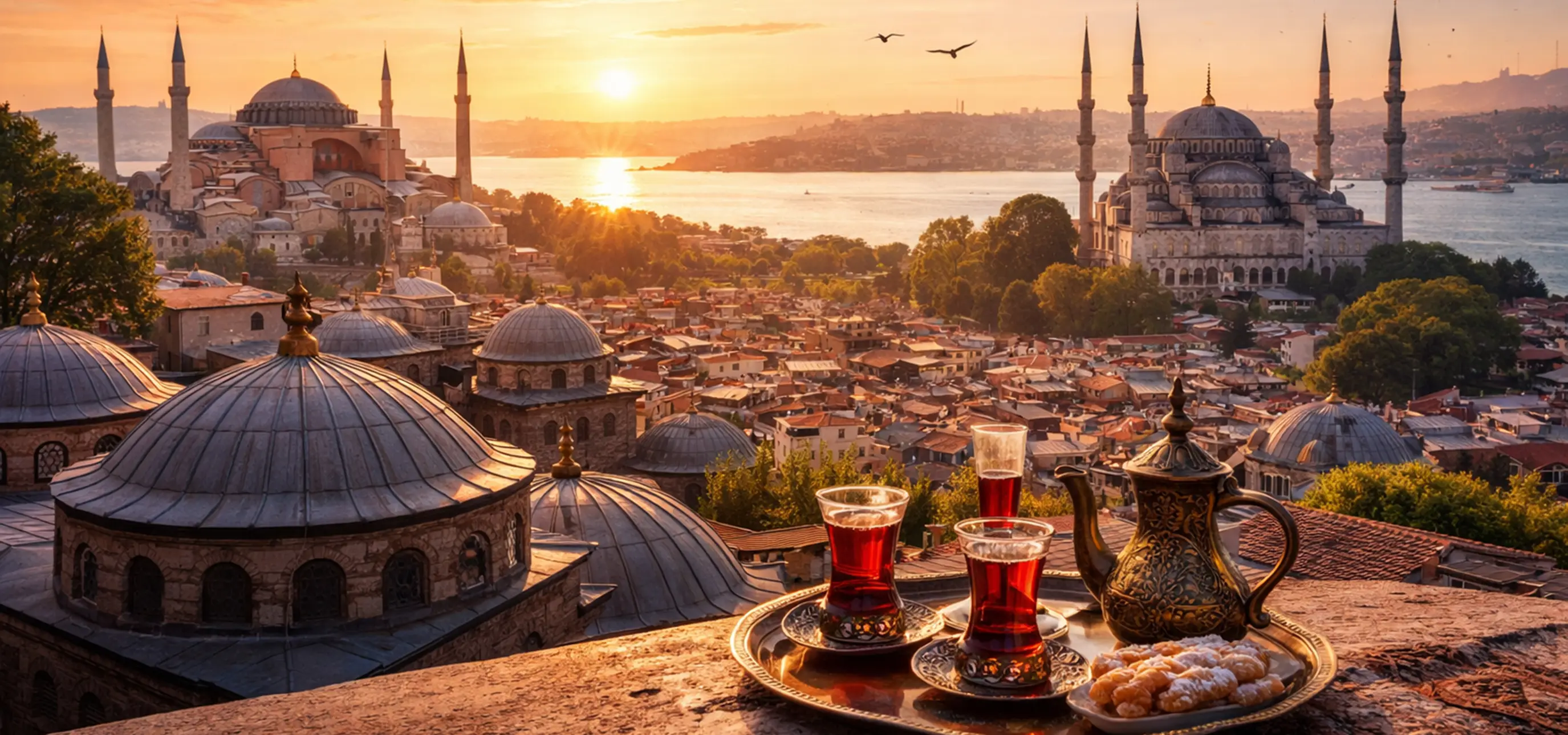
Continue planning with Istanbul's palaces, mosques, churches, museums, bazaars, Bosphorus neighborhoods, Golden Horn attractions and archaeological sites.
Explore IstanbulCombine Eminönü with Sultanahmet, Süleymaniye, the Grand Bazaar, Sirkeci, Karaköy, Galata or a ferry journey according to your interests and available time.
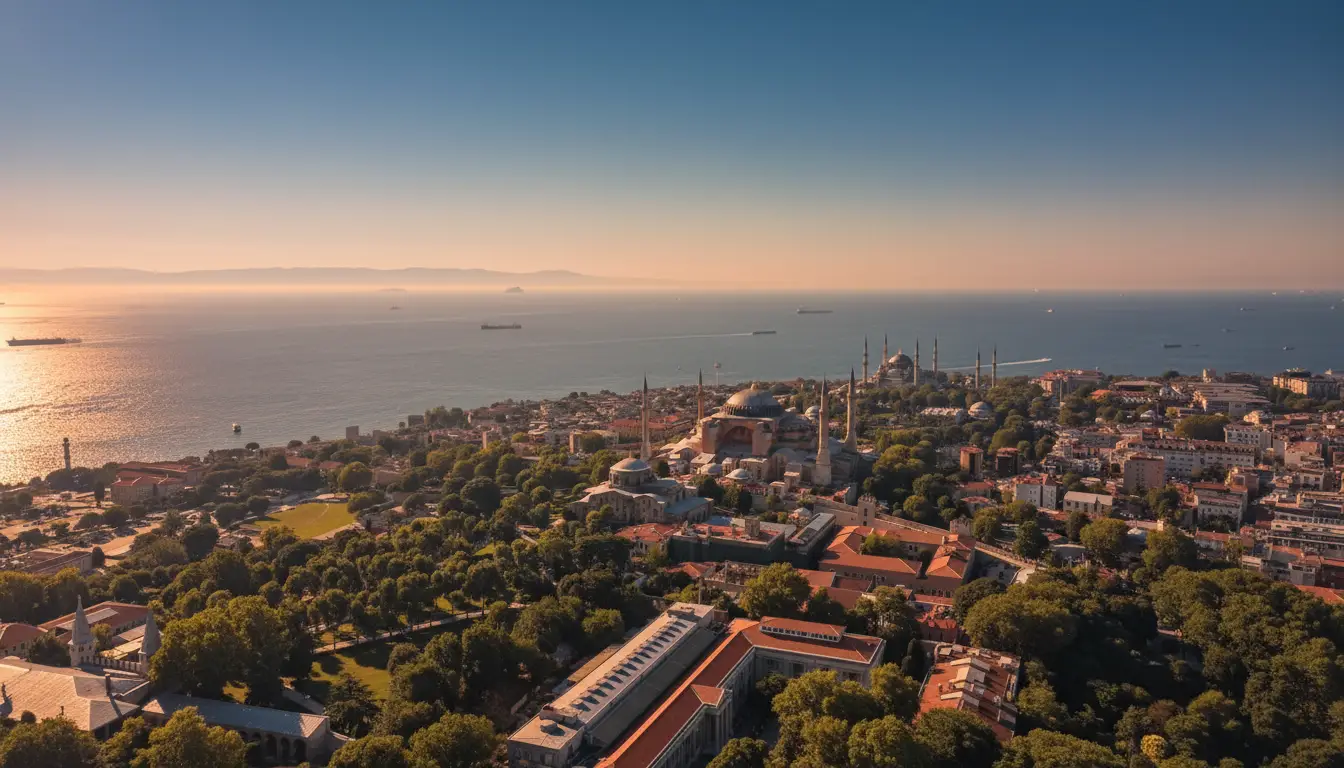
Create a private Istanbul itinerary around Ottoman history, Byzantine Constantinople, architecture, archaeology, markets, food, waterfront neighborhoods and hidden local streets.
View Private Istanbul Tours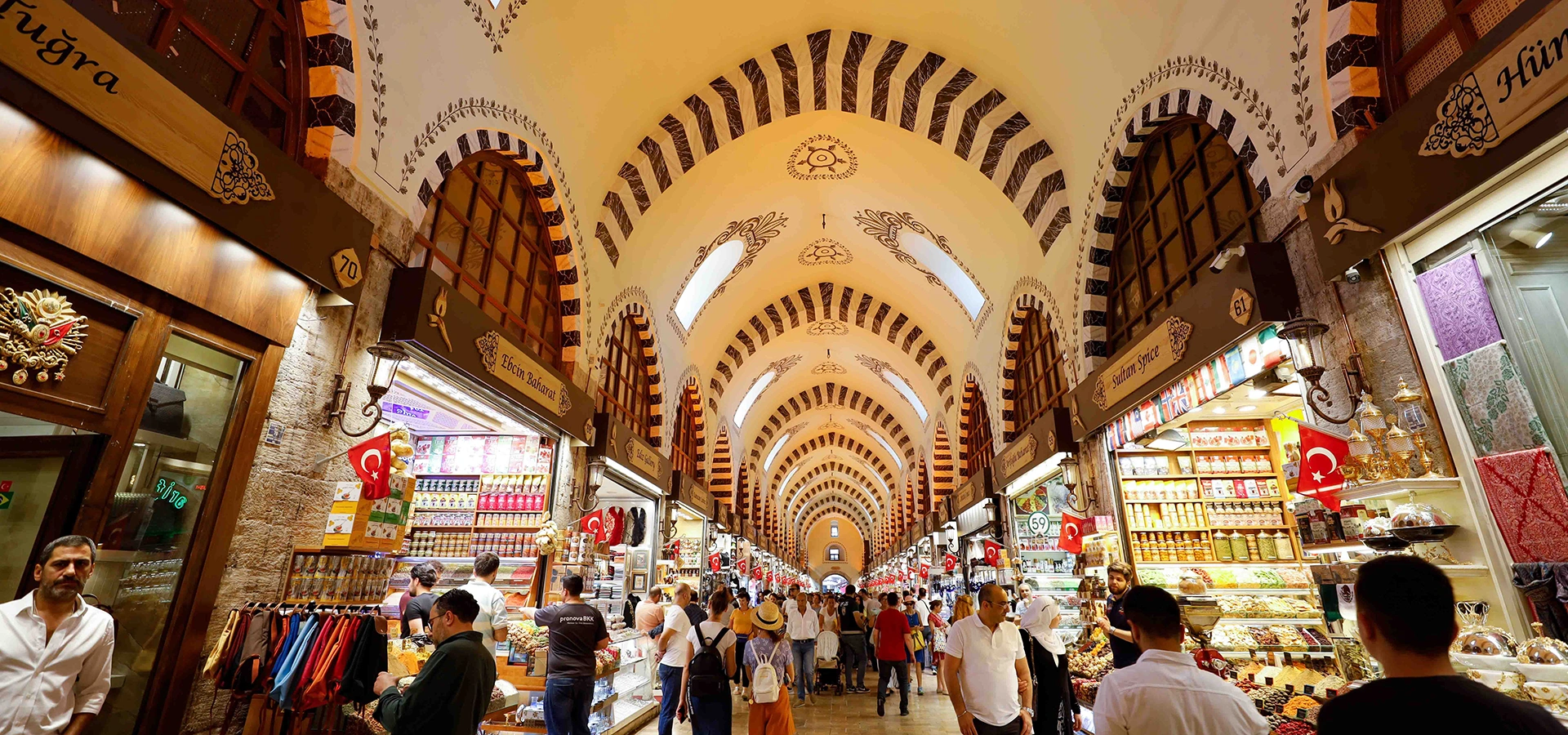
Explore the market that best expresses Eminönü's centuries-old relationship with spices, food, trade, the New Mosque complex and Istanbul's international commercial history.
Explore the Spice Bazaar