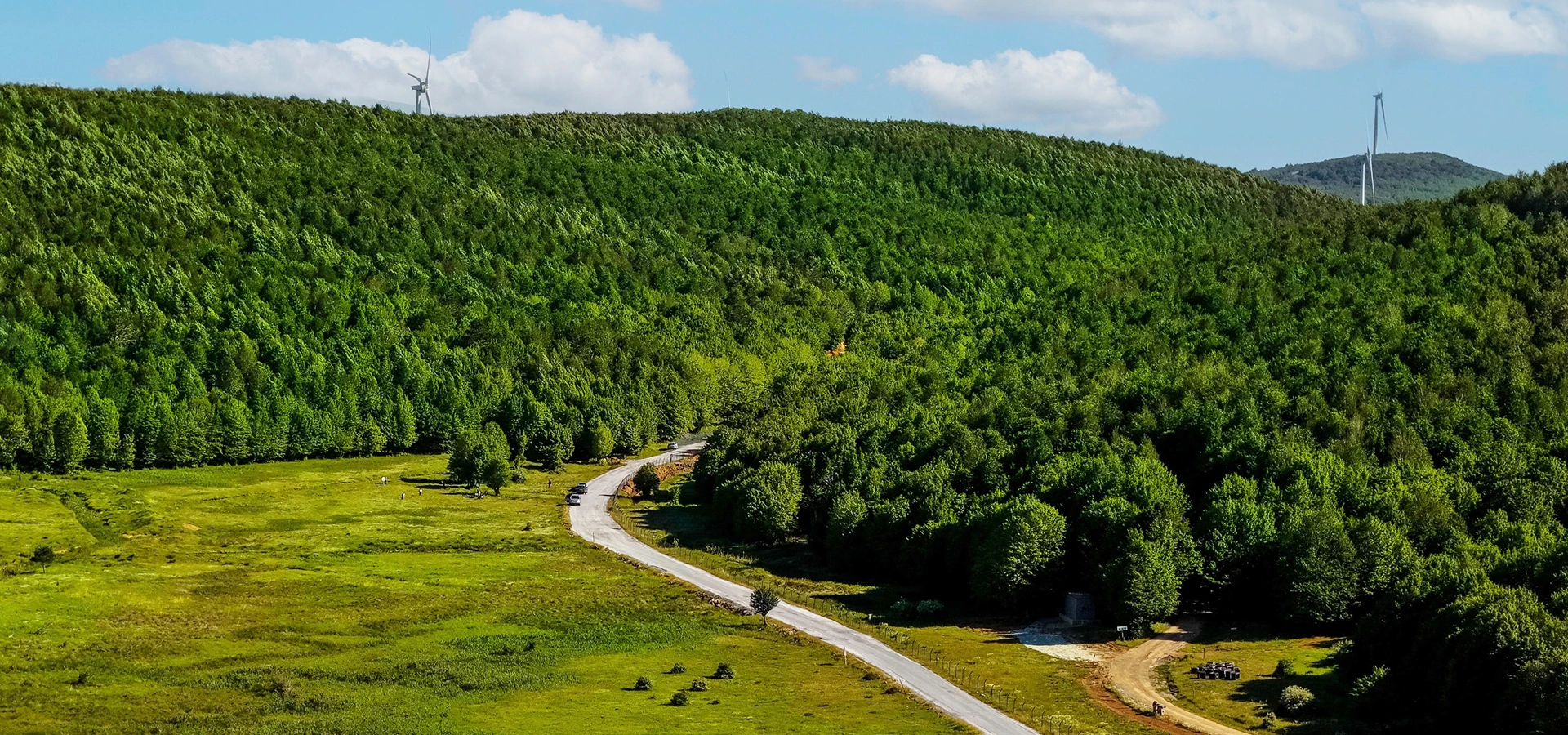
Private Delmece Plateau & Nature Experience
Ask us about a tailor-made route combining Delmece Plateau, Dipsiz Lakes, Yalova City Forest, Erikli highland scenery and selected natural places across Yalova Province.
Request a Custom Tour





Delmece Plateau, known in Turkish as Delmece Yaylası, is one of the best-known highland areas of Yalova Province. It lies south of Teşvikiye in Çınarcık district, where the landscape rises away from the Marmara coast into extensive woodland and open plateau terrain.
Official tourism information describes the plateau as being approximately 17 km inland from the coast, with access from the Teşvikiye side by an asphalt road. The plateau itself extends across a broad and comparatively level highland area.
The surrounding landscape includes pine, oak, chestnut and linden trees, while waterfalls, forest tracks, springs and the nearby Dipsiz Lakes make Delmece part of one of Yalova’s richest nature-tourism regions.
For travellers who want to see a quieter side of Yalova, Delmece Plateau combines naturally with Dipsiz Lakes, Yalova City Forest and the wider Erikli highlands.
Official tourism information places Delmece approximately 17 km inland from the coast.
The plateau area is officially described as covering approximately 400 dönüm.
Pine, oak, chestnut and linden are specifically highlighted in official descriptions.
Delmece is officially recognized as one of Yalova’s nature-walking and trekking destinations.
Essential information for exploring one of Yalova’s best-known forested highlands.
South of Teşvikiye in Çınarcık district, Yalova Province.
Search on Google MapsForested highland plateau and nature-tourism destination.
Approximately 17 km inland according to official tourism information.
Officially described as covering approximately 400 dönüm.
Pine, oak, chestnut, linden and surrounding mixed woodland.
Trekking, nature walks, photography, picnics and highland scenery.
The main approach is officially described as asphalted from the Teşvikiye direction.
The plateau is associated with a natural drinking-water spring traditionally called “Şifalı Su.”
A rural plateau landscape with traditional highland buildings and forest clearings.
Leave no waste, respect forest-fire restrictions and stay on existing routes.
Delmece shows how quickly Yalova changes from seaside landscape to deep forest and highland countryside.
Although Yalova is one of Türkiye’s smaller provinces, its geography changes dramatically within relatively short distances. From the coast around Çınarcık and Teşvikiye, roads climb southward into dense forest, cooler air and mountain terrain.
Delmece Plateau lies within this transition zone. Instead of the beaches and urban waterfront associated with coastal Yalova, visitors find a broad highland landscape shaped by forest, rural buildings, natural water sources and walking routes.
The plateau is particularly important because it forms part of a much wider nature corridor. Nearby landscapes include Erikli Plateau, Yalova City Forest, waterfalls and the Dipsiz Lakes.
Official tourism sources also identify Delmece as a trekking destination, making the plateau much more than a scenic roadside stop. It can act as a starting point or connecting landscape for longer excursions through Yalova’s southern forests.
Delmece Plateau is located in Çınarcık district in the southern highlands of Yalova Province, above the coastal settlements of Kocadere and Teşvikiye.
The most common approach from Yalova follows the coast toward Çınarcık and then continues through Teşvikiye before climbing into the forest.
Official tourism information describes Delmece as lying approximately 17 km inland from the coast. The road from the Teşvikiye side is described by official sources as asphalted.
Delmece is also important geographically because routes across the plateau connect with the wider Erikli forest area and can eventually lead toward Yalova City Forest and the Dipsiz Lakes landscape.
The defining feature of Delmece is the contrast between its open plateau areas and surrounding forest. After travelling through the wooded mountain roads, the landscape opens into broader and more level highland terrain.
Official tourism descriptions characterize Delmece as a very broad and relatively flat plateau area. This makes the landscape visually different from the steeper forest roads used to reach it.
The plateau is not a manicured urban recreation park. Its character remains rural, with woodland edges, tracks, clearings, traditional structures and seasonal vegetation forming the main landscape.
Weather can change the atmosphere dramatically. Bright summer days create a spacious green landscape, while cloud, mist and autumn colour can make Delmece feel much more remote and mountainous.
Forest is one of the main reasons to visit Delmece. Official tourism information specifically records pine, oak, chestnut and linden among the tree species found across the wider plateau landscape.
This woodland creates considerable seasonal variety. Fresh foliage dominates in spring, deep shade develops through summer, and broadleaf trees can produce yellow, orange, copper and brown tones during autumn.
The surrounding forests also connect Delmece with other nature destinations around Teşvikiye and Erikli. The experience therefore extends well beyond the central plateau clearing itself.
Forest conditions can vary considerably. After rainfall, roadsides and walking routes may become muddy or slippery, while fallen branches and forestry activity can temporarily affect smaller tracks.
Evergreen sections help maintain the plateau’s forest character throughout the year.
Broadleaf woodland contributes strongly to seasonal colour changes.
Chestnut trees are characteristic of Yalova’s humid southern forest landscapes.
Linden is another tree specifically identified in official descriptions of Delmece.
Delmece is not simply an empty mountain meadow. Official tourism descriptions record a long-established collection of wooden and masonry buildings within the plateau landscape.
Older official descriptions list 60 wooden houses and 20 masonry structures. These figures are useful for understanding the traditional character of the plateau, although visitors should not treat them as a guaranteed current building count.
The buildings help give Delmece the atmosphere of a traditional Marmara highland settlement, where seasonal rural life developed alongside forest resources, water sources and grazing or open meadow areas.
Visitors should remember that buildings and land may be privately used. Enjoy the architectural character from public routes and avoid entering gardens, yards or structures without permission.
Official descriptions of Delmece Plateau mention a natural drinking-water source traditionally known as “Şifalı Su,” a Turkish expression meaning approximately “healing water.”
The name reflects local tradition and the reputation of the spring. It should not be interpreted as a medical guarantee or scientific claim about the treatment of illnesses.
Natural springs have historically been important in highland environments, providing water for seasonal settlement, travellers and people working in the surrounding forest.
If you plan to drink from any natural spring, check whether the source is currently maintained and locally regarded as suitable for drinking. Conditions around untreated natural water sources can change.
Delmece Plateau is officially promoted as a destination for nature walking and trekking. The combination of plateau terrain, forest roads, woodland paths and nearby natural attractions creates many possibilities for outdoor exploration.
A short visit can focus on the central plateau and nearby forest edges, while experienced walkers may use the area as part of a longer route through the surrounding highlands.
However, visitors should distinguish between a landscape suitable for trekking and a permanently maintained urban walking trail. Not every forest road or path is necessarily signposted, and route conditions can change.
For longer walks, carry enough water, save an offline map, wear footwear with good grip and allow generous daylight. Fog can develop quickly in highland forest, particularly outside summer.
Explore the plateau clearing and nearby forest edges at a relaxed pace.
Continue onto established woodland routes where current conditions are suitable.
Link Delmece with surrounding natural areas only with adequate route knowledge and daylight.
Expect mud, wet leaves, reduced visibility and changing forest-road conditions after rain.
One of the greatest strengths of Delmece Plateau is its position within a wider network of highland forests, waterfalls and lakes.
The nearby Dipsiz Lakes consist of Büyük Dipsiz Göl and Küçük Dipsiz Göl, two small forest lakes in the same broader Çınarcık highland landscape.
Yalova City Forest lies in the Erikli Plateau area and provides more developed visitor facilities, walking paths, viewpoints and waterfall scenery.
Official visitor information for Yalova City Forest also describes access from the Bursa, Gemlik and Armutlu direction through Hayriye, Selimiye and Delmece Plateau, showing how closely connected these highland destinations are.
Delmece offers a different kind of photography from Yalova’s coastline. Instead of sea views, the main subjects are forest layers, highland clearings, traditional buildings, seasonal foliage and changing mountain weather.
Early morning can be particularly atmospheric, especially when moisture, low cloud or mist remains between the trees. Soft light also works well for photographing the plateau’s rural structures.
During autumn, mixed woodland can provide the strongest colour. Chestnut, oak and other deciduous trees bring warmer tones, while evergreen sections maintain deeper green contrast.
After rain, wet leaves, tree bark and low cloud can create excellent photographic conditions, although trails and road shoulders may be slippery.
Use open plateau areas to contrast with the dense surrounding forest.
Tree-lined roads can create strong depth and leading-line compositions.
Broadleaf woodland brings some of the richest seasonal colour.
Low cloud and fog can emphasize the plateau’s remote mountain atmosphere.
Delmece can be visited in different seasons, but the experience changes considerably according to temperature, rainfall, forest colour, daylight and road conditions.
Spring brings fresh vegetation, cool highland air and strong water flow in the wider forest landscape. Rain can make unpaved side tracks muddy.
Summer offers long daylight, green scenery and generally more time for walking. Because Delmece is higher and more forested than the coast, conditions may feel cooler, especially in the evening.
Autumn is one of the most attractive periods for photographers. Changing leaves bring colour across the mixed woodland, although wet leaves can make walking routes slippery.
Winter can transform the plateau completely. Cold, fog, rain, snow or ice may affect access, and daylight is much shorter. Visitors should check current road and weather conditions carefully.
Families who enjoy nature can find Delmece an appealing escape from the coast, especially during mild weather. The broad plateau sections provide a more open setting than many of the surrounding forest tracks.
However, Delmece should still be approached as a natural highland environment rather than a supervised playground or city park.
Children should remain close to adults near forest roads, water sources, steep roadside sections and muddy or uneven ground.
For families wanting toilets, play areas and more structured recreation facilities, Yalova City Forest may be a useful additional stop during the same highland excursion.
The open setting makes Delmece naturally attractive for a quiet picnic during a nature excursion.
Bring food and water that can easily be carried, and take every piece of rubbish away with you. Do not leave bottles, plastic, tissues, food packaging or organic waste in the forest.
Visitors should never assume that barbecues, campfires or open flames are permitted simply because an area appears suitable. Seasonal forest-fire restrictions can be introduced throughout Yalova’s wooded areas.
During dry and windy weather, fire risk can rise quickly. Always follow current official restrictions, local signs and forestry instructions.
The highland atmosphere can make Delmece look ideal for camping, but visitors should not assume that every open area is legally available for overnight use.
Land status, forest regulations, private use, seasonal fire restrictions and temporary access controls can all affect where camping is permitted.
If you intend to stay overnight, confirm current rules with the relevant local or forestry authorities and use officially permitted areas where available.
Wild camping without checking regulations can create problems related to fire risk, waste, wildlife and private property.
Official information describes the main road approach from the Teşvikiye direction as asphalted, which can make Delmece easier to reach by vehicle than more remote forest destinations.
However, the plateau itself is a natural landscape. Visitors should not assume continuous wheelchair-friendly or step-free access across walking areas.
Grass, soil, mud, uneven ground, forest tracks and roadside slopes can create obstacles, especially after rainfall.
Visitors with limited mobility should plan primarily for scenic stops reachable by vehicle and assess conditions before attempting longer walks.
Allow around 1–1.5 hours for a simple scenic visit, a short walk and time to enjoy the plateau atmosphere.
Allow around 2–3 hours if you want to explore more forest routes, photograph the landscape and take a relaxed picnic break.
A half-day works well for Delmece combined with Dipsiz Lakes or other nearby highland scenery.
A full day can include Delmece, Dipsiz Lakes, Yalova City Forest, Erikli Double Waterfall and Teşvikiye.
A scenic plateau stop with a short walk and photographs.
A relaxed Delmece visit with more forest exploration.
Combine Delmece with Dipsiz Lakes or nearby highland scenery.
Add Yalova City Forest, Erikli waterfalls and Teşvikiye.
From Yalova city, follow the Marmara coast toward Çınarcık and continue toward Teşvikiye. From Teşvikiye, the road climbs southward into the forested highlands.
Official tourism information describes Delmece Plateau as approximately 17 km inland from the coast and states that the approach is asphalted.
Visitors coming from the Bursa, Gemlik or Armutlu direction can also approach the wider highland zone through Hayriye and Selimiye, with Delmece forming part of a route toward Erikli and Yalova City Forest.
A private car, taxi or arranged transfer is normally the most flexible way to explore Delmece, particularly if you also want to visit lakes, waterfalls or other highland sites.
Even when the main road is asphalted, winter weather, heavy rain, road maintenance, fallen branches or forestry work can affect local conditions. Check current navigation and weather before leaving the coast.
Follow the coast through Çınarcık toward Teşvikiye, then climb inland.
Continue south into the forested highlands toward Delmece Plateau.
Routes through Hayriye and Selimiye connect with the wider Delmece–Erikli highlands.
Check snow, ice, fog and road conditions before travelling into the plateau area.
Start from Yalova or Çınarcık and continue through Teşvikiye into the forested highlands. An early start provides more daylight for exploring several natural attractions.
Make Delmece Plateau your first major highland stop. Walk through the open plateau areas, enjoy the surrounding forest and look for the landscape’s traditional rural character.
Continue toward the Dipsiz Lakes if current road conditions are suitable. The lakes provide a very different setting, with still water enclosed by dense forest.
From there, continue toward Yalova City Forest and the Erikli waterfall landscape, where visitor facilities are more developed.
Return through Teşvikiye and Çınarcık before dark, especially outside summer when daylight is shorter and fog can develop in the highlands.
Delmece fits naturally into a route combining highland scenery, forest, lakes, waterfalls, thermal heritage and the Marmara coast.
Discover Büyük Dipsiz Göl and Küçük Dipsiz Göl hidden inside Yalova’s forested highlands.
Explore walking paths, viewpoints, recreation facilities and waterfall scenery in the Erikli landscape.
Visit one of Çınarcık’s best-known waterfall landscapes in the forest near Yalova City Forest.
Add another of Yalova’s signature waterfalls on a longer nature-focused itinerary.
Exchange the mountain landscape for Yalova’s historic thermal baths and mineral-water heritage.
Discover early Republican heritage among the gardens and forests of Termal.
Visit one of Yalova’s most famous Atatürk landmarks on the Marmara shore.
Discover more waterfalls, forests, beaches, hot springs and cultural attractions throughout the province.
Carry every bottle, wrapper, tissue and food item back out of the highlands.
Never assume that fires or barbecues are permitted. Follow all current restrictions.
Avoid creating shortcuts through forest vegetation or private land.
Do not enter houses, gardens, fields or rural buildings without permission.
Keep soap, chemicals, rubbish and food waste away from springs and streams.
Quiet visits protect wildlife and preserve the peaceful character of the plateau.
Observe animals from a distance and never leave food for them.
Weather, forestry work and seasonal restrictions can affect access at short notice.
Delmece Plateau is in Çınarcık district of Yalova Province, south of Teşvikiye in the forested highlands.
Official tourism information describes the plateau as approximately 17 km inland from the coast.
From Yalova, travel through Çınarcık toward Teşvikiye and then continue south into the highlands.
Official tourism information describes the main Teşvikiye approach as fully asphalted, although current weather and road conditions should still be checked.
Official descriptions give an area of approximately 400 dönüm.
Official tourism information specifically mentions pine, oak, chestnut and linden among the surrounding tree species.
Yes. Delmece is officially promoted as one of Yalova’s nature-walking and trekking destinations.
Do not assume every forest route is permanently marked. Use current navigation and local route information for longer hikes.
Yes. Dipsiz Lakes belong to the same wider Çınarcık highland nature zone.
Yes. The plateau connects with the wider Erikli highlands, and official visitor information describes routes linking Delmece with Yalova City Forest.
Official descriptions mention a natural drinking-water source traditionally called Şifalı Su. The name is traditional and should not be interpreted as a medical guarantee.
Yes. Official descriptions record wooden and masonry buildings within the plateau, reflecting its long-established rural highland character.
Late spring through autumn usually provides the easiest combination of long daylight, green scenery and walking conditions.
Yes. The surrounding broadleaf forest can develop excellent autumn colour, making it one of the most photogenic seasons.
Yes, but snow, ice, fog, rain and shorter daylight can affect access and walking conditions. Check current conditions first.
Yes. Highland meadows, forest roads, traditional structures, mist and seasonal foliage provide varied nature-photography opportunities.
Yes. Families who enjoy outdoor excursions can visit, but children should be supervised around roads, slopes, water sources and uneven forest ground.
A simple picnic can be part of a plateau visit, provided all rubbish is removed and current forest-fire regulations are followed.
Do not assume barbecues or open fires are permitted. Forest-fire restrictions can change seasonally, so follow current official regulations.
Check current regulations before camping. Open ground does not automatically mean overnight camping is permitted.
Do not rely on extensive commercial facilities directly on the plateau. Bring essential food and water, especially for longer nature excursions.
Visitor facilities can be limited compared with Yalova City Forest, so plan accordingly.
The main road approach may be vehicle accessible, but natural plateau ground can include grass, soil, mud and uneven forest tracks. Continuous step-free access should not be assumed.
Wear comfortable walking shoes with good grip. A light extra layer and rain protection are useful because highland weather can change quickly.
Allow around 1–3 hours for Delmece itself, or a half-day to full day when combining it with nearby highland attractions.
Yes. This is one of the most natural combinations for visitors exploring Yalova’s highland landscape.
Yes. Delmece and the city forest belong to the same wider network of forest and highland routes around Çınarcık.
Yes. Official visitor information for the surrounding highlands describes access through Hayriye and Selimiye from the Bursa, Gemlik and Armutlu direction.
No. Mobile coverage can be less reliable in forested highland terrain, so save important navigation information before travelling.
Not necessarily. Weather, snow, forestry activity, road maintenance or seasonal restrictions can temporarily affect access.
Delmece lies within extensive forest habitat. Visitors should respect wildlife, keep food secured and maintain a safe distance from animals.
For travellers who enjoy forests, quiet rural landscapes, walking and highland scenery, Delmece offers one of Yalova’s most rewarding nature excursions.
Combine Delmece Plateau with the Dipsiz Lakes, Yalova City Forest, Erikli waterfall scenery, Çınarcık and selected natural attractions through a private itinerary designed around your interests and pace.
Discover Delmece Plateau, Dipsiz Lakes, Yalova City Forest and selected forest viewpoints through a tailor-made private day.
Ask us about a tailor-made route combining Delmece Plateau, Dipsiz Lakes, Yalova City Forest, Erikli highland scenery and selected natural places across Yalova Province.
Request a Custom Tour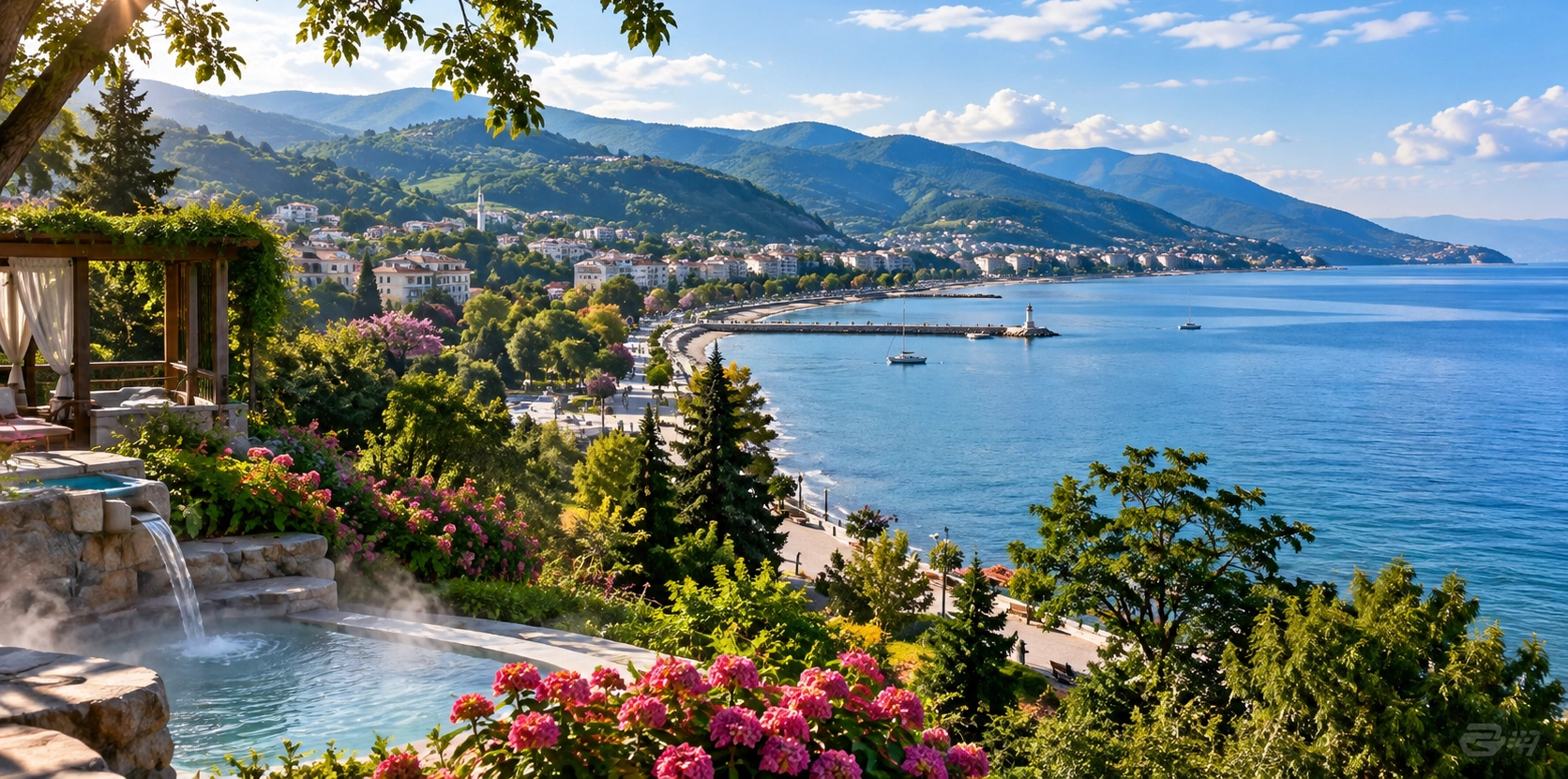
Discover forests, waterfalls, hot springs, historic mansions, coastal towns, gardens and cultural attractions throughout Yalova Province.
View Yalova GuidePair Delmece Plateau with places that reveal Yalova’s forests, lakes, waterfalls, thermal heritage and Marmara scenery.
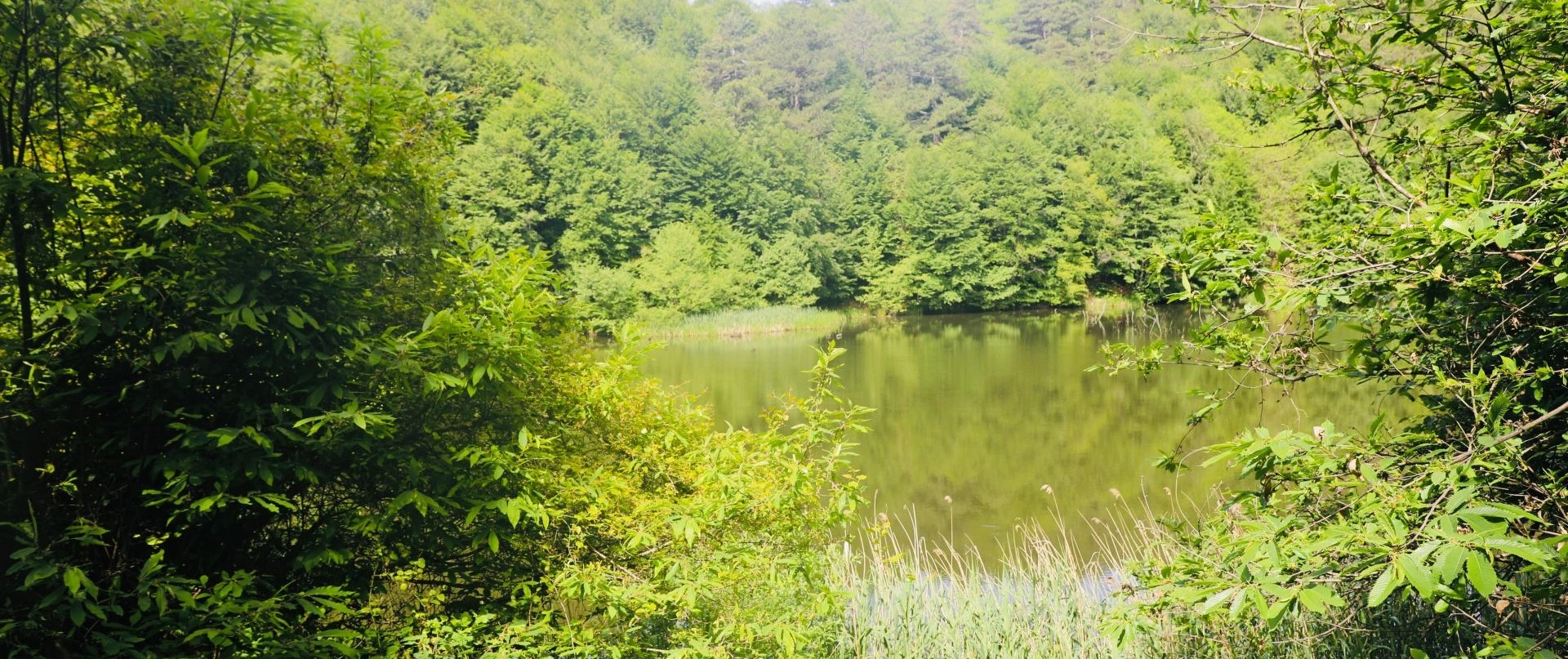
Discover Büyük Dipsiz Göl and Küçük Dipsiz Göl, two secluded lakes hidden within Yalova’s forested highlands.
Explore the Dipsiz Lakes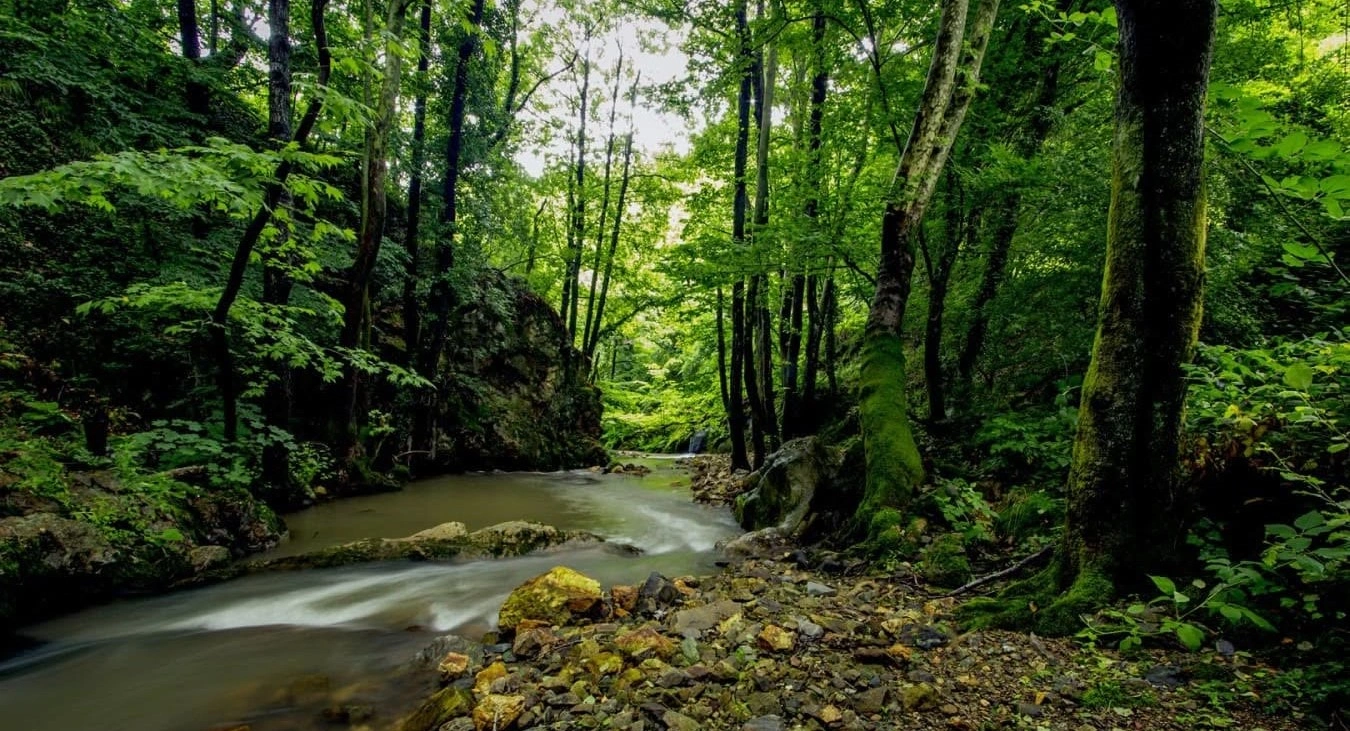
Explore forest trails, viewing terraces, a suspension bridge, recreation areas and the wider Erikli highland landscape.
Explore the City Forest
Continue exploring beaches, thermal springs, waterfalls, museums, historic buildings, forests and coastal scenery across Yalova Province.
Explore Yalova