Private Çamlıca Hill Tour
Ask us about a tailor-made visit combining Çamlıca's panoramic gardens, Büyük Çamlıca Mosque, Istanbul geography, photography and nearby Asian-side districts.
Request a Custom Tour





Rising above the Asian side of Istanbul, Çamlıca Hill has been one of the city's classic viewpoints and excursion areas for generations.
The name Çamlıca actually refers to two neighboring heights: Büyük Çamlıca, or Greater Çamlıca, and Küçük Çamlıca, or Little Çamlıca. Büyük Çamlıca is the higher and more famous traditional viewpoint, reaching approximately 267–268 meters above sea level.
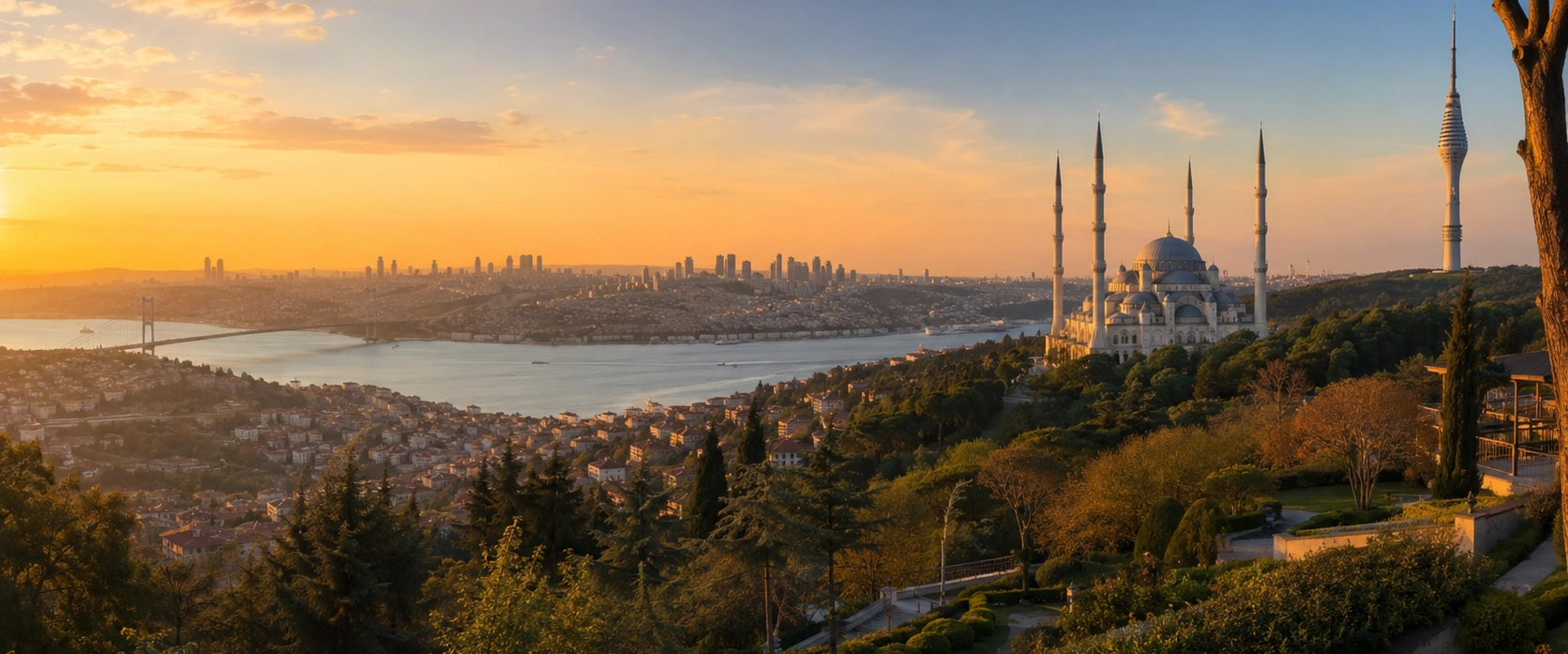
From its gardens and terraces, visitors can look across an extraordinary section of Istanbul including the Bosphorus, European shore, Historic Peninsula, Golden Horn approaches, bridges, Marmara Sea and densely built neighborhoods of the Asian side.
For centuries, the hills attracted Ottoman rulers, court officials, wealthy families, poets, musicians and ordinary Istanbul residents seeking cooler air, gardens and distant views beyond the crowded city.
Today Çamlıca combines several very different experiences. Visitors can enjoy the historic park atmosphere of Büyük Çamlıca, visit the monumental Büyük Çamlıca Mosque, explore cultural spaces associated with its complex, or continue to Çamlıca Tower on Küçük Çamlıca for an elevated observation-deck experience.
For travelers interested in panoramic photography, Bosphorus geography, Ottoman leisure culture, gardens, architecture, bird migration or simply seeing Istanbul from above, Çamlıca remains one of the most rewarding destinations on the Asian side.
See Istanbul's European and Asian shores, bridges, waterways and skyline from one of the city's classic elevated viewpoints.
Çamlıca was celebrated for generations as a place of gardens, summer outings, music, poetry and Ottoman social life.
Visit one of modern Istanbul's most monumental religious complexes and a defining feature of the contemporary skyline.
Continue to the neighboring hill for high-level observation decks and a very different panoramic perspective over Istanbul.
Essential information about Büyük Çamlıca, Küçük Çamlıca, panoramic viewpoints, historic gardens, Büyük Çamlıca Mosque, Çamlıca Tower, transport and the best way to plan your visit.
In Istanbul's Üsküdar district on the Asian side, above the Bosphorus neighborhoods east of the waterfront.
Büyük Çamlıca rises approximately 267–268 meters above sea level, making it one of Istanbul's prominent natural viewpoints.
The panorama includes the Bosphorus, European shore, Historic Peninsula, Marmara Sea and large sections of Asian Istanbul.
A landscaped hilltop recreation area with trees, paths, terraces, cafés, historic-style kiosks and viewpoints.
Büyük Çamlıca Mosque is a major modern religious and cultural complex associated with the wider Çamlıca area.
Çamlıca Tower stands on Küçük Çamlıca and offers elevated observation decks above the city.
Çamlıca is an important Istanbul observation point for seasonal migration, especially during major autumn movements.
Allow two to three hours for Büyük Çamlıca alone, or half a day when combining the mosque or Çamlıca Tower.
Çamlıca is important because it brings together landscape, urban history and Istanbul's long tradition of escaping the dense city for gardens and elevated viewpoints.
Long before panoramic restaurants and observation towers, Istanbul residents climbed the city's hills to enjoy cooler air, greenery and distant views. Çamlıca became one of the most celebrated of these excursion areas.
Its elevation also provides an unusually clear lesson in Istanbul's geography. From the hill, visitors can understand how the Bosphorus divides yet connects two continents, how neighborhoods follow the shore and valleys, and how the Historic Peninsula occupies only one relatively small part of the immense modern metropolis.
Çamlıca entered Ottoman literature, music and popular memory as a place associated with summer excursions, gardens, moonlight, conversation and romance.
The area has continued to evolve. The historic hilltop landscape now exists alongside two major 21st-century structures: Büyük Çamlıca Mosque and Çamlıca Tower.
This combination makes Çamlıca more than a simple viewing terrace. It is a place where Ottoman leisure culture, modern urban development, religious architecture, broadcasting technology and one of the world's great city panoramas overlap.
The hills east of Üsküdar were historically covered with woodland, gardens and open countryside beyond the dense settlement of the Bosphorus shore.
Ottoman rulers occasionally visited the surrounding countryside for hunting and recreation, while the Çamlıca area gradually became associated with imperial excursions, garden pavilions and seasonal retreats.
By the late 18th and early 19th centuries, Çamlıca was increasingly fashionable. Sultan Selim III is recorded in historical accounts making excursions through the area, while the reign of Sultan Mahmud II helped accelerate the development of summer residences and villas on the Asian hills.
During the 19th century, members of the Ottoman dynasty, senior officials and wealthy Istanbul families established mansions and gardens around Çamlıca, Kısıklı and neighboring districts.
At the same time, the hill became part of Istanbul's popular mesire tradition — countryside excursion places where families and groups gathered for picnics, music, tea, conversation and fresh air.
Çamlıca became particularly prominent in Ottoman literature and music. Writers described its gardens and views, while songs and poems transformed the hill into a symbol of romantic and nostalgic Istanbul.
During the 20th century, urban expansion gradually surrounded the hills. Roads, apartment districts and communications infrastructure transformed much of the former countryside.
Despite those changes, Büyük Çamlıca remained a major public recreation area. In the 21st century, the opening of Büyük Çamlıca Mosque and Çamlıca Tower added powerful new elements to the area's architecture and visitor experience.
Woodland, gardens, springs and open countryside originally separated Çamlıca from dense urban Istanbul.
Ottoman rulers and court circles used the hills and surrounding countryside for hunting, recreation and summer outings.
Summer houses, gardens and mansions expanded as Çamlıca became increasingly fashionable among Istanbul's elite.
The hills developed into celebrated public excursion grounds associated with picnics, music and panoramic views.
Rapid urbanization surrounded the hills while communications structures increasingly occupied elevated ground.
The historic viewpoint now shares the skyline with a monumental mosque and one of Istanbul's most distinctive modern towers.
The Turkish name Çamlıca is generally associated with the word çam, meaning pine tree.
The name reflects the historically wooded character of the hills, which were once far greener and less intensively built than the surrounding neighborhoods seen today.
Two neighboring elevations carry the name: Büyük Çamlıca, meaning Greater Çamlıca, and Küçük Çamlıca, meaning Lesser or Little Çamlıca.
The residential area between and around the two hills is closely associated with Kısıklı, an old settlement positioned on historic routes leading eastward from Üsküdar into Anatolia.
Understanding the difference between the two hills makes planning a visit much easier.
Büyük Çamlıca is the higher hill and the traditional destination associated with gardens, panoramic terraces, tea, restaurants and Istanbul's historic excursion culture.
Küçük Çamlıca lies nearby at a slightly lower natural elevation. It contains extensive green areas and is now especially associated with the modern Çamlıca Radio and Television Tower.
Büyük Çamlıca Mosque is located within the wider Çamlıca landscape but should be treated as a separate destination rather than simply another structure inside the traditional hilltop park.
The classic historic viewpoint, park, tea-garden and excursion destination.
A neighboring wooded hill associated today with Çamlıca Tower and additional green areas.
A major modern mosque and cultural complex within the broader Çamlıca district.
A ticketed observation experience located on Küçük Çamlıca rather than the traditional Büyük Çamlıca summit.
One of the most interesting ways to understand Çamlıca is through the Ottoman concept of the mesire.
Mesire places were scenic areas outside the dense urban center where residents could spend hours enjoying trees, running water, gardens, food, music and conversation.
Because Çamlıca offered both natural beauty and enormous views, it developed into one of Istanbul's most celebrated excursion destinations.
During the 19th century, carriage journeys and outings to Çamlıca became associated with refined social life. Summer houses, pavilions and gardens strengthened the area's reputation as a fashionable retreat.
The hill also entered popular culture through songs, poetry and literature. Çamlıca represented a different rhythm from crowded markets and waterfront commercial districts: open air, distant horizons, greenery and time spent simply looking across the city.
Modern cafés and social facilities have changed the practical form of the experience, but the essential idea remains remarkably similar. Visitors still come primarily to sit, walk, drink tea and look out over Istanbul.
The panorama is the main reason most travelers visit Büyük Çamlıca.
On a clear day, the elevated position reveals an enormous section of Istanbul. The Bosphorus forms the most dramatic element, cutting through the city between Europe and Asia.
Looking west, visitors can identify broad sections of the European shore and, depending on visibility, the historic skyline around the old city.
The Bosphorus bridges provide useful visual landmarks for understanding the scale of the strait and the dense neighborhoods stretching along both shores.
To the south and southwest, views extend toward the Marmara Sea, while the urban fabric of Kadıköy and other Asian districts spreads across the lower landscape.
Clear winter days can offer extraordinary long-distance visibility, while summer haze sometimes softens or obscures more distant landmarks.
The strait is the dominant feature, with ships, ferries and bridges emphasizing Istanbul's maritime geography.
Large sections of the European skyline are visible beyond the water.
In clear conditions, the historic city can be distinguished in the wider panorama.
Southern views reveal the sea beyond the dense districts of Asian Istanbul.
Üsküdar, Kadıköy and surrounding districts spread below the hill in extraordinary detail.
Modern towers, bridges, mosques and communications structures demonstrate how rapidly Istanbul continues to evolve.
Büyük Çamlıca is not simply an exposed viewing platform. Much of its appeal comes from its landscaped green environment.
Visitors move through mature trees, flower beds, lawns, shaded paths, terraces and garden areas before reaching different viewpoints across the city.
Traditional-style kiosks and pavilions reinforce the historic excursion atmosphere, while fountains and decorative landscaping make the summit suitable for a slower visit rather than a quick photograph.
The Istanbul Metropolitan Municipality's Çamlıca social facilities provide food and refreshment options within the hilltop environment.
The park is particularly pleasant in spring when fresh foliage and flowering plants strengthen the contrast between the green summit and the enormous metropolis below.
One of the most prominent landmarks in modern Istanbul is Büyük Çamlıca Mosque, visible from many distant parts of the city.
Construction began during the 2010s, and the mosque was officially opened in May 2019.
Its architecture draws on monumental Ottoman mosque traditions while incorporating contemporary engineering and a vast modern religious complex.
The mosque has six minarets and a large central dome, creating a silhouette designed to be recognized across the Bosphorus and much of Istanbul.
The mosque was conceived not only as a place of worship but as a wider cultural complex. Facilities associated with it include exhibition, educational, library and conference spaces.
Because it remains a very active religious destination, visitors should treat Büyük Çamlıca Mosque primarily as a place of worship rather than simply as a panoramic tourist attraction.
The mosque was officially opened in May 2019.
The six-minaret composition gives the mosque a powerful and easily recognizable skyline presence.
The enormous central dome anchors a monumental interior inspired by Istanbul's classical mosque tradition.
Associated spaces support exhibitions, learning, cultural events and community activities in addition to worship.
Visitors interested in cultural history should also be aware of the Islamic Civilizations Museum associated with the Büyük Çamlıca Mosque complex.
The museum presents material connected with Islamic civilization, artistic production, manuscripts, religious heritage and objects drawn from historic collections.
Its presence transforms a visit to Büyük Çamlıca from a purely architectural stop into a broader cultural experience.
Travelers specifically interested in entering the museum should check current opening days, hours and exhibition information before arrival because museum arrangements can change independently from mosque access.
On neighboring Küçük Çamlıca stands one of the most distinctive structures on Istanbul's modern skyline: Çamlıca Radio and Television Tower.
Opened in 2021, the tower consolidated broadcasting infrastructure while also creating a major visitor attraction.
Its sculptural profile is frequently interpreted as being inspired by the form of a tulip, one of the most recognizable motifs of Ottoman decorative culture.
Observation decks on the upper floors offer extensive 360-degree views across Istanbul, creating a very different experience from the open-air gardens of Büyük Çamlıca.
The tower's observation levels reach far above the surrounding landscape, while restaurants on higher floors provide additional panoramic spaces.
The complete structure rises approximately 369 meters, and its summit reaches roughly 587 meters above sea level because the tower itself stands on elevated Küçük Çamlıca.
Çamlıca Tower entered service in 2021 as both communications infrastructure and a visitor landmark.
Upper-level viewing floors provide enclosed panoramic views in almost every direction.
The flowing vertical form has been associated with the shape and symbolism of the tulip.
Unlike Büyük Çamlıca's free outdoor panorama, the tower is a managed ticketed attraction with controlled entry.
Çamlıca is also significant for reasons that have little to do with architecture.
The Bosphorus forms part of a major migration route between Europe and Asia, and elevated points around Istanbul can become excellent locations for observing birds using the strait as a geographic corridor.
Büyük Çamlıca has long attracted birdwatchers during migration periods, particularly in September and October.
Depending on season, weather and wind direction, observers may see migrating raptors and other large movements passing above or around Istanbul.
This natural phenomenon provides a striking contrast with the surrounding metropolis: millions of people live below while seasonal wildlife continues following routes used for countless generations.
Food at Çamlıca is best understood as part of the traditional excursion experience rather than as the main reason to visit.
A glass of tea overlooking Istanbul is the simplest and most traditional Çamlıca experience.
Coffee works especially well as a slower stop after walking through the hilltop gardens.
Breakfast and morning meals are popular, particularly among local families on weekends.
Municipal facilities and cafés offer convenient options for visitors spending several hours in the area.
Traditional Turkish desserts and pastries make an easy accompaniment to tea or coffee.
Çamlıca Tower offers a completely different dining experience at high elevation above the city.
Begin with the classic hilltop gardens and Istanbul panorama.
Move between several terraces for changing perspectives over the strait and European shore.
Walk among trees, flower beds, paths, fountains and traditional-style pavilions.
Stop for tea, coffee or a meal while preserving time to enjoy the view slowly.
See one of the defining monumental religious structures of 21st-century Istanbul.
Add a cultural and museum component when current opening arrangements fit your visit.
Continue to Küçük Çamlıca for a ticketed observation experience high above Istanbul.
Explore the greener neighboring hill and understand the relationship between the two Çamlıca heights.
During the right season, look upward as well as outward for migrating birds above the city.
Compare Ottoman-inspired architecture, modern towers, bridges and dense urban development within a single panorama.
Because the main attractions are spread across different parts of the Çamlıca hills, it is better to think of the visit as a combination of short walks and transport connections rather than one continuous pedestrian route.
The traditional outdoor areas of Büyük Çamlıca function as a public recreation space, making the basic hilltop experience different from a conventional ticketed attraction.
Visitors can walk through public garden areas and enjoy available viewpoints without treating the hill itself as a museum.
Büyük Çamlıca Mosque is an active place of worship. Religious services always take priority over tourism.
Cultural spaces associated with the mosque may follow separate opening arrangements.
Çamlıca Tower is a controlled visitor attraction with tickets, security procedures and designated observation areas.
Opening hours, admission prices, maintenance closures and restaurant operations can change, so travelers planning around a specific interior attraction should confirm current information shortly before visiting.
The outdoor hilltop and park areas are primarily public recreation spaces.
An active religious complex; access may be affected by prayer, special events and religious holidays.
Check current museum opening information before planning a visit around the collection.
A ticketed attraction with controlled admission and security rules.
Popular meal periods, particularly on weekends, can produce waits and heavier traffic.
Cloud, haze, fog and wind strongly influence the quality of the panoramic experience.
A clear day matters more here than at many Istanbul attractions because the panorama is the principal experience.
Weekday mornings are generally calmer than weekend afternoons and evenings.
Elevated viewpoints can feel considerably cooler and windier than the waterfront below.
Paths are generally manageable, but slopes and longer combinations around Çamlıca require walking.
Road congestion around Üsküdar and the Çamlıca approaches can add significant time.
Schedule sightseeing at Büyük Çamlıca Mosque around major congregational prayer whenever possible.
A telephoto lens helps isolate Bosphorus bridges, domes, towers and distant skyline details.
The hill is most enjoyable when you give yourself time to sit and watch the city rather than treating it as a photo stop.
Often best for quieter gardens and cleaner atmospheric visibility before daytime haze increases.
Warm light can transform the Bosphorus and European skyline before sunset.
Beautiful when conditions are clear, though the most popular viewpoints can become crowded.
Fresh foliage, flowers and comfortable walking temperatures make the gardens particularly attractive.
Cooler temperatures and bird migration make September and October especially interesting.
Some of the sharpest long-distance views occur after cold fronts clear moisture and haze from the air.
The elevated air can be refreshing after a hot day, though haze may reduce distant visibility.
Atmospheric but not ideal if your priority is seeing the entire Istanbul panorama.
Enough for the principal Büyük Çamlıca viewpoints and a short walk through the gardens.
Add tea or coffee, several terraces and a slower exploration of the hilltop landscape.
Combine Büyük Çamlıca with a visit to Büyük Çamlıca Mosque.
Ideal for Büyük Çamlıca, the mosque and either the museum or Çamlıca Tower.
Combine Çamlıca with Üsküdar, Kuzguncuk or Çengelköy for a varied Bosphorus itinerary.
Allow extra time to wait for changing light, ships, weather and skyline visibility.
Çamlıca offers some of the most varied elevated photography opportunities in Istanbul.
Wide-angle compositions can include gardens, trees, the Bosphorus and large sections of the skyline, while telephoto lenses reveal individual mosques, bridges, ships and high-rise districts many kilometers away.
The biggest challenge is atmospheric haze. A spectacular location does not always produce a spectacular view, particularly during humid summer weather.
After rain or the passage of a cold front, visibility can improve dramatically.
The hill is also an excellent place to show Istanbul's enormous scale rather than concentrating only on individual monuments.
Use trees or garden terraces in the foreground with the Bosphorus and European skyline beyond.
Isolate Bosphorus bridges, minarets, towers, ferries and skyline layers.
Late afternoon produces warmer tones across the European side when weather conditions cooperate.
Cold, dry winter days frequently offer excellent visibility.
Büyük Çamlıca Mosque and Çamlıca Tower provide dramatic modern subjects in addition to the city panorama.
Use gardens, trees, seasonal foliage and migrating birds to show another side of metropolitan Istanbul.
The elevated terrain means accessibility depends heavily on which part of Çamlıca you plan to visit.
Vehicle access close to the Büyük Çamlıca summit can reduce the amount of uphill walking required, while the principal landscaped areas contain a mixture of paths and gradients.
Some garden sections may still be tiring for travelers with limited mobility, particularly when moving between several viewpoints.
Büyük Çamlıca Mosque was constructed as a modern major public complex and includes accessibility features, although crowd conditions and long distances across the site should still be considered.
Çamlıca Tower uses elevators to reach the upper visitor levels, but its ticketing, entry and accessibility procedures should be checked directly when specific assistance is required.
Çamlıca is easier to reach than its elevated location may initially suggest, but there is no single transport method that is perfect for every visitor.
A practical public-transport approach is to use Istanbul's M5 metro line toward the Kısıklı or surrounding area and continue toward the hill by local bus, taxi or a combination of walking and road transport.
From Üsküdar, buses and taxis travel inland toward Kısıklı and Çamlıca.
Visitors combining several Çamlıca attractions may find taxis particularly useful because Büyük Çamlıca Hill, Büyük Çamlıca Mosque and Çamlıca Tower are separated by slopes and major roads.
Driving can be convenient outside peak periods, but parking demand and road congestion increase significantly on weekends, holidays and around major religious services.
Continue inland by bus or taxi toward Kısıklı and Büyük Çamlıca.
The M5 metro provides a useful approach to the wider Kısıklı–Çamlıca area.
Often the simplest solution for the final uphill connection and for combining several Çamlıca attractions.
Cross to Üsküdar by ferry or rail connection, then continue toward Çamlıca on the Asian side.
Travel inland from Çengelköy by taxi or local transport toward the Çamlıca heights.
Convenient outside peak periods, but weekend traffic and parking pressure should be expected.
This route combines the traditional historic hilltop with the monumental modern mosque while leaving enough time to enjoy the scenery.
Çamlıca works especially well as the elevated finale to a day exploring the Asian side of Istanbul.
Explore Ottoman mosques, markets, ferry life and one of Istanbul's most atmospheric Asian-side waterfronts.
Discover colorful houses, churches, synagogues, mosques and a remarkably rich multicultural neighborhood history.
Continue to the Bosphorus for tea beneath the plane tree, historic houses, local food and waterfront life.
Explore the Asian Bosphorus shoreline and the neighborhood associated with one of Istanbul's important 19th-century palaces.
Return toward Salacak for a classic Bosphorus landmark and excellent sunset scenery.
A major transport and commercial district connecting the Bosphorus neighborhoods with inland Üsküdar.
Continue south for markets, restaurants, cafés, waterfront walks and a completely different side of Asian Istanbul.
Continue planning with Istanbul's palaces, mosques, churches, museums, neighborhoods and viewpoints.
Çamlıca is in Istanbul's Üsküdar district on the Asian side, on elevated ground east of the Bosphorus waterfront.
It is famous for panoramic views of Istanbul and the Bosphorus, historic gardens, Ottoman excursion culture, Büyük Çamlıca Mosque and nearby Çamlıca Tower.
Yes. It is one of Istanbul's best locations for understanding the enormous scale and geography of the city from above.
Büyük Çamlıca rises approximately 267–268 meters above sea level.
Büyük Çamlıca is the higher traditional viewpoint and excursion area. Küçük Çamlıca is a neighboring hill now especially associated with Çamlıca Tower.
Yes. The Bosphorus is one of the dominant features of the panorama, together with bridges, European Istanbul and sections of the Marmara Sea.
In clear atmospheric conditions, significant parts of Istanbul's historic skyline can be distinguished across the water.
The traditional public outdoor areas of Büyük Çamlıca can be explored without treating the hill as a conventional ticketed attraction. Individual facilities may charge separately.
No. Çamlıca Tower is a managed visitor attraction with ticketed observation areas.
Çamlıca Tower stands on Küçük Çamlıca, close to but separate from the traditional Büyük Çamlıca viewpoint.
The modern Çamlıca Radio and Television Tower officially entered service in 2021.
The complete tower structure is approximately 369 meters high, while its summit reaches roughly 587 meters above sea level because of the elevation of Küçük Çamlıca itself.
Büyük Çamlıca Mosque was officially opened in May 2019.
Visitors can generally enter respectfully when appropriate, but worship, congregational prayer and religious events always take priority.
Yes. The wider complex includes the Islamic Civilizations Museum along with additional cultural and educational spaces.
Clear weekday mornings are excellent for visibility and fewer crowds, while late afternoon and sunset are popular for warmer light.
Yes. Sunset can be beautiful when visibility is good, although popular terraces become significantly busier.
It can become very busy on weekends, holidays, summer evenings and during periods of exceptionally good weather.
Yes. It is excellent for panoramic city views, Bosphorus photography, bridge views, telephoto skyline images and sunset scenes.
Autumn is especially important, with September and October among the best-known periods for migration observation.
Use a bus or taxi from Üsküdar toward the Kısıklı–Çamlıca area. The M5 metro can also form part of the journey.
It is technically possible to cover parts of the route on foot, but the elevation, distance and busy roads make public transport or a taxi much more practical for most visitors.
Yes. Çengelköy provides a perfect waterfront contrast to Çamlıca's elevated panorama.
Yes. Visit Kuzguncuk and the Üsküdar waterfront first, then continue uphill to Çamlıca later in the day.
Allow around two hours for a relaxed Büyük Çamlıca visit and half a day when combining the mosque, museum or tower.
No. They are separate attractions on neighboring hills. Büyük Çamlıca is the traditional park and viewpoint, while Çamlıca Tower stands on Küçük Çamlıca.
Büyük Çamlıca Mosque remains first and foremost an active religious space.
Remain on appropriate paths and avoid damaging flowers, trees or landscaped areas.
Observe migrating birds without disturbing roosting or resting wildlife.
Do not occupy railings or prime photography locations for long periods when others are waiting.
Help preserve the hilltop environment by using bins and leaving picnic areas clean.
Çamlıca is an important recreation area for Istanbul residents, not simply a tourist observation platform.
Discover Çamlıca through a private route combining Istanbul's geography, Ottoman excursion culture, panoramic photography, modern religious architecture and the historic neighborhoods of the Asian Bosphorus — without compulsory shopping stops.
Build a private itinerary around Büyük Çamlıca, Büyük Çamlıca Mosque, Üsküdar, Kuzguncuk, Çengelköy, Beylerbeyi or other Asian-side highlights according to your interests.
Ask us about a tailor-made visit combining Çamlıca's panoramic gardens, Büyük Çamlıca Mosque, Istanbul geography, photography and nearby Asian-side districts.
Request a Custom Tour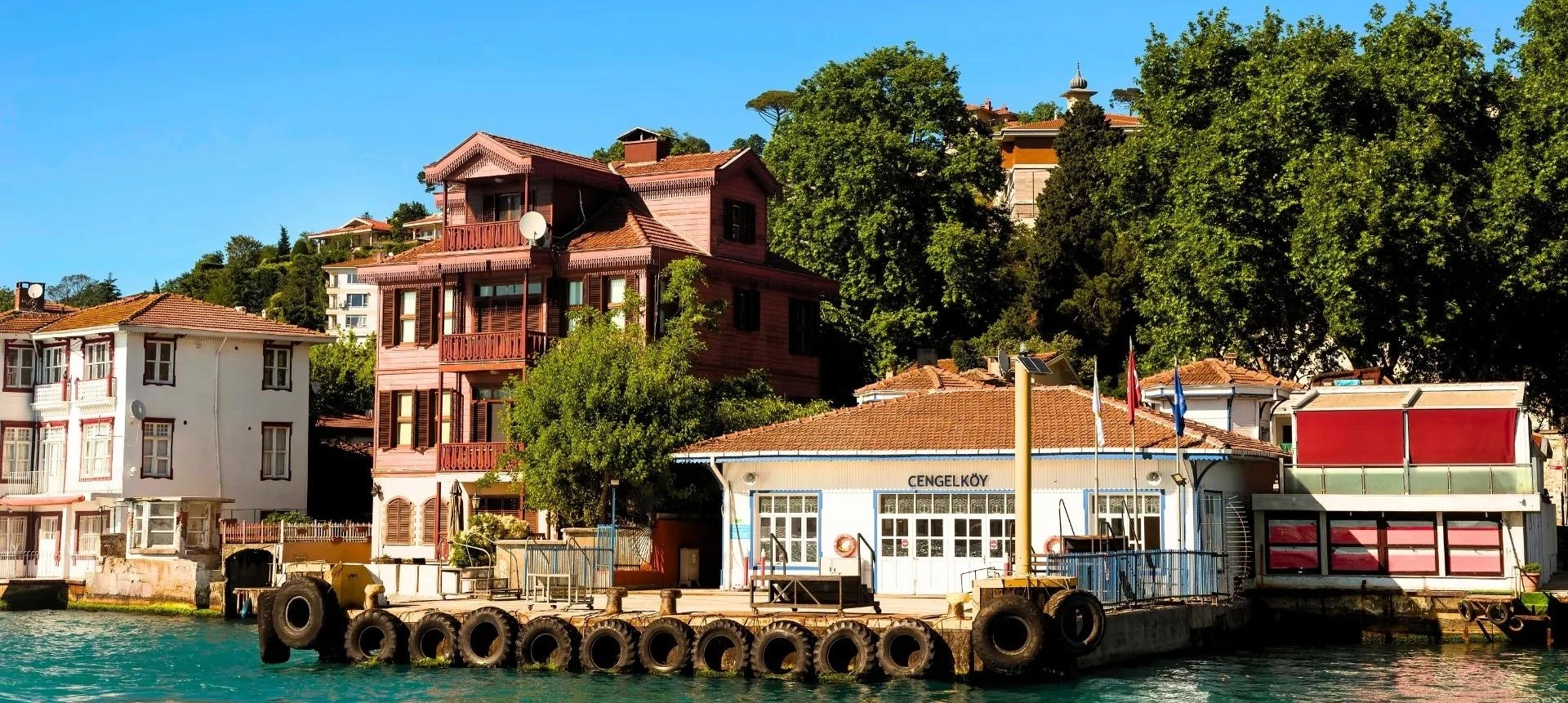
Descend from Çamlıca to the Bosphorus for Çengelköy's historic tea garden, Ottoman houses, local bakeries, religious heritage and waterfront life.
Explore ÇengelköyCombine Çamlıca with Üsküdar, Kuzguncuk, Çengelköy, Beylerbeyi, Kadıköy or other Asian-side districts according to your interests and available time.
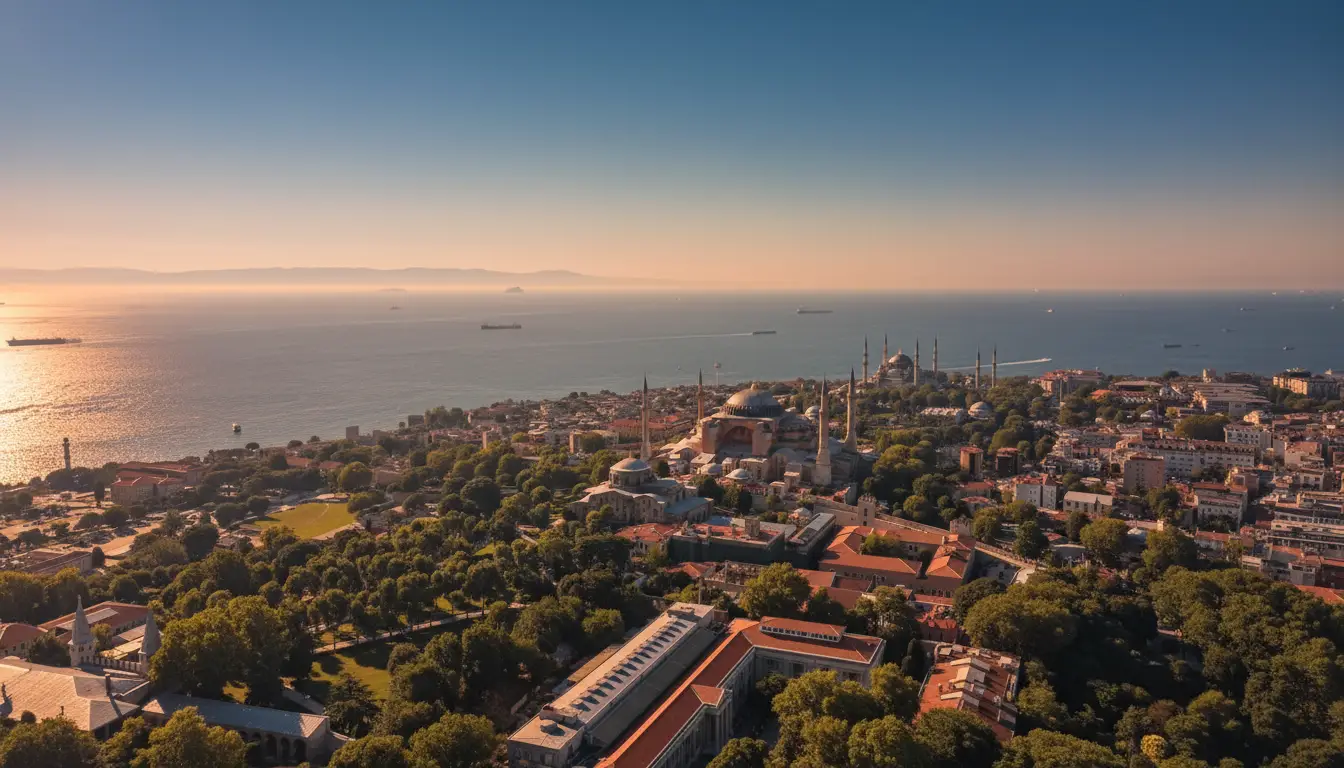
Create a private Istanbul itinerary around Bosphorus neighborhoods, Ottoman history, viewpoints, sacred architecture, multicultural heritage, food and local culture.
View Private Istanbul Tours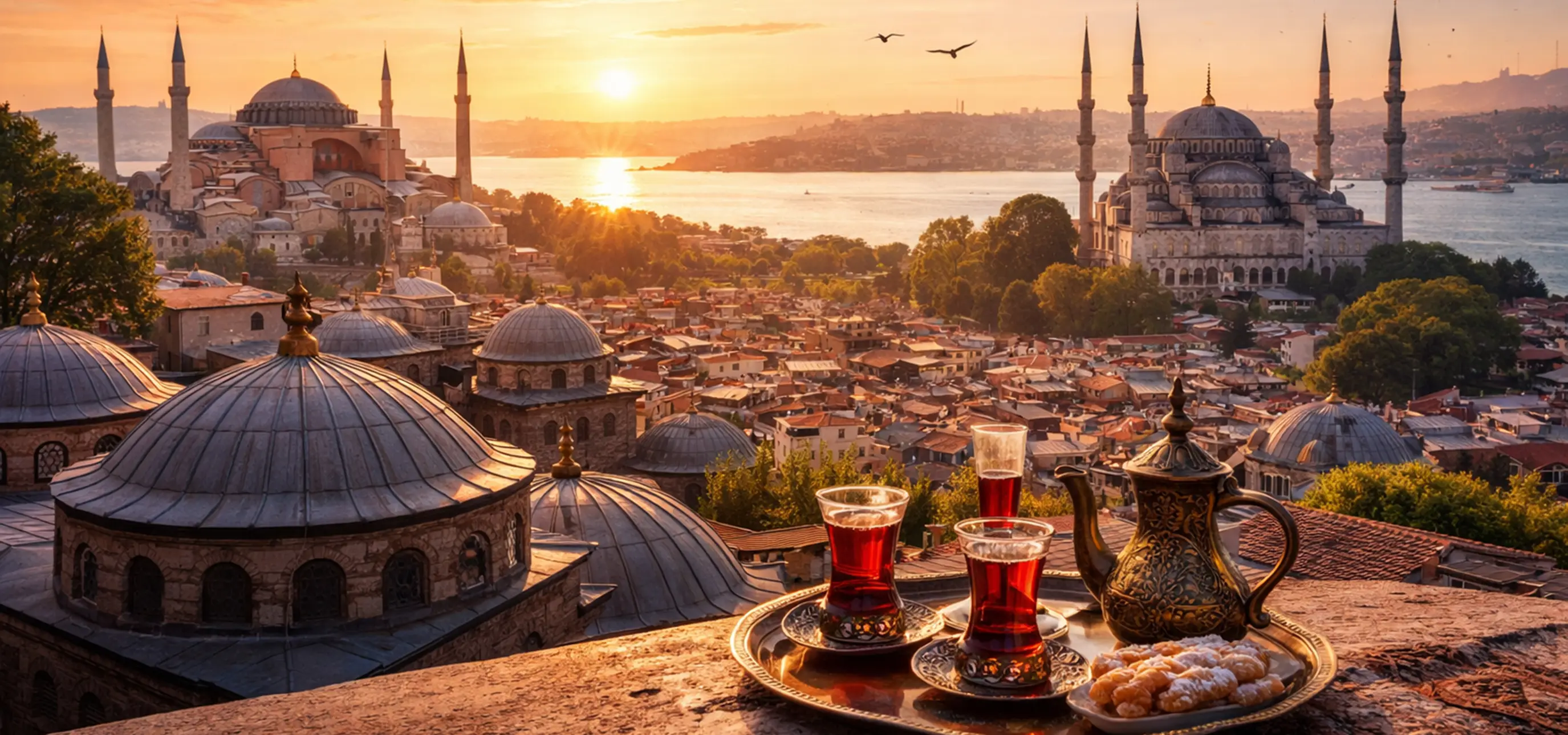
Continue planning with Istanbul's palaces, mosques, churches, museums, bazaars, Bosphorus districts, viewpoints and historic neighborhoods.
Explore Istanbul