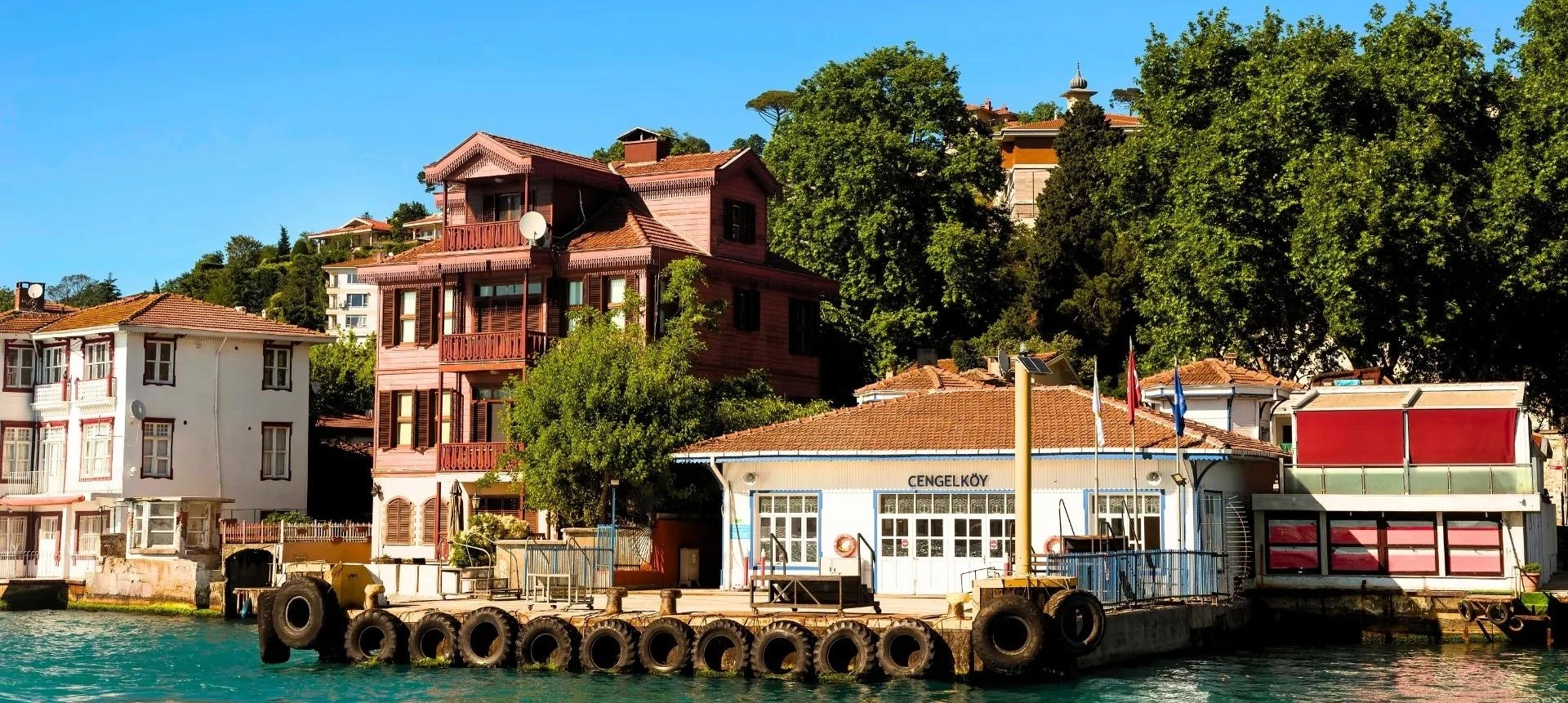
Private Çengelköy Walking Tour
Ask us about a tailor-made private walk through Çengelköy's Bosphorus waterfront, historic tea culture, Ottoman houses, Greek Orthodox heritage, mosques, local bakeries and residential streets.
Request a Custom Tour





Historic Çengelköy lies on Istanbul's Asian shore within the Üsküdar district, north of Beylerbeyi and south of Kuleli. Although today it forms part of the continuous city, its small waterfront square, steep interior streets and surviving historic buildings still preserve the feeling of an old Bosphorus settlement.
The neighborhood is especially known for Tarihi Çınaraltı, its monumental plane tree, traditional tea-garden culture, Ottoman waterfront houses, small mosques, Aya Yorgi Greek Orthodox Church and the famous Çengelköy cucumber that once grew in gardens on the sunny slopes behind the shore.
Çengelköy is less about monumental sightseeing than atmosphere. The best experience comes from walking slowly between the ferry pier, waterfront cafés, old wooden façades, neighborhood bakeries, historic fountains and narrow streets rising toward the hills.
The area also connects naturally with Beylerbeyi, Kuzguncuk, Kuleli and Üsküdar, making it an excellent stop on a longer route through the Asian side of the Bosphorus.
For travelers interested in Bosphorus scenery, local Istanbul life, Ottoman residential architecture, neighborhood food, photography, religious heritage or a relaxed tea beside the water, Çengelköy is one of the most rewarding small districts to explore.
Sit beneath a centuries-old plane tree beside the Bosphorus and experience one of Istanbul's best-known neighborhood tea traditions.
Historic yalıs, wooden houses, fountains and small religious buildings preserve the architectural memory of the Bosphorus villages.
The small aromatic cucumber once grown on the neighborhood's sunny slopes became so famous that its name remains inseparable from Çengelköy.
Bakeries, tea gardens, fish restaurants, ferry passengers and local residents keep Çengelköy firmly connected to everyday Istanbul life.
Essential information about Çengelköy's location, Bosphorus setting, historic tea garden, Ottoman houses, Greek Orthodox heritage, famous cucumber, transport connections and the easiest way to explore the neighborhood.
On Istanbul's Asian side in Üsküdar, between Beylerbeyi and Kuleli on the Bosphorus.
A historic Bosphorus neighborhood with a compact waterfront center, steep residential streets, cafés, bakeries and old houses.
Tarihi Çınaraltı and its monumental plane tree form the social heart of the waterfront.
Aya Yorgi Greek Orthodox Church preserves an important layer of Çengelköy's historic Rum community.
Hamdullah Paşa Mosque and Hacı Ömer Mosque are among the neighborhood's historic Ottoman religious buildings.
The aromatic Çengelköy cucumber, also called Çengelköy bademi, became one of Istanbul's most famous local agricultural products.
Walk the waterfront and interior lanes slowly, with time for tea, bakery food, architecture and Bosphorus views.
Allow two to three hours, or half a day if combining a relaxed meal, photography and nearby Kuleli or Beylerbeyi.
Çengelköy is important because it preserves the character of an old Bosphorus village that grew around the relationship between water, gardens, residential life and maritime transport.
Its shoreline once contained yalıs, landing places, cafés and small commercial buildings, while the slopes behind the village were filled with gardens, orchards and vegetable plots. The famous Çengelköy cucumber emerged from this productive landscape.
The neighborhood also reflects Istanbul's historical diversity. Muslim and Greek Orthodox residents lived in the district for centuries, leaving mosques, a church, fountains, houses and local traditions within a compact area.
Çengelköy is also valuable for the survival of historic Bosphorus domestic architecture. Buildings such as Sadullah Paşa Yalısı demonstrate the refined timber residential culture that once lined long stretches of the strait.
Today the district remains highly popular, but it has not become a conventional open-air museum. Tea gardens, bakeries, small markets, ferry passengers and residential streets continue to give Çengelköy the rhythm of a living neighborhood.
The Bosphorus shore around modern Çengelköy was inhabited long before the Ottoman period. Byzantine traditions associate the area with settlements and imperial properties on the Asian shore, and some historical sources connect the district with the name Sophianai and a palace associated with the 6th-century imperial court.
After the Ottoman conquest of Constantinople, Çengelköy developed as one of the residential villages along the Bosphorus. Its sheltered bay, water access, fertile valley and connection with Üsküdar supported both settlement and agriculture.
By the 17th century, travelers described a substantial village in which Greek Orthodox residents formed an important part of the population. Muslim residents, palace officials, sailors, craftsmen and wealthy families were also connected with the district.
The Ottoman centuries brought waterfront mansions, gardens, mosques, fountains, landing places and coffeehouses. The neighborhood's shoreline became part of the broader culture of Bosphorus summer residence and excursion.
Çengelköy's protected slopes were especially suitable for vegetable cultivation. The small cucumber later known as Çengelköy bademi or Çengelköy hıyarı became famous across Istanbul for its aroma and flavor.
The 19th century added or rebuilt many structures still associated with the neighborhood, including religious buildings and waterfront residences. Nearby Kuleli also became increasingly important because of the military complex established during the reign of Mahmud II.
During the 20th century, roads, apartment construction and population growth transformed the gardens and much of the old residential landscape. Yet the shoreline center, historic houses, church, mosques, plane tree and Bosphorus views continue to preserve strong links with the village's past.
The area formed part of the suburban and imperial landscape along the Asian Bosphorus.
Çengelköy developed around a sheltered bay, gardens, maritime transport and waterfront residences.
Historical descriptions record a large village with a strong Greek Orthodox population and a smaller Muslim community.
Yalıs, mosques, fountains, gardens and religious buildings shaped the streetscape seen in historical photographs.
Local gardens became celebrated for the small aromatic cucumber identified with the Çengelköy name.
Urbanization reduced gardens and old houses, while the waterfront center survived as a powerful focus of neighborhood identity.
The origin of the name Çengelköy is not completely certain, and several explanations appear in historical writing.
One widely cited explanation connects the name with çengel çapa, a hooked type of ship anchor said to have been produced or found in the area. In this interpretation, the settlement became known as the “village of the hook” or anchor-making village.
Another historical tradition claims that large hooks or anchor-like objects from an earlier period were discovered here after the Ottoman conquest, giving rise to the name.
Older Byzantine names associated with this stretch of the Bosphorus include forms such as Sophianai and other place names recorded by later writers. Their exact relationship to the modern neighborhood remains a subject of historical interpretation.
Çengelköy's charm comes from the contrast between the immense scale of the Bosphorus and the small scale of the neighborhood center.
Around the waterfront, tea gardens, bakeries, cafés, fish restaurants and old façades stand close together. Within minutes, the streets begin climbing inland through residential areas where traces of gardens and older wooden houses still appear between newer buildings.
The historic ferry landing helped connect Çengelköy with the rest of Istanbul long before modern road transport dominated the shoreline. Even today, arriving by water offers the clearest sense of how Bosphorus villages traditionally related to the city.
The neighborhood works best when experienced slowly. A visitor who comes only to photograph the plane tree and immediately leaves misses the quieter streets, old doors, fountains, small mosques and fragments of domestic architecture that reveal Çengelköy's deeper character.
For many Istanbul residents, Tarihi Çınaraltı is inseparable from the identity of Çengelköy.
The tea garden occupies a privileged position beside the Bosphorus beneath the spreading branches of a monumental plane tree. Tables face the water, ferries and cargo ships pass nearby, and the European shore forms a constantly changing background.
The experience is deliberately simple: tea, conversation, breakfast food or pastries, shade and the movement of the Bosphorus. This simplicity is exactly what has made Çınaraltı such an enduring part of Istanbul's social landscape.
The plane tree is often described with impressive age estimates, but exact numbers vary between popular sources. It is more reliable to understand it as a centuries-old monumental tree that has become a visual symbol of the neighborhood.
Morning is especially attractive, when the waterfront is quieter and the light across the Bosphorus is soft. Weekends can be extremely busy, particularly around breakfast and late afternoon.
Early morning on a weekday for calmer tables, softer light and a more local atmosphere.
Turkish tea is the classic choice; many visitors pair it with bakery food or a simple breakfast.
Waterfront tables look directly across the Bosphorus toward the European side.
Çınaraltı represents neighborhood social life rather than a conventional monument or museum.
The Aya Yorgi Greek Orthodox Church, also recorded as Ayios Yeoryios, is one of the most important surviving monuments of Çengelköy's historic Greek community.
The present church is generally dated to 1830 and is associated with an earlier Christian religious site. It stands close to the main neighborhood streets rather than in an isolated complex, reflecting the close relationship between religious and residential life in historic Çengelköy.
The building has a relatively modest exterior compared with Istanbul's large urban churches. Inside, the traditional Orthodox arrangement includes an iconostasis and devotional imagery, while the overall scale suits the former Bosphorus village around it.
The church is an important reminder that Çengelköy was historically home to a substantial Rum Orthodox population. Travelers should understand it as a living or protected religious site rather than simply a sightseeing interior.
Çengelköy's historic mosques are modest neighborhood structures rather than imperial monuments, but they are essential to understanding the district's Ottoman character.
The best known is Hamdullah Paşa Mosque, also associated in historical sources with Abdullah or Hamdullah Paşa. Located close to the waterfront and plane-tree area, it belongs to the intimate scale of old Çengelköy rather than the monumental mosque tradition of central Üsküdar.
Another important building is Hacı Ömer Mosque, connected with an earlier neighborhood mescid. Historical records note repairs supported by members of the Ottoman dynasty and a later rebuilding after a 19th-century fire.
Together these mosques show how everyday religious life was integrated into the residential streets, gardens and shore of the village.
Close to the plane-tree and waterfront area stands Hamdullah Paşa Mosque, one of the structures most closely associated with the historic center of Çengelköy.
The mosque is commonly dated to 1818–1819 and is connected with Hamdullah, or Abdullah, Ağa/Paşa in historical accounts. Its compact wooden character fits the residential scale of the Bosphorus village.
The building's importance comes less from monumental decoration than from setting. Mosque, plane tree, waterfront, landing place and neighboring houses together create one of the clearest surviving examples of a traditional Bosphorus neighborhood center.
Visitors should appreciate the mosque from the street and enter only when appropriate, particularly avoiding busy prayer periods.
Hacı Ömer Mosque preserves another layer of Çengelköy's religious history.
Historical descriptions connect the original neighborhood mescid with a benefactor named Hacı Ömer Efendi. Later repairs were associated with Saliha Sultan, mother of Sultan Mahmud I.
The building suffered destruction in a 19th-century fire and was reconstructed with the support of local residents during the reign of Sultan Abdülhamid II. This history makes the mosque a valuable example of a neighborhood institution repeatedly maintained by community patronage.
Its relatively simple form reflects the modest architecture of a village mosque rather than the ceremonial scale of Istanbul's imperial foundations.
Çengelköy once contained a much denser landscape of wooden houses, waterfront yalıs, gardens and villas than survives today.
The remaining historic buildings show typical features of Bosphorus domestic architecture: timber cladding, projecting upper floors, bay windows, shutters, deep eaves, garden walls and façades designed to take advantage of water views.
Many buildings were lost to fire, road widening, neglect and redevelopment during the 20th century. Others have been restored, altered or reconstructed.
The best way to appreciate the surviving fabric is to leave the immediate waterfront and explore the streets climbing inland, where older houses appear unexpectedly between newer apartment buildings.
Timber cladding and painted surfaces create the warm texture associated with historic Bosphorus neighborhoods.
Projecting upper floors increased interior space and helped residents observe the street or water below.
Older properties often preserve a strong division between public street and private garden.
Waterfront residences were designed around Bosphorus light, breeze, views and boat access.
Residential lanes rise quickly behind the shore, producing changing views across roofs and the Bosphorus.
Many surviving houses remain private homes, so photography should respect residents and property boundaries.
Among Çengelköy's most important architectural monuments is Sadullah Paşa Yalısı, one of the significant surviving wooden waterfront mansions of the Bosphorus.
The yalı dates from the late 18th century and is particularly valuable because substantial elements of its traditional timber residential architecture survived when many comparable Bosphorus houses disappeared.
Historically, a large Ottoman yalı could include separate residential sections, service buildings, gardens, boat access, kitchens and baths. At Sadullah Paşa Yalısı, not every original component survives, but the main residence remains an important document of elite Bosphorus life.
The mansion later became associated with Sadullah Paşa, an Ottoman statesman and diplomat whose name it still carries.
Another historic residence associated with the Çınaraltı area is Abdullah Ağa Yalısı, linked with Bostancıbaşı Abdullah Ağa.
The house is generally dated to the early 19th century and survives with later changes. Its scale and relationship to the waterfront help illustrate the residential character of Çengelköy before modern roads and dense construction altered the shoreline.
Together with the nearby mosque and plane-tree area, the yalı contributes to an unusually concentrated group of structures recalling the neighborhood's Ottoman past.
As with other historic Bosphorus residences, the building should be viewed as private or controlled property unless current access information clearly indicates otherwise.
Few Istanbul neighborhoods are identified so strongly with a vegetable as Çengelköy is with the Çengelköy cucumber.
Traditionally called Çengelköy hıyarı and popularly known as Çengelköy bademi, the variety was prized for its small size, crisp texture and distinctive aroma.
The sunny, sheltered slopes behind the Bosphorus village once contained extensive market gardens. Their microclimate and cultivation traditions helped make the local cucumber famous in Istanbul markets and households.
Urban development gradually consumed most of the agricultural land. As a result, cucumbers sold today under the Çengelköy name are often grown elsewhere, and the true local production landscape has largely disappeared.
Even so, the cucumber remains one of Çengelköy's strongest cultural symbols. It preserves the memory of a time when the Bosphorus villages were not only residential retreats but also important producers of fruit, vegetables and flowers for Istanbul.
Çengelköy hıyarı or Çengelköy bademi.
Small, aromatic and especially associated with the former market gardens behind the village.
Residential construction replaced much of the agricultural land where the original crop was cultivated.
The cucumber is a reminder that historic Istanbul neighborhoods once depended strongly on local agriculture.
The waterfront is the natural center of Çengelköy.
From the shore, visitors can watch ferries, fishing boats, private vessels and large commercial ships moving through one of the world's busiest and most dramatic waterways.
The Çengelköy ferry pier preserves the neighborhood's historical relationship with water transport. Ferry routes and stopping patterns can change, so travelers planning to arrive directly by boat should check the current Istanbul ferry timetable.
The shore is especially atmospheric in early morning and toward sunset. The changing light across the European side, combined with the shade of old trees and the movement of ships, creates some of the neighborhood's strongest photographic scenes.
A longer Bosphorus walk can continue south toward Beylerbeyi and Kuzguncuk, or north toward Kuleli and Vaniköy depending on weather, traffic and pavement conditions.
Çengelköy's food culture is closely tied to the rhythm of a Bosphorus neighborhood: breakfast, bakery food, tea, simple local dishes, fish and long conversations beside the water.
Tea beneath the plane tree or beside the Bosphorus is the classic Çengelköy experience.
Local bakeries and pastry shops make savory börek an easy breakfast or mid-morning stop.
Simit, poğaça and other bakery staples pair naturally with tea on the waterfront.
Breakfast cafés serve eggs, cheeses, olives, tomatoes, bread, jams and tea, especially on weekends.
The Bosphorus setting makes fish restaurants a natural part of the local dining landscape.
A slower coffee stop suits the neighborhood after a waterfront or historic-street walk.
If you see the famous small cucumber in season, remember that the historic local crop is now rare and much production comes from elsewhere.
Restaurants and tea gardens are generally easier to enjoy before the heavy weekend breakfast crowds arrive.
Immediately north of Çengelköy, the waterfront is dominated by the famous silhouette of Kuleli and its historic military-school complex.
The site's modern history began with a barracks established in 1828 during the reign of Sultan Mahmud II for the new Ottoman army created after the abolition of the Janissaries.
Fire, rebuilding, hospital use and later military education transformed the complex during the 19th century. Its twin waterfront towers eventually became one of the most recognizable architectural silhouettes on the Asian Bosphorus.
Kuleli is geographically distinct from the central Çengelköy waterfront, but the two areas are naturally connected in a longer walk or drive along the shore.
Sit beneath the monumental plane tree for tea, Bosphorus views and classic neighborhood atmosphere.
Walk beside the Bosphorus and watch ferries, ships, fishing boats and changing light across the strait.
See the historic transport point that connects the neighborhood with Istanbul's maritime culture.
Discover an important surviving monument of Çengelköy's historic Greek Orthodox community.
See the intimate early-19th-century mosque close to the plane-tree and waterfront area.
Explore another historic neighborhood mosque with layers of Ottoman repair and reconstruction.
Appreciate one of the Bosphorus's important surviving late-18th-century wooden waterfront mansions.
Wander into the residential streets for timber façades, bay windows, garden walls and old Istanbul details.
Pause for börek, simit, pastries or breakfast before returning to the waterfront.
Look for Ottoman water structures that once formed an essential part of daily village life.
Notice how local shops and neighborhood identity still reference the vegetable that made the district famous.
Continue north for one of the most distinctive 19th-century architectural silhouettes on the Bosphorus.
A first-time route should begin at the waterfront, move through the compact historic center and then branch into the residential streets before returning to the Bosphorus.
Çengelköy is primarily a living residential neighborhood. Streets, public waterfront areas and the neighborhood center can be explored freely, but many historic buildings remain private, religious or controlled properties.
Aya Yorgi Church may not maintain regular tourist opening hours. Access should depend on current community arrangements rather than assumptions based on an open gate.
The mosques remain active places of worship. Visitors should avoid prayer times when possible and follow normal mosque etiquette.
Historic yalıs are generally private residences or controlled properties. Do not enter gardens, private docks or courtyards in search of better photographs.
Ferry services may vary by day and season. If arriving or departing directly from Çengelköy pier, check the current timetable rather than relying on an older travel article.
Public streets, the central square and public waterfront viewpoints are free to explore.
Opening depends on worship and community use; exterior appreciation is always possible from public streets.
Active religious spaces; enter respectfully outside prayer.
Most historic waterfront residences are private and should be viewed only from legal public areas.
Expect heavier crowds on weekends, public holidays and warm evenings.
Remain quiet around homes and avoid blocking doors, narrow pavements or vehicle access.
Weekday mornings offer the calmest waterfront, easier tea-garden seating and softer photography light.
The waterfront is easy, but side streets climb sharply and pavements can be narrow or uneven.
Direct boat connections are atmospheric but not every service stops at Çengelköy.
Breakfast places and Çınaraltı can become extremely busy from late morning onward.
Do not enter docks, gardens or gates even when historic buildings are visible from the street.
Avoid long staged sessions outside homes or blocking the narrow center for group photographs.
The Bosphorus can feel noticeably cooler or windier than inland districts, especially in spring and autumn.
Çengelköy works naturally with Beylerbeyi, Kuzguncuk, Kuleli or a broader Üsküdar day.
Best for quiet streets, tea beside the water and photographs before the main crowds arrive.
A good balance between open businesses and a relatively relaxed neighborhood atmosphere.
Green slopes, fresh leaves and mild temperatures make walking especially pleasant.
Long evenings beside the Bosphorus are beautiful, though popular waterfront venues become busy.
Warm light, changing foliage and cooler air suit architectural and waterfront photography.
Cold days can bring a quieter, more local atmosphere and make hot tea beside the water especially appealing.
Enough for the waterfront, Çınaraltı, pier area and a short tea or bakery stop.
Add Aya Yorgi Church exterior, historic mosques and several residential side streets.
Ideal for a relaxed first visit with architecture, tea, photography and local food.
Explore more slowly, include lunch and continue toward Kuleli or nearby Bosphorus neighborhoods.
Allow most of a day to combine Çengelköy with Kuzguncuk and the Üsküdar waterfront.
Combine Üsküdar, Kuzguncuk, Beylerbeyi, Çengelköy and selected northern shoreline stops.
Çengelköy is an excellent neighborhood for Bosphorus, architectural and everyday street photography.
The strongest compositions often combine the water with small-scale neighborhood details: tea glasses, tree branches, ferry silhouettes, wooden façades, minarets, old doors, fishing boats and waterfront tables.
Morning is especially useful because the center is calmer and the Bosphorus light is softer. Late afternoon can produce dramatic reflections and warm tones across the water.
The main ethical challenge is the same as in other popular Istanbul neighborhoods: many photogenic houses are private homes. Doorways, windows, gardens and docks are not public photo studios.
Çınaraltı and the pier area with passing ferries and ships behind the neighborhood.
Side streets and public shoreline viewpoints for wooden houses and yalı details.
Old doors, fountains, timber textures, mosque elements and the church exterior.
Early hours along the waterfront before cafés and roads become crowded.
Late afternoon and sunset as the European shore begins to glow across the Bosphorus.
Tea glasses, ferry passengers, fishing, bakery counters and people enjoying the waterfront from a respectful distance.
Çengelköy's central waterfront is relatively compact, but the neighborhood becomes steep very quickly away from the Bosphorus.
The pier, main waterfront and tea-garden area are the easiest parts for visitors with limited mobility, although narrow pavements, parked vehicles and busy pedestrian periods can create obstacles.
Historic mosques, the church and older buildings may include steps, thresholds or entrances that are not fully accessible.
Visitors seeking a lower-impact route should concentrate on the waterfront center, Çınaraltı and the flatter section around the pier rather than attempting every uphill residential lane.
Çengelköy is straightforward to reach from central Üsküdar and other parts of the Asian side.
For many visitors, the most practical route is to travel to Üsküdar by ferry or M5 metro and continue north by bus or taxi along the Bosphorus.
Some scheduled ferry services also use Çengelköy Pier, creating the most atmospheric arrival when the timetable works with your day. Because routes can change, check current service information before relying on a direct boat.
From Beylerbeyi and Kuzguncuk, Çengelköy is a short distance north along the shoreline. Walking sections can be pleasant, but traffic, pavement quality and weather should be considered.
From Kuleli or Vaniköy, continue south along the Bosphorus road by bus, taxi or selected walking sections.
Cross to Üsküdar by ferry connection, then continue north by bus or taxi.
Take a ferry to Üsküdar and connect with northbound Bosphorus transport.
Use an Asian-side ferry connection where convenient, then continue along the Üsküdar–Beylerbeyi–Çengelköy corridor.
Use the M5 line to Üsküdar, then transfer to a bus or taxi.
Direct Çengelköy pier services are especially scenic, but always confirm the current timetable.
Convenient for short connections, though bridge and Bosphorus traffic can significantly affect travel time.
This route gives enough time to experience Çengelköy's atmosphere without turning a small neighborhood into a rushed checklist.
Çengelköy itself rarely requires a full day, but it fits perfectly into a broader exploration of the Asian Bosphorus.
Continue south for the 19th-century palace, waterside streets and another classic Asian Bosphorus neighborhood.
Explore colorful houses, synagogues, churches, mosques, a community garden and one of Istanbul's most distinctive multicultural neighborhoods.
Continue south for Ottoman mosques, markets, ferries and a magnificent waterfront facing the Historic Peninsula.
Travel north for the iconic waterfront military-school architecture and a quieter stretch of the Asian Bosphorus.
Continue along the northern shore for historic waterfront houses, mosque architecture and residential Bosphorus scenery.
Explore another historic village further north, known for traditional houses, waterfront views and Bosphorus atmosphere.
Climb above Üsküdar for broad views across the Bosphorus and Istanbul skyline.
Return toward Salacak for one of Istanbul's most famous landmarks and sunset waterfront views.
Continue planning with Istanbul's palaces, mosques, churches, museums, bazaars and historic neighborhoods.
Çengelköy is on the Asian side of Istanbul in the Üsküdar district, along the Bosphorus between Beylerbeyi and Kuleli.
Çengelköy is famous for Tarihi Çınaraltı, its waterfront tea culture, Ottoman houses and yalıs, Aya Yorgi Church, historic mosques and the Çengelköy cucumber.
Yes. It is one of the best Asian-side neighborhoods for experiencing Bosphorus scenery, local life, tea culture and surviving Ottoman residential heritage without the scale of a major tourist center.
Allow two to three hours for a relaxed first visit, or half a day if you want lunch, photography and a continuation toward Kuleli or Beylerbeyi.
It is the famous waterfront tea-garden area beneath a monumental plane tree, widely considered the social heart of Çengelköy.
Popular sources give different age estimates. The safest description is that it is a centuries-old monumental plane tree deeply associated with the neighborhood's identity.
The Çengelköy cucumber, also called Çengelköy bademi, is a traditionally small and aromatic cucumber variety once grown extensively in gardens on the slopes behind the neighborhood.
Only very limited local cultivation remains. Urban development replaced most of the historic gardens, and many cucumbers sold under the Çengelköy name are now grown elsewhere.
Access may depend on worship and community arrangements. Do not assume regular museum-style opening hours; exterior viewing from the public street is the safest plan.
Hamdullah Paşa Mosque and Hacı Ömer Mosque are among the neighborhood's most important historic Muslim religious buildings.
It is an important late-18th-century wooden Bosphorus mansion in Çengelköy and one of the significant surviving examples of Ottoman waterfront residential architecture.
It should not be treated as a conventional public museum. View it responsibly from legal public areas unless current official information specifically announces access.
Some scheduled ferry services use Çengelköy Pier, but stopping patterns and routes can change. Check the current Istanbul ferry timetable before planning a direct boat journey.
Travel to Üsküdar by ferry or M5 metro, then continue north by bus or taxi along the Bosphorus.
Çengelköy is on the Asian side of Istanbul within Üsküdar municipality.
Yes. The neighborhood is popular for tea, börek, bakery food and Bosphorus breakfast, especially around the waterfront.
Weekday mornings are generally the quietest time for the waterfront, tea garden and residential streets.
Yes, particularly around breakfast and late afternoon. Çınaraltı and nearby cafés can become very busy on Saturdays and Sundays.
Yes. The waterfront is relatively level, but many interior streets rise steeply toward the hills behind the Bosphorus.
Yes. They make an excellent combined Asian-side route. Visit Kuzguncuk, continue through Beylerbeyi and finish in Çengelköy for tea beside the Bosphorus.
Yes. Kuleli lies immediately north and is a natural continuation for Bosphorus views and exterior appreciation of the historic military-school complex.
No. Public streets and waterfront areas are free. Individual religious or private historic buildings may have restricted or controlled access rather than standard tourist ticketing.
Do not enter gardens, docks, gates or doorways simply because a historic house is photogenic.
Give priority to religious services and community use inside churches and mosques.
Busy pavements and narrow passages should not be blocked for long photo sessions or large groups.
Historic waterfront houses are often private residences and should be viewed from public space only.
Avoid climbing, carving, tying objects to branches or otherwise damaging the monumental tree.
Tea gardens, bakeries, small shops and neighborhood restaurants help maintain Çengelköy's living character.
Discover Çengelköy through a private route shaped around Bosphorus history, Ottoman residential architecture, neighborhood culture, religious heritage, local food, photography and everyday Istanbul life — without compulsory shopping stops.
Build a private route through the waterfront, Tarihi Çınaraltı, Aya Yorgi Church, historic mosques, old houses, yalı viewpoints, bakeries and neighborhood streets, with pacing adapted to your interests.
Ask us about a tailor-made private walk through Çengelköy's Bosphorus waterfront, historic tea culture, Ottoman houses, Greek Orthodox heritage, mosques, local bakeries and residential streets.
Request a Custom Tour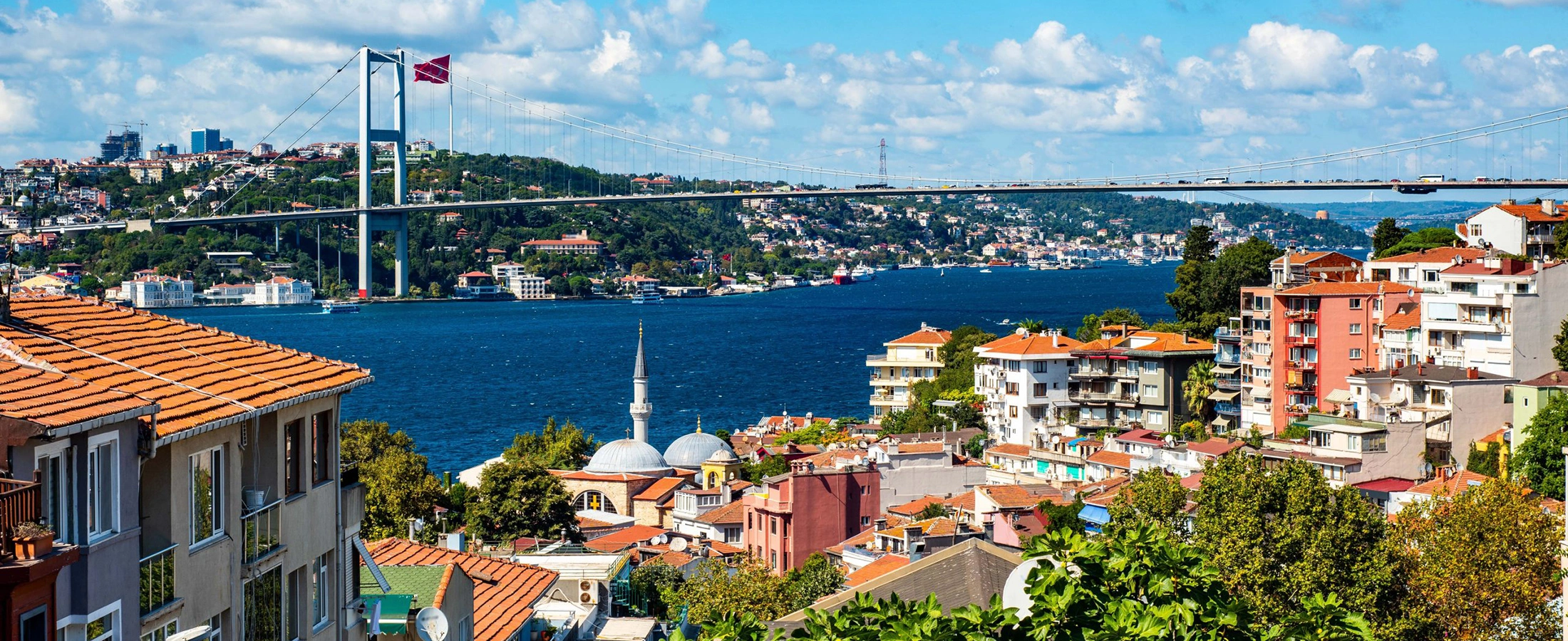
Extend your Çengelköy visit south toward Kuzguncuk's colorful houses, synagogues, Armenian and Greek churches, community garden and Bosphorus neighborhood life.
Explore KuzguncukCombine Çengelköy with Üsküdar, Kuzguncuk, Beylerbeyi, Kuleli, Çamlıca or other Asian-side districts according to your interests and available time.
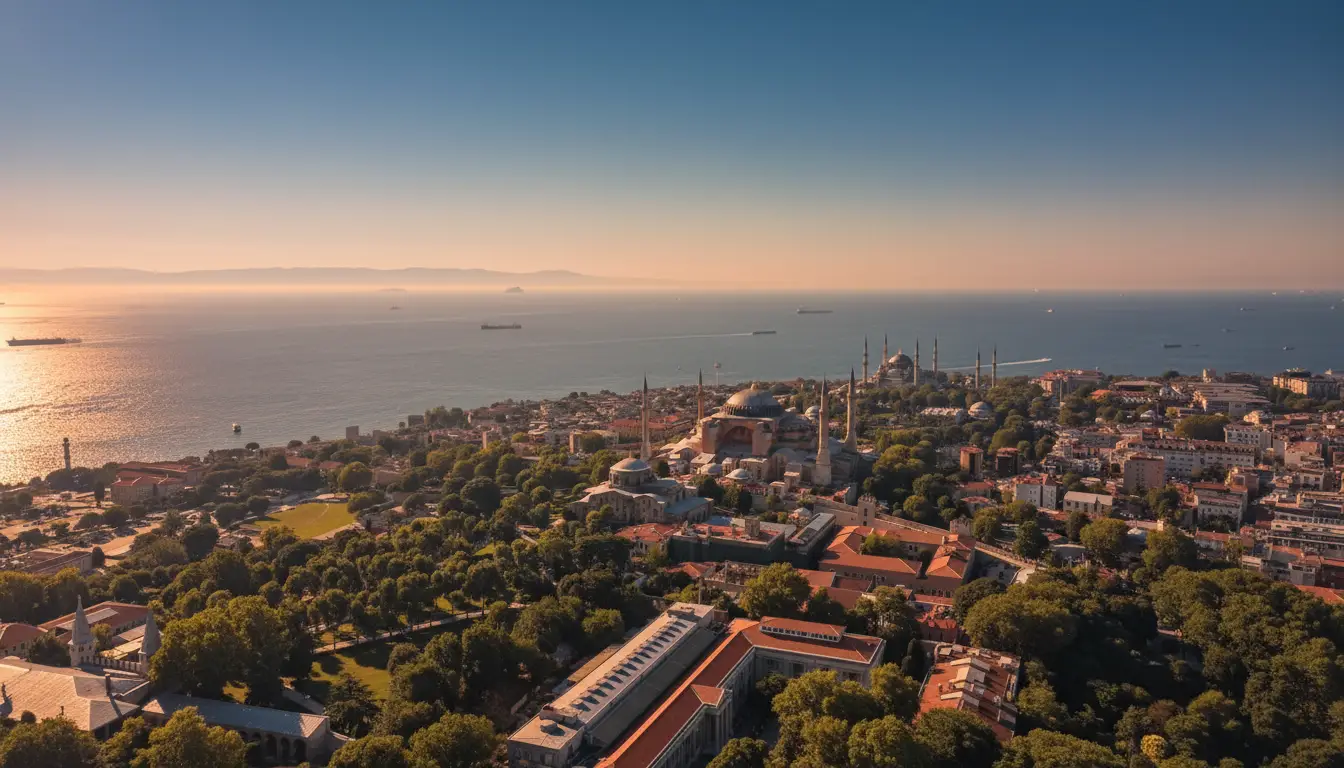
Create a private Istanbul itinerary around Bosphorus neighborhoods, Ottoman history, sacred architecture, multicultural heritage, food, photography and local culture.
View Private Istanbul Tours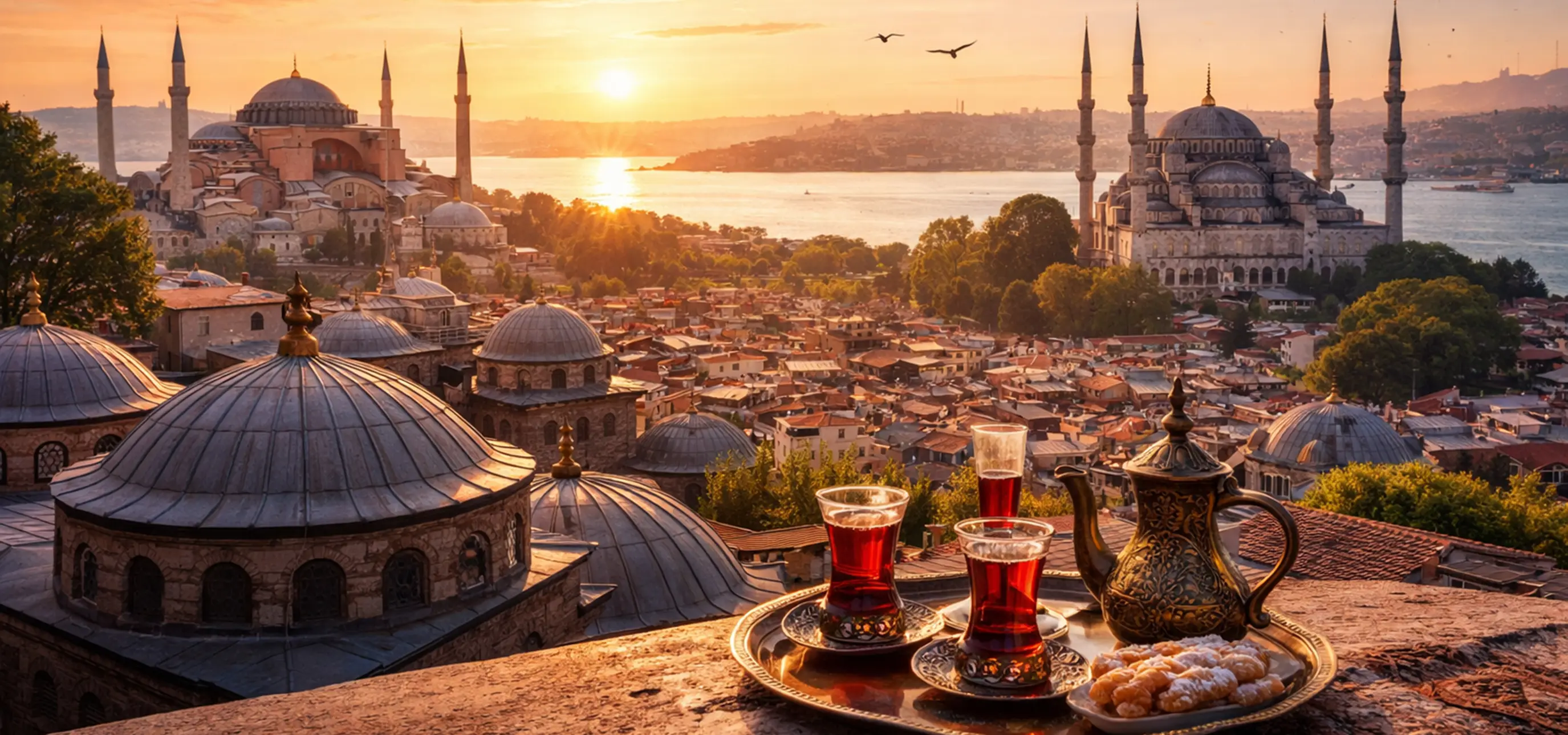
Continue planning with Istanbul's palaces, mosques, churches, museums, bazaars, Bosphorus districts and historic neighborhoods.
Explore Istanbul