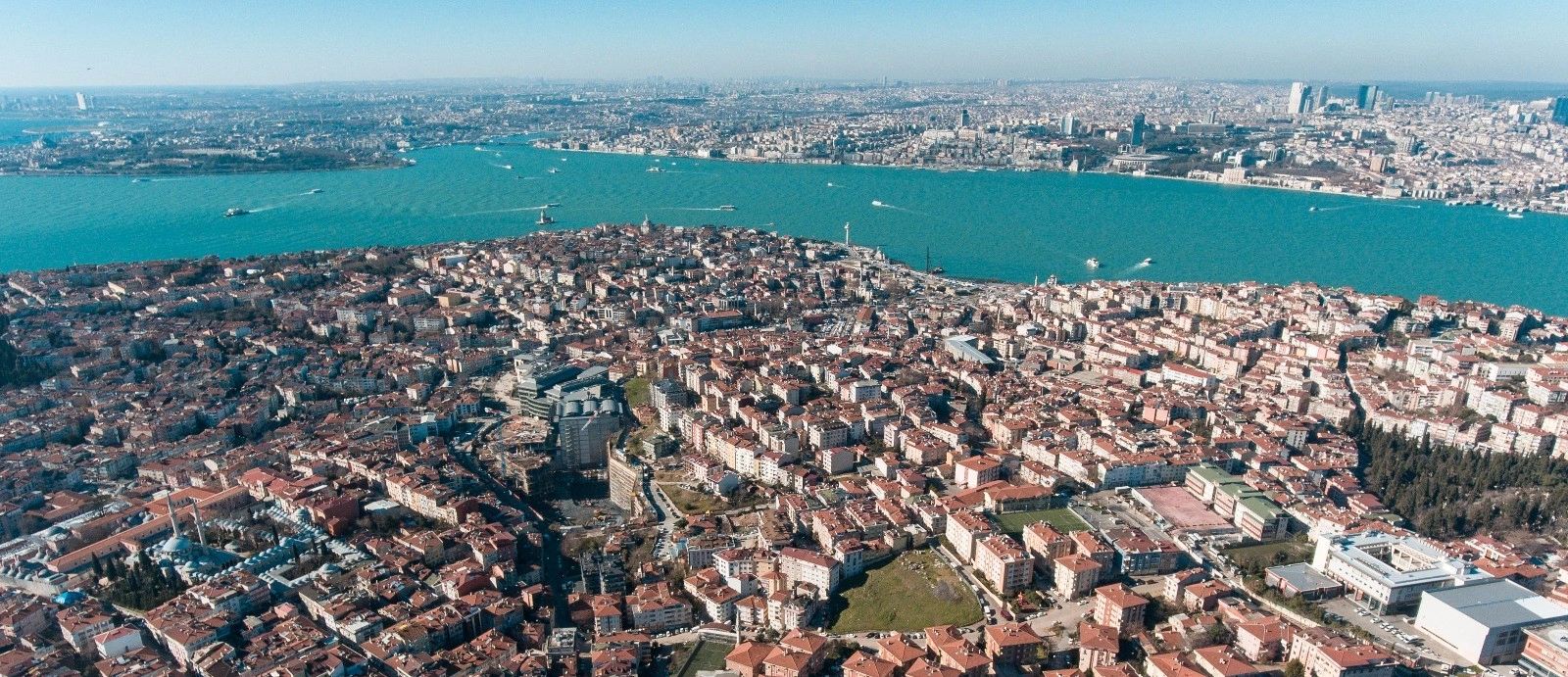
Private Üsküdar & Asian Bosphorus Walking Tour
Ask us about a tailor-made private walk through Üsküdar's Ottoman mosques, sacred sites, market streets, Maiden's Tower viewpoints, Bosphorus waterfront and local neighborhoods.
Request a Custom Tour





Historic Üsküdar occupies one of the most important sections of Istanbul's Asian Bosphorus shore. Facing the Historic Peninsula and the European city across the water, it has served for centuries as a ferry landing, pilgrimage route, military crossing point, market center and gateway toward Anatolia.
Its history reaches back to antiquity, when the settlement was known as Chrysopolis. During the Byzantine period it remained strategically important opposite Constantinople, while under the Ottomans it developed into one of the empire's most beautiful waterfront districts.
Üsküdar became especially associated with imperial women, religious foundations and monumental mosque complexes. Works commissioned by Mihrimah Sultan, Nurbanu Sultan, Kösem Sultan and Gülnuş Emetullah Sultan helped create an extraordinary architectural landscape of mosques, schools, fountains, baths, charitable institutions and gardens.
At the same time, Üsküdar has always remained intensely local. Ferries arrive throughout the day, fishermen line the waterfront, commuters move between the metro, Marmaray and boat terminals, and market streets continue to serve residents rather than functioning primarily as tourist attractions.
For travelers interested in Ottoman architecture, Bosphorus views, sacred history, ferry culture, photography, traditional neighborhoods and everyday Istanbul, Üsküdar offers one of the richest experiences on the Asian side.
The Salacak waterfront offers one of Istanbul's most famous views, with the Maiden's Tower framed against the Historic Peninsula.
Mihrimah Sultan, Şemsi Pasha, Yeni Valide and Atik Valide preserve centuries of imperial architecture and religious life.
Üsküdar remains one of Istanbul's busiest ferry centers and one of the most enjoyable places to watch Bosphorus traffic.
Markets, bakeries, tea gardens, neighborhood restaurants and residential streets provide a distinctly local atmosphere.
Essential information about Üsküdar's location, Bosphorus waterfront, Ottoman monuments, Maiden's Tower, ferry connections, local markets and the easiest ways to explore the historic center.
On Istanbul's Asian side, directly opposite the Historic Peninsula and the European Bosphorus shore.
A historic waterfront district combining ferries, mosques, markets, neighborhoods, parks and Bosphorus promenades.
Mihrimah Sultan Mosque, Şemsi Pasha Mosque, Yeni Valide Mosque and Atik Valide Mosque.
The Maiden's Tower rises just offshore from Salacak and forms one of Istanbul's most recognizable views.
Ferry is the most atmospheric option, although Marmaray and the M5 metro make Üsküdar extremely easy to reach.
The streets behind the ferry piers contain markets, bakeries, restaurants, produce sellers and everyday neighborhood commerce.
Salacak waterfront for the Maiden's Tower, Hagia Sophia, Topkapı Palace and sunset over the European shore.
Allow three to four hours for central Üsküdar, or a full day with Kuzguncuk, Beylerbeyi and Çamlıca.
Üsküdar is important because it has functioned for more than two thousand years as one of the principal gateways between Constantinople, the Bosphorus and Anatolia.
Its location directly opposite the historic city gave it enormous strategic value. Armies, merchants, pilgrims, officials and travelers moving eastward from Constantinople frequently crossed the Bosphorus and began their Anatolian journeys from the Üsküdar shore.
Under the Ottomans, this geographical importance was reinforced by monumental architecture. Members of the dynasty established mosque complexes, fountains, schools, baths and charitable foundations throughout the district.
Üsküdar also developed a particularly strong spiritual character. Mosques, dervish lodges, cemeteries, tombs and pilgrimage traditions became woven into everyday neighborhood life.
Today it remains one of Istanbul's great transport centers, but the historic pattern is still recognizable: people arrive by water or rail, move through the market streets and disperse toward the neighborhoods and routes of the Asian side.
The history of Üsküdar begins long before the Ottoman period. The ancient settlement was known as Chrysopolis, traditionally interpreted as the “City of Gold.”
Its position opposite Byzantion and later Constantinople made the shore strategically important for taxation, shipping, military campaigns and the movement of people between Europe and Asia.
In the Roman and Byzantine periods, the settlement remained an important suburb and crossing point. Western sources later commonly referred to the area as Scutari, a name that continued to appear on European maps for centuries.
After the Ottoman conquest of Constantinople in 1453, Üsküdar expanded rapidly. Its importance as the starting point for roads leading toward Anatolia, Syria, Persia and the pilgrimage routes to the holy cities made it one of the empire's principal departure points.
During the 16th century, the district was transformed by major architectural foundations. Mihrimah Sultan, daughter of Sultan Süleyman the Magnificent and Hürrem Sultan, commissioned the great waterfront mosque complex that still dominates the ferry area.
Further inland, Nurbanu Sultan established the monumental Atik Valide Complex, one of the great works associated with Mimar Sinan and one of the most important Ottoman charitable foundations on the Asian side.
The 17th and 18th centuries brought additional mosques, fountains and urban development. Waterfront residences and gardens gradually extended north toward Kuzguncuk, Beylerbeyi and Çengelköy.
During the late Ottoman and Republican periods, Üsküdar continued expanding inland while retaining its ferry-centered historic core. Modern rail connections have strengthened its old function as a transfer point between the two continents.
The settlement occupied a strategic position on the Asian shore opposite ancient Byzantion.
The area served as a suburban settlement and military crossing point opposite Constantinople.
Üsküdar became a major departure point for travelers, armies, caravans and pilgrims heading into Anatolia.
Mihrimah Sultan and Nurbanu Sultan transformed the district through monumental architectural foundations.
Mosques, palaces, mansions, fountains and villages gradually spread along the Bosphorus shore.
Ferries, Marmaray and metro connections preserve the district's centuries-old role as a transportation gateway.
The modern name Üsküdar developed through a long sequence of ancient, Byzantine and Ottoman place names.
The settlement was known in antiquity as Chrysopolis. In later Byzantine and European usage, names resembling Skoutarion, Scutarion and Scutari became associated with the area.
The Turkish form Üsküdar is generally connected with these medieval names rather than being a completely separate invention of the Ottoman period.
As with many ancient place names that passed through Greek, Latin, Byzantine and Turkish usage, the precise linguistic path is complex and has produced several scholarly interpretations.
Few places reveal Istanbul's relationship with the Bosphorus as clearly as the Üsküdar waterfront.
Ferries arrive and depart constantly, connecting the district with the European shore and other Bosphorus neighborhoods. Commuters, students, residents and visitors pass through the same waterfront space throughout the day.
Looking west from Üsküdar provides one of the most complete panoramas of historic Istanbul. Depending on your position, the skyline can include Topkapı Palace, Hagia Sophia, the Blue Mosque, Galata and the domes and minarets of the Historic Peninsula.
The waterfront is also deeply social. People sit beside the water with tea, fishermen line sections of the promenade, birds gather around ferry terminals and the sound of boats defines the atmosphere.
For first-time visitors, arriving by ferry from the European side is one of the best introductions to Üsküdar.
The most famous landmark associated with Üsküdar is the Maiden's Tower, known in Turkish as Kız Kulesi.
The small tower stands on an islet in the Bosphorus just offshore from Salacak. Structures on the site have served different purposes over the centuries, including defensive, customs, quarantine and lighthouse functions.
The tower is also surrounded by legends. The best-known Turkish story tells of a ruler who placed his daughter inside the tower after a prophecy predicted that she would die from a snakebite.
For many travelers, however, the greatest attraction is simply the view. From Salacak, the Maiden's Tower appears against the silhouettes of Topkapı Palace, Hagia Sophia and the Historic Peninsula.
Late afternoon and sunset can be especially beautiful as the sun descends behind European Istanbul.
Standing beside the ferry terminals, Mihrimah Sultan Mosque is one of Üsküdar's defining monuments.
The mosque was commissioned by Mihrimah Sultan, daughter of Sultan Süleyman the Magnificent and Hürrem Sultan, and designed by the great Ottoman architect Mimar Sinan.
Because of its waterfront location, the complex is also popularly known as the İskele Mosque, or Pier Mosque.
Its broad dome, elegant proportions and prominent position create a monumental entrance to the Asian side for passengers arriving by ferry.
The original complex included additional charitable and educational buildings, reflecting the Ottoman tradition of combining worship with public services.
The mosque remains active. Visitors should enter respectfully, dress appropriately and avoid tourist visits during congregational prayer.
A short walk along the waterfront brings you to one of the smallest and most elegant works of Mimar Sinan: the Şemsi Pasha Mosque.
The mosque was commissioned in the 16th century by Şemsi Ahmed Pasha and occupies an extraordinary position directly beside the Bosphorus.
Its intimate scale distinguishes it from Istanbul's great imperial mosque complexes. A compact prayer hall, courtyard and surrounding structures create a harmonious relationship between stone architecture and the water.
Because boats pass immediately in front of the complex and the European skyline stretches across the horizon, this is one of the most atmospheric mosque settings in Istanbul.
The surrounding waterfront also makes Şemsi Pasha an easy addition to a walk between central Üsküdar and Salacak.
Close to the ferry center stands another major Üsküdar monument: the Yeni Valide Mosque.
The complex was commissioned in the early 18th century for Gülnuş Emetullah Sultan, mother of Ottoman sultans Mustafa II and Ahmed III.
Its elegant domes, slender minarets, courtyard and surrounding structures make it one of the strongest examples of early 18th-century Ottoman religious architecture on the Asian side.
The mosque also illustrates the major role played by imperial women in shaping Üsküdar. Across several centuries, royal mothers, daughters and consorts established some of the district's most important religious and charitable complexes.
Because Yeni Valide lies very close to the ferry terminals and market streets, it can easily be included in even a short visit.
Further uphill from the waterfront, Atik Valide Mosque anchors one of Üsküdar's most important historic neighborhoods.
The great complex was commissioned by Nurbanu Sultan, mother of Sultan Murad III, and designed under the direction of Mimar Sinan.
Rather than functioning only as a mosque, Atik Valide formed a large külliye, or charitable complex. Its institutions historically included education, food distribution, accommodation, healthcare and other community functions.
The complex reflects the scale of Ottoman charitable urbanism at its height. Religious devotion, imperial patronage and social infrastructure were combined within the same architectural project.
The uphill location also offers a very different experience from the ferry district. Streets are quieter, the urban fabric feels more residential and traces of older Ottoman Üsküdar become easier to appreciate.
Üsküdar has long been associated not only with imperial architecture but also with Sufi and devotional traditions.
One of the district's most important spiritual figures is Aziz Mahmud Hüdayi, a highly influential Ottoman Sufi teacher who lived around the turn of the 17th century.
His complex contains a mosque and tomb and remains an active place of devotion. Visitors may encounter worshippers coming specifically to pray and pay respects at the shrine.
The site provides an important reminder that Ottoman monuments were not created only as architectural statements. Many remain deeply connected with living religious practices.
The commercial streets behind Üsküdar's ferry piers form one of the best places on the Asian side to experience everyday Istanbul.
Rather than functioning as a monumental covered bazaar, the market spreads through ordinary streets filled with fruit and vegetable sellers, fishmongers, bakeries, butchers, dessert shops, restaurants and small neighborhood businesses.
The constant movement of commuters gives the area a different rhythm from tourism-centered districts. Residents stop for bread, shop for dinner, drink tea and move between ferries, buses and rail connections.
This is an excellent place to wander without a strict sightseeing agenda. Look into side streets, stop at a bakery and allow the neighborhood itself to become part of the experience.
Üsküdar offers a wide range of traditional and everyday Istanbul food, often with a stronger local character than heavily touristic districts.
The Bosphorus setting makes fish a natural choice, especially around the waterfront and market area.
Grilled meatballs are widely available and work well for a simple neighborhood lunch.
A practical choice in the busy streets surrounding the transport hub.
Cheese, meat, spinach and potato pastries are ideal for breakfast or a quick snack.
Buy a sesame-coated simit and take it toward the waterfront for a classic Istanbul experience.
Many local cafés serve eggs, cheeses, olives, bread, tomatoes and tea.
Baklava, sütlaç and other milk or syrup desserts are easy to find around central Üsküdar.
Tea overlooking the Maiden's Tower and Historic Peninsula is one of Üsküdar's simplest pleasures.
South of central Üsküdar, the waterfront neighborhood of Salacak provides one of the most celebrated views in Istanbul.
The promenade looks toward the Maiden's Tower and beyond it to the domes and minarets of the Historic Peninsula.
As the sun descends toward the European side, silhouettes of mosques, palaces and minarets gradually emerge against the changing sky.
The atmosphere is informal. Residents sit beside the water, fishermen watch their lines, couples walk along the promenade and tea is served close to the Bosphorus.
For photographers, Salacak is one of the strongest reasons to remain in Üsküdar until late afternoon.
North of central Üsküdar lies Kuzguncuk, one of Istanbul's most distinctive historic neighborhoods.
Its narrow streets preserve colorful wooden houses, small gardens, cafés and religious buildings associated with Muslim, Jewish, Greek Orthodox and Armenian communities.
The neighborhood is frequently celebrated as a symbol of Istanbul's layered multicultural history. Mosques, churches and synagogues stand within a relatively small area.
Kuzguncuk has become increasingly popular with visitors, but it remains residential. The best experience comes from walking quietly through side streets rather than treating every house as a photography backdrop.
From central Üsküdar, Kuzguncuk makes an excellent extension before continuing north toward Beylerbeyi.
Further north along the Üsküdar Bosphorus shore stands Beylerbeyi Palace, one of the most important 19th-century Ottoman palaces on the Asian side.
Built during the reign of Sultan Abdülaziz, the palace served as an imperial summer residence and as prestigious accommodation for visiting foreign rulers and dignitaries.
Its waterfront location provides a fascinating comparison with Dolmabahçe Palace on the opposite shore.
The palace is particularly striking from the Bosphorus, with the modern bridge rising nearby and emphasizing the contrast between imperial Istanbul and the contemporary city.
Beylerbeyi is ticketed separately from the public streets of Üsküdar, so check current National Palaces visitor information before planning an interior visit.
The hills rising behind Üsküdar provide some of the widest panoramas in Istanbul.
Çamlıca Hill has long been known for its elevated views across the Bosphorus, European Istanbul and the surrounding metropolitan landscape.
The area is also home to the monumental Great Çamlıca Mosque, whose enormous scale and elevated position make it visible from many parts of Istanbul.
Çamlıca is too far uphill to combine naturally with a simple central Üsküdar walking route. Metro, bus or taxi connections are more practical.
For visitors interested in panoramic photography, however, the elevated perspective reveals Istanbul as a city divided and connected by water in a way that cannot be experienced from street level.
Watch ferries cross the Bosphorus while enjoying one of Istanbul's finest European-side panoramas.
See Istanbul's legendary offshore tower from the Salacak waterfront.
Discover Mimar Sinan's monumental waterfront mosque beside the ferry terminals.
Visit one of Sinan's most intimate Bosphorus mosque complexes.
Explore an elegant early 18th-century imperial mosque near Üsküdar's commercial center.
See the great Mimar Sinan complex commissioned for Nurbanu Sultan on the hills above the waterfront.
Experience one of Üsküdar's most important living Sufi and pilgrimage sites.
Explore local food shops, bakeries, fish sellers and everyday commercial streets.
Walk south for iconic Maiden's Tower and Historic Peninsula views.
Discover wooden houses and the multicultural religious heritage of a historic Bosphorus neighborhood.
Visit the elegant 19th-century Ottoman palace beneath the Bosphorus Bridge.
Climb above the city for vast panoramas across both continents and the Bosphorus.
A practical first-time route begins at the ferry piers and moves through the historic center before continuing south along the Bosphorus toward Salacak.
Most of historic Üsküdar can be explored freely because its main attractions are public streets, waterfront promenades, markets and active neighborhoods.
Mosques including Mihrimah Sultan, Şemsi Pasha, Yeni Valide and Atik Valide remain active places of worship. Tourist access may pause before and during prayer.
Attractions such as the Maiden's Tower and Beylerbeyi Palace operate as controlled visitor sites and have separate tickets, schedules and access conditions.
Opening days, admission fees, boat arrangements and restoration conditions can change, so travelers planning specific interiors should check current official information before arrival.
The main streets, waterfront, markets and public squares are free to explore.
Active religious sites with access adjusted around worship.
A controlled attraction with separate access arrangements.
A ticketed National Palaces attraction with its own visiting schedule.
Most active from morning through the early evening.
Accessible throughout the day and particularly atmospheric around sunset.
The approach across the Bosphorus provides one of Istanbul's most memorable urban journeys.
When speed matters, the rail tunnel provides an exceptionally convenient connection between the European and Asian sides.
Dress appropriately, remove shoes where required and avoid sightseeing during prayer.
The waterfront is relatively level, but Atik Valide and inland neighborhoods involve substantial uphill walking.
Late afternoon at Salacak is one of the most rewarding photographic experiences in Istanbul.
Waterfront conditions can feel noticeably cooler than inland areas.
Allow time for ordinary local streets rather than moving only between monuments.
The hill is much easier to reach by public transport or taxi than as an extension of a waterfront walk.
Excellent for quieter mosque visits, ferry photography and local market atmosphere.
Ideal for combining the historic center, mosques and waterfront.
A good opportunity to explore neighborhood restaurants and market food.
Continue toward Kuzguncuk, Beylerbeyi or Çamlıca.
The strongest time for Maiden's Tower views from Salacak.
Enjoy tea, restaurants and illuminated views across the Bosphorus.
Enough for the ferry waterfront, Mihrimah Sultan Mosque and a short market walk.
Add Yeni Valide Mosque, Şemsi Pasha Mosque and the surrounding streets.
Continue south to Salacak for Maiden's Tower views.
Explore central Üsküdar, Salacak and either Atik Valide or Kuzguncuk.
Combine central Üsküdar with Kuzguncuk, Beylerbeyi Palace and Çamlıca.
Continue north through Kuzguncuk, Beylerbeyi and Çengelköy for a deeper exploration of the Asian shore.
Üsküdar offers some of the most recognizable photographic views in all of Istanbul.
The classic composition is from Salacak, where the Maiden's Tower can be framed against the Historic Peninsula.
Closer to the ferry center, boats, seagulls, mosque domes and commuters create excellent opportunities for documentary photography.
Şemsi Pasha Mosque is particularly photogenic because the building appears almost to touch the Bosphorus, while Mihrimah Sultan Mosque provides stronger monumental architecture.
Kuzguncuk offers a completely different atmosphere through wooden houses, gardens, narrow streets and neighborhood details.
Maiden's Tower from Salacak.
Historic Peninsula seen across the Bosphorus.
Şemsi Pasha Mosque directly beside the water.
The markets and ferry streets of central Üsküdar.
Kuzguncuk for wooden architecture and intimate streets.
Late afternoon and sunset from the Salacak waterfront.
Accessibility varies significantly between the central waterfront and the historic hills.
The ferry terminals, main square and sections of the waterfront are relatively level, although heavy pedestrian traffic can make movement slower.
Market streets may contain narrow pavements, delivery activity, curbs and dense crowds.
Routes toward Atik Valide, Bağlarbaşı and other inland neighborhoods climb steeply. Visitors with limited mobility may prefer taxis or public transport for these sections.
Çamlıca should generally be approached using vehicle or rail connections rather than attempting to walk uphill from the Bosphorus.
Üsküdar is one of the easiest districts on Istanbul's Asian side to reach because ferry, metro and suburban rail connections meet close to the historic center.
Ferry remains the most atmospheric choice. Bosphorus services link Üsküdar with major points on the European side, turning the journey into part of the sightseeing experience.
Marmaray provides one of the fastest crossings beneath the Bosphorus. From Sirkeci on the European side, the journey to Üsküdar is extremely convenient for travelers staying near the Historic Peninsula.
The M5 metro begins at Üsküdar and provides access toward inland Asian-side districts, while numerous city buses connect the waterfront with neighborhoods farther north and east.
Taxis can be useful for attractions such as Atik Valide, Çamlıca or Beylerbeyi, particularly if time is limited.
The most scenic way to arrive and an essential part of the Üsküdar experience.
Travel toward Eminönü for a ferry or use Marmaray from nearby Sirkeci.
Marmaray provides a fast direct connection beneath the Bosphorus.
Ferry services make the cross-Bosphorus journey one of the easiest ways to combine the two districts.
Bus, taxi and rail combinations connect the two major Asian-side centers.
Useful for inland hills and attractions that do not fit naturally into the waterfront walking route.
This route combines Üsküdar's strongest Ottoman, neighborhood and Bosphorus experiences without requiring long transfers.
A full day allows you to combine Üsküdar's historic center with some of the most rewarding neighborhoods and monuments along the Asian Bosphorus.
Discover the legendary Bosphorus tower immediately offshore from Salacak.
Explore one of Mimar Sinan's great Ottoman complexes in the historic hills above Üsküdar.
Walk through colorful streets shaped by generations of Muslim, Jewish and Christian residents.
Visit an elegant Ottoman summer palace beside the Bosphorus.
Enjoy sweeping views over the Bosphorus, European Istanbul and the Asian side.
Continue farther north along the Asian Bosphorus to an elegant 19th-century imperial pavilion.
Explore another major Asian-side center known for markets, restaurants, nightlife and local neighborhood culture.
Continue planning with Istanbul's palaces, mosques, churches, museums, bazaars and historic neighborhoods.
Üsküdar is on the Asian shore of the Bosphorus, directly opposite the Historic Peninsula and major sections of European Istanbul.
Yes. Üsküdar is one of the best places to experience Ottoman architecture, Bosphorus views, ferry culture and everyday Asian-side Istanbul.
Üsküdar is famous for the Maiden's Tower, Mihrimah Sultan Mosque, Şemsi Pasha Mosque, historic mosques, ferry piers, Salacak waterfront and spectacular views of the Historic Peninsula.
Yes. The ancient settlement on the site of modern Üsküdar was known as Chrysopolis.
Its position opposite Constantinople made it a major Bosphorus crossing and gateway toward Anatolia for armies, merchants, officials, pilgrims and travelers.
Ferry is the most scenic option, while Marmaray is often the fastest from the Historic Peninsula.
Yes. Marmaray crosses beneath the Bosphorus and provides a very convenient connection between Sirkeci and Üsküdar.
Yes. Ferry services connect Üsküdar with several parts of Istanbul and provide one of the most enjoyable ways to arrive.
Yes. The Maiden's Tower stands on a small Bosphorus islet just offshore from the Salacak section of Üsküdar.
The Salacak waterfront offers the classic land-based view, particularly during late afternoon and sunset.
The mosque was commissioned by Mihrimah Sultan and designed by the celebrated Ottoman architect Mimar Sinan.
Mihrimah Sultan was the daughter of Sultan Süleyman the Magnificent and Hürrem Sultan and one of the most prominent Ottoman imperial women of the 16th century.
Şemsi Pasha Mosque was designed by Mimar Sinan in the 16th century.
Atik Valide is a major Ottoman mosque and charitable complex commissioned by Nurbanu Sultan and associated with Mimar Sinan.
Aziz Mahmud Hüdayi was an influential Ottoman Sufi teacher whose tomb and religious complex remain important places of devotion in Üsküdar.
Yes. Salacak is one of Istanbul's best sunset locations because the sun descends behind the Historic Peninsula and Maiden's Tower.
Very much so. Ferries, Ottoman mosques, the Maiden's Tower, Historic Peninsula skyline, markets and Bosphorus sunsets provide exceptional subjects.
Parts of the waterfront attract many visitors, but Üsküdar remains strongly residential and is used extensively by local commuters, shoppers and families.
You can walk from central Üsküdar to the Salacak waterfront opposite the Maiden's Tower. The tower itself stands offshore.
Yes. Kuzguncuk lies north of central Üsküdar and can be reached by a pleasant Bosphorus-side walk, although buses and taxis are also available.
Yes. They make an excellent half-day or full-day combination, especially for travelers interested in local neighborhoods, architecture and Bosphorus scenery.
Yes. Continue north through Kuzguncuk to Beylerbeyi for the palace and waterfront.
Allow around three to four hours for the historic center and Salacak, or a full day if adding Kuzguncuk, Beylerbeyi and Çamlıca.
No. Public streets, markets, mosque exteriors and waterfront areas can be explored freely. Tickets may be required for individual attractions such as palaces or the Maiden's Tower.
Give priority to prayer and community use inside Üsküdar's active mosques and shrines.
Follow mosque dress requirements and remove shoes where requested.
Ask before taking close portraits of residents, vendors or worshippers.
Kuzguncuk and older Üsküdar neighborhoods are homes rather than outdoor photography studios.
Use neighborhood cafés, bakeries, restaurants and independent shops when exploring.
Dispose of food packaging and drinks responsibly when sitting beside the Bosphorus.
Discover Üsküdar through a private route shaped around Ottoman architecture, the Bosphorus, sacred heritage, neighborhood life, photography and Asian Istanbul culture — without compulsory shopping stops.
Build a private route through Mihrimah Sultan Mosque, Yeni Valide Mosque, Üsküdar Market, Şemsi Pasha Mosque, Salacak and the Maiden's Tower waterfront, with pacing adapted to your interests.
Ask us about a tailor-made private walk through Üsküdar's Ottoman mosques, sacred sites, market streets, Maiden's Tower viewpoints, Bosphorus waterfront and local neighborhoods.
Request a Custom Tour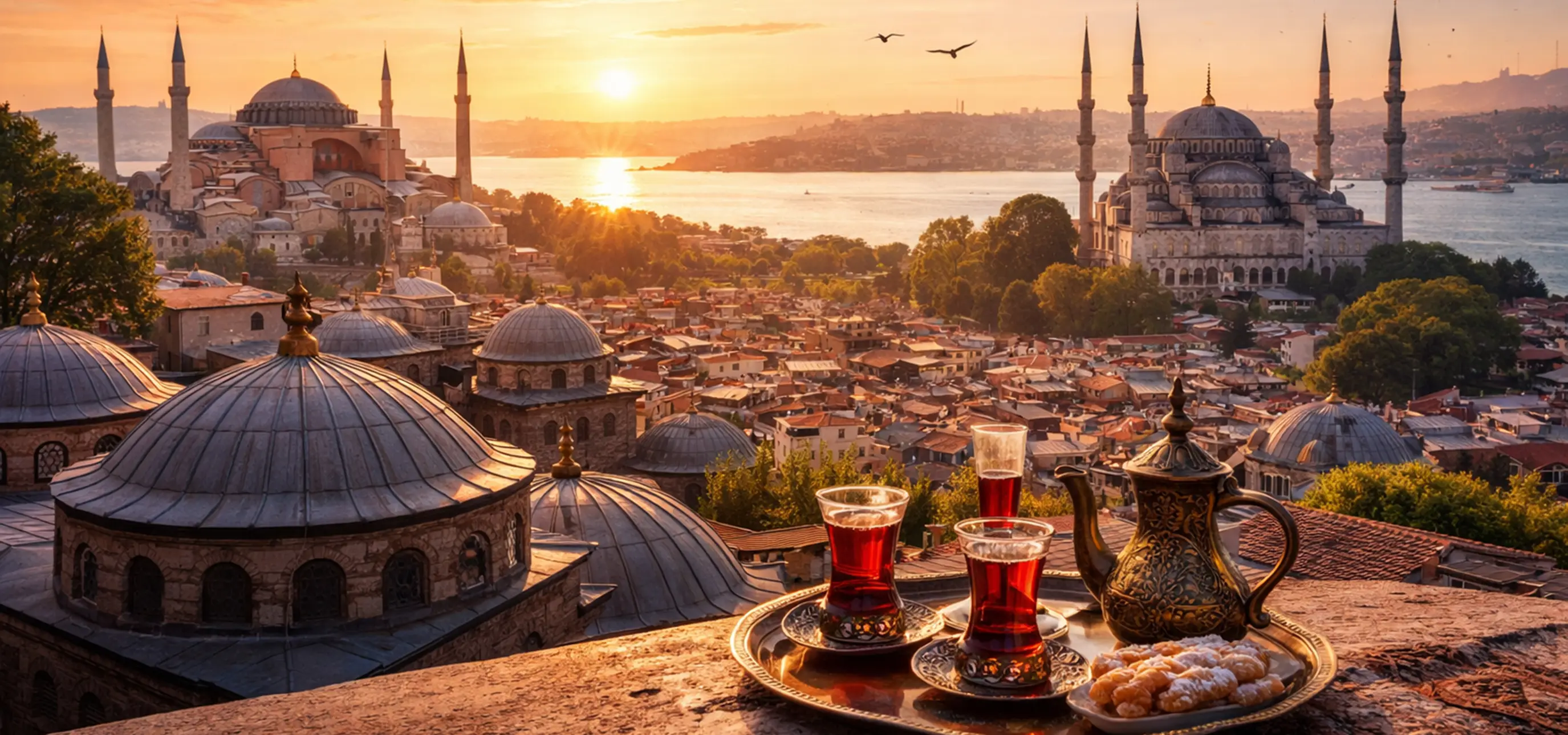
Continue planning with Istanbul's palaces, mosques, churches, museums, bazaars, Bosphorus districts, Byzantine monuments and historic neighborhoods.
Explore IstanbulCombine historic Üsküdar with Salacak, Kuzguncuk, Beylerbeyi Palace, Çamlıca or other Asian-side neighborhoods according to your interests and available time.
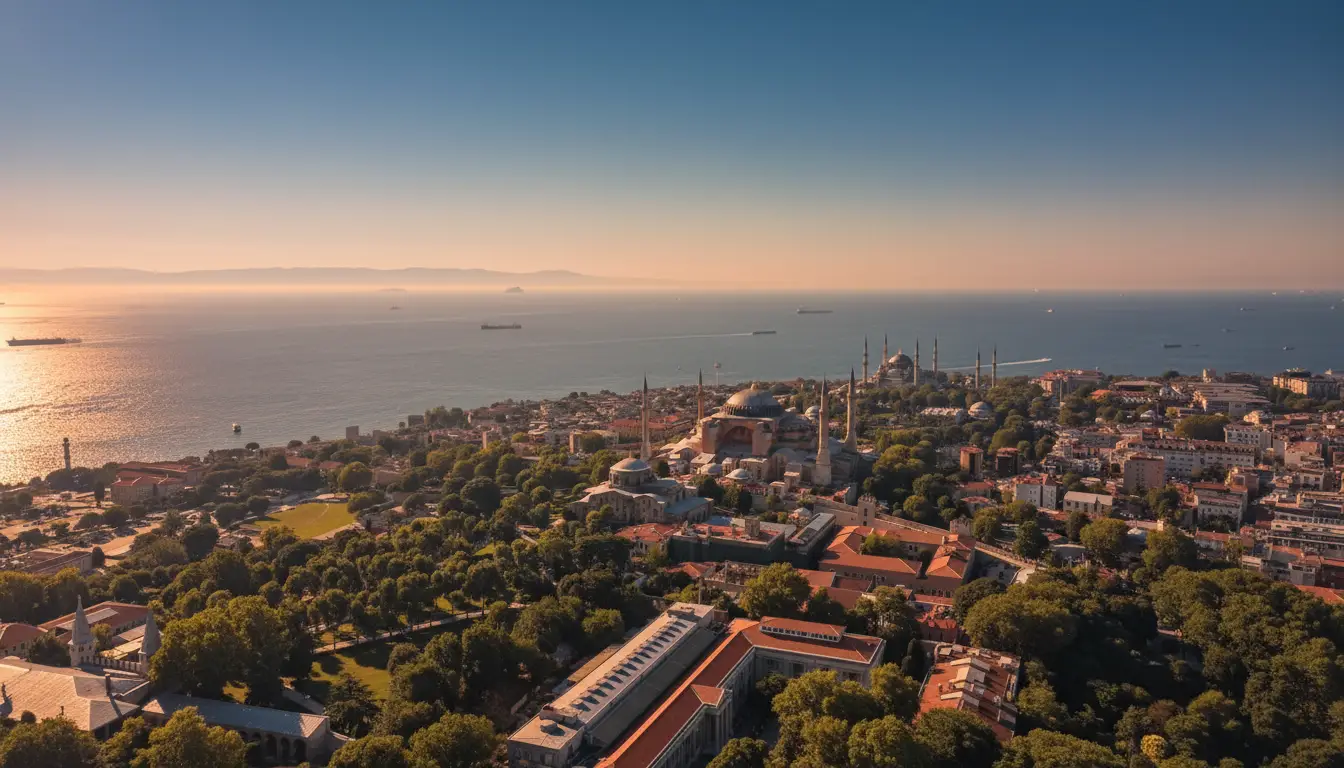
Create a private Istanbul itinerary around Ottoman history, Bosphorus neighborhoods, sacred architecture, museums, archaeology, food and local culture.
View Private Istanbul Tours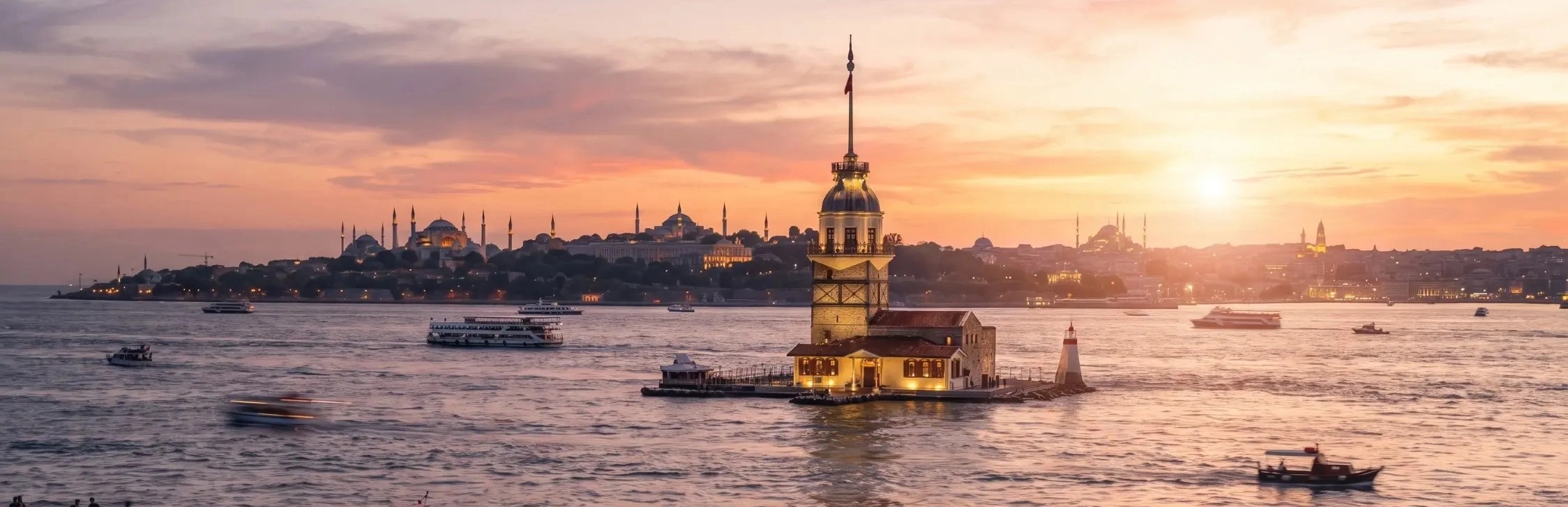
Continue with the complete story of Istanbul's legendary Bosphorus tower, including its history, architecture, legends, photography points and visiting information.
Explore the Maiden's Tower