Private Büyük Akgöl & Northern Sakarya Experience
Ask us about a tailor-made journey combining Büyük Akgöl, Harmantepe, the Sakarya River and selected Black Sea coastal stops.
Request a Custom Tour





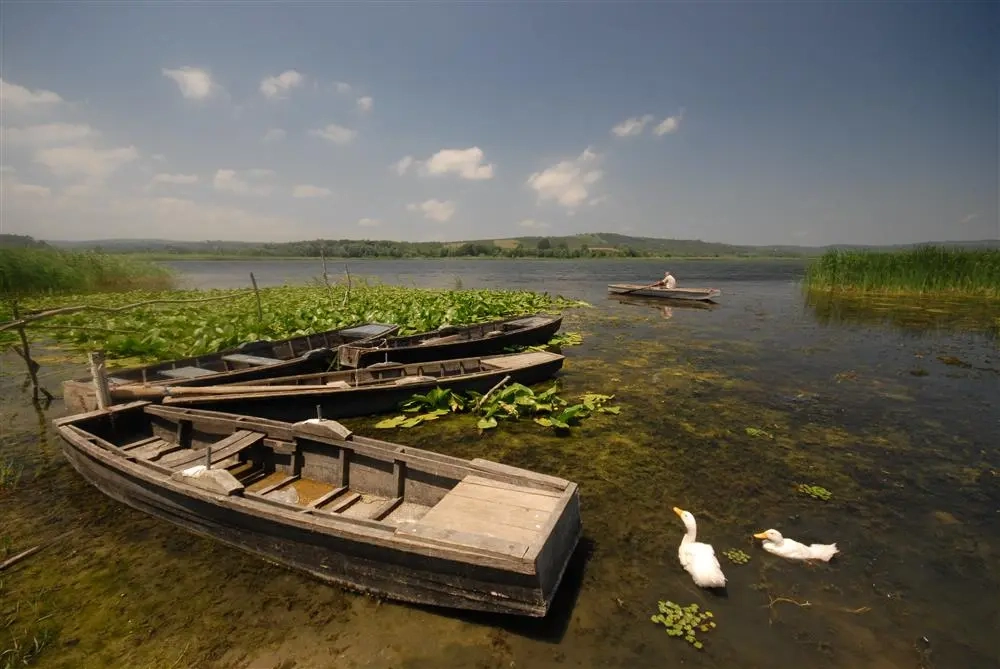
Büyük Akgöl is a large freshwater lake and wetland landscape lying between the Ferizli and Karasu districts of Sakarya Province. It is one of the most distinctive natural areas in northern Sakarya, shaped by water, reeds, marshland and the alluvial history of the nearby Sakarya River.
Official provincial tourism information describes Büyük Akgöl as a freshwater alluvial-barrier lake covering approximately 19 km². Much of the lake margin is occupied by reeds and marsh vegetation, giving the area a wild character and making direct access to the open water possible only at selected points.
The lake formed through the accumulation of alluvium carried and deposited by the Sakarya River, which passes only a few kilometres away. Its drainage area is approximately 47 km², while the deepest parts of the lake reach about 6 metres.
Büyük Akgöl is also protected as a Mahalli Öneme Haiz Sulak Alan – Wetland of Local Importance. The designated wetland covers 2,957 hectares and was registered in 2019, reflecting the ecological value of the lake, reed beds, marshes and surrounding habitats.
Visitors come for birdwatching, nature photography, fishing, picnics and quiet rural scenery. A birdwatching tower provides one of the easiest ways to look across the wetland without entering sensitive reed areas.
Büyük Akgöl can be combined with Harmantepe Castle, Karasu Beach, the Sakarya River Mouth and other destinations in our Sakarya visitor guide.
Official Sakarya tourism information describes Büyük Akgöl as an approximately 19-square-kilometre freshwater lake.
The wider 2,957-hectare area was registered as a Wetland of Local Importance in 2019.
A dedicated observation tower offers elevated views over reeds, open water and seasonal bird activity.
Pike, carp, catfish, crayfish and other freshwater species are recorded in the lake.
Essential information for planning a nature-focused visit to one of northern Sakarya's most important wetland landscapes.
Between Ferizli and Karasu districts, with popular access through Gölkent.
Open on Google MapsNatural freshwater alluvial-barrier lake formed through Sakarya River deposits.
Approximately 19 km² according to official provincial tourism information.
Wetland scenery, reed beds, birdwatching, fishing and nature photography.
Part of a 2,957-hectare Wetland of Local Importance registered in 2019.
Asphalt road access; private car is the most convenient way to visit.
Its importance comes from the scale of its reed beds, freshwater habitat, birdlife and relationship with the Sakarya River's alluvial plain.
Büyük Akgöl is not simply a scenic lake. It is a large wetland system where open water, reed beds, marshes, agricultural land, woodland and rural settlements meet.
The lake lies close to the Sakarya River, and its origin is connected directly with the sediments deposited by the river over time. These deposits helped create a natural barrier and basin in which freshwater accumulated.
Much of the shoreline is reed-covered and marshy. This means the lake does not always present itself as a broad open waterfront. Instead, visitors encounter a mosaic of reeds, narrow openings, shallow wet ground and stretches of visible water.
The wetland supports aquatic life and provides feeding, sheltering and resting habitat for birds. Its ecological value led to the registration of the wider area as a Wetland of Local Importance in August 2019.
For travelers, Büyük Akgöl offers a very different experience from Poyrazlar Lake Nature Park or the Black Sea coast. It feels more open, agricultural and wetland-oriented, with a stronger emphasis on birdwatching, fishing and landscape observation.
Büyük Akgöl is classified as a freshwater alluvial-barrier lake. Its development is linked to the Sakarya River, which flows only a few kilometres from the lake.
Over long periods, the river transported and deposited sand, silt and other alluvial material across the surrounding plain. These deposits changed local drainage patterns and helped create the natural barrier behind which the lake developed.
The result is a shallow wetland landscape with a large drainage area. Official information records a 47 km² drainage basin and a maximum depth of approximately 6 metres.
The lake's margins are dominated by reeds, marsh vegetation and soft wet ground. These features are not obstacles to the landscape's identity; they are part of the reason the area is ecologically valuable.
The lake formed through the influence of sediment deposited by the nearby Sakarya River.
Büyük Akgöl is a natural freshwater body rather than a coastal lagoon or artificial reservoir.
Official wetland information records a drainage basin of approximately 47 square kilometres.
The deepest recorded parts of the lake reach approximately six metres.
Large sections of the lake margin are covered by reeds and marsh vegetation.
The lake belongs to the broader alluvial geography of the lower Sakarya River basin.
On 8 August 2019, Büyük Akgöl was registered as a Mahalli Öneme Haiz Sulak Alan – Wetland of Local Importance.
The protected wetland area covers approximately 2,957 hectares. This figure refers to the wider registered wetland landscape rather than simply the visible open-water surface.
The protected area includes the lake, reed beds, marshes and surrounding habitats. Official information notes agricultural land around much of the wetland, poplar stands to the west and forested areas to the north containing trees such as oak, beech, hornbeam and linden.
Visitors should therefore approach Büyük Akgöl as a sensitive living ecosystem rather than a conventional landscaped recreation park. Remaining on established access points and avoiding disturbance to reeds and wildlife is an important part of responsible visiting.
The area received its Wetland of Local Importance designation in August 2019.
The official protected wetland area extends far beyond the visible open-water surface.
Farmland surrounds much of the wetland and forms part of the wider rural scenery.
Forest areas north of the lake add another habitat type to the wetland mosaic.
Dense wetland vegetation provides essential cover for aquatic life and birds.
Use established approaches and observation points instead of entering sensitive wetland areas.
Büyük Akgöl is one of Sakarya's rewarding places for birdwatching and wildlife observation. Its combination of open water, reed beds, marshes and surrounding fields creates several different feeding and resting habitats.
The most useful visitor feature is the birdwatching tower. From an elevated position, visitors can look across the wetland while reducing the need to approach reed beds or soft shoreline areas.
Sakarya's wetlands lie on important seasonal movement routes for many birds. The exact species visible at Büyük Akgöl changes through the year and depends on water levels, weather and migration.
Spring and autumn can be especially interesting for movement through the region, while winter often brings a different community of waterbirds. Early morning generally offers the best combination of quiet conditions, soft light and active birdlife.
Use binoculars or a telephoto lens and remain patient. Avoid playing bird calls, entering reeds or moving closer when birds repeatedly change position in response to your presence.
An elevated birdwatching tower provides broad views over the wetland.
Dense reeds create shelter for birds that may remain hidden from open viewpoints.
Spring and autumn can bring increased movement through Sakarya's wetland landscapes.
Colder months can be rewarding for observing birds using open water and marsh habitat.
Optics make the experience far better while allowing wildlife to remain undisturbed.
Wildlife observation should never require entering reed beds or approaching resting birds closely.
Büyük Akgöl has long been associated with freshwater fishing. Official provincial descriptions list a notably varied group of fish and aquatic species.
Recorded species include pike, catfish, carp, rudd, tench, freshwater perch, bream, crucian-type fish and crayfish, among others. This variety has made the lake familiar to local anglers.
Fishing opportunities depend on shoreline access, water levels and vegetation. Because much of the lake edge is reed-covered or marshy, visitors should use established and safe access points rather than forcing a route through wet ground.
Anyone planning to fish must check current national and local fishing regulations before arriving. Seasonal closures, minimum sizes, catch limits and protected-species rules can change.
Fishing line, hooks and packaging should never be left behind. Discarded tackle is particularly dangerous to waterbirds and other wetland wildlife.
Turna is among the freshwater fish officially recorded in Büyük Akgöl.
Carp species are part of the lake's established freshwater fish community.
Yayın balığı is another species associated with the lake.
Freshwater crayfish are also listed among the aquatic species harvested from the lake.
Confirm current seasons, legal methods, limits and restrictions before fishing.
Take away line, hooks, bait containers and every other piece of fishing waste.
Look across the visible water from established access points and appreciate the scale of the wetland.
Reeds dominate much of the shoreline and create Büyük Akgöl's characteristic wetland appearance.
Use the elevated observation point for wider views across water, marshes and surrounding fields.
Local anglers form part of the traditional human relationship with the lake.
Gölkent and nearby settlements give the visit a distinctly local northern Sakarya atmosphere.
Early and late daylight can create beautiful reflections and layered textures across reeds and water.
Agricultural fields surrounding the lake show how wetland and cultivated landscapes meet.
Bird activity and vegetation change continually, so the lake can feel different on every visit.
A visit to Büyük Akgöl is slow, informal and nature-focused. There is no museum route, monumental building or fixed sightseeing sequence. The landscape itself is the experience.
Visitors typically stop near accessible sections of the lake, walk to the observation tower, watch birds, take photographs, fish or enjoy a picnic in suitable established areas.
The amount of visible open water can vary depending on where you approach. Large areas of reed and marsh vegetation mean that some sections may feel more like a vast wetland than a conventional lakeshore.
Official tourism information notes restaurants and village facilities around the wider lake area, but services may be scattered and opening times can change. Bring water and basic supplies rather than relying entirely on lakeside businesses.
Büyük Akgöl works best for travelers who appreciate birdlife, landscape photography, quiet natural places and rural exploration. It is less suitable for visitors expecting manicured paths and extensive tourist infrastructure.
Official visitor information describes Büyük Akgöl as having suitable picnic points, and local families have long used accessible areas around the lake for recreation.
However, provincial tourism information also notes that facilities such as toilets, fixed seating and drinking-water points may not be available at picnic areas. Visitors should plan accordingly.
Choose established open ground and avoid reed beds, muddy margins or cultivated fields. Wetland vegetation may look robust, but repeated trampling can damage habitat used by birds and aquatic life.
Do not assume that barbecues or open fires are permitted. Seasonal fire restrictions can apply in Sakarya, especially during dry weather. Always follow current local rules.
Accessible sections around the lake are used for relaxed outdoor visits and picnics.
Do not rely on drinking-water facilities being available at the exact point where you stop.
Toilets, seating and developed picnic infrastructure should not be assumed.
Stay out of reeds, marsh vegetation and soft shoreline habitat.
Never light a fire or barbecue unless current local regulations clearly allow it.
Remove food waste, packaging, bottles and all other rubbish when leaving.
Enough for a short viewpoint stop and a first look across the wetland.
A good minimum for visiting the observation area and enjoying the scenery.
Ideal for birdwatching, photography and a relaxed walk around accessible sections.
Best for visitors who want to fish, picnic or spend unhurried time observing wildlife.
Excellent for quieter conditions, softer light and greater wildlife activity.
Combine Büyük Akgöl with Harmantepe Castle and the Karasu coast for a varied full day.
Büyük Akgöl can be reached throughout the year, and official tourism information describes the access road as asphalt. The most rewarding season depends on your interests.
Spring brings fresh vegetation, comfortable temperatures and increased wildlife activity. It is an excellent period for general nature visits and photography.
Summer offers long daylight hours but can be warm and sunny around exposed parts of the wetland. Carry water, sun protection and insect repellent.
Autumn is especially attractive for softer light and seasonal bird movement. The combination of reeds, agricultural fields and changing weather can produce excellent landscape photography.
Winter can be rewarding for waterbirds and quiet scenery. Expect colder temperatures, rain, wind and potentially muddy natural surfaces.
Fresh growth, comfortable temperatures and active wetland life.
Long days for outdoor time, with sun protection and water strongly recommended.
Beautiful light, changing vegetation and seasonal movement through the region.
Quiet landscapes and good potential for observing wintering waterbirds.
Usually the best combination of calm conditions, bird activity and gentle light.
Warm low-angle light can add depth and texture to reeds and open water.
Büyük Akgöl is particularly rewarding for nature, bird and landscape photography. The scene is defined by broad skies, reed beds, open water, agricultural land and changing seasonal light.
The birdwatching tower can provide a higher perspective than the shoreline and is useful for showing the scale of the wetland. A longer lens is valuable for birds, while a wider lens works well for environmental views.
Early morning can bring mist, reflections and softer light, while late afternoon often gives the reeds warmer tones. Cloudy or stormy conditions can create a more dramatic northern Sakarya atmosphere.
Do not leave established access simply to get closer to wildlife. The strongest wetland images often come from waiting quietly and allowing birds to move naturally through the scene.
Use the elevated viewpoint to photograph the broader wetland landscape.
Dense reed beds create strong patterns and layers, especially in low-angle light.
A telephoto lens allows close-looking images without approaching wildlife physically.
Visible sections of the lake can produce reflections during calm weather.
Fields, villages and fishing activity can add human context to the wetland story.
Water levels, vegetation and bird activity continually change the photographic possibilities.
Büyük Akgöl lies between Ferizli and Karasu in northern Sakarya. One of the most practical approaches is through Gölkent, from where the lake is connected by paved local roads.
Official provincial information places the lake approximately 38 km from Sakarya city centre via Gölkent. Alternative access is also possible from the direction of Adatepe on the old Karasu road.
The lake covers approximately 19 km², while the wider officially registered wetland extends across 2,957 hectares. The deepest part of the lake is recorded at about 6 metres.
The site is a natural open-air wetland rather than a ticketed attraction. A birdwatching tower is available, and official tourism information notes nearby villages, local shops and private restaurants around the wider lake area.
Developed facilities vary by access point. Bring drinking water, suitable footwear, sun or rain protection and insect repellent depending on the season.
Official tourism information describes the approach to Büyük Akgöl as asphalt road access, making arrival by vehicle relatively straightforward throughout the year.
Conditions change once visitors leave the road. The lake edge is a natural wetland environment with grass, soil, reeds, mud and uneven surfaces, particularly after rain.
Wheelchair users and visitors with limited mobility should not assume that every access point has continuous paved paths, ramps or adapted facilities. A road-accessible viewpoint or the area near established visitor infrastructure may be the most practical choice.
The birdwatching tower and surrounding paths may also have steps or surfaces that are unsuitable for some visitors. Anyone with specific mobility requirements should confirm current local conditions before making a dedicated journey.
The general lake area can be reached by asphalt local roads.
Expect uneven soil, grass, mud and wet surfaces away from established access.
Large sections of shoreline are not appropriate for casual walking.
Do not assume adapted toilets, ramps or seating are available at every viewpoint.
Rain can make natural surfaces softer, slippery and more difficult to cross.
Visitors with limited mobility may still enjoy views from easier road-accessible points.
Büyük Akgöl lies between the districts of Ferizli and Karasu, with one of the most commonly used approaches passing through Gölkent.
For navigation, search for “Büyük Akgöl, Gölkent, Ferizli, Sakarya” or the Büyük Akgöl birdwatching area.
Official provincial information states that the route through Gölkent places the lake about 38 km from Sakarya city centre. The area can also be approached via Adatepe from the old Karasu road.
Private car is the simplest option because the lake is broad and the most useful viewpoints are spread around the wetland. Public transport may reach nearby settlements without stopping directly at the birdwatching tower or the most convenient lakeside points.
After visiting Büyük Akgöl, continue toward Harmantepe Castle, Karasu Beach or Yenimahalle for a wider northern Sakarya day trip.
The easiest way to reach the wetland and move between different observation points.
Gölkent is one of the main reference points for approaching the lake from Ferizli.
Alternative access is possible from the Karasu side through the Adatepe area.
Official tourism information describes the access as paved and usable year-round.
Use “Büyük Akgöl Gölkent Ferizli Sakarya” in your map application.
Carry water and basic supplies if you plan to spend several hours around the wetland.
Begin at an established access point near Gölkent and take a few minutes to understand the scale of the landscape. Notice how the lake blends into reed beds, marshes and surrounding farmland rather than ending at a clear shoreline.
Continue to the birdwatching tower and scan the wetland slowly with binoculars. Look across open water, reed edges and fields rather than focusing only on the nearest birds.
Spend time photographing the broad landscape or watching local fishing activity from a respectful distance. Do not enter reed beds simply to reach the water.
If you have brought a picnic, use an established open area and take all rubbish away. Before fishing, confirm current regulations and permitted methods.
Continue your day at Harmantepe Castle for history, or drive north toward Karasu Beach and the Sakarya River Mouth for Black Sea scenery.
Büyük Akgöl can be combined with wetlands, historic sites, river scenery and Black Sea beaches for a varied day in northern Sakarya. See our complete Sakarya visitor guide for more destinations across the province.
Visit a historic hilltop fortress overlooking the Sakarya landscape and add a cultural stop to your wetland day.
Continue north for one of Sakarya's best-known Black Sea beaches and a completely different waterside atmosphere.
See the Sakarya River complete its journey to the Black Sea at Yenimahalle near Karasu.
Compare Büyük Akgöl's reed-dominated wetland with a more developed wooded lake recreation area.
Add forest trails, picnic areas and green scenery to a broader Sakarya nature itinerary.
Discover lakes, forests, wetlands, waterfalls, historic towns, Ottoman monuments and Black Sea beaches across the province.
Büyük Akgöl lies between Ferizli and Karasu districts in Sakarya Province, with popular access through Gölkent.
It is a natural freshwater alluvial-barrier lake formed through the influence of sediment deposited by the nearby Sakarya River.
Official Sakarya tourism information describes the lake as approximately 19 km².
The maximum recorded depth is approximately 6 metres.
The officially registered Büyük Akgöl Wetland of Local Importance covers approximately 2,957 hectares.
It was registered as a Wetland of Local Importance on 8 August 2019.
Yes. The lake's reeds, open water and surrounding fields create useful wetland habitat, and a dedicated birdwatching tower provides an observation point.
Yes. A birdwatching tower is one of the best visitor features for viewing the wider wetland without entering sensitive reed habitat.
Fishing is traditionally associated with the lake, but anglers should always check current national and local fishing regulations first.
Official descriptions record species including pike, carp, catfish, rudd, tench, freshwater perch and bream, as well as crayfish.
The lake is a natural open-air wetland rather than a museum-style ticketed attraction. Specific private facilities around the area may charge for their own services.
Yes. Official tourism information notes suitable picnic points, but developed facilities can be limited.
Do not assume so. Provincial tourism information specifically notes that some picnic areas may lack toilets, fixed seating and drinking-water facilities.
Yes. Official visitor information notes villages and private restaurants around the wider lake area, although individual businesses and opening times can change.
Yes. Official tourism information describes the access road as asphalt.
Yes. The lake can be reached throughout the year, although rain and winter weather can make natural ground muddy.
Spring and autumn are excellent for general nature visits, while early morning is usually best for birdwatching and photography. Winter can also be rewarding for waterbirds.
Allow 1–3 hours for a relaxed visit. Stay longer if you plan to fish, picnic or spend serious time birdwatching.
Official provincial information places the lake about 38 km from Sakarya city centre via Gölkent.
Much of the lake edge is naturally covered by reeds and marsh vegetation. This is a defining part of the wetland habitat.
Yes. Reeds, birds, open water, agricultural fields and broad skies offer varied landscape and wildlife subjects throughout the year.
Families can enjoy established visitor areas, but children require close supervision around water, roads, mud, reeds and uneven natural ground.
Bring drinking water, comfortable outdoor footwear, binoculars if available, insect repellent in warmer months and suitable sun or rain protection.
Combine Büyük Akgöl with Harmantepe Castle, Karasu Beach and Yenimahalle.
Remove every bottle, food package, cigarette end and piece of fishing waste.
Do not cut, burn or trample dense wetland vegetation around the lake.
Observe wildlife quietly and from a respectful distance.
Hooks and monofilament can injure birds, fish and other wildlife.
Approach the lake from existing roads, paths and viewpoints rather than making new tracks.
Do not enter cultivated fields, block farm roads or damage crops around the wetland.
Never assume fires or barbecues are allowed; follow current seasonal restrictions.
Quiet behavior improves the experience for wildlife, local residents and other visitors.
Combine Büyük Akgöl with historic sites, river landscapes and the Black Sea coast through a private itinerary designed around your interests.
Mix birdwatching, photography, rural landscapes and selected northern Sakarya highlights in a flexible private day.
Ask us about a tailor-made journey combining Büyük Akgöl, Harmantepe, the Sakarya River and selected Black Sea coastal stops.
Request a Custom Tour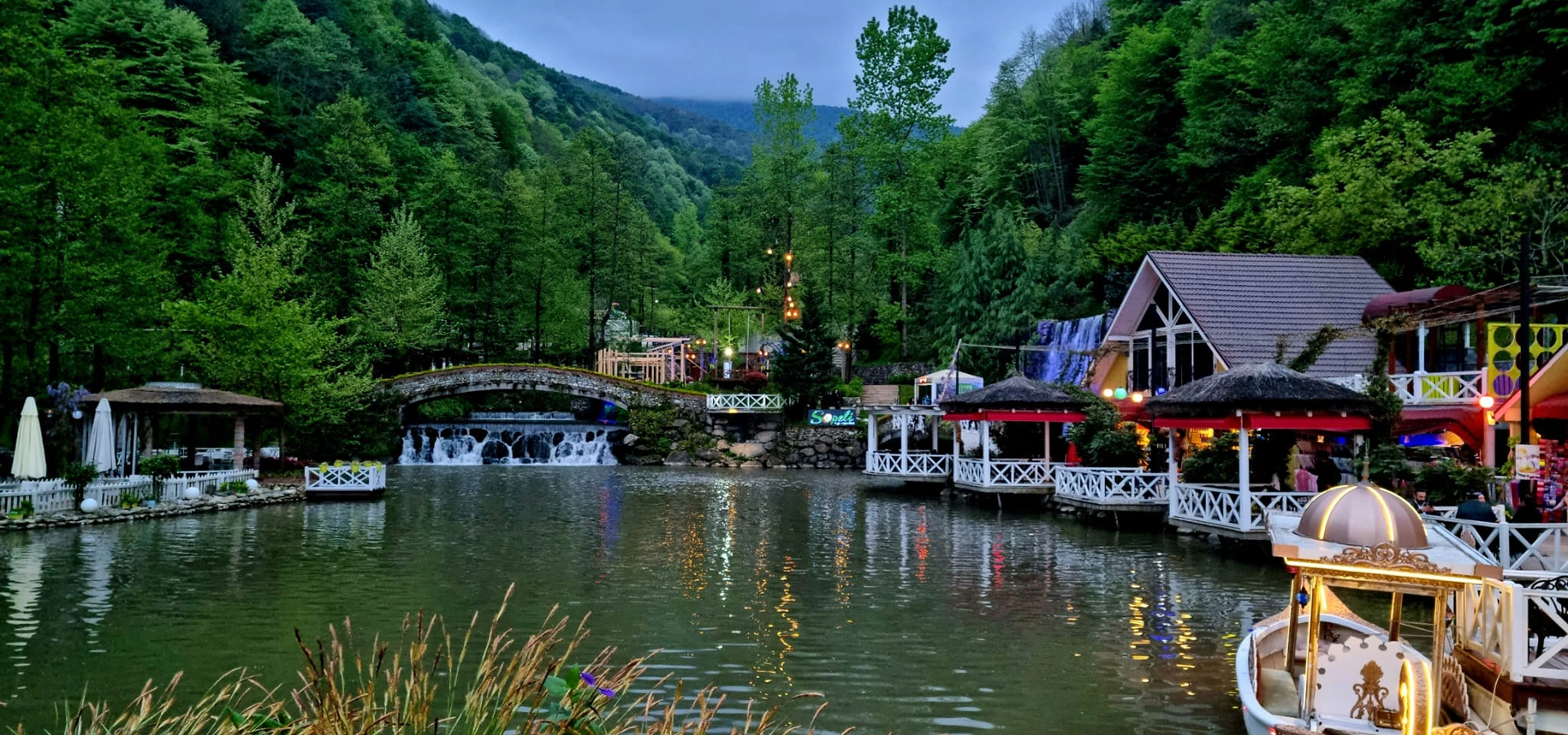
Discover lakes, forests, wetlands, waterfalls, historic towns, Ottoman monuments, museums, bridges and Black Sea beaches throughout Sakarya Province.
View Sakarya GuideConnect Büyük Akgöl with history, river scenery and the Black Sea coast for a varied regional itinerary.
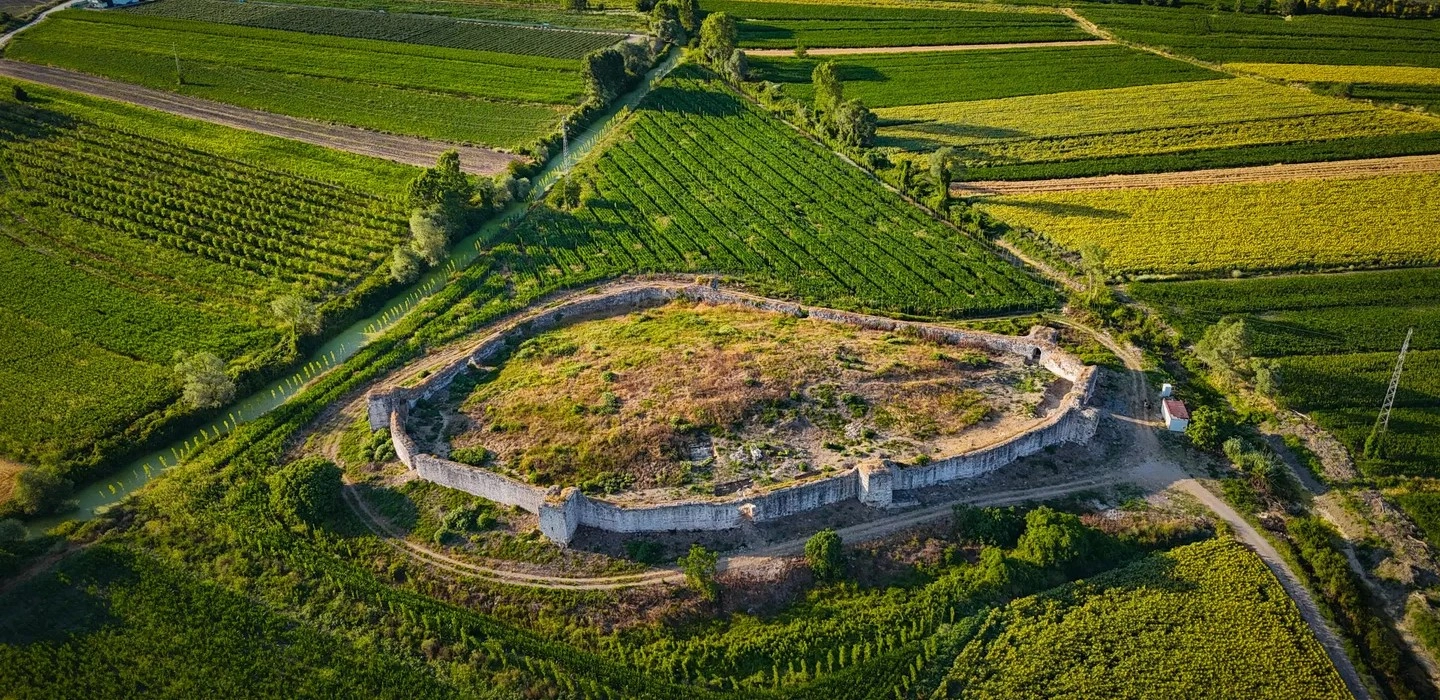
Add a historic fortress and panoramic rural scenery to your Büyük Akgöl nature visit.
Explore Harmantepe Castle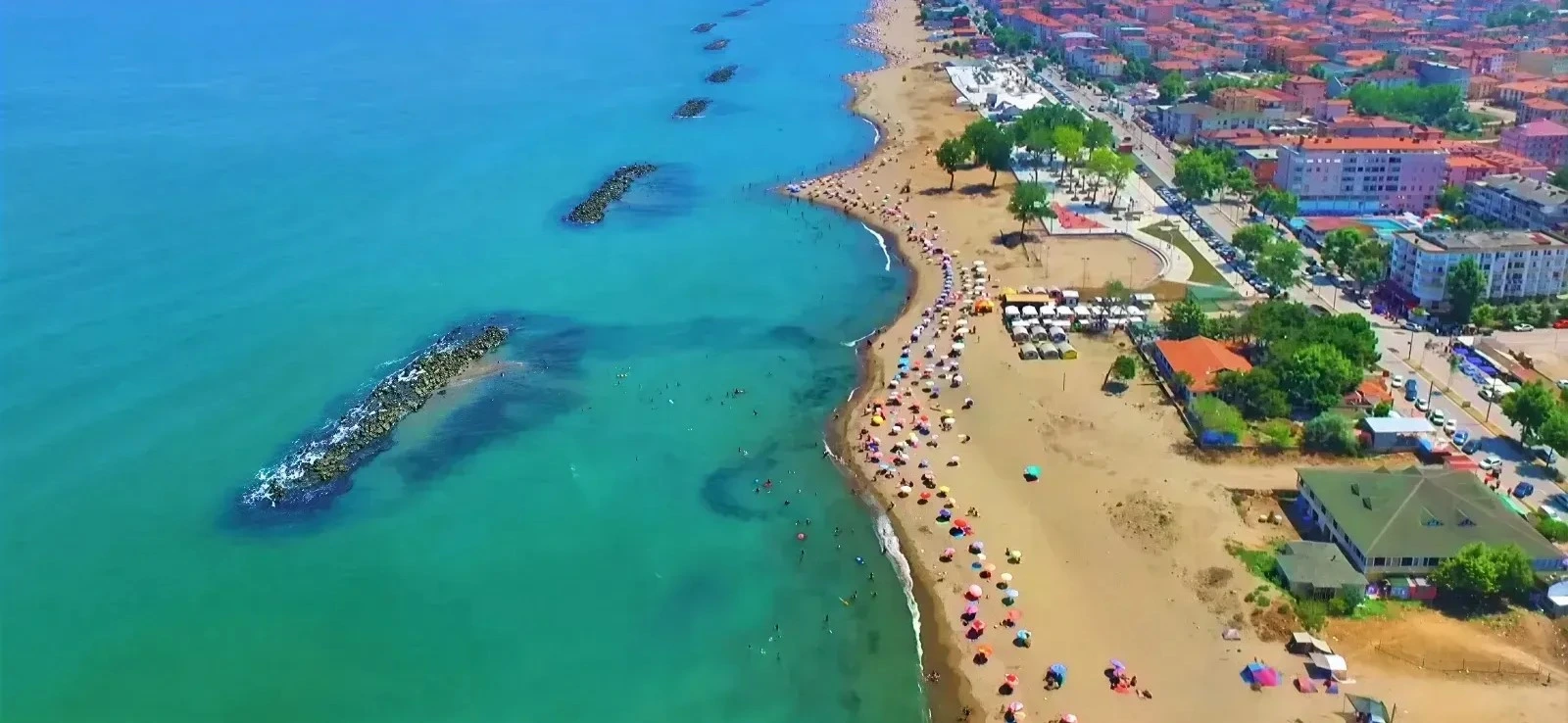
Continue north for a broad Black Sea beach and a lively coastal contrast to the quiet wetland.
Explore Karasu Beach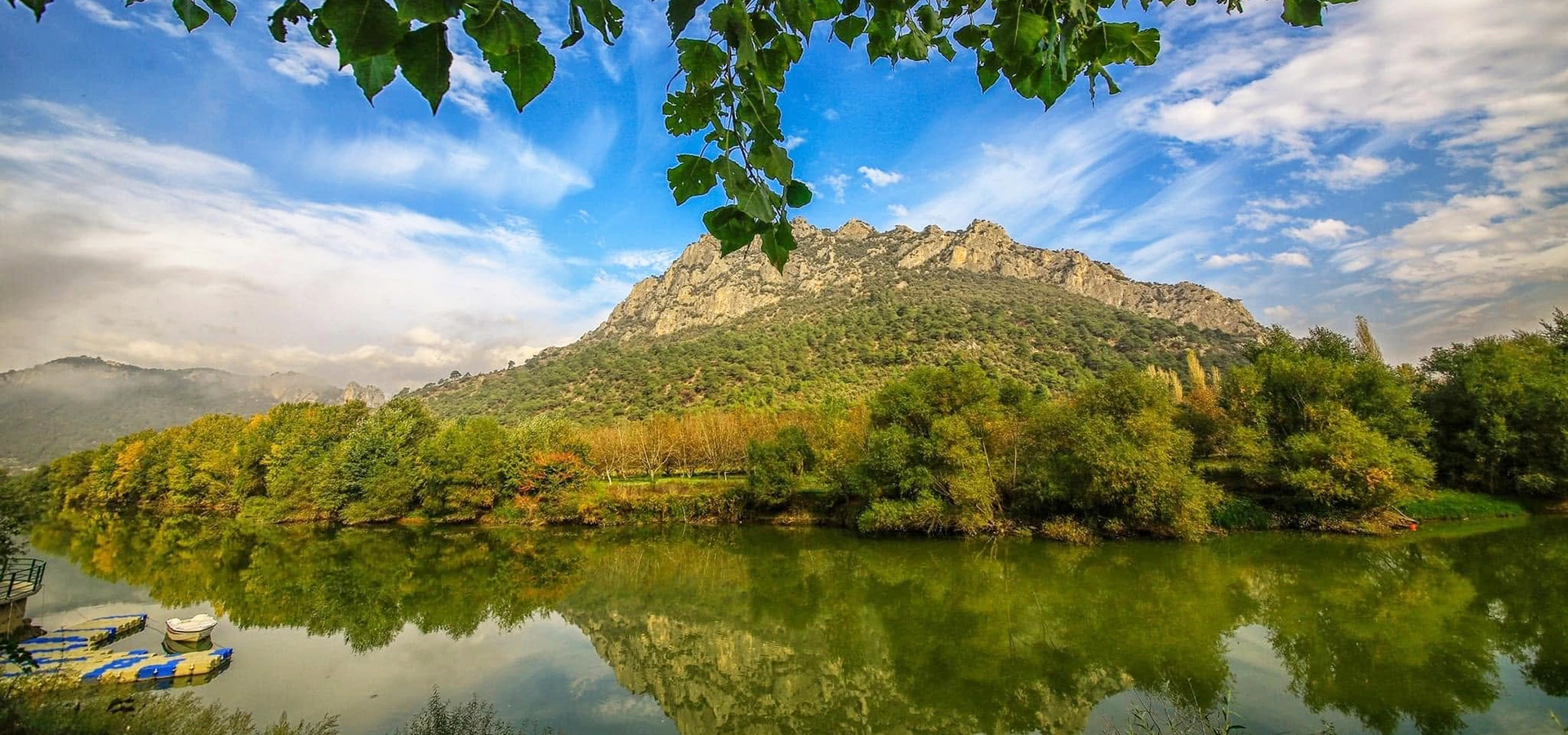
Follow the river story north to Yenimahalle, where the Sakarya River reaches the Black Sea.
Explore Yenimahalle