Private Blachernae & Byzantine Heritage Tour
Ask us about a tailor-made route combining Blachernae Church, the Walls of Constantinople, Ayvansaray, St. Mary of the Mongols, the Ecumenical Patriarchate, Fener and Balat.
Request a Custom Tour





The Church of St. Mary of Blachernae, also known as Panagia Blachernae, Panagia Vlacherna or in Turkish as Vlaherna Meryem Ana Kilisesi, stands in Ayvansaray near the northern end of Istanbul's historic land walls and the Golden Horn. The small church seen today is a 19th-century sanctuary, but it preserves the site and sacred spring of one of the most celebrated Marian shrines of the Byzantine Empire.
The original Blachernae complex developed from the 5th century and eventually became closely connected with the Byzantine imperial court. It contained a great church dedicated to the Theotokos, a famous reliquary chapel known as the Hagia Soros, and a sacred bathing complex associated with the holy spring. Relics traditionally believed to belong to the Virgin Mary were kept here, and the sanctuary became one of Constantinople's principal places of pilgrimage.
Blachernae is also inseparable from the city's religious memory of protection. Byzantine tradition associated the Virgin of Blachernae with the defense of Constantinople, most famously during the Avar and Persian siege of 626. The church later became closely connected with the Akathist Hymn and with traditions surrounding the Virgin's protective veil.
The medieval complex was destroyed by fire in 1434 and was never rebuilt on its former scale. The present church was established around the surviving holy spring in 1867. Visitors therefore should not expect an intact Byzantine basilica. What survives is something different but equally meaningful: a living Orthodox sanctuary preserving the memory, location and devotional tradition of one of medieval Constantinople's greatest churches.
The Blachernae sanctuary developed under the emperors and empresses of early Byzantine Constantinople.
The Virgin of Blachernae became powerfully associated with Constantinople's miraculous protection during the famous siege.
A catastrophic fire destroyed the medieval church complex shortly before the Ottoman conquest.
The present small Greek Orthodox church was built around the surviving sacred spring.
Essential information for understanding the modern sanctuary and the extraordinary Byzantine church complex that once stood here.
Ayvansaray in Fatih, close to the Golden Horn and the northern section of Constantinople's historic land walls.
Open on Google MapsAn active Greek Orthodox sanctuary dedicated to the Virgin Mary, the Theotokos.
The surviving hagiasma, or sacred spring, is the central devotional feature of the modern church.
The lost medieval complex was one of Constantinople's most revered Marian and imperial sanctuaries.
The great Byzantine church was destroyed by fire in 1434 and did not survive into the Ottoman period as a standing basilica.
The small sanctuary visible today dates from 1867 and was built around the ancient holy spring.
Few places in Istanbul carry such a powerful combination of Byzantine imperial history, Orthodox devotion and living pilgrimage tradition.
The original Church of the Theotokos at Blachernae was not simply a neighborhood church. It became one of the great sanctuaries of the Byzantine capital, closely connected with emperors, patriarchs, major feast days, processions and the ceremonial life of Constantinople. Its importance grew even further when the imperial residence shifted toward the nearby Palace of Blachernae in the later Byzantine period.
The church was especially famous for relics associated with the Virgin Mary. A neighboring reliquary chapel, the Hagia Soros, was traditionally said to preserve her robe or mantle and other sacred objects. These relics helped establish Blachernae as one of the most important centers of Marian devotion in the Christian world.
The sanctuary also became a symbol of the belief that the Theotokos protected Constantinople. The city's survival during the siege of 626 was remembered in connection with her intercession, and Blachernae became deeply associated with the victorious hymnography of the Akathist. Later traditions about the Virgin spreading her veil over worshippers strengthened this idea of divine protection.
For travelers following our guide to places to visit in Istanbul, Blachernae offers a rare opportunity to stand at a site where the surviving building is modest but the historical significance is enormous. The experience is less about monumental Byzantine architecture and more about understanding sacred memory, continuity and the geography of the imperial city.
The origins of the Blachernae sanctuary belong to the 5th century, when the area lay near the northwestern edge of Constantinople. The first great church is traditionally associated with Empress Pulcheria and Emperor Marcian, who established a sanctuary dedicated to the Virgin Mary near an already revered spring.
Under Emperor Leo I, the sacred complex was expanded. A separate reliquary chapel known as the Hagia Soros was constructed to house sacred objects associated with the Theotokos, while another structure enclosed the holy spring and ritual bathing area. Over time, the church became closely connected with imperial ceremonies and major religious processions.
The complex was restored and enlarged in the 6th century, and its prestige continued to grow. As the nearby Blachernae palace complex became increasingly important, the sanctuary stood at the heart of a district where imperial residence, fortifications and sacred architecture converged.
The church suffered fires and political upheaval across the Middle and Late Byzantine periods. It was damaged severely by fire in the 11th century and rebuilt. During the Latin occupation after 1204, its ecclesiastical control changed, before returning to Orthodox hands later in the 13th century.
A final catastrophe came in 1434, when a major fire destroyed the church complex and much of the surrounding quarter. The great Byzantine sanctuary was not reconstructed. Its sacred spring, however, remained remembered and venerated.
In 1867, the Greek Orthodox community established the small church that visitors see today around the surviving hagiasma. The modern sanctuary therefore preserves the devotional center of the ancient site rather than the architecture of the medieval basilica itself.
The first major Marian sanctuary at Blachernae developed under Pulcheria and Marcian.
The complex expanded with structures connected to relics of the Virgin and the sacred spring.
Imperial restoration and enlargement strengthened the church's role in the religious life of Constantinople.
The Latin conquest altered the church's administration during the occupation of Constantinople.
A catastrophic fire destroyed the medieval church complex.
The present Orthodox sanctuary was built around the surviving holy spring.
The importance of the church cannot be separated from the rise of the Blachernae district as an imperial center. From the Middle Byzantine period onward, emperors increasingly used residences in this northwestern corner of Constantinople, and by the later centuries of the empire the Palace of Blachernae had become the principal imperial residence.
The church stood below the palace zone and formed part of the ceremonial landscape of the court. Imperial processions, feast-day observances and acts of devotion connected rulers directly with the sanctuary of the Theotokos. The proximity of palace and church made Blachernae a place where political authority and sacred protection were visibly intertwined.
For Byzantine emperors, the Virgin Mary was not only an object of personal devotion. She was repeatedly invoked as protectress of Constantinople. Blachernae, with its relics, icons and sacred spring, became one of the strongest physical expressions of that relationship between the imperial capital and the Theotokos.
Very little of this monumental setting survives above ground today. To understand the site, it is useful to combine the church with the nearby Walls of Constantinople and the surviving late Byzantine monuments of the Blachernae area. Together they reveal why this corner of the city became so important in the empire's final centuries.
Blachernae developed into one of the principal residential zones of the Byzantine emperors.
The sanctuary stood close to the palace complex that dominated the final centuries of Byzantine court life.
Religious ceremonies connected the church with other major sanctuaries across Constantinople.
Emperors sought the protection of the Theotokos through prayer, relics and ceremonial visits.
The church lay close to the strategic northwestern defenses of Constantinople.
The district became especially important as the imperial court shifted away from the older Great Palace area.
One of the most famous chapters in the history of Blachernae is connected with the siege of Constantinople in 626, when Avar forces and their allies threatened the Byzantine capital while Emperor Heraclius was campaigning in the east. The crisis became one of the defining moments in the city's religious memory.
Byzantine tradition credited the survival of Constantinople to the intercession of the Virgin Mary. The Blachernae sanctuary and its sacred relics became central symbols in this story, and thanksgiving to the Theotokos was woven into the liturgical memory of the victory.
The event became closely associated with the Akathist Hymn, one of the most celebrated hymns of Eastern Christianity. The exact history of the hymn's composition is complex, but the tradition of its triumphant chanting in connection with the rescue of Constantinople is deeply rooted in the religious identity of Blachernae.
That connection remains alive. The Ecumenical Patriarchate continues to commemorate the ancient tradition of Blachernae, and special services linked with the Akathist and the Theotokos are still celebrated at the holy spring. This makes the modern sanctuary not merely a memorial site, but part of a living liturgical tradition stretching back to Byzantine Constantinople.
The medieval sanctuary was famous throughout the Byzantine world for sacred objects associated with the Virgin Mary. The most important were kept in a special chapel known as the Hagia Soros, meaning the Holy Reliquary.
Tradition held that the chapel preserved the robe or mantle of the Theotokos and other Marian relics brought to Constantinople from the eastern Mediterranean. Their presence transformed Blachernae into a pilgrimage center of exceptional prestige and made the site central to the religious ceremonies of the imperial capital.
The church was also associated with the celebrated Blachernitissa icon, a representation of the Virgin that became one of the most influential Marian images of Byzantium. Although the original sacred objects of the medieval complex did not simply remain in place through every disaster, their memory shaped Orthodox iconography and devotion far beyond Constantinople.
Visitors today should distinguish between the ancient relic cult of the lost Byzantine complex and the icons and devotional objects in the present 19th-century church. The modern sanctuary keeps the tradition alive, but it is not an untouched treasury preserving the complete contents of the medieval basilica.
A special Byzantine reliquary chapel associated with sacred objects of the Virgin Mary.
Tradition held that a robe or mantle of the Theotokos was preserved at Blachernae.
The sanctuary was associated with one of Byzantium's most celebrated types of Marian icon.
Relics and icons were integrated into the religious life and ceremonial protection of the capital.
Blachernae attracted worshippers from Constantinople and the wider Orthodox world.
The objects visible today belong to the modern sanctuary and should not automatically be identified with the lost medieval treasures.
Blachernae is also linked with one of the most famous visionary traditions of Eastern Christianity: the Protection of the Theotokos, known in several Orthodox traditions as the feast of the Virgin's protecting veil.
According to the life of St. Andrew the Fool for Christ, Andrew and his disciple Epiphanius saw the Virgin Mary during a vigil in the Blachernae church. She appeared above the congregation in prayer and spread her veil over the faithful as a sign of protection.
The account became especially important in Slavic Orthodox Christianity, where the feast of the Pokrov — Protection or Intercession of the Theotokos remains one of the best-known celebrations associated with Constantinople's Marian heritage.
For modern visitors, this tradition helps explain why Blachernae has a spiritual importance far beyond the physical scale of the present church. The site occupies a remarkable place in the devotional imagination of Orthodox communities across southeastern and eastern Europe.
The most tangible link between the modern sanctuary and the ancient Byzantine pilgrimage site is the hagiasma — the sacred spring. The spring was already central to the religious identity of Blachernae in late antiquity and remained venerated even after the great medieval church disappeared.
In Orthodox tradition, water from a hagiasma is blessed and associated with prayer, healing and spiritual renewal. Visitors to Blachernae still come to the spring, and the water remains part of the devotional life of the sanctuary.
The present church was deliberately built around this surviving sacred feature. That makes the spring more than an architectural curiosity: it is the continuity point of the site, linking the modern Greek Orthodox church with centuries of pilgrimage at Blachernae.
Travelers should approach the spring respectfully. People may be praying, collecting holy water or participating in devotional practices. Avoid treating the hagiasma as a decorative fountain or tourist novelty.
The Greek term refers to holy water or a sacred spring associated with blessing and pilgrimage.
The spring is the principal surviving sacred element linking the present church with the Byzantine sanctuary.
Orthodox visitors continue to come to Blachernae for prayer and holy water.
The spring remains part of active religious practice rather than a museum display.
Allow worshippers space and follow any instructions regarding access to the water.
The 19th-century church was built specifically to preserve and honor the sacred site around the spring.
One of the most important things to understand before visiting is that the building standing today is not the monumental Byzantine church described in medieval sources. The original complex experienced repeated damage and rebuilding across its long history.
A destructive fire in the 11th century required major reconstruction. The church survived into the final decades of Byzantine Constantinople, but in 1434 a catastrophic fire destroyed the complex and much of the surrounding Blachernae quarter.
Because the disaster occurred less than two decades before the Ottoman conquest, the vast sanctuary was never restored to its former appearance. The buildings disappeared, and the area lost the monumental architectural presence that had defined it during the Byzantine period.
The sacred spring remained the focal point of memory. In 1867, the Greek Orthodox community built the present modest church around the hagiasma. The result is a site where historical significance greatly exceeds the scale of the surviving architecture.
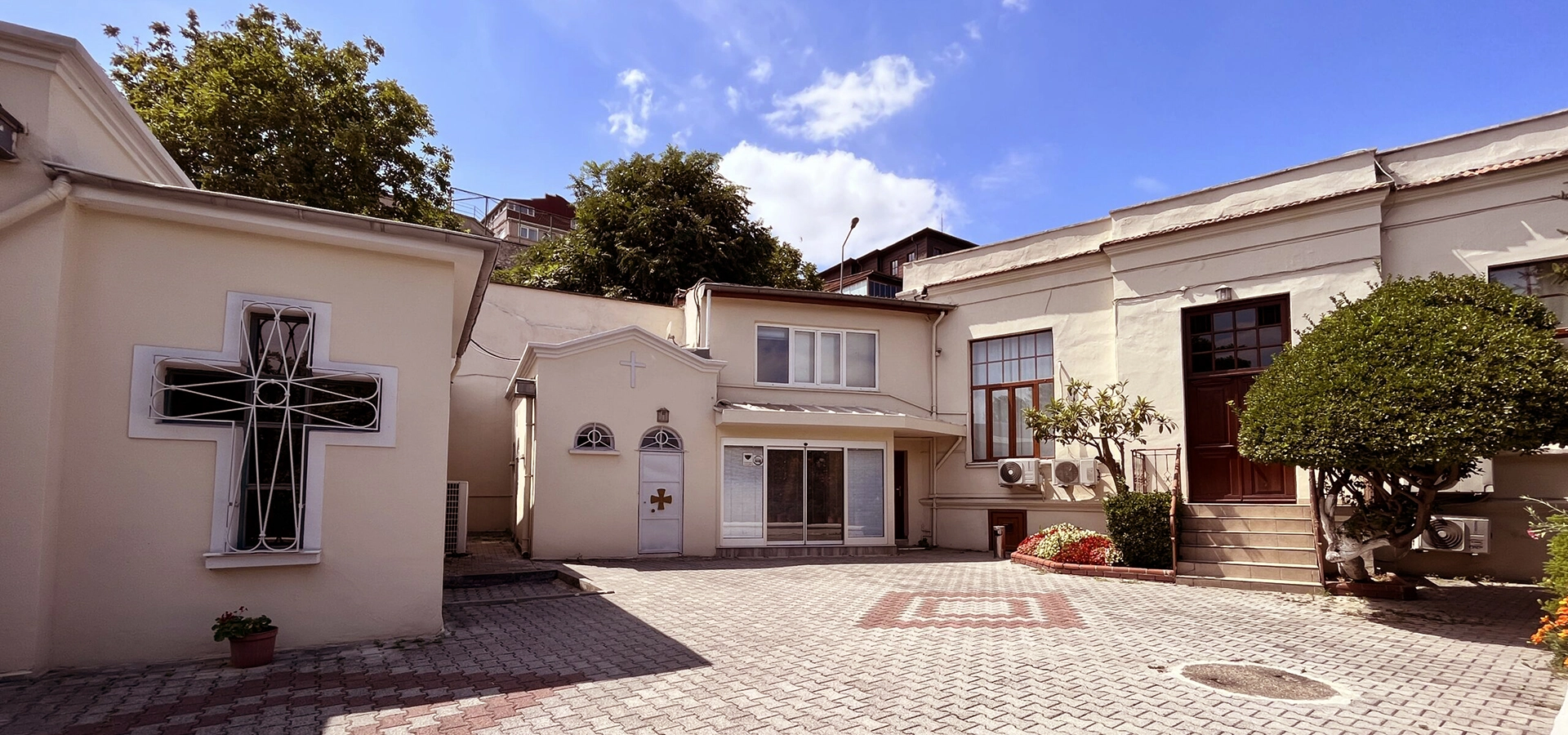
The current church is deliberately modest compared with the enormous Byzantine sanctuary that once occupied the area. It is a 19th-century Greek Orthodox building set within a walled compound and surrounded by a quiet courtyard and garden.
Inside, the focus is devotional rather than archaeological. The church contains an iconostasis, icons, lamps, marble surfaces and painted decoration associated with Orthodox worship. The sacred spring is incorporated into the interior complex and remains the site's most distinctive feature.
Because the medieval basilica was destroyed, visitors should not search for a surviving Byzantine nave, columns or original imperial mosaics comparable with Hagia Sophia or Chora. The archaeological story of Blachernae is largely reconstructed from historical descriptions, topography and the surviving sacred location.
This contrast is part of the site's fascination. A small modern church preserves the spiritual center of a sanctuary that once played a role in the ceremonial life of emperors and in some of the most famous religious traditions of Constantinople.
The standing sanctuary belongs to the Ottoman-era Greek Orthodox rebuilding of the sacred site.
The church is reached through a quiet enclosed compound in Ayvansaray.
The sanctuary screen and icons form the visual center of the Orthodox interior.
The hagiasma is incorporated into the modern religious complex.
The monumental medieval church was destroyed in 1434 and does not survive above ground in its original form.
The present architecture serves active worship and pilgrimage rather than functioning as an archaeological museum.
The interior of Panagia Blachernae feels intimate rather than monumental. The space is organized for Greek Orthodox worship, with icons, candles, chandeliers, painted decoration and an iconostasis creating the atmosphere of a functioning church rather than a conventional historic attraction.
The most important feature is the holy spring. Visitors can see the area where the sacred water emerges and where generations of pilgrims have come to pray. For many Orthodox visitors, this devotional continuity matters more than the age of the standing building.
Modern images inside the church recall the Virgin of Blachernae, the protection of Constantinople and the sacred traditions associated with the site. They help connect the modest 19th-century sanctuary with the lost imperial church described in Byzantine sources.
Remember that this is an active religious space. Services, private prayer and pilgrimage take priority over sightseeing. Photography policies can change, so ask before taking pictures inside and always follow the instructions of church representatives.
The hagiasma is the central sacred feature and the strongest link with the ancient sanctuary.
The Orthodox sanctuary screen forms a major visual focus inside the church.
Images of the Theotokos recall the ancient devotional traditions of Blachernae.
Decorative lighting contributes to the intimate liturgical atmosphere of the modern church.
Visitors may encounter people collecting holy water, lighting candles or praying quietly.
Respect services and religious practice at all times.
A visit to Blachernae is most rewarding when you understand that the site's greatest treasures are place, memory and continuity. The modern church is small, but it stands at the center of one of the most important sacred landscapes of Byzantine Constantinople.
Look for the discreet entrance to the walled sanctuary in the streets of Ayvansaray.
The enclosed garden creates a calm transition from the surrounding urban neighborhood.
Observe the modest 19th-century building that preserves the site of the ancient shrine.
See the hagiasma that has made Blachernae a place of pilgrimage for centuries.
The sanctuary screen and icons reflect the continuing Orthodox liturgical life of the church.
Look for images recalling the Virgin of Blachernae and her role as protectress of Constantinople.
Step outside and notice how close the sanctuary lies to the old city walls and the Golden Horn.
Explore the surrounding streets to understand the relationship between church, palace and fortifications.
The nearby defenses help explain the strategic and symbolic importance of the area.
The neighborhood preserves a quieter and less touristic atmosphere than the monumental center around Sultanahmet.
Online listings commonly show daytime opening, but church access can change for services, feast days and local arrangements.
The sanctuary remains an active place of Orthodox prayer and pilgrimage.
The hagiasma is the spiritual heart of the visit and should not be rushed.
Choose clothing suitable for an active church rather than a museum attraction.
Interior photography policies can vary; follow the current instructions at the church.
Knowing the history of the lost Byzantine complex makes the modest modern building much more meaningful.
Blachernae works especially well with the city walls, Fener, Balat and the Ecumenical Patriarchate.
Blachernae has a particularly strong association with Friday services and Marian hymnography; expect different arrangements during worship.
Begin at the Ayvansaray section of the historic city walls, where the topography immediately explains why this northwestern corner of Constantinople was strategically important. Use our Walls of Constantinople guide to understand the broader defensive system.
Continue to Blachernae Church and allow around 30–45 minutes for the courtyard, modern sanctuary, icons and sacred spring. Take a moment to imagine the lost medieval basilica and the imperial palace landscape that once surrounded this area.
From Ayvansaray, follow the Golden Horn east toward Balat and Fener. This section connects several layers of Istanbul's Christian history within a relatively compact area.
Continue to the Church of St. Mary of the Mongols for another exceptional example of Orthodox continuity, then descend toward the Ecumenical Patriarchate & St. George Church. Finish at the Bulgarian St. Stephen Iron Church along the Golden Horn.
Blachernae Church is located in Ayvansaray, Fatih, close to the Golden Horn and the historic land walls. The sanctuary is enclosed by walls and can feel surprisingly quiet despite its location within central Istanbul.
Current public map listings commonly show the church open approximately 09:00–17:00 daily. However, this is an active Orthodox sanctuary rather than a state-run museum, and opening arrangements can change because of services, religious observances or local circumstances. If entering the church is essential to your plans, check current information shortly before your visit.
There is generally no conventional museum-style ticketing system for the sanctuary. Visitors should treat the church as a sacred site, follow any instructions at the entrance and respect areas reserved for worship or church use.
A good choice for a calm visit before the surrounding neighborhoods become busier.
Historically and liturgically significant at Blachernae, but services may make sightseeing less appropriate at certain times.
Mild weather is ideal for combining the church with the city walls, Balat and Fener.
Comfortable temperatures suit a longer Golden Horn heritage walk.
Visit earlier in the day if you plan to continue on foot through the exposed streets around the walls.
Religiously meaningful but potentially crowded; visitor arrangements may differ from normal days.
Enough for a quick look at the courtyard and sanctuary if you are passing through Ayvansaray.
Ideal for seeing the church, holy spring and devotional details without rushing.
Useful for pilgrims or visitors who want time for quiet reflection and a closer historical reading of the site.
Combine Blachernae with the city walls, St. Mary of the Mongols, the Patriarchate, Fener and Balat.
Blachernae is not a monumental architectural photography location in the same way as Hagia Sophia or Chora. Its visual appeal comes from the small courtyard, modest church, icons, lamps and sacred spring, all framed by the quieter atmosphere of Ayvansaray.
Exterior photography is generally straightforward from public and courtyard areas when the site is open. Inside, however, photography rules can vary. Because people may be praying or collecting holy water, a camera should never interrupt religious practice.
Ask before photographing the sanctuary interior, icons or spring area. Avoid flash unless specifically permitted, and never photograph worshippers at close range without their consent.
The Greek and Turkish identification of the sanctuary makes the entrance an interesting documentary detail.
The quiet enclosed garden provides attractive context for the modest church building.
The simple 19th-century architecture contrasts strongly with the enormous importance of the lost Byzantine shrine.
Photograph only when current church rules permit.
Treat the hagiasma as a sacred devotional space rather than a photographic prop.
Services, prayer and pilgrimage always take priority over photography.
The Ayvansaray location is generally easier to approach than some of the steep hilltop churches of Fener, but visitors should still expect historic streets, thresholds and a traditional religious compound rather than a purpose-built modern visitor facility.
The Golden Horn tram provides a convenient public-transport approach to the Ayvansaray area.
The church is only a short distance inland from the Golden Horn transport corridor.
Do not assume every entrance or interior transition is completely step-free.
The enclosed compound is relatively compact, reducing the amount of walking required once inside.
Access around the hagiasma may involve tighter spaces or changes in floor level.
Visitors with specific mobility requirements should verify current access arrangements before travelling specifically to enter the church.
The church is in Ayvansaray in the Fatih district, near the Golden Horn and close to the northwestern section of the historic city walls. Its location is well suited to a wider walk through Blachernae, Balat and Fener.
Use the T5 Eminönü–Alibeyköy line and get off in the Ayvansaray area; the church is a short walk inland from the Golden Horn.
The T5 tram provides a convenient direct connection along the Golden Horn toward Ayvansaray.
Travel west along the Golden Horn by tram or combine the church with a longer walk through Balat and Ayvansaray.
Blachernae lies west of Balat and can be combined easily with the historic neighborhoods along the Golden Horn.
Use “Vlaherna Meryem Ana Kilisesi” or “Panayia Vlaherna Ayazması, Ayvansaray” as the destination.
Walking is especially rewarding if you are following the city walls or exploring the Christian heritage of Fener and Balat.
Blachernae stands at the western end of one of Istanbul's richest heritage corridors. A single day can connect Byzantine fortifications, Orthodox churches, Ottoman-era Christian monuments and the multicultural neighborhoods of the Golden Horn. Use our complete Istanbul visitor guide to continue planning.
Explore the extraordinary fortifications that protected the Byzantine capital and shaped the strategic landscape of Blachernae.
Continue through Fener to a remarkable Byzantine church that remained in Greek Orthodox use after the Ottoman conquest.
Visit the spiritual center of the Ecumenical Patriarchate and one of Istanbul's most important living Orthodox sites.
See the famous 19th-century Iron Church beside the Golden Horn between Balat and Fener.
Discover an important former Byzantine monastery church with celebrated late Byzantine mosaics.
Explore the quieter historic streets surrounding the former Blachernae palace and church district.
Walk through a neighborhood shaped by centuries of Jewish, Christian and Muslim history.
Discover more Byzantine churches, mosques, palaces, museums, fortresses and hidden historic sites across the city.
It is in Ayvansaray in the Fatih district, close to the Golden Horn and the northwestern section of Constantinople's historic land walls.
The sanctuary is commonly known as Panagia Blachernae or Theotokos ton Blachernon, referring to the Virgin Mary of Blachernae.
It is commonly known as Vlaherna Meryem Ana Kilisesi and the sacred spring is often identified as Panayia Vlaherna Ayazması.
No. The standing church dates from 1867. It was built around the sacred spring on the site of the much older Byzantine sanctuary.
The sanctuary developed in the 5th century and is traditionally associated with Empress Pulcheria and Emperor Marcian, with major additions under Emperor Leo I.
It was one of the empire's principal Marian sanctuaries, associated with relics of the Virgin, imperial ceremonies, major processions and the belief that the Theotokos protected Constantinople.
It was a special reliquary chapel within the Blachernae complex where sacred objects associated with the Virgin Mary were traditionally preserved.
Byzantine tradition associated the sanctuary with the robe or mantle of the Virgin Mary and other Marian relics kept in the Hagia Soros.
It was a celebrated Byzantine image of the Virgin associated with the Blachernae sanctuary and with the protective role of the Theotokos toward Constantinople.
Byzantine religious tradition connected the city's deliverance from the Avar and Persian threat with the protection and intercession of the Virgin Mary, strengthening Blachernae's role as a sanctuary of the city's protectress.
Yes. The sanctuary is deeply associated with the tradition of the Akathist and with thanksgiving to the Theotokos for the protection of Constantinople.
Orthodox tradition records a vision at Blachernae in which the Virgin Mary appeared during a vigil and spread her veil over the faithful as a sign of protection.
According to the hagiographical tradition, St. Andrew the Fool for Christ and his disciple Epiphanius witnessed the vision during a service in the church.
The hagiasma is a sacred spring associated with the Virgin Mary. It survived the disappearance of the medieval church and remains central to the modern sanctuary.
The spring continues to be used devotionally by pilgrims. Follow the current arrangements at the church and respect people who are praying or collecting holy water.
The complex suffered repeated damage over the centuries and was finally destroyed by a catastrophic fire in 1434. It was not rebuilt on its former monumental scale.
The present Greek Orthodox sanctuary was built in 1867 around the sacred spring.
Yes. It remains a living Greek Orthodox sanctuary and place of pilgrimage.
Current public listings commonly show approximately 09:00–17:00 daily, but access can change for services and religious observances. Check shortly before a dedicated visit.
The church does not operate as a conventional state museum with a standard sightseeing ticket. Follow the current arrangements at the sanctuary.
Allow around 30–45 minutes for the church, courtyard and sacred spring, or longer if you are visiting for pilgrimage or detailed historical interest.
Interior photography rules can change. Ask before taking photographs and never interfere with services, prayer or pilgrims using the sacred spring.
The T5 tram along the Golden Horn is a convenient option for reaching Ayvansaray. From the tram corridor, continue a short distance on foot to the church.
Yes. The sanctuary lies close to the northwestern fortifications, making the two sites easy to combine in the same visit.
Yes. Blachernae, Balat, St. Mary of the Mongols, the Ecumenical Patriarchate and St. Stephen Church form an excellent Golden Horn Christian heritage route.
Yes, especially for travelers interested in Byzantine Constantinople, Orthodox tradition and lesser-known historic sites. The modern building is modest, but the sacred spring and historical importance are exceptional.
Remain quiet and avoid unnecessary movement when prayers or services are taking place.
The hagiasma is a sacred devotional place; give pilgrims space and follow local practices respectfully.
Remember that this is an active Orthodox church rather than a conventional sightseeing attraction.
Avoid touching sacred images, painted surfaces and liturgical furnishings unless participation in a devotional practice clearly permits it.
Interior photography should always follow current church rules and the guidance of those responsible for the sanctuary.
Ayvansaray is a living residential area; avoid blocking entrances, narrow streets or local access while taking photographs.
Connect Panagia Blachernae with the Walls of Constantinople, Fener, St. Mary of the Mongols, the Ecumenical Patriarchate and other layers of Istanbul's Christian history through a private route shaped around your interests and without compulsory shopping stops.
Choose a focused half-day exploration of Blachernae Church, the historic city walls and Ayvansaray, or build a deeper private itinerary around Byzantine churches, Orthodox communities, imperial history and the sacred landscape of the Golden Horn.
Ask us about a tailor-made route combining Blachernae Church, the Walls of Constantinople, Ayvansaray, St. Mary of the Mongols, the Ecumenical Patriarchate, Fener and Balat.
Request a Custom Tour
Create a private Istanbul itinerary around Byzantine monuments, Orthodox churches, Ottoman heritage, historic neighborhoods and the city's lesser-visited cultural treasures.
View Private Istanbul ToursUse Blachernae as a starting point for a deeper journey through the fortifications, sacred architecture, historic communities and living Orthodox heritage of the Golden Horn and old city.
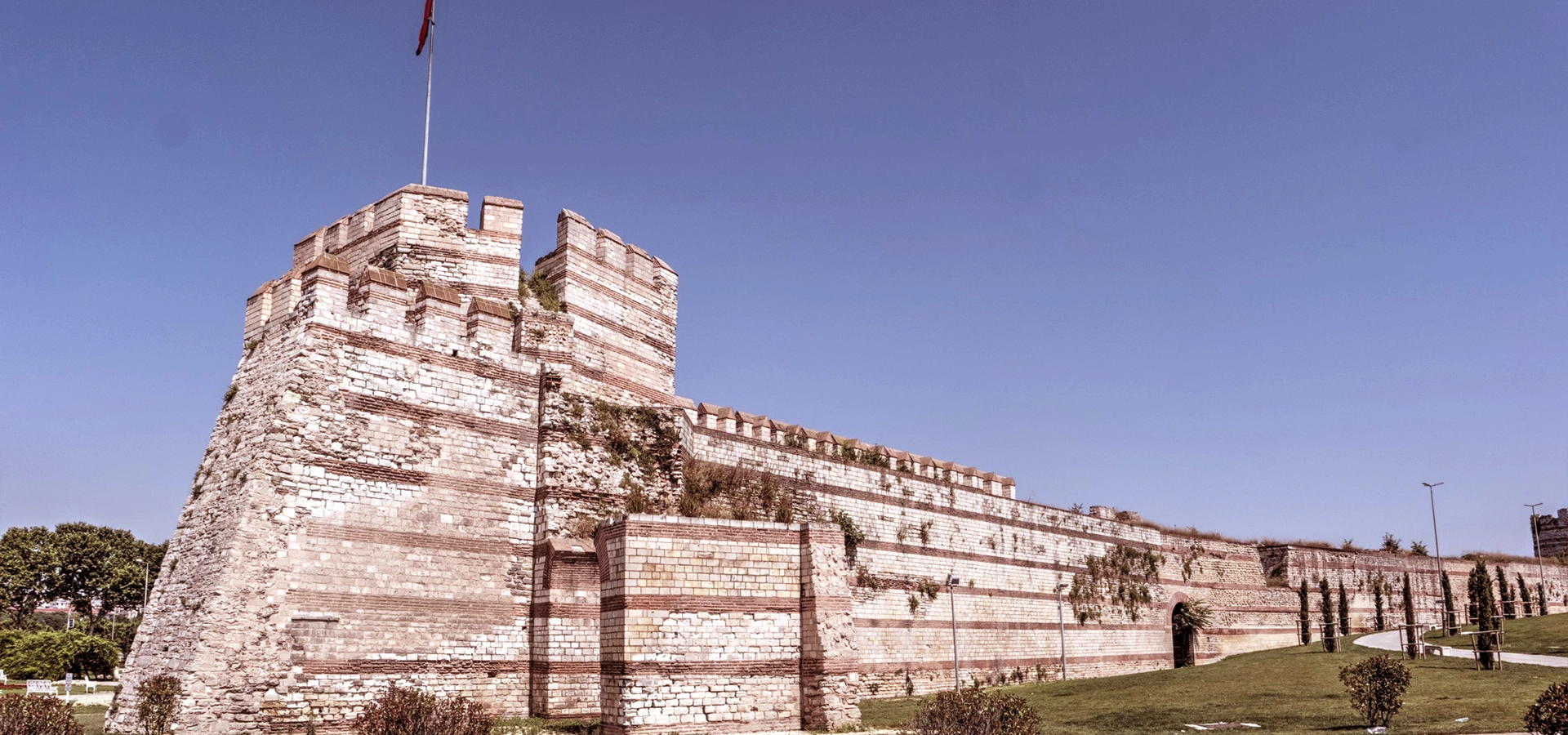
Explore the fortifications beside the Blachernae district and understand how the northwestern defenses protected the Byzantine capital.
Explore the City Walls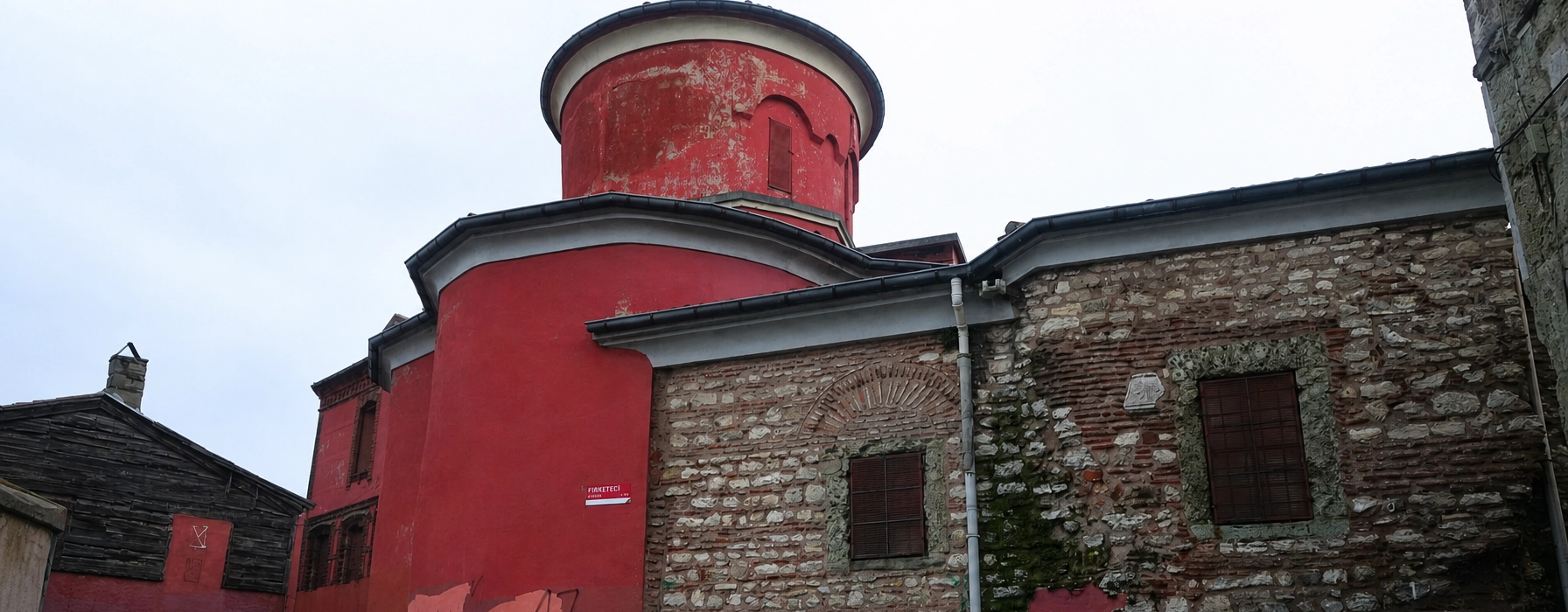
Continue east to one of Istanbul's most remarkable surviving Byzantine churches and a rare example of continuing Greek Orthodox use after 1453.
Explore St. Mary of the Mongols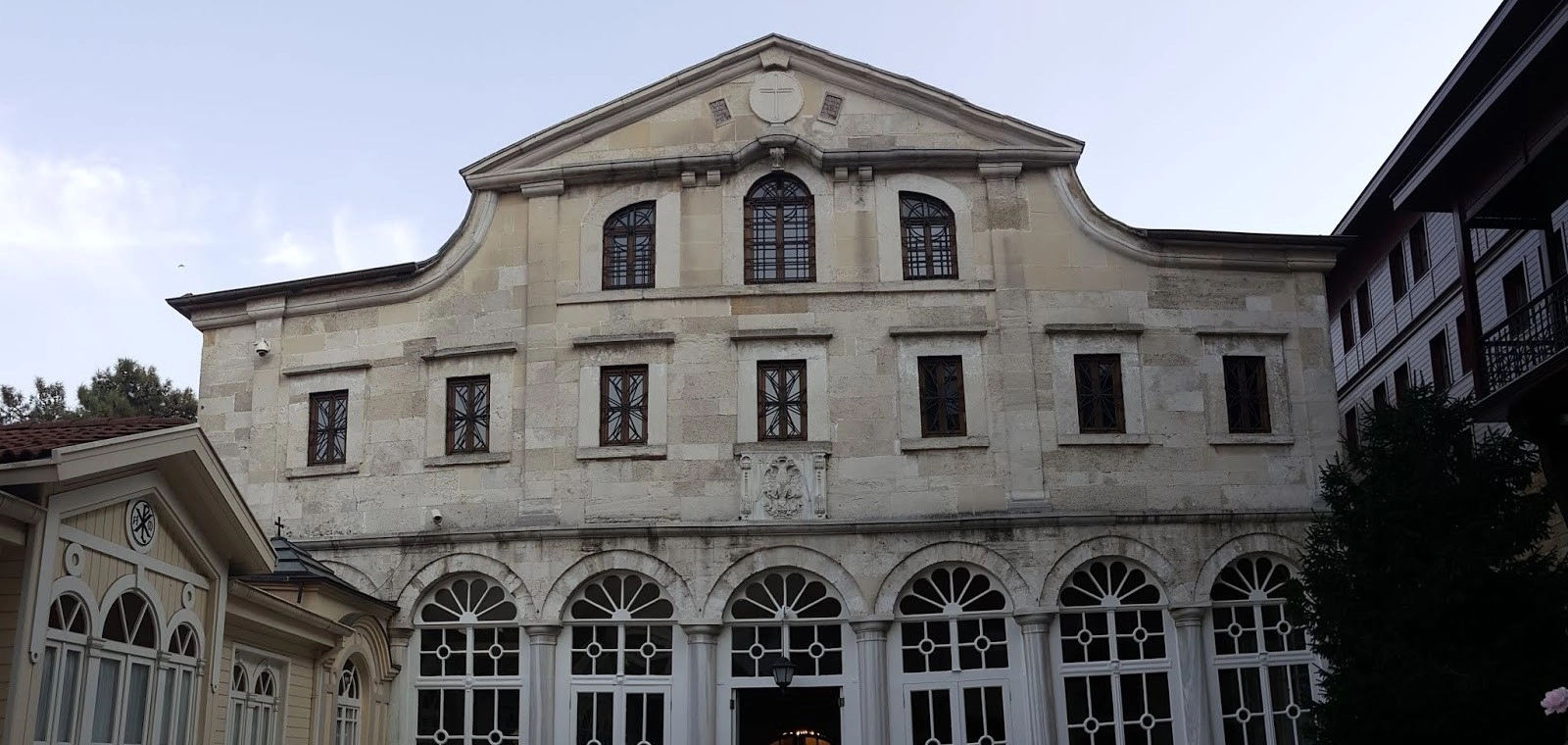
Continue through Fener to the principal church of the Ecumenical Patriarchate and one of Istanbul's most important living Orthodox sites.
Explore St. George Church