Useful Questions
Frequently Asked Questions About St. Mary of the Mongols
Where is St. Mary of the Mongols in Istanbul?
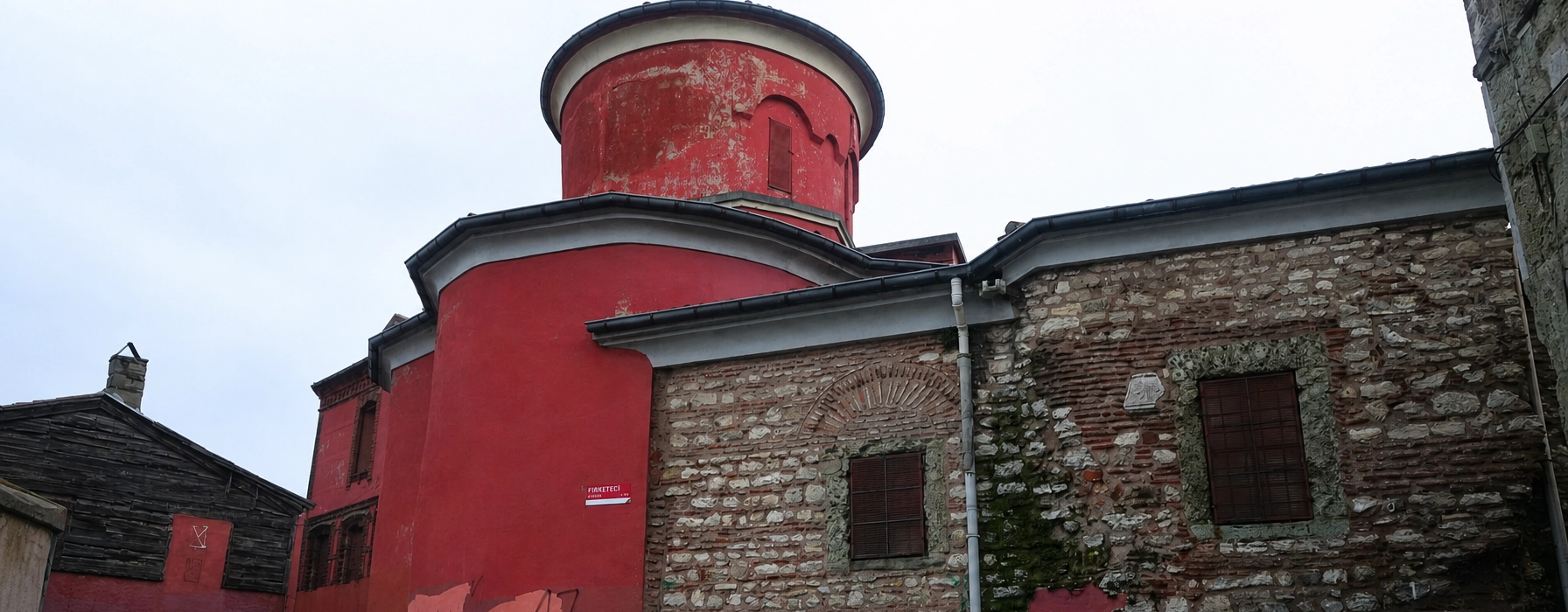
It is in the historic Fener area of Fatih, on the hillside above the Golden Horn and close to the Phanar Greek Orthodox College.
What is St. Mary of the Mongols called in Greek?
The church is commonly known as Panagia Mouchliotissa and is also associated with the dedication Theotokos Panagiotissa.
What is the church called in Turkish?
It is known as Meryem Ana Rum Ortodoks Kilisesi and popularly as Kanlı Kilise, meaning “Bloody Church.”
Is St. Mary of the Mongols a Byzantine church?
Yes. Its surviving core is Byzantine, although later repairs and additions significantly changed parts of the structure.
Was the church built in 1281?
Maria Palaiologina renewed the monastery in the early 1280s, but modern architectural research indicates that important parts of the church are older and may belong to an earlier Middle Byzantine phase.
Who was Maria Palaiologina?
She was a daughter of Byzantine emperor Michael VIII Palaiologos who married the Mongol ruler Abaqa Khan and later returned to Constantinople, where she became the principal patron of the monastery.
Was Maria Palaiologina a Mongol?
No. She was Byzantine. The “of the Mongols” name comes from her marriage and long association with the Mongol Ilkhanid court.
Is the church dedicated to Maria Palaiologina?
No. The church is dedicated to the Virgin Mary, the Theotokos. Maria Palaiologina is the famous Byzantine patron associated with the monastery.
Why is it called St. Mary of the Mongols?
The name reflects the monastery's association with Maria Palaiologina, who had been married to Abaqa Khan of the Mongol Ilkhanate before returning to Constantinople.
Why is it called Kanlı Kilise?
According to local tradition, the nickname “Bloody Church” refers to fierce fighting in the surrounding area during the Ottoman conquest of Constantinople in 1453.
Was St. Mary of the Mongols ever converted into a mosque?
No. It is widely regarded as the only surviving Byzantine church in Istanbul that remained continuously in Greek Orthodox use and was never converted into a mosque.
Why was the church allowed to remain Christian?
Its status was protected through Ottoman imperial decrees associated with the church's rights and ownership. Some popular stories explaining exactly how the privilege was first granted are traditional and debated.
Are Ottoman firmans preserved at the church?
Copies of historic Ottoman decrees associated with the church's protected status have been preserved and displayed there.
What architectural plan does the church have?
The medieval core is notable for a centralized tetraconch arrangement beneath a dome, although later alterations changed parts of the original composition.
What can you see inside St. Mary of the Mongols?
When access is permitted, visitors may see the Orthodox iconostasis, historic icons, liturgical furnishings and copies of Ottoman documents connected with the church's history.
Are there Byzantine icons inside?
Heritage descriptions highlight a historic mosaic image of the Virgin and Child and icons associated with the later Byzantine centuries.
Is St. Mary of the Mongols still an active church?
Yes. It remains a Greek Orthodox place of worship connected with the Ecumenical Patriarchate of Constantinople.
Can tourists enter St. Mary of the Mongols?
Sometimes, but access is limited and should not be assumed. The church is not operated as a regularly open museum, and the gates may be closed.
What are the opening hours?
There is no dependable regular tourist schedule. Because access changes, confirm current local information before making a trip specifically to see the interior.
Is there an entrance ticket?
The church does not operate like a conventional ticketed museum. If access is granted, follow the current arrangements and guidance of the church.
How long should I spend there?
Allow around 20–30 minutes for the site itself, or longer if interior access is available and you are especially interested in Byzantine architecture or Orthodox history.
Is photography allowed?
Exterior photography is straightforward from public areas, but interior rules can change. Always ask or follow current instructions if you are admitted inside.
How do I reach the church?
The T5 Golden Horn tram is useful for reaching Fener. From the waterfront, continue uphill on foot through the steep historic streets toward the Greek Orthodox College.
Is the Phanar Greek Orthodox College the same building?
No. The enormous red-brick college is a separate landmark nearby. St. Mary of the Mongols is smaller and partly hidden behind high walls.
Can I walk from the Ecumenical Patriarchate to St. Mary of the Mongols?
Yes. The two sites form an excellent Orthodox heritage walk through Fener, but the route includes a significant uphill climb.
What else can I visit nearby?
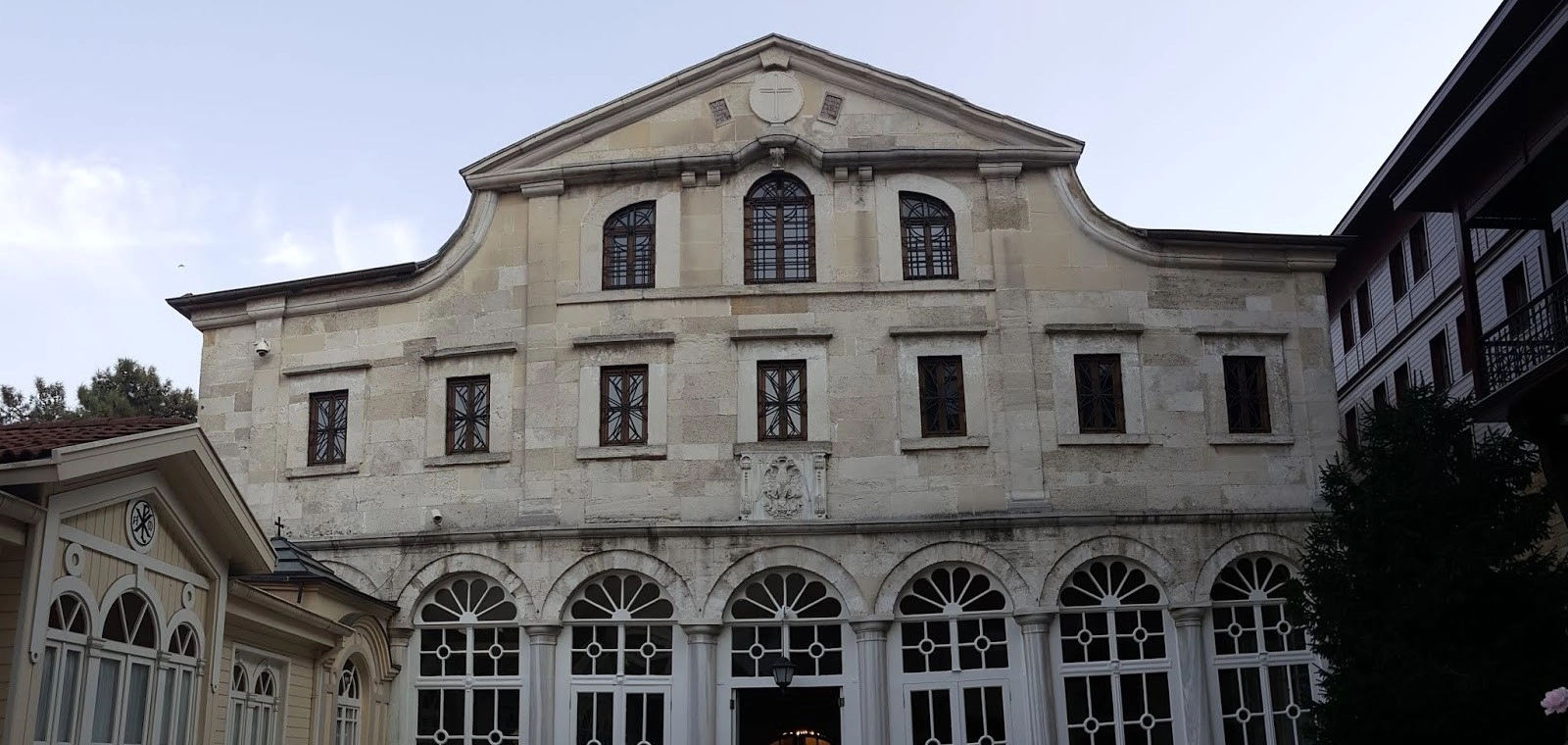
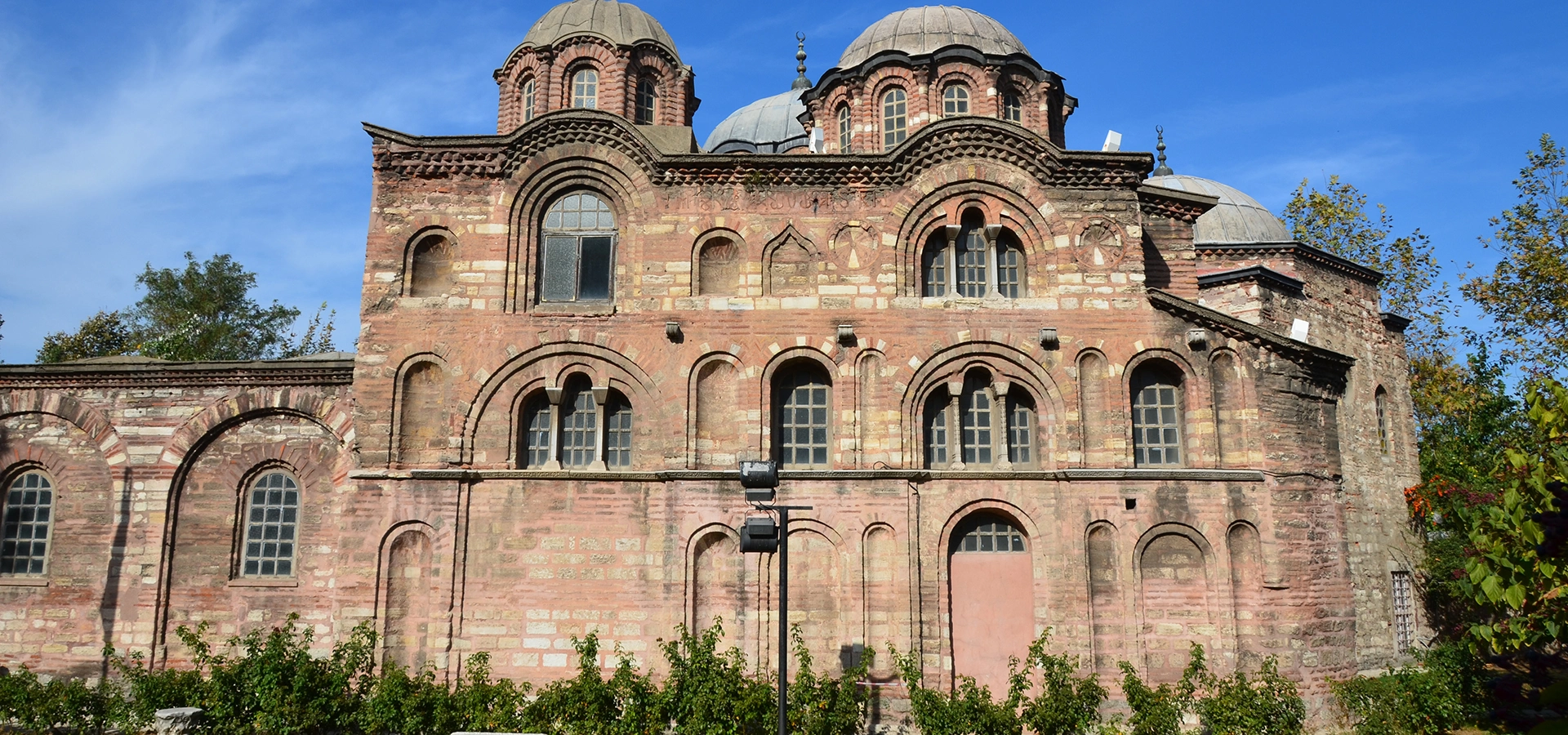
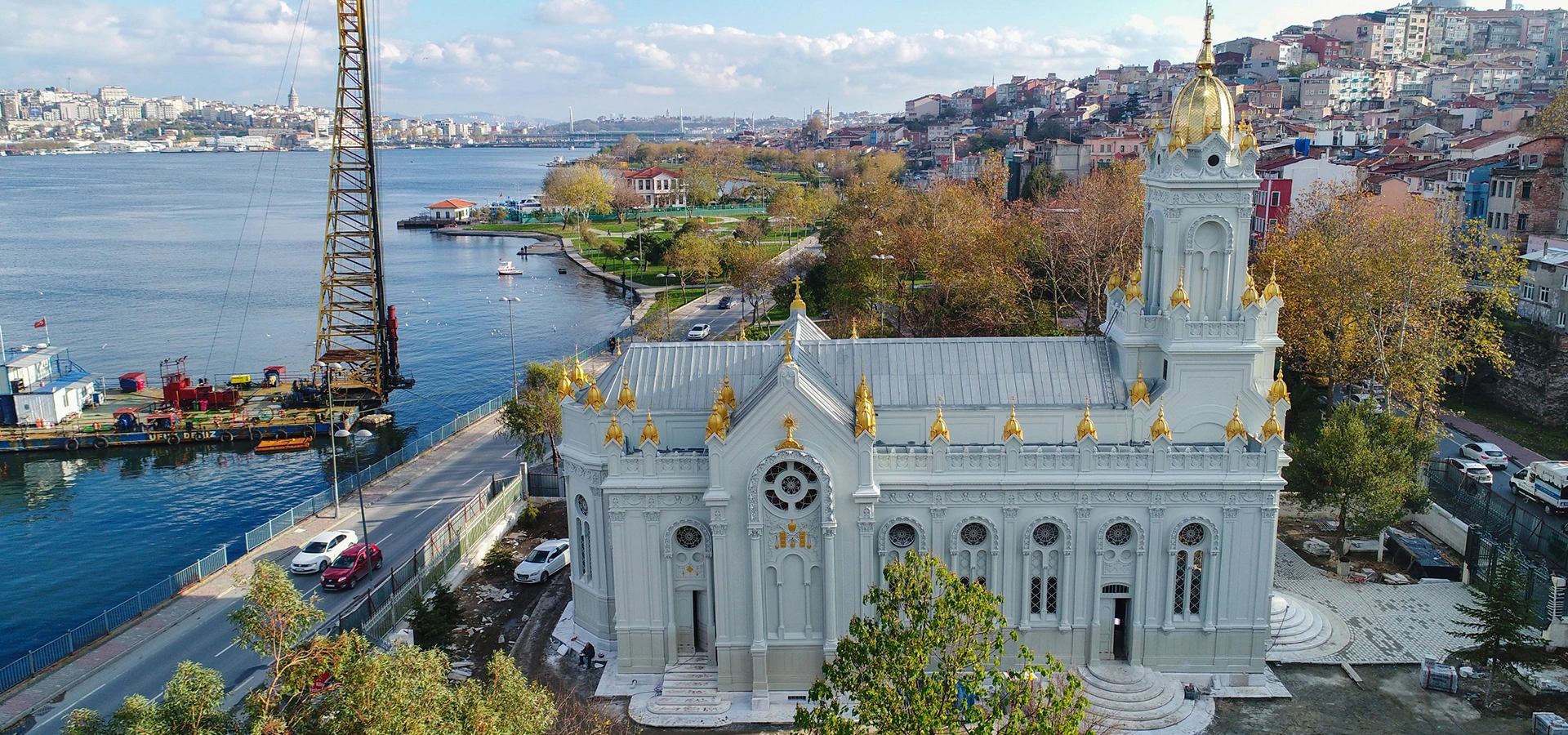
Combine the church with the Ecumenical Patriarchate, Phanar Greek Orthodox College, Bulgarian St. Stephen Church, Fener, Balat and Pammakaristos Church.
Is St. Mary of the Mongols worth visiting?
Yes, especially for travelers interested in Byzantine Constantinople and Orthodox history. Its continuous Christian use, unusual architecture and connection with Maria Palaiologina make it one of Istanbul's most distinctive hidden monuments.