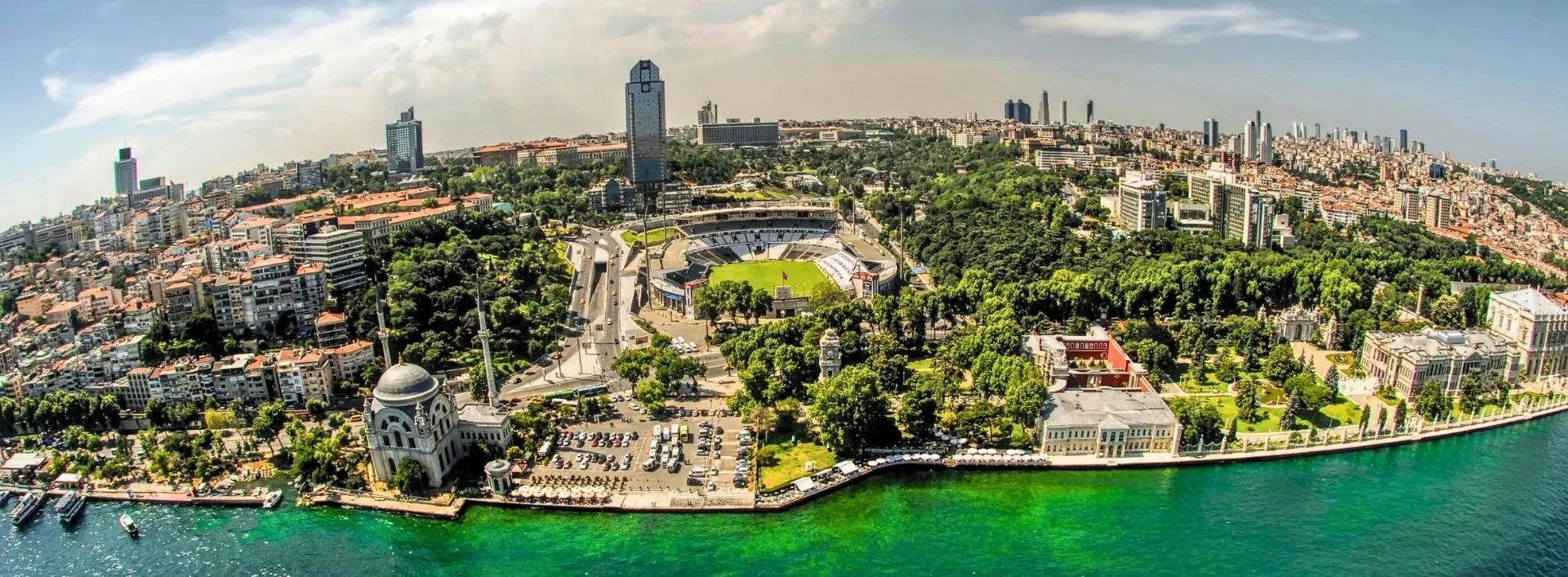
Private Beşiktaş & Bosphorus Walking Tour
Ask us about a tailor-made private walk through Beşiktaş's Ottoman palaces, maritime monuments, market streets, Bosphorus waterfront, food culture and local neighborhoods.
Request a Custom Tour




Historic Beşiktaş occupies one of the most important stretches of Istanbul's European Bosphorus shore. It is simultaneously a major transport hub, a traditional neighborhood center, a university district, a palace landscape and one of the city's most energetic places for food, culture and street life.
The neighborhood's identity grew from its relationship with the sea. Ottoman admirals used the sheltered coast, the great naval commander Barbaros Hayreddin Pasha became permanently associated with Beşiktaş, and the waterfront developed around ferry landings, imperial gardens, mosques and maritime institutions.
By the 19th century, Beşiktaş had become one of the principal stages of the late Ottoman court. Dolmabahçe Palace transformed the shoreline into a new imperial center, while nearby Yıldız Palace, Çırağan Palace, Ihlamur Pavilion and the formal avenues around Akaretler reshaped the wider district.
Yet Beşiktaş never became only a palace quarter. Around the ferry piers and market streets, fishermen, shopkeepers, students, commuters, football supporters, café owners and generations of local residents created a dense urban culture that still defines the neighborhood today.
For travelers interested in Ottoman history, Bosphorus scenery, maritime heritage, architecture, local food, markets, photography or contemporary Istanbul life, Beşiktaş is one of the strongest districts to explore beyond the classic Sultanahmet itinerary.
Ferries, piers, fishing boats, palace façades and Asian-shore views give Beşiktaş one of Istanbul's most active waterfronts.
Dolmabahçe, Yıldız, Çırağan and Ihlamur reveal how the Ottoman court moved toward the Bosphorus in the 19th century.
The tomb and monument of Barbaros Hayreddin Pasha and the Istanbul Naval Museum preserve Beşiktaş's deep maritime identity.
Beşiktaş Çarşı, breakfast streets, bakeries, cafés, fish sellers, universities and football culture keep the district intensely local.
Essential information about Beşiktaş's location, Bosphorus waterfront, Ottoman palaces, naval heritage, markets, ferries, food culture and the easiest way to explore the historic center on foot.
On Istanbul's European side, along the Bosphorus north of Kabataş and south of Ortaköy.
A busy waterfront district combining ferries, markets, palaces, museums, universities, cafés and residential streets.
Dolmabahçe Palace, the monumental 19th-century Ottoman palace on the Bosphorus.
Barbaros Hayreddin Pasha, the Naval Museum and the ferry piers give Beşiktaş a strong naval identity.
Beşiktaş Çarşı is filled with food shops, bakeries, fish sellers, cafés, restaurants and everyday neighborhood commerce.
Ferries are among the most atmospheric ways to arrive; buses, nearby rail connections and walking also work well.
Beşiktaş is closely identified with Beşiktaş J.K. and the intense match-day atmosphere around the district.
Allow three to four hours for central Beşiktaş, or a full day if you include Dolmabahçe and Yıldız Palace.
Beşiktaş is important because few Istanbul neighborhoods combine imperial history and ordinary urban life so completely within such a compact area.
Its earliest significance came from geography. The sheltered Bosphorus shoreline offered a useful anchorage outside the old city walls, while the water provided a direct route between the European and Asian shores. Maritime activity, ferry crossings and military movement gradually turned the coast into a strategic urban zone.
The neighborhood later became inseparable from the Ottoman navy. Barbaros Hayreddin Pasha, one of the empire's most famous admirals, lived and was buried here. His tomb, monument and the nearby Naval Museum make Beşiktaş one of Istanbul's strongest places for understanding Ottoman maritime power.
In the 19th century, the importance of Beşiktaş changed again as the Ottoman dynasty shifted its center of gravity toward the Bosphorus. Dolmabahçe Palace, Yıldız Palace, Çırağan Palace and nearby pavilions transformed the district into a landscape of imperial government, diplomacy, ceremony and residence.
Modern Beşiktaş remains equally important as a transport interchange and cultural center. Ferries arrive constantly, students fill the cafés, market streets stay active from morning until late, and football culture gives the neighborhood a powerful collective identity.
The Bosphorus shore around modern Beşiktaş was inhabited long before the neighborhood took its present name. In antiquity and the Byzantine period, small coastal settlements, religious buildings, gardens and landing places occupied the shoreline beyond the main fortified city of Constantinople.
Byzantine sources connected the area with the name Diplokionion, usually interpreted as a reference to a pair of columns or pillars. The coast remained more open and suburban than the dense urban quarters inside Constantinople's walls.
After the Ottoman conquest of 1453, the strategic value of the Bosphorus increased. The city expanded beyond the old walls, and Beşiktaş became closely connected with maritime activity, naval commanders, imperial gardens and movement between Europe and Asia.
The decisive figure in the neighborhood's early Ottoman identity was Barbaros Hayreddin Pasha. His connection with the coast, his mosque foundation and his burial here helped transform Beşiktaş into a symbolic home of the Ottoman navy.
During the 18th and especially the 19th centuries, the shoreline became increasingly fashionable for Ottoman rulers and elites. Wooden waterfront palaces and gardens gave way to monumental stone residences. Dolmabahçe Palace opened a new chapter when it became the principal imperial residence and administrative center in the mid-19th century.
Later, Yıldız Palace became especially associated with Sultan Abdülhamid II, who governed from the hill above Beşiktaş for much of his reign. The district was now not merely a suburban waterfront but one of the political centers of the empire.
In the Republican period, Beşiktaş retained national importance through Dolmabahçe Palace, where Mustafa Kemal Atatürk stayed during visits to Istanbul and died on 10 November 1938. Meanwhile, the market quarter, ferry hub, educational institutions and expanding residential neighborhoods gave Beşiktaş its modern urban character.
The area lay beyond the main city walls and developed as a Bosphorus settlement with religious and suburban functions.
Barbaros Hayreddin Pasha strengthened Beşiktaş's lasting association with the Ottoman navy.
Palaces, pavilions, barracks and formal streets transformed Beşiktaş into an imperial district.
The court shifted from the old palace world of the Historic Peninsula toward the Bosphorus.
Sultan Abdülhamid II governed from the extensive palace complex on the hill above the neighborhood.
Ferries, markets, universities, culture and football turned the district into one of contemporary Istanbul's busiest centers.
The origin of the name Beşiktaş is not completely certain, and several explanations survive in local tradition.
The modern Turkish words beşik and taş mean “cradle” and “stone”. One traditional story links the district with a cradle-shaped sacred stone associated with an earlier Christian tradition.
Another popular explanation connects the name with “beş taş,” or “five stones.” According to this story, Barbaros Hayreddin Pasha placed five mooring posts or stones on the coast for ships, and the expression gradually evolved into Beşiktaş.
Neither story should be treated as a securely proven etymology. What matters historically is that the neighborhood's name became deeply connected with the waterfront, shipping and local memory.
The best introduction to Beşiktaş is the waterfront.
Ferries cross constantly between the European and Asian sides of Istanbul, while passenger boats, fishing vessels and Bosphorus traffic move through the channel in front of the neighborhood. The result is a waterfront that feels active rather than ceremonial.
The ferry piers are not simply transport infrastructure. They are part of the social life of Beşiktaş. Commuters meet here, students wait beside the water, tea is carried onto boats, and the changing skyline of Üsküdar and the Asian shore forms a permanent backdrop.
Walking along the coast also helps explain why the Ottoman court was drawn to this section of the Bosphorus. Palaces, gardens and naval buildings could face the water while remaining directly connected with the wider city by boat.
For visitors, arriving by ferry is often the most memorable way to begin. The transition from the open Bosphorus to the dense market streets takes only a few minutes and immediately reveals the contrast that defines Beşiktaş.
No historical figure is more strongly associated with Beşiktaş's maritime identity than Barbaros Hayreddin Pasha.
Born on the island of Lesbos in the late 15th century, Barbaros rose from seafaring and privateering in the Mediterranean to become Kapudan Pasha, grand admiral of the Ottoman fleet under Sultan Süleyman the Magnificent.
His victories helped establish Ottoman naval dominance in the Mediterranean during the 16th century. Beşiktaş became closely connected with his residence, fleet traditions and memory.
His tomb was built by the great Ottoman architect Mimar Sinan in the 1540s. The compact domed structure stands close to the waterfront and remains one of the neighborhood's most important Ottoman monuments.
Nearby, the monumental bronze statue of Barbaros and his sailors reinforces the naval character of the square. Together with the Naval Museum, these monuments make this part of Beşiktaş one of the clearest places in Istanbul to explore the relationship between the city and the sea.
Standing near the ferry piers and market streets, Sinan Pasha Mosque is one of central Beşiktaş's defining historical landmarks.
The mosque was commissioned in the 16th century for Sinan Pasha, an Ottoman naval commander, and designed by Mimar Sinan. Its location close to the shore reflects the strong relationship between the district's religious foundations and maritime elite.
The building forms a calm architectural counterpoint to the surrounding traffic and crowds. Its courtyard, domed prayer hall and Ottoman proportions preserve a sense of the older settlement that existed before the major 19th-century palaces transformed the waterfront.
Because it remains an active mosque, visitors should enter respectfully outside prayer times, dress appropriately and avoid disturbing worshippers.
At the southern edge of central Beşiktaş stands Dolmabahçe Palace, one of the most important buildings of the late Ottoman Empire.
The shoreline had earlier contained an imperial garden and a collection of wooden waterfront structures known as the Beşiktaş Shore Palace. During the reign of Sultan Abdülmecid, these were replaced by the monumental palace completed in the mid-19th century.
Its architecture combines Ottoman court traditions with European Baroque, Rococo and Neoclassical influences. Vast reception rooms, ceremonial staircases, crystal, gilded decoration and a formal Bosphorus façade expressed the changing diplomatic and political world of the empire.
Dolmabahçe also holds a central place in Republican history because Mustafa Kemal Atatürk used the palace during visits to Istanbul and died here on 10 November 1938.
The palace deserves several hours on its own. If you are creating a wider Beşiktaş day, visit Dolmabahçe early and continue north toward Akaretler, the market quarter and Yıldız.
The rising streets between Dolmabahçe and the center of Beşiktaş contain one of Istanbul's most distinctive late Ottoman urban ensembles: the Akaretler Row Houses.
Built in the 19th century in connection with the palace district, the long sequence of masonry residences reflects a more planned form of urban development than the irregular wooden neighborhoods traditionally associated with old Istanbul.
The façades follow the slope in rhythmic terraces, creating one of the strongest architectural streetscapes on the European side. Their scale links the monumental world of Dolmabahçe with the residential and commercial life of Beşiktaş.
Today the restored buildings contain residences, cafés, restaurants, shops and cultural spaces. The area is especially rewarding for architecture and street photography.
The real center of everyday Beşiktaş lies not in a palace but in the dense streets behind the ferry piers.
Known collectively as Beşiktaş Çarşı, the market area is filled with fish sellers, bakeries, greengrocers, cafés, dessert shops, restaurants, small stores and narrow pedestrian streets.
Unlike a purpose-built tourist bazaar, this is a living commercial center used by local residents, students and commuters. Prices, products and storefronts change over time, but the rhythm of shopping and eating remains central to the neighborhood's identity.
The fish market is a useful orientation point, while the streets around it are ideal for wandering without a strict route. Morning is good for food shopping and breakfast; evening brings a busier social atmosphere.
For visitors who want to experience Istanbul beyond monuments, spending even thirty minutes inside the Çarşı can be as revealing as visiting a museum.
Beşiktaş has become one of Istanbul's best-known neighborhoods for casual Turkish breakfast.
Several streets near the market center are packed with breakfast cafés offering combinations of eggs, menemen, cheeses, olives, tomatoes, cucumbers, jams, honey, börek, bread and endless glasses of tea.
The area is especially lively on weekends, when students, families and groups of friends fill the small tables. Some establishments specialize in large spread breakfasts, while others focus on simple plates or regional ingredients.
For a lighter option, a fresh simit with tea remains one of the most characteristic Beşiktaş breakfasts, particularly if eaten near the waterfront.
Eggs cooked with tomatoes and peppers, often shared at the table.
The sesame-coated bread ring is one of the easiest local breakfasts to take toward the waterfront.
Flaky pastry filled with cheese, minced meat, spinach or potatoes.
Small glasses of strong tea are essential to the neighborhood breakfast rhythm.
Simple breakfast plates often combine several cheeses, olives, tomatoes and cucumber.
Expect more crowds and waiting at popular breakfast cafés on Saturday and Sunday mornings.
Beşiktaş is excellent for informal eating because the neighborhood serves a large local population rather than depending only on visitors.
The market area's maritime character makes fish and seafood a natural choice.
Grilled meatballs are a practical lunch or dinner option around the Çarşı.
Fast, filling and widely available in the busy commercial streets.
Cold and warm small plates work well in traditional tavern-style dining.
Simit, açma, poğaça and börek are ideal for breakfast or a quick snack.
Look for sütlaç, baklava and traditional milk or syrup desserts.
A slower coffee stop fits naturally after exploring the market streets.
One of the simplest pleasures in Beşiktaş is drinking tea while watching ferries cross the water.
Above the waterfront, Yıldız Palace represents a very different form of imperial residence from Dolmabahçe.
Rather than one enormous waterfront block, Yıldız developed as a broad complex of pavilions, gardens, administrative buildings, service structures, workshops and protected palace grounds.
The complex became especially important under Sultan Abdülhamid II, who made Yıldız his principal residence and governed the empire from here for much of his 33-year reign.
Yıldız therefore preserves the political atmosphere of the late 19th-century Ottoman state: court ceremony, diplomacy, security, administration, craftsmanship and private royal life were concentrated within the same protected landscape.
The palace has reopened to visitors after major restoration, but access arrangements, open sections and visiting days can change. Check current National Palaces information before planning a detailed visit.
The wooded slopes of Yıldız Park provide one of the best green escapes close to central Beşiktaş.
The area formed part of the imperial garden landscape associated with Yıldız Palace. Mature trees, winding paths, lawns and pavilions create a quieter atmosphere only a short distance from the dense traffic and market streets below.
The park is particularly attractive when combined with a palace visit or a walk toward Ortaköy. It also offers a useful break during hot weather because much of the route passes through shade.
Because paths climb significantly, the park should not be underestimated as an easy flat stroll. Comfortable shoes are useful, especially if entering from the lower Beşiktaş or Çırağan side.
Continuing north along the Bosphorus brings you to Çırağan Palace, another of the great 19th-century Ottoman waterfront residences.
The present stone palace was built during the reign of Sultan Abdülaziz. Its long Bosphorus façade and ornate decoration formed part of the dramatic transformation of the shore between Beşiktaş and Ortaköy.
The palace later suffered a devastating fire and a long period of ruin before restoration and adaptation. Today the historic structure forms part of a hotel complex and event venue rather than functioning like a conventional state museum-palace.
For most travelers, Çırağan is best appreciated from the waterfront, the surrounding streets or a Bosphorus boat. Its position also creates a natural transition between central Beşiktaş, Yıldız Park and Ortaköy.
Away from the Bosphorus shore, Ihlamur Pavilion preserves a more intimate side of 19th-century imperial life.
The site developed in a green valley once associated with royal excursions and recreation. During the reign of Sultan Abdülmecid, the Balyan family designed the elegant pavilions that survive today.
Compared with Dolmabahçe, the complex is small and personal. Decorative façades, ornate interiors and garden space make it a rewarding stop for visitors interested in Ottoman court architecture without the scale and crowds of a major palace.
Ihlamur lies inland from central Beşiktaş, so it works best in a half-day route using a taxi, bus or a determined uphill walk rather than as part of a purely waterfront itinerary.
For many Istanbul residents, Beşiktaş is inseparable from Beşiktaş J.K. and football.
The club's black-and-white colors appear throughout the market streets, and the neighborhood becomes dramatically more intense on match days. Supporters gather in the Çarşı, cafés fill, chants echo through narrow streets and the movement toward the stadium transforms the entire district.
The stadium occupies one of the most extraordinary settings in world football, close to Dolmabahçe Palace and the Bosphorus. Even outside a match, its presence demonstrates how closely modern popular culture and imperial history overlap in Beşiktaş.
Visitors who are not attending a game should still be aware of match schedules. Traffic, public transport and pedestrian density can change significantly before and after major fixtures.
The wider Beşiktaş district preserves religious monuments belonging to several communities and periods of Istanbul history.
Central Beşiktaş is anchored by Sinan Pasha Mosque and the tomb of Barbaros Hayreddin Pasha. On the slopes above Çırağan stands the complex associated with Yahya Efendi, one of the important spiritual figures of 16th-century Ottoman Istanbul.
Closer to Yıldız, Ertuğrul Tekke Mosque reflects the cosmopolitan architectural character of the late Ottoman period. Further north, Ortaköy preserves Muslim, Christian and Jewish heritage within a remarkably compact section of the Bosphorus shore.
These sites help demonstrate that Beşiktaş was never a single-function imperial district. Court, navy, merchants, religious communities and ordinary residents all contributed to its historical landscape.
Watch ferries, fishing boats and Bosphorus traffic while enjoying views toward the Asian shore.
See the monumental tribute to the Ottoman admiral who became inseparable from Beşiktaş's maritime identity.
Visit the compact Mimar Sinan-designed mausoleum of Barbaros Hayreddin Pasha.
Explore Ottoman and Turkish maritime history, including richly decorated imperial caiques.
Discover an important 16th-century Ottoman mosque close to the ferry piers.
Walk through the neighborhood's market streets, food shops, bakeries, fish sellers and cafés.
Experience one of Istanbul's liveliest concentrations of casual Turkish breakfast cafés.
Photograph one of Istanbul's most impressive late Ottoman row-house streetscapes.
Visit the grand 19th-century Ottoman palace that reshaped the imperial Bosphorus waterfront.
Explore the extensive late Ottoman palace complex associated especially with Sultan Abdülhamid II.
Escape into wooded imperial gardens above the Bosphorus.
See the restored 19th-century palace façade along the route toward Ortaköy.
A practical first-time route begins at Dolmabahçe, crosses Akaretler into the market center and finishes beside the Bosphorus. This keeps the main historical sites close together and avoids unnecessary backtracking.
Central Beşiktaş is a living city neighborhood, and most streets, squares, markets and waterfront areas can be explored freely.
The Naval Museum, Dolmabahçe Palace, Yıldız Palace and Ihlamur Pavilion are formal cultural attractions with their own opening schedules and admission systems. Always check current official information before building a day around a specific interior visit.
Sinan Pasha Mosque and other religious sites are active places of worship. Tourist visits should fit around prayer and community use.
The Çarşı and breakfast streets are ordinary commercial areas. Individual restaurants and shops set their own hours, and some businesses may close or change schedules seasonally.
Football matches, major public events, demonstrations or celebrations can make parts of Beşiktaş dramatically busier. If you prefer a calm visit, check whether a major match or event is taking place.
Public streets, squares and the waterfront are free to explore.
Ticketed attractions with separate opening days and visitor rules.
Allow dedicated museum time if you want to see the collections properly.
Active places of worship; access may pause during prayer.
Free to explore, with the liveliest atmosphere from late morning into evening.
Expect heavier crowds, traffic changes and an intense football atmosphere.
If your route allows it, approaching Beşiktaş from the Asian side gives the neighborhood an unforgettable Bosphorus entrance.
Do not assume Dolmabahçe and Yıldız follow the same schedule every day of the week.
The waterfront is easy, but Akaretler and Yıldız involve noticeable uphill walking.
Football fixtures can completely change traffic and crowd levels.
The strongest local atmosphere often appears one or two streets away from the main roads.
The waterfront can feel cooler and windier than inland parts of the city.
Beşiktaş works especially well for simple neighborhood food rather than formal tourist dining.
Ferries, cafés, markets and waterfront views make Beşiktaş easy to enjoy even when plans change.
Best for quieter waterfront views, ferries and photography before the market streets become busy.
Ideal if you want to experience the neighborhood's café and breakfast culture.
Good for combining the Çarşı, Naval Museum and nearby monuments.
Works well for Akaretler, Yıldız Park or a continuation toward Ortaköy.
The Bosphorus waterfront becomes especially atmospheric as light changes across the Asian shore.
Best for restaurants, cafés and the social atmosphere of the market quarter.
Enough for the ferry piers, Barbaros Square, Sinan Pasha Mosque and a quick walk through the Çarşı.
Add the Naval Museum or a relaxed breakfast and market exploration.
Good for central Beşiktaş, Akaretler and the main maritime monuments.
Combine central Beşiktaş with Dolmabahçe Palace or Yıldız Park.
Visit Dolmabahçe, Beşiktaş center and Yıldız Palace without rushing.
Continue north through Çırağan and Ortaköy for a broader European-shore route.
Beşiktaş is one of Istanbul's strongest districts for combining monumental architecture with documentary street photography.
The waterfront offers ferries, birds, palace façades and changing Asian-shore views. Akaretler provides strong architectural lines, while the Çarşı is ideal for food, market and everyday-life details.
The Barbaros monument works especially well when framed with ferries or the Bosphorus. Dolmabahçe Palace is best photographed from public waterfront viewpoints or from the water, while Yıldız Park offers greener and quieter compositions.
As always in a living neighborhood, avoid intrusive close-up photography of residents, shop workers or worshippers without permission.
Beşiktaş ferry piers and the open Bosphorus edge.
Dolmabahçe Palace and the Akaretler Row Houses.
Beşiktaş Çarşı and the market streets behind the piers.
The Barbaros Hayreddin Pasha monument near the waterfront.
Yıldız Park for trees, paths, pavilions and seasonal color.
Morning for calmer streets; late afternoon and sunset for warmer Bosphorus atmosphere.
Central Beşiktaş is easier to explore than many historic neighborhoods of Istanbul, but conditions vary sharply between the waterfront and the hills.
The ferry-pier area, Barbaros Square and parts of the main commercial center are relatively level. However, narrow sidewalks, crowds, street furniture and traffic can still create obstacles.
Akaretler climbs noticeably, and routes toward Yıldız Palace and Yıldız Park involve steeper gradients. Visitors with limited mobility may prefer to use a taxi or bus for the uphill sections.
Museums and palace complexes have their own accessibility arrangements, but historic thresholds, garden surfaces or route changes may affect individual sections.
Beşiktaş is one of Istanbul's major transport hubs, and there are several convenient ways to arrive.
Ferry is the most atmospheric option. Regular Bosphorus services connect Beşiktaş with points on the Asian side, making the journey itself part of the experience.
From the historic center, many visitors approach through Kabataş, then continue north along the waterfront by bus, taxi or on foot past Dolmabahçe Palace.
Numerous city buses pass through Beşiktaş and connect it with Taksim, Şişli, Levent, Ortaköy and other parts of Istanbul. Traffic can be heavy, particularly during weekday rush hours and match days.
Taxis are useful when combining central Beşiktaş with uphill attractions such as Yıldız Palace or Ihlamur Pavilion, but short distances can still take time in traffic.
The most scenic arrival and one of the defining experiences of Beşiktaş.
Travel toward Kabataş, then continue along the Bosphorus to Beşiktaş.
Bus, taxi or downhill walking connections reach Beşiktaş relatively quickly outside heavy traffic.
Use a ferry connection when available for a direct and scenic Bosphorus crossing.
Walk or use a short bus/taxi ride south along the Bosphorus via Çırağan.
Convenient for uphill palace routes, but allow for unpredictable traffic.
This route combines the strongest palace, neighborhood, maritime and food experiences in central Beşiktaş without trying to cover the entire district.
If you have a full day, Beşiktaş can support a much deeper route through Ottoman palace history and modern neighborhood life.
Explore the great 19th-century Ottoman palace immediately south of central Beşiktaş.
Continue north for the famous Bosphorus square, food stalls, waterfront and mosque.
Visit one of Istanbul's most photographed waterside mosques beneath the Bosphorus Bridge.
Discover the late Ottoman administrative and residential complex on the hill above Beşiktaş.
Walk through one of the largest historic green areas near the central Bosphorus.
Head inland for elegant avenues, shopping, cafés and late Ottoman–Republican urban architecture.
Continue south for major public transport connections and access toward the Historic Peninsula.
Continue planning with Istanbul's palaces, mosques, churches, museums, bazaars and historic neighborhoods.
Beşiktaş is on the European shore of the Bosphorus, north of Kabataş and south of Ortaköy. The historic center lies around the ferry piers, market streets and Barbaros Square.
Beşiktaş is famous for its Bosphorus waterfront, ferries, Dolmabahçe Palace, Barbaros Hayreddin Pasha, Naval Museum, market streets, breakfast culture and Beşiktaş J.K.
Yes. It is one of the best districts for combining major Ottoman history with ordinary Istanbul life, food, markets, ferries and Bosphorus views.
Allow three to four hours for the central neighborhood, or a full day if you want to include Dolmabahçe Palace and Yıldız Palace.
Ferry is the most scenic option when coming from the Asian side. From the Historic Peninsula, many visitors travel toward Kabataş and continue north along the Bosphorus.
Yes. Dolmabahçe lies immediately south of central Beşiktaş and can easily be combined with Akaretler, the market streets and the waterfront on foot.
Yes. The route follows the Bosphorus north past Çırağan Palace and the lower edge of Yıldız Park. It is a rewarding extension when the weather is comfortable.
Beşiktaş Çarşı is the dense market and commercial area behind the ferry piers, filled with food shops, bakeries, fish sellers, cafés, restaurants and small stores.
Yes. The neighborhood is one of Istanbul's best-known areas for casual Turkish breakfast, with many cafés concentrated around the market streets.
Barbaros Hayreddin Pasha was one of the Ottoman Empire's greatest admirals and a major figure in 16th-century Mediterranean naval history. His tomb stands in Beşiktaş near the waterfront.
The tomb was designed by the great Ottoman architect Mimar Sinan in the 16th century.
The museum contains maritime collections including ship models, paintings, weapons, uniforms, maps and spectacular ceremonial imperial caiques.
Yes. Dolmabahçe Palace stands within the Beşiktaş district on the Bosphorus, immediately south of the historic market center.
It became a principal residence and administrative center of the late Ottoman dynasty and later held major significance in the life of Mustafa Kemal Atatürk.
Yıldız Palace is a large complex of pavilions, gardens, administrative buildings and service structures associated especially with Sultan Abdülhamid II.
The public park area is generally accessed as an urban green space, while individual palace or pavilion sections may have separate rules or tickets. Check current conditions before visiting specific interiors.
They are a long series of 19th-century masonry residences built in connection with the palace district and now one of Beşiktaş's most distinctive architectural streetscapes.
Very much so. Ferries, Bosphorus views, palace façades, Akaretler architecture, market streets and the Barbaros monument provide a wide range of subjects.
It can be. Weekday commuting hours, weekend breakfast periods, evenings and football match days are especially busy.
The waterfront and central market are relatively manageable, but Akaretler, Yıldız and inland routes climb significantly away from the Bosphorus.
Yes. Despite major historical attractions, Beşiktaş remains a heavily used local district where residents, students and commuters shape the atmosphere throughout the day.
Yes. A very strong route combines Dolmabahçe, central Beşiktaş, Yıldız or Çırağan and Ortaköy before sunset.
No. The neighborhood streets, market and waterfront can be explored freely. Tickets are only needed for individual museums, palaces or other controlled attractions.
Give priority to prayer and community use inside active mosques and religious sites.
Ask before taking close portraits of vendors, residents or worshippers.
Do not block narrow sidewalks or shop entrances while taking photographs.
Respect current restrictions on photography, bags, food and access inside cultural institutions.
Breakfast cafés, bakeries, market shops and neighborhood restaurants are part of what makes Beşiktaş distinctive.
Beşiktaş is a dense residential and working district, not an open-air tourist zone.
Discover Beşiktaş through a private route shaped around Ottoman history, the Bosphorus, palace architecture, maritime heritage, neighborhood food, photography and local Istanbul culture — without compulsory shopping stops.
Build a private route through Dolmabahçe, Akaretler, Beşiktaş Çarşı, Sinan Pasha Mosque, Barbaros Square, the Naval Museum and the waterfront, with pacing adapted to your interests.
Ask us about a tailor-made private walk through Beşiktaş's Ottoman palaces, maritime monuments, market streets, Bosphorus waterfront, food culture and local neighborhoods.
Request a Custom Tour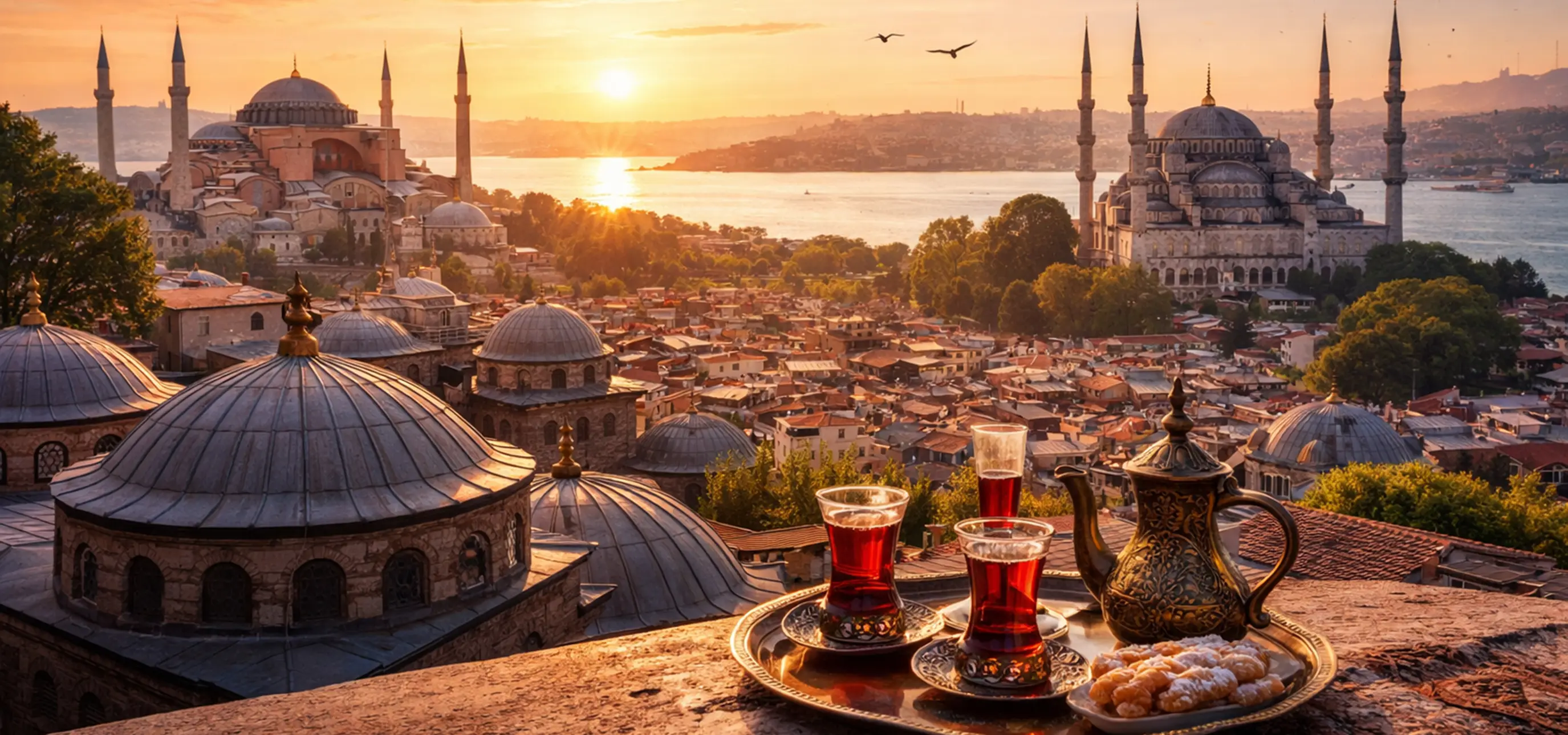
Continue planning with Istanbul's palaces, mosques, churches, museums, bazaars, Bosphorus districts, Byzantine monuments and Ottoman neighborhoods.
Explore IstanbulCombine central Beşiktaş with Dolmabahçe Palace, Yıldız Palace, Çırağan, Ortaköy or other Bosphorus districts according to your interests and available time.
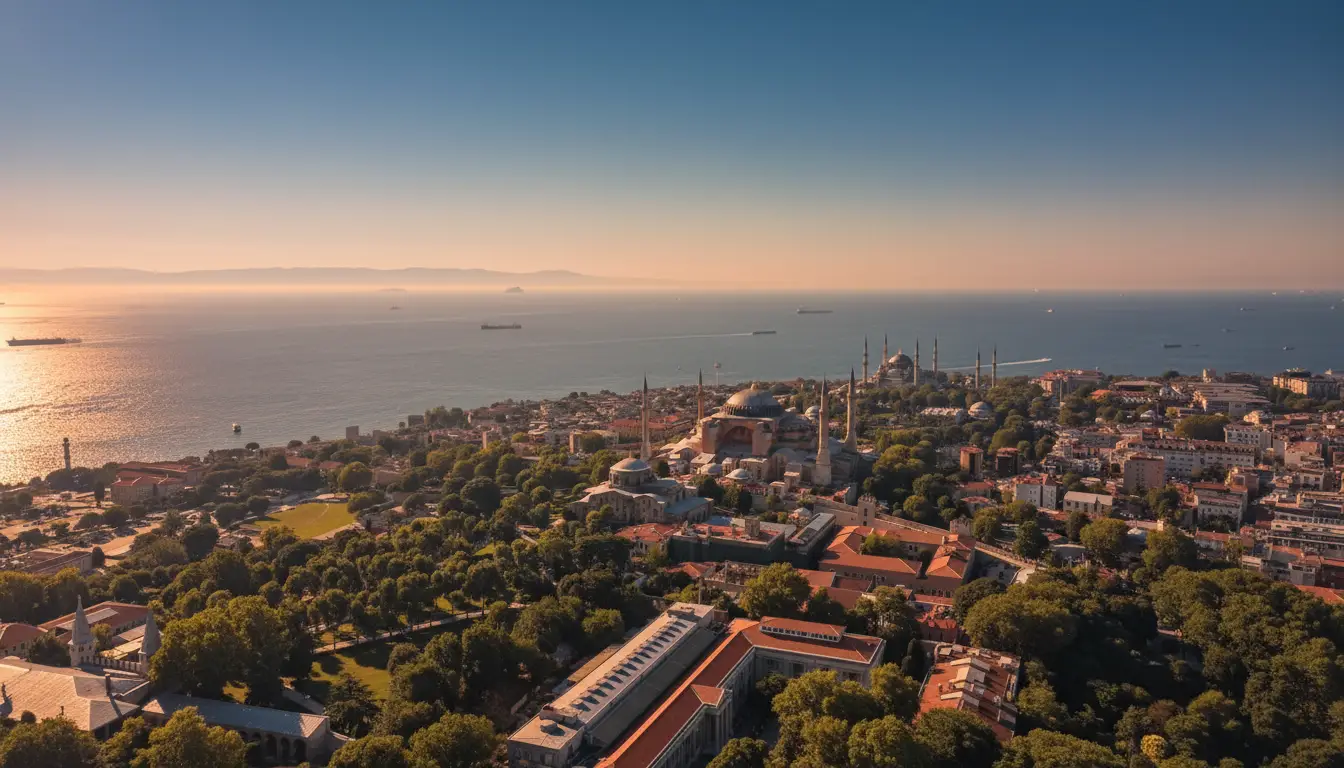
Create a private Istanbul itinerary around Ottoman history, Bosphorus neighborhoods, sacred architecture, museums, archaeology, food and local culture.
View Private Istanbul Tours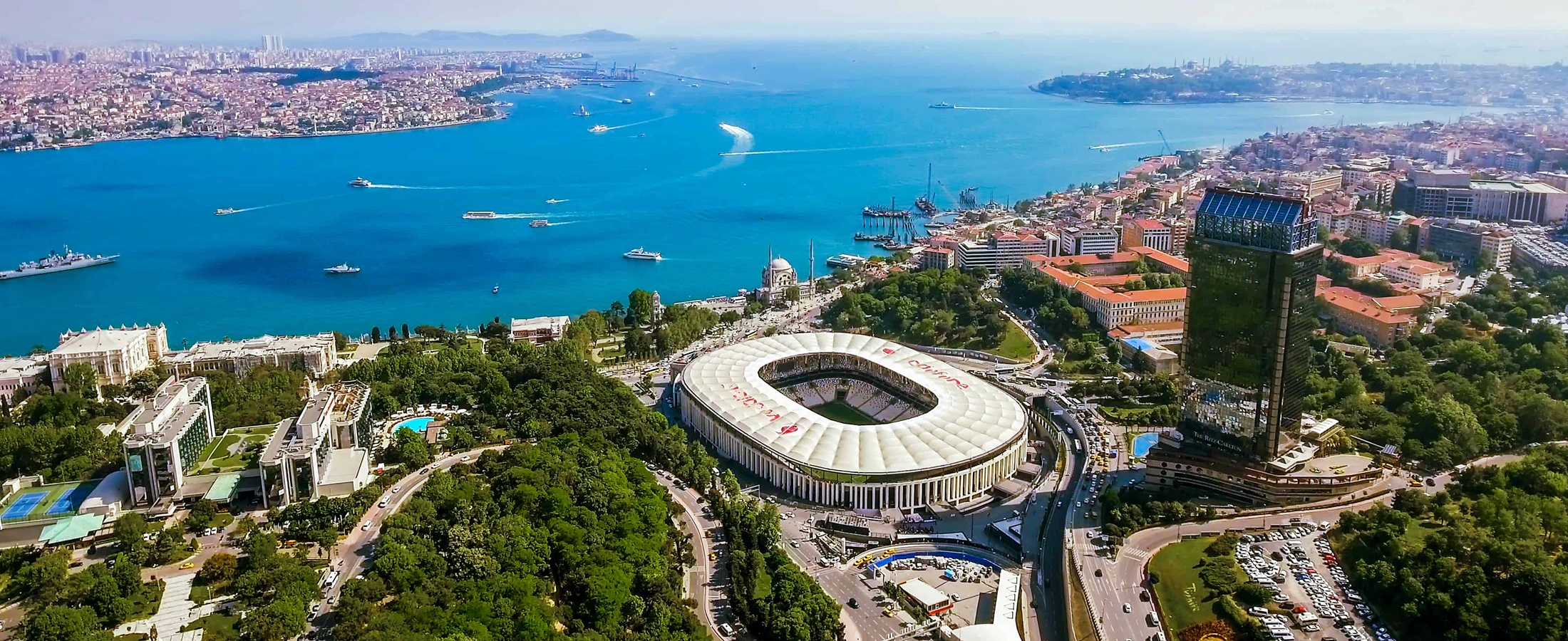
Extend the Beşiktaş route north past Çırağan Palace to Ortaköy's famous waterfront square, mosque, Bosphorus Bridge views and neighborhood food culture.
Explore Ortaköy