Ottoman Waterfront Houses, Greek Heritage, Bebek Bay, Bosphorus Promenade, Cafés & Local Life

Arnavutköy & Bebek Istanbul – Complete Bosphorus Neighborhood Guide

Explore two of Istanbul's most beautiful European-side Bosphorus neighborhoods, from Arnavutköy's historic wooden houses and multicultural heritage to Bebek Bay, Aşiyan, waterfront parks, cafés and one of the city's finest seaside walks.

Explore Arnavutköy & Bebek

Arnavutköy & Bebek – Two Classic Bosphorus Neighborhoods

On the European shore of the Bosphorus, north of Ortaköy, two neighboring districts offer one of Istanbul's most rewarding combinations of historic architecture, waterfront scenery and contemporary city life: Arnavutköy and Bebek.

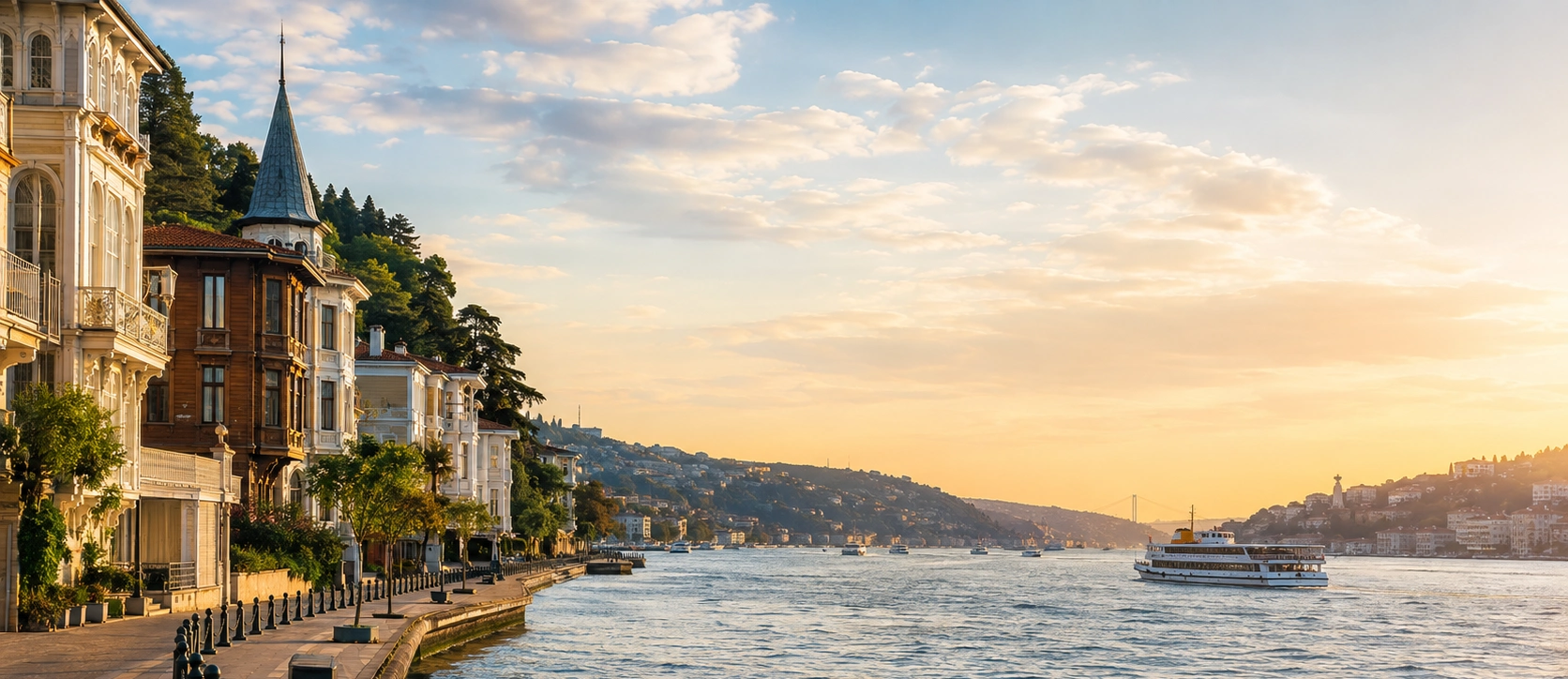
Arnavutköy is immediately recognizable for its rows of late Ottoman wooden houses, narrow side streets, old religious buildings and shoreline around Akıntıburnu. For centuries, the neighborhood was associated with a strong Greek Orthodox community, fishing, market gardens, Bosphorus mansions and waterfront social life.

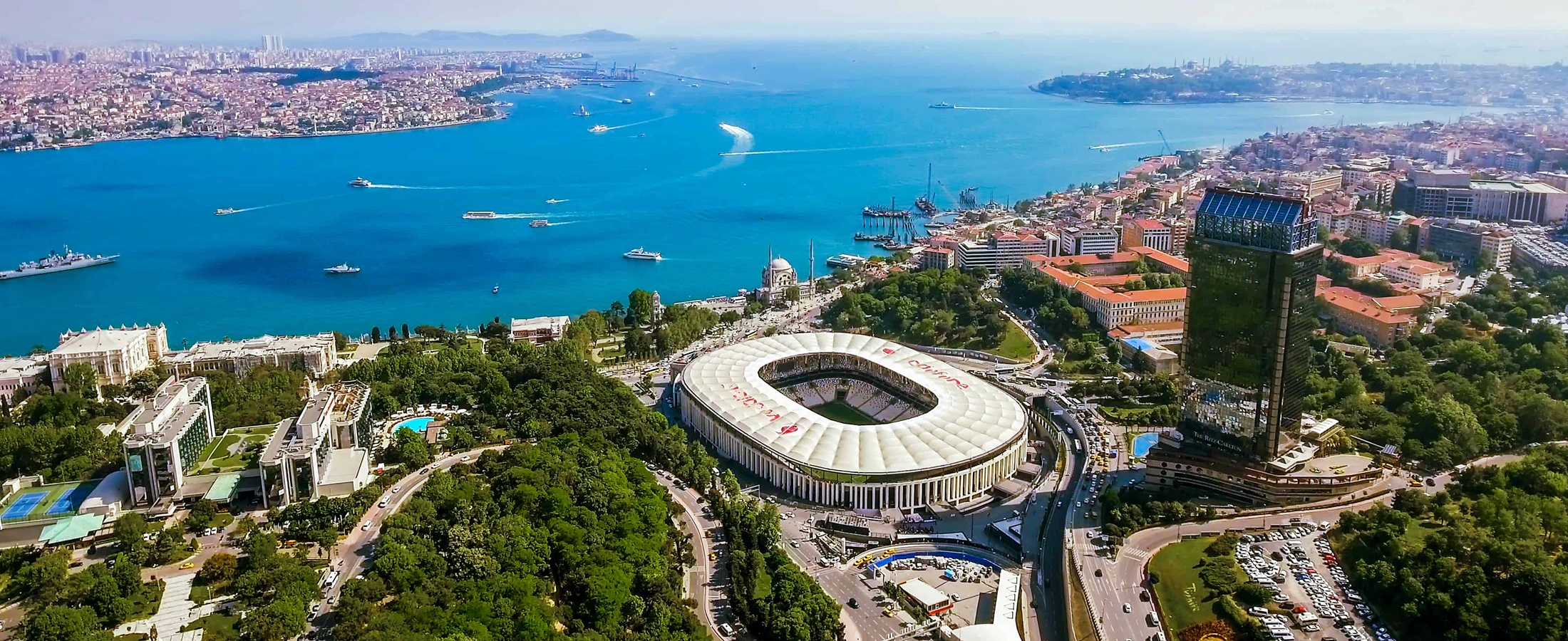
Continue north and the atmosphere gradually changes. Bebek opens around a broad, elegant bay lined with parks, cafés, restaurants, boats and a long promenade. The neighborhood has long been one of the Bosphorus's most desirable residential areas, yet its public waterfront still makes it accessible to anyone who simply wants to walk, sit by the water or watch the city pass.

The two neighborhoods work especially well together. A visitor can begin among Arnavutköy's historic houses, walk past Akıntıburnu, continue along the shoreline into Bebek, stop at Bebek Park and then extend toward Aşiyan and Rumeli Fortress.

This is not a route dominated by ticketed monuments. Its greatest pleasure comes from walking slowly, noticing architecture, watching Bosphorus traffic, stopping for coffee and experiencing the relationship between Istanbul and the water. Allow at least two to three hours, or make it a half-day Bosphorus exploration.

Historic Waterfront Houses

Arnavutköy's narrow streets preserve some of the Bosphorus's most atmospheric rows of timber houses.

Multicultural Heritage

Greek Orthodox churches, Ottoman mosques and old neighborhood institutions reflect the layered history of the shore.

Bebek Bay

One of Istanbul's most attractive waterfront settings combines parks, boats, cafés and wide Bosphorus views.

Perfect Bosphorus Walk

Combine Arnavutköy, Akıntıburnu, Bebek, Aşiyan and Rumeli Fortress in one scenic route.

Know Before You Go

Arnavutköy & Bebek Istanbul – Quick Facts

Essential information about these European-side Bosphorus neighborhoods, their historic character, waterfront scenery, main sights, walking routes, food culture and transport.

📍

Arnavutköy

European side of Istanbul, on the Bosphorus in the Beşiktaş district.

Open on Google Maps
📍

Bebek

Immediately north of Arnavutköy, around Bebek Bay in the Beşiktaş district.

Open on Google Maps
🏘️

Best Known For

Wooden houses, Bosphorus views, waterfront walking, cafés, seafood, Bebek Bay and elegant residential streets.

Historic Character

Ottoman Muslim and Greek Orthodox heritage shaped Arnavutköy alongside the wider multicultural history of the Bosphorus.

🌊

Waterfront

Much of the experience follows the shoreline, with open views toward the Asian side and constant Bosphorus traffic.

🎟️

Neighborhood Entry

Free. Individual museums or religious buildings follow their own access arrangements.

⏱️

Recommended Visit

Allow 2–3 hours for both neighborhoods, or a half day when continuing to Aşiyan and Rumeli Fortress.

📷

Best For

Street photography, historic houses, waterfront scenes, sunrise light, cafés and Bosphorus panoramas.


Bosphorus Architecture, Neighborhood History, Waterfront Life and One of Istanbul's Best Urban Walks

Why Visit Arnavutköy & Bebek?

Arnavutköy and Bebek show a side of Istanbul that cannot be understood only through palaces, mosques and museums: the everyday culture of the Bosphorus shoreline.

The first reason to visit is the architecture. Arnavutköy's surviving timber houses, narrow plots, projecting upper floors, bay windows and closely packed streets preserve an image of the late Ottoman Bosphorus that has disappeared from many other parts of the city.

The second reason is multicultural history. Arnavutköy was for centuries strongly associated with its Greek Orthodox population, while Muslim, Jewish and other communities also formed part of the social world of the wider Bosphorus. Churches, mosques and old neighborhood names still carry traces of this layered past.

The third reason is the relationship with the water. The Bosphorus is not simply scenery here. It shaped settlement, transport, fishing, food, property, social life and the geography of the neighborhoods themselves.

The fourth reason is Bebek Bay. The broad shoreline, public park, boats, cafés and promenade create one of Istanbul's easiest places to slow down without leaving the city.

Finally, the neighborhoods are exceptionally useful for route planning. They form the natural continuation of a European Bosphorus journey from Ortaköy toward Aşiyan, Rumeli Fortress, Emirgan and the northern Bosphorus.

History of Arnavutköy & Bebek

The European shore of the Bosphorus was historically formed not as one continuous city, but as a chain of villages, landing places, gardens, religious communities, summer residences and imperial properties. Arnavutköy and Bebek developed within this landscape.

Arnavutköy has a history reaching back well before the Ottoman period. Different names were associated with the settlement in antiquity and Byzantium, while the district later became especially known through its Greek-speaking Orthodox population and maritime life.

Its later Greek name, Mega Revma, meaning roughly “Great Current”, is associated with the strong Bosphorus current around Akıntıburnu, the projecting point between Arnavutköy and Bebek. The geography of the current remains one of the most distinctive natural features of this stretch of shoreline.

During the Ottoman centuries, Arnavutköy became known for gardens, vineyards, fishing, waterfront houses and seasonal leisure. The settlement included Muslim, Greek Orthodox, Jewish and other residents at different periods, although its Greek Orthodox identity was particularly important to the neighborhood's historical character.

Bebek developed somewhat differently. The area was used by members of the Ottoman elite and became increasingly organized as a Bosphorus settlement during the 18th century, when a mosque, school, bath, market and waterfront structures helped form a more established neighborhood.

In the 19th century, steamships, improved roads, new institutions, mansions and schools changed life along the Bosphorus. The shoreline gradually became more closely connected with central Istanbul.

The 20th century brought major demographic, architectural and transportation changes. Many old wooden structures disappeared, shorelines were altered and apartment buildings replaced earlier houses. Yet both Arnavutköy and Bebek still preserve a powerful sense of Bosphorus identity.

Byzantine Layers

Arnavutköy's history reaches back before the Ottoman conquest and is connected with earlier Bosphorus settlements and Christian traditions.

Mega Revma

The historical Greek name is associated with the powerful current at nearby Akıntıburnu.

Ottoman Villages

Both districts developed as distinct waterfront communities rather than as parts of one continuous metropolitan city.

18th-Century Bebek

Bebek took on the form of an organized Ottoman neighborhood with civic and religious buildings during the 18th century.

19th-Century Transformation

New transport, mansions, schools and institutional architecture changed the European Bosphorus.

Modern Istanbul

Historic houses and religious buildings now coexist with apartments, restaurants, traffic, boats and some of the city's most expensive residential property.

Arnavutköy Istanbul

Do not confuse Arnavutköy in Beşiktaş with the much larger Arnavutköy district in northwestern Istanbul near Istanbul Airport. The neighborhood described here is the historic Bosphorus Arnavutköy, located between Kuruçeşme and Bebek.

Its visual identity comes from the extraordinary concentration of painted wooden houses rising along narrow streets behind the shore. Many date from the late Ottoman period or reflect the architectural language of that era, with upper floors projecting above the street, vertical façades and closely spaced windows.

Arnavutköy's older social identity was closely connected with Greek Orthodox community life, fishing, taverns, market gardening and maritime transport. Even after major demographic changes, the physical neighborhood still carries traces of this history.

Today, Arnavutköy is also one of Istanbul's best-known areas for seafood restaurants, cafés and evening dining. The waterfront becomes especially lively after dark, but the most rewarding architectural experience often comes earlier in the day, when the narrow streets are quieter.

Historic Houses

Walk inland from the shore to see some of the Bosphorus's most photogenic rows of wooden urban houses.

Greek Heritage

Churches and neighborhood memory reflect the long presence of the Greek Orthodox community.

Akıntıburnu

The strong Bosphorus current around the headland shaped the geography and historical identity of the district.

Seafood Culture

Fish restaurants and waterfront dining remain a major part of modern Arnavutköy's reputation.

Arnavutköy's Historic Wooden Houses

For many architecture lovers, the highlight of Arnavutköy is not a single monument but the historic residential streetscape. Several streets behind the waterfront preserve rows of tall, narrow, timber-clad houses associated with the late Ottoman Bosphorus.

These houses reflect the constraints of dense neighborhood plots. Façades are often narrow, while upper floors project outward through cumba-style bay windows or enclosed extensions. Large windows helped capture light, air and views in a settlement squeezed between the hillside and the water.

The buildings visible today have different histories. Some are carefully restored, some have been reconstructed, some retain older material and others have undergone major alterations. Visitors should therefore avoid assuming that every colorful façade survives unchanged from the Ottoman period.

The greatest pleasure is simply to wander. Step away from the Bosphorus road, look upward at rooflines and upper floors, and notice how quickly the atmosphere changes from the traffic of the shore to the intimacy of the old streets.

Photography tip: the streets are residential. Avoid blocking doorways, photographing directly into windows or treating private houses as stage sets. A wider street view often creates a better photograph while respecting residents.

Aya Strati Taksiarhi Greek Orthodox Church

One of the most important religious landmarks in Arnavutköy is Aya Strati Taksiarhi Greek Orthodox Church, usually shortened to Taksiarhis or Taxiarchis Church. Its religious tradition reaches far back into the Christian history of the neighborhood, while the building visible today belongs to the late Ottoman period.

Earlier forms of the church were repaired and rebuilt repeatedly. After the structure was badly affected by the 1894 Istanbul earthquake, the present church was constructed between 1896 and 1899. The complex also includes the Aya Paraskevi holy-spring chapel, adding another layer to the site's religious history.

The church occupies a prominent place within the old settlement rather than standing isolated from it. The surrounding streets, houses and former communal institutions help explain how deeply Orthodox religious life was woven into the social geography of historic Arnavutköy.

Its significance lies not only in architecture, but in the continuity of a community whose history forms a central part of Arnavutköy's identity.

This is an active religious site. Opening arrangements may change according to services, community needs and religious holidays. Do not assume museum-style access. If the building is open, enter quietly, dress respectfully and avoid photographing worshippers without permission.

Tevfikiye Mosque in Arnavutköy

The historic religious landscape of Arnavutköy is not limited to its Orthodox heritage. The neighborhood also contains Tevfikiye Mosque, also known historically as Arnavutköy Mosque or Akıntıburnu Mosque.

The mosque was commissioned during the reign of Sultan Mahmud II in the name of his son Şehzade Tevfik. Construction began in 1832 and the mosque opened for worship in 1838. Its rectangular form, masonry walls, timber roof and single minaret suit the scale of the old Bosphorus settlement.

The mosque helps visitors understand that Arnavutköy developed through the presence of multiple communities, particularly during the later Ottoman period. Its relatively intimate scale is very different from Istanbul's great imperial mosques and fits the village-like character of the historic shoreline.

As with all active mosques, tourist access should be planned around prayers. Visitors should dress modestly, remove shoes where required and remember that worship always takes priority over sightseeing.

Akıntıburnu – Between Arnavutköy and Bebek

North of central Arnavutköy, the shoreline bends around Akıntıburnu, literally “Current Point.” The name is not decorative: this stretch of the Bosphorus is known for powerful currents created by the strait's geography and water movement.

The headland forms one of the most distinctive transitions on the walk from Arnavutköy toward Bebek. Views open across the Bosphorus, while the constant passage of ferries, cargo vessels, fishing boats and private craft makes the water feel unusually active.

Historically, the current influenced navigation, fishing and local identity. It also helps explain the older Greek name Mega Revma, commonly associated with Arnavutköy.

For walkers, Akıntıburnu is a good place to slow down. The shoreline is less about monuments and more about wind, water, boats, views and the changing relationship between the two continents.

Bebek Istanbul

Continue north from Akıntıburnu and the shore opens into Bebek Bay, one of the most recognizable and elegant sections of the European Bosphorus.

Bebek combines several identities at once. It is a historic Bosphorus settlement, an affluent residential neighborhood, a popular café and restaurant district, a boating area and a public waterfront used daily by walkers, joggers, families and people simply sitting beside the water.

The neighborhood's modern popularity should not hide its history. Bebek developed as an important Ottoman summer and residential area, and by the 18th century it possessed the elements of an established neighborhood, including religious, commercial and communal buildings.

Today, the bay, park and promenade provide the easiest introduction. From here, visitors can continue north toward Aşiyan and Rumeli Fortress, or turn inland toward the hills above the Bosphorus.

Bebek Bay

The broad curve of the shoreline creates one of the most attractive urban waterside settings in Istanbul.

Bebek Park

A green public space beside the water, ideal for a pause between Arnavutköy and Aşiyan.

Bebek Mosque

An early 20th-century mosque designed by Architect Kemaleddin on the site of an older Ottoman mosque.

Promenade

One of Istanbul's most enjoyable places for walking, jogging and watching Bosphorus traffic.

Bebek Mosque

Standing close to the shore and Bebek pier, Bebek Mosque, also known as Hümayûn-u Âbad Mosque, is one of the neighborhood's main historic landmarks.

The current mosque was built in 1913 and designed by Architect Kemaleddin, one of the leading figures of the First National Architectural Movement. It replaced an earlier mosque connected with the 18th-century formation of Bebek as an Ottoman neighborhood.

This makes the mosque especially interesting: although the visible structure belongs to the early 20th century, the religious history of the site reaches back much further. Its architecture reflects a period when Ottoman designers were consciously reinterpreting earlier Turkish and Islamic forms.

The mosque remains active for worship. Sightseeing visitors should enter only when public access is appropriate, avoid prayer periods and follow standard mosque etiquette.

Current Building

Completed in 1913.

Architect

Architect Kemaleddin, an important figure in early 20th-century Turkish architecture.

Older Site

The present mosque replaced an earlier Ottoman mosque associated with the 18th-century development of Bebek.

Setting

Located close to Bebek Bay, the pier and public waterfront.

Bebek Park & Waterfront

Bebek Park is one of the easiest places to stop during a Bosphorus walk. Its lawns, trees, seating and direct relationship with the bay create a welcome break from the dense streets of central Istanbul.

The park is especially popular with families, walkers, joggers, dog owners, students and neighborhood residents. On pleasant weekends, it can become extremely busy.

The surrounding waterfront is excellent for watching ferries, sailing boats, yachts and large vessels moving through the strait. Because the bay is relatively open, the view feels broader than in many other parts of the European shore.

Visitors interested in atmosphere rather than monuments may find that this simple combination of park, water, coffee and walking becomes one of the most memorable parts of the day.

Aşiyan Museum & Aşiyan

North of Bebek, the shoreline and hillside around Aşiyan add an important literary dimension to the route. The best-known cultural site is Aşiyan Museum, the former home of the poet and intellectual Tevfik Fikret.

Fikret designed and built the house in 1906 on a slope overlooking the Bosphorus. He called it “Aşiyan,” a Persian word meaning “nest” or “bird's nest.” The name later became associated with the surrounding area as well.

The house became a museum in 1945 and is one of the most important literary museums in Istanbul. Its collections are connected not only with Tevfik Fikret, but also with other major figures of late Ottoman Turkish literature.

The steep hillside setting is part of the experience. From this part of the Bosphorus, the relationship between literature, landscape and the view across the strait becomes immediately understandable.

Current access note: museum opening arrangements can change during restoration or conservation work. Check the official Istanbul Metropolitan Municipality museum information before making Aşiyan Museum an essential timed stop.

Aşiyan Cemetery

The wooded slopes around Aşiyan also contain Aşiyan Cemetery, one of Istanbul's most culturally significant burial grounds.

The cemetery is associated with many important writers, poets, artists, musicians, intellectuals and public figures. Among the best-known names connected with the cemetery are Orhan Veli Kanık, Yahya Kemal Beyatlı, Ahmet Hamdi Tanpınar, Tezer Özlü, Attilâ İlhan and other major figures of modern Turkish cultural life.

The setting is dramatic, with wooded slopes descending toward the Bosphorus. Visitors should remember, however, that this is an active cemetery rather than a conventional attraction.

Walk quietly, do not interrupt funerals or family visits, avoid intrusive photography and treat graves and memorials with respect.

Walking the Bosphorus from Arnavutköy to Bebek

The walk between Arnavutköy and Bebek is one of the simplest ways to experience the Bosphorus without taking a cruise. The route follows much of the European shoreline, with constant views across the water.

Start among the historic streets of Arnavutköy, then return to the waterfront and continue north. At Akıntıburnu, pause to watch the current and maritime traffic before entering the wider curve of Bebek Bay.

Once in Bebek, spend time in the park, visit the mosque if appropriate, stop for coffee and continue toward Aşiyan. The route can then be extended to Rumeli Fortress, creating a longer walk that combines historic neighborhoods, waterfront scenery, literary history and one of the Bosphorus's great Ottoman monuments.

The exact pedestrian experience can change because of road works, construction, crowds, restaurant seating and temporary shoreline arrangements. Allow flexibility rather than treating the route like a fixed trail.

Core RouteArnavutköy → Akıntıburnu → Bebek Bay → Bebek Park
Extended RouteContinue to Aşiyan → Rumeli Fortress
Best PaceSlow, with time for side streets, photographs and a café stop
Best TimeMorning or late afternoon
Main ChallengeTraffic, narrow pavements and heavy weekend crowds

What to Eat in Arnavutköy & Bebek

Arnavutköy and Bebek are among Istanbul's most established waterfront dining districts, but they offer different experiences.

Arnavutköy is particularly associated with fish and seafood restaurants. This reputation grows from the neighborhood's older connection with fishing and Bosphorus food culture, although today's dining scene ranges from traditional fish restaurants to modern venues.

Bebek is especially strong for breakfast, coffee, pastries, desserts and café culture. Many people visit without planning a formal sightseeing itinerary at all: they simply walk the promenade, meet friends and stop for something to eat or drink.

Prices can be high, especially at prominent Bosphorus-facing venues. Always check menus before ordering. The quality of the experience depends as much on location, time of day and atmosphere as on choosing the most famous address.

Fish & Seafood

Arnavutköy remains one of the Bosphorus's best-known neighborhoods for seafood dining.

Breakfast

Bebek is popular for long breakfasts and brunch-style meals beside or near the waterfront.

Coffee

Café culture is central to the modern identity of Bebek and works perfectly with a long promenade walk.

Pastries & Desserts

The neighborhood has a long reputation for bakery stops, sweets and casual treats.

Waterfront Dining

Expect some of the highest prices in the area at venues with prime Bosphorus views.

Simple Alternative

Buy a takeaway coffee or snack and enjoy the public shoreline rather than feeling obliged to book a formal restaurant.

What to See in Arnavutköy & Bebek

Arnavutköy Wooden Houses

Explore the narrow streets behind the shore for one of Istanbul's most atmospheric historic residential areas.

Aya Strati Taksiarhi Church

See the late Ottoman church rebuilt in 1896–1899 and one of the most important monuments of Arnavutköy's Greek Orthodox heritage.

Tevfikiye Mosque

Include the neighborhood's Ottoman Muslim heritage in your understanding of the old Bosphorus settlement.

Akıntıburnu

Pause at the headland associated with the Bosphorus current and the historic name Mega Revma.

Bebek Bay

Enjoy one of Istanbul's broadest and most elegant urban waterfront settings.

Bebek Mosque

See the 1913 mosque designed by Architect Kemaleddin on the site of an older Ottoman mosque.

Bebek Park

Take a break beside the water among trees, lawns, boats and neighborhood life.

Aşiyan Museum

Discover the former home of Tevfik Fikret when current museum access permits.

Aşiyan Cemetery

Visit respectfully to trace the memory of major poets, writers, musicians and intellectuals.

Bosphorus Promenade

Walk the European shoreline and experience the strait through ferries, ships, currents and changing light.

Rumeli Fortress

Continue north toward one of the great Ottoman landmarks of the Bosphorus and the conquest of Constantinople.

Ortaköy

Extend south toward Ortaköy Mosque, the waterfront square, kumpir streets and the July 15 Martyrs Bridge.

Practical Tips for Visiting Arnavutköy & Bebek

Walk the Side Streets

Do not stay only on the main Bosphorus road; Arnavutköy's historic character is strongest behind the waterfront.

Come Early for Architecture

Morning gives the clearest opportunity to photograph historic houses with less traffic and fewer people.

Expect Weekend Crowds

Bebek Park, cafés and the promenade become extremely popular in good weather.

Check Religious-Site Access

Churches and mosques are active places of worship and do not operate like conventional museums.

Wear Comfortable Shoes

The combined route is best experienced on foot, with optional steep climbs toward Aşiyan and hillside streets.

Allow for Traffic

Bosphorus road congestion can be severe, especially in evenings and on weekends.

Check Museum Status

If Aşiyan Museum is important to your visit, confirm its current opening status before traveling.

Stay for Evening

Arnavutköy's restaurants and Bebek's waterfront take on a completely different atmosphere after sunset.

Suggested Arnavutköy & Bebek Walking Route

Begin in central Arnavutköy, slightly inland from the waterfront. Spend your first part of the visit exploring the narrow streets and historic houses before the Bosphorus takes over the route.

Locate the Taxiarchis Greek Orthodox Church and Tevfikiye Mosque to understand the neighborhood's layered religious history. Do not build the route around guaranteed interior access, as active religious sites can have changing arrangements.

Return to the shore and continue north toward Akıntıburnu. Pause at the headland for views across the Bosphorus and to watch the current and passing boats.

Continue into Bebek Bay. Visit Bebek Mosque when sightseeing access is appropriate, then spend time in Bebek Park or stop for coffee.

If you have enough energy, continue north toward Aşiyan. Check the current status of Aşiyan Museum, and visit the cemetery only with the quiet behavior appropriate to an active burial ground.

Finish at Rumeli Fortress or return from Bebek by bus, taxi or another suitable current public-transport connection.

Stop 1Arnavutköy historic wooden houses
Stop 2Taxiarchis Greek Orthodox Church
Stop 3Tevfikiye Mosque
Stop 4Akıntıburnu
Stop 5Bebek Bay
Stop 6Bebek Mosque
Stop 7Bebek Park & coffee stop
Optional Stop 8Aşiyan Museum / Aşiyan Cemetery
Optional Stop 9Rumeli Fortress
Total TimeApproximately 2–3 hours for Arnavutköy and Bebek; 4–5 hours with Aşiyan and Rumeli Fortress

Arnavutköy & Bebek Visitor Information

Arnavutköy and Bebek are public neighborhoods, so there is no entrance fee to walk the streets, parks or waterfront.

Individual religious buildings, museums and cultural sites follow their own schedules. Church access may depend on services and community arrangements, while mosque sightseeing should always be planned around prayer.

Aşiyan Museum has periodically been affected by restoration or conservation work. If the museum interior is important to your route, check its current official visitor status before departure.

The neighborhoods remain active late into the evening, but road congestion can become severe. Do not schedule a tight onward airport, flight, cruise or intercity connection immediately after a Bosphorus visit.

District Beşiktaş, Istanbul
Side of Istanbul European side
Neighborhood Admission Free
Main Experience Historic streets + Bosphorus waterfront walk
Best Visit Length 2–3 hours
Extended Visit 4–5 hours with Aşiyan and Rumeli Fortress
Best for Quiet Weekday morning
Best for Atmosphere Late afternoon and evening
Major Crowd Periods Sunny weekends, holidays and pleasant evenings
Important: museum access, church opening, mosque sightseeing, ferry services, road works and public-transport routes can change. Confirm any time-sensitive stop before travel.

Best Time to Visit Arnavutköy & Bebek

Early Morning

Best for quiet streets, historic-house photography, jogging and a calmer Bebek waterfront.

Late Morning

A practical time for walking before restaurants and cafés reach their busiest period.

Afternoon

Good for café culture, park life and watching Bosphorus traffic, with noticeably larger crowds.

Golden Hour

Excellent for changing light across the water, silhouettes of ships and warm façades in Arnavutköy.

Evening

Arnavutköy's restaurants and Bebek's cafés become especially lively after dark.

Weekends

Best for maximum local energy but worst for traffic, parking, restaurant queues and a peaceful walk.

How Much Time Do You Need in Arnavutköy & Bebek?

60–90 Minutes

Enough for a quick waterfront walk through either Arnavutköy or Bebek, but not both in depth.

2–3 Hours

Ideal for Arnavutköy historic streets, Akıntıburnu, Bebek Bay, the park and a coffee stop.

Half Day

Best if you add Aşiyan, Rumeli Fortress or a long meal beside the Bosphorus.

Full Bosphorus Day

Combine the route with Ortaköy, Çırağan, Emirgan or a Bosphorus cruise.

Photography in Arnavutköy & Bebek

Arnavutköy is one of Istanbul's most rewarding neighborhoods for architectural street photography. The strongest compositions usually come from the narrow streets, where rows of wooden façades, projecting upper floors and steep perspective create depth.

Morning is ideal. Traffic is lighter, restaurants are less busy and the streets are easier to photograph without dense crowds. Soft light can also reveal the texture of timber façades more clearly.

At Akıntıburnu, shift attention to the water. Photograph ferries, ships, currents, seabirds and the Asian shore. The Bosphorus can change dramatically within minutes as weather and marine traffic alter the scene.

Bebek is best for bay panoramas, park life, boats, promenade scenes and evening atmosphere. A longer lens can be useful for compressing boats and the opposite shore, while a wide lens works well around the bay.

Always respect private life. Many of Arnavutköy's most beautiful buildings are homes. Avoid photographing through windows, blocking entrances or posing directly on private steps.

Best Architecture

Historic streets behind Arnavutköy's waterfront.

Best Water Movement

Akıntıburnu and the surrounding Bosphorus shoreline.

Best Open View

Bebek Bay and the long waterfront promenade.

Best Light

Early morning for streets; late afternoon for water and atmosphere.

Night Photography

Restaurants, boat lights and reflections create attractive evening scenes.

Respect Residents

Historic houses are private homes, not open photography sets.

Accessibility in Arnavutköy & Bebek

The shoreline sections of Arnavutköy and Bebek can be relatively straightforward over short distances, but the route is not uniformly accessible.

Arnavutköy's historic streets may include narrow pavements, uneven surfaces, slopes, parked vehicles and traffic. The very streets that create the neighborhood's character can therefore be difficult for wheelchairs or visitors with limited mobility.

Bebek Park and parts of the waterfront promenade are generally easier, although weekend crowds, restaurant activity and temporary works can reduce usable space.

Aşiyan is significantly more challenging because of steep slopes and hillside routes. Travelers with mobility concerns should research the exact entrance and transport arrangement of any specific site before attempting the climb.

Best Easy Section

Bebek Park and selected parts of the public waterfront.

Arnavutköy Streets

Narrow pavements and historic urban conditions can make movement difficult.

Aşiyan

Expect steep gradients and a much more demanding walking environment.

Choose Quiet Hours

Weekday mornings usually provide the easiest movement through both neighborhoods.

Use Public Transport Strategically

Consider covering difficult stretches by bus, taxi or the Aşiyan funicular connection where practical.

Allow Extra Time

Avoid rushing a Bosphorus route when mobility, traffic or crowd conditions may slow the visit.

How to Get to Arnavutköy & Bebek

Arnavutköy and Bebek are located on the European side of Istanbul in Beşiktaş. There is no conventional metro station directly on the waterfront in either neighborhood, so most visitors arrive by bus, taxi, ferry connection or a combination of rail transport and a final Bosphorus-side journey.

From Ortaköy, the most natural continuation is north along the Bosphorus road by bus or taxi, with walking used for selected scenic sections.

At the northern end of the route, the F4 Boğaziçi University/Hisarüstü–Aşiyan Funicular provides a useful rail connection between the Bosphorus shoreline near Aşiyan and the hill above. This can make it easier to combine the waterfront with the metro network through onward connections.

From Ortaköy

Continue north along the Bosphorus by suitable bus or taxi; walking selected sections is especially rewarding.

From Beşiktaş

Use a northbound Bosphorus bus or taxi toward Arnavutköy and Bebek.

From Kabataş

Continue through Beşiktaş and Ortaköy by a suitable Bosphorus-side bus or taxi.

From Taksim

Use rail or bus connections toward Kabataş/Beşiktaş, then continue north along the Bosphorus.

From Sultanahmet

Take the T1 tram toward Kabataş, then transfer to a suitable northbound connection.

From Aşiyan / Hisarüstü

The F4 funicular links the Bosphorus shoreline near Aşiyan with Hisarüstü above the neighborhood.

From the Asian Side

Cross by ferry to a convenient European-side pier such as Beşiktaş, then continue north by road.

By Taxi

Use “Arnavutköy, Beşiktaş” when specifying Arnavutköy so the destination is not confused with the airport-side district.

Transport tip: Bosphorus road traffic can be extremely slow at peak times. Check current IETT, Metro Istanbul and ferry information before travel, especially if you plan to rely on a specific connection.

Places to Visit Near Arnavutköy & Bebek

Arnavutköy and Bebek sit in the middle of one of Istanbul's richest sightseeing corridors. A single Bosphorus day can connect historic neighborhoods, Ottoman monuments, parks, palaces and waterfront viewpoints.

Use our complete guide to places to visit in Istanbul to continue planning the wider city.

Ortaköy

Continue south for Ortaköy Mosque, multicultural heritage, the bridge view, kumpir and the waterfront square.

Rumeli Fortress

Continue north beyond Aşiyan to the great Ottoman fortress built by Sultan Mehmed II before the conquest of Constantinople.

Emirgan

Travel farther north for Emirgan Park, Bosphorus mansions, cafés and another historic shoreline settlement.

Çırağan

South of Ortaköy lies one of the most important stretches of 19th-century imperial Bosphorus architecture.

Yıldız Park

Escape the waterfront traffic in one of Beşiktaş's largest historic green spaces.

Dolmabahçe Palace

Continue toward central Beşiktaş for one of the defining monuments of 19th-century Ottoman Istanbul.

Beşiktaş

Explore markets, ferry piers, cafés, restaurants and the energetic center of the district.

Galata & Karaköy

Return toward the Golden Horn for Genoese heritage, churches, Jewish history and waterfront urban culture.

Frequently Asked Questions About Arnavutköy & Bebek Istanbul

Where are Arnavutköy and Bebek in Istanbul?

Both are on the European shore of the Bosphorus in the Beşiktaş district. Arnavutköy lies north of Ortaköy, while Bebek is immediately north of Arnavutköy.

Is this Arnavutköy the district near Istanbul Airport?

No. This page describes Arnavutköy in Beşiktaş on the Bosphorus. The large Arnavutköy district near Istanbul Airport is a completely different part of the city.

Why is Arnavutköy famous?

It is famous for historic wooden houses, Greek Orthodox heritage, seafood restaurants, Bosphorus views and the shoreline around Akıntıburnu.

What does Arnavutköy mean?

The Turkish name means “Albanian village.” The precise historical circumstances behind the neighborhood name are discussed through several traditions and should not be reduced to one certain origin story.

What was Arnavutköy's Greek name?

The neighborhood is historically associated with the Greek name Mega Revma, commonly connected with the strong Bosphorus current around Akıntıburnu.

Why is Bebek famous?

Bebek is known for its broad Bosphorus bay, park, waterfront promenade, cafés, restaurants, boats and elegant residential character.

Is Arnavutköy worth visiting?

Yes. It is especially rewarding for architecture, neighborhood history, Bosphorus scenery, street photography and a more local experience than Istanbul's major monument zones.

Is Bebek worth visiting?

Yes, particularly if you enjoy waterfront walking, cafés, parks, people-watching and Bosphorus scenery. It combines naturally with Arnavutköy and Rumeli Fortress.

Are Arnavutköy and Bebek free to visit?

Yes. The neighborhoods, public streets, park and waterfront are free. Museums and individual religious or cultural sites follow their own access rules.

Can I walk from Arnavutköy to Bebek?

Yes. It is one of the most enjoyable Bosphorus walks, passing Akıntıburnu before reaching Bebek Bay. Pavement conditions and temporary works can vary.

Can I walk from Ortaköy to Arnavutköy and Bebek?

It is possible to combine the neighborhoods in a longer Bosphorus day, although some sections are more pleasant on foot than others because of traffic and pavement conditions.

How long should I spend in Arnavutköy and Bebek?

Two to three hours is ideal for both neighborhoods. Allow four to five hours if you continue to Aşiyan and Rumeli Fortress or plan a long meal.

What is the best thing to see in Arnavutköy?

The historic wooden houses and narrow residential streets are the neighborhood's most distinctive visual feature.

Is there a Greek Orthodox church in Arnavutköy?

Yes. Aya Strati Taksiarhi Greek Orthodox Church, whose present building dates from 1896–1899, is one of the most important surviving monuments of the neighborhood's Greek heritage.

Is there a mosque in Arnavutköy?

Yes. Tevfikiye Mosque was commissioned during the reign of Sultan Mahmud II, begun in 1832 and opened in 1838.

What is Akıntıburnu?

Akıntıburnu means “Current Point.” It is the Bosphorus headland between Arnavutköy and Bebek, known for the strong current in this section of the strait.

What is Bebek Mosque?

Bebek Mosque, also known as Hümayûn-u Âbad Mosque, is a 1913 mosque designed by Architect Kemaleddin on the site of an older Ottoman mosque.

What is Aşiyan Museum?

Aşiyan Museum is the former home of poet Tevfik Fikret, built in 1906 on the hillside above the Bosphorus. It later became an important literary museum.

Is Aşiyan Museum open?

Its visitor status can change during restoration or conservation work. Check the current official Istanbul Metropolitan Municipality museum information before traveling specifically for the interior.

What does Aşiyan mean?

Aşiyan is a Persian-derived word meaning “nest” or “bird's nest,” the name Tevfik Fikret gave to his Bosphorus home.

What is Aşiyan Cemetery known for?

It is the burial place of many important Turkish poets, writers, artists, musicians, intellectuals and public figures.

What food is Arnavutköy famous for?

The neighborhood is particularly associated with fish and seafood restaurants, reflecting its long relationship with Bosphorus fishing culture.

What food is Bebek famous for?

Bebek is especially popular for breakfast, coffee, pastries, desserts, café culture and waterfront dining.

Is Bebek expensive?

It can be. Bebek is one of Istanbul's affluent neighborhoods, and restaurants or cafés with prime waterfront positions may charge significantly more than ordinary city venues.

What is the best time to visit Arnavutköy?

Weekday morning is ideal for historic-house photography and quieter streets. Evening is best for restaurant atmosphere.

What is the best time to visit Bebek?

Morning is calmest for walking, while late afternoon and evening provide the liveliest atmosphere. Sunny weekends are usually the busiest.

Is Bebek crowded?

Yes, especially in good weather, on weekends and around popular cafés, Bebek Park and the waterfront promenade.

Is Arnavutköy good at night?

Yes. The neighborhood is well known for evening dining, especially seafood restaurants, while the Bosphorus waterfront becomes atmospheric after dark.

Is Bebek good at night?

Yes. Cafés, restaurants, boat lights and the waterfront give Bebek a lively evening character.

How do I get to Arnavutköy from Sultanahmet?

A practical route is the T1 tram toward Kabataş followed by a suitable northbound Bosphorus bus or taxi through Beşiktaş and Ortaköy.

How do I get to Bebek from Taksim?

Use a connection toward Kabataş or Beşiktaş and continue north by suitable Bosphorus-side bus or taxi. Current routes should be checked before travel.

Is there a metro station in Bebek?

There is no conventional metro station directly on the waterfront. The nearby F4 funicular connects Aşiyan with Hisarüstü, where onward rail connections are available.

Can I take a ferry directly to Bebek?

Water transport patterns vary by season and operator. Check current official ferry schedules rather than relying on an old direct service.

Can I visit Arnavutköy and Bebek with children?

Yes. Bebek Park is particularly suitable for families, but keep children close beside the Bosphorus and on narrow pavements next to traffic.

Are Arnavutköy and Bebek wheelchair accessible?

Accessibility varies. Bebek Park and parts of the waterfront are easier, while Arnavutköy's narrow streets and the steep Aşiyan slopes can be challenging.

What should I combine with Arnavutköy and Bebek?

Ortaköy, Çırağan, Aşiyan, Rumeli Fortress and Emirgan all combine naturally with this stretch of the European Bosphorus.

Are Arnavutköy and Bebek safe to visit?

They are busy urban neighborhoods. Use normal Istanbul precautions with phones, wallets and bags, and take extra care beside traffic and the waterfront.

Do I need a full day?

No. The two neighborhoods themselves can be explored in two to three hours. A full day makes sense when combining them with Ortaköy, Rumeli Fortress, Emirgan or a wider Bosphorus itinerary.

Responsible Visiting in Arnavutköy & Bebek

Respect Private Homes

Arnavutköy's historic houses are lived-in buildings. Do not enter gates, sit on private steps or photograph through windows.

Respect Worship

Church services and mosque prayers take priority over sightseeing and photography.

Respect Cemeteries

Aşiyan Cemetery is an active burial ground. Keep your voice low and never interrupt funerals or family visits.

Keep Pavements Clear

Do not stop large groups in narrow Arnavutköy streets or busy sections of the promenade.

Dispose of Waste

Use public bins for coffee cups, takeaway containers and picnic waste along the shoreline.

Support Local Businesses

Independent cafés, bakeries, restaurants and small neighborhood businesses contribute to the living character of the area.

Private Arnavutköy, Bebek & Bosphorus Experiences

Connect Arnavutköy and Bebek with Ortaköy, Çırağan, Aşiyan, Rumeli Fortress, Ottoman architecture, multicultural neighborhood history, waterfront food culture and Bosphorus scenery through a private route shaped around your interests and without compulsory shopping stops.

Custom Arnavutköy & Bebek Experience

Choose a private route focused on historic Bosphorus neighborhoods, wooden architecture, Greek Orthodox heritage, Ottoman monuments, literary history, food culture, photography and waterfront life.

Ortakoy Istanbul Bosphorus waterfront neighborhood

Ortaköy Istanbul

Continue south for Ortaköy Mosque, multicultural religious heritage, Bosphorus views, the July 15 Martyrs Bridge, kumpir, cafés and one of Istanbul's most famous waterfront squares.

Explore Ortaköy

Continue Along the European Bosphorus

Use Arnavutköy and Bebek as the center of a wider journey through imperial palaces, historic neighborhoods, parks, religious monuments, fortresses, literary sites and modern Istanbul waterfront life.

Private Istanbul Tours

Build a private day around the parts of Istanbul that interest you most, from Byzantine churches and Ottoman mosques to imperial palaces, historic neighborhoods, food culture, Bosphorus viewpoints and lesser-visited heritage sites.