Private Arasta Bazaar & Sultanahmet Experience
Ask us about a tailor-made route combining Arasta Bazaar, the Blue Mosque, Hippodrome, Byzantine palace history, Hagia Sophia and the quieter historic streets of Sultanahmet.
Request a Custom Tour





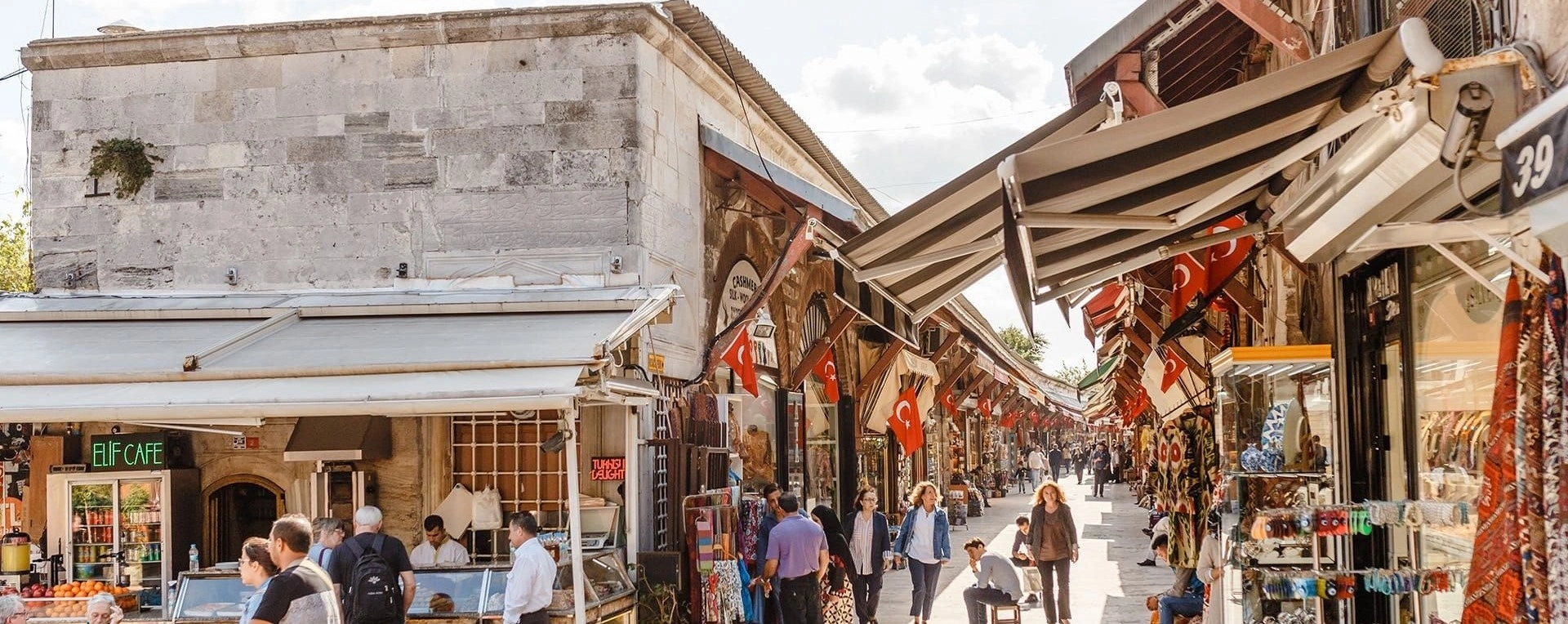
Hidden immediately behind Sultanahmet Mosque – the Blue Mosque, Arasta Bazaar is one of the most pleasant historic shopping streets in Istanbul's Old City. Unlike the enormous Grand Bazaar, Arasta is compact, easy to navigate and closely connected with the architectural history of Sultanahmet itself. Its shops stand within the historic Sultan Ahmed Mosque complex, where commercial rental income traditionally helped support the imperial foundation.
The bazaar dates to the early 17th century and is commonly associated with the completion of Sultan Ahmed I's monumental mosque complex. It was also historically known as the Sipahiler Çarşısı – Cavalrymen's Bazaar, a name linked with the Ottoman mounted soldiers whose equipment and related goods were once sold in the area. Today, the narrow market street is lined with shops selling carpets, kilims, textiles, ceramics, jewelry, leather goods, Turkish towels, soaps and souvenirs.
Arasta is especially fascinating because Ottoman history sits directly above an even older layer. Excavations in the area during the 20th century uncovered extraordinary mosaic pavements from the Great Palace of Constantinople. Those mosaics are associated with the Great Palace Mosaics Museum, whose entrance is inside the Arasta area. The museum is currently closed for restoration, but its presence remains one of the strongest reminders that the bazaar occupies ground once connected with the Byzantine imperial palace.
For travelers exploring Sultanahmet, Arasta works best as more than a shopping stop. It is a transition point between the Blue Mosque, the former palace landscape, the Hippodrome, Hagia Sophia and the small historic streets running toward the Marmara Sea. A short walk through the bazaar can therefore connect Ottoman religious architecture, traditional commerce, Byzantine archaeology and modern Istanbul within a single compact route.
Arasta Bazaar developed as part of the Sultan Ahmed Mosque complex in the early 1600s.
The historic market contains more than eighty shop units selling crafts, textiles, carpets and souvenirs.
A major fire damaged the bazaar, which later remained neglected for decades before restoration.
Restoration by the Directorate General of Foundations returned the historic market to active use.
Essential information for visiting Arasta Bazaar, including its location behind the Blue Mosque, shopping style, historic role, free public access and connection with the Great Palace mosaics.
Sultanahmet, Fatih, immediately behind the Blue Mosque and a short walk from Sultanahmet Square.
Open on Google MapsEarly 17th century, associated with the Sultan Ahmed I mosque complex and its charitable endowment system.
Carpets, kilims, textiles, İznik-style ceramics, jewelry, towels, leather goods, soaps and souvenirs.
Walking through Arasta Bazaar itself is free. Purchases are optional and shop hours vary individually.
The Great Palace Mosaics Museum is entered from the Arasta area but is currently closed for restoration.
Combine the bazaar with the Blue Mosque, Hippodrome and nearby Sultanahmet monuments on foot.
Arasta Bazaar is important because it shows how commerce, religion, urban planning and charitable foundations worked together in Ottoman Istanbul. It also stands above archaeological remains associated with the Byzantine Great Palace, creating one of Sultanahmet's most striking overlaps of history.
The first layer is Ottoman vakıf culture. Large imperial mosque complexes were not isolated places of worship. They could include schools, public kitchens, markets, baths, tombs and other institutions supported by income-producing properties. Arasta's shops formed part of this economic landscape, with rental income helping sustain the wider Sultan Ahmed foundation.
The second layer is commercial continuity. For centuries, markets were part of the everyday rhythm of Istanbul. Arasta preserves the form of a specialized shopping street: a relatively orderly row of small shops organized along a single axis rather than the maze-like scale of the Grand Bazaar. Its intimate layout makes the historic relationship between architecture and trade especially easy to understand.
The third layer is Byzantine archaeology. The market stands in an area once occupied by parts of the Great Palace of Constantinople. Mosaics uncovered in excavations beginning in the 1930s revealed scenes of animals, hunting, children, nature and mythology, providing rare visual evidence from the imperial palace zone.
For travelers using our guide to places to visit in Istanbul, Arasta is a useful place to slow down between major monuments. Instead of moving directly from one ticketed attraction to another, you can experience a living commercial street whose history connects the Blue Mosque, Ottoman foundations, Byzantine palace remains and contemporary craft shopping.
The site of Arasta Bazaar has a history that reaches much further back than the Ottoman market itself. During the Byzantine period, the slope south and southeast of the Hippodrome formed part of the enormous Great Palace of Constantinople, the principal imperial residence of the Eastern Roman emperors for centuries. Archaeological discoveries beneath and around Arasta later confirmed the importance of this earlier palace landscape.
The Ottoman bazaar developed in connection with the construction of Sultan Ahmed I's mosque complex in the early 17th century. The Blue Mosque was built between 1609 and 1616, and the associated market belongs to the same broader foundation. The bazaar's commercial rents helped produce income for the religious and charitable complex, a common feature of Ottoman urban planning.
Arasta was also historically known as the Sipahiler Çarşısı. The name refers to the sipahis, Ottoman cavalrymen, and reflects a tradition that equipment and goods associated with mounted soldiers were sold here. The market therefore served both an economic and institutional role within the imperial city.
A major fire in 1912 damaged the bazaar severely. The area remained neglected for a long period, and its modern appearance largely results from restoration work undertaken during the 1980s by the Directorate General of Foundations. This restoration revived the market as a historic shopping street and visitor attraction.
Meanwhile, archaeological excavations beginning in the 1930s revealed remarkable mosaic pavements associated with the Byzantine Great Palace. The discovery transformed understanding of the area and eventually led to the creation of the Great Palace Mosaics Museum, placing Arasta at the meeting point of two imperial capitals: Byzantine Constantinople and Ottoman Istanbul.
The land around Arasta formed part of the extensive Great Palace area of Constantinople.
The bazaar developed with the Sultan Ahmed Mosque complex during the reign of Sultan Ahmed I.
The historic name connects the market with Ottoman cavalrymen and goods associated with their needs.
A destructive fire left the bazaar badly damaged and contributed to a long period of decline.
Excavations uncovered mosaics connected with the Great Palace of Constantinople.
Restoration returned Arasta to active commercial use and preserved its historic market character.
The word arasta is used for a row or group of shops arranged along a street or axis, often associated with a mosque, religious complex or charitable foundation. Rather than describing one specific product, the term refers to a form of organized commercial architecture.
In many Ottoman cities, such markets played a practical financial role. Shop rents could contribute to a vakıf – charitable endowment that maintained a mosque, school, soup kitchen, fountain or other public institution. Arasta Bazaar in Sultanahmet is one of the clearest Istanbul examples because its relationship with the Blue Mosque complex is still visible in the urban fabric.
The layout is very different from the vast covered network of the Grand Bazaar. Arasta is essentially a single elongated shopping street with shops facing the pedestrian route from both sides. That smaller scale makes it easy to browse slowly, compare shops and leave the market without losing orientation.
An arasta is usually organized as a row of shops along a defined axis rather than a large maze of streets.
Commercial rents could help finance the maintenance and charitable services of a religious complex.
Historically, arastas often concentrated craftsmen or merchants selling related categories of goods.
The market form shows how commerce was integrated directly into Ottoman civic and religious planning.
Arasta Bazaar sits directly behind Sultanahmet Mosque, more widely known as the Blue Mosque. This proximity is not accidental. The market belonged to the broader system of buildings and revenue sources connected with Sultan Ahmed I's imperial foundation.
The mosque complex was designed as more than a monumental place of prayer. Like other Ottoman imperial foundations, it was part of a social, religious and economic network. Income-producing properties helped support maintenance and charitable activity, and the Arasta shops formed part of that system.
For visitors, this changes the way the bazaar should be understood. It is not simply a modern souvenir street placed beside a famous monument. Its commercial purpose is historically connected with the mosque itself. Walking from the Blue Mosque courtyard toward Arasta reveals how worship, commerce, public services and neighborhood life were designed to function together.
One of the most extraordinary facts about Arasta Bazaar is that it stands above remains associated with the Great Palace of Constantinople. Excavations beginning in the 1930s uncovered large sections of mosaic pavement from a porticoed courtyard of the Eastern Roman imperial palace. The surviving mosaics are generally dated to approximately AD 450–550.
The mosaics are remarkable because their subjects are largely secular rather than religious. Scenes include animals, hunting, children, rural activities, mythological creatures and episodes from everyday life. They offer a vivid glimpse of elite decorative art in Constantinople and are among the most unusual surviving artworks associated with the imperial palace.
The Great Palace Mosaics Museum was created within the Arasta area so that important sections of the pavement could be protected close to where they were found. The official Turkish Museums information states that the museum has been closed for restoration since 9 April 2023 until the work is completed. As of 2026, travelers should therefore treat the museum as unavailable unless an official reopening is announced.
Even while the museum is closed, knowing what lies beneath Arasta adds another dimension to the visit. You are walking through an Ottoman market built over part of the landscape of the Byzantine imperial palace, one of the clearest examples in Sultanahmet of how different historical cities occupy the same ground.
The Great Palace mosaics are generally dated to the late antique / early Byzantine imperial period.
Archaeological work in the Arasta area revealed major mosaic pavements from the Great Palace zone.
The mosaics depict animals, hunts, children, nature and mythology rather than conventional religious themes.
The museum was developed around surviving palace-floor remains rather than treating them as isolated objects.
The Great Palace Mosaics Museum remains closed for restoration until further official notice.
While closed, continue with Hagia Sophia, Chora or other Byzantine monuments for mosaic and imperial history.
Arasta Bazaar is especially popular with travelers looking for traditional Turkish objects in a smaller and calmer setting than Istanbul's largest markets. The merchandise varies by shop, but the strongest categories are carpets, kilims, textiles, ceramics, small decorative objects, jewelry and gift items.
For carpets and kilims, look beyond color alone. Ask about origin, materials, weaving technique, age and whether the piece is handmade. A serious carpet purchase should never feel rushed. Compare several pieces, ask for written details and make sure you understand shipping, customs and return conditions before paying.
Ceramic shops often display objects inspired by the famous İznik tradition, including plates, bowls, tiles and decorative panels. Not every modern object is made in İznik or produced with historical techniques, so if authenticity matters, ask directly about the workshop and production method rather than relying only on the style of decoration.
Textile shops are useful for lighter purchases such as peştemals, scarves, cushion covers, embroidered fabrics and towels. Jewelry, leather goods, Turkish lamps, soaps, tea accessories and small souvenirs are also widely available.
Compare materials, origin, knotting or weaving technique and provenance before making a major purchase.
Look for bowls, plates and tiles inspired by classical Ottoman ceramic designs and ask where they were produced.
Lightweight towels, scarves, cushion covers and fabrics are practical gifts that are easy to pack.
Silver and decorative jewelry are common; ask about metal content and obtain documentation for valuable purchases.
Colorful glass lamps are popular but fragile, so confirm secure packing if you plan to fly with one.
Soaps, tea accessories, decorative objects and locally themed souvenirs are easy options for modest purchases.
Arasta is small enough to walk quickly, but a better visit comes from paying attention to the relationship between the shops, the Blue Mosque walls, the archaeological landscape and the surrounding streets of Sultanahmet.
Walk the full length of the narrow market axis and notice how the shops form a compact linear commercial space.
Step outside the market and observe how closely the bazaar is integrated with the mosque complex.
Look beyond modern displays for the repeated architectural rhythm of the market units.
Carpets, ceramics and textiles make the street one of the most colorful pedestrian spaces in Sultanahmet.
Locate the Great Palace Mosaics Museum entrance and remember that the archaeological level lies beneath the Ottoman market.
Continue toward Küçük Ayasofya or the Marmara slopes for a quieter view of the Old City's residential fabric.
Walk back toward Sultanahmet Square to connect the bazaar with the ceremonial center of Byzantine Constantinople.
Use the Arasta area as a relaxed pause between major monuments rather than treating it only as a shopping mission.
You can enter and walk through Arasta Bazaar freely; there is no admission fee for the market street itself.
Arasta is a working commercial street rather than one single institution, so individual shops may open and close at different times.
For carpets, ceramics or jewelry, visit several shops and compare quality, documentation and price before deciding.
Good sellers should be able to explain where an item was made, what it is made from and how it should be cared for.
Retain receipts and written product information for valuable purchases, especially items that may be shipped internationally.
The Great Palace Mosaics Museum is currently closed for restoration, so verify official updates before expecting entry.
Arasta is best placed between the Blue Mosque, Hippodrome, Hagia Sophia and nearby Old City streets.
The bazaar's advantage is its smaller scale. Allow yourself to browse without feeling that you must buy something.
Begin at Sultanahmet Square, where the ancient Hippodrome once formed the ceremonial center of Byzantine Constantinople. See the surviving monuments of the square before moving toward the Blue Mosque.
Continue into the Blue Mosque when visitor access is available outside prayer times. After leaving the mosque, walk around the complex toward the southern side and enter Arasta Bazaar. The change from monumental architecture to a narrow commercial lane reveals the practical urban life that surrounded the imperial foundation.
Walk the full length of Arasta, pausing to browse carpets, textiles, ceramics and other craft shops. Locate the entrance of the Great Palace Mosaics Museum, but remember that the museum remains closed for restoration unless official information says otherwise.
From Arasta, continue toward the quieter streets leading to Little Hagia Sophia or return toward Sultanahmet Square for Hagia Sophia, the Basilica Cistern and other monuments of the historic peninsula.
Arasta Bazaar is located in Sultanahmet, Fatih, directly behind the Blue Mosque. It is a public commercial street rather than a ticketed museum, so there is no admission fee to walk through the bazaar.
Because the market consists of independent shops, opening and closing times can vary. Many shops operate throughout the main daytime sightseeing period, and some remain open into the evening during busy seasons. For the widest choice of open stores, late morning through early evening is generally the most practical time to visit.
The nearby Great Palace Mosaics Museum is a separate state museum with its own ticketing and opening arrangements. It is currently closed for restoration. Official Turkish Museums information states that the closure began on 9 April 2023 and will continue until restoration work is completed.
If you are planning Arasta together with the Blue Mosque, remember that mosque visitor access changes around the five daily prayer times. Dress respectfully, follow the current visitor entrance system and allow flexibility rather than scheduling the bazaar and mosque to the minute.
Bargaining can be part of the shopping culture in Arasta, especially for carpets, kilims, textiles and some decorative goods. It should remain polite, clear and good-humored. You are not required to negotiate every purchase, and not every shop treats prices in exactly the same way.
If you are interested in an expensive item, ask for the seller's best price only after you understand the product. For carpets or valuable crafts, clarify whether shipping is included, what paperwork will be provided, what the return policy is and whether the quoted price changes according to payment method.
A cup of tea or a long conversation does not create an obligation to buy. At the same time, if you know that you have no intention of purchasing a major item, it is respectful not to keep a seller occupied with prolonged demonstrations simply for entertainment.
A calm conversation usually works better than aggressive bargaining.
Ask about materials, origin, craftsmanship and condition before discussing the final price.
You can browse, accept tea and ask questions without being required to make a purchase.
For important purchases, ask for a detailed receipt and written shipping or return conditions.
If paying by card, confirm the currency and final amount on the terminal before authorizing payment.
If you are not comfortable with a price or sales approach, thank the seller and continue browsing.
A pleasant time for architecture and photography before the busiest sightseeing crowds arrive.
One of the best times for shopping because most stores are operating and the atmosphere is fully active.
Convenient when combining Arasta with the Blue Mosque, Hippodrome and Hagia Sophia.
The market can feel especially atmospheric as shop lights come on, although closing times vary by business.
Mild weather makes walking through Sultanahmet and the surrounding streets much more comfortable.
Visit earlier or later in the day to avoid the strongest heat and the busiest central sightseeing period.
Enough for a quick walk through the bazaar without serious shopping.
A comfortable visit for browsing several shops and enjoying the architecture.
Better if you want to compare carpets, textiles, ceramics or other higher-value purchases.
Ideal for combining Arasta with the Blue Mosque, Hippodrome and a relaxed tea or lunch stop nearby.
Arasta is one of the easiest historic markets in Istanbul to photograph because of its compact linear perspective. The repeated shopfronts, awnings, carpet displays, ceramics, Turkish lamps and narrow pedestrian lane create strong compositions without the visual complexity of a much larger bazaar.
For the cleanest street photographs, visit in the morning before the main crowds. For richer atmosphere, late afternoon and early evening provide warmer shop lighting and more activity.
Always remember that the shops are private businesses. Ask before photographing shopkeepers, customers, close-up merchandise displays or interiors, especially if you are using professional equipment.
Use the central lane to emphasize the repeating rhythm of shops on both sides.
Textiles and kilims create strong color, pattern and texture for detailed photographs.
Look for carefully arranged plates, bowls and tiles inspired by Ottoman decorative traditions.
Earlier hours are useful if you want fewer visitors in the frame.
Shop lights can create a warmer visual character as daylight fades.
Respect shopkeepers and customers before making them the subject of your photographs.
Arasta itself is relatively compact and easier to navigate than many steep parts of Istanbul, but the wider Sultanahmet district includes historic paving, uneven surfaces, crowded pedestrian areas and occasional level changes. Visitors using wheelchairs, walking aids or strollers should allow extra time.
The bazaar's narrow central route is generally straightforward to follow, but shop thresholds can vary and individual interiors may not all be step-free. Crowds around the Blue Mosque and Sultanahmet Square can also make movement slower during peak periods.
The market is short and linear, making navigation simpler than in Istanbul's larger historic bazaars.
Watch for uneven stone surfaces and small level changes along the surrounding streets.
Not every individual shop entrance is guaranteed to be step-free.
The Blue Mosque and Sultanahmet approaches can become very busy in the middle of the day.
Sultanahmet tram stop is the most useful public-transport arrival point for many visitors.
A slower route makes it easier to manage crowds and historic surfaces comfortably.
Arasta Bazaar is in the center of Sultanahmet, behind the Blue Mosque. For most travelers, the easiest public-transport route is the T1 tram to Sultanahmet followed by a short walk through or around Sultanahmet Square.
Walk across Sultanahmet Square toward the Blue Mosque, then continue around the mosque complex to the Arasta side.
Take the T1 tram toward Bağcılar and get off at Sultanahmet, then walk about 5–10 minutes.
Use the T1 tram toward Bağcılar and get off at Sultanahmet.
Take the F1 funicular to Kabataş, then use the T1 tram to Sultanahmet; alternatively connect through the metro and Old City tram network.
Arasta is only a short walk across the Sultanahmet monument zone, behind the Blue Mosque.
The bazaar is easy to combine with most central Sultanahmet attractions without using transport between stops.
Arasta Bazaar stands inside one of the most monument-rich areas of Istanbul. Within a few minutes on foot, you can connect Ottoman architecture with Byzantine imperial history, ancient monuments, underground cisterns and smaller historic streets. You can also use our complete Istanbul visitor guide to continue planning.
Visit the great 17th-century imperial mosque whose foundation is historically connected with Arasta Bazaar.
Continue across Sultanahmet Square to one of the defining monuments of Byzantine and Ottoman Istanbul.
Explore the former ceremonial and sporting center of Constantinople, including its surviving ancient monuments.
See the surviving fragment associated with the Byzantine milestone from which road distances were traditionally measured.
Continue into another layer of Byzantine engineering beneath the historic peninsula.
Walk south through quieter streets to one of Istanbul's most important early Byzantine church buildings.
Compare Arasta's intimate shopping street with one of Istanbul's most famous historic covered markets.
Continue with palaces, mosques, churches, bazaars, cisterns and historic neighborhoods across the city.
Arasta Bazaar is a historic Ottoman shopping street behind the Blue Mosque in Sultanahmet. Its shops were connected with the Sultan Ahmed Mosque foundation and helped generate income for the complex.
It is in Sultanahmet, Fatih, immediately behind the Blue Mosque and only a short walk from Sultanahmet Square and Hagia Sophia.
Yes. There is no admission fee to walk through the bazaar itself.
Arasta refers to a row or group of shops arranged along a commercial axis, often associated with a mosque or charitable foundation.
The market belongs to the early 17th-century Sultan Ahmed Mosque complex and is generally associated with the period around the mosque's completion.
Yes. It was historically known as the Sipahiler Çarşısı, a name connected with Ottoman cavalrymen and goods associated with their needs.
Common products include carpets, kilims, textiles, İznik-style ceramics, jewelry, leather goods, peştemals, lamps, soaps and souvenirs.
They offer different experiences. Arasta is much smaller, calmer and easier to combine with Sultanahmet sightseeing, while the Grand Bazaar is vastly larger and offers a much wider range of shops.
Yes, bargaining can be appropriate in many shops, especially for carpets and decorative goods, but it should remain polite and not every price is necessarily negotiable.
Allow around 45–60 minutes for relaxed browsing. Serious carpet or craft shopping can easily take longer.
Arasta is made up of independent shops, so opening hours vary. Late morning through early evening is generally the safest period if shopping is your priority.
Many shops normally trade daily, especially in the main visitor season, but individual businesses can close or change their hours independently.
Yes. The museum entrance is within the Arasta area and protects mosaics associated with the Byzantine Great Palace.
No. Official Turkish Museums information states that it is closed for restoration until the work is completed. Check the official portal for any reopening announcement.
Archaeological excavations uncovered important mosaic pavements connected with the Great Palace of Constantinople, including scenes of animals, daily life, hunting and mythology.
Yes. This is one of the easiest combinations in Sultanahmet because the bazaar lies directly behind the mosque complex.
Yes, several shops specialize in carpets and kilims. For an important purchase, compare pieces, ask about origin and materials, and obtain written details.
Yes. You will find many decorative ceramics inspired by Ottoman and İznik traditions, although production methods and origins vary by shop.
Morning is best for quieter photographs, while late morning to afternoon is generally better if you want the largest number of shops open.
Yes. It is compact and pedestrian-friendly compared with larger markets, although families should still watch for crowds around the Blue Mosque and Sultanahmet Square.
Yes. Its value comes from the combination of a calmer shopping experience, Ottoman foundation history, the Blue Mosque setting and the remarkable Byzantine palace archaeology beneath the area.
Choose objects because you understand and value their craftsmanship rather than buying under pressure.
For handmade goods, ask where and how the item was produced and whether the seller can provide supporting information.
Ask permission before photographing people or close-up displays inside private shops.
Arasta is a working pedestrian market, so avoid blocking narrow passages while taking photographs or gathering in groups.
The neighboring Blue Mosque is an active religious site. Follow current worship and visitor rules when combining the two.
Follow official access restrictions around the closed mosaic museum and do not attempt to enter restoration areas.
Connect Arasta Bazaar with the Blue Mosque, the Hippodrome, Hagia Sophia, Byzantine palace history, traditional crafts and Istanbul's historic markets through a private route shaped around your interests and without compulsory shopping stops.
Choose a focused Old City walking route built around Ottoman architecture, Byzantine Constantinople, historic markets, traditional crafts and the monuments surrounding Sultanahmet, or combine Arasta with a wider private Istanbul day.
Ask us about a tailor-made route combining Arasta Bazaar, the Blue Mosque, Hippodrome, Byzantine palace history, Hagia Sophia and the quieter historic streets of Sultanahmet.
Request a Custom Tour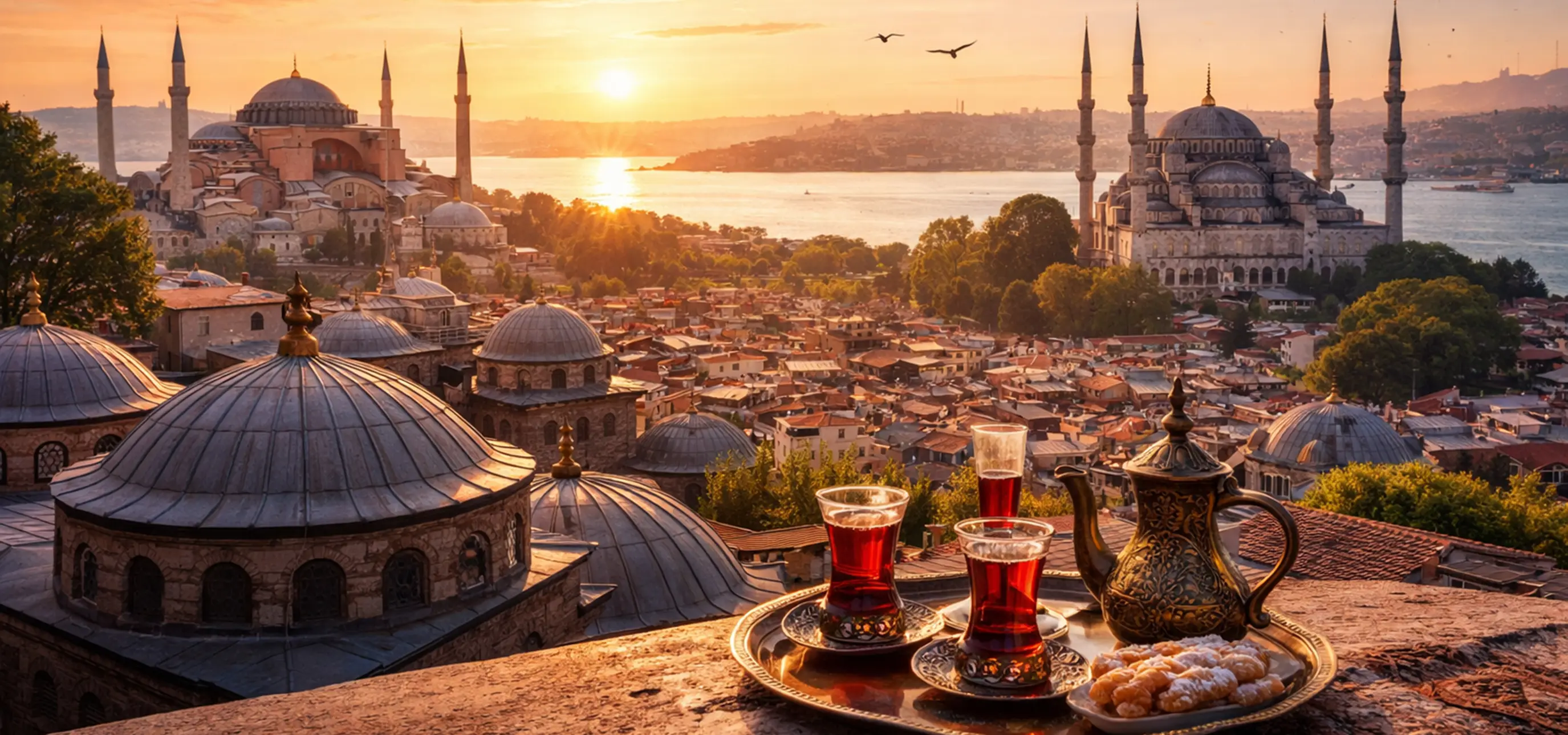
Continue from Sultanahmet into Eminönü, Beyoğlu, Fener, Balat and the Bosphorus to explore Istanbul's imperial monuments, markets, churches, mosques, palaces and neighborhood heritage.
Explore IstanbulUse Arasta as a starting point for a wider journey through Sultanahmet, Eminönü and the historic trading districts that shaped everyday life in Ottoman Istanbul.
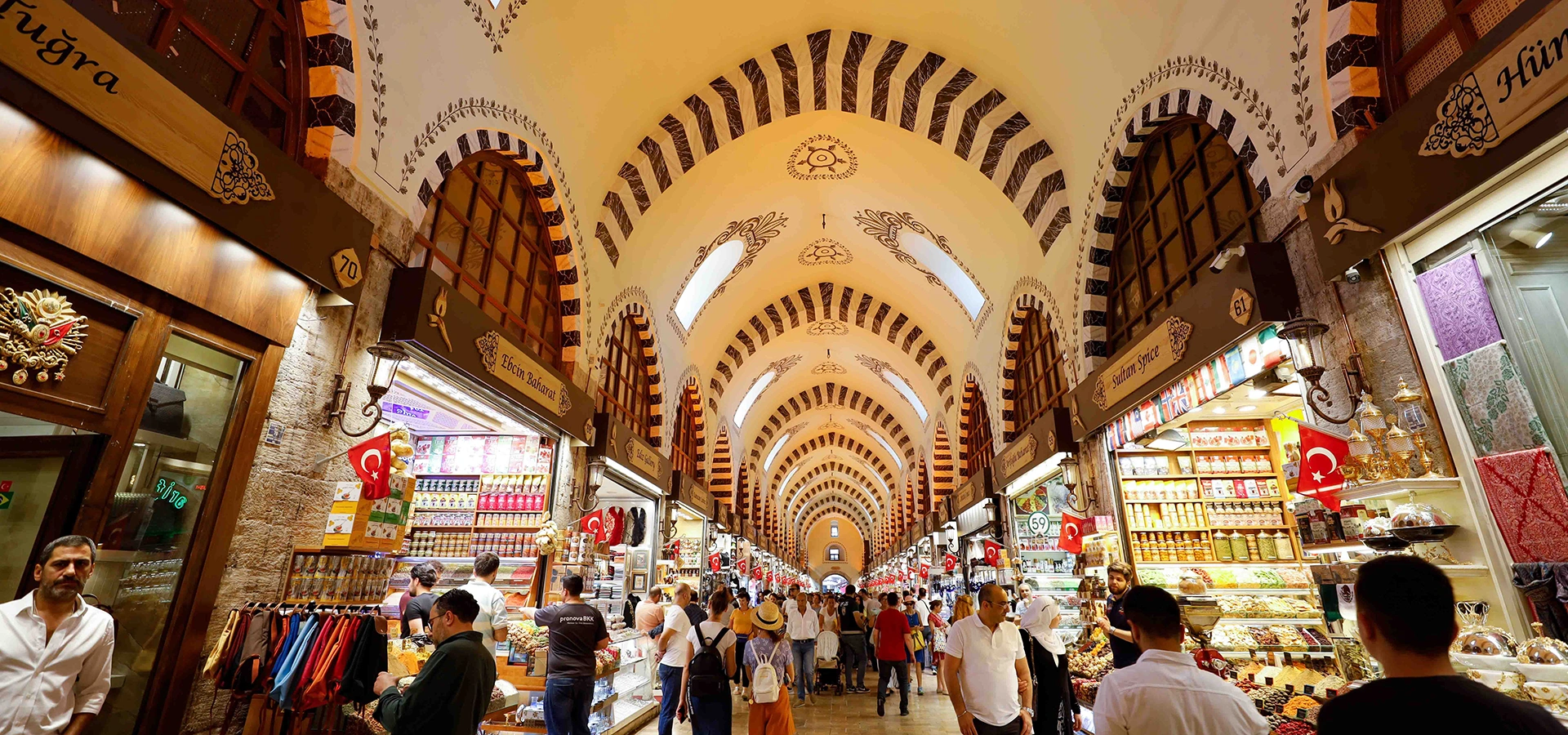
Compare Arasta's intimate market lane with the famous Egyptian Bazaar in Eminönü, where spices, teas, Turkish delight, dried fruit and traditional food products fill a monumental covered market.
Explore Spice Bazaar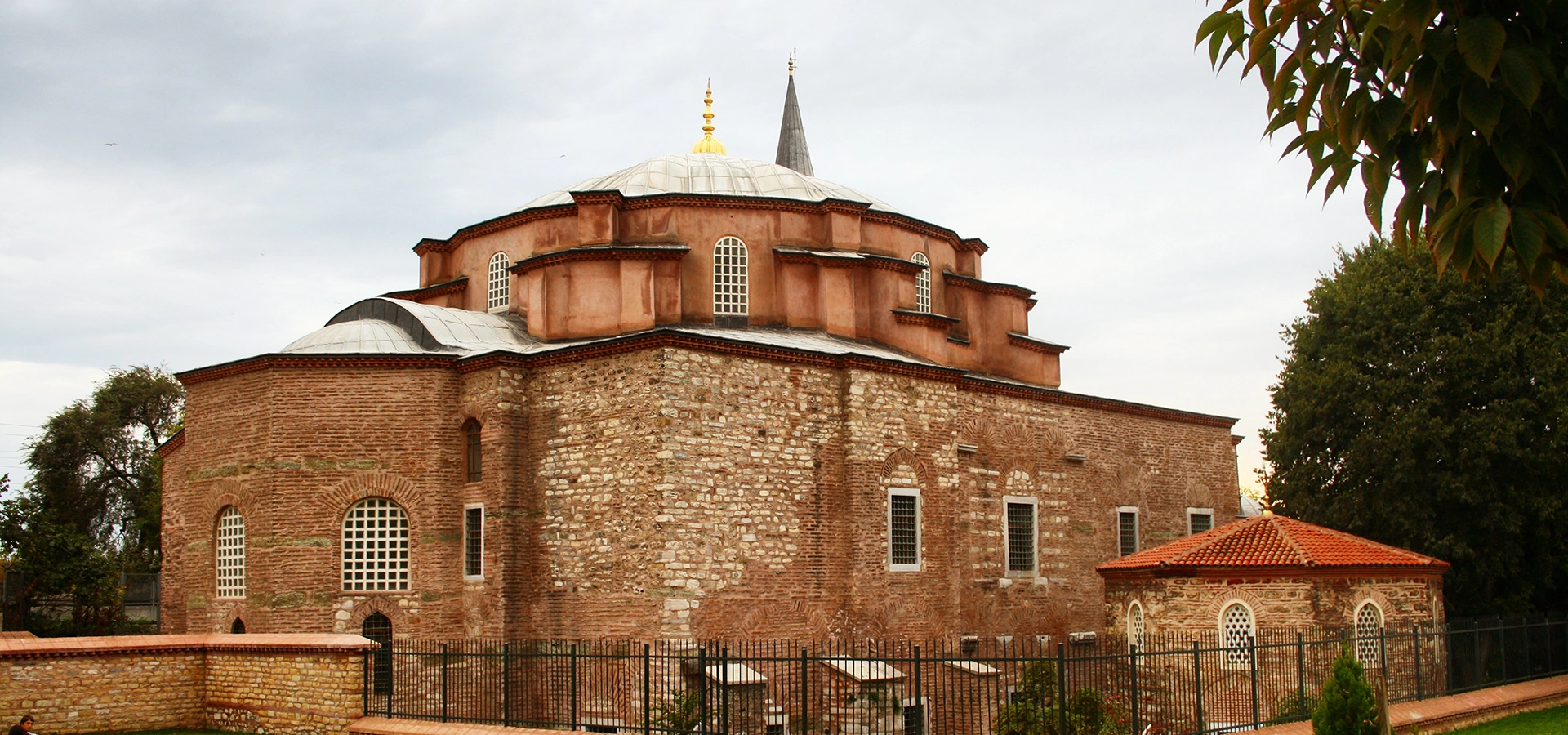
Continue through the quieter southern streets of Sultanahmet to one of Istanbul's most important surviving early Byzantine churches, now an active mosque.
Explore Little Hagia Sophia
Create a private Istanbul itinerary around Byzantine monuments, Ottoman architecture, historic bazaars, religious heritage, food culture and the city's lesser-visited neighborhoods.
View Private Istanbul Tours