Yoros Castle, Fishing Village, Bosphorus Ferry, Seafood, Black Sea Views & Northern Istanbul

Anadolu Kavağı Istanbul – Complete Bosphorus & Yoros Castle Guide

Discover Istanbul's historic fishing village near the Black Sea entrance of the Bosphorus, climb to medieval Yoros Castle, arrive by ferry, eat seafood beside the water and experience one of the city's most atmospheric northern neighborhoods.

Explore Anadolu Kavağı

Anadolu Kavağı – Where the Bosphorus Meets the Black Sea

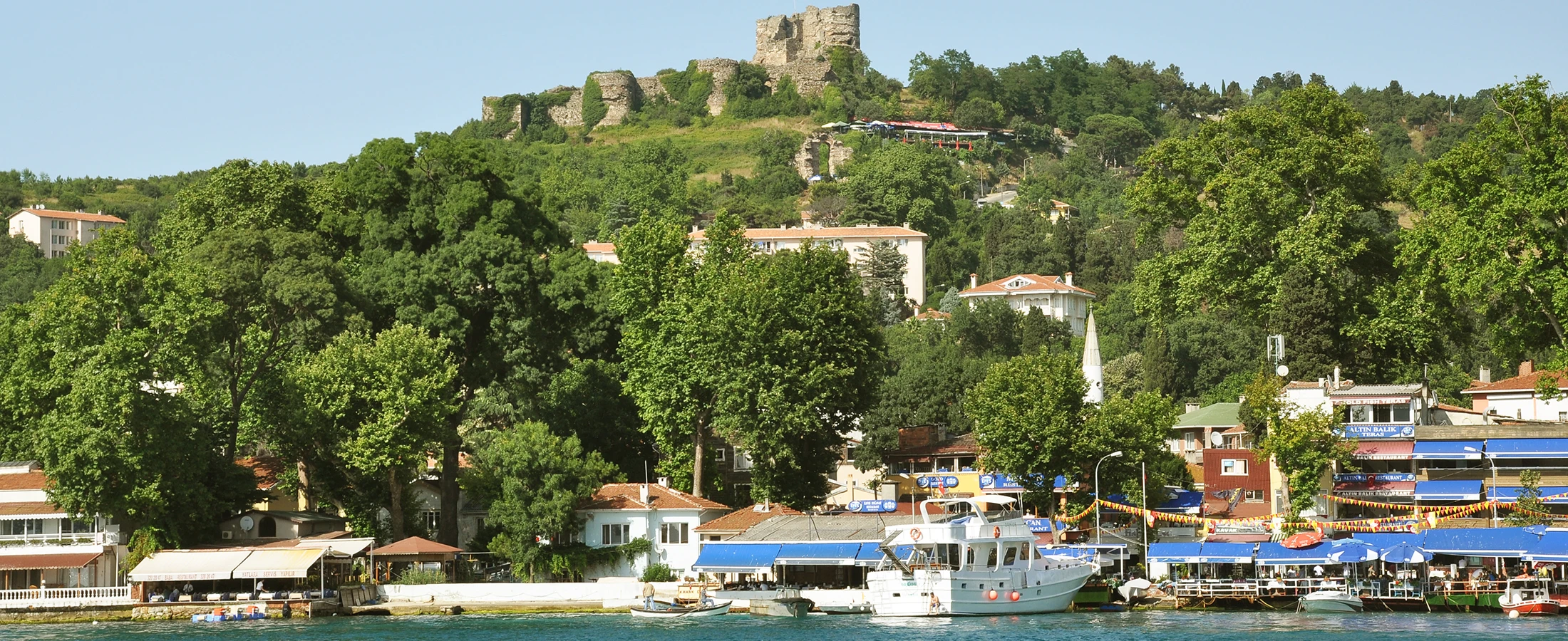
At the northern end of Istanbul's Asian Bosphorus, Anadolu Kavağı feels dramatically different from the monumental center of the city. Ferries arrive beside a compact waterfront square, small boats move through the harbor, fish restaurants line the streets and forested hills rise immediately behind the village.

Above everything stands Yoros Castle, one of the most strategically positioned medieval fortifications in Istanbul. The surviving walls and towers occupy a hill overlooking the northern Bosphorus, where vessels pass between the strait and the Black Sea.

Yoros is often casually called a Genoese castle, but its history is more layered. The surviving fortress contains strong Byzantine evidence, was later controlled by the Genoese, and became an important Ottoman position before and after the conquest of Constantinople. That sequence makes the hill one of the clearest places in Istanbul to understand how control of the Bosphorus changed across centuries.

The village below has its own history. Anadolu Kavağı developed around shipping, fishing, naval movement, trade, religious foundations and the strategic geography of the Bosphorus entrance. Its historical fabric includes the Midilli Ali Reis Mosque, Cevriye Hatun Fountain and memories of the old quarantine and defensive installations of the northern strait.

Today, the classic visit is wonderfully simple: arrive by ferry, walk through the waterfront square, climb to Yoros Castle, stop for the panorama, then return for fish or seafood beside the Bosphorus. Allow around three to four hours, or make Anadolu Kavağı the northern highlight of a full Asian Bosphorus day.

Yoros Castle

Climb to one of Istanbul's most dramatic medieval fortress sites above the northern Bosphorus.

Classic Ferry Journey

Arriving by water turns the journey itself into part of the experience.

Fishing Village Atmosphere

Explore a compact harbor district known for fish restaurants, boats and a slower rhythm of life.

Bosphorus & Black Sea Views

From the hills above the village, understand why this northern gateway was strategically important for centuries.

Know Before You Go

Anadolu Kavağı Istanbul – Quick Facts

Essential information about Anadolu Kavağı, Yoros Castle, the fishing village, ferry travel, walking routes, seafood, views and practical visitor planning.

📍

Location

Northern Asian shore of the Bosphorus in Istanbul's Beykoz district.

Open on Google Maps
🏰

Main Landmark

Yoros Castle, the medieval fortress overlooking the northern Bosphorus.

⛴️

Best Arrival

By Şehir Hatları ferry when the current timetable suits your itinerary.

🐟

Famous For

Fish restaurants, seafood, ferry excursions and a historic Bosphorus fishing-village atmosphere.

🥾

Main Walk

Waterfront → village streets → uphill route → Yoros Castle viewpoint.

🎟️

Neighborhood Entry

Free. Individual venues and access-controlled heritage areas may follow separate arrangements.

⏱️

Recommended Visit

Approximately 3–4 hours for the village, castle walk and a relaxed food stop.

📷

Best For

Fortress history, Bosphorus photography, ferries, seafood, walking and northern Istanbul scenery.


Medieval Fortifications, Black Sea Navigation, Ottoman Maritime History, Fishing Culture and One of Istanbul's Great Ferry Journeys

Why Visit Anadolu Kavağı?

Anadolu Kavağı combines history, landscape, food, water transport and village-scale Istanbul in a way few other neighborhoods can match.

The first reason to visit is Yoros Castle. Its hilltop position makes the strategic geography of the Bosphorus immediately understandable. From here, the northern strait narrows beneath you while the route toward the Black Sea opens beyond.

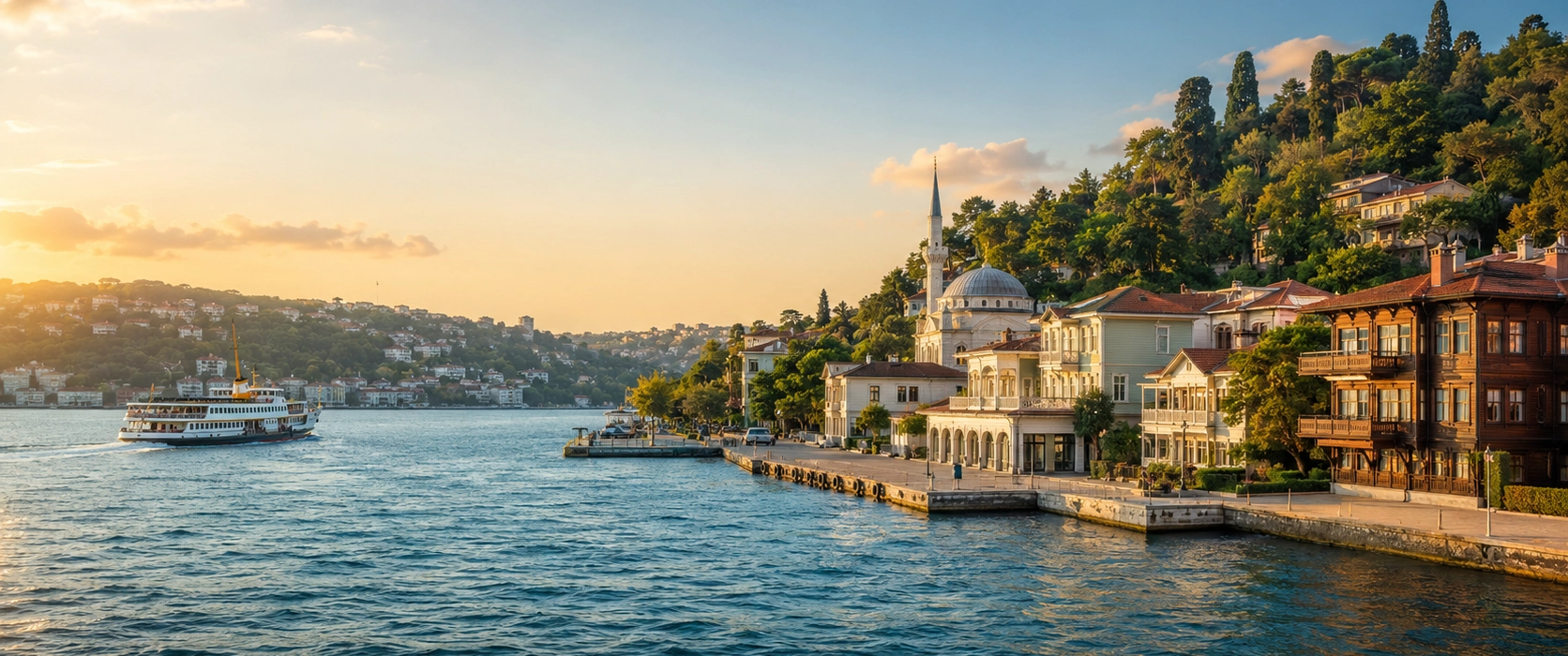
The second reason is the ferry journey. Anadolu Kavağı is one of those Istanbul destinations where getting there can be as memorable as the destination itself. A long ride through the Bosphorus allows visitors to watch palaces, yalıs, bridges, wooded slopes and historic waterfront settlements gradually change as the city becomes greener toward the north.

The third reason is the surviving fishing-village atmosphere. The center is compact, and the relationship between pier, boats, restaurants, mosque, side streets and steep green hills remains easy to read.

The fourth reason is the layered history. Byzantine, Genoese and Ottoman episodes overlap around Yoros, while later Ottoman centuries added mosques, fortifications, maritime services and quarantine infrastructure to the wider area.

Finally, Anadolu Kavağı is an excellent destination for travelers who already know central Istanbul and want to discover the city's northern Bosphorus landscape. It feels remote, yet it remains connected to the urban ferry network.

History of Anadolu Kavağı

The history of Anadolu Kavağı is inseparable from the geography of the northern Bosphorus. For ancient sailors, the transition between the protected strait and the unpredictable Black Sea was a psychologically and strategically important threshold. The surrounding headlands therefore accumulated religious, maritime and military significance long before the modern village took shape.

The hill above the settlement became the site of the fortress now called Yoros Castle. Although the castle is frequently described in popular writing as Genoese, municipal historical information emphasizes Byzantine construction evidence, including Greek inscriptions in the masonry.

The stronghold changed hands repeatedly during the late Byzantine period. Historical accounts place a Turkish capture in the early 14th century, followed by Genoese control from the mid-14th century as the Genoese sought to protect their Black Sea trade network.

By the end of the 14th century, Ottoman power along the Asian shore had increased dramatically. Yıldırım Bayezid used Yoros as an important military position around 1391, before constructing Anadolu Hisarı farther south as part of the expanding Ottoman strategy toward Constantinople.

During later Ottoman centuries, the northern Bosphorus remained a defended maritime frontier. Fortifications, watch points, religious buildings, shipping activity and settlements on both shores were tied to the need to control movement between the Black Sea and the imperial capital.

The village itself developed into a community of sailors, fishermen, traders, gardeners and maritime workers. Evliya Çelebi's description of the area reflects a much more active settlement than today's quiet appearance might suggest.

In the 19th century, the importance of the area continued through maritime health controls. A quarantine establishment known as the Kavak Tehaffuzhanesi was created in 1838 as part of Ottoman efforts to regulate disease and international shipping.

For much of the modern period, Anadolu Kavağı was also shaped by military restrictions. Beykoz Municipality notes that the village remained within a restricted military zone until 1946.

Today, Anadolu Kavağı is better known for ferries, seafood, walking and Yoros Castle, but its landscape still reveals the same fundamental reality: this was never simply a pretty fishing village. It was one of the strategic gateways to Istanbul.

Ancient Maritime Threshold

The northern Bosphorus was associated with navigation, ritual and the dangerous transition toward the Black Sea.

Byzantine Fortress

Yoros Castle preserves Byzantine construction evidence and Greek inscriptions.

Genoese Period

The fortress came under Genoese control during the 14th century as Black Sea trade routes became increasingly important.

Ottoman Stronghold

Yoros became an Ottoman base in the late 14th century and remained strategically important afterward.

1838 Quarantine

The Kavak quarantine station reflects the later Ottoman concern with international maritime health controls.

Modern Village

Military restrictions gradually gave way to today's ferry-connected residential and visitor destination.

Where Does the Name Anadolu Kavağı Come From?

The name Anadolu Kavağı is easy to misunderstand if it is translated too literally. Like many old Istanbul place names, its origin is surrounded by several traditions rather than one universally accepted explanation.

One local explanation connects the word kavak with large old plane trees, which were sometimes called by this name in earlier usage. Another tradition connects the settlement with a locally famous type of fig known as kavak inciri.

The word also became useful geographically because there are two historic Kavak settlements facing one another near the northern Bosphorus: Anadolu Kavağı on the Asian side and Rumeli Kavağı on the European side.

Whatever the precise linguistic origin, the name today immediately evokes ferries, fish restaurants, Yoros Castle and the final green stretch of the Bosphorus before the Black Sea.

Anadolu Kavağı Pier & Village Center

For most visitors, the first impression of Anadolu Kavağı is the area around the ferry pier. The settlement rises almost immediately behind the waterfront, so the transition from boat to village feels unusually direct.

Around the pier, small restaurants, seafood displays, boats, local streets and tables facing the Bosphorus create the neighborhood's best-known atmosphere. This compact center is one of the reasons Anadolu Kavağı works so well as a ferry excursion.

The waterfront becomes especially lively when long Bosphorus ferries arrive. For a short period, large numbers of visitors move from the boat toward the restaurants and the uphill path to Yoros Castle. Between ferry arrivals, the village can feel much quieter.

Do not rush immediately uphill. Spend a few minutes watching the harbor and the northern Bosphorus. The surrounding landscape is a useful introduction to the entire visit: water below, fortress hill above, forest behind and the Black Sea route ahead.

Ferry Arrival

The most atmospheric way to begin the visit and one of Istanbul's classic water journeys.

Compact Center

Restaurants, pier, mosque and the start of the castle walk are all close together.

Fishing Boats

Small boats and maritime activity remain an important part of the visual character of the waterfront.

Best First Stop

Pause beside the water before climbing toward Yoros Castle.

Yoros Castle

Yoros Castle is the defining historic monument of Anadolu Kavağı. It stands high above the village on a ridge controlling the eastern side of the Bosphorus entrance from the Black Sea.

The location explains the castle before any historical date does. From this hill, defenders could observe shipping approaching the strait, watch the opposite European shore and control one of the most important maritime corridors linking Constantinople with the Black Sea world.

Yoros is frequently called Ceneviz Kalesi – the Genoese Castle. The name reflects a genuine Genoese phase, but it should not be taken to mean that the entire surviving fortress was originally built by the Genoese. Greek inscriptions and other architectural evidence point to a substantial Byzantine origin.

During the unstable 14th century, the fortress changed hands. The Genoese controlled it for a period connected with their commercial interests in the Black Sea. Later, the Ottomans established permanent control over the Asian Bosphorus and transformed Yoros into part of their own defensive system.

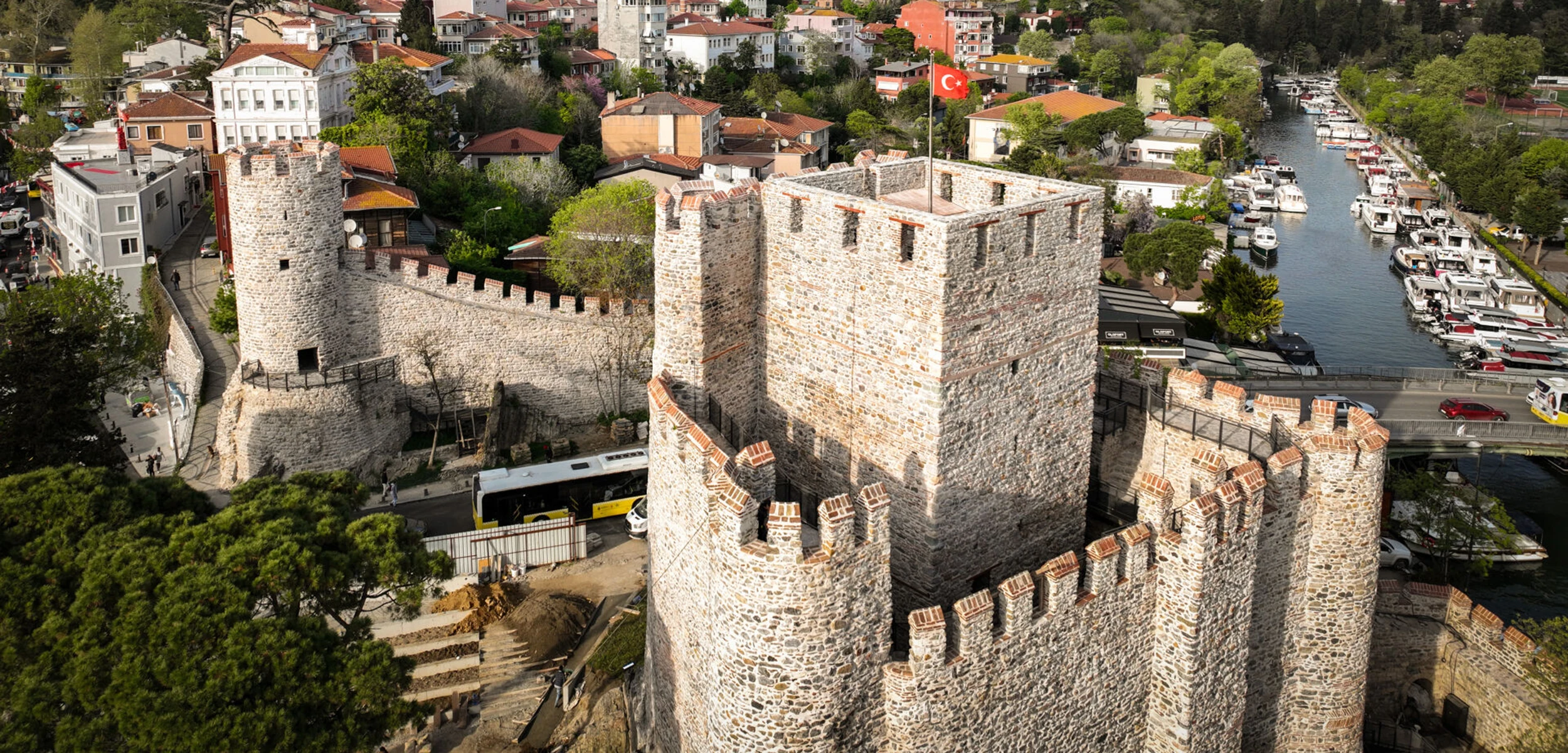
The massive surviving towers, gate area, wall lines and mixed masonry remain highly photogenic. Yet visitors should think of Yoros not as a complete castle museum, but as an archaeological and historic landscape that has undergone excavation and restoration work since 2010.

Current access conditions around individual parts of the ruins can change. Fencing, archaeological work, vegetation, restoration activity or safety arrangements may affect how close visitors can approach particular sections. Do not climb on walls or cross barriers.

Location Hill above Anadolu Kavağı, overlooking the northern Bosphorus
Historic Layers Byzantine → Genoese control → Ottoman stronghold
Strategic Role Control and observation of the Bosphorus entrance from the Black Sea
Best Feature Fortress ruins combined with extraordinary panoramic geography
Archaeology Excavation and restoration work has been carried out since 2010
Visitor Advice Respect barriers and check current access conditions before a tightly planned visit

Why Was Yoros Castle So Important?

To understand Yoros Castle, look first at the water. The Bosphorus is not simply a scenic strait: it is a strategic maritime corridor connecting the Black Sea with the Sea of Marmara and the Mediterranean world.

The northern entrance was especially important because ships leaving the protected waters of the Bosphorus entered the more exposed Black Sea. In earlier periods, wind, currents, storms, navigation hazards and political insecurity could make this transition dangerous.

A fortress on the Anadolu Kavağı ridge could help monitor vessels, signal danger, protect the shoreline and strengthen control over traffic moving toward or away from Constantinople. The European shore carried its own complementary defensive positions.

This geography remained important through Byzantine, Genoese and Ottoman periods. Even when artillery, ships and military technology changed, the fundamental strategic value of watching the Bosphorus entrance remained the same.

For modern visitors, that makes the viewpoint unusually educational. Instead of seeing a fortress in isolation, you can see the landscape that made the fortress necessary.

Midilli Ali Reis Mosque

Near the center of Anadolu Kavağı stands Midilli Ali Reis Mosque, one of the settlement's key Ottoman monuments. Official Istanbul heritage information dates the mosque to 1593.

The mosque is associated with Midillili Ali Reis, a maritime figure whose charitable foundations contributed to the development of the village. His burial place is traditionally connected with the hazire beside the mosque.

The building is especially valuable because it reminds visitors that Anadolu Kavağı was not only a military position. It was also a lived Ottoman community with religious foundations, houses, shops, water structures and people whose work was closely connected with the sea.

The mosque remains an active place of worship. Sightseers should avoid prayer periods, dress respectfully, remove shoes where required and never interrupt local religious use.

Date

Traditionally dated to 1593 in official Istanbul visitor information.

Founder

Associated with Midillili Ali Reis and his charitable works in the village.

Context

An important reminder of Anadolu Kavağı's Ottoman maritime community beyond the castle.

Current Use

Active mosque; religious use always takes priority over sightseeing.

Cevriye Hatun Fountain & Old Anadolu Kavağı

Anadolu Kavağı's historic character is not limited to Yoros Castle. Within the settlement, smaller Ottoman structures help reveal the daily life of the community that developed below the fortress.

One of the best-known is the Cevriye Hatun Fountain, a historic water structure dating from the 18th century. Like many Ottoman neighborhood fountains, it belonged to a culture in which providing public water was both a practical service and a charitable act.

Together with Midilli Ali Reis Mosque, older street lines, burial areas and the surviving scale of the village center, the fountain helps shift attention away from the castle alone and toward the settlement beneath it.

Walk slowly through the streets around the pier. Anadolu Kavağı has changed greatly, but fragments of the older maritime village pattern remain visible between restaurants, modern houses and roads climbing toward the forest.

Anadolu Kavağı as Istanbul's Maritime Frontier

For centuries, Anadolu Kavağı occupied a zone where military defense and maritime administration overlapped. The northern Bosphorus had to be protected from hostile shipping, raids, smuggling, disease and uncontrolled movement toward the capital.

Ottoman rulers strengthened defensive positions on both the Asian and European shores. Later, as international shipping expanded, new systems appeared alongside the old forts. One of the most important was the Kavak quarantine station established in 1838.

The quarantine system reflected a new kind of strategic concern. Instead of only stopping enemy ships, the state also needed to identify health risks carried by vessels, passengers and cargo arriving through the Black Sea.

Parts of the wider northern shoreline have long been connected with military use, and some areas remain restricted or operational today. Visitors should therefore stay on public roads, marked paths and clearly accessible heritage areas.

Important: do not enter fenced, marked military, archaeological or restricted areas for a better photograph. The northern Bosphorus still contains sensitive installations as well as protected heritage sites.

What to Eat in Anadolu Kavağı

Food is a major part of the Anadolu Kavağı experience. The village is especially associated with fish and seafood restaurants gathered around the waterfront and streets near the ferry pier.

Menus vary by season and restaurant, but visitors commonly encounter fresh fish, grilled or fried seafood, calamari, mussels, salads, meze and simple Turkish dishes. Local visitor information also highlights fried mussels and casual snacks as familiar parts of the neighborhood's food culture.

The most atmospheric timing is often after the Yoros Castle walk. Climb first while you still have energy, then return downhill and sit near the water for a relaxed meal before the ferry journey back.

As in many tourist waterfront districts, prices can vary significantly. Check menus before ordering, confirm whether fish is priced per portion or by weight and ask about market-price items when necessary.

Fresh Fish

The classic meal and the food most strongly associated with Anadolu Kavağı.

Mussels

Fried mussels and other casual seafood dishes are popular local choices.

Calamari

A common seafood option that works well as part of a shared waterfront meal.

Meze & Salad

Useful additions when you want a slower lunch rather than a quick ferry stop.

Tea & Coffee

A simple drink beside the water is enough if you prefer to spend more time walking.

Check the Menu

Waterfront prices vary, so confirm prices and portion details before ordering.

Walking from Anadolu Kavağı to Yoros Castle

The climb from the village to Yoros Castle is the essential walk in Anadolu Kavağı. It begins close to the waterfront and quickly gains height through steep streets and green hillside scenery.

The route is not long in absolute distance, but the gradient can make it feel more demanding than expected. Comfortable shoes are strongly recommended, especially in hot weather or after rain.

As you climb, the village gradually falls away behind you. The view begins to open across the Bosphorus, and the strategic position of the castle becomes increasingly obvious.

Near the upper slopes, restaurants and viewpoint areas may provide places to stop. Continue only on public and clearly accessible paths, and respect archaeological barriers around the fortress itself.

The descent is easier, but steep surfaces can still be slippery. Leave enough time to return to the ferry pier without rushing, especially if you are planning around a specific departure.

Start Anadolu Kavağı Ferry Pier / village center
Direction Uphill through the village toward Yoros Castle
Difficulty Moderate because of the steep gradient
Footwear Comfortable walking shoes strongly recommended
Best Reward Panoramic view of the northern Bosphorus and Black Sea approach
Timing Tip Keep the return ferry time in mind before lingering at the top

What to See in Anadolu Kavağı

Anadolu Kavağı Pier

Begin with the ferry landing and the compact waterfront center of the village.

Yoros Castle

Explore the hilltop setting of the medieval fortress and understand its strategic role.

Castle Panorama

Look across the northern Bosphorus toward the European shore and the Black Sea approach.

Midilli Ali Reis Mosque

See the Ottoman mosque traditionally dated to 1593 in the historic settlement.

Cevriye Hatun Fountain

Find one of the village's smaller Ottoman heritage structures dating from the 18th century.

Fishing Harbor

Watch small boats, ferries and the changing activity around the waterfront.

Seafood Streets

Experience the part of Anadolu Kavağı most strongly associated with day-trippers and fish restaurants.

Forested Hills

Notice how quickly dense urban Istanbul gives way to greener northern Bosphorus slopes.

Black Sea Gateway

Use the landscape to understand the strategic transition from the Bosphorus into the Black Sea.

Historic Village Streets

Walk beyond the restaurant frontage and look for the quieter scale of the old settlement.

Rumeli Kavağı View

Across the water lies the historic European-side settlement guarding the opposite side of the northern strait.

Ferry Journey

Treat the Bosphorus ride itself as one of the day's main attractions rather than simple transport.

Practical Tips for Visiting Anadolu Kavağı

Arrive by Ferry

When schedules work, the water journey gives Anadolu Kavağı the strongest possible introduction.

Check Return Times

Do not begin the castle climb without knowing the ferry you intend to take back.

Climb Before Eating

Walking to Yoros Castle first is usually more comfortable than making the steep ascent after a large seafood lunch.

Wear Comfortable Shoes

The climb is steep and sections can be slippery after rain.

Bring Water

Especially important in warm weather when the uphill route can feel hotter than the waterfront.

Check Restaurant Prices

Ask about market-priced seafood and fish sold by weight before ordering.

Respect Barriers

Yoros Castle is an archaeological site; never cross fences or climb surviving masonry.

Visit on a Weekday

Weekdays usually give the village a calmer atmosphere than sunny summer weekends.

Suggested Anadolu Kavağı Walking Route

Begin by arriving at Anadolu Kavağı Pier by ferry when current Şehir Hatları services make this practical. Stay beside the water for a few minutes and enjoy the harbor before moving inland.

Walk through the village center and locate Midilli Ali Reis Mosque. If sightseeing access is appropriate, visit respectfully outside prayer times.

Continue through the older streets and look for the Cevriye Hatun Fountain and other small fragments of the historic settlement.

Then begin the uphill walk to Yoros Castle. Take your time, turn around frequently for changing views and remember that the climb is part of the experience.

At the top, spend time understanding the fortress in relation to the water below. Look toward the Black Sea entrance, the European shore and the route ships follow through the northern Bosphorus.

Return downhill to the village and finish with fish or seafood near the waterfront. Leave enough time to reach the pier calmly before your chosen ferry departs.

Stop 1 Arrive at Anadolu Kavağı Ferry Pier
Stop 2 Waterfront & village square
Stop 3 Midilli Ali Reis Mosque
Stop 4 Cevriye Hatun Fountain & historic streets
Stop 5 Walk uphill toward Yoros Castle
Stop 6 Yoros Castle & northern Bosphorus panorama
Stop 7 Return to the fishing village
Stop 8 Fish or seafood lunch beside the Bosphorus
Total Time Approximately 3–4 hours, excluding a long Bosphorus ferry journey

Anadolu Kavağı Visitor Information

Anadolu Kavağı is a normal residential neighborhood, so there is no entrance fee to explore its public streets, waterfront or village center.

Yoros Castle is a protected archaeological and historic site. No single permanent visitor arrangement should be assumed for every part of the ruins because excavation, restoration and safety controls can affect access.

Midilli Ali Reis Mosque is an active religious building. Access can be affected by prayer times, religious events or local arrangements.

Ferry services are central to the visitor experience, but routes and schedules change. Check Şehir Hatları information on the day of travel rather than building your itinerary around an old timetable.

District Beykoz, Istanbul
Side of Istanbul Asian side
Neighborhood Admission Free
Main Landmark Yoros Castle
Main Historic Mosque Midilli Ali Reis Mosque
Signature Experience Ferry + Yoros Castle walk + seafood
Best Visit Length 3–4 hours
Best for Quiet Weekday morning
Best for Atmosphere Late morning through afternoon with a ferry arrival
Important: ferry schedules, bus routes, archaeological access, religious-site access, road conditions and restaurant operations can change. Check time-sensitive information before travel.

Best Time to Visit Anadolu Kavağı

Early Morning

Best for a quiet village center before the main visitor flow develops.

Late Morning

Excellent for climbing to Yoros Castle before lunch and before the strongest afternoon heat.

Afternoon

Good for seafood, ferry atmosphere and changing light across the northern Bosphorus.

Golden Hour

Beautiful from elevated viewpoints if transport timing allows you to stay late enough.

Spring

One of the best seasons for green hills, walking and comfortable temperatures.

Autumn

Excellent for softer light, clear views and a quieter experience after peak summer weekends.

Summer

Ideal for ferry travel, but the castle climb can be hot and weekends can become crowded.

Winter

Dramatic but windier; the exposed northern Bosphorus can feel much colder than central Istanbul.

How Much Time Do You Need in Anadolu Kavağı?

60–90 Minutes

Enough for the waterfront and a quick food stop, but too short for a relaxed Yoros Castle visit.

2 Hours

Possible for the village and a brisk castle walk if transport timing is tight.

3–4 Hours

Ideal for the village, Yoros Castle, photography and a relaxed seafood meal.

Half Day

Perfect when the ferry journey itself is part of the sightseeing experience.

Full Day

Combine Anadolu Kavağı with Beykoz, Kanlıca, Yuşa Hill, Poyrazköy or other northern Bosphorus stops.

Slow Visit

Stay for a long lunch, explore the quieter streets and treat the ferry ride as part of the destination.

Photography in Anadolu Kavağı

The strongest photographs in Anadolu Kavağı come from combining history with geography. A castle wall alone is interesting, but a castle wall with the Bosphorus visible below immediately explains why Yoros mattered.

At the waterfront, photograph ferries arriving against the green hills, small fishing boats, restaurant streets and the transition between village and water.

During the climb, look backward frequently. Each gain in elevation changes the relationship between harbor, Bosphorus, European shore and surrounding forest.

At Yoros Castle, use wide views to include the fortress and landscape together. A longer lens can isolate ships, coastlines, fortification details or distant features of the northern strait.

Never sacrifice safety for a photograph. Do not climb on unstable masonry, cross archaeological barriers or photograph into clearly marked military areas.

Best Fortress Shot

Frame surviving Yoros towers against the Bosphorus and forested headland.

Best Waterfront Shot

An arriving or departing ferry with the village and hills behind it.

Best Panorama

The upper slopes around Yoros Castle looking over the northern Bosphorus.

Best Detail

Mixed stone-and-brick masonry, weathered fortress surfaces and historic village textures.

Best Light

Clear mornings for distant visibility; softer late-day light for water and hillside atmosphere.

Safety First

Stay on accessible paths and never climb archaeological walls for a better angle.

Accessibility in Anadolu Kavağı

The immediate area around Anadolu Kavağı Pier is compact and relatively easy to understand. Visitors can enjoy the waterfront, restaurants and parts of the historic village without attempting the castle climb.

The main accessibility challenge is Yoros Castle. The route climbs steeply, and gradients, uneven surfaces, traffic, steps or changing path conditions may make it difficult for travelers with limited mobility.

The castle itself is an archaeological ruin rather than a fully adapted museum environment. Accessible surfaces and barrier-free circulation should therefore not be assumed.

Travelers with mobility concerns can still have a rewarding Anadolu Kavağı visit focused on the ferry journey, waterfront, village center and seafood. If Yoros is essential, consider suitable road transport for the uphill section and confirm current access beforehand.

Easiest Area

The ferry pier, waterfront and immediate village center.

Main Challenge

The steep uphill route toward Yoros Castle.

Historic Surfaces

Expect uneven ground and conditions that are not consistently barrier-free.

Use Transport Strategically

A taxi or suitable vehicle can reduce some of the demanding uphill walking.

Ferry Access

Accessibility can differ between vessels and piers, so confirm current arrangements if step-free access is essential.

Allow Extra Time

Avoid tight ferry connections if mobility limitations may slow the route.

How to Get to Anadolu Kavağı

Anadolu Kavağı is located in Beykoz on the Asian side of Istanbul, near the northern entrance of the Bosphorus. For visitors, the ferry is usually the most memorable way to arrive.

Current Şehir Hatları services connect Anadolu Kavağı with several points on the Bosphorus network. Depending on the active timetable, these can include Üsküdar, Beykoz, Paşabahçe, Çubuklu, Kanlıca, Anadolu Hisarı, Rumeli Kavağı and Sarıyer, as well as longer Bosphorus services from the central waterfront.

From Üsküdar, look for the current Anadolu Kavağı service or another suitable combination through the Asian Bosphorus. A long ferry journey is slower than driving in ideal traffic, but far more scenic.

From the European side, Sarıyer can be particularly useful because cross-Bosphorus services connect the northern European shore with Rumeli Kavağı and Anadolu Kavağı on selected routes. Longer Bosphorus ferries from central Istanbul may also terminate at Anadolu Kavağı.

By road, the village is reached through Beykoz and the forested northern shoreline. Public buses, taxis and private vehicles are possible, but road travel can be slow when Bosphorus traffic is heavy.

The key planning rule is simple: check the official timetable on the day you travel. Seasonal services, weekend patterns, special events and operational changes can affect ferry routes.

By Ferry

The most atmospheric option and one of the highlights of the visit itself.

From Üsküdar

Use the current Şehir Hatları Anadolu Kavağı connection when available.

From Sarıyer

Selected northern Bosphorus services connect Sarıyer, Rumeli Kavağı and Anadolu Kavağı.

From Eminönü

Check current long Bosphorus services that travel north through multiple historic waterfront stops.

By Bus

Road-based public transport reaches the wider Anadolu Kavağı area through Beykoz; routes can change.

By Taxi

Useful when combining Anadolu Kavağı with Yuşa Hill, Beykoz or other northern Asian-side destinations.

By Private Vehicle

Possible, but weekend congestion and parking can make ferry travel more enjoyable.

Best Combination

Arrive by ferry and return by ferry unless a wider Beykoz road itinerary makes another option more practical.

Transport tip: Şehir Hatları and IETT schedules change. Use current official transport information rather than an old blog timetable.

Places to Visit Near Anadolu Kavağı

Anadolu Kavağı sits at the northern end of one of Istanbul's most rewarding sightseeing corridors. A longer day can combine fortresses, religious sites, forested hills, fishing villages, Ottoman waterfront neighborhoods and ferry travel.

Use our complete guide to places to visit in Istanbul to continue planning the wider city.

Yuşa Hill

Visit one of the most important pilgrimage and viewpoint hills in Beykoz, overlooking the northern Bosphorus.

Poyrazköy

Continue toward another northern Bosphorus settlement known for coastal scenery and defensive heritage.

Anadolu Feneri

Travel toward the lighthouse village near the Asian side of the Bosphorus entrance from the Black Sea.

Beykoz

Explore the district center, waterfront, parks and the greener residential character of the Asian Bosphorus.

Kanlıca

Continue south for Kanlıca yogurt, İskender Paşa Mosque, Mihrabat Grove and classic Bosphorus atmosphere.

Anadolu Hisarı

Visit the Ottoman fortress built by Sultan Bayezid I farther south on the Asian shore.

Küçüksu Pavilion

Continue into the Göksu–Küçüksu area for one of the most elegant 19th-century Ottoman imperial pavilions.

Rumeli Kavağı

Cross to the European shore on suitable services and compare the historic settlements on both sides of the northern strait.

Sarıyer

Use the northern European-side transport hub for seafood, waterfront walks and ferry connections.

Ortaköy

Continue the wider Bosphorus journey toward one of Istanbul's liveliest European-side waterfront neighborhoods.

Frequently Asked Questions About Anadolu Kavağı Istanbul

Where is Anadolu Kavağı?

Anadolu Kavağı is on the Asian side of Istanbul in the Beykoz district, near the northern entrance of the Bosphorus from the Black Sea.

What is Anadolu Kavağı famous for?

It is best known for Yoros Castle, Bosphorus ferry excursions, fish restaurants, fishing-village atmosphere and panoramic northern Bosphorus scenery.

Is Yoros Castle really a Genoese castle?

Not entirely. The castle contains Byzantine construction evidence and Greek inscriptions, later came under Genoese control, and subsequently became an Ottoman stronghold.

Why was Yoros Castle important?

Its hilltop position allowed control and observation of shipping at the northern entrance of the Bosphorus, one of the strategic approaches to Constantinople and Istanbul.

Can I walk from Anadolu Kavağı Pier to Yoros Castle?

Yes. The classic route climbs steeply from the village to the castle hill. Comfortable shoes are strongly recommended.

How difficult is the walk to Yoros Castle?

The distance is manageable for many visitors, but the gradient is steep enough to feel demanding, especially in hot weather.

Is Yoros Castle open every day?

The site does not function like a conventional ticketed museum with one simple permanent visitor schedule. Archaeological, restoration and safety arrangements can affect access to individual areas, so check current conditions if the castle is essential to your itinerary.

Do I need a ticket for Anadolu Kavağı?

No. The neighborhood itself is free to explore. Individual businesses or specially controlled heritage areas may have their own arrangements.

Can I reach Anadolu Kavağı by ferry?

Yes. Şehir Hatları serves Anadolu Kavağı on several Bosphorus routes. Always check the current timetable because frequencies and stopping patterns can change.

Can I travel from Üsküdar to Anadolu Kavağı by ferry?

Yes, current Şehir Hatları services include an Anadolu Kavağı–Üsküdar route. Confirm the timetable on your travel date.

Can I travel from Sarıyer to Anadolu Kavağı?

Yes. Northern Bosphorus services connect Sarıyer with Rumeli Kavağı and Anadolu Kavağı on selected sailings.

How long should I spend in Anadolu Kavağı?

Three to four hours is ideal for the village, Yoros Castle walk, photography and a relaxed food stop.

Can I visit Anadolu Kavağı in two hours?

Yes, but the visit will be rushed if you want to climb to Yoros Castle and return comfortably for a ferry.

What should I eat in Anadolu Kavağı?

Fish and seafood are the classic choices. Mussels, calamari, meze and simple waterfront meals are also common.

Is Anadolu Kavağı only for seafood?

No. The main reason to visit is the combination of Yoros Castle, ferry travel, maritime history, northern Bosphorus scenery and village atmosphere.

Is Anadolu Kavağı good for photography?

Yes. Yoros Castle, ferry arrivals, fishing boats, forested hills and the Black Sea approach provide excellent subjects.

Is Anadolu Kavağı on the European or Asian side?

It is on the Asian side of Istanbul. Rumeli Kavağı lies opposite on the European shore.

Is Anadolu Kavağı good for children?

Yes, especially for the ferry trip, but adults should supervise children carefully around roads, waterfront edges and the steep castle route.

Is Anadolu Kavağı wheelchair accessible?

The waterfront is easier than the castle route, but the steep climb and archaeological terrain around Yoros Castle can present major accessibility challenges.

What is the best season to visit Anadolu Kavağı?

Spring and autumn are especially pleasant for walking. Summer is excellent for ferry travel but can be hot and crowded on weekends.

What is the best time of day to visit?

Late morning works very well because you can climb to Yoros Castle before lunch and still have time for the waterfront afterward.

Can I combine Anadolu Kavağı with Kanlıca?

Yes. Both lie on the Asian Bosphorus and can be combined by ferry or road depending on the day's schedule.

Can I combine Anadolu Kavağı with Yuşa Hill?

Yes. They are both in northern Beykoz, but road transport is generally more practical than walking between them.

Is Anadolu Kavağı worth visiting if I already took a Bosphorus cruise?

Yes. A cruise shows the shoreline from the water, while Anadolu Kavağı lets you walk through a historic northern settlement and climb to a strategic fortress viewpoint.

Responsible Visiting in Anadolu Kavağı

Protect Yoros Castle

Do not climb walls, remove stones, cross archaeological barriers or damage historic masonry.

Respect Worship

Prayer and religious use at Midilli Ali Reis Mosque always take priority over sightseeing.

Respect Military Areas

Stay away from restricted zones and obey all signs, barriers and security instructions.

Protect the Forest

Dispose of food packaging responsibly and take particular care during dry summer conditions.

Keep the Waterfront Clear

Do not block ferry access, working boats, restaurant entrances or narrow pedestrian routes.

Support Local Businesses

Small restaurants, cafés and neighborhood businesses help maintain Anadolu Kavağı's living maritime identity.

Private Anadolu Kavağı & Northern Bosphorus Experiences

Connect Anadolu Kavağı with Yoros Castle, Beykoz, Kanlıca, Anadolu Hisarı, Ottoman maritime history, medieval fortifications, local food, forest landscapes and Bosphorus scenery through a private route shaped around your interests and without compulsory shopping stops.

Custom Anadolu Kavağı & Yoros Castle Experience

Choose a private route focused on fortress history, Bosphorus geography, Ottoman heritage, photography, seafood, ferry culture, walking and the quieter northern side of Istanbul.

Kanlica Istanbul Bosphorus waterfront ferry pier and historic neighborhood

Kanlıca Istanbul

Continue south through the Asian Bosphorus for Kanlıca yogurt, Mimar Sinan's İskender Paşa Mosque, Mihrabat Grove, historic yalıs and another classic ferry-side neighborhood.

Explore Kanlıca

Continue Along the Asian Bosphorus

Use Anadolu Kavağı as the northern anchor of a wider journey through fortresses, Ottoman pavilions, waterfront neighborhoods, mosques, local food and the green landscapes of Beykoz.

Private Istanbul Tours

Build a private day around the parts of Istanbul that interest you most, from Byzantine and Ottoman monuments to Bosphorus neighborhoods, fortresses, local food, religious history, photography, waterfront walks and lesser-visited heritage sites.