Plan a Private Heritage Experience
Tell us your dates, interests and group size. We can suggest a realistic route and check local arrangements.
Request a Private Programme





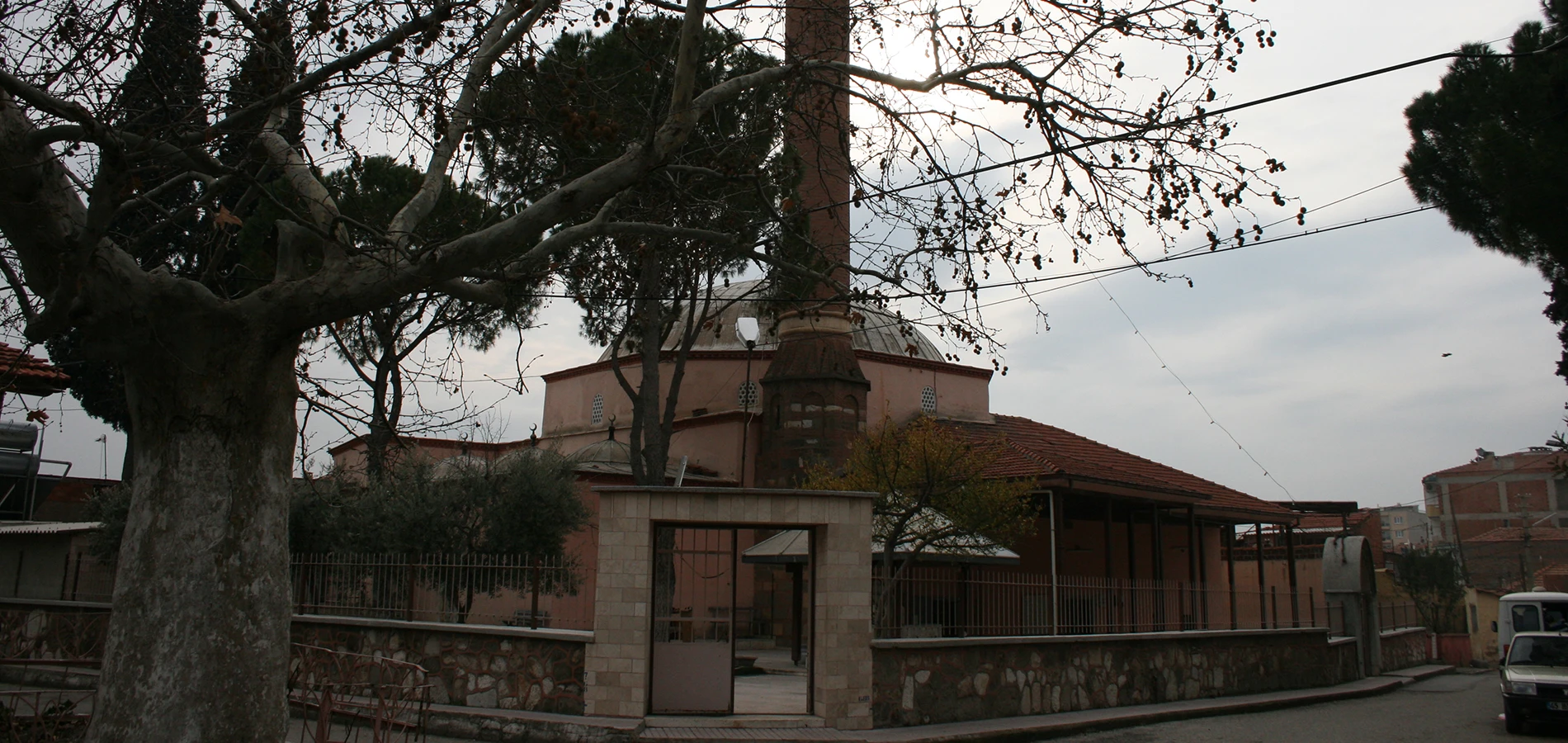
Akhisar Ulu Mosque is one of the clearest reminders that towns evolve by reusing buildings. The provincial culture directorate describes the mosque as having been converted from an earlier church, although the original construction date is not established.
Look especially at the southern side, where older walling and arches survive. Other portions were repaired or altered in later Turkish architectural phases, producing a building that cannot be read as the work of a single moment.
Because it remains a place of worship, the right way to explore is unhurried and respectful. A short visit can reveal far more than a quick photograph if you pay attention to changes in masonry and plan.
Compare the older masonry and arched elements with later repairs; the differences are evidence of adaptation, not necessarily damage.
The east and west sides show the layered character of the structure. Architectural reuse often combines conservation with practical changes.
The graveyard contains examples of Ottoman Turkish funerary stonework. View inscriptions respectfully and never touch or climb on stones.
The former courtyard school and nearby lodge no longer stand. Their documented presence helps reconstruct the mosque’s role in neighbourhood life.
A concise orientation for a meaningful visit.
Akhisar, Manisa
Historic working mosque with earlier fabric
Earlier church fabric and later Turkish alterations
History, material and setting
20–40 minutes, outside prayer times
Confirm visitor access and current arrangements
This is a valuable architectural palimpsest: different communities and generations used, repaired and reinterpreted the same place. It makes Akhisar’s long history visible without requiring a major excavation.
The building also connects with vanished educational and devotional structures once nearby. Understanding what no longer survives is as important as identifying what remains.
The precise date of the original church is not securely given in the provincial description. Avoid treating a convenient single century as established fact.
The mosque’s southern section includes walls and arched elements from the earlier structure. East and west sides underwent repairs and additions associated with later Turkish use.
A darülhadis and teaching room were once recorded in the courtyard, while a Naqshbandi lodge stood to the north. These associated buildings have not survived. Ottoman-period gravestones in the burial ground preserve another aspect of the complex’s history.
Akhisar occupies the area of ancient Thyatira, and the city’s monuments demonstrate transitions across the ancient, Byzantine, Turkish and Ottoman periods.
Compare the older masonry and arched elements with later repairs; the differences are evidence of adaptation, not necessarily damage.
The east and west sides show the layered character of the structure. Architectural reuse often combines conservation with practical changes.
The graveyard contains examples of Ottoman Turkish funerary stonework. View inscriptions respectfully and never touch or climb on stones.
The former courtyard school and nearby lodge no longer stand. Their documented presence helps reconstruct the mosque’s role in neighbourhood life.
The mosque should not be described as a surviving first-century church of the biblical Thyatira community. Its earlier church fabric and the Book of Revelation’s reference to Thyatira belong to different types of historical evidence.
Architectural history often begins with identifying building phases: look at joints, arch shapes and changes in stone or brick rather than assuming all walls are contemporary.
If you are visiting with a guide, ask which elements are securely identified by architectural study and which are local interpretations.
Observe this element from an authorised viewing area.
Compare visible evidence with published interpretation.
Ask what can be securely dated or identified.
Respect any barriers protecting this part of the site.
Dress modestly, remove shoes when entering the prayer area and avoid visiting during congregational prayers. Permission to enter can depend on worship activities and conservation needs.
Keep voices low, avoid flash or photographing worshippers without consent, and do not step into the cemetery for close-up images.
Official reference: Provincial heritage description – Akhisar Ulu Mosque.
Combine a brief mosque stop with Akhisar Museum and the Thyatira / Tepe Mezarlığı area to see three distinct forms of historical evidence: architecture, displayed objects and excavation.
Finish with an Akhisar food stop; the district is well known for its köfte and olive traditions.
Comfortable for a short town-centre stop in any season; summer afternoons can be hot, while rain makes some courtyard surfaces slippery.
Photograph the wider setting as well as details, but respect worshippers, residents, barriers and fragile surfaces. Ask before taking portraits.
Historic thresholds, courtyards and prayer-space arrangements may limit step-free access. Ask locally about the most suitable entrance.
The mosque is in Akhisar, Manisa Province. Use an up-to-date local map and confirm worship access on the day rather than relying on a ticketed-attraction schedule.
Explore the full guide for this nearby Manisa destination and plan travel time according to your route.
Explore the full guide for this nearby Manisa destination and plan travel time according to your route.
Explore the full guide for this nearby Manisa destination and plan travel time according to your route.
Explore the full guide for this nearby Manisa destination and plan travel time according to your route.
The Manisa provincial culture directorate describes it as a mosque converted from an earlier church.
No secure original construction date is given in the provincial heritage description.
The older southern wall and arches, later alterations, and Ottoman gravestones in the burial ground.
Entry may be possible outside prayer times, subject to local worship and conservation arrangements; ask respectfully.
No. Historical descriptions record associated educational structures and a lodge that no longer survive.
About 20–40 minutes is sufficient for a considerate architectural stop.
Ask before photographing people, respect working spaces and follow local directions.
Support reputable local businesses and check claims about provenance.
Do not remove archaeological material or enter restricted sites.
Dispose of litter responsibly and avoid disturbing the environment.
Explore Manisa with a tailor-made route, thoughtful pacing and no compulsory shopping stops. Availability and site access are confirmed before booking.
Combine local culture, history and food at a comfortable pace.
Tell us your dates, interests and group size. We can suggest a realistic route and check local arrangements.
Request a Private Programme
Discover the province’s other cultural, archaeological and culinary highlights.
Read the Manisa Guide