Plan a Private Heritage Experience
Tell us your dates, interests and group size. We can suggest a realistic route and check local arrangements.
Request a Private Programme





Akhisar is not simply a town with an ancient site beside it. The streets of the modern district overlap with the long history of Thyatira, a city known from Roman Asia Minor and the Book of Revelation. Akhisar Museum brings objects from that wider landscape together in a more readable setting.
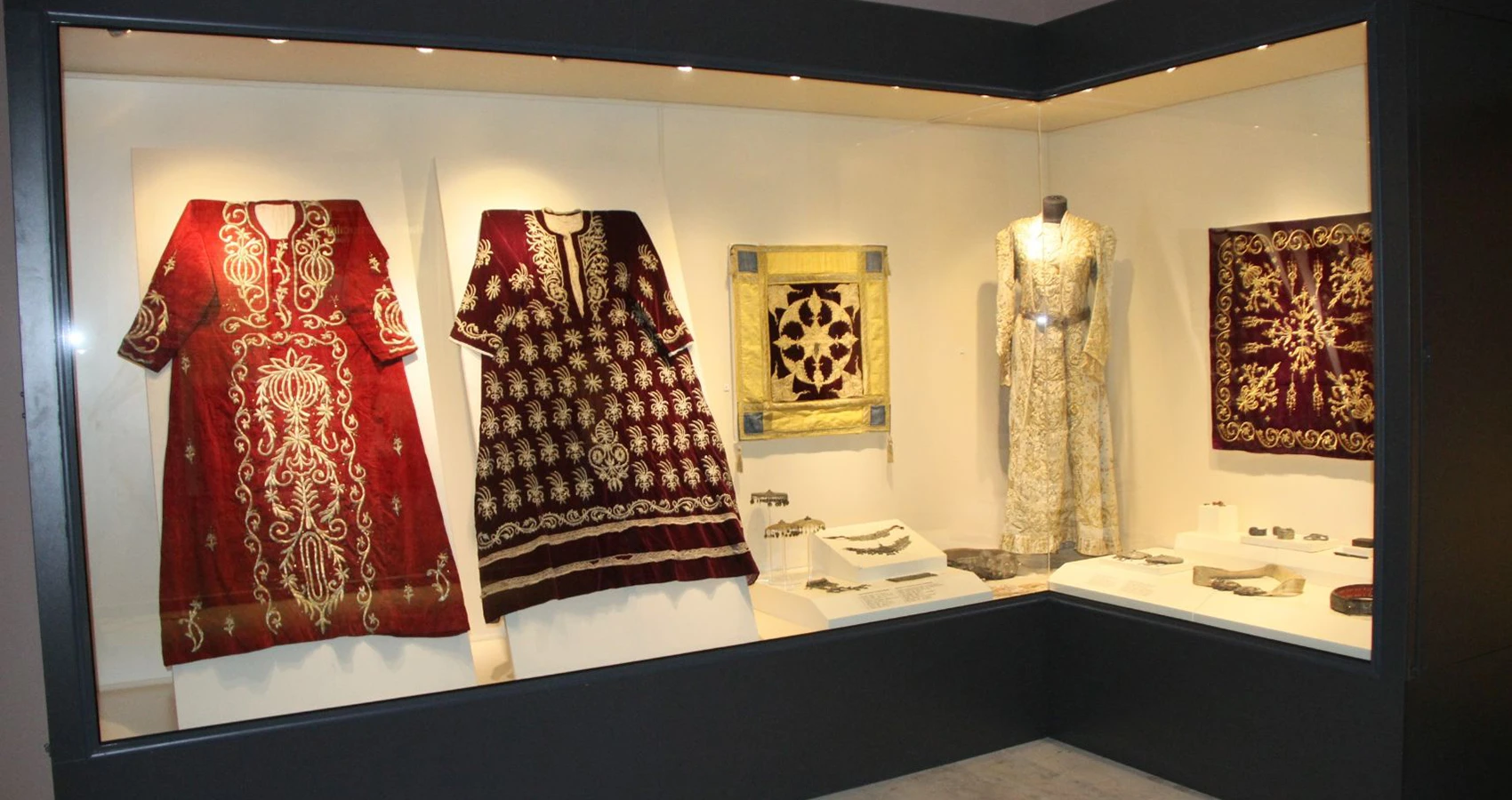
The museum occupies a building that served different civic purposes before being adapted for cultural use. Its rooms connect archaeological material with ethnographic objects, inviting visitors to think about continuity as well as change in this fertile corner of Manisa.
It is an especially useful first or last stop for travellers exploring the nearby Tepe Mezarlığı / Thyatira remains. A museum display and an archaeological fragment in the street answer different questions; seeing both gives the day more depth.
Look for material that helps place the ancient settlement within the Roman and later landscape. Compare the scale of museum objects with the much larger urban story outside.
Small finds, ceramics and other archaeological categories often reveal trade, household practice and craftsmanship more clearly than monumental ruins alone.
Traditional objects provide a different time depth, helping visitors see Akhisar as a community with living craft and domestic traditions rather than only an ancient name.
Notice how an older public building can acquire a new cultural role. The museum itself is part of the town’s twentieth-century history.
A concise orientation for a meaningful visit.
Akhisar, Manisa
Museum of archaeology and ethnography
Ancient Thyatira to local Ottoman life
History, material and setting
About 45–90 minutes
Confirm visitor access and current arrangements
The value here is context. A single carved stone or ceramic vessel becomes more informative when placed beside material from the same region and explained through a museum collection.
Akhisar is also a working town, not a reconstructed archaeological park. The museum provides a calm place to orient yourself before visiting monuments embedded in the modern urban fabric.
The building was constructed in the early 1930s for a charitable civic purpose and later served educational and residential functions. The provincial culture directorate records its opening as a museum in 2012, after adaptation works.
Its collections are associated with archaeology and ethnography in the Akhisar district. Ancient Thyatira is the most obvious historical connection, but the surrounding countryside has seen settlement and exchange across many periods.
The museum operates under the Manisa Museum administration. Display arrangements, temporary closures and joint-ticket practices can change, so current visitor information should be checked with the museum rather than inferred from older listings.
Akhisar lies on a long-used corridor in northern Manisa. Its relationship with Thyatira, the olive-growing countryside and routes towards Soma and Kırkağaç explains why a relatively small museum can have a wide regional story.
Look for material that helps place the ancient settlement within the Roman and later landscape. Compare the scale of museum objects with the much larger urban story outside.
Small finds, ceramics and other archaeological categories often reveal trade, household practice and craftsmanship more clearly than monumental ruins alone.
Traditional objects provide a different time depth, helping visitors see Akhisar as a community with living craft and domestic traditions rather than only an ancient name.
Notice how an older public building can acquire a new cultural role. The museum itself is part of the town’s twentieth-century history.
For biblical-history travellers, the museum is a complement to the Thyatira archaeological area, not a substitute for it. The seven-churches tradition concerns an ancient community and cannot be reduced to one surviving structure.
Read object labels carefully for provenance and date. A Roman object displayed in Akhisar is not necessarily proof that it was excavated at the exact spot where you are standing.
Try comparing a few everyday objects across periods: what materials changed, which practices remained familiar, and how did urban and rural communities interact?
Observe this element from an authorised viewing area.
Compare visible evidence with published interpretation.
Ask what can be securely dated or identified.
Respect any barriers protecting this part of the site.
Ask about the current museum opening days, ticket arrangements and any temporary gallery closures before travelling. Official listings can lag behind conservation or staffing changes.
Photography rules may differ between rooms. Do not use flash around delicate objects; ask staff before photographing displays or individuals.
Official reference: Manisa Provincial Culture Directorate – Museums.
Begin at the museum to establish the chronology, then walk or drive to the Tepe Mezarlığı / Thyatira remains if they are open. Pause for a local meal in Akhisar rather than racing to the next district.
Travellers interested in a longer history day can add Akhisar Ulu Mosque, which preserves another layer of the town’s architectural past.
A museum visit is suitable in any season and provides welcome shade during hot Aegean summers. Check public-holiday schedules and the current weekly closure before setting out.
Photograph the wider setting as well as details, but respect worshippers, residents, barriers and fragile surfaces. Ask before taking portraits.
Indoor museum access may be easier than uneven archaeological ground, but the building is adapted historic fabric. Confirm step-free entry, lifts and accessible facilities directly with staff.
Akhisar town centre is reached by road from Manisa and neighbouring districts. Confirm the museum entrance on an up-to-date map; allow for town-centre traffic and parking.
Explore the full guide for this nearby Manisa destination and plan travel time according to your route.
Explore the full guide for this nearby Manisa destination and plan travel time according to your route.
Explore the full guide for this nearby Manisa destination and plan travel time according to your route.
Explore the full guide for this nearby Manisa destination and plan travel time according to your route.
Its archaeology and ethnography displays help explain the ancient and more recent history of Akhisar, including the Thyatira region.
No. The museum is an indoor collection; Thyatira is an archaeological area within the modern town.
The provincial culture directorate records the museum opening in 2012.
About 45–90 minutes is a reasonable planning allowance, depending on exhibitions and personal interest.
The provincial authority has described joint admission arrangements, but verify the current ticket policy directly before visiting.
Ask museum staff about current photography and flash restrictions.
Ask before photographing people, respect working spaces and follow local directions.
Support reputable local businesses and check claims about provenance.
Do not remove archaeological material or enter restricted sites.
Dispose of litter responsibly and avoid disturbing the environment.
Explore Manisa with a tailor-made route, thoughtful pacing and no compulsory shopping stops. Availability and site access are confirmed before booking.
Combine local culture, history and food at a comfortable pace.
Tell us your dates, interests and group size. We can suggest a realistic route and check local arrangements.
Request a Private Programme
Discover the province’s other cultural, archaeological and culinary highlights.
Read the Manisa Guide