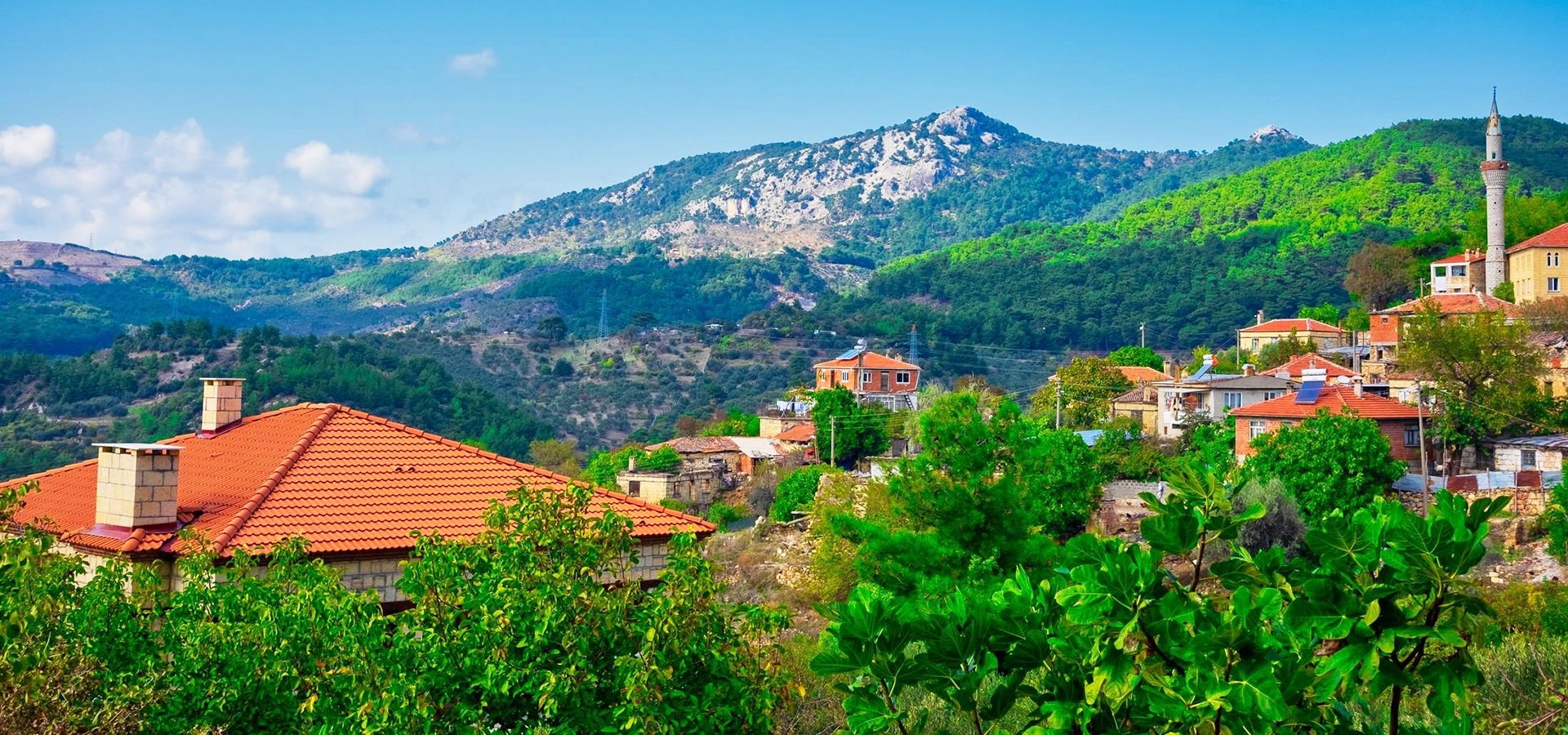
Mount Ida – Kazdağı National Park
Explore the forested mountain above Akçay with waterfalls, streams, mythology, endemic nature and some of the Edremit Gulf's finest landscapes.
View Kazdağı Guide





Akçay is one of the classic seaside resorts of the Edremit Gulf, set directly on the northern Aegean coast beneath the green southern slopes of Kazdağları – Mount Ida. It is not a resort built around one monumental sight. Its appeal comes from a combination of sea, mountain air, cold freshwater springs, a walkable waterfront, local food and extremely easy access to some of the most beautiful nature and cultural sites in northern Balıkesir.
The feature that immediately separates Akçay from many other Aegean beach towns is its fresh, cold water. The area is famous for springs and artesian waters, including freshwater emerging close to and beneath the shoreline. These waters help keep parts of the sea noticeably cooler than visitors may expect in midsummer — one reason a swim here can feel exceptionally refreshing during July and August.
Akçay is also a place of contrasts. Along the kordon, or seaside promenade, cafés, restaurants, tea gardens, small shops and evening crowds create a sociable holiday atmosphere. Turn inland and the presence of Kazdağları becomes stronger: olive groves, streams, villages, waterfalls and forested slopes begin only a short drive away.
For travellers touring the northern Aegean by car, Akçay works especially well as a practical base. Edremit, Güre, Zeytinli, Tahtakuşlar, Kazdağı National Park, Altınoluk and Antandros can all be combined with the coast, while Ayvalık lies farther south-west for a longer day trip.
Freshwater and artesian springs are part of Akçay's identity and help create the unusually refreshing sea temperatures for which the resort is known.
The long waterfront promenade is the social heart of the resort, particularly after sunset when families, couples and holidaymakers gather by the sea.
Waterfalls, forest recreation areas, mountain villages and national-park scenery begin just inland from the coast.
Akçay combines beaches with quick road access to Edremit Gulf heritage, olive country, thermal areas and archaeological sites.
Essential information for visiting one of the Edremit Gulf's best-known seaside resorts at the foot of Kazdağları.
Edremit district, Balıkesir Province, on the northern Aegean coast of Türkiye and the southern edge of the Edremit Gulf.
Cool seawater, freshwater springs, beaches, a lively kordon and easy access to Kazdağları.
A coastal town backed by the forested foothills of Kazdağları – Mount Ida and extensive olive-growing country.
Akçay is famous for cold springs and artesian waters, including freshwater sources visible close to the shoreline.
Urban beach stretches range from sandier sections to mixed sand-and-pebble shoreline, with easy access from the promenade.
Akçay Sarıkız Public Beach is represented in Türkiye's Blue Flag programme for the 2026 season.
Walk the kordon in late afternoon and evening, then explore the mountain foothills on a separate half- or full-day outing.
Look for fish and seafood, olive-oil dishes, meze, pide, local olives and Edremit Gulf olive oil.
Balıkesir Koca Seyit Airport (EDO), near Edremit, is the closest airport to the Akçay coast.
Akçay is connected with Edremit and neighbouring Gulf settlements by local buses and minibuses.
May to October for the coast; spring and autumn are particularly pleasant for combining the sea with walking and sightseeing.
Allow one relaxed day for Akçay itself or 2–4 nights if using it as a base for the wider Edremit Gulf.
Akçay is best for travellers who like a holiday destination to feel lived-in rather than isolated. You can swim from the town shoreline, walk for long stretches beside the sea, eat without leaving the waterfront and then be in mountain scenery, olive groves or a village environment soon afterwards.
The sea is one of the main reasons to come. Akçay's coastal waters are famously cool because freshwater from the Kazdağları system reaches the coast through streams, springs and artesian sources. In peak summer heat, that can feel like a gift. Travellers who prefer very warm shallow water may need a few minutes to adjust, but many visitors quickly understand why local people value the freshness.
The town also offers something that purpose-built resort compounds cannot: ordinary northern Aegean life. The waterfront is used by residents as much as by holidaymakers. People walk after dinner, sit in tea gardens, fish from the shore, shop at local markets and meet friends in the squares. The atmosphere becomes especially animated on summer evenings.
Most importantly, Akçay should not be viewed only as a beach destination. It is one of the easiest coastal gateways to Kazdağları, Edremit's olive culture, thermal Güre, traditional villages and the ancient landscape around Antandros. That combination gives the town much more depth than a quick photograph of the promenade suggests.
Akçay lies on the northern shore of the Aegean Sea within the broad Edremit Gulf. The administrative centre of Edremit sits inland, while the coastal settlements form a nearly continuous holiday corridor extending through Akçay, Güre and toward Altınoluk.
The defining geographic feature is the rapid rise of Kazdağları behind the coast. In a relatively short distance, the landscape changes from sea level and beaches to olive-covered foothills, stream valleys and forest. This steep environmental transition explains why water is such a recurring theme in Akçay: mountain runoff and underground sources descend toward the Gulf.
The same geography also shapes the visual experience. On clear days, mountain ridges form a dark green backdrop behind the low-rise coastal town. At sunset, the light tends to stretch across the Gulf rather than disappearing immediately behind the mountains, making the waterfront especially attractive in the evening.
A broad northern Aegean gulf whose coast includes some of Balıkesir's most established summer resorts and olive-growing landscapes.
The great mountain mass behind Akçay provides forest scenery, streams, waterfalls, mythology and a dramatically cooler inland environment.
Olive groves dominate large areas between the coast and lower mountain slopes, connecting Akçay to Edremit's famous olive-oil culture.
Streams, springs and underground sources descend from the mountain environment and influence the coastal landscape.
Ask a local what makes Akçay different and the answer often comes back to water. Official tourism descriptions of the town repeatedly emphasise its abundant cold freshwater and artesian sources. Some of these waters emerge very close to the sea, including long-known sources around the pier area.
This is not just a curiosity on land. Freshwater entering the coastal zone can create striking temperature differences in the sea. Swimmers sometimes encounter noticeably colder patches, particularly around areas influenced by underwater discharge. The effect varies with location, season, weather and currents, so it should not be imagined as one uniform temperature across the entire coast.
The phenomenon helps explain Akçay's reputation as a place for genuinely refreshing summer swimming. Even when daytime temperatures are high, the water can feel brisk compared with more enclosed or shallower Aegean beaches farther south.
Akçay is a classic town-and-beach destination. You do not need to drive to a remote bay every time you want to swim; long sections of shoreline are integrated directly with the urban waterfront. This is convenient for families, older travellers and anyone who likes to move easily between the sea, cafés and accommodation.
The shore is not identical everywhere. Some sections are sandier, while others include fine gravel or pebbles. Entry depth and seabed texture can also change from one stretch to another. If beach quality is the main purpose of your trip, walk along the coast before settling in rather than assuming the nearest access point will be your favourite.
One important reference point is Akçay Sarıkız Public Beach, which is included in Türkiye's Blue Flag system for the 2026 season. Blue Flag status is seasonal and site-specific, so it should not be interpreted as applying automatically to every metre of Akçay shoreline.
A central public-beach reference point associated with Akçay's main resort area and current Blue Flag monitoring.
Convenient for short swims between promenade walks, meals and cafés; expect a busier atmosphere in July and August.
Longer beach sections continue along the coast, giving visitors alternatives to the busiest central frontage.
Often quieter and calmer, but the water may feel particularly cold before the heat of the day develops.
Popular in high summer because the cool water balances the strongest daytime heat.
Useful for travellers with sensitive feet because some beach sections and underwater entries can be pebbly.
If the sea is Akçay's natural centre, the kordon is its social centre. The promenade follows the coast beside beaches, piers, cafés, restaurants and public spaces, creating an easy walking route that becomes busiest after the daytime heat begins to fade.
Summer evenings are when the kordon makes the most sense. Families stroll after dinner, children play near the waterfront, couples stop for tea or ice cream and visitors browse seasonal stalls and shops. The atmosphere is informal and local rather than polished into a single resort style.
For first-time visitors, walking the promenade is also the quickest way to understand Akçay's scale. You see where the beach access is easiest, which areas are quiet or lively, where boats operate and how the town meets the Gulf.
Late afternoon through evening, when the light softens and the waterfront becomes the centre of social life.
Cafés, tea gardens, restaurants, small shops, seating areas, piers and easy access to the shoreline.
The flat central promenade is generally easier than mountain excursions and works well for relaxed evening walks with children.
Use the mountain backdrop in the morning and Gulf light in the late afternoon, then stay for blue-hour reflections after sunset.
Akçay's Sarıkız Statue connects the waterfront directly with the mythology and folk tradition of Kazdağları. The statue stands in the central area near the waterfront and has long been one of the town's familiar meeting points.
Sarıkız — literally “the blonde girl” — is the central figure in one of the best-known legends associated with Mount Ida. The story exists in several versions, but its core themes involve a young woman, false accusations, exile to the mountain and a supernatural association with the high landscape. The Sarıkız summit area on Kazdağı preserves the name within the mountain geography itself.
The Akçay statue is not an archaeological monument and should not be presented as evidence for an ancient event. Its value is cultural: it shows how the mountain's legendary identity remains present in everyday coastal life.
For travellers planning a Kazdağları excursion, seeing the statue before the mountain makes a useful introduction. It turns what might otherwise be only a scenic drive into a landscape already layered with local storytelling.
Akçay's present identity is much more closely connected with coastal recreation and modern tourism than with a surviving ancient urban centre. The deeper historical story belongs to the wider Edremit Gulf, where settlement, maritime activity, olive cultivation and routes around Mount Ida reach back through antiquity and the Ottoman period.
One especially interesting detail in official regional histories is the reference to shipbuilding at Edremit and Akçay during the Ottoman period, using timber obtained from Kazdağları. That reminder is useful because today's holiday shoreline can make it easy to forget that the Gulf once supported very different forms of coastal work.
In the modern period, Akçay developed into one of the best-known holiday settlements on the Gulf. Its combination of accessible beaches, cool water, summer accommodation and road connections helped attract both seasonal residents and domestic holidaymakers. The tourism strip expanded, but the town retained a distinctly local character through its markets, promenade and everyday residential life.
Today Akçay functions both as a resort and as part of the wider urban network of Edremit. This is why it feels more like a real coastal town than an enclosed holiday complex: tourism is important, but it is layered over a working district with year-round residents and services.
It is difficult to understand Akçay without understanding Kazdağları. The mountain affects the town's water, vegetation, climate, food culture, mythology and tourism. Even a short stay becomes more rewarding when you spend at least half a day away from the coast and enter the foothills.
The protected landscape of Kazdağı National Park covers part of the mountain's southern face in Edremit district. Within and around the national-park landscape are streams, picnic areas, forest routes and some of the region's most famous natural stops, including Sütüven Waterfall and Hasanboğuldu.
Visitors should distinguish between easily accessible recreation areas and deeper protected mountain routes. Access rules can change because of fire risk, conservation requirements and seasonal management. Some routes or zones may require authorised guiding or may be temporarily restricted, particularly during high-risk summer conditions.
A well-known waterfall area above the Zeytinli side of the foothills and one of the classic nature excursions from Akçay.
A pool and recreation area connected with another famous local legend, often combined with Sütüven on the same outing.
A mountain recreation area where cold spring water and forest shade make the contrast with the hot coast immediately obvious.
A dramatic canyon within the wider Kazdağı landscape, better approached as a dedicated nature excursion than a quick beach-day detour.
Small settlements on the foothills reveal a quieter landscape of olive groves, stone houses, gardens and local food traditions.
Local operators offer seasonal mountain excursions; check current access rules, route permissions and fire restrictions before booking.
The slopes around Edremit are one of Türkiye's most recognisable olive landscapes. Drive inland from Akçay and the transition is immediate: apartment streets give way to groves, old trees, small producers and villages shaped by olive cultivation.
For visitors, this makes olive oil much more than a souvenir. It is part of the regional landscape and cuisine. Restaurants throughout the Gulf use olive oil heavily in vegetable dishes and meze, while shops and producers sell oils with different harvest dates, extraction methods and flavour profiles.
Autumn adds another dimension. During the olive-harvest period, the groves become active and fresh-season oils begin to appear. Travellers visiting outside the beach season can therefore experience the Edremit Gulf through agriculture rather than summer tourism.
When possible, compare oils rather than choosing only by packaging; bitterness and pepperiness can vary considerably.
Freshness, olive variety, harvest period and extraction details are more useful than vague claims about quality.
Vegetables cooked in olive oil are part of the everyday Aegean table and provide a better cultural context than tasting oil alone.
Seeing groves around Edremit and the Kazdağları foothills makes the region's olive culture physically understandable.
Akçay's food scene is broad rather than formal. The waterfront has restaurants, cafés, pide shops, ice-cream stops and casual places aimed at families and summer visitors. The best way to eat locally is to focus on ingredients strongly connected with the Gulf: olive oil, seasonal vegetables, herbs, fish and seafood.
Seafood availability changes with season and catch, so ask what is fresh rather than ordering automatically from a fixed list. A meal of meze, salad, grilled fish and local olive oil fits the landscape better than searching for one supposedly mandatory dish.
For dessert, höşmerim is one of Balıkesir's best-known regional sweets and is worth trying during a broader province itinerary. Breakfasts also commonly feature olives, cheeses, tomatoes, pastries and local preserves.
Choose according to the day's catch and season; waterfront restaurants make fish one of Akçay's most natural dinner options.
Cold vegetable dishes and meze prepared with olive oil connect directly with Edremit's agricultural identity.
Taste it with bread, salads and vegetable dishes, then buy from a producer or reputable shop if you want to take some home.
Useful for families and quick lunches between beach time and excursions; Akçay has many informal dining choices.
A traditional Balıkesir dessert made with fresh cheese and semolina, widely associated with the province.
A simple stop on the kordon is part of the Akçay experience, especially after the heat has faded.
Seasonal day boats are part of Akçay's summer tourism scene. Excursions typically focus on swimming stops and coastal scenery rather than formal sightseeing, giving visitors a way to spend a full day away from the busiest urban beaches.
Routes, departure times, lunch arrangements and operating days can change from one season to another. Older tourism information may show fixed departure schedules, but travellers should confirm the current programme locally before planning an itinerary around a specific boat.
If you are sensitive to crowded boats, loud music or long periods in direct sun, ask about capacity and onboard style before paying. A smaller vessel or a nature-oriented route may suit you better than a party-style excursion.
Akçay has long been known for a busy weekly market, traditionally associated with Friday. It is one of the easiest places to see the resort functioning as a local town rather than only a holiday strip.
Depending on season, stalls may include fruit and vegetables, olives, cheeses, clothing, household goods and everyday market products. The exact location and operating arrangements can change, so confirm locally if the market is an important part of your visit.
On summer evenings, the kordon and central streets also take on a market-like atmosphere through small shops and seasonal stalls. For meaningful food souvenirs, prioritise olive oil, olives and regional products over generic resort merchandise.
A classic Kazdağları outing combining cold water, forest scenery and easy access from the Edremit coast.
Famous for its natural pool and tragic local legend; commonly paired with Sütüven on the same trip.
A nearby foothill village and stream environment that offers a gentler transition from the urban coast into Kazdağları scenery.
Known for spring water and forest recreation, ideal when you want shade and cool mountain air rather than another beach afternoon.
The wider protected mountain landscape deserves its own excursion, especially for travellers interested in ecology, walking and mythology.
A dramatic canyon environment near the Altınoluk side of Kazdağları, best planned as a dedicated nature stop.
A distinctive private ethnography collection focusing on Tahtacı Turkmen culture and the cultural landscape of Kazdağları.
An important archaeological site near Altınoluk associated with the ancient Troad and the southern slopes of Mount Ida.
Visit the inland district centre for markets, olive-oil culture and a better sense of the working city behind the coastal resorts.
A neighbouring coastal and thermal area where sea tourism and geothermal traditions meet beneath Kazdağları.
A larger coastal resort west of Akçay, useful as a base for Antandros, Şahindere Canyon and the western Kazdağı foothills.
A longer but rewarding day trip for historic streets, Cunda Island, churches, olive-oil heritage and a completely different urban atmosphere.
Akçay is particularly suitable for families who value convenience. Beaches, food, shops and accommodation sit close together, and you can spend an entire day without needing a car once you are in the central area.
The main consideration for younger children is the sea temperature and beach surface. Some children love the cold water immediately; others prefer shorter swims or warmer afternoon conditions. A pair of beach shoes can also make mixed sand-and-pebble entries more comfortable.
Evenings are one of the strongest family experiences. The promenade provides room for walking, snacks and casual dining without the need for formal entertainment. Mountain outings add variety for older children who may become bored with repeated beach days.
Akçay's strongest evening experience is not necessarily clubbing; it is the simple ritual of going out to the kordon. After sunset, the coast becomes cooler, tables fill, lights reflect on the sea and the promenade feels far busier than it did during the afternoon heat.
There are cafés, bars and seasonal entertainment venues, but the overall atmosphere is mixed and family-oriented. Travellers looking for quiet evenings can usually find calmer sections away from the central entertainment zone, while those who want more activity should stay close to the main waterfront.
Summer weekends and public-holiday periods can be very crowded. If you prefer atmosphere without congestion, choose June, September or weekday evenings rather than the peak of August.
Turn away from the sea occasionally; Kazdağları behind the low-rise town creates some of Akçay's most distinctive compositions.
Late-afternoon light creates warmer tones on the promenade while the Gulf remains bright enough for layered coastal images.
Piers and small harbour structures create strong leading lines into the water, especially early in the morning.
Fishing, evening walks, tea gardens and swimmers tell the story of Akçay better than empty resort architecture.
The period just after sunset works well for reflections, waterfront lights and the silhouette of the Gulf shoreline.
Contrast the coast with waterfalls, olive groves and forest streams to create a more complete visual story of the region.
Green foothills, mild weather and quiet streets; the sea can still feel cold, especially for long swims.
One of the best all-round months for beach time, sightseeing and evening walks before peak summer crowds arrive.
Hot, lively and ideal if you enjoy a busy summer resort; the cold sea becomes especially refreshing.
Peak holiday atmosphere and some of the largest crowds; book accommodation early and expect busy evenings.
Excellent for travellers who want warm days, easier sightseeing and a calmer version of the summer atmosphere.
More variable swimming weather but excellent for olive-country drives, food, walking and cultural excursions.
Quiet and local, with limited beach tourism but easy access to Edremit, thermal areas and olive-oil culture.
Best for greenery, waterfalls and mountain scenery, especially if swimming is less important than nature.
Enough for a kordon walk, Sarıkız area, coffee or lunch and a quick look at the central beach.
Add a swim, a slow waterfront meal and time to explore different sections of the coast.
Combine beach time with the kordon, food, sunset and one short inland excursion such as Kızılkeçili or Zeytinli.
Ideal if Akçay is your base for Kazdağları, Güre, Edremit, Tahtakuşlar, Antandros and surrounding olive country.
For a road trip, Akçay is usually more useful as a base than as a single attraction. Its location lets you alternate easy seaside evenings with much richer daytime exploration.
Central Akçay is relatively straightforward for visitors with limited mobility because much of the waterfront promenade is flat. Cafés, restaurants and public areas sit close together, reducing the need for steep walking.
Beach access is more variable. Sand, pebbles, curbs, steps and changing shore gradients can create difficulties for wheelchair users or travellers who require stable footing. Facilities also differ from one beach section to another.
Nature excursions are significantly less predictable. Waterfalls, stream areas and mountain recreation sites may involve uneven paths, natural rock, slopes or steps. Ask about current access conditions before setting out if mobility is a concern.
Akçay sits directly on the main coastal corridor connecting Edremit, Güre, Altınoluk and the northern Aegean. This makes it easy to reach by road and convenient for travellers combining Balıkesir with Çanakkale or Ayvalık.
The nearest airport is by Edremit, roughly a short road transfer from Akçay. Taxi, rental car and public-transport connections operate in the airport area.
Akçay is approximately 8–10 km from Edremit centre, depending on the reference point and route.
Edremit and Akçay are served by intercity and regional bus connections, with local onward transport available along the Gulf.
A car is not necessary for the central waterfront but is very useful for Kazdağları, villages, waterfalls and archaeological excursions.
Useful for movement between Edremit Gulf settlements; routes and frequencies may increase during the summer season.
Central parking becomes difficult on summer evenings and weekends, so park once and explore the kordon on foot whenever possible.
Best for travellers who want restaurants, beach access and evening walks immediately outside the hotel.
Convenient and lively, but summer-night noise can be higher; request a quieter room if you are a light sleeper.
A practical choice if your priority is beach time and a little more distance from the busiest central waterfront.
Suitable for travellers interested in thermal hotels and a quieter coastal setting while remaining close to Akçay.
Choose a mountain or olive-grove property if nature, silence and cooler nights matter more than walking to the beach.
More urban and practical for local services, but less attractive if your main purpose is a seaside holiday.
There is no general entrance fee to walk Akçay's waterfront or enjoy public urban spaces. Public beach access is separate from the services offered by cafés, hotels, beach businesses or organised facilities.
Sunbeds, umbrellas, showers, changing facilities and private beach areas may have their own operating rules or charges. These can change by season, so check the conditions where you actually plan to swim rather than relying on old online reviews.
Nearby national-park areas, recreation sites, museums and private attractions have separate access arrangements. During periods of high forest-fire risk, entry to parts of Kazdağları can also be restricted independently of normal tourism hours.
If you are more interested in archaeology than waterfalls, replace the morning mountain section with Tahtakuşlar and Antandros. If you want a pure beach day, skip the car entirely and move slowly along Akçay's different waterfront sections.
The essential nature destination behind the coast, combining forests, streams, mountain ecology and the mythology of Mount Ida.
Two of the best-known day-trip stops in the foothills and an easy way to experience the cold-water landscape that defines the region.
A culturally distinctive collection that introduces visitors to Tahtacı Turkmen traditions associated with Kazdağları.
A nearby coastal settlement known particularly for thermal water, spa hotels and its position below the mountain slopes.
An important archaeological site near Altınoluk for travellers interested in the ancient settlement history of the Mount Ida region.
A major Edremit Gulf resort with a lively waterfront and easy access to the western Kazdağları landscape.
The inland district centre is useful for olive-oil culture, shopping and understanding the year-round city behind the resort coast.
A longer excursion combining historic stone streets, churches, island atmosphere, seafood and another major northern Aegean olive landscape.
Do not judge the sea after the first few seconds; on hot days many visitors quickly appreciate the refreshing temperature.
They are useful on beach sections where pebbles or coarse material make barefoot entry uncomfortable.
Late afternoon and evening reveal Akçay at its best and avoid the strongest summer heat.
The nearby Kazdağları landscape is too important to miss; reserve at least half a day for the foothills.
Mountain and forest access can change during high-risk summer periods, so verify current conditions before travelling inland.
Choose seafood according to season and daily availability instead of relying only on printed menus.
Central traffic can become frustrating in summer; leave the car and explore the waterfront on foot whenever possible.
Staying several nights makes sense if you want to combine nature, archaeology, thermal areas and coastal evenings.
Seasonal departure times and routes change; do not build a fixed itinerary around an old timetable found online.
Choose reputable producers or shops and look for harvest and production information rather than souvenir packaging alone.
Akçay is a coastal neighbourhood and holiday resort in the Edremit district of Balıkesir Province, on the northern Aegean coast.
Akçay is approximately 8–10 km from Edremit centre, depending on the exact starting point and route.
It is best known for its cool sea, freshwater and artesian springs, beaches, lively seaside promenade and proximity to Kazdağları.
Freshwater and artesian sources reach the coast from the Kazdağları environment, helping create cooler patches and generally refreshing swimming conditions.
Yes. Swimming is one of the town's main attractions, although visitors should expect cooler water and a shoreline that varies between sandier and pebbly sections.
Akçay Sarıkız Public Beach is included in Türkiye's Blue Flag programme for the 2026 season.
Some sections are sandier, while others contain fine gravel or pebbles. Beach texture changes along the coast.
They are not essential everywhere, but they are useful if you have sensitive feet or plan to swim from mixed sand-and-pebble sections.
It is the town's seaside promenade, lined with public spaces, cafés, restaurants, shops, piers and beach access.
Late afternoon and evening are best, particularly in summer when temperatures fall and local social life moves toward the waterfront.
It is a local monument connected with the famous Sarıkız legend of Kazdağları and a familiar landmark in central Akçay.
It is a traditional legend with several versions rather than a documented historical event. Its importance is cultural and folkloric.
No. Akçay is on the coast below the mountain; the national-park landscape lies inland on the slopes of Kazdağları.
Yes. Sütüven and nearby Hasanboğuldu are among the classic nature excursions from the Akçay–Edremit area.
Yes, but route access and protection rules vary. Check current national-park, fire-safety and guiding requirements before planning deeper mountain hikes.
Yes. The walkable waterfront, easy food options and urban beach access make it practical for families, especially those who prefer a town atmosphere to an isolated resort.
The central promenade is relatively flat and convenient, although beach entries and nature excursions can involve pebbles, slopes or uneven surfaces.
Try fish and seafood, meze, olive-oil vegetable dishes, local olives, regional olive oil and Balıkesir höşmerim.
Yes. The Edremit Gulf is major olive country, and Akçay provides easy access to regional producers and shops.
Seasonal boat excursions operate in the summer period, but routes and departure times should be confirmed locally because schedules change.
The town has traditionally had a busy Friday market. Because municipal arrangements can change, confirm the current day locally if the market is important to your plans.
Balıkesir Koca Seyit Airport near Edremit is the nearest airport and is connected to the district by road transport.
Not for the central waterfront. A car becomes very useful if you want to explore Kazdağları, waterfalls, villages, Antandros and the wider Gulf independently.
Yes. The Edremit–Akçay area has intercity and regional bus connections, with local minibuses and buses serving surrounding settlements.
June and September offer an excellent balance of warm weather, beach conditions and lighter crowds. July and August are livelier but much busier.
Yes, particularly if you are interested in olive-oil culture, Kazdağları, thermal areas and quiet northern Aegean travel rather than swimming.
One day is enough for the town itself, while 2–4 nights work well if you want Akçay to serve as a base for the wider Edremit Gulf.
Kazdağı National Park, Sütüven Waterfall, Hasanboğuldu, Tahtakuşlar, Güre, Antandros, Altınoluk and Edremit are among the strongest nearby choices.
Yes. Ayvalık makes a longer but rewarding day trip, especially for historic architecture, Cunda Island, seafood and olive-oil heritage.
Akçay itself is strongest for beach life and the waterfront; its real sightseeing advantage is how easily it connects with mountain, cultural and archaeological attractions nearby.
Both are Edremit Gulf resorts below Kazdağları. Akçay is closer to Edremit and Koca Seyit Airport, while Altınoluk lies farther west and is especially convenient for Antandros and the western mountain landscape.
Akçay is primarily a seaside resort and Kazdağları gateway. Ayvalık is more strongly defined by its historic urban fabric, islands, churches and industrial olive-oil heritage.
It can be extremely busy in July and August, particularly on weekends and evenings. June and September are better for a calmer experience.
Take a swim in the cool sea, walk the kordon, see the Sarıkız landmark, eat beside the water and stay for the evening atmosphere.
Use Akçay as the coastal starting point for mountain forests, ethnographic heritage, ancient settlements and the wider Aegean landscapes of Balıkesir.
Continue inland into Kazdağları, explore local cultural traditions or follow the coast toward archaeology and historic Aegean towns.
Explore the forested mountain above Akçay with waterfalls, streams, mythology, endemic nature and some of the Edremit Gulf's finest landscapes.
View Kazdağı Guide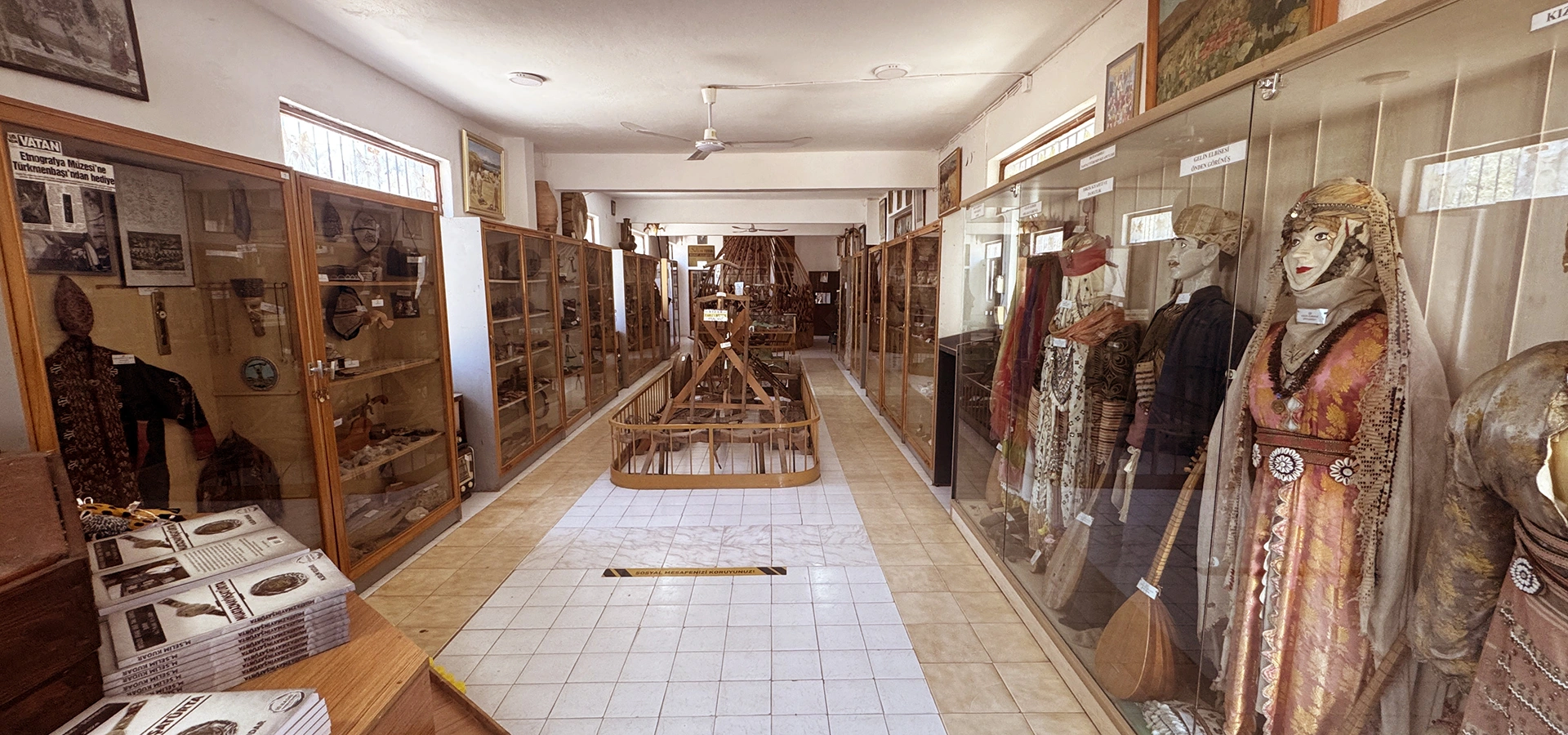
Discover the traditions, material culture and stories of the Tahtacı Turkmen communities connected with the Kazdağları landscape.
View Tahtakuşlar Guide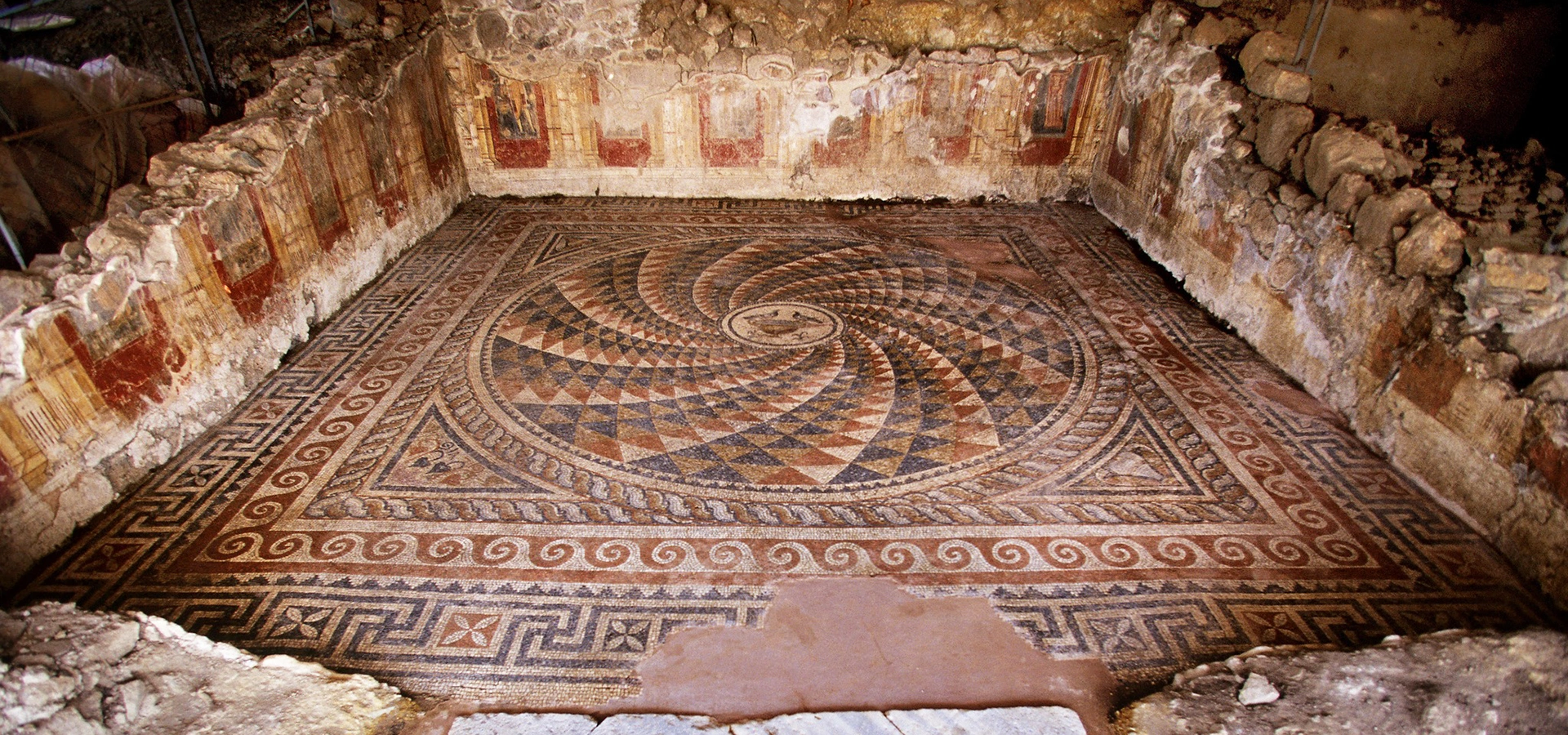
Continue west along the Gulf to an important ancient settlement associated with Mount Ida, the Troad and the archaeology of the northern Aegean.
View Antandros Guide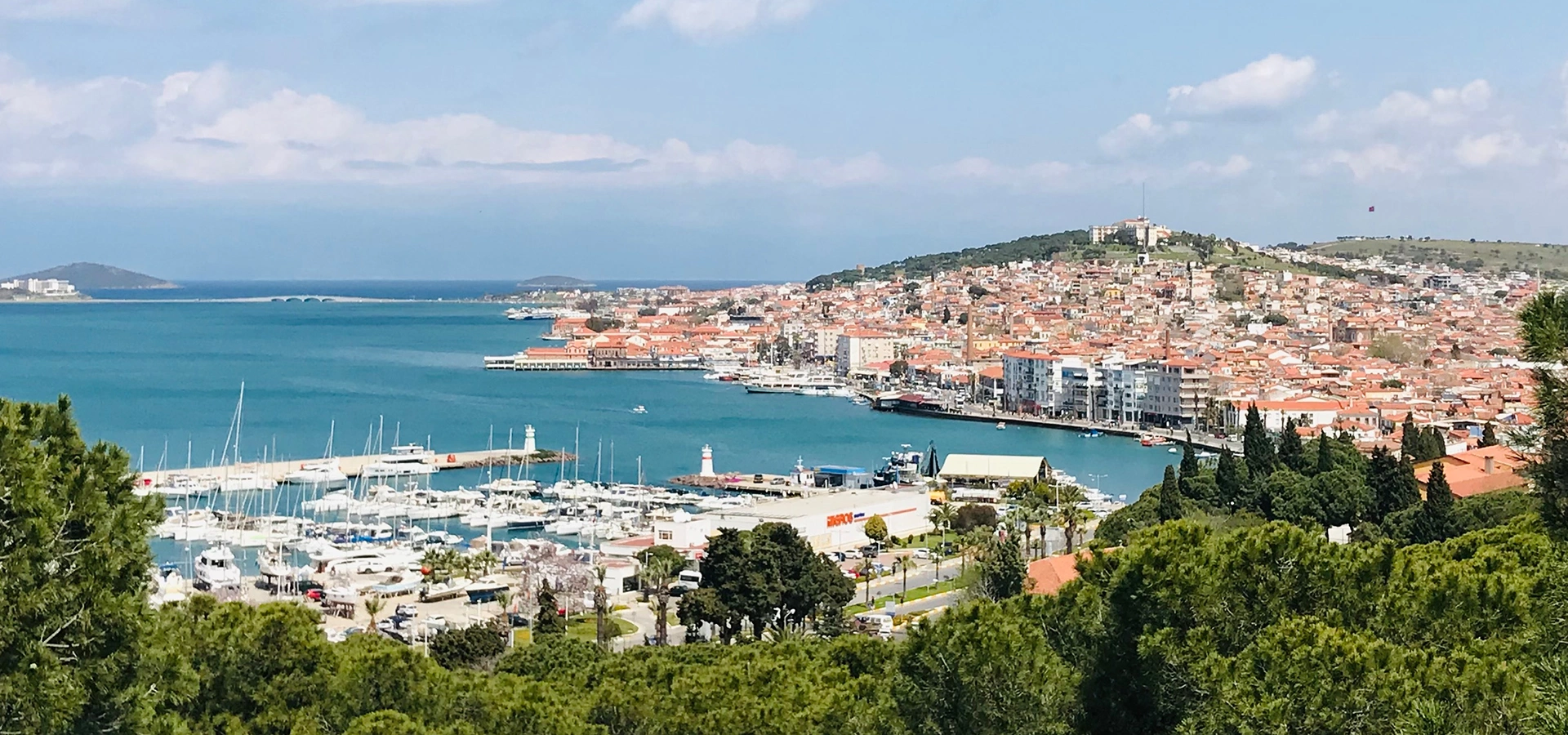
Travel farther south for historic stone streets, churches, Cunda Island, olive-oil heritage, seafood and one of the northern Aegean's most distinctive towns.
View Ayvalık Guide