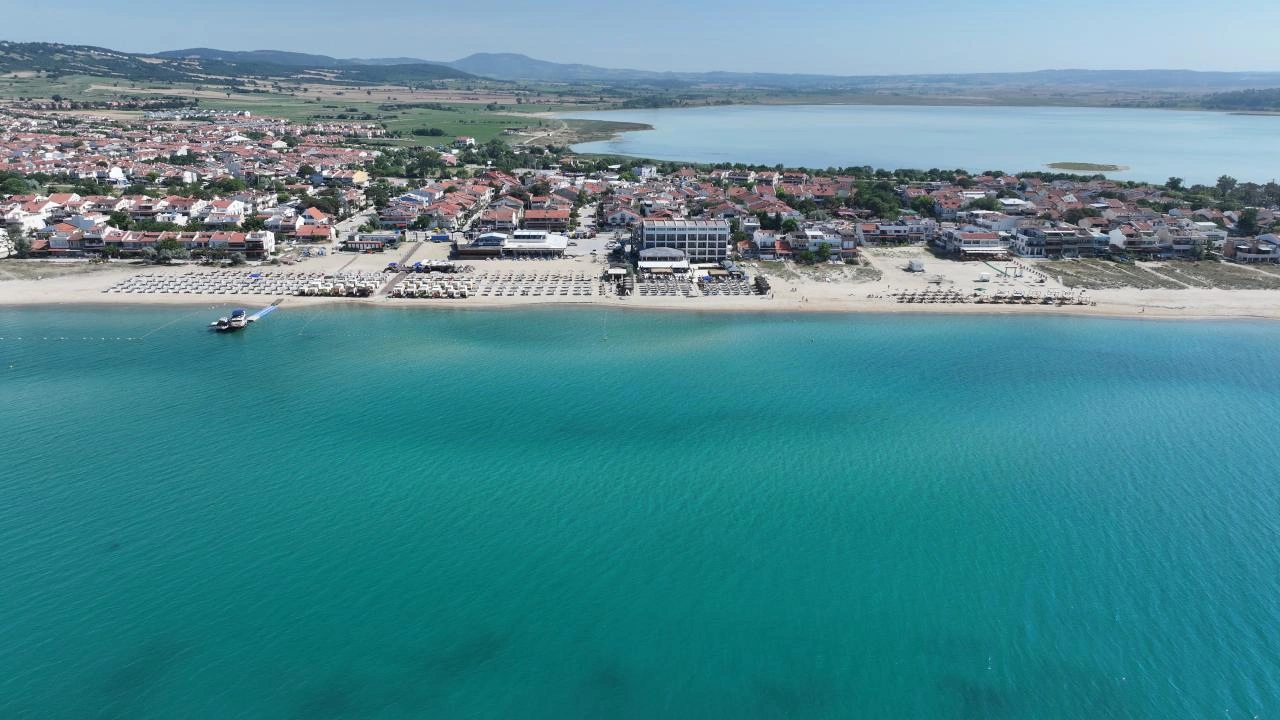
Private Saros Gulf, Enez & Southern Edirne Experience
Ask us about a tailor-made route combining Saros Gulf, Erikli, Mecidiye, İbrice, Enez, Ancient Ainos, Gala Lake and the spectacular natural landscapes of southern Edirne.
Request a Custom Tour



The Gulf of Saros, or Saros Körfezi, is one of the most distinctive coastal landscapes of northwestern Türkiye. Opening westward into the northern Aegean Sea, the gulf lies between the Thracian coast to the north and the Gallipoli Peninsula to the south. Its protected coastal and marine landscape extends across both Edirne and Çanakkale provinces.
For travelers exploring Edirne, the most important part is the northern shore of Saros. This coast includes the popular beaches of Erikli, Yayla, Danişment and Mecidiye, the rocky diving center around İbrice Limanı, the forest-and-sea landscapes of Gökçetepe, and the long coastal zone continuing west toward Enez.
Saros is famous for the clarity and biological richness of its water. Official environmental inventories for the protected area record 144 fish species, 78 marine plant species and 34 sponge species, while the combination of rocky seabed, reefs, open water, sandy shores, wetlands and coastal vegetation creates habitats for many more forms of life.
The gulf has also become one of Türkiye's best-known scuba-diving destinations. Around İbrice, divers can explore natural rock formations, marine life and artificial reefs, including a deliberately submerged Airbus A330, a tank and newer underwater installations created to support both diving tourism and marine habitat.
Saros is not simply a summer beach destination. It can be combined with Enez and Ancient Ainos, Gala Lake National Park, fishing villages, coastal forests and the landscapes of the Meriç Delta, making southern Edirne one of the province's most varied regions.
The Saros Gulf Special Environmental Protection Area covers both marine and terrestrial zones in Edirne and Çanakkale.
Saros Gulf was officially designated a Special Environmental Protection Area on 22 December 2010.
Official conservation inventories highlight the gulf's exceptional marine biodiversity.
İbrice, rocky reefs, wrecks and artificial reefs make the Edirne coast especially popular with divers.
Essential information about the Edirne side of Saros Gulf, its beaches, diving areas, protected marine environment and northern Aegean landscapes.
Northern Aegean coast of northwestern Türkiye, with Edirne's shoreline extending through Keşan and Enez districts.
Open on Google MapsThe gulf opens into the northern Aegean and is enclosed by Thrace to the north and Gallipoli to the south.
Approximately 730.21 km² within the Saros Gulf Special Environmental Protection Area.
Declared a Special Environmental Protection Area on 22 December 2010.
Official inventories record 144 fish species, 78 marine plant species and 34 sponge species.
Swimming, scuba diving, snorkeling, boating, coastal photography, camping, fishing and nature travel.
Erikli, Yayla, Danişment, Mecidiye, Uzunkum and the coastal settlements toward Enez.
A private vehicle is the easiest way to explore several beaches, coves and nature areas in one trip.
Saros is important not only for tourism but also for marine biodiversity, coastal habitats, fisheries, geology and the meeting of natural and cultural landscapes.
The Gulf of Saros forms a dramatic transition between the continental landscapes of Thrace and the open Aegean Sea. Its long northern shoreline contains sandy beaches, rocky headlands, small harbors, coastal forest, wetlands, agricultural land and settlements whose lives have always been connected to the sea.
Below the surface, the gulf contains an equally varied landscape. Rocky slopes and reefs alternate with sandy and sediment-covered seabeds, creating habitat for fish, sponges, marine plants, crustaceans and many smaller organisms.
Strong water circulation is one of the defining characteristics of Saros. Rather than treating the gulf as a closed, still body of water, it is better understood as a dynamic marine system connected continuously with the wider northern Aegean.
The natural importance of the area led to the establishment of the Saros Gulf Special Environmental Protection Area in 2010. The protected zone covers both marine and terrestrial environments and crosses the provincial boundary between Edirne and Çanakkale.
For Edirne tourism, Saros is equally important because it changes the image of the province completely. Travelers who know Edirne mainly for Selimiye Mosque, Ottoman bridges and historic bazaars can travel south and discover an entirely different world of beaches, diving, coastal forests and Aegean sunsets.
Use our complete guide to places to visit in Edirne to combine Saros Gulf with the province's Ottoman monuments, museums, wetlands and archaeological sites.
Saros Gulf lies at the northeastern end of the Aegean Sea. The gulf is roughly 55 kilometres long and reaches approximately 30 kilometres across at its wider western section before narrowing toward its eastern end.
Its northern side belongs largely to the Thracian mainland, including the Edirne coast, while the southern side is formed by the Gallipoli Peninsula in Çanakkale Province.
The gulf is also geologically significant. It occupies an active tectonic region shaped by faulting and extension associated with the wider interaction between the North Anatolian fault system and the Aegean tectonic regime.
This geological history helps explain the contrast between broad sandy beaches, steep rocky sections and the deeper submarine troughs found farther offshore.
Thracian coast containing Edirne's beaches, villages, diving harbors and coastal forest.
The Gallipoli Peninsula forms the opposite side of the gulf in Çanakkale Province.
The gulf opens westward into the northern Aegean Sea.
The coastline narrows toward the inner gulf, where agricultural and forest landscapes approach the sea.
Faulting and long-term crustal movement played a major role in shaping the gulf and its underwater relief.
Rocky reefs, steep underwater slopes, sand and sediment create different habitats for marine life.
The ecological and landscape value of Saros Gulf led the Turkish government to designate the Saros Körfezi Özel Çevre Koruma Bölgesi—Saros Gulf Special Environmental Protection Area—on 22 December 2010.
The protected area covers approximately 730.21 km² across parts of Edirne and Çanakkale. It includes both marine and terrestrial zones, recognizing that the health of the sea depends directly on the condition of the coast, wetlands, streams, vegetation and settlements around it.
The purpose of this designation is not to prevent people from visiting Saros. Instead, it is intended to balance tourism, fishing, recreation and local development with the protection of biodiversity, natural scenery and sensitive coastal ecosystems.
Although Saros Gulf spans more than one province, the Edirne side contains some of its most popular holiday and nature destinations. The main coastal zone is shared by the districts of Keşan and Enez.
Keşan's coastline is best known for Erikli, Yayla, Danişment, Mecidiye, İbrice, Uzunkum and Gökçetepe. Some areas have broad sandy beaches and summer settlements; others are rocky, forested or better suited to diving and quiet nature travel.
Continuing west, the coastline reaches the Enez district, where beaches and small settlements such as Sultaniçe, Gülçavuş, Vakıf, Altınkum and Trapez connect Saros with the lagoons, wetlands and archaeological landscapes around Ancient Ainos.
The character of the coast changes dramatically over relatively short distances. A visitor can begin the day on a busy sandy beach, drive to a rocky dive harbor, continue through pine-covered hills and finish beside the wetlands of the Meriç Delta.
One of the best-known summer resorts on the Edirne side of Saros, with a long sandy beach and clear water.
A popular coastal settlement with beach areas, a small harbor and broad views across the gulf.
A quieter coast known for camping, nature and access to the sea away from the busiest resort areas.
A coastal village area providing access toward İbrice, rocky shores and several secluded beach sections.
The principal diving hub on the Edirne coast, with boats, dive schools, reefs and underwater attractions.
A long western shoreline where beaches meet lagoons, wetlands, ancient history and the Meriç Delta.
There is no single “Saros beach.” The Edirne shore contains many different coastal environments, and the best choice depends on whether you want family swimming, a lively summer resort, camping, diving, photography or a quieter natural setting.
Popular for its long sandy shoreline, summer atmosphere, accommodation choices and easy access from Keşan.
A broad seaside settlement with beach areas and a harbor, often chosen by families and summer residents.
Known for a more natural atmosphere and camping-oriented coastal recreation.
Offers a mix of beaches, rocky sections and access toward some of Saros's best-known diving locations.
A long coastal stretch valued for open sea views and a less urbanized feeling than the larger resorts.
More famous for diving than classic beach tourism, with rocky water entry, boats and clear underwater visibility.
A forest-backed coastal area especially attractive for camping, nature and secluded bays.
The western end of Edirne's Saros coast offers several beach settlements alongside wetlands and archaeological attractions.
Erikli is probably the name most travelers associate with a beach holiday in Edirne. Located south of Keşan, the coastal settlement stretches along a broad sandy shoreline facing the open waters of Saros Gulf.
During summer, Erikli becomes lively with beach facilities, restaurants, cafés, rental accommodation and holiday homes. Outside the peak season, the same coastline can feel dramatically quieter and more spacious.
Erikli is a good choice for travelers who want straightforward beach access and services rather than a completely isolated nature experience. It also works well as a base for exploring nearby Mecidiye, İbrice, Danişment and Gökçetepe.
Wind and wave conditions can vary from day to day, so swimmers should always pay attention to local flags and instructions rather than assuming the sea will be equally calm throughout the gulf.
Swimming, family beach days, summer accommodation and easy access to restaurants and services.
July and August are the busiest months, especially on weekends and public holidays.
June and September often offer a more relaxed atmosphere while still providing good beach weather.
Mecidiye, İbrice and other Keşan coastal destinations can easily be combined by car.
Yayla and Danişment offer alternatives to Erikli for travelers exploring the northern shore of Saros.
Yayla combines a settled beach environment with a small harbor and wide views over the gulf. It is particularly popular during the summer season, when holiday homes and coastal businesses become active.
Danişment is associated more strongly with camping, open space and nature-oriented stays. Conditions and facilities can change by season, so travelers planning overnight camping should confirm current operating arrangements before arrival.
Both areas are useful for travelers who want to explore more than one Saros beach rather than spending an entire trip in a single resort.
A broad coastal area with a seasonal holiday atmosphere and easy access to the sea.
Adds fishing boats and maritime scenery to the beach landscape.
A more nature-oriented option for visitors interested in camping and quieter seaside surroundings.
Both fit naturally into a coastal drive linking Keşan with Erikli, Mecidiye and İbrice.
The village of Mecidiye and its surrounding coastline form one of the most varied parts of the Edirne shore. Sandy stretches, rocky coves, open countryside and access roads toward İbrice create a landscape that feels less like a single resort and more like a collection of different coastal experiences.
Uzunkum is one of the beach areas associated with this part of the coast. Its open shoreline appeals to visitors seeking sea views and a less densely built environment.
Mecidiye is also strategically located for divers because İbrice Limanı lies nearby. Many travelers therefore use the area as a base for combining swimming, coastal exploration and scuba diving.
Mecidiye remains connected to a rural Thracian landscape even during the busy summer season.
Expect both sandy and rocky sections rather than one continuous resort beach.
A long coastal area where open views and natural scenery are part of the appeal.
Mecidiye is one of the main access points for Saros's best-known diving harbor.
İbrice Limanı, near Mecidiye, is the most important scuba-diving center on the Edirne side of Saros Gulf. The small harbor serves fishing boats, dive boats and training operations, while the surrounding rocky coast provides access to numerous underwater sites.
Divers come to Saros for its marine life, rock formations, visibility and mixture of natural and artificial underwater attractions. Sites around the wider gulf include reefs, walls, rocky points and wreck-style artificial habitats.
İbrice has continued to develop as a diving center. In June 2026, a new diving-school center and artificial-reef project was officially opened, including dedicated facilities for multiple diving schools and new reef sculptures.
Diving conditions can involve current, depth and open-water exposure. Visitors should dive only with appropriate certification, equipment and professional local guidance suited to the planned site.
İbrice hosts professional diving operations offering training and guided dives during the active season.
Natural rock formations support fish, sponges and other marine life and create interesting underwater terrain.
Purpose-built underwater structures have been added to create habitat and expand diving attractions.
The area includes deliberately submerged objects such as an Airbus A330 and a tank.
Some sites are suitable for instruction, while deeper or more exposed dives require greater experience.
Clear conditions and varied marine life make underwater photography one of Saros's major attractions.
Saros Gulf is unusual because its diving identity combines natural reefs with large artificial underwater structures deliberately placed to create new habitat and provide additional dive sites.
In June 2019, a retired Airbus A330 passenger aircraft was submerged approximately one nautical mile off İbrice. The aircraft rests in roughly the mid-20s to around 30 metres of water, making it an attraction primarily for appropriately trained divers.
A decommissioned M62 T tank was later added as another artificial reef. In 2026, official local authorities reported strong diving interest in the tank site.
The underwater landscape expanded again in August 2026 with the installation of the “Mini Edirne” artificial reefs. Reduced-scale representations of major Edirne landmarks—including Selimiye Mosque, Meriç Bridge, Edirne Palace, Adalet Kasrı and Macedonia Tower—were placed at approximately 20 metres depth to create habitat while adding a distinctive cultural theme to local diving.
Artificial reefs should always be treated as underwater structures rather than amusement installations. Entry, penetration, depth and current conditions require proper dive planning and professional judgment.
Gökçetepe represents the greener and more rugged side of the Saros coast. Forested slopes descend toward coves and rocky sections of sea, creating a strong contrast with the broad resort beaches around Erikli.
The area is popular for camping, nature stays, swimming, coastal walks and outdoor activities. It is particularly attractive to travelers who prefer trees, cliffs and smaller bays to highly developed beachfront settlements.
Because individual campsites, entrances and facility arrangements can change, visitors should confirm current access and reservation requirements before planning an overnight stay.
Pine-covered hills and wooded areas reach close to the sea in parts of the Gökçetepe landscape.
The coastline includes bays and rocky sections that feel very different from the long sandy beaches farther west.
Gökçetepe is strongly associated with camping and outdoor stays; check current operating conditions before travel.
Forest, rock and blue water create some of the most dramatic coastal views on the Edirne side of Saros.
The western part of Edirne's Saros coastline belongs to Enez, where the experience changes again. Here the sea meets the enormous environmental influence of the Meriç Delta, and beaches lie close to lagoons, wetlands, agricultural plains and archaeological remains.
The Enez district includes coastal settlements and beach areas such as Sultaniçe, Gülçavuş, Vakıf, Altınkum and Trapez. Facilities vary greatly between locations, ranging from seasonal beach businesses and holiday homes to quieter stretches of coast.
The greatest advantage of staying around Enez is variety. A single day can combine swimming in Saros Gulf with Ancient Ainos, Enez Castle, historic monuments and Gala Lake National Park.
A coastal village area on the Saros shore west of the main Keşan beach resorts.
Part of Enez's extended beach landscape, popular with seasonal visitors.
A quieter coastal settlement where the Aegean landscape remains closely connected to rural Edirne.
One of the beach areas associated with Enez's summer coast.
A coastal zone near Enez offering another option for combining sea and local sightseeing.
One of Thrace's most important archaeological landscapes lies only a short journey from the coast.
The environmental importance of Saros is most obvious underwater. Official conservation information records 144 fish species, 78 marine plant species and 34 sponge species within the protected area.
This diversity reflects the variety of underwater habitats. Rocky reefs provide attachment surfaces for sponges and marine plants, crevices shelter smaller organisms, open water supports schooling fish and sandy seabeds host species adapted to softer sediment.
Divers may encounter bream, wrasse, moray eels and many smaller reef fish, while crustaceans, starfish, mollusks and other invertebrates occupy the seabed. Exactly what is visible depends on site, depth, season, light and sea conditions.
The gulf's ecological value is one reason visitors should avoid touching marine life, collecting shells from sensitive areas or dropping anchors directly onto reefs and underwater vegetation.
Official inventories identify 144 fish species across the protected Saros ecosystem.
Seventy-eight marine plant species are recorded in official conservation information.
Thirty-four sponge species contribute to the gulf's rich reef communities.
Lobsters, crabs and smaller crustaceans use rocky crevices and reef habitats.
Sea snails and other mollusks form part of the diverse seabed community.
Reef structures and submerged objects are increasingly used to create additional surfaces and shelter for marine organisms.
Saros is widely known for clear water, but swimming conditions vary significantly along the coast. Sandy beaches such as Erikli can feel very different from rocky entry points near İbrice or more exposed coastal sections around Mecidiye and Gökçetepe.
Wind direction is especially important. A beach that is calm in the morning can become choppy later in the day, while another section of the gulf may remain sheltered.
Visitors should always follow lifeguard instructions, beach flags and local warnings. Do not rely on the appearance of the water alone: currents, sudden depth changes, rocks and boat traffic may not be obvious from shore.
Best for classic beach swimming, particularly around developed coastal settlements.
Water shoes can be useful around coves and dive areas where the seabed is rocky.
Northern Aegean winds can change wave conditions quickly, especially on exposed beaches.
Stay clear of harbor entrances, marked boat corridors and active dive-boat areas.
Choose supervised, gradual-entry beaches and remain attentive even when the water appears calm.
Beaches may have limited or no lifeguard and commercial services outside the main summer season.
Saros Gulf is one of the most important diving areas on Türkiye's northern Aegean coast. The Edirne side, particularly İbrice, serves as a major base for training dives, recreational diving, underwater photography and visits to artificial reefs.
The appeal lies in variety. Some sites focus on natural reef life and rock formations, while others are known for deeper walls, submerged objects or purpose-built artificial habitats.
Beginners should book with a recognized local diving center that can select a site appropriate to weather and experience. Certified divers should still avoid choosing sites based only on online descriptions because current, visibility and boat activity can change quickly.
Introductory and training dives should be conducted with qualified instructors in suitable conditions.
More experienced divers can explore deeper reefs, walls and artificial wreck-style sites.
Rocky habitats, fish and artificial reefs provide varied subjects for photographers.
Can be very good, but it is never guaranteed and changes with weather, plankton and sea conditions.
Some sites can experience significant water movement; follow the dive operator's briefing carefully.
Never exceed the depth, overhead-environment or experience limits of your training.
Travelers who do not scuba dive can still enjoy Saros beneath the surface. Rocky coves and clear-water sections can provide rewarding snorkeling when the sea is calm.
Look for sheltered areas with safe entry rather than attempting to snorkel near active harbors or dive-boat routes. A mask, snorkel and suitable water shoes may be more useful than swimming far from shore.
Avoid standing on underwater vegetation, lifting rocks or touching marine animals. The most interesting behavior is usually seen when swimmers remain quiet and observe without interfering.
Calm mornings with low wind and good visibility are generally the most comfortable.
Often support more visible marine life than completely sandy seabeds.
Useful where entrances contain rocks, pebbles or sea urchins.
Remain visible and stay away from boat channels and harbor approaches.
Choose between lively sandy beaches, quieter coastal settlements and secluded coves.
Explore İbrice, reefs, marine life and artificial underwater attractions with a qualified operator.
Discover shallow rocky areas when visibility and sea conditions are suitable.
Nature-oriented camping is popular around parts of the coast; use designated and officially operating facilities.
Capture turquoise water, beaches, fishing boats, pine forests, cliffs and Aegean sunsets.
Small harbors and working boats reveal the continuing maritime life of Saros communities.
A private vehicle makes it possible to compare several very different beaches and bays in the same day.
Combine the sea with Ancient Ainos and the historic monuments of Enez.
Saros is one of Edirne's strongest photography destinations because the landscape changes constantly. Broad beaches, rocky coves, pine-covered slopes, small harbors, underwater scenery and the vast horizon of the northern Aegean provide completely different visual themes.
Early morning is excellent for calm water and quiet beach scenes. Late afternoon and sunset bring warmer light across the coast and can be especially beautiful around west-facing stretches toward Enez.
Useful for empty beaches, soft light and calm conditions before summer crowds arrive.
Western views can produce dramatic color over the northern Aegean.
Fishing boats, dive boats and working waterfront details add human character to coastal photography.
Certified divers with appropriate equipment can photograph reefs, fish and artificial structures.
Gökçetepe is particularly rewarding for compositions combining green slopes with blue water.
Elevated viewpoints reveal the scale and shape of Saros beaches better than shore-level photography alone.
Warm weather begins, the coast is lively but generally less crowded than peak summer.
Best for a classic beach holiday but also the busiest period, especially on weekends.
Often one of the most pleasant periods for swimming, diving and a quieter coastal atmosphere.
Better suited to coastal drives, walking, nature and photography than guaranteed warm-water swimming.
Can still offer beautiful days, but weather becomes more variable and seasonal businesses begin closing.
Quiet and atmospheric for coastal scenery, though beach facilities are limited and sea conditions can be rough.
Enough for a single beach visit or a short coastal stop if Saros is part of a longer Edirne route.
Good for one main beach plus a second stop such as İbrice or a coastal viewpoint.
Combine Erikli, Mecidiye, İbrice and another beach or nature area without rushing.
Add Enez and Ancient Ainos or a dedicated scuba-diving day.
Recommended for a relaxed summer trip combining beaches, diving, Enez and Gala Lake.
Ideal if your priority is swimming, repeated dives, camping or exploring quieter parts of the coast.
The coast is spread out, and public transport is less convenient for visiting several beaches in one day.
Wind direction can make one beach calm and another noticeably rougher on the same day.
Popular beaches and parking areas fill quickly on summer weekends.
Smaller seasonal businesses and remote coastal areas may not always offer every payment option.
Do not assume shops will be available near every cove, trail or nature area.
Open beaches can have limited natural shade during the hottest part of the day.
Helpful for rocky entrances, pebbles and snorkeling areas around Mecidiye and İbrice.
Summer weekends can be busy, and dive programs depend on weather, certification and boat capacity.
Use designated facilities and confirm whether advance booking or entrance fees are required.
Remote beaches have limited waste infrastructure, making responsible disposal especially important.
Saros remains attractive because large sections of its coastline and underwater environment still retain strong natural character. Summer pressure, litter, uncontrolled fires, anchoring and disturbance can damage that character quickly.
Plastic and fishing line can remain in the marine environment for years and seriously harm wildlife.
Do not break, collect or stand on living reef organisms while diving or snorkeling.
Boats should use appropriate moorings or safe seabed areas rather than dropping anchors onto sensitive habitat.
Coastal forest and dry summer vegetation can ignite rapidly; follow all seasonal fire restrictions.
Observe marine animals without chasing, feeding or attempting to handle them.
Choose authorized campsites, dive operators and coastal services that follow local regulations.
Leave shells, plants, rocks and drift material where they belong whenever possible.
Quiet behavior improves the experience for wildlife, local residents and other visitors.
Saros is not one single managed attraction, so accessibility differs from beach to beach. Developed resort areas are generally easier to use than rocky coves, forest camps or natural shorelines.
Erikli and other larger resort areas usually provide the easiest access to parking, restaurants and beach services.
Some locations require walking over soil, gravel, rocks or uneven coastal terrain.
Accessibility depends on the individual beach facility; confirm ramps, boardwalks and adapted toilets before travel.
The working harbor and rocky shoreline may be difficult for visitors with limited mobility.
Can become congested at popular beaches during peak summer weekends.
Reduced staffing and closed seasonal businesses may make practical access more limited.
The Edirne shore of Saros Gulf is reached mainly through Keşan, the principal inland town serving the coastal settlements. From Keşan, separate roads continue toward Erikli, Yayla, Danişment, Mecidiye, İbrice and Gökçetepe.
Travelers heading farther west toward Enez follow the road network through southern Edirne Province and can combine the coast with Ancient Ainos and Gala Lake.
Because the coastline is long and attractions are distributed across many settlements, private transportation is the most practical option for travelers who want to explore beyond a single beach.
Most of the main Saros beaches in Keşan district are reached within a relatively short coastal drive from town.
Allow roughly two hours or more depending on your chosen beach, route and traffic conditions.
Saros is a popular weekend destination, so summer Friday and Sunday traffic can significantly extend driving time.
Follow the western route toward Enez rather than navigating to the Keşan resort beaches first.
Enter the exact beach, village or harbor name rather than simply “Saros Gulf,” which covers a very large area.
Refuel in Keşan or another major settlement before exploring more remote coastal roads.
Accommodation along Saros ranges from seasonal pensions and apartments to hotels, holiday homes and campsites. The best base depends on whether your priority is beaches, diving, nature or archaeology.
Best for a classic summer beach holiday with the widest concentration of seasonal visitor services.
Convenient for travelers prioritizing İbrice, diving and quieter coastal exploration.
Best suited to camping and nature-focused visitors rather than resort-style accommodation.
Excellent for combining beaches with archaeology, local restaurants, Gala Lake and the Meriç Delta.
A practical inland base with year-round services and road connections to several different coastal areas.
Reserve early for July, August, weekends and public holidays because the coast attracts heavy seasonal demand.
One of the greatest strengths of the Edirne coast is that a beach trip can easily become a much broader journey through nature and history.
Explore an ancient port city, Enez Castle, historic monuments and thousands of years of settlement beside the Meriç Delta.
Discover wetlands, flamingos, pelicans, migratory birds and one of European Türkiye's most important protected ecosystems.
Visit the coast's best-known diving center even if you are not diving, and watch boats operating from the small harbor.
Use the regional center for restaurants, supplies and the Keşan City Museum before or after your coastal route.
West of Saros, the landscape transforms into lagoons, wetlands and agricultural plains near the river's Aegean mouth.
Continue north to Selimiye Mosque, Ottoman bridges, bazaars, museums and the monuments of the former imperial capital.
For travelers interested in more than a beach holiday, one of the strongest southern Edirne routes is Saros Gulf + Enez + Ancient Ainos + Gala Lake National Park.
Begin early with the coast or a scheduled dive around İbrice. Continue west toward Enez for lunch and the archaeological remains of Ancient Ainos.
If wildlife is a priority, dedicate the early morning or late afternoon to Gala Lake National Park, when bird activity and photography conditions are often better than during the hottest hours of the day.
This route reveals why southern Edirne is so unusual: within a compact region, travelers can experience a protected marine gulf, sandy Aegean beaches, underwater reefs, ancient fortifications and internationally important wetlands.
Essential for beach days, snorkeling and water activities during the warm season.
Particularly useful around rocky coves and the İbrice coastline.
A simple way to enjoy clear-water coves without booking a scuba dive.
Bring high-SPF sunscreen, sunglasses and a hat for exposed beaches.
Carry extra water when visiting remote coves, campsites or undeveloped stretches of coast.
An umbrella or portable shade can be useful where natural shade is limited.
Even summer evenings can feel cooler when wind increases along the northern Aegean.
Useful for boats, diving trips and protecting phones or cameras near the water.
Saros Gulf is at the northeastern end of the Aegean Sea in northwestern Türkiye, between the Thracian mainland and the Gallipoli Peninsula.
It is in both provinces. The northern shore includes substantial areas of Edirne Province, while the southern shore belongs to the Gallipoli Peninsula in Çanakkale.
The Edirne side includes coastal areas of Keşan and Enez, including Erikli, Yayla, Danişment, Mecidiye, İbrice, Gökçetepe and the Enez coast.
Yes. The Saros Gulf Special Environmental Protection Area was declared on 22 December 2010.
The official Saros Gulf Special Environmental Protection Area covers approximately 730.21 km².
It is known for clear northern Aegean water, marine biodiversity, sandy beaches, rocky coves, scuba diving, underwater reefs and the varied coastal landscapes of Thrace and Gallipoli.
Erikli is one of the best-known and most developed summer beach destinations on the Edirne coast.
İbrice Limanı, near Mecidiye, is the principal diving center on the Edirne side of Saros Gulf.
Yes, introductory and training dives are available through professional operators, but beginners should dive only under qualified instruction at sites selected for current conditions.
Yes. A retired Airbus A330 was deliberately submerged off İbrice in 2019 as an artificial reef and diving attraction.
Reports generally place the aircraft in roughly 26–30 metres of water. Divers should confirm current site information with their dive operator.
Yes. A decommissioned M62 T tank was added to the artificial-reef program near İbrice.
In 2026, reduced-scale models of several famous Edirne landmarks were installed underwater near İbrice as artificial reefs, creating a distinctive new dive attraction.
The 2026 project included miniature representations of Selimiye Mosque, Meriç Bridge, Edirne Palace, Adalet Kasrı and Macedonia Tower.
Yes. Sheltered rocky coves can be excellent for snorkeling when the sea is calm, but avoid harbor entrances and active boat routes.
No. Wind and current can change conditions quickly, and different beaches can experience very different waves on the same day.
Yes, especially at developed beaches with gradual entry and supervision. Choose a beach according to daily sea conditions and follow lifeguard instructions.
June and September are excellent for travelers who want warm weather with fewer crowds, while July and August provide the busiest classic beach season.
Yes. September is often an excellent period for swimming, diving and coastal travel, although weather conditions vary from year to year.
Yes, camping is associated with several coastal areas, especially around nature-oriented destinations such as Gökçetepe and Danişment. Use designated facilities and check current rules.
A car is strongly recommended if you want to visit several beaches, İbrice, Gökçetepe and Enez in the same trip.
Mecidiye and nearby coastal accommodation are convenient for İbrice, while Keşan offers more year-round town services.
Erikli is the most straightforward choice for a resort-style beach holiday. Enez is excellent for travelers combining the coast with archaeology and wetlands.
The best regional combination is Enez and Ancient Ainos together with Gala Lake National Park.
Yes, but it is a long day. Choose one or two coastal areas rather than trying to explore the entire shoreline.
Yes. Spring, autumn and winter are excellent for coastal scenery, photography, quiet drives and nature, although swimming and seasonal tourism services become limited.
Official protected-area information records 144 fish species, 78 marine plant species and 34 sponge species.
Yes. Natural reefs, fish, rocky formations and artificial underwater structures make Saros one of the region's most interesting underwater-photography destinations.
Drone use depends on aviation rules, protected-area restrictions, local security conditions and the exact location. Check current authorization requirements before flying.
Popular areas such as Erikli can become very crowded in July and August, particularly on weekends. Quieter alternatives are available along the wider coast.
A full day is enough for two or three coastal stops. Two or three days are much better if you want to include diving, Enez, Ancient Ainos and Gala Lake.
Marine protected areas cannot be preserved by protecting the water alone. Wastewater, plastic pollution, uncontrolled coastal construction, boat anchoring, fishing pressure, fire and damage to coastal vegetation can all affect the health of the gulf.
Saros is especially vulnerable during the peak summer season, when the population of coastal settlements rises sharply and pressure on beaches, roads, water systems and waste collection increases.
The most responsible visit is simple: use established roads and facilities, take litter away, follow fire rules, choose legal operators, respect marine life and avoid treating quiet natural coves as disposable picnic areas.
Pollution entering streams, beaches or drainage systems can ultimately reach the sea.
Anchors, careless divers and illegal fishing can damage reef communities that take years to recover.
Single-use plastics are especially dangerous in marine environments because wind easily carries them into the water.
Summer drought and wind make the forested coast highly vulnerable to rapidly spreading fire.
Choose diving, boating and camping businesses that visibly respect environmental regulations.
The best Saros experience is one that leaves the shoreline cleaner and quieter than you found it.
Discover Edirne beyond the city through Aegean beaches, coastal villages, diving landscapes, Ancient Ainos, Gala Lake wetlands and the remarkable meeting point between Thrace and the sea with a private route designed around your interests.
Combine Saros beaches, İbrice, coastal scenery, Enez, Ancient Ainos and Gala Lake National Park, creating a private day or multi-day route shaped around nature, photography, archaeology, swimming and regional history.
Ask us about a tailor-made route combining Saros Gulf, Erikli, Mecidiye, İbrice, Enez, Ancient Ainos, Gala Lake and the spectacular natural landscapes of southern Edirne.
Request a Custom Tour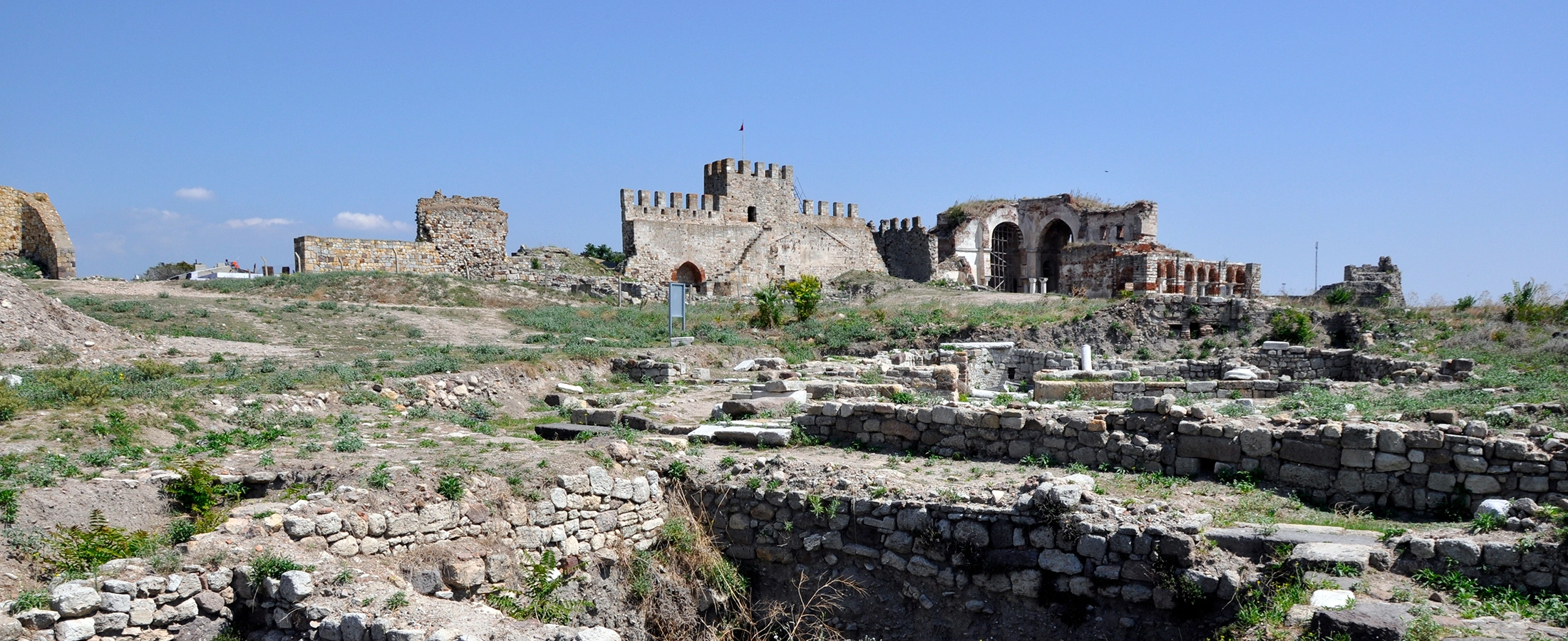
Continue along the Saros coast to one of Thrace's most fascinating ancient settlements, where archaeology, medieval fortifications, the Meriç Delta and the northern Aegean meet.
Explore Ancient AinosConnect Saros Gulf with wetlands, ancient history and the extraordinary Ottoman heritage of Edirne.
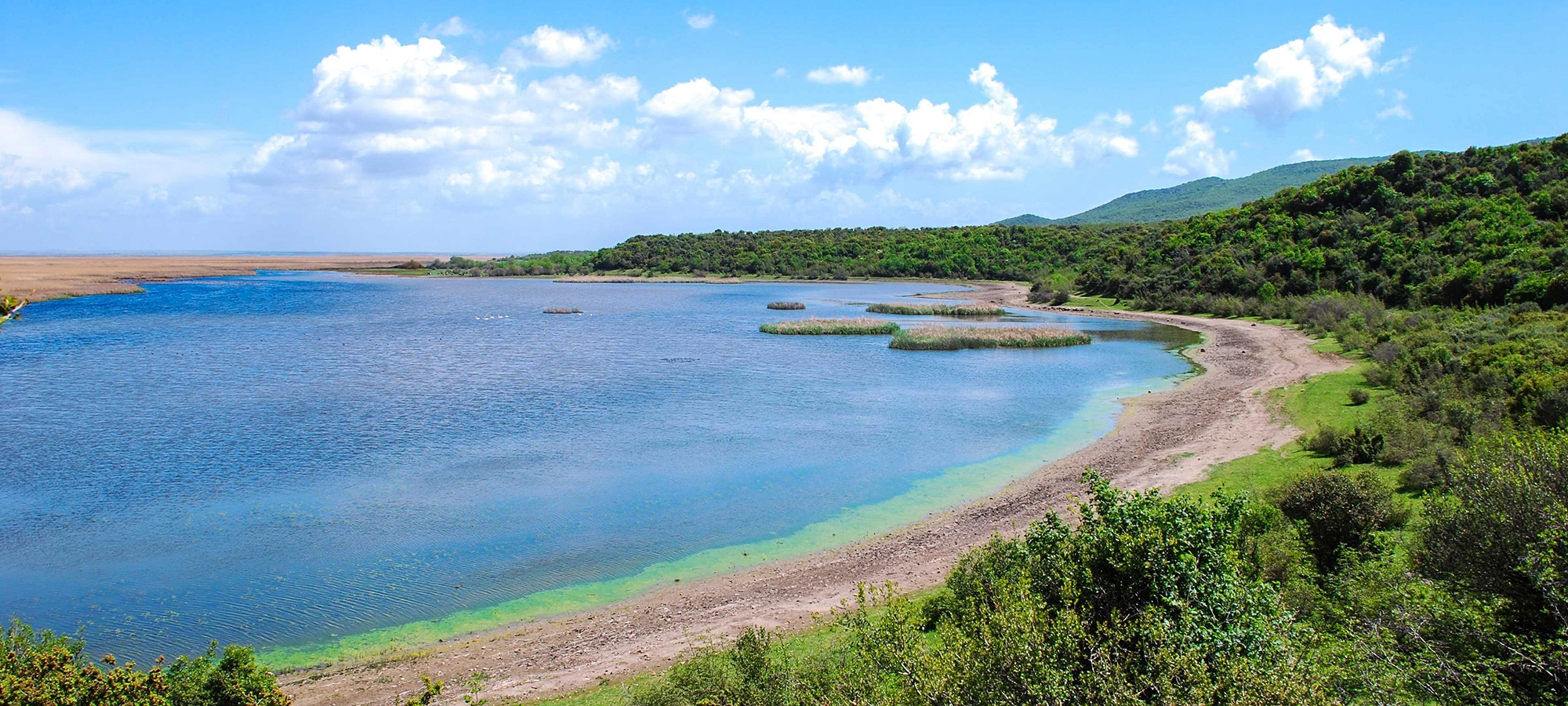
Move from the Aegean coast into the wetlands of the Meriç Delta to discover flamingos, pelicans, waterbirds, reed beds and one of Thrace's great protected landscapes.
Explore Gala Lake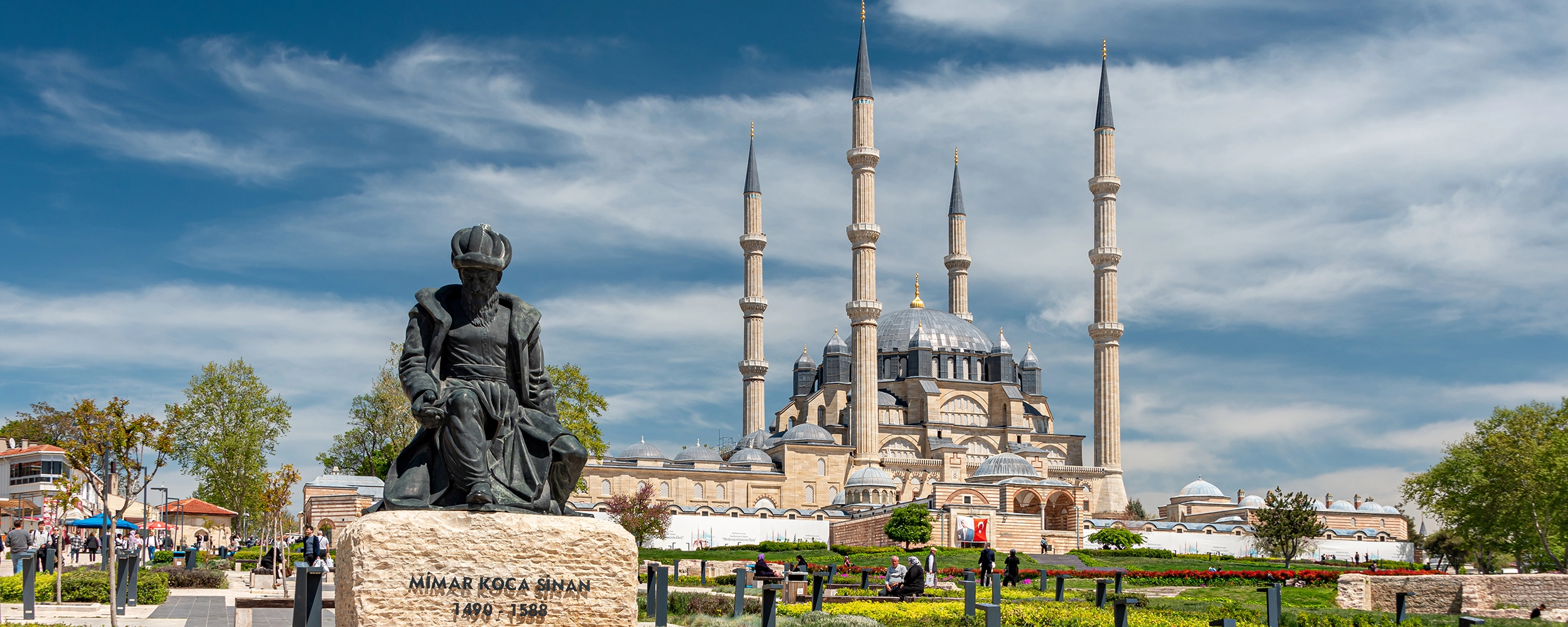
Discover the wider province through Selimiye Mosque, Ottoman bridges, historic bazaars, palace remains, museums, ancient settlements, wetlands and the extraordinary Saros coastline.
View Edirne Guide