Wetlands, Migratory Birds & the Wild Landscapes of the Meriç Delta

Gala Lake National Park Edirne – Birdwatching, Wetlands, Wildlife & Meriç Delta

Discover one of Türkiye's most important wetland landscapes, where lakes, reed beds and forested hills
shelter flamingos, pelicans, herons, raptors and thousands of migratory waterbirds.

Explore Gala Lake National Park

Gala Lake National Park – Edirne's Great Wetland and Bird Sanctuary

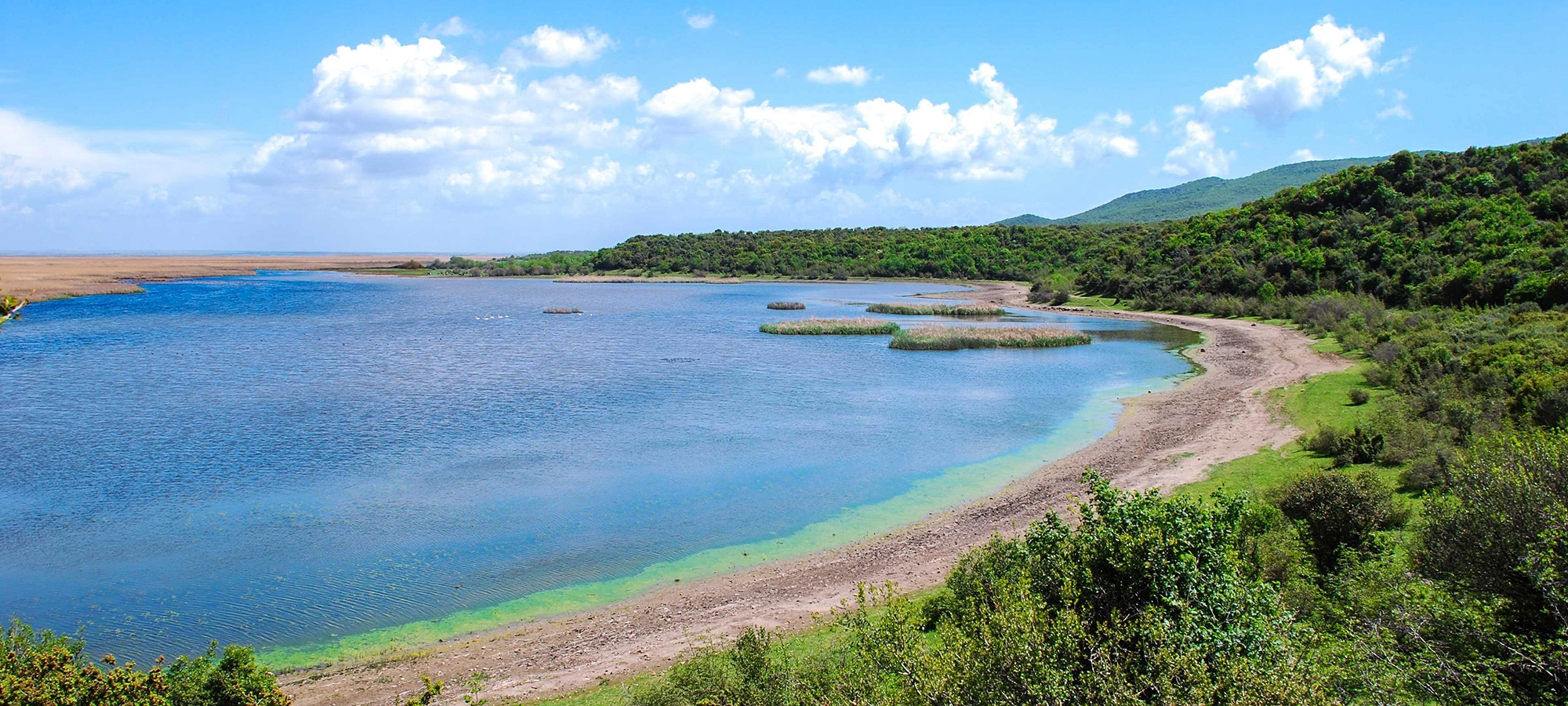
The Gala Lake National Park, or Gala Gölü Milli Parkı, protects one of the most important natural landscapes of Edirne Province. Located between the districts of Enez and İpsala, the park forms part of the wider Meriç Delta, where freshwater lakes, reed beds, wetlands, agricultural plains and forested slopes create an exceptionally rich habitat for wildlife.

The protected landscape is especially famous for its birdlife. Official nature-conservation inventories record 217 bird species within the national park, including resident birds as well as summer visitors, winter visitors and species passing through during migration.

Gala Lake is particularly impressive during periods when large numbers of flamingos, swans, ducks, coots, herons, pelicans and other waterbirds gather across the wetlands. For birdwatchers and nature photographers, the landscape can feel completely different from one season—or even one week—to another.

The experience is not limited to the lakes themselves. The park also includes reed beds, wet meadows and the slopes around Hisarlı Dağı, creating a transition between aquatic and terrestrial habitats. An officially promoted walking route, observation areas and the landscape around Tuztepe allow visitors to experience this remarkable ecosystem without entering its most sensitive wildlife zones.

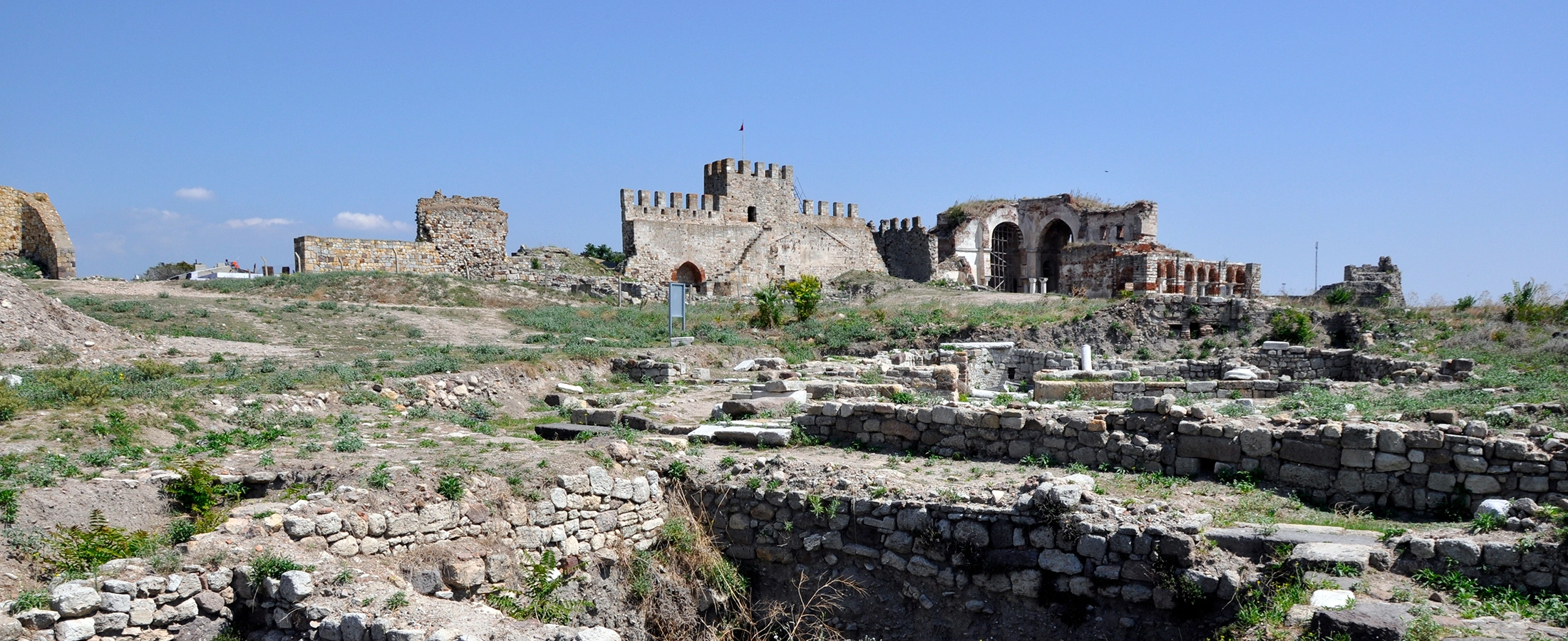
Gala Lake is also easy to combine with the ancient and medieval heritage of nearby Enez and Ancient Ainos, turning the southern edge of Edirne Province into an exceptional destination where wetlands, archaeology, the Aegean coast and the Meriç Delta meet.

5,923.49 Hectares

The present national park boundary protects almost 6,000 hectares of wetlands, lakes, reed beds and surrounding terrestrial habitats.

217 Bird Species

Resident and migratory birds make Gala Lake one of Thrace's most rewarding destinations for birdwatching.

Part of the Meriç Delta

The park lies within one of Türkiye's most ecologically important delta and wetland landscapes.

National Park Since 2005

Earlier protected as a Nature Conservation Area, Gala Lake received national park status in 2005.

Know Before You Go

Gala Lake National Park – Quick Facts

Essential information about Gala Gölü Milli Parkı, its protected wetlands, birdlife and location in the Meriç Delta of southern Edirne.

📍

Location

Between Enez and İpsala districts in southern Edirne Province, within the Meriç Delta.

Open on Google Maps
🌿

Protected Area

Approximately 5,923.49 hectares under the park's current official boundaries.

📅

National Park

Declared a national park in 2005 after earlier protection as a Nature Conservation Area.

🦩

Bird Species

Official inventories record 217 bird species, including resident and migratory populations.

🦋

Biodiversity

Official records identify 511 plant taxa and 517 animal species within the park.

🥾

Main Activities

Birdwatching, wildlife observation, nature walking, photography, botanical observation and cycling.

🎫

Admission

National park entrance and vehicle tariffs may apply. Check the current DKMP tariff before visiting.

🏨

Accommodation

There is no conventional accommodation inside the national park; Enez and İpsala are the nearest bases.


Where Europe, Asia, River and Sea Migration Routes Meet

Why Is Gala Lake National Park Important?

Gala Lake is much more than a scenic lake—it forms part of a complex wetland system supporting migration, breeding, feeding and wintering habitats for wildlife.

The southern part of Edirne is dominated by the enormous environmental influence of the Meriç River. As the river approaches the Aegean Sea, centuries of sediment deposition, changing channels and seasonal flooding have created a broad delta containing lakes, lagoons, marshes, reed beds and fertile plains.

Gala Lake National Park protects one of the most valuable sections of this landscape. Its lakes and wetlands provide feeding and resting habitat for large numbers of birds moving along the western migration routes between Europe, western Asia, the Mediterranean and Africa.

The ecological richness comes from variety. Open water supports diving and swimming birds; reed beds provide cover for nesting species; shallow margins attract waders and herons; meadows and agricultural edges become feeding grounds; and nearby woodland supports mammals, raptors and smaller forest birds.

Official biodiversity work has identified 511 plant taxa and 517 animal species in the park. This extraordinary concentration of life explains why Gala Lake has become one of the principal nature-tourism destinations in Thrace.

The park also lies within the wider Meriç Delta wetland system, an internationally significant landscape considered to meet important Ramsar wetland criteria. The value of Gala Lake therefore extends far beyond the boundary marked on a visitor map.

Use our complete guide to places to visit in Edirne to discover how Gala Lake fits into the province's wider combination of wetlands, Ottoman monuments, ancient cities, villages and Aegean landscapes.

History of Gala Lake National Park

Recognition of Gala Lake's ecological importance began well before its designation as a national park. In 1991, approximately 2,369 hectares around Küçük Gala Lake and Pamuklu Lake received protection as a Nature Conservation Area.

The protected landscape was later enlarged and its legal status changed. Gala Lake National Park was officially declared on 5 March 2005, bringing a much larger combination of wetlands and surrounding terrestrial habitats under national park protection.

At the time of designation, the national park covered a little more than 6,000 hectares. A later boundary revision made under Presidential Decision No. 2392 in 2020 established the present official area at approximately 5,923.49 hectares.

This history explains why visitors encounter different size figures in older publications. Numbers such as 6,087 or 6,090 hectares normally describe the national park before the 2020 boundary revision.

1991 Part of the Gala–Pamuklu wetland complex becomes a Nature Conservation Area
2005 The protected landscape is enlarged and declared Gala Lake National Park
36th National Park Gala Lake was described at the time of designation as Türkiye's 36th national park
2020 The national park boundary is revised under Presidential Decision No. 2392
5,923.49 ha The current official area of Gala Lake National Park
Today The park is one of the most important protected wetland landscapes in European Türkiye
Why you may see different figures: Older tourism material commonly gives an area of approximately 6,087–6,090 hectares. The current official DKMP figure after the 2020 boundary revision is 5,923.49 hectares.

Gala Lake and the Meriç Delta

To understand Gala Lake, it helps to look beyond the national park itself. The lake belongs to the broader Meriç Delta, formed where one of the great rivers of southeastern Europe approaches the northern Aegean.

Over thousands of years the river deposited enormous quantities of sediment across the low coastal plain. Channels moved, shallow depressions formed and natural barriers separated areas of water from the main river system. The result is today's mosaic of lakes, lagoons, marshes, seasonal wetlands and agricultural land.

Gala, Pamuklu and neighboring wetlands are therefore not isolated pools. They belong to a dynamic hydrological landscape influenced by rainfall, river conditions, drainage channels, agricultural water management and seasonal changes.

The Meriç Delta itself is a cross-border ecosystem, continuing beyond Türkiye into Greece. Birds moving through the delta naturally recognize no political boundary, making international-scale habitat conservation especially important.

Delta Wetlands

Lakes, marshes, reed beds, lagoons and wet meadows create numerous ecological niches.

River Influence

The Meriç River has shaped the entire lowland through changing channels, flooding and sediment deposition.

Migration Corridor

The delta provides feeding and resting habitat for birds moving between Europe, Asia and Africa.

Shallow Water

Wetland margins are particularly productive feeding areas for waders, herons, ducks and other waterbirds.

Reed Beds

Dense aquatic vegetation provides shelter, feeding habitat and nesting opportunities for numerous species.

Cross-Border Ecosystem

The Meriç Delta extends across the Türkiye–Greece frontier and functions as one ecological landscape.

The Lakes of Gala Lake National Park

The park protects a wetland complex centered on Gala Lake together with Küçük Gala Lake and Pamuklu Lake. Different official and local descriptions sometimes divide or name sections of the Gala wetland slightly differently, but all form part of the same broader ecological system.

These shallow lakes are surrounded in places by dense reed beds and aquatic vegetation. Water depth, vegetation and exposed shoreline change seasonally, meaning the habitat available to birds can vary significantly throughout the year.

Open-water areas are used by ducks, grebes, swans, coots and other swimming birds, while shallow margins provide feeding grounds for flamingos, spoonbills, ibises, herons and wading species.

Reed beds are equally important even when they appear visually impenetrable. They provide refuge from predators and wind, nesting habitat and feeding areas for birds that visitors may hear long before they actually see them.

Gala Lake

The best-known body of water and the name from which the national park takes its identity.

Küçük Gala

An integral part of the protected wetland complex and historically one of the core conservation areas.

Pamuklu Lake

Another important shallow wetland supporting aquatic vegetation and bird habitat.

Reed Zones

Dense reeds provide essential shelter for breeding, feeding and resting wildlife.

Wet Meadows

Seasonally wet grasslands around the lakes add valuable feeding habitat beyond the open water.

Seasonal Change

The visual character of the lakes changes with rainfall, water management, vegetation growth and migration cycles.

Birds of Gala Lake National Park

Birdlife is the principal reason many nature enthusiasts travel to Gala Lake. Current official records list 217 bird species within the national park.

The latest official classification divides these into approximately 65 resident species, 55 winter visitors, 59 summer visitors and 38 transit migrants. The numbers reveal how strongly the character of the park changes through the seasons.

Winter can bring huge gatherings of waterfowl, while spring and autumn migration introduce species stopping temporarily to rest and feed. Summer adds breeding birds using reed beds, woodland and wetland margins.

Among the birds associated with Gala Lake and the surrounding wetlands are flamingos, swans, ducks, grebes, coots, cormorants, herons, egrets, spoonbills, ibises, pelicans, raptors and numerous waders.

Not every species is present at every visit. Water levels, weather, migration timing and disturbance all influence what can be seen, which is one reason repeated visits can produce completely different birdwatching experiences.

217 Bird species recorded within Gala Lake National Park
65 Resident species recorded in the latest official classification
55 Winter visitor species
59 Summer visitor species
38 Transit migrant species
Thousands Waterbirds may gather in the wider wetland during favorable seasonal conditions
Birdwatching is never guaranteed: Wild birds move constantly according to weather, water level, food and migration timing. A quiet wetland with fewer visible birds one day may hold enormous flocks only days later.

Birds You May See at Gala Lake

The following groups are among those that make Gala Lake famous, although sightings depend strongly on season and conditions.

Flamingos

Large flocks can create some of Gala Lake's most memorable scenes when feeding in suitable shallow-water areas.

Swans

Whooper, mute and other swans are associated with the wider wetland, particularly during colder periods.

Ducks & Coots

Various ducks together with large concentrations of Eurasian coots can dominate the open water in winter.

Herons & Egrets

Shallow lake margins and reed beds provide feeding areas for several members of the heron family.

Pelicans & Spoonbills

Large wetland birds may appear while feeding or moving through the Meriç Delta system.

Grebes & Cormorants

Diving birds use deeper open-water sections where fish and other aquatic prey are available.

Waders

Muddy edges and shallow water attract numerous smaller species searching for aquatic invertebrates.

Birds of Prey

Raptors patrol the wetlands, woodland edges and surrounding open country in search of prey.

Why Migratory Birds Stop at Gala Lake

Long-distance migration requires enormous amounts of energy. Birds cannot simply fly continuously between northern breeding grounds and southern wintering areas; they depend on safe places where they can rest and rebuild energy reserves.

Large wetlands such as Gala Lake function as natural migration stopovers. Shallow water offers feeding opportunities, reed beds provide shelter and open water allows large groups of birds to rest together.

Because the park lies on the western side of Türkiye near major routes through the Balkans, the Aegean and eastern Mediterranean, it occupies a strategic position in seasonal bird movement.

This also explains why protecting the wetland involves more than preserving individual species. If a key resting site disappears, birds may be forced to travel much farther before finding suitable habitat.

Spring Migration

Birds moving north toward breeding territories pass through the region and use productive wetlands for refueling.

Autumn Migration

Southbound migrants may stop in the delta before continuing toward the Mediterranean and Africa.

Wintering Ground

Large numbers of waterbirds remain in the region during winter when conditions are suitable.

Breeding Habitat

Some species stay through summer and use reed beds, woodland and wetland margins to reproduce.

Wildlife and Biodiversity of Gala Lake National Park

Birds receive most of the attention, but Gala Lake protects a much wider biological community. Official inventories record 517 animal species within the park.

Wetlands support fish, amphibians, reptiles and aquatic invertebrates, while surrounding grasslands, agricultural margins and wooded slopes provide habitat for mammals and terrestrial species.

The health of these groups is interconnected. Fish and aquatic invertebrates become food for birds; amphibians depend on clean shallow-water habitat; mammals use woodland cover and wetland edges; and insects pollinate many of the plants that stabilize the wider ecosystem.

Mammals

Forested slopes, scrub and open country provide habitat for a variety of small and medium-sized mammals.

Fish

The wetland system supports native and migratory fish that form an important part of the aquatic food web.

Amphibians

Shallow freshwater habitats and wet margins provide breeding areas for frogs and other amphibians.

Reptiles

Wetlands, sunny banks and terrestrial habitats support turtles, snakes and other reptiles.

Invertebrates

Dragonflies, butterflies and numerous aquatic invertebrates play essential roles in the ecosystem.

Predator–Prey Balance

The park's biodiversity depends on interconnected food chains extending from microscopic life to large birds of prey.

Plants and Habitats of Gala Lake National Park

Official biodiversity inventories identify approximately 511 plant taxa within Gala Lake National Park.

This richness is possible because the park contains several very different habitats. Aquatic plants occupy shallow water, reed communities dominate parts of the shoreline, wet meadows develop around periodically flooded zones and drier vegetation appears as the landscape climbs toward the slopes of Hisarlı Dağı.

These plant communities are fundamental to wildlife. Reeds protect nesting birds, submerged plants support aquatic organisms, flowers feed insects and trees provide shelter for forest species.

The transition between wetland and woodland is one of the features that makes Gala Lake particularly valuable: visitors can move through dramatically different ecosystems within a relatively compact protected landscape.

Aquatic Vegetation

Plants growing in and beneath shallow water contribute to food webs and create shelter for aquatic life.

Reed Beds

Dense reeds form one of the most visually characteristic and ecologically valuable habitats in the park.

Wet Meadows

Seasonally flooded grasslands create feeding areas for birds and support diverse plant communities.

Hisarlı Dağı

Forested and scrub-covered slopes add terrestrial biodiversity to a landscape often associated only with water.

Wildflowers

Spring brings increased botanical interest to open ground and woodland margins.

Habitat Mosaic

The meeting of water, reeds, grasslands and woodland allows many species with different requirements to coexist.

Walking and Nature Trails at Gala Lake

Official local tourism information describes an approximately 12-kilometre walking route within the Gala Lake National Park area. For visitors with enough time, walking is one of the best ways to appreciate how quickly the scenery changes between wetland, open countryside and woodland.

This should not be treated as an ordinary urban walking trail. Conditions may vary according to rainfall, mud, vegetation, maintenance and conservation restrictions.

Visitors should remain on authorized routes and follow signs or instructions issued by park authorities. Entering reed beds, nesting areas or apparently empty wet ground can disturb wildlife and may also be physically dangerous.

A slower pace is particularly rewarding. The best wildlife encounters often begin with sound—the call of a hidden reed bird, wingbeats from waterfowl or distant cranes and geese—before the bird itself becomes visible.

Approx. 12 km

Official local tourism sources describe a longer walking route within the national park landscape.

Wear Proper Shoes

Sections can become wet, muddy or uneven after rain and during periods of high water.

Carry Water

Do not assume refreshments will be available along nature routes inside the protected area.

Use Binoculars

Wildlife can be observed more responsibly and effectively from a distance.

Stay on Routes

Marked and authorized paths help protect sensitive vegetation and nesting habitat.

Check Conditions

Trail accessibility can change after heavy rain, flooding, maintenance or conservation measures.

Tuztepe and Birdwatching at Gala Lake

The Tuztepe area is frequently mentioned in official local visitor information as one of the key places from which to experience Gala Lake's migratory birdlife.

The slightly elevated landscape can provide a broader perspective over wetland areas than is possible directly beside dense reed beds. This makes it useful both for birdwatching and for understanding the scale of the protected landscape.

Observation towers, terraces and visitor infrastructure have been developed in parts of the wider national park landscape as part of nature-tourism projects, although access to individual structures can change because of maintenance or management decisions.

Bring binoculars or a spotting scope if birdwatching is your priority. Many of the most interesting birds may be hundreds of metres away, and approaching them is both ineffective and harmful.

Observe rather than approach: A bird that repeatedly flies away from a photographer is using valuable energy. Remaining at a respectful distance usually produces more natural behavior—and often better photographs.

Best Seasons for Birdwatching at Gala Lake

Spring

Excellent for northbound migration, increasing bird activity, greener landscapes and wildflowers.

Early Summer

Breeding birds are active around reed beds, wetlands and woodland, but disturbance must be kept especially low.

Late Summer

Water levels and heat can reshape the wetland while early migration movements begin to increase.

Autumn

One of the most interesting periods for migration as numerous species move south through Thrace.

Winter

Potentially spectacular for waterfowl, swans, coots and other birds gathering in large numbers.

After Weather Changes

Wind, cold fronts and rainfall can rapidly alter migration activity and the number of birds visible.

Photography at Gala Lake National Park

Gala Lake offers two very different kinds of photography: wildlife photography and broader wetland landscape photography.

Long lenses are invaluable for birds because the most important feeding and resting areas may lie far from public access points. For landscapes, wider lenses capture the relationship between open water, reed beds, distant hills and the enormous skies of the Meriç Delta.

Early Morning

Soft light, lower temperatures and increased bird activity can make dawn especially rewarding.

Late Afternoon

Low sunlight adds warmth to reed beds and can produce attractive reflections across open water.

Long Lens

A telephoto lens allows responsible wildlife photography without approaching resting or feeding birds.

Wide Landscape

Include open sky, reed beds and distant hills to communicate the scale of the Meriç Delta.

Birds in Flight

Flocks of flamingos, ducks and other waterbirds can create dramatic patterns against open sky.

Reflections

Calm conditions can turn shallow water into a mirror for birds, reeds and changing light.

Stay Concealed

Use observation structures and existing vegetation rather than walking toward wildlife.

No Playback

Avoid repeatedly playing bird calls to attract wildlife, especially during breeding season.

Best Time to Visit Gala Lake National Park

March–May

Excellent for spring migration, green scenery, wildflowers and comfortable walking temperatures.

September–November

Autumn migration and softer light make this another outstanding season for birdwatching and photography.

December–February

Winter can bring impressive concentrations of waterbirds, although wind and cold can be significant.

Summer

Visit early in the morning or late in the afternoon to avoid the hottest part of the day.

Sunrise

Often the best combination of calm light, wildlife activity and fewer visitors.

After Heavy Rain

Check access conditions because low tracks and wetland margins can become muddy or temporarily unsuitable.

How Much Time Do You Need at Gala Lake?

1 Hour

Enough for a short viewpoint stop and introductory look at the wetland landscape.

2–3 Hours

A good minimum for birdwatching, photography and exploring accessible observation areas.

Half Day

Recommended for dedicated birdwatchers who want time to wait quietly and explore more than one habitat.

Full Day

Combine a longer nature experience with nearby Enez, Ancient Ainos and the Aegean coast.

Practical Tips for Visiting Gala Lake National Park

Bring Binoculars

They dramatically improve the experience because many birds remain well away from visitor routes.

Carry Drinking Water

Do not rely on finding shops or refreshments once you enter quieter parts of the protected area.

Wear Walking Shoes

Natural ground can be dusty in summer and wet or muddy during wetter seasons.

Use Sun Protection

Large parts of the delta are exposed, with limited shade around observation areas.

Bring Insect Repellent

Mosquitoes and other insects are a normal part of healthy wetland ecosystems, especially in warmer months.

Keep Noise Low

Quiet visitors see more wildlife and cause less disturbance.

Check Weather

Strong wind, heavy rain and extreme heat can significantly change the experience.

Check Park Notices

Access arrangements, tariffs and individual facilities can change, so consult current DKMP information before travel.

Do Not Feed Wildlife

Feeding changes natural behavior and can harm birds and other animals.

Never Enter Reed Beds

They are important nesting and refuge habitat and can also conceal deep mud or water.

Responsible Birdwatching at Gala Lake

A protected wetland can remain healthy only if visitors treat wildlife as the priority. Unlike monuments, birds can abandon an area when disturbance becomes excessive.

Keep Your Distance

If birds stop feeding, become alert or move away because of your presence, you are already too close.

Stay on Designated Routes

Avoid creating informal paths through vegetation and sensitive wetland margins.

Protect Nesting Areas

Never approach nests, chicks or birds displaying territorial and breeding behavior.

No Litter

Plastic, fishing line and food packaging can be lethal to wetland wildlife.

Avoid Loud Music

Natural sound is part of the experience and unnecessary noise disturbs both wildlife and other visitors.

Do Not Collect Plants

Flowers, reeds, seeds and other vegetation belong within the protected ecosystem.

Never Release Animals

Introducing fish, turtles or other animals can seriously damage native ecological communities.

Respect Fire Restrictions

Dry reeds, grasslands and forest edges can become extremely vulnerable to fire.

Accessibility at Gala Lake National Park

Accessibility depends strongly on which part of the national park you intend to visit. Vehicle-accessible viewpoints and developed visitor areas are easier to reach than natural trails and wetland margins.

Vehicle Access

Approaching the main visitor areas by private vehicle is generally the easiest option.

Natural Surfaces

Paths may include gravel, soil, mud and uneven terrain rather than continuous paved walkways.

Observation Areas

Developed viewpoints may provide easier access, but individual facility conditions should be checked locally.

Wheelchair Users

Some areas may be usable with assistance, while natural trails and muddy sections can be difficult or inaccessible.

After Rain

Accessibility can deteriorate quickly when low-lying tracks become soft or waterlogged.

Allow Extra Time

A relaxed schedule makes it easier to adapt to conditions and observe wildlife without rushing.

How to Get to Gala Lake National Park

Gala Lake National Park lies in southern Edirne Province between Enez and İpsala. Because the park covers a broad rural landscape, a private vehicle is generally the most convenient way to reach its visitor areas.

Official local information describes access from the Enez–İpsala road around Tuztepe as well as an entrance in the direction of Işıklı between Koyuntepe and Işıklı villages.

From Enez

The national park lies only around 8–10 km from Enez, making the town the most convenient sightseeing base.

From İpsala

The park is approximately 22–23 km from İpsala depending on the entrance and route used.

From Keşan

Official local tourism information places Gala Lake roughly 49 km from Keşan.

From Edirne City

The park is roughly 150 km south of central Edirne, so allow sufficient driving time for a day trip.

Private Vehicle

The most practical option for reaching observation areas and combining Gala Lake with Enez.

Navigation

Search for “Gala Gölü Milli Parkı” and confirm your intended entrance rather than navigating simply to the center of the lake.

Where to Stay Near Gala Lake National Park

Official local visitor information states that conventional accommodation is not available inside Gala Lake National Park.

For most travelers, Enez is the most attractive base because it combines proximity to the park with restaurants, the coast, beaches and important archaeological monuments.

İpsala is another practical option, particularly for travelers approaching from the main road network or continuing toward the Türkiye–Greece border.

Enez

Best for combining the national park with Ancient Ainos, coastal scenery, beaches and Saros Gulf.

İpsala

A practical inland base with road connections toward Edirne, Keşan and the Greek border.

Keşan

A larger regional center with additional accommodation and restaurant choices around 50 km away.

No Park Hotel

Plan accommodation outside the protected area rather than expecting conventional lodging beside the lake.

Places to Visit Near Gala Lake National Park

Gala Lake lies in a remarkably varied corner of Türkiye. Within a relatively short drive you can move from internationally important wetlands to an ancient city, an Ottoman-era coastal town and the shores of the northern Aegean.

Enez & Ancient Ainos

Explore the ancient city of Ainos, Enez Castle, historic remains and a strategic settlement overlooking the Meriç Delta.

Enez Coast

Continue toward the northern Aegean for beaches, open sea views and a complete contrast with the inland wetlands.

Saros Gulf

Discover one of Thrace's most attractive coastal landscapes, known for clear water and a deeply indented shoreline.

Meriç Delta

Gala Lake forms part of a much larger landscape of river channels, agricultural plains, lagoons and wetlands.

İpsala

The agricultural plains around İpsala reveal another side of the Meriç basin and its relationship with water and rice cultivation.

Historic Edirne

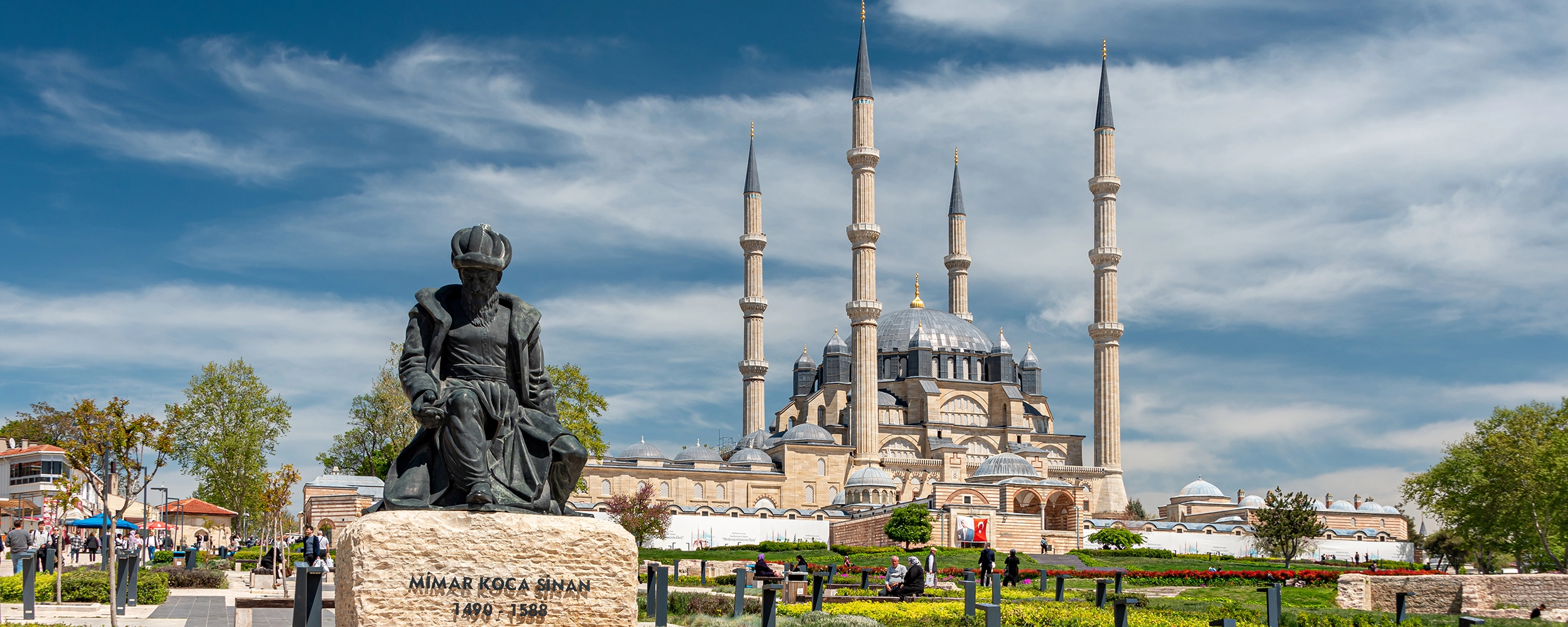
Continue north to Selimiye Mosque, Ottoman bridges, bazaars, museums and the monuments of the former imperial capital.

Combine Gala Lake National Park with Enez and Ancient Ainos

For most travelers, the strongest regional combination is Gala Lake National Park + Enez + Ancient Ainos.

Begin with the national park while bird activity is high and the light is soft. After spending the morning around the wetland, continue toward nearby Enez for the archaeological remains of Ancient Ainos and the historic town.

Later in the day, continue toward the coast for Aegean scenery and sunset. In a single route, you experience the ecological history of the Meriç Delta, thousands of years of human settlement and the landscape where river and sea finally meet.

Early Morning Arrive at Gala Lake for birdwatching and wetland photography
Morning Explore authorized viewpoints, walking areas and the Tuztepe landscape
Midday Continue toward Enez for lunch and a break
Afternoon Explore Enez and the archaeological landscape of Ancient Ainos
Late Afternoon Continue toward the Aegean coast and Saros Gulf
Suggested Time Allow a full day for a relaxed nature-and-heritage route
Best sequence: Visit Gala Lake early rather than leaving birdwatching until midday. Wildlife is often more active and temperatures are more comfortable during the first hours of the day.

What to Bring to Gala Lake National Park

Binoculars

The single most useful item for enjoying a bird-rich wetland without disturbing wildlife.

Camera & Telephoto Lens

Ideal for birds that remain far from accessible paths and observation areas.

Water

Carry more than you expect to need, especially between late spring and early autumn.

Hat & Sunscreen

Open wetland landscapes can offer little shade for long periods.

Insect Repellent

Particularly useful around water and reed beds during warmer months.

Walking Shoes

Choose footwear suitable for natural ground rather than smooth urban pavement.

Light Jacket

The delta can become windy even when nearby inland areas feel warm.

Field Guide or Bird App

Useful for identifying the remarkable variety of waterbirds and migrants encountered here.

Frequently Asked Questions About Gala Lake National Park

Where is Gala Lake National Park?

Gala Lake National Park is in Edirne Province, between the districts of Enez and İpsala in European Türkiye.

How far is Gala Lake from Enez?

Depending on the entrance and route, the national park is roughly 8–10 km from Enez.

How far is Gala Lake from İpsala?

The park is approximately 22–23 km from İpsala, depending on the entrance used.

How far is Gala Lake from Edirne city?

Official local tourism information places the national park approximately 154 km from central Edirne.

When did Gala Lake become a national park?

Gala Lake was officially declared a national park in 2005.

Was Gala Lake protected before 2005?

Yes. Part of the Gala–Pamuklu wetland complex had been protected as a Nature Conservation Area since 1991.

How large is Gala Lake National Park?

The current official area is approximately 5,923.49 hectares following a boundary revision in 2020.

Why do some websites say the park is 6,087 or 6,090 hectares?

Those figures generally describe the national park before its 2020 boundary revision. Current official DKMP information gives the area as 5,923.49 hectares.

Is Gala Lake part of the Meriç Delta?

Yes. Gala Lake is one of the most important protected wetland areas within the wider Meriç Delta ecosystem.

Is Gala Lake a Ramsar Site?

The wider Meriç Delta is considered an internationally important wetland and meets important Ramsar criteria, but visitors should not confuse this with Gala Lake being individually listed as one of Türkiye's formally designated Ramsar Sites.

How many bird species live at Gala Lake?

Current official conservation information records approximately 217 bird species within Gala Lake National Park.

Can you see flamingos at Gala Lake?

Yes. Flamingos occur in the Gala Lake wetland system and large groups may sometimes be seen when water and feeding conditions are suitable.

Are flamingos at Gala Lake all year?

No sighting should be considered guaranteed. Numbers vary according to migration, water levels, weather and food availability.

What other birds can you see?

Depending on the season, visitors may encounter swans, ducks, coots, grebes, cormorants, herons, egrets, spoonbills, pelicans, waders and birds of prey.

What is the best season for birdwatching?

Spring and autumn migration are especially interesting, while winter can bring very large concentrations of waterbirds.

What is the best time of day to visit?

Early morning is usually ideal for cooler temperatures, softer light and increased wildlife activity. Late afternoon is also excellent for photography.

Is there a walking trail at Gala Lake?

Official local tourism information describes an approximately 12-kilometre nature-walking route within the national park landscape. Conditions and access should be checked locally.

Can you cycle in Gala Lake National Park?

Cycling and mountain biking are among the nature-tourism activities identified for the national park, but visitors should use authorized routes and respect current park regulations.

Can you camp inside Gala Lake National Park?

Do not assume wild camping is permitted. Gala Lake is a protected national park and overnight activities are subject to park regulations and designated-use rules.

Are there hotels inside the national park?

No conventional accommodation is available inside the park. Visitors generally stay in Enez, İpsala or Keşan.

Is there an entrance fee?

National park visitor and vehicle tariffs may apply. Because government entrance fees can change, check the current DKMP tariff before your visit.

Can I photograph birds at Gala Lake?

Yes, Gala Lake is an outstanding wildlife-photography destination. Use a long lens and remain far enough away that birds continue behaving naturally.

Can I use a drone at Gala Lake?

Do not fly a drone without confirming current authorization. Drones can seriously disturb nesting and resting birds, and protected-area and aviation restrictions may apply.

Are mosquitoes a problem?

Mosquitoes are a natural part of wetland ecosystems and can be noticeable during warmer months, so insect repellent can be useful.

Can I visit Gala Lake with children?

Yes, particularly for introducing children to birds and wetland ecology, but adults should supervise them carefully around water, roads, observation structures and natural terrain.

What should I combine with Gala Lake?

The strongest combination is Gala Lake with Enez and Ancient Ainos, followed by the nearby Aegean coast and Saros Gulf.

How much time should I spend at Gala Lake?

Allow at least 2–3 hours for birdwatching and photography. Dedicated nature enthusiasts can easily spend half a day, while Gala Lake and Enez together make an excellent full-day route.

Do I need binoculars?

They are not essential, but they greatly improve the experience because many birds remain far from public paths and observation points.

Is Gala Lake worth visiting if I am not a birdwatcher?

Yes. The park offers open wetland landscapes, reed beds, walking opportunities, photography and a peaceful natural contrast to Edirne's archaeological and Ottoman monuments.

Why Conservation Matters at Gala Lake

Wetlands are among the world's most productive but vulnerable ecosystems. Their survival depends on water quality, water quantity, seasonal flooding, healthy vegetation and the ability of wildlife to feed and reproduce without excessive disturbance.

At Gala Lake, environmental change far beyond the visible shoreline can influence the park. Agricultural practices, water management, pollution, invasive species, fire and climate conditions can all affect the wetland.

Visitors therefore play a small but important role. Staying on designated routes, removing litter, keeping away from wildlife and following conservation rules helps protect a landscape used by animals that may travel thousands of kilometres every year.

Protect Water Quality

Anything entering a wetland can eventually affect fish, plants, birds and the entire food web.

Protect Reed Beds

What looks like ordinary vegetation can be crucial nesting and shelter habitat.

Prevent Fire

Dry reed and grass fires can destroy enormous areas of habitat extremely quickly.

Limit Disturbance

Repeatedly forcing birds to fly uses energy they need for migration, breeding and survival.

Keep Wildlife Wild

Never feed animals or attempt to touch, capture or relocate them.

Leave No Trace

The best visit leaves the wetland exactly as you found it.

Private Gala Lake National Park & Enez Experiences

Discover southern Edirne through wetlands, birdlife, ancient cities, Meriç Delta landscapes, the Aegean coast and the remarkable heritage of Enez with a private route designed around your interests.

Custom Gala Lake & Enez Nature and Heritage Route

Combine early-morning birdwatching at Gala Lake with Ancient Ainos, Enez, the Meriç Delta and the northern Aegean, creating a private day shaped around nature, photography, archaeology and regional history.

Continue Exploring Edirne Province

Connect Gala Lake with Enez, the wider Meriç landscape and the extraordinary Ottoman heritage of Edirne.

Edirne Turkey Selimiye Mosque Ottoman bridges bazaars museums travel guide

Explore Edirne

Discover the wider province through Selimiye Mosque, Ottoman bridges, historic bazaars, palace remains, museums, ancient settlements and some of Thrace's most important natural landscapes.

View Edirne Guide