Old Istanbul Between the Marmara Shore and the Historic Peninsula
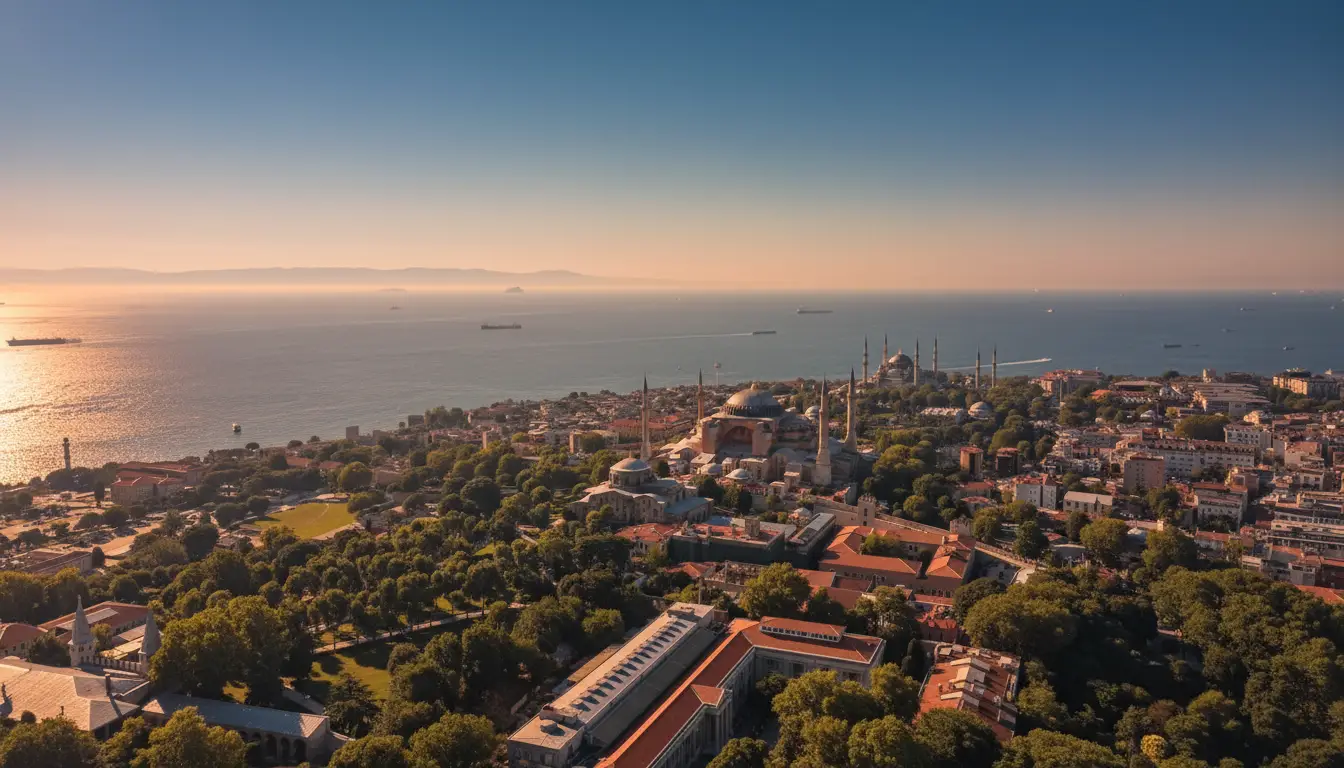
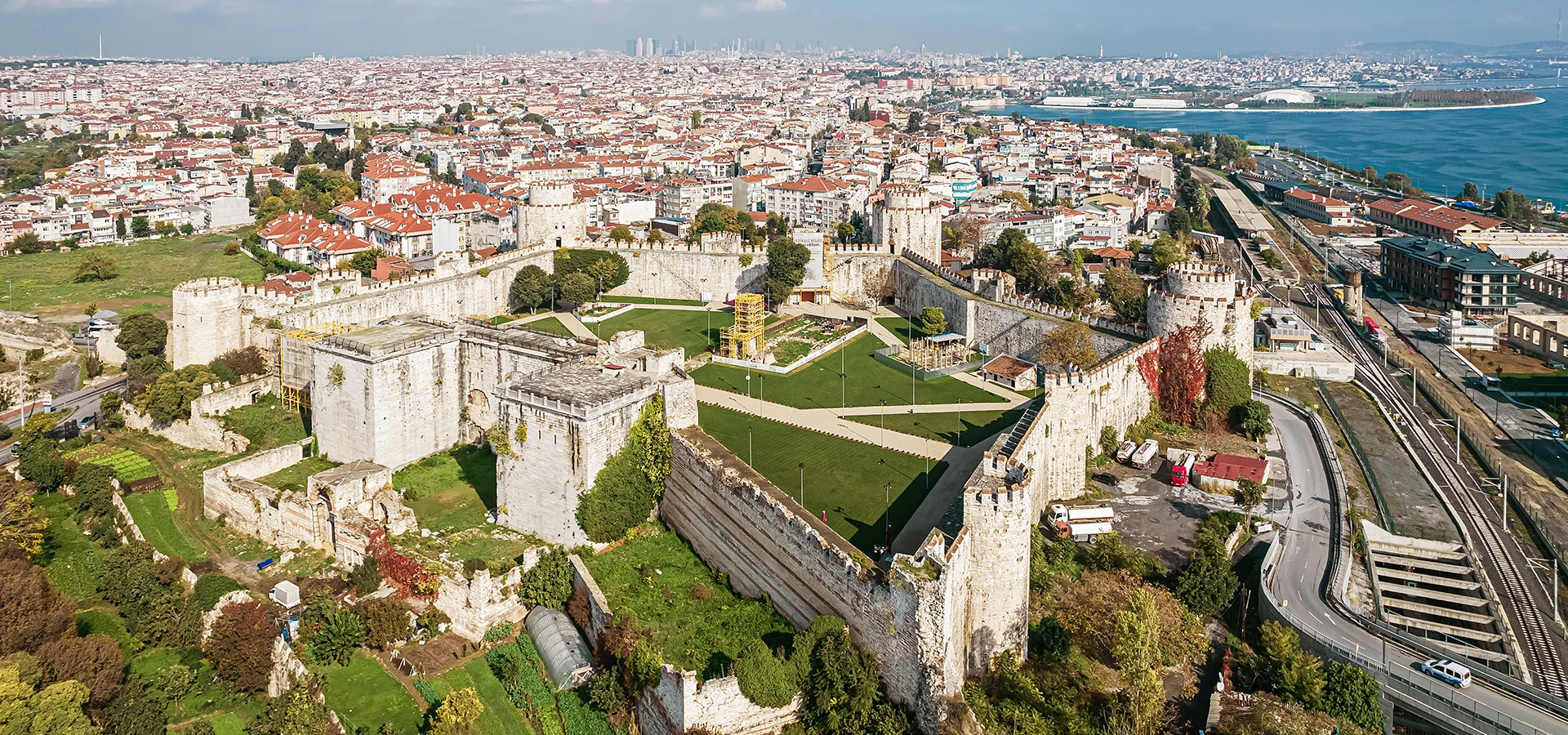
Historic Samatya lies on the southern side of Istanbul's Historic Peninsula, between Yenikapı and Yedikule and immediately inland from the Marmara coast. Its older Byzantine name, Psamathia, is generally connected with the sandy character of the shoreline that once defined this part of Constantinople.
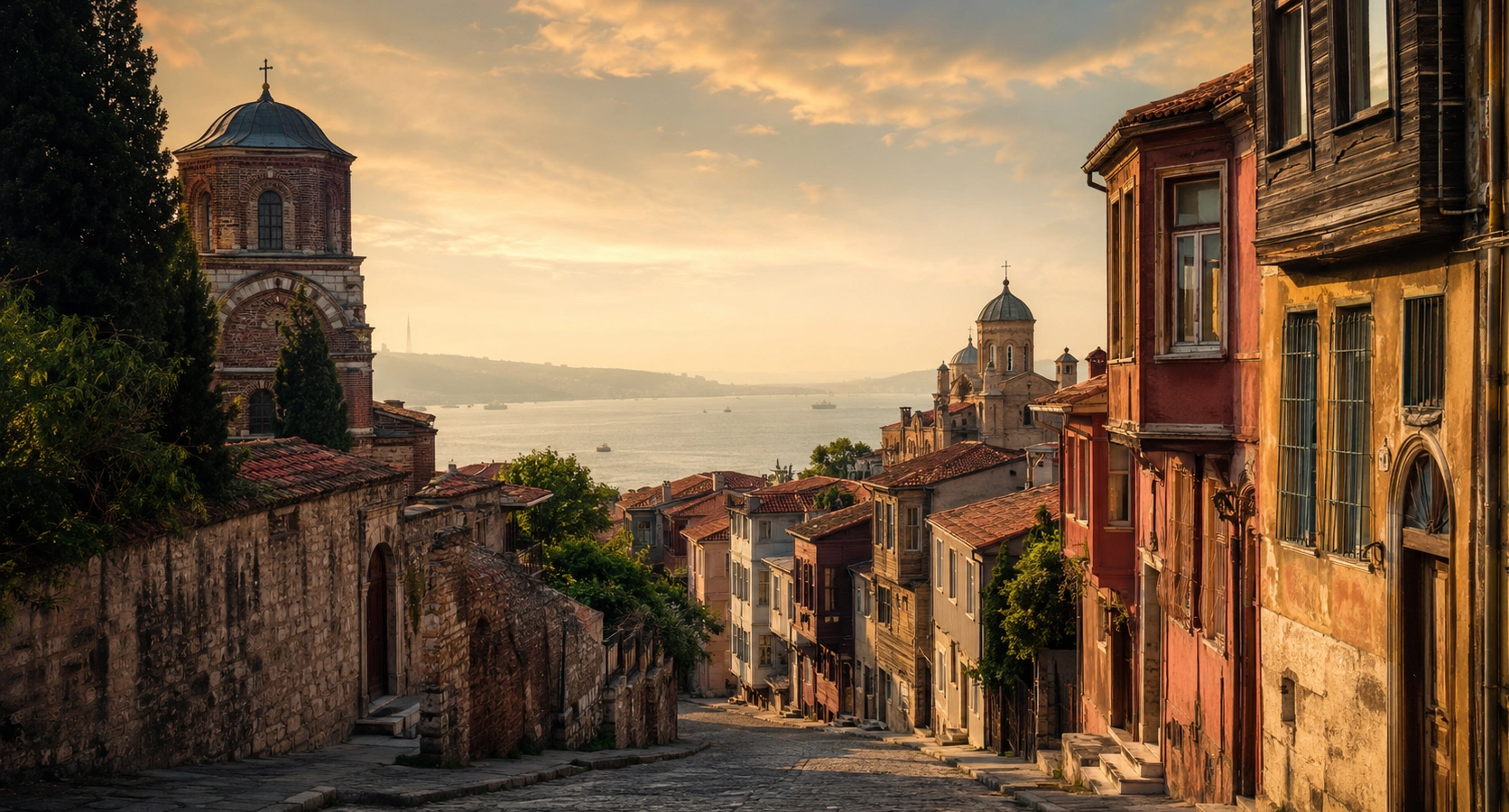
Unlike Sultanahmet, Samatya is not a district of monumental imperial sightseeing. Its appeal is more intimate. Churches, stone walls, narrow streets, neighborhood bakeries, old houses, small squares and memories of Greek, Armenian and Muslim communities are woven into an ordinary residential quarter.
The district became especially important to Istanbul's Armenian community after the Ottoman conquest. The church of Surp Kevork, also known as Sulu Manastır, stands on the site associated with the Byzantine Monastery of the Theotokos Peribleptos and was connected with the early seat of the Armenian Patriarchate of Constantinople.
Samatya also preserves a strong Greek Orthodox heritage. Churches such as Ayios Minas and other historic sanctuaries recall the centuries when Greek families, fishermen, craftsmen and tavern keepers formed an important part of neighborhood life.
Today, Samatya is one of the best places in Istanbul to explore living neighborhood history: not only famous monuments, but the spaces between them — courtyards, side streets, old façades, local restaurants and the surviving cultural layers of a district that has changed repeatedly without losing its identity.
Surp Kevork / Sulu Manastır
An Armenian church standing on one of Samatya's most important Byzantine and post-conquest religious sites.
Greek Orthodox Heritage
Historic churches and holy-spring traditions preserve the memory of Samatya's long Greek Orthodox presence.
Samatya Square
A neighborhood focal point associated with cafés, fish restaurants, local life and the atmospheric streets around it.
Byzantine Psamathia
The old coastal quarter of Constantinople whose name and topography still echo beneath modern Samatya.