Sahaflar Çarşısı – Istanbul's Historic Booksellers' Bazaar
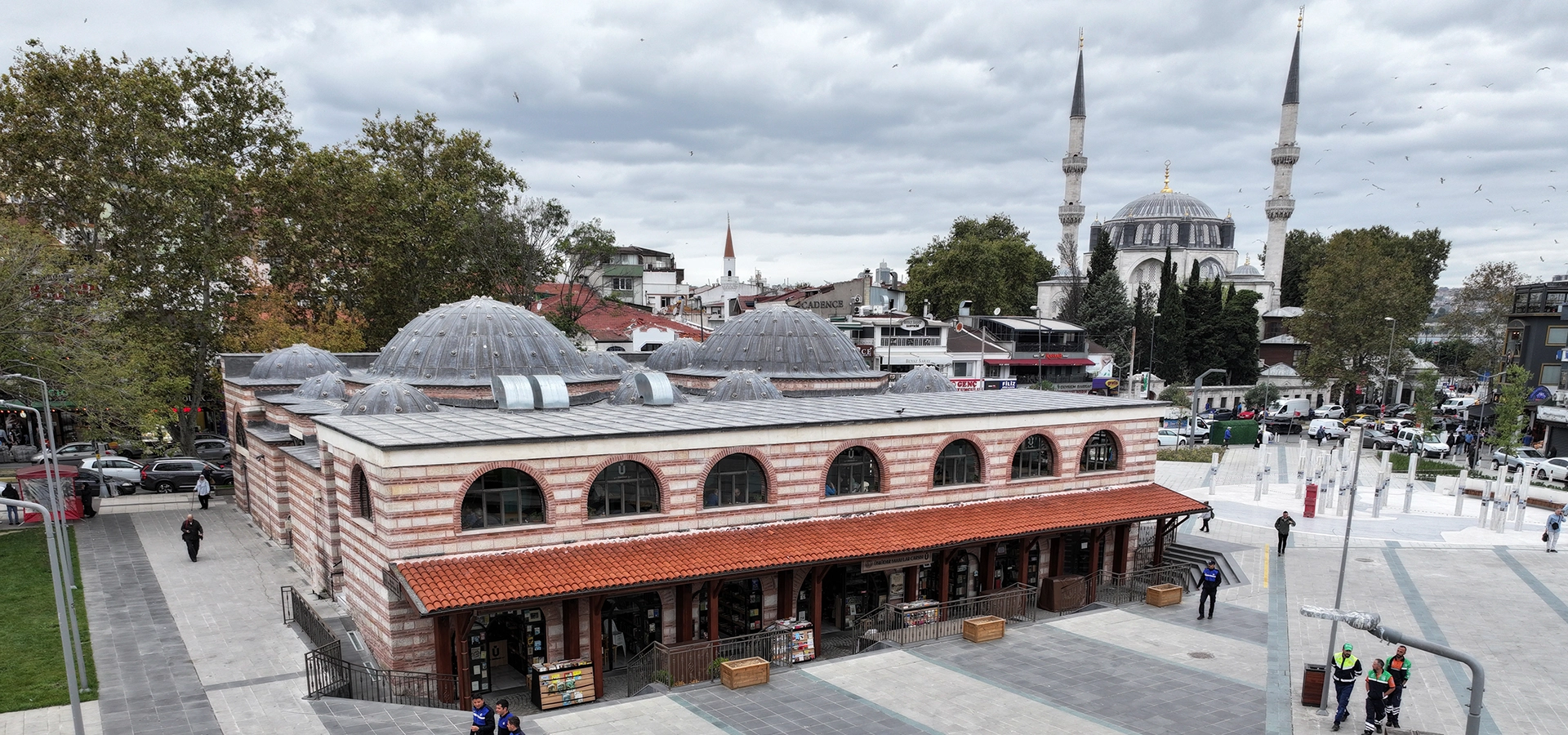
Hidden between
Beyazıt Mosque
and the
Grand Bazaar,
Sahaflar Çarşısı is one of Istanbul's most atmospheric historic marketplaces.
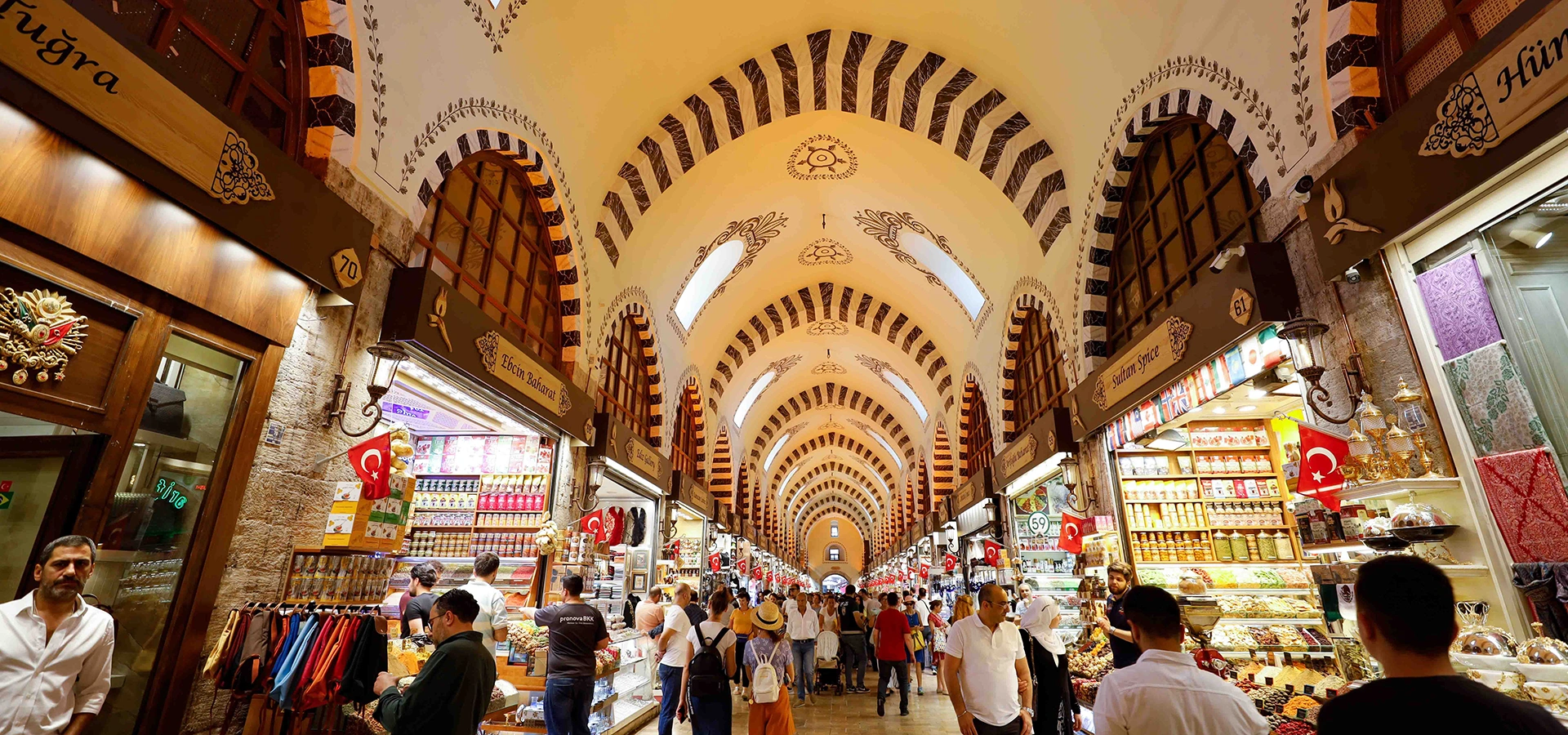
But unlike the city's great bazaars of carpets,
jewelry,
spices
and textiles,
this small courtyard has traditionally traded in something very different:
books,
manuscripts
and knowledge.
The Turkish word
sahaf
traditionally refers to a dealer in old,
used,
rare
or antiquarian books.
For centuries,
Istanbul's sahafs supplied
scholars,
religious students,
teachers,
collectors
and intellectuals
with manuscripts and books covering subjects ranging from theology and law to philosophy,
logic,
literature
and history.
The booksellers were originally concentrated within and around the
Grand Bazaar.
Following major changes in the district during the late 19th century,
particularly after the
1894 Istanbul earthquake,
many moved toward the area beside Beyazıt Mosque that became today's Sahaflar Çarşısı.
A devastating
fire in 1950
destroyed the old wooden market and thousands of books.
The bazaar was subsequently rebuilt,
creating much of the compact courtyard arrangement visitors see today.
At its center stands the bust of
İbrahim Müteferrika,
the pioneering Ottoman printer whose work transformed the history of printed books in the empire.
Today,
Sahaflar remains a fascinating stop for anyone exploring
Ottoman culture,
Istanbul's literary history
or the Beyazıt district.
Some shops specialize in second-hand and older books,
while others offer academic works,
religious texts,
prints,
calligraphy,
maps,
postcards
and more contemporary publications.
15th Century Roots
Istanbul's organized bookselling tradition became closely connected with the Grand Bazaar during the early Ottoman period.
50 Historic Shops
Evliya Çelebi described around fifty booksellers' shops in the 17th-century Grand Bazaar tradition.
1894 Earthquake
After the great Istanbul earthquake, increasing numbers of booksellers relocated toward the present Beyazıt site.
1950 Fire
A catastrophic fire destroyed the old wooden bazaar before it was reconstructed in its present form.