Classic Cars, Historic Ships, Aircraft, Steam Engines, Railways, Scientific Instruments & Industrial Heritage on the Golden Horn

Rahmi M. Koç Museum Istanbul – Complete Visitor Guide

Explore one of Istanbul's most extraordinary museums, where Ottoman industrial buildings on the Golden Horn are filled with classic automobiles, trains, aircraft, historic boats, steam engines, communication technology, scientific instruments, toys and interactive displays.

Explore Rahmi M. Koç Museum

Istanbul's Great Museum of Transport, Industry, Engineering and Everyday Technology

Set on the northern shore of the Golden Horn in Hasköy, the Rahmi M. Koç Museum is one of Istanbul's most enjoyable museums for visitors who want something completely different from palaces, mosques and archaeological collections.

The museum opened to the public on 13 December 1994 inside the restored historic Lengerhane, an Ottoman-era anchor foundry. It later expanded into the neighboring Hasköy Shipyard and a large open-air exhibition area beside the water.

Today, the museum covers approximately 27,000 square metres and brings together industrial heritage connected with transportation, communication, engineering, science, maritime history and technology.

The scale is one of the great pleasures of the visit. You can move from elegant classic cars to railway carriages, from aircraft to steam engines, from historic telephones and scientific instruments to reconstructed workshops, traditional shops, models and full-sized maritime exhibits.

The setting matters just as much as the collection. The museum occupies a former Ottoman industrial zone where anchors were cast, ships were repaired and ferries of Istanbul's maritime network were maintained.

Allow approximately 3–4 hours for a satisfying first visit. Families, transport enthusiasts, engineers, photographers and visitors who enjoy reading technical interpretation can easily spend half a day or longer.

Classic Cars

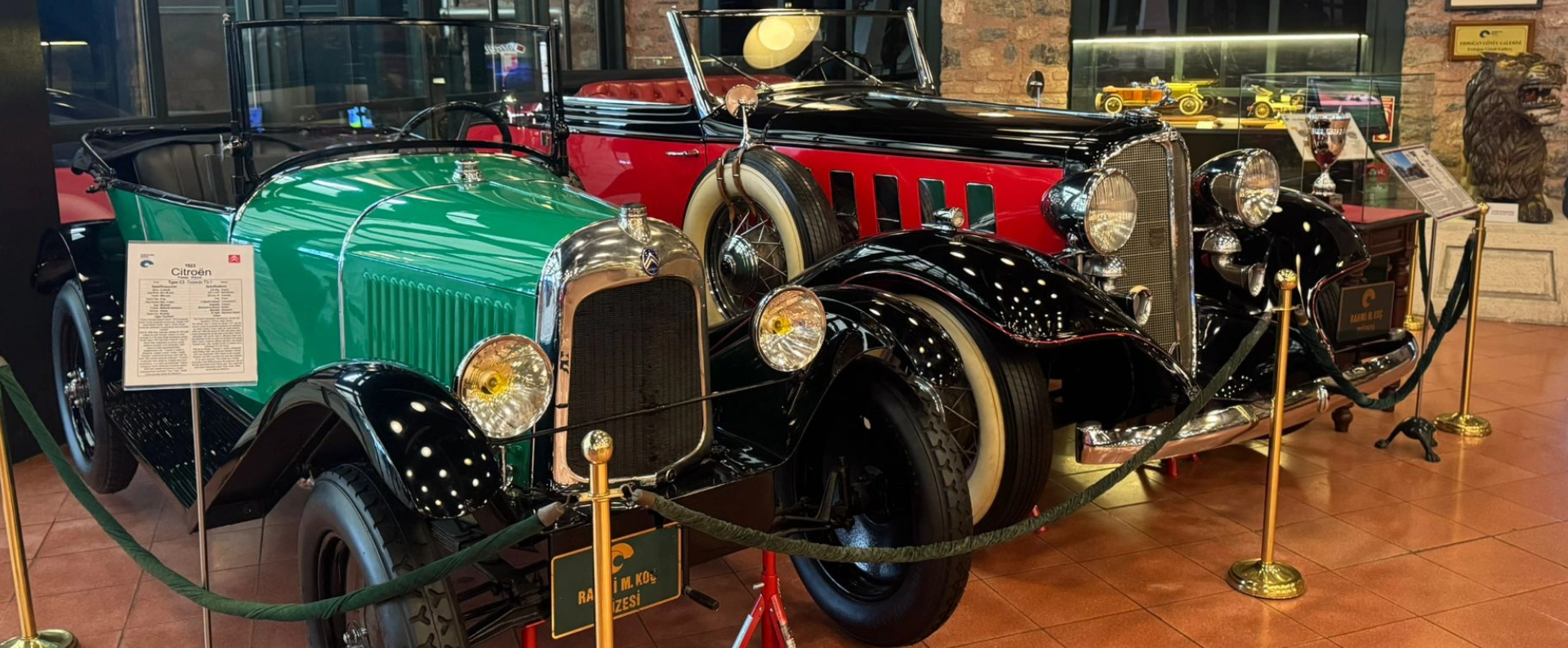
See beautifully preserved automobiles alongside motorcycles, bicycles, horse-drawn vehicles, fire engines and other forms of road transport.

Ships & Aviation

Explore major maritime exhibits, historic boats and aircraft across the dockyard galleries and open-air display areas.

Rail & Steam

Discover locomotives, railway carriages, tram history, steam engines and machinery that transformed modern transportation and industry.

Historic Golden Horn

Experience the collections inside an Ottoman anchor foundry and a 19th-century shipyard on one of Istanbul's most historically important waterways.

Know Before You Go

Rahmi M. Koç Museum Istanbul – Quick Facts

Essential information about Rahmi M. Koç Museum, its historic Lengerhane and Hasköy Shipyard buildings, industrial collections and practical visitor planning.

📍

Location

Rahmi M. Koç Caddesi No. 3, Hasköy, Beyoğlu, Istanbul.

📅

Opened

13 December 1994.

🏭

Original Building

Historic Ottoman Lengerhane, once used as an anchor foundry.

Historic Shipyard

Hasköy Shipyard, established in 1861 for the Şirket-i Hayriye ferry company.

🚗

Famous For

Classic cars, trains, aircraft, ships, steam engines, scientific instruments and communication technology.

📐

Museum Area

Approximately 27,000 square metres across three principal sections.

⏱️

Recommended Visit

Approximately 3–4 hours; half a day for enthusiasts and families.

⛴️

Best Arrival Experience

Hasköy Pier can make the Golden Horn itself part of your museum day.


Industrial Archaeology, Transportation History, Ottoman Maritime Heritage and One of Istanbul's Most Family-Friendly Museums

Why Is Rahmi M. Koç Museum Important?

Rahmi M. Koç Museum is important because it preserves not only machines and vehicles, but the wider history of how people travelled, communicated, produced, measured, built, repaired and understood technology.

The first reason to visit is the breadth of the collection. Few museums in Istanbul allow visitors to move in a single visit from horse-drawn transport to classic automobiles, railways, aircraft, steam power, maritime engineering, telephones, scientific instruments, toys and reconstructed historic workshops.

The second reason is the industrial architecture. The museum is not a modern box filled with old machines. Its collections occupy buildings that were themselves part of Istanbul's industrial and maritime history.

The Lengerhane was an Ottoman anchor foundry, while the Hasköy Shipyard was created for the Şirket-i Hayriye ferry company and later served Istanbul's maritime transport infrastructure for generations.

The third reason is scale. The museum preserves not only small objects behind glass, but full-sized vehicles, boats, aircraft, railway equipment and heavy machinery. That makes technological history physically understandable, especially for younger visitors.

The fourth reason is the museum's strong relationship with everyday life. Telephones, gramophones, cameras, bicycles, tools, toys, shop interiors, workshops and household technologies show how innovation gradually entered ordinary homes, streets and workplaces.

Finally, the museum is one of Istanbul's strongest examples of industrial heritage conservation. Its restoration gives new life to historic manufacturing and shipbuilding buildings while preserving the memory of the Golden Horn as a working industrial landscape.


History of Rahmi M. Koç Museum

The museum's story begins long before it opened in 1994. Its oldest principal building is the historic Lengerhane, a name derived from the Turkish words associated with anchors and chains.

The building was constructed during the reign of Sultan Ahmed III in the early 18th century, on foundations associated with an earlier Byzantine structure. It served the Ottoman naval-industrial world as a place connected with anchor production.

The structure was restored during the reign of Sultan Selim III and later passed through different forms of state ownership and industrial use. During the Republican period, it became associated with the Cibali Tobacco Factory.

A major fire in 1984 destroyed much of the roof, and the historic structure was subsequently left largely abandoned.

In 1991, the building was purchased by the Rahmi M. Koç Museum Foundation for Museology and Culture. After more than two years of restoration, the museum officially opened to visitors on 13 December 1994.

As the collection expanded, the original building was no longer sufficient. The neighboring Hasköy Shipyard was acquired by the foundation in 1996 and restored as a major extension of the museum.

The museum eventually developed into three principal zones: the Mustafa V. Koç Building / historic Lengerhane, Hasköy Shipyard, and Open-Air Exhibition Area.

Early 18th Century

The Lengerhane is constructed during the reign of Sultan Ahmed III as part of the Ottoman naval-industrial landscape.

1861

Hasköy Shipyard is established for the Şirket-i Hayriye ferry company.

1984

A fire severely damages the roof of the historic Lengerhane.

1991

The Lengerhane is acquired for restoration and conversion into a museum.

13 December 1994

Rahmi M. Koç Museum officially opens to the public.

1996 Onward

The Hasköy Shipyard is acquired, restored and incorporated into the expanding museum complex.

The Lengerhane – Mustafa V. Koç Building

The oldest part of the museum is the Lengerhane, today known as the Mustafa V. Koç Building.

The building is historically associated with anchor and chain production for the Ottoman maritime world. Its industrial purpose makes it an unusually appropriate setting for a museum devoted to engineering and transport.

The restored building is arranged across several levels. Its displays include themes such as steam power, rail transport models, internal-combustion engines, timekeeping, scientific instruments, communications, aviation, maritime objects, toys, film and printing.

Unlike a conventional art museum, the building encourages visitors to think about how mechanical systems work. Engines, models and scientific devices are displayed not merely as beautiful objects, but as evidence of experimentation, engineering and technological change.

In 2016, the historic Lengerhane building was officially named after Mustafa V. Koç.

Architecture tip: before entering, pause outside and look at the masonry, courtyard setting and relationship between the historic building and the industrial shoreline. The architecture is an exhibit in its own right.

Hasköy Shipyard

The Hasköy Shipyard is one of the most important historical elements of the museum complex. It was established in 1861 by Şirket-i Hayriye, the company created to operate steam ferry services between Istanbul and settlements along the Bosphorus.

For decades, the shipyard maintained, repaired and eventually built vessels serving the city's passenger transport network. It therefore belongs directly to the history of Istanbul's ferries, urban mobility and maritime engineering.

In 1872, small steam ferries manufactured in Britain and transported to Istanbul in sections were assembled at the shipyard. Later, ships were built there from the beginning, including ferryboats such as Kocataş and Sarıyer in the 1930s.

After Şirket-i Hayriye was nationalized in 1945, the shipyard continued to serve Istanbul's maritime transport system under later institutions.

The museum foundation acquired the shipyard in 1996. Following restoration, its historic industrial halls became home to major sections devoted to road transport, railways, maritime history, machinery, agriculture, living history, full-sized vehicles and interactive displays.

1861

Established for the Şirket-i Hayriye ferry company.

Ferry Maintenance

The shipyard repaired and maintained vessels that carried generations of Istanbul residents.

Shipbuilding

Historic ferries were assembled and later built at the Hasköy facility.

Industrial Archaeology

The surviving dockyard gives visitors rare insight into the working infrastructure behind Istanbul's maritime transport.

Golden Horn Setting

The museum remains directly connected to the waterway that supported shipbuilding, factories and workshops for centuries.

Museum Expansion

The restoration transformed the former industrial complex into the museum's largest collection area.

Why the Golden Horn Is the Perfect Setting

The museum's location on the Golden Horn is not accidental. For centuries, this protected inlet was one of Istanbul's most important zones for maritime activity, shipbuilding, warehousing, manufacturing and transport.

By the 19th and early 20th centuries, the shoreline had become increasingly industrialized. Factories, dockyards, depots and workshops changed the character of districts such as Hasköy while helping power the modernization of the Ottoman capital and later Republican Istanbul.

The museum allows visitors to understand this transformation physically. Historic machinery is displayed where real industrial activity once took place, and maritime exhibits stand only metres from the water that connected Istanbul's neighborhoods.

This makes Rahmi M. Koç Museum more than a collection of vehicles. It is also a museum of place: a preserved fragment of the Golden Horn's industrial past.

Rahmi M. Koç Museum Collections

The museum's collections cover an unusually wide range of industrial, scientific and transport history. The exact arrangement evolves, but the principal themes remain broad enough to reward visitors with very different interests.

Road Transportation

Classic cars, horse-drawn vehicles, bicycles, motorcycles, agricultural vehicles, fire engines and steam-powered road transport.

Rail Transportation

Historic railway carriages, trams, locomotives, models, photographs and railway memorabilia.

Maritime

Full-sized boats, yachts, caiques, maritime engines, ship models and objects connected with sailing and working life at sea.

Aviation

Historic aircraft, aviation technology, important military and civil types, models and open-air displays.

Scientific Instruments

Historic measuring and observatory instruments, timekeeping devices and objects that trace the development of scientific inquiry.

Communication

Telegraphs, telephones, phonographs, gramophones, cameras, televisions, film equipment and other communication technologies.

Models & Toys

Rare handcrafted models, mechanical toys, miniature machines, dollhouses and objects from different countries and periods.

Living History

Reconstructed shops, workshops and historic environments that place tools and everyday technologies back into context.

Classic Cars & Road Transportation

For many visitors, the road transportation galleries are among the immediate highlights of the museum.

The collection follows the development of land transport from the 19th century onward, showing how mobility changed as animal power, steam and internal-combustion engines transformed cities and long-distance travel.

Displays include horse-drawn carriages, hansom cabs, children's carriages, bicycles, motorcycles, agricultural vehicles, fire engines, steam cars and classic automobiles.

The strongest way to explore this section is to compare design across generations. Look at how body shape, wheel construction, lighting, steering, seating, instrument panels and engine placement evolve from one vehicle to the next.

The classic automobiles are visually spectacular, but the smaller vehicles are equally important. Bicycles and motorcycles, for example, help explain how personal mobility expanded long before widespread private car ownership.

Photography tip: the classic-car galleries are among the museum's most photogenic interiors. Try wider compositions showing several vehicles together rather than photographing every car individually.

Rail Transportation Collection

The museum's rail transportation section combines full-sized railway vehicles with models, photographs and historical material explaining how rail transformed travel.

One of the most significant exhibits is the Imperial Coach associated with Sultan Abdülaziz, which connects railway technology with the ceremonial world of the Ottoman court.

Other major subjects include the historic Tünel system, the Kadıköy–Moda tram, locomotives and railway rolling stock.

The section is especially useful for understanding how rail transport developed at several scales: from intercity railway networks to urban trams and Istanbul's unusual underground funicular history.

Model railways and related objects allow visitors to study technical details that can be difficult to observe on full-sized locomotives.

Imperial Coach

A major object linking Ottoman ceremonial travel with the arrival of modern railway technology.

Tünel

Explore material connected with one of Istanbul's most distinctive historic urban transport systems.

Moda Tram

A reminder of the importance of tram networks in Istanbul's neighborhood transport history.

Locomotives

Full-sized rail machinery reveals the scale and mechanical complexity of steam-era transport.

Aviation Collection

The museum's aviation collection extends across indoor galleries and the open-air display area.

Its purpose is not simply to gather aircraft, but to illustrate major steps in the development of flight, from early experiments and models to military and civil aviation.

Among the best-known aircraft represented in the official collection are the Douglas DC-3 Dakota, F-104 Starfighter, B-24 Liberator, De Havilland Vampire, HFB-320 Hansa Jet, Dornier Do 28 and Bell Cobra AH-1S.

The Douglas DC-3 is especially important in aviation history because the type helped transform commercial air travel and military transport during the 20th century.

For children, the full-sized aircraft make engineering immediately understandable. For enthusiasts, details such as cockpit form, landing gear, propulsion and airframe construction reward much slower viewing.

Weather note: some of the museum's most dramatic aviation objects are outdoors. On rainy, very hot or windy days, plan your route so you can move between the open-air displays and indoor galleries comfortably.

Maritime Collection

The maritime collection is especially meaningful because the museum stands inside a historic shipyard on the Golden Horn.

Displays include full-sized boats and yachts, ship models, outboard motors, caiques, canoes and maritime machinery.

One highlight is the museum's Bosphorus excursion caique, a vessel type closely associated with elite and ceremonial travel on Istanbul's waterways.

The official collection also includes vessels such as Kısmet, Tekel 15, the salvage tug Vernicos Irini, Steam Yacht Gonca, Uzaklar and Liman 2.

Together, these objects reveal different maritime worlds: private travel, working boats, steam navigation, recreation, coastal transport and the technical culture of engines, hulls and ship repair.

Spend time looking beyond the vessels themselves. Propellers, engines, navigation equipment, models and shipyard infrastructure explain how maritime transport depended on a vast network of specialized labor and engineering.

Fenerbahçe Ferry

One of the museum's most atmospheric large-scale exhibits is the historic Fenerbahçe Ferry, which joined the museum in 2009.

The vessel preserves a direct connection with Istanbul's famous ferry culture, when passenger steamers were essential links between the city's shores.

Today, the ferry is more than an exterior object. It has been used for museum displays, temporary exhibitions, educational activities and visitor facilities.

The museum also operates a nostalgic café aboard the vessel, allowing visitors to pause inside a setting that recalls the social world of Istanbul ferry travel.

For first-time visitors, this is one of the clearest examples of the museum's philosophy: rather than reducing transport history to photographs, it preserves the actual spaces in which people travelled.

Steam Engines & Industrial Machinery

Steam power lies at the heart of modern industrial history, and Rahmi M. Koç Museum gives visitors many opportunities to understand its mechanical logic.

The collections include steam engines, marine steam machinery, engine models and large industrial equipment that reveal how heat, pressure and mechanical motion were converted into usable power.

These objects are important because they connect several museum themes at once. Steam drove factories, ships, railways, pumps and industrial workshops, making it one of the key technologies behind 19th-century modernization.

Visitors who normally find engineering intimidating should spend time with the models. Smaller working principles can make the pistons, valves, flywheels and power transmission systems of full-sized machines much easier to understand.

Scientific Instruments Collection

The scientific instruments collection in the Mustafa V. Koç Building reveals another side of technological history: the tools used to measure, observe and explain the natural world.

The collection includes historic measurement instruments, observatory devices, timekeeping equipment and astronomical objects.

Among the most remarkable objects is a 14th-century celestial globe, placing the museum's story of science centuries before the age of motor transport.

A 19th-century telescope and other observatory instruments show how improved precision changed navigation, astronomy and scientific research.

This section is especially rewarding when seen together with the communication galleries. Both demonstrate how technological progress depends not only on machines that move, but on accurate information, measurement and observation.

Communication Instruments

The museum's communication collection traces the extraordinary transformation of how people send messages, record sound, capture images and share information.

Displays include telegraphs, telephones, phonographs, gramophones, cameras, television sets, film equipment and related technologies.

Objects such as the Edison Telegraph and Edison Standard Phonograph connect the collection with the global technological revolution of the late 19th and early 20th centuries.

These galleries are particularly effective for younger visitors because they turn everyday modern actions into historical questions. How did people send urgent messages before mobile phones? How was recorded sound produced before digital files? How did moving images reach an audience before modern screens?

The answers are preserved in machines whose mechanical complexity is often visible in a way that today's sealed electronic devices rarely allow.

Models & Toys

One of the museum's most charming collections is devoted to models and toys.

Rare handcrafted models dating from the 18th century onward appear throughout the steam, rail, maritime, aviation and road-transport galleries.

These miniatures are more than decorative. A good technical model can reveal how a machine is assembled, how parts relate to one another and how engineering design changes across time.

The museum also preserves mechanical toys, toy ships, toy cars, miniature steam engines, dollhouses and other objects that reveal how children encountered the modern technological world through play.

Families should not rush this section. Children who become tired by long technical labels often reconnect immediately with the museum through toys, miniatures and moving mechanisms.

Living History & the Historic Bazaar

Machines make more sense when they are placed back into the world in which people actually used them. That is the idea behind the museum's living-history displays.

A recreated historic bazaar contains shop interiors including a scientific instruments shop, pharmacy, shoemaker, blacksmith, clock repairer, chandler and toy shop.

Tools, furniture, products and period figures reconstruct the atmosphere of workplaces that once depended on specialized hand skills and mechanical knowledge.

The pharmacy, for example, combines old medical tools, mortars, ingredients and historic equipment, while the blacksmith's shop places ironworking tools around a traditional forge.

The clock repairer's shop shows the precision equipment required to maintain timepieces, while the chandler connects directly with Istanbul's maritime world through ropes, navigation objects, lanterns and other ship-related supplies.

Family tip: this is one of the best sections for children because the historical environments turn separate museum objects into recognizable stories about real people and professions.

Open-Air Exhibition Area

Some objects are simply too large to understand inside a conventional gallery. The museum's open-air exhibition area solves that problem by placing major vehicles and industrial machinery in a spacious setting between the historic buildings and the Golden Horn.

Large aircraft, ships, engines and heavy mechanical equipment can be examined from a distance, allowing visitors to appreciate their true scale.

One of the most dramatic objects is the approximately 30-metre-high Turgut Alp floating sheerlegs, a reminder that maritime industry depended on enormous lifting equipment as well as ships themselves.

The open-air zone is also important visually. Historic industrial architecture, metal machinery, aircraft and the waterfront create some of the museum's strongest photographic compositions.

Atatürk Collection

The Hasköy Shipyard complex also includes an Atatürk Collection, adding political and social history to the museum's wider story of technology and modernization.

The section should be understood within the museum's broader context. The late Ottoman and early Republican periods were eras of intense transformation in transport, industry, communication, education and public infrastructure.

Objects associated with Mustafa Kemal Atatürk therefore connect personal historical memory with the technological changes that reshaped the new Republic.

Visitors with a particular interest in Republican history should allow time for this section rather than treating the museum only as a vehicle collection.

Activities & Experiences

Rahmi M. Koç Museum is designed as more than a sequence of display cases. It also offers activities and visitor experiences that can change the rhythm of a museum day.

Golden Horn Boat Tours

The museum offers separate boat tours on the Golden Horn. Operation depends on current schedules and weather conditions.

Fenerbahçe Ferry

Step into one of Istanbul's preserved historic ferry environments and pause at the nostalgic onboard café when available.

Carousel

A traditional carousel adds a playful dimension for younger visitors and operates when conditions permit.

Children's Playground

An outdoor social space gives younger visitors a break from the galleries when weather conditions are suitable.

Education Programs

Workshops and museum-learning activities use vehicles, science and technology to make the collections more interactive.

Temporary Exhibitions

Changing exhibitions can add photography, maritime history, design or other cultural subjects to the permanent collections.

Before visiting: boat tours, family activities, workshops and temporary exhibitions can change by season, weather and program. Check the museum's current schedule if one of these experiences is essential to your visit.

Cafés & Restaurants at Rahmi M. Koç Museum

Because the museum is large, a café break can be part of the visit rather than an interruption.

Visitor facilities currently include options such as Arçelik Telve Café in the classic-car area and the nostalgic Fenerbahçe Ferry Café.

The ferry café is particularly atmospheric because it preserves the feeling of stopping for tea and a simple Istanbul-style snack aboard a historic passenger vessel.

The museum complex has also been associated with additional food and beverage venues around the historic buildings, so current opening arrangements should be checked on the day of your visit.

Planning tip: if you expect to spend four hours or more in the museum, schedule your café break after the main Hasköy Shipyard galleries and before returning to the remaining indoor collections.

What to See at Rahmi M. Koç Museum

Historic Lengerhane

Begin with the Ottoman anchor foundry where the museum first opened in 1994.

Hasköy Shipyard

Explore a real 19th-century shipyard connected with Istanbul's historic ferry system.

Classic Cars

See one of the museum's most visually striking collections of historic road vehicles.

Imperial Railway Coach

Connect Ottoman court history with the arrival of modern rail transport.

Aircraft

Look for the Douglas DC-3 and other major civil and military aviation exhibits.

Maritime Collection

Study full-sized boats, caiques, yachts, working vessels and marine engines.

Fenerbahçe Ferry

Experience the atmosphere of Istanbul's historic passenger-ferry culture.

Steam Engines

Understand the technology that powered ships, railways, workshops and factories.

Scientific Instruments

See historic observatory and measurement instruments, including a 14th-century celestial globe.

Communication Collection

Trace the development of telegraphs, telephones, recorded sound, cameras and television.

Historic Bazaar

Walk through reconstructed shops and workshops filled with tools, products and period details.

Open-Air Area

Finish with monumental machinery, aircraft and waterfront views across the Golden Horn.

Best Way to Visit Rahmi M. Koç Museum

Begin with the historic Lengerhane. Understanding the original anchor foundry first gives the entire museum a stronger sense of place.

Move next into the Hasköy Shipyard and prioritize the large transport collections while your energy is highest: classic cars, railways, maritime objects and major machinery.

Continue toward the open-air exhibition area before the weather or afternoon light changes. This is where the scale of the museum becomes most dramatic.

Pause around the Fenerbahçe Ferry and waterfront, then take a café break if needed.

Afterwards, return to the more detailed indoor displays devoted to scientific instruments, communication, models, toys and living history. These smaller objects make more sense once you have already experienced the museum's large machines and vehicles.

If a Golden Horn boat tour or temporary activity is operating, build it into the middle or end of the visit rather than trying to rush through the collections beforehand.

Stop 1 Historic Lengerhane / Mustafa V. Koç Building
Stop 2 Hasköy Shipyard and industrial architecture
Stop 3 Classic cars and road transportation
Stop 4 Railway, maritime and aviation collections
Stop 5 Open-air display area and Golden Horn waterfront
Stop 6 Fenerbahçe Ferry and café break
Finish Science, communication, models, toys and living-history galleries

Rahmi M. Koç Museum Visitor Information

Rahmi M. Koç Museum is located at Rahmi M. Koç Caddesi No. 3, Hasköy 34445, Beyoğlu, Istanbul.

The museum's current official visiting hours are Tuesday–Friday 09:30–17:30 and Saturday–Sunday 10:00–19:00.

The museum is currently closed on Mondays. The last ticket sale is generally 30 minutes before closing.

The museum also states that it closes on the eve and first day of religious holidays, 31 December and 1 January.

Museum admission is ticketed, and Golden Horn boat tours require a separate fee. Because ticket prices are periodically updated, check the museum's official visitor information shortly before travel rather than relying on an older printed figure.

The museum has paid, limited parking for visitors, but public transport or ferry access can be easier during busy periods.

Address Rahmi M. Koç Caddesi No. 3, Hasköy, Beyoğlu, Istanbul
Tuesday–Friday 09:30–17:30
Saturday–Sunday 10:00–19:00
Closed Monday
Last Ticket 30 minutes before closing
Boat Tours Separate ticket; operation depends on weather and current schedule
Parking Paid and limited
Recommended Visit 3–4 hours; half day for a detailed visit
Important current-access note: opening hours, ticket prices, boat-tour schedules, workshops, temporary exhibitions and individual exhibit access can change. Always check the museum's official information shortly before travel.

Practical Tips for Visiting Rahmi M. Koç Museum

Avoid Monday

The museum is currently closed on Mondays.

Allow 3–4 Hours

The museum is much larger than many first-time visitors expect.

Start with Large Exhibits

See classic cars, railways, aviation and maritime displays before fatigue sets in.

Wear Comfortable Shoes

You will move through several buildings, large halls and outdoor areas.

Check the Weather

Part of the experience takes place outdoors beside the Golden Horn.

Check Boat Tours

Golden Horn boat activities depend on current scheduling and weather conditions.

Plan a Café Break

A short pause makes a long museum visit much more enjoyable, especially with children.

Use Public Transport

Parking is limited, while bus, Metrobus and ferry connections serve the Hasköy area.

Best Time to Visit Rahmi M. Koç Museum

Tuesday Morning

A strong choice for a quieter visit immediately after the Monday closure.

Weekday Opening

Best for careful viewing before school groups and family traffic build later in the day.

Saturday

Longer weekend hours provide more flexibility for visitors planning a half-day experience.

Sunday

A good family day, although popular galleries and children's facilities can be busier.

Clear Weather

Best for enjoying aircraft, heavy machinery, waterfront exhibits and possible Golden Horn activities.

Winter

Still an excellent museum choice because large parts of the collection are indoors, but dress for the open-air areas.

How Much Time Do You Need at Rahmi M. Koç Museum?

1.5 Hours

Enough only for a highly selective visit focused on classic cars, aircraft and one or two major galleries.

2 Hours

A fast highlights visit, but you will need to skip many smaller collections and historic interiors.

3 Hours

A good minimum for first-time visitors who want to see the principal transport and industrial sections.

4 Hours

Ideal for most visitors who want to explore the museum properly without rushing.

Half Day

Best for families, engineers, car enthusiasts, railway fans and visitors who enjoy detailed interpretation.

Full Golden Horn Day

Combine the museum with Aynalıkavak Pavilion, Hasköy, Fener, Balat or other heritage sites around the Golden Horn.

Is Rahmi M. Koç Museum Good for Children?

Yes. Rahmi M. Koç Museum is widely considered one of Istanbul's strongest museum choices for families with children.

The reason is simple: many exhibits are large, recognizable and mechanical. Children can understand the basic idea of a car, train, aircraft, boat or engine even before they can follow detailed historical labels.

The museum also includes toys, models, reconstructed shops, interactive educational areas, a playground and a carousel, although some activities depend on weather and current operating schedules.

Older children can use the collections to explore larger questions: How does an engine turn heat into movement? How did people communicate before telephones? Why did steam power change the world? How are aircraft designed to fly? How did ferries shape Istanbul?

Family strategy: begin with classic cars, aircraft and large maritime objects; take a break around the waterfront or café; then return to toys, models, science and living-history displays.

Photography at Rahmi M. Koç Museum

Rahmi M. Koç Museum is one of Istanbul's most visually varied museums, with subjects ranging from polished automobiles to raw industrial architecture.

The classic-car galleries offer elegant lines, reflections and repeated forms, while the aircraft and open-air displays work best with wider compositions that show scale.

The historic Lengerhane and Hasköy Shipyard are equally important photographic subjects. Do not focus only on vehicles; include stone, brick, metal structures, dockyard spaces and the waterfront.

The Fenerbahçe Ferry offers strong details connected with Istanbul's passenger-ferry culture, while the Golden Horn provides changing light throughout the day.

Photography rules can vary for temporary exhibitions, professional equipment, tripods, flash and commercial shoots. Follow current museum signs and staff instructions.

Best Vehicles

Classic cars and historic railway equipment.

Best Large-Scale Subject

Aircraft and monumental machinery in the open-air display area.

Best Architecture

The restored Lengerhane and Hasköy Shipyard buildings.

Best Waterfront Subject

Fenerbahçe Ferry and industrial exhibits against the Golden Horn.

Best Details

Instrument panels, engines, badges, gauges, mechanical parts and historic shop interiors.

Professional Shoots

Special arrangements may be required; check directly with the museum before planning commercial photography.

Accessibility

Rahmi M. Koç Museum is a large, multi-building complex rather than a single compact gallery. Visitors should therefore plan around walking distance as well as stairs or changes in level.

The principal visitor areas include restored historic buildings, large exhibition halls, outdoor surfaces and waterfront zones. Conditions can differ between sections.

Visitors who use a wheelchair, have limited mobility or need step-free routes should contact or check the museum's current visitor information before arrival, especially if a particular historic vessel, temporary exhibition or activity is essential.

Families with strollers should also remember that moving between buildings can involve outdoor sections, so weather conditions matter.

Accessibility tip: because the museum is extensive, prioritize the collections most important to you and ask staff for the easiest route between them when you arrive.

How to Get to Rahmi M. Koç Museum

The museum stands in Hasköy on the northern shore of the Golden Horn, west of central Beyoğlu and opposite the historic districts of Fener and Balat.

One of the most enjoyable approaches is by ferry to Hasköy Pier, when the current City Lines schedule works with your visit. The museum's official transport information identifies Hasköy Pier as a public-transport option.

By bus, the museum recommends services using the Kırmızı Minare stop. Current listed routes include 36T, 38T, 47E, 50E, 50N, 54HŞ and 54HT.

Visitors using the Metrobus can travel to Halıcıoğlu and continue toward Hasköy by local transport or taxi.

From Eminönü, bus and ferry connections can be especially practical. From Taksim, direct or connecting bus services toward Hasköy avoid the need to cross the old city first.

A taxi is straightforward from Galata, Karaköy, Taksim, Sultanahmet or Eyüp, but journey time can vary significantly with Golden Horn traffic.

By Ferry

Use Hasköy Pier when the current Golden Horn / City Lines timetable suits your visit.

By Bus

Use services stopping at Kırmızı Minare in Hasköy.

By Metrobus

Travel to Halıcıoğlu, then continue toward the museum by local connection or taxi.

From Eminönü

Golden Horn bus and ferry connections make Eminönü a useful starting point.

By Taxi

Ask for Rahmi M. Koç Müzesi, Hasköy; allow extra time during heavy traffic.

Parking

The museum states that paid parking is available but spaces are limited.

Suggested Rahmi M. Koç Museum & Golden Horn Heritage Route

Begin at Rahmi M. Koç Museum in the morning and allow approximately 3–4 hours. Prioritize the Lengerhane, Hasköy Shipyard, classic cars, railways, maritime collection and aircraft.

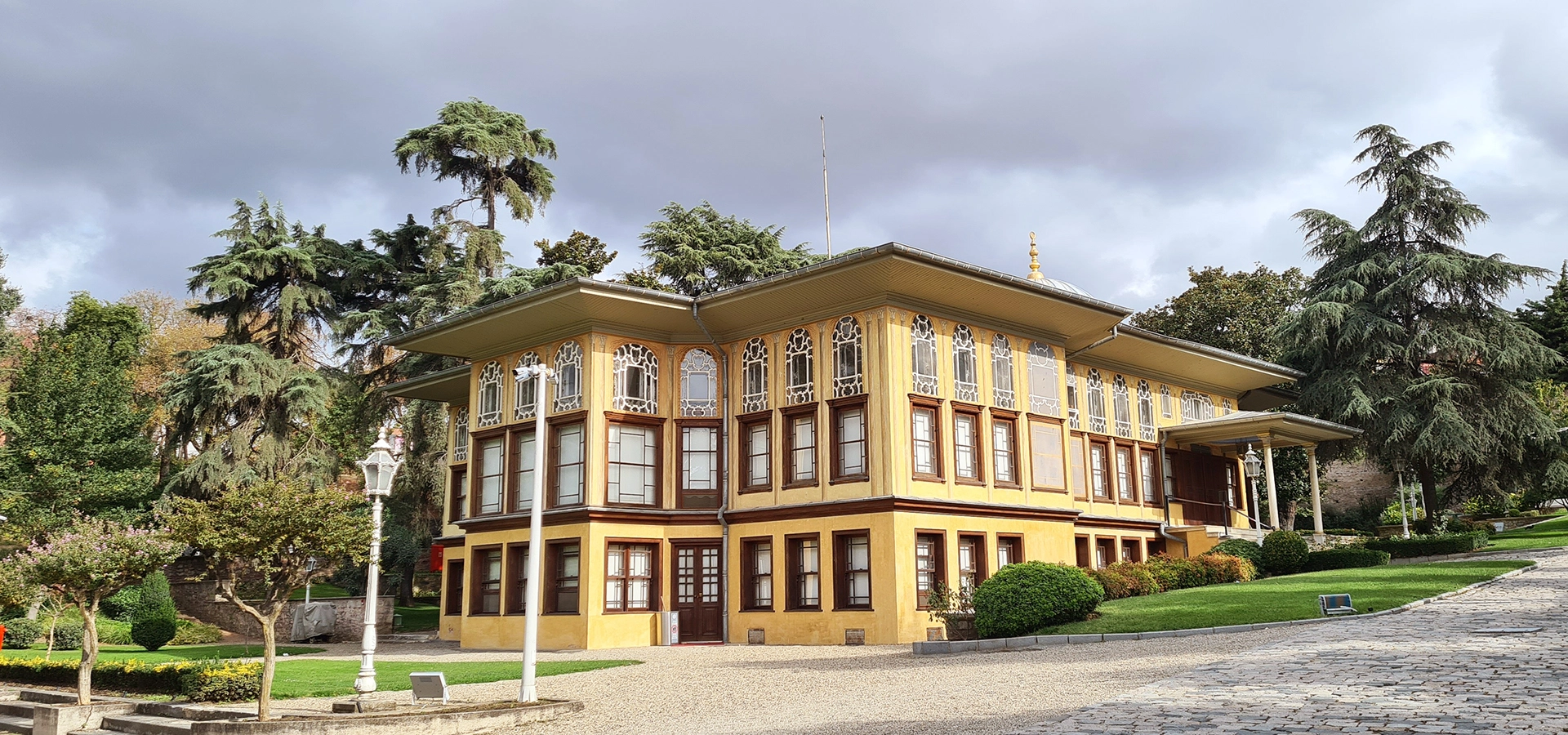
After the museum, continue a short distance toward Aynalıkavak Pavilion, one of the surviving imperial pavilions associated with the historic Golden Horn shoreline.

Then cross or continue around the Golden Horn toward Fener and Balat, where the story changes from industrial Istanbul to religious, residential and mercantile heritage.

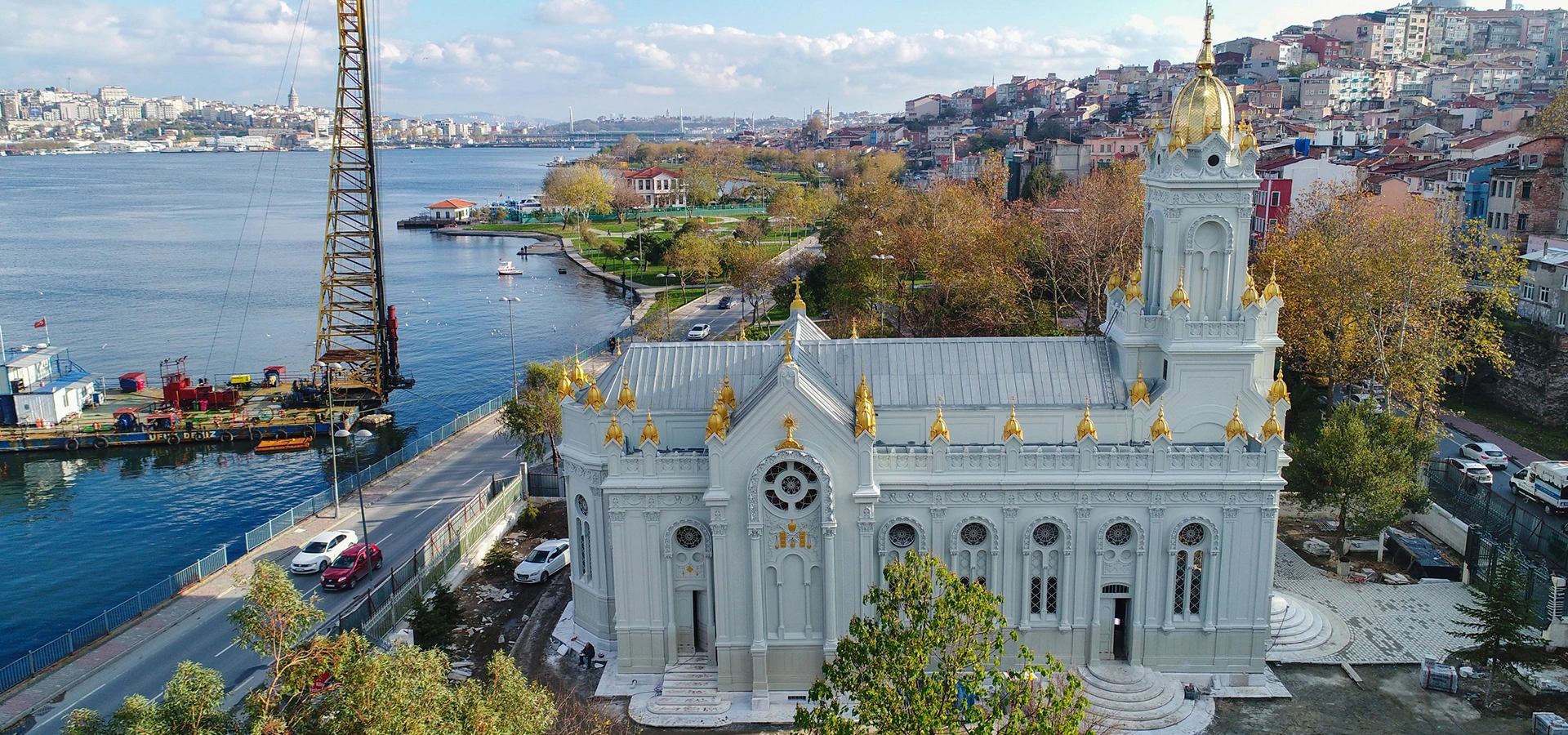
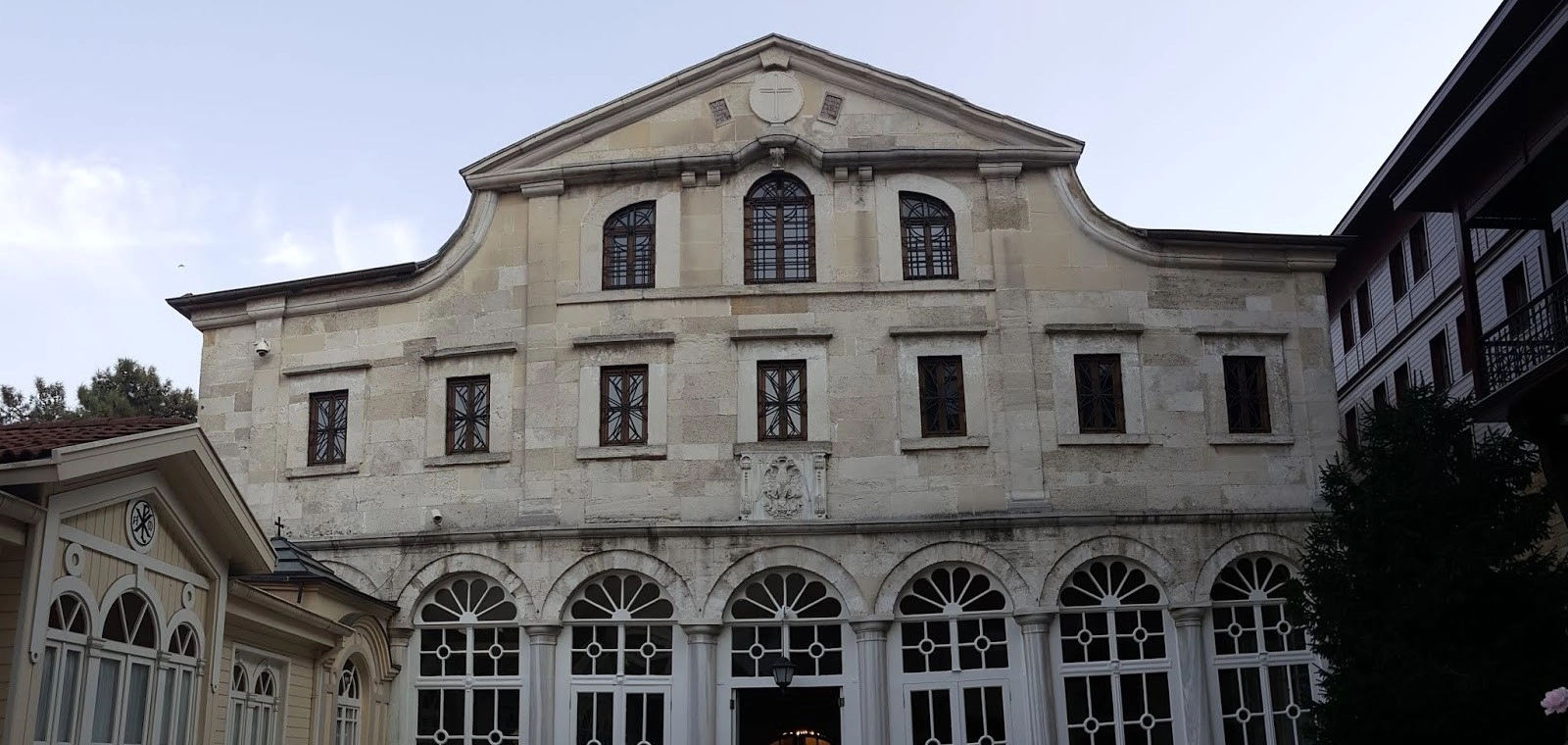
Visit Bulgarian St. Stephen Church on the waterfront, then continue to the Ecumenical Patriarchate and Church of St. George.

If time remains, continue uphill toward St. Mary of the Mongols, one of the most historically fascinating surviving Byzantine churches in the city.

This route works especially well because it tells several Golden Horn stories in one day: Ottoman industry, maritime transport, imperial architecture, Orthodox Christianity, neighborhood history and Istanbul's multicultural urban landscape.

Stop 1 Rahmi M. Koç Museum – allow 3–4 hours
Stop 2 Aynalıkavak Pavilion
Stop 3 Fener & Balat waterfront
Stop 4 Bulgarian St. Stephen Church
Stop 5 Ecumenical Patriarchate & Church of St. George
Finish St. Mary of the Mongols or a Golden Horn waterfront dinner

What to See Near Rahmi M. Koç Museum

Aynalıkavak Pavilion

Visit a surviving Ottoman imperial pavilion only a short distance from the museum in the Hasköy–Kasımpaşa area.

Miniatürk

Continue farther up the Golden Horn to a large open-air park presenting scale models of important monuments from Türkiye and the former Ottoman world.

Fener & Balat

Explore historic streets, colorful houses, churches, synagogues and the layered communities of the Golden Horn.

Bulgarian St. Stephen Church

See the remarkable cast-iron Orthodox church standing directly beside the Golden Horn.

Ecumenical Patriarchate

Visit the spiritual center of the Greek Orthodox world in historic Fener.

St. Mary of the Mongols

Climb into the historic Fener hills to see one of Istanbul's most unusual surviving Byzantine churches.

Eyüp Sultan

Continue west along the Golden Horn toward one of Istanbul's most important religious districts.

Golden Horn Waterfront

Use the shoreline itself as part of the experience, connecting industrial, imperial and neighborhood histories.

Planning Your Visit

Frequently Asked Questions About Rahmi M. Koç Museum

Where is Rahmi M. Koç Museum?

The museum is located at Rahmi M. Koç Caddesi No. 3, Hasköy, Beyoğlu, Istanbul, on the northern shore of the Golden Horn.

When did Rahmi M. Koç Museum open?

The Istanbul museum opened to the public on 13 December 1994.

Who founded Rahmi M. Koç Museum?

The museum was established through the Rahmi M. Koç Museum Foundation for Museology and Culture and developed around the collection and industrial-history interests of Rahmi M. Koç.

What was the museum building originally?

The original Lengerhane was an Ottoman industrial building associated with the production of anchors and chains.

What is Hasköy Shipyard?

It is a historic shipyard established in 1861 for the Şirket-i Hayriye ferry company and later incorporated into the museum complex after restoration.

What is Rahmi M. Koç Museum famous for?

It is famous for its unusually broad collections of classic cars, railways, aircraft, maritime exhibits, steam engines, scientific instruments, communication technology, models and toys.

Are there classic cars at the museum?

Yes. Classic automobiles are one of the museum's most popular sections, alongside motorcycles, bicycles, horse-drawn vehicles and other forms of road transportation.

Are there aircraft at Rahmi M. Koç Museum?

Yes. The aviation collection includes important aircraft and models displayed in both indoor and open-air areas.

Is the Douglas DC-3 at Rahmi M. Koç Museum?

Yes. The official aviation collection includes a Douglas DC-3 Dakota, one of the most historically important transport aircraft of the 20th century.

Does the museum have trains?

Yes. The rail collection includes historic carriages, locomotives, tram material, models and railway memorabilia.

What is the Imperial Railway Coach?

It is a historic railway carriage associated with Sultan Abdülaziz, connecting Ottoman court history with the development of rail travel.

Does the museum have ships and boats?

Yes. Its maritime collection includes full-sized boats, yachts, working vessels, caiques, ship models and marine engines.

Is the Fenerbahçe Ferry at the museum?

Yes. The historic Fenerbahçe Ferry has been part of the museum since 2009 and is used for visitor, exhibition and educational functions.

Does the museum offer Golden Horn boat tours?

Yes. The museum currently lists Golden Horn boat tours as a separate activity, subject to weather, operating conditions and the current schedule.

What are the current opening hours?

Current official hours are Tuesday–Friday 09:30–17:30 and Saturday–Sunday 10:00–19:00. Always verify shortly before travel.

Which day is Rahmi M. Koç Museum closed?

The museum is currently closed on Mondays.

How much is admission?

Admission is ticketed and prices are periodically revised. Check the museum's current official visitor page before travel, especially if you also want a separate Golden Horn boat-tour ticket.

How long should I spend at Rahmi M. Koç Museum?

Allow approximately 3–4 hours for a satisfying first visit. Families and transport enthusiasts can easily spend half a day.

Is Rahmi M. Koç Museum good for children?

Yes. Cars, aircraft, boats, trains, toys, models, recreated shops and family activities make it one of Istanbul's strongest museums for children.

Is there a carousel?

Yes. The museum currently lists a carousel and children's playground, available when weather and operating conditions permit.

Is there a café?

Yes. Current museum facilities include café options such as Arçelik Telve Café and the Fenerbahçe Ferry Café.

Can I reach the museum by ferry?

Yes. The museum's official transport information identifies Hasköy Pier as a public-transport option. Check the current City Lines timetable before travel.

What is the nearest Metrobus station?

The museum identifies Halıcıoğlu as the relevant Metrobus stop, with onward local transport required to reach the museum.

Is parking available?

Yes, but the museum states that paid parking is limited. Public transport can be easier on busy weekends.

Is photography allowed?

Photography conditions can vary by exhibit, temporary exhibition and equipment type. Follow current museum signs and staff instructions, especially for professional shoots, flash and tripods.

Is Rahmi M. Koç Museum worth visiting?

Absolutely. It is one of Istanbul's most distinctive museums, especially for visitors interested in cars, planes, trains, ships, engineering, industrial archaeology, science, technology, family activities and the history of the Golden Horn.

Responsible Visiting

Do Not Touch Objects

Historic vehicles, instruments and machinery can be damaged by unnecessary physical contact.

Respect Barriers

Large industrial exhibits can contain moving, sharp or mechanically sensitive components.

Watch Children Closely

The museum is exciting for younger visitors, but large machinery and outdoor areas require attentive supervision.

Follow Photography Rules

Temporary exhibitions and professional photography can have separate restrictions.

Protect Historic Interiors

The Lengerhane and Hasköy Shipyard are heritage structures as well as exhibition spaces.

Respect Activity Instructions

Boat tours, family attractions and special experiences may have separate safety procedures.

Private Golden Horn & Istanbul Heritage Experiences

Connect Rahmi M. Koç Museum with Hasköy, Aynalıkavak Pavilion, Fener, Balat, historic churches, Golden Horn neighborhoods, Ottoman maritime history and Istanbul's extraordinary industrial heritage through a private route shaped around your interests and without compulsory shopping stops.

Custom Rahmi M. Koç Museum & Golden Horn Experience

Choose a private Istanbul route focused on transportation history, industrial archaeology, classic vehicles, maritime heritage, Ottoman urban history, Hasköy and the multicultural neighborhoods surrounding the Golden Horn.

Continue Through Historic Fener & Balat

Extend the route across the Golden Horn into neighborhoods shaped by Orthodox Christianity, Ottoman urban life, merchant communities and centuries of architectural change.

Private Istanbul tours Golden Horn Fener Balat Ottoman history

Private Istanbul Tours

Create a private Istanbul itinerary around Ottoman history, Byzantine Constantinople, industrial heritage, historic neighborhoods, museums, religious monuments, Bosphorus architecture and hidden corners of the city.

View Private Istanbul Tours