Local Heritage & Researched Context
Sarı Saltuk Tomb Tradition – History & Significance
Explore the evidence, historical landscape and distinctive features of Sarı Saltuk Tomb Tradition.
Sarı Saltuk is a major figure in Anatolian and Balkan devotional traditions. Sites associated with him must be approached as places of memory and veneration; multiple attributed tombs exist and a single verified burial location should not be asserted.
The Niğde/Bor association is particularly useful for discussing the spread of saintly narratives, local ritual and the way communities preserve identity through sacred geography.
Sarı Saltuk appears in medieval and later Turkish-Balkan traditions as a wandering holy figure and culture hero. His memorial places are scattered across a much wider geography than Niğde, reflecting the transmission of stories by communities rather than a single documented grave chain.
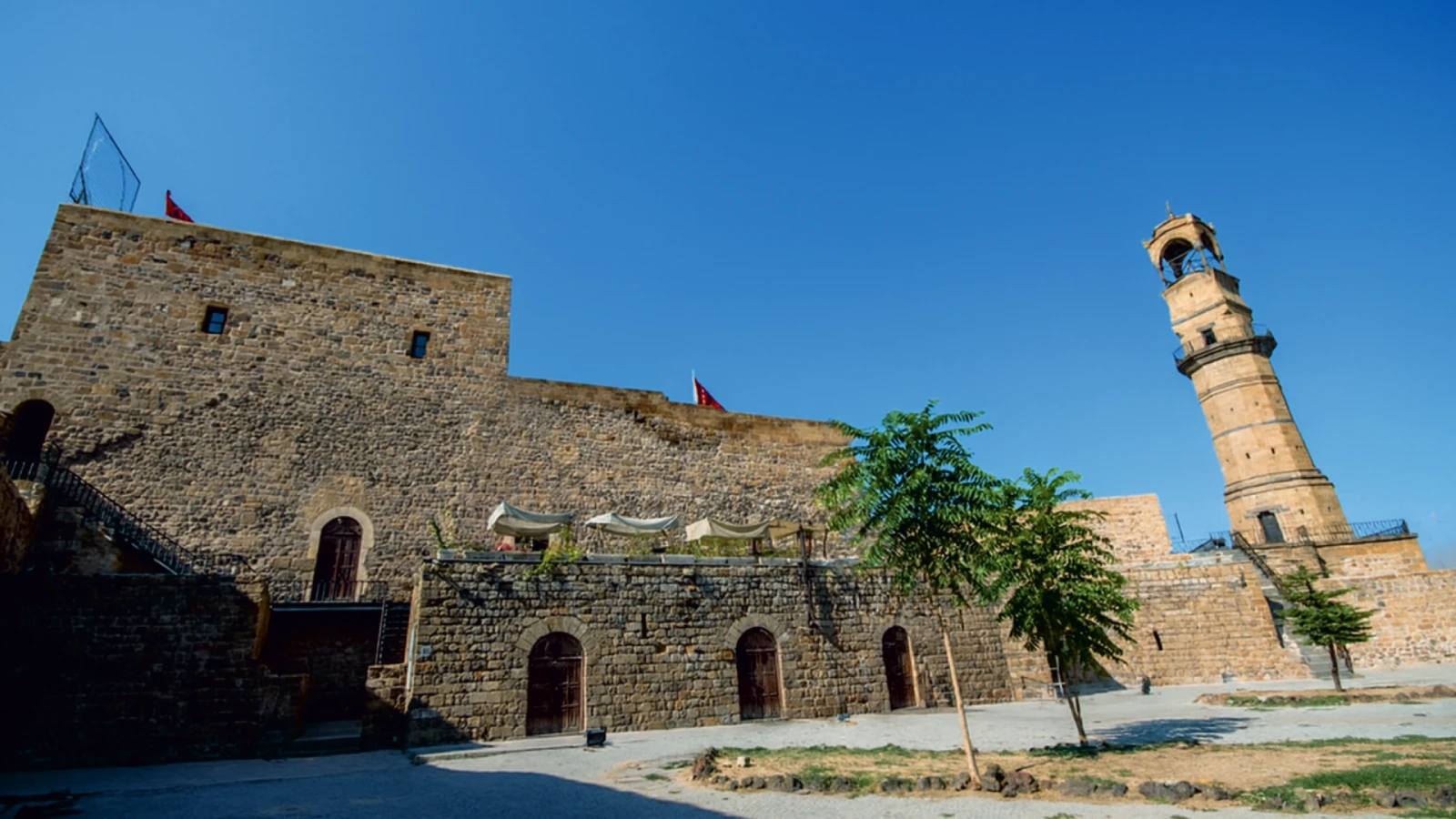
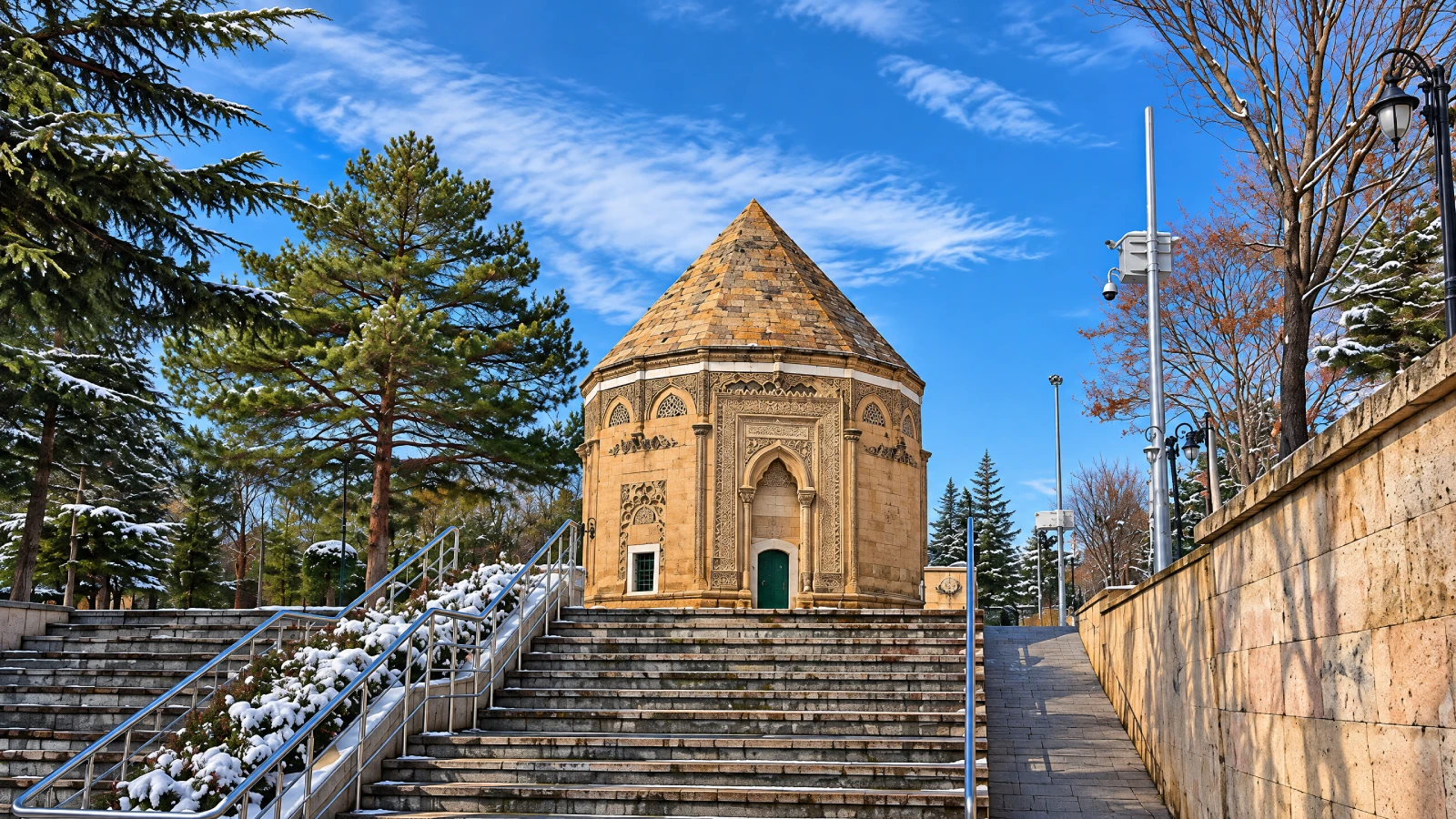
The Niğde Provincial Directorate includes a Sarı Saltuk Tomb in its official photo inventory. That establishes an officially recognised local memorial, but the short gallery entry does not supply a verified burial identification, patron or construction date. The page therefore distinguishes local attribution from archival and epigraphic proof.
The value of the place is devotional and anthropological: how stories travel, how different regions preserve their own forms of remembrance, and how people use shrines in daily practice. Visitors should never claim one local site invalidates the memory of another.
Sarı Saltuk is commemorated through traditions spread across several regions of Anatolia and the Balkans. A Niğde memorial should be understood within this dispersed devotional geography, not presented as the one conclusively authenticated burial.
Local narratives and the Saltukname have historical and cultural value, but tradition, literary evidence and physical archaeology answer different questions.