15th-Century Ottoman Commerce, Textiles, Historic Hans & Local Shopping Between the Grand Bazaar and Eminönü

Mahmutpaşa Bazaar Istanbul – Complete Shopping & Visitor Guide

Discover one of Istanbul's oldest commercial districts, where a steep market street filled with clothing shops, textiles, wedding goods and historic Ottoman hans connects the Grand Bazaar with the markets of Eminönü.

Explore Mahmutpaşa Bazaar

Mahmutpaşa – Istanbul's Historic Shopping Street Between Two Great Bazaars

Descending from the Grand Bazaar toward Eminönü, one of Istanbul's busiest historic shopping routes pours through the narrow streets of Mahmutpaşa. For centuries, merchants, craftsmen, porters and shoppers have moved through this steep commercial district between the city's great covered market and the Golden Horn.

Mahmutpaşa is often described as a bazaar, but travelers should not expect a single monumental covered building. Instead, the bazaar consists of Mahmutpaşa Yokuşu and a dense network of surrounding streets, shops, passages, workshops and historic commercial hans.

The district takes its name from Mahmud Pasha, one of the most powerful grand viziers of Sultan Mehmed II – Mehmed the Conqueror. During the early decades after the Ottoman conquest of Constantinople, Mahmud Pasha established an important religious, social and commercial complex here.

Historical records associate his foundation with a remarkable 265 shops. Their commercial income helped support the charitable and religious institutions of the Mahmud Pasha complex, illustrating the close relationship between trade, urban development and the Ottoman waqf system.

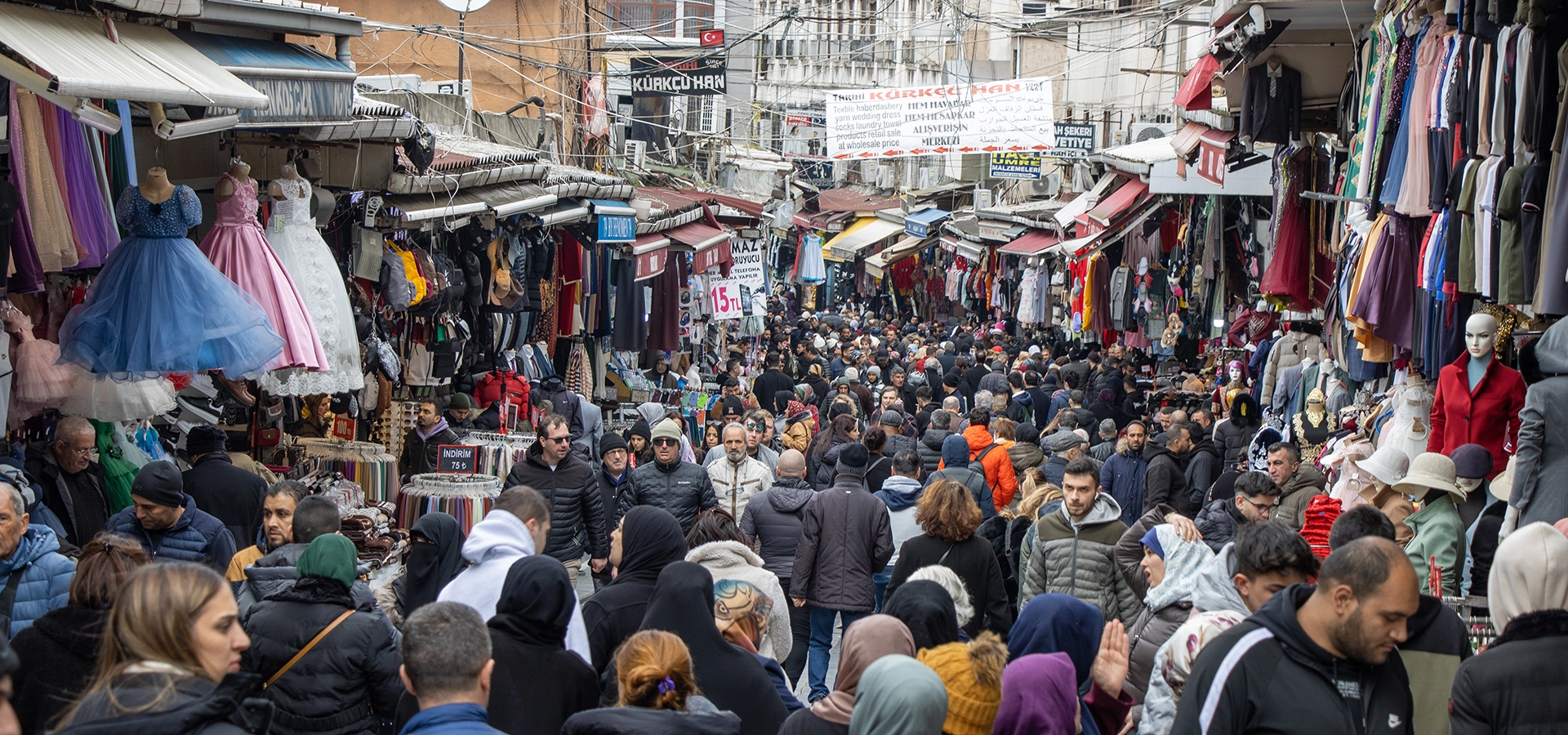
Today, Mahmutpaşa remains one of the best places in the Historic Peninsula to observe everyday Istanbul shopping culture. Clothing, textiles, children's wear, wedding supplies, household goods, accessories and countless inexpensive products fill storefronts from the upper market streets almost all the way toward Eminönü.

15th-Century Origins

Mahmutpaşa developed into a major commercial district during the reconstruction of Ottoman Istanbul after the conquest of 1453.

265 Original Shops

Historical sources record a market of 265 shops connected with Mahmud Pasha's extensive charitable foundation.

Historic Trade Route

The district occupies the busy commercial slope connecting the Grand Bazaar with Tahtakale, Eminönü and the Golden Horn.

Shopping Today

Clothing, textiles, accessories, wedding goods and affordable everyday products dominate many of today's shops.

Know Before You Go

Mahmutpaşa Bazaar – Quick Facts

Essential information about Mahmutpaşa's location, 15th-century origins, historic shopping tradition, textile trade, free access and convenient position between the Grand Bazaar and Eminönü.

📍

Location

Fatih, on the commercial slope between the Grand Bazaar and Tahtakale–Eminönü.

Open on Google Maps
🛍️

Known For

Affordable clothing, textiles, accessories, children's wear, household products, wedding goods and traditional street shopping.

🏛️

Origins

The market district developed around the 15th-century foundation established by Grand Vizier Mahmud Pasha.

🏪

Historic Market

Ottoman records associate Mahmud Pasha's foundation with a commercial market containing 265 shops.

🎟️

Admission

Free. Mahmutpaşa is a public commercial street and shopping district rather than a ticketed attraction.

🚋

Nearest Tram

Use either Beyazıt–Kapalıçarşı or Eminönü on the T1 tram line depending on which direction you want to walk.


Where the Grand Bazaar Met the Roads to Istanbul's Port

Why Is Mahmutpaşa Bazaar Important?

Mahmutpaşa is important because it preserves the commercial geography of early Ottoman Istanbul: a marketplace positioned between the city's great inland bazaar and the ports, warehouses and trading streets near the Golden Horn.

The first reason is its extraordinary age. The commercial character of Mahmutpaşa developed during the 15th century, when Ottoman administrators were reshaping Constantinople into the capital of a rapidly expanding empire.

The second reason is its relationship with Mahmud Pasha's charitable foundation. Mosques, schools, soup kitchens, baths and other institutions required permanent income. Commercial properties such as shops and hans generated rent that could help finance those institutions.

The third reason is location. Mahmutpaşa stood along the busy route between the Grand Bazaar, Tahtakale, Eminönü and the Golden Horn. Goods arriving through Istanbul's ports could move uphill toward the commercial center, while merchants and shoppers moved downhill toward the waterfront.

Finally, Mahmutpaşa represents remarkable commercial continuity. The products have changed, shop signs have changed and modern retail has replaced many traditional trades, yet the same streets continue to function primarily as places of commerce more than five centuries after their development.

Travelers following our guide to places to visit in Istanbul can use Mahmutpaşa as one of the most atmospheric pedestrian connections between the Grand Bazaar and Eminönü.

History of Mahmutpaşa Bazaar

The story of Mahmutpaşa begins shortly after the Ottoman conquest of Constantinople in 1453. Sultan Mehmed II transformed the conquered city into the political, commercial and cultural center of his empire, encouraging the construction of markets, mosques, hans, baths and public institutions.

One of the major statesmen involved in this transformation was Grand Vizier Mahmud Pasha. He selected a strategically important district close to the developing commercial center surrounding the Grand Bazaar.

The location was ideal. From the elevated market district, roads descended toward Tahtakale, Bahçekapı and the Golden Horn waterfront, where imported goods, warehouses, ships and merchants formed another essential part of Istanbul's economy.

Mahmud Pasha established a major külliye – religious and charitable complex during the 1460s and early 1470s. Its buildings included a mosque, medrese, imaret, school, hamam, tomb and commercial structures.

Historical records also identify 265 shops connected with the foundation. The market became one of the most important commercial areas of the early Ottoman capital after the expanding Grand Bazaar itself.

The revenues of these commercial properties supported the waqf, or charitable foundation, demonstrating one of the fundamental principles of Ottoman urban development: commerce could finance religion, education, charity and public services.

The market continued to expand over subsequent centuries. Hans, workshops, warehouses and shops filled the streets between the Grand Bazaar and the waterfront, producing one of the most intensely commercial landscapes in Istanbul.

By the 19th and 20th centuries, Mahmutpaşa had become particularly associated with affordable shopping, ready-made clothing, textiles and products purchased for weddings, religious celebrations, school and everyday household life.

Modern Istanbul has developed countless shopping centers and retail districts, but Mahmutpaşa remains extraordinarily busy. The crowded slope, merchants calling from shops, packages being moved through narrow streets and densely packed displays all continue a commercial rhythm with roots stretching back more than five centuries.

1453

The Ottoman conquest begins the transformation of Constantinople into the new imperial capital.

1460s

Mahmud Pasha develops his major religious, charitable and commercial foundation in the district.

265 Shops

Historical records identify a large group of shops belonging to the Mahmud Pasha foundation.

Trade Corridor

The district connected the Grand Bazaar with Tahtakale and the commercial waterfront of the Golden Horn.

Ottoman Centuries

Hans, workshops and specialized trades continued expanding throughout the surrounding streets.

Today

Mahmutpaşa remains one of Istanbul's most active traditional shopping districts.

Who Was Mahmud Pasha?

Mahmud Pasha was one of the most influential statesmen serving Sultan Mehmed II during the period when the Ottoman Empire was consolidating its new capital at Constantinople.

As grand vizier, he participated in the political and military world of Mehmed the Conqueror, but his lasting impact on Istanbul can also be seen in the buildings and charitable institutions he established.

His large complex in this part of the Historic Peninsula was among the important early Ottoman foundations constructed after the conquest. Its presence was so influential that the surrounding neighborhood, commercial streets and famous market eventually became known simply as Mahmutpaşa.

Mahmud Pasha died in 1474 and was buried in the distinctive tomb beside his mosque. More than five centuries later, his name remains inseparable from one of Istanbul's busiest commercial districts.

NameMahmud Pasha
Period15th century
RoleGrand Vizier of Sultan Mehmed II
Istanbul LegacyMahmud Pasha Mosque, külliye, commercial properties and Mahmutpaşa district
Market FoundationHistorically associated with 265 shops
BurialMahmud Pasha Tomb beside the mosque

The 265 Shops & the Ottoman Waqf System

One of the most fascinating aspects of Mahmutpaşa is that its commercial origins were closely connected with an Ottoman charitable foundation.

A waqf could include revenue-producing properties such as shops, markets, hans, houses, baths and agricultural land. Income generated by those properties could then support institutions providing religious, educational or charitable services.

Mahmud Pasha's foundation was exceptionally extensive. Among its commercial assets were approximately 265 market shops, along with additional properties in Istanbul and elsewhere in the empire.

This means that a merchant paying rent for a shop was participating, indirectly, in the financial system supporting the wider complex. Commerce was therefore not separate from the monumental Ottoman city: it helped make the monumental city possible.

Shops

Commercial rents created a regular source of income for charitable foundations.

Hans

Merchant inns and warehouses supported trade while also producing rental income.

Hamams

Public bathhouses could combine an essential urban service with revenue generation.

Education

Foundation income could help support medreses, teachers and students.

Charity

Imarets and other institutions provided services to parts of the urban population.

Urban Development

The combination of public institutions and commercial properties encouraged entire neighborhoods to develop around major foundations.

The Mahmud Pasha Complex

The historic bazaar should not be viewed in isolation. Mahmutpaşa developed around one of the most important early Ottoman architectural complexes constructed after 1453.

The original foundation contained a mosque, medrese, imaret, primary school, hamam, tomb, commercial han and other facilities. Not all have survived, but several important structures still reveal the scale of Mahmud Pasha's original project.

Mahmud Pasha Mosque

Completed in the early 1460s, the mosque is among the important surviving religious monuments of early Ottoman Istanbul.

Mahmud Pasha Tomb

The grand vizier's 15th-century tomb stands close to the mosque and preserves an important connection with the founder himself.

Mahmud Pasha Hamam

The historic bath belongs to the original commercial and social landscape established around the foundation.

Kürkçü Han

This major 15th-century commercial han survives within the dense market district and is among Istanbul's earliest surviving Ottoman hans.

Medrese

Much of the historic educational complex has disappeared, although part of the medrese structure survives.

Lost Buildings

The imaret, school and several other elements of the original foundation disappeared through fires, rebuilding and centuries of urban change.

Kürkçü Han – A Hidden Historic Treasure of Mahmutpaşa

Among the most historically important structures in Mahmutpaşa is Kürkçü Han, a large commercial han associated with Mahmud Pasha's foundation.

Hans were essential to Ottoman commercial life. They could provide storage, workshops, offices and accommodation for merchants, while their courtyards created protected spaces where goods and business could be organized away from the crowded streets.

Kürkçü Han dates from the 15th century and is one of the earliest surviving commercial hans in Istanbul. Its long history has included fires, repairs, alterations and periods of deterioration.

The building is therefore not preserved as a pristine museum monument. Its significance lies partly in the opposite: it remains embedded inside the living commercial fabric of Mahmutpaşa, surrounded by shops, workshops and later buildings.

Visitor note: historic hans in Mahmutpaşa are working commercial environments rather than conventional museums. Access to individual courtyards, upper floors or business areas can vary. Respect shopkeepers, workers and any restricted areas.

What Can You Buy at Mahmutpaşa Bazaar?

Mahmutpaşa is one of Istanbul's best-known traditional districts for affordable everyday shopping. Its merchandise changes constantly, and different streets or hans can develop their own specializations.

Unlike tourist-oriented markets dominated by souvenirs, much of Mahmutpaşa serves local shoppers and wholesale or semi-wholesale trade. That gives the district a noticeably different atmosphere from the most visited parts of the Grand Bazaar.

Women's Clothing

Dresses, coats, shirts, trousers, modest fashion and seasonal ready-to-wear products are widely available.

Children's Clothing

Mahmutpaşa has long been known for inexpensive children's wear and clothing purchased for special occasions.

Textiles & Fabrics

The wider commercial district has deep connections with Istanbul's textile and garment trades.

Wedding & Trousseau Goods

Products associated with weddings, bridal preparations and traditional household trousseaus remain part of Mahmutpaşa shopping culture.

Accessories

Bags, scarves, belts, costume jewelry, hair accessories and other inexpensive fashion items fill many storefronts.

Underwear & Hosiery

Socks, tights, underwear and similar textile products are widely represented in the district.

Household Textiles

Depending on the street, you may encounter towels, bedding, table textiles and other household products.

Special-Occasion Clothing

Formal wear and clothing connected with weddings, children's celebrations and circumcision ceremonies are traditional Mahmutpaşa specialties.

Shopping note: quality, branding, materials and manufacturing standards can differ greatly between stores. Examine products carefully and ask questions before purchasing, especially when a price or brand claim seems unusually attractive.

Why Mahmutpaşa Feels Different from the Grand Bazaar

The Grand Bazaar is one of the world's great monumental covered markets, with historic gates, domed streets and strong concentrations of jewelry, carpets, antiques, leather and visitor-oriented shops.

Mahmutpaşa feels different. Its market extends through ordinary city streets, and much of its commercial identity revolves around clothing, textiles and inexpensive practical goods.

Prices are often displayed more aggressively, goods may be stacked in large quantities and shops can be extremely busy with local customers. Some businesses sell retail, some wholesale, and others work with both.

The two markets therefore complement each other perfectly. Walking from one into the other reveals two very different expressions of Istanbul's centuries-old commercial culture.

Grand BazaarMonumental covered bazaar with major historic architecture and extensive visitor-oriented trade
MahmutpaşaOpen shopping streets, hans and passages with strong local textile and clothing trade
ConnectionMahmutpaşa descends from the Grand Bazaar toward Tahtakale and Eminönü
Best ApproachVisit both on the same walking route

Historic Hans & Commercial Architecture Around Mahmutpaşa

One of the great pleasures of Mahmutpaşa is discovering that behind modern storefronts often lie courtyards, stone arches, vaults and commercial buildings from earlier centuries.

The wider district between the Grand Bazaar and Eminönü became one of the great han zones of Ottoman Istanbul. Merchants needed places to store merchandise, organize wholesale trade and conduct business.

Kürkçü Han

A 15th-century commercial structure associated with Mahmud Pasha and one of the most important surviving early hans in Istanbul.

Büyük Çorapçı Han

A historic commercial han situated near Mahmutpaşa Caddesi and Fincancılar Yokuşu.

Büyük Yeni Han

One of the monumental later Ottoman hans in the wider commercial district between the Grand Bazaar and Eminönü.

Courtyard Commerce

Many hans were organized around internal courtyards surrounded by rooms used as shops, warehouses or workshops.

Street Specialization

Related trades often concentrated close together, creating commercial streets known for particular goods.

Living Heritage

Several historic commercial structures remain active workplaces rather than restored museum attractions.

What to See at Mahmutpaşa Bazaar

Mahmutpaşa Yokuşu

Walk the famous sloping market street and experience the dense flow of shops connecting the upper bazaar district with Eminönü.

Mahmud Pasha Mosque

Step away from the shopping crowds to see one of the important surviving mosques from the first decades of Ottoman Istanbul.

Mahmud Pasha Tomb

Look for the grand vizier's historic tomb beside the mosque and consider how completely his name became attached to the surrounding district.

Kürkçü Han

Discover a remarkable survivor from the commercial architecture of 15th-century Ottoman Istanbul.

Shop Displays

Colorful clothing, textiles and accessories frequently spill visually into the street and create the characteristic Mahmutpaşa atmosphere.

Side Streets

Explore carefully beyond the main slope to discover smaller commercial lanes, workshops, passages and historic building fragments.

Porter Culture

Watch how merchandise is still moved through narrow pedestrian streets where conventional vehicle access is difficult.

The Downhill View

The descent toward Eminönü helps reveal the historic relationship between the Grand Bazaar and Istanbul's waterfront trading districts.

Practical Shopping Tips for Mahmutpaşa Bazaar

Compare Several Shops

The same or similar products may appear in multiple stores. Comparing prices before purchasing can be worthwhile.

Check Quality

Look carefully at stitching, fabric, zippers, buttons, sizes and overall finish before buying clothing.

Ask the Price First

Confirm the price clearly before committing, especially when purchasing several items.

Ask Retail or Wholesale

Some businesses concentrate on wholesale trade and may have minimum quantities or different pricing structures.

Carry Some Cash

Cards are common in many established shops, but cash remains useful for smaller purchases and traditional businesses.

Keep Receipts

For larger purchases, ask for a receipt and clarify exchange or return arrangements before leaving.

Protect Valuables

The narrow streets can become extremely crowded. Keep phones, wallets and bags secure in dense pedestrian traffic.

Wear Comfortable Shoes

Mahmutpaşa is famously steep. Comfortable footwear makes a major difference when exploring the surrounding market streets.

Bargaining & Prices at Mahmutpaşa

Visitors sometimes assume that every traditional Istanbul market requires aggressive bargaining. Mahmutpaşa is more complicated.

Many businesses operate as ordinary clothing or textile shops with clearly established prices, especially for inexpensive items. Others may offer some flexibility, particularly when purchasing several pieces or dealing directly with wholesale-oriented merchants.

A good approach is to ask the price politely, compare similar shops and negotiate reasonably where appropriate. There is rarely any advantage in turning a small purchase into a long confrontation.

Price tip: if you are buying multiple items, ask whether there is a different price for quantity. This is often more relevant in Mahmutpaşa than traditional tourist-style bargaining over a single low-cost item.

Suggested Grand Bazaar, Mahmutpaşa & Eminönü Walking Route

Begin around Beyazıt or the Grand Bazaar. If you enjoy books, make a short detour to Sahaflar Booksellers' Bazaar before entering the Grand Bazaar.

After exploring the covered market, exit from its Mahmutpaşa side and begin descending through the shopping streets. The atmosphere changes quickly from monumental covered bazaar to dense, open-air local commerce.

Pause around Mahmud Pasha Mosque and look for traces of the historic complex, including the tomb and surviving commercial architecture associated with the district.

Continue downhill through Mahmutpaşa Yokuşu. Explore selected side streets rather than treating the area simply as a passage between attractions. The historic hans are among the most interesting discoveries.

At the bottom of the commercial slope, continue through Tahtakale toward Spice Bazaar.

Finish around New Mosque – Yeni Cami and Eminönü Square, where the market route meets the Golden Horn, ferries and one of Istanbul's busiest waterfront districts.

Stop 1Beyazıt Square or Sahaflar Booksellers' Bazaar
Stop 2Grand Bazaar
Stop 3Mahmud Pasha Mosque & Historic Complex
Stop 4Mahmutpaşa Yokuşu & Historic Hans
Stop 5Tahtakale
Stop 6Spice Bazaar
Stop 7New Mosque & Eminönü
Total TimeAllow approximately 3–5 hours with shopping and monument visits

Mahmutpaşa Bazaar Visitor Information

Mahmutpaşa lies in the Fatih district of Istanbul's Historic Peninsula, between the Grand Bazaar and the commercial neighborhoods descending toward Eminönü.

There is no entrance gate or admission ticket because Mahmutpaşa is a working urban shopping district rather than a museum or enclosed historical attraction.

Businesses operate independently, so there is no single opening timetable covering every store. For travelers interested in experiencing the market at its most active, late morning through the afternoon is generally the most practical period.

The district can be extremely crowded, particularly during weekends, pre-holiday shopping periods and busy afternoon hours.

District Fatih, Istanbul
Main Street Mahmutpaşa Yokuşu and surrounding commercial streets
Admission Free
Shop Hours Individual businesses determine their own schedules
Best General Window Late morning through afternoon
Nearest T1 Stops Beyazıt–Kapalıçarşı uphill or Eminönü downhill
Recommended Visit 1–2 hours, longer if shopping seriously
Important: Mahmutpaşa is a working commercial district. Opening patterns can change during public holidays, religious holidays and seasonal periods, and individual businesses may close independently.

Best Time to Visit Mahmutpaşa Bazaar

Early Morning

The streets are easier to photograph and navigate, although many businesses may still be preparing for the commercial day.

Late Morning

One of the best periods for visitors because most shops are active without necessarily reaching maximum afternoon congestion.

Afternoon

Expect the market at full commercial intensity, with dense crowds and active shopping throughout the main streets.

Weekdays

Excellent for experiencing Mahmutpaşa as a working trade district, including wholesale and local commercial activity.

Saturday

Often lively for retail shopping but potentially much more crowded than an ordinary weekday.

Before Holidays

Expect particularly intense shopping before major religious festivals, school periods and other important occasions.

How Much Time Do You Need at Mahmutpaşa Bazaar?

30 Minutes

Enough for a quick downhill walk between the Grand Bazaar and Tahtakale without serious shopping.

60–90 Minutes

A comfortable amount of time for exploring the main shopping street and several side streets.

2 Hours

Better for shopping, examining historic hans and visiting Mahmud Pasha Mosque and the surrounding complex.

3–5 Hours

Allow this for a full Grand Bazaar, Mahmutpaşa, Tahtakale, Spice Bazaar and Eminönü walking route.

Photography at Mahmutpaşa Bazaar

Mahmutpaşa offers some of the Historic Peninsula's most energetic street photography. Its visual character comes from the contrast between historic masonry, old hans, steep streets and enormous displays of modern merchandise.

The slope itself creates excellent compositions. Looking downhill emphasizes the density of the market, while elevated sections can reveal crowds disappearing through a corridor of shop signs, awnings, clothing and historic façades.

Remember, however, that Mahmutpaşa is primarily a place where people work and shop. Ask permission before taking close portraits of shopkeepers, workers or customers.

Market Perspective

Use the steep slope to capture layers of shoppers, shop displays and buildings disappearing into the distance.

Textile Displays

Brightly colored clothing and fabrics create some of the strongest visual details in the district.

Historic Hans

Stone arches, courtyards and worn architectural surfaces reveal a completely different side of Mahmutpaşa.

Shop Signs

The mixture of typography, advertising, awnings and historic architecture captures modern commercial Istanbul.

Morning Light

Earlier hours can provide clearer views before pedestrian traffic becomes extremely dense.

Ask Permission

Request permission before photographing people or entering business interiors specifically to take photographs.

Accessibility at Mahmutpaşa Bazaar

Mahmutpaşa can be challenging for visitors with limited mobility. Its defining feature is a steep commercial slope, and many surrounding streets contain uneven paving, changes of level and extremely dense pedestrian traffic.

Historic hans and individual stores may also contain steps, narrow doorways, small lifts or restricted circulation areas. Accessibility therefore differs substantially from one building to another.

Steep Gradient

Much of the classic route between the Grand Bazaar and Eminönü involves a significant downhill or uphill walk.

Crowded Streets

Heavy pedestrian traffic can make movement difficult even where the paving itself is manageable.

Historic Paving

Expect irregular or occasionally slippery surfaces, particularly in wet weather.

Historic Hans

Many old commercial buildings were constructed long before modern accessibility standards.

Downhill Is Easier

For many visitors, beginning near the Grand Bazaar and descending toward Eminönü is considerably easier than walking the route uphill.

Allow Extra Time

A slower pace makes it easier to manage the slope, crowds and frequent stops safely.

How to Get to Mahmutpaşa Bazaar

Mahmutpaşa occupies the historic commercial corridor between the Grand Bazaar and Eminönü. Because of its elongated downhill layout, the best transport stop depends on whether you want to begin at the top or bottom.

From Beyazıt

Take the T1 tram to Beyazıt–Kapalıçarşı, walk through or around the Grand Bazaar and descend toward the Mahmutpaşa side.

From Eminönü

Leave the T1 tram at Eminönü and walk through the commercial streets behind the Spice Bazaar and Tahtakale toward Mahmutpaşa.

From Sultanahmet

Take the T1 tram to Beyazıt–Kapalıçarşı for the easiest downhill route, or walk west through Çemberlitaş.

From Karaköy

Cross the Galata Bridge on foot or take the T1 tram to Eminönü, then continue uphill through the historic market district.

From Taksim

Use the F1 funicular to Kabataş and continue by T1 tram to Beyazıt or Eminönü.

From the Grand Bazaar

Exit toward Mahmutpaşa and simply continue downhill. The historic market streets begin almost immediately.

Walking tip: the classic and easiest sightseeing direction is generally Grand Bazaar → Mahmutpaşa → Tahtakale → Spice Bazaar → Eminönü, because most of the route is downhill.

Places to Visit Near Mahmutpaşa Bazaar

Mahmutpaşa lies at the center of one of Istanbul's richest walking areas. Within a relatively short distance are historic bazaars, Ottoman mosques, commercial hans, Roman monuments and the waterfront of the Golden Horn. Use our complete Istanbul visitor guide to plan the rest of your route.

Frequently Asked Questions About Mahmutpaşa Bazaar

What is Mahmutpaşa Bazaar?

Mahmutpaşa is a historic commercial district in Istanbul consisting of a busy sloping shopping street, surrounding lanes, shops, passages and commercial hans between the Grand Bazaar and Eminönü.

Where is Mahmutpaşa Bazaar?

It is in Fatih on Istanbul's Historic Peninsula, descending from the Grand Bazaar area toward Tahtakale and Eminönü.

Is Mahmutpaşa a covered bazaar?

No. Unlike the Grand Bazaar and Spice Bazaar, Mahmutpaşa is primarily a network of open commercial streets, shops, passages and hans rather than one enclosed market building.

How old is Mahmutpaşa Bazaar?

Its organized Ottoman commercial history reaches back to the 15th century, when Grand Vizier Mahmud Pasha established an extensive foundation and market in the area.

Who was Mahmud Pasha?

Mahmud Pasha was a powerful 15th-century grand vizier of Sultan Mehmed II. His major religious and commercial complex gave the surrounding Mahmutpaşa district its name.

How many shops were in the original Mahmutpaşa market?

Historical sources associate Mahmud Pasha's Istanbul foundation with a market containing approximately 265 shops.

Why were the shops important?

Commercial properties generated revenue for Mahmud Pasha's charitable foundation, helping support religious, educational and social institutions.

What can I buy in Mahmutpaşa?

Common products include clothing, textiles, children's wear, accessories, underwear, hosiery, household textiles, wedding goods and inexpensive everyday products.

Is Mahmutpaşa good for clothes shopping?

Yes. Clothing and textiles are among the district's strongest modern specialties, and the area is especially popular with local shoppers looking for affordable products.

Is Mahmutpaşa expensive?

Mahmutpaşa traditionally has a reputation for affordable shopping, although prices and quality vary significantly between businesses.

Can I bargain at Mahmutpaşa?

Sometimes. Some shops have relatively fixed retail prices, while quantity purchases or wholesale-oriented businesses may offer greater flexibility.

Does Mahmutpaşa have wholesale shops?

Yes. The wider district contains businesses serving retail, wholesale and mixed customers. Ask about minimum quantities if a shop appears to specialize in wholesale trade.

Is Mahmutpaşa Bazaar free to enter?

Yes. Mahmutpaşa is a public commercial district and there is no entrance charge.

What are Mahmutpaşa Bazaar's opening hours?

There is no single timetable because the market consists of independent businesses. Late morning through the afternoon is generally the most practical period for visiting.

What is Kürkçü Han?

Kürkçü Han is a major 15th-century commercial han associated with Mahmud Pasha's foundation and one of the most important surviving early Ottoman hans in Istanbul.

Can I visit Mahmud Pasha Mosque?

The mosque remains an active religious site. Visitors should respect prayer times, dress appropriately and follow any instructions in place during their visit.

How long should I spend in Mahmutpaşa?

Allow around one to two hours for exploring and casual shopping. A wider Grand Bazaar–Mahmutpaşa–Spice Bazaar route can easily take three to five hours.

Is Mahmutpaşa close to the Grand Bazaar?

Yes. Mahmutpaşa begins directly around the commercial streets descending from the Grand Bazaar toward Eminönü.

Can I walk from the Grand Bazaar to the Spice Bazaar through Mahmutpaşa?

Yes. This is one of the most interesting market walks in Istanbul and takes you downhill through Mahmutpaşa and Tahtakale toward the Spice Bazaar and Eminönü.

Which direction is easiest?

Beginning near the Grand Bazaar and walking downhill toward Eminönü is generally easier than climbing Mahmutpaşa from the waterfront.

Is Mahmutpaşa suitable for wheelchairs?

The steep gradient, heavy crowds, uneven historic surfaces and accessibility limitations of individual shops and hans can make the district challenging for wheelchair users.

Is Mahmutpaşa Bazaar worth visiting?

Yes, particularly if you want to experience a working local shopping district rather than only Istanbul's most tourist-oriented markets. Its combination of everyday commerce and 15th-century history makes it one of the Historic Peninsula's most characteristic areas.

Responsible Visiting at Mahmutpaşa Bazaar

Respect Working Businesses

Remember that Mahmutpaşa is not an open-air museum. Shops, workshops and hans are active places of employment.

Do Not Block Entrances

Narrow streets and doorways are frequently used to move merchandise. Leave space for workers and customers.

Ask Before Photography

Request permission before taking close photographs of shopkeepers, workers or private interiors.

Shop Thoughtfully

Check quality and pricing carefully rather than purchasing solely because an item appears inexpensive.

Respect Historic Buildings

Do not enter closed sections of hans, climb unsafe structures or treat active commercial buildings as abandoned ruins.

Support Local Commerce

Responsible purchases from established local businesses help maintain Mahmutpaşa's centuries-old commercial character.

Private Mahmutpaşa Bazaar & Historic Istanbul Experiences

Connect Mahmutpaşa with the Grand Bazaar, Sahaflar, historic Ottoman hans, Tahtakale, the Spice Bazaar, Eminönü and the monuments of Istanbul's Historic Peninsula through a private route shaped around your interests without compulsory shopping stops.

Custom Bazaars, Ottoman Commerce & Historic Istanbul Experience

Choose a private route focused on Ottoman commercial history, historic markets, hans, architecture, street life and traditional neighborhoods, or combine Mahmutpaşa with a wider private Istanbul itinerary.

Historic Istanbul Ottoman Byzantine mosques bazaars hans and heritage

Explore More of Historic Istanbul

Continue from Mahmutpaşa toward Beyazıt, Sultanahmet, Eminönü, Süleymaniye, Karaköy, Fener, Balat and the Bosphorus to discover Istanbul's imperial monuments, markets, churches, mosques and historic neighborhoods.

Explore Istanbul

Continue Exploring Istanbul's Historic Markets

Use Mahmutpaşa as the connecting route between Istanbul's great covered bazaars and discover how the city's commercial landscape developed from the hilltop markets to the Golden Horn.

Sahaflar Booksellers Bazaar Istanbul Beyazit historic book market

Sahaflar Booksellers' Bazaar

Begin around Beyazıt with Istanbul's centuries-old bookselling tradition, where second-hand books, old editions and literary history create a quieter contrast with the crowds of Mahmutpaşa.

Explore Sahaflar
Spice Bazaar Istanbul historic Ottoman market Eminonu

Spice Bazaar

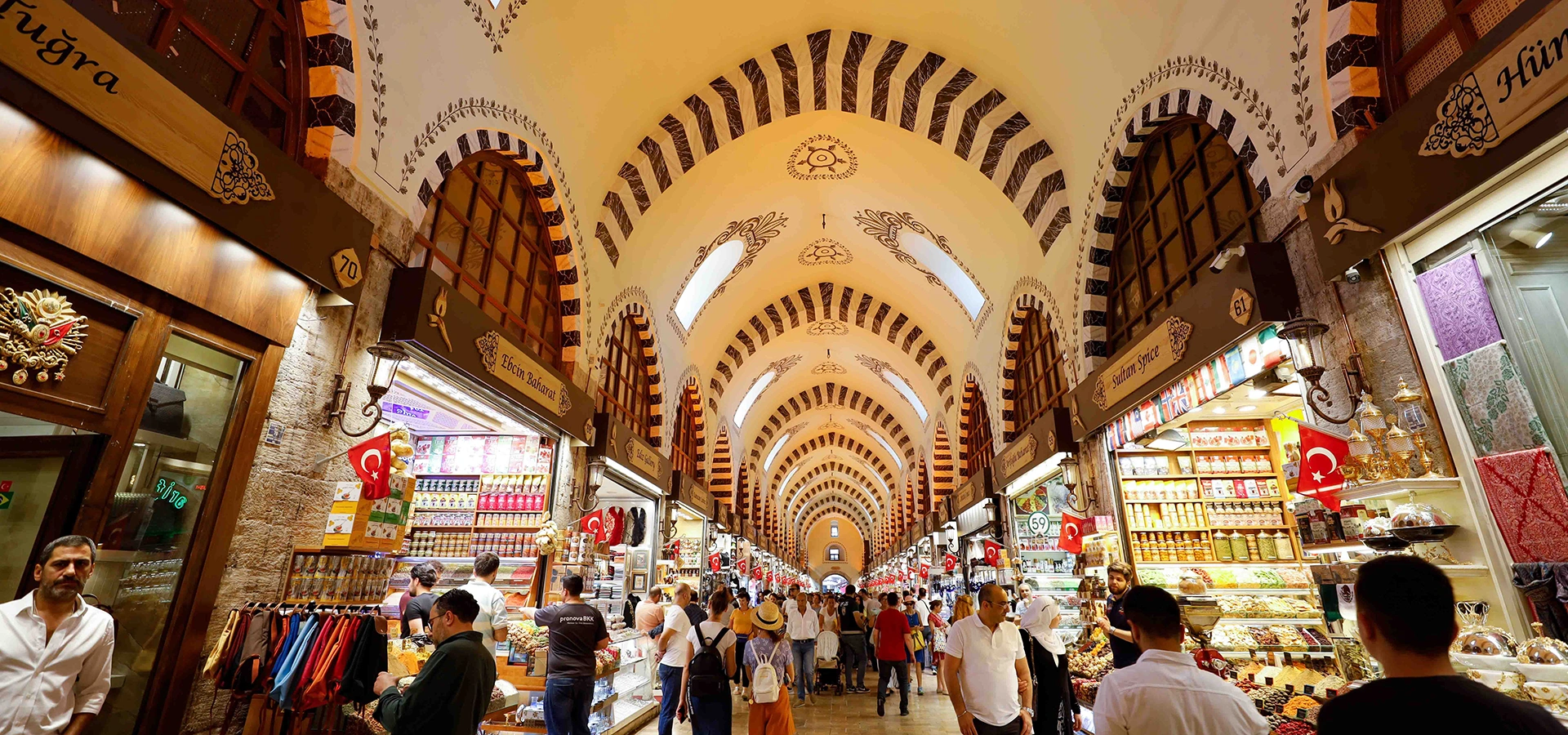
Continue downhill through Mahmutpaşa and Tahtakale to the famous Egyptian Bazaar, where spices, teas, Turkish delight, nuts and traditional foods fill one of Istanbul's great historic markets.

Explore Spice Bazaar