Before setting off
Kuş Castle is better framed as a possible specialist heritage outing than as a guaranteed maintained attraction. Check its precise location, property permissions, ground conditions and current legal access before planning a visit.






Explore Kuş Castle through archaeological evidence, the regional timeline and carefully distinguished interpretations.
The provincial culture directorate describes Kuş Castle near Kaman and tentatively associates its origins with the Hittite era, with use possibly continuing into the late Byzantine period. Crucially, its wording is an estimate: without a detailed published excavation sequence, the proposed Hittite-to-Byzantine lifespan must remain a hypothesis, not a firm date for every surviving wall.
The provincial culture directorate describes Kuş Castle near Kaman and tentatively associates its origins with the Hittite era, with use possibly continuing into the late Byzantine period. Crucially, its wording is an estimate.
Hilltops and strategic positions may be reused repeatedly by different communities. A late stone wall need not belong to the first inhabitants of a site. This distinction is particularly important when comparing Kaman’s excavated.
Kuş Castle is better framed as a possible specialist heritage outing than as a guaranteed maintained attraction. Check its precise location, property permissions, ground conditions and current legal access before planning a visit.
Two useful themes here are ruined fortifications and specialist heritage. Observe the site in relation to the surrounding land and settlements. Where the evidence is fragmentary, avoid assigning precise dates or functions to.
Key distinctions, reliable context and practical considerations.
Rural Kırşehir, Kırşehir, Türkiye
A little-known fortress ruin
The provincial culture directorate describes Kuş Castle near Kaman and tentatively associates its origins with the Hittite era, with use possibly continuing into the late Byzantine period. Crucially, its wording is an estimate.
Visitor information: Opening hours, admission, site access and road conditions are not guaranteed. Please verify locally before travel, especially for remote ruins and research areas.
Page-specific research and local distinctions, not generic regional claims.
The provincial culture directorate describes Kuş Castle near Kaman and tentatively associates its origins with the Hittite era, with use possibly continuing into the late Byzantine period. Crucially, its wording is an estimate: without a detailed published excavation sequence, the proposed Hittite-to-Byzantine lifespan must remain a hypothesis, not a firm date for every surviving wall.
Hilltops and strategic positions may be reused repeatedly by different communities. A late stone wall need not belong to the first inhabitants of a site. This distinction is particularly important when comparing Kaman’s excavated Bronze Age settlements with remote castle ruins whose occupational sequences are far less securely documented.
Original Kırşehir context, significant details and interpretation from the researched guide.
Kuş Castle is better framed as a possible specialist heritage outing than as a guaranteed maintained attraction. Check its precise location, property permissions, ground conditions and current legal access before planning a visit.
Two useful themes here are ruined fortifications and specialist heritage. Observe the site in relation to the surrounding land and settlements. Where the evidence is fragmentary, avoid assigning precise dates or functions to individual features without a published source.
The Kırşehir provincial castles overview places Kuş Castle near Kaman and suggests that the site originated in the Hittite period and remained in use into late Byzantine times. The Turkish wording explicitly makes this a hypothesis, not a stratigraphically established building sequence; a traveller should not see it described as a proven intact Hittite fortress.
The useful distinction is between long occupation of a strategic location and precise dating of the few remains visible today. Without published excavation or a visitor-management plan, views and geography are safer subjects for interpretation than promises of accessible halls, battlements or reconstructed ancient ceremonies.
The Kırşehir provincial castles overview places Kuş Castle near Kaman and suggests that the site originated in the Hittite period and remained in use into late Byzantine times. The Turkish wording explicitly makes this a hypothesis, not a stratigraphically established building sequence; a traveller should not see it described as a proven intact Hittite fortress.
The provincial culture directorate describes Kuş Castle near Kaman and tentatively associates its origins with the Hittite era, with use possibly continuing into the late Byzantine period. Crucially, its wording is an estimate: without a detailed published.
Hilltops and strategic positions may be reused repeatedly by different communities. A late stone wall need not belong to the first inhabitants of a site. This distinction is particularly important when comparing Kaman’s excavated Bronze Age settlements with.
Kuş Castle is better framed as a possible specialist heritage outing than as a guaranteed maintained attraction. Check its precise location, property permissions, ground conditions and current legal access before planning a visit.
Two useful themes here are ruined fortifications and specialist heritage. Observe the site in relation to the surrounding land and settlements. Where the evidence is fragmentary, avoid assigning precise dates or functions to individual features without a.
Visitor information: Opening hours, admission, site access and road conditions are not guaranteed. Please verify locally before travel, especially for remote ruins and research areas.
Rural Kırşehir in Kırşehir Province, central Türkiye. Check the exact approach or local kitchen before travel.
The provincial culture directorate describes Kuş Castle near Kaman and tentatively associates its origins with the Hittite era, with use possibly continuing into the late Byzantine period. Crucially, its wording is an estimate.
Visitor information: Opening hours, admission, site access and road conditions are not guaranteed. Please verify locally before travel, especially for remote ruins and research areas.
Explore our Kırşehir province guide to plan related places and regional food traditions.
An active research site or unprotected underground space may not be open to visitors.
Avoid walking on masonry, removing fragments or touching surviving decoration.
Site names and local traditions do not establish an exact founding date or ancient identity.
Ask the responsible museum or local authority about restrictions and safe approach routes.
Read visible features in the light of excavated evidence and research.
Compare construction methods and later phases without guessing a chronology.
Visit public viewing areas rather than assuming access to restricted remains.
Pair the subject with established museums that can provide context.
These guides are linked by subject or region; they are not necessarily within walking distance of one another.
Explore this connected Kırşehir guide and its distinctive local story.
Explore this connected Kırşehir guide and its distinctive local story.
Explore this connected Kırşehir guide and its distinctive local story.
Explore this connected Kırşehir guide and its distinctive local story.
Explore this connected Kırşehir guide and its distinctive local story.
Explore this connected Kırşehir guide and its distinctive local story.
Explore all Kırşehir attractions, districts and food guides.
Kuş Castle is associated with Rural Kırşehir, in Kırşehir province, central Türkiye. Confirm the exact entrance or meeting point before setting out.
Access arrangements for Kuş Castle can change. For archaeological sites, ruins, thermal sources and small cultural houses especially, verify whether public admission is currently possible.
Use the Kırşehir province guide to plan other underground stops and consider the Kaman museum, the historic city centre or Mucur depending on your route.
Look for the subject's real character, rather than using a photograph from a different site or a generic representation as documentary evidence.
The provincial culture directorate describes Kuş Castle near Kaman and tentatively associates its origins with the Hittite era, with use possibly continuing into the late Byzantine period. Crucially, its wording is an estimate.
Hilltops and strategic positions may be reused repeatedly by different communities. A late stone wall need not belong to the first inhabitants of a site. This distinction is particularly important when comparing Kaman’s excavated.
Kuş Castle is better framed as a possible specialist heritage outing than as a guaranteed maintained attraction. Check its precise location, property permissions, ground conditions and current legal access before planning a visit.
Two useful themes here are ruined fortifications and specialist heritage. Observe the site in relation to the surrounding land and settlements. Where the evidence is fragmentary, avoid assigning precise dates or functions to.
Schedules and conditions vary. These are planning considerations, not fixed opening hours or admission guarantees.
Ask whether the place is a staffed visitor site or an active research area.
Unstaffed exterior remains are best approached only in suitable, safe conditions.
Sections of the site may be closed or protected.
Consider a museum visit for finds and interpretation.
Choose a realistic combination of Kırşehir heritage and landscapes, taking road distances, access permissions and conservation requirements into account.
Sources below were used in the previous research and editorial review. Historical inventories do not by themselves guarantee current opening, access, prices or conservation status. Where published sources disagree, the text distinguishes the accounts rather than presenting an invented certainty.
Editorial review: November 2026. For current arrangements, consult the operator or relevant local authorities.
Discover related places and traditions; linked guides do not imply the existence of a particular scheduled tour.
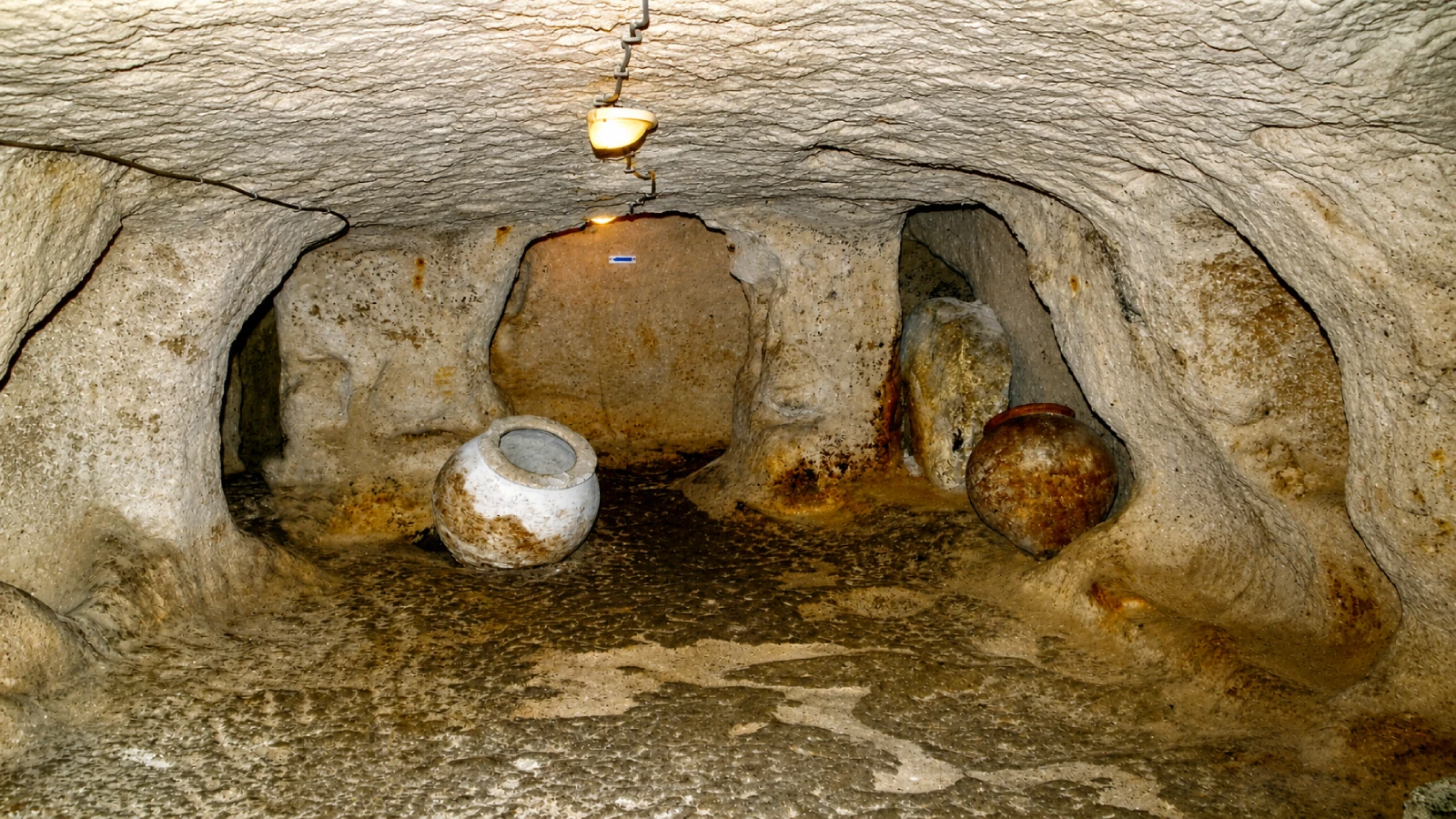
Read this related Kırşehir travel guide for context and practical considerations.
Read travel guide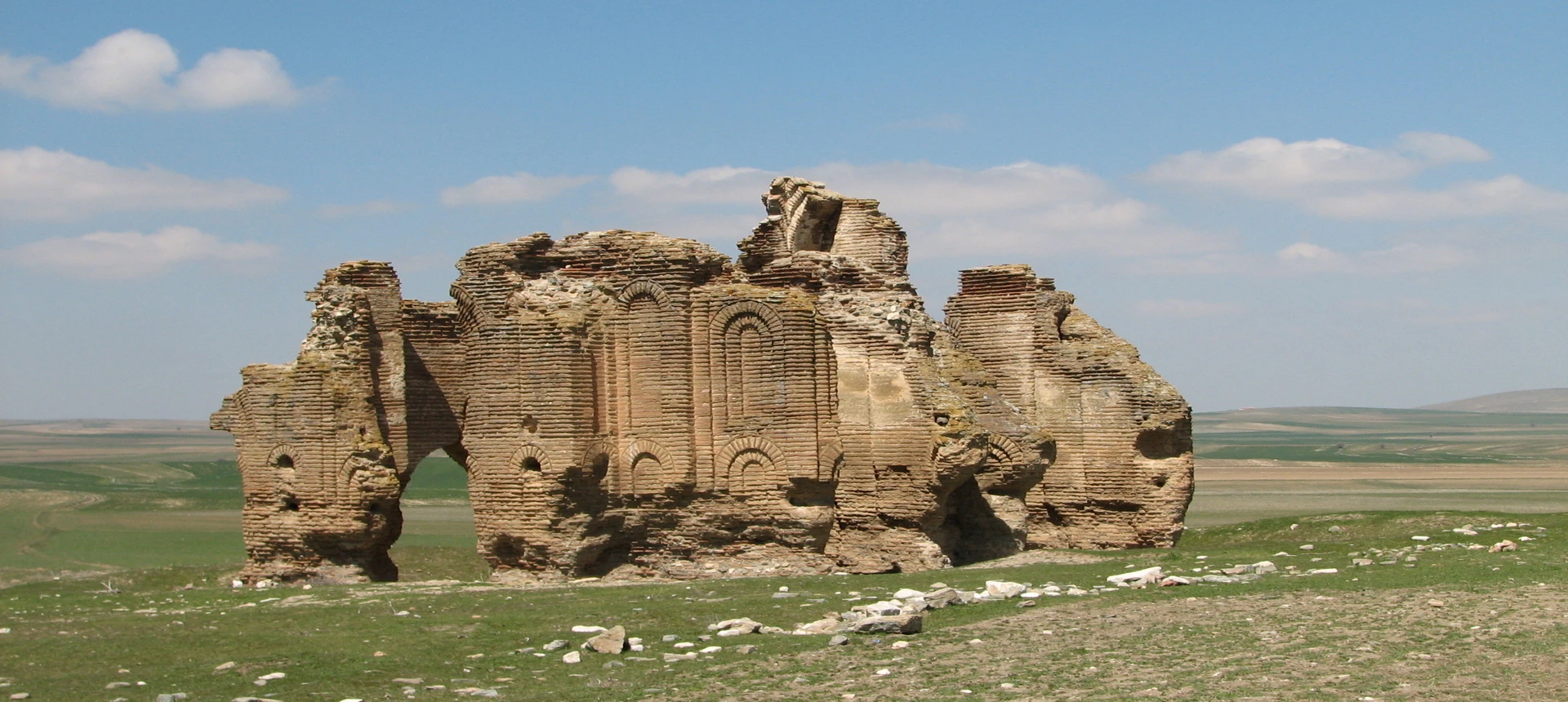
Read this related Kırşehir travel guide for context and practical considerations.
Read travel guide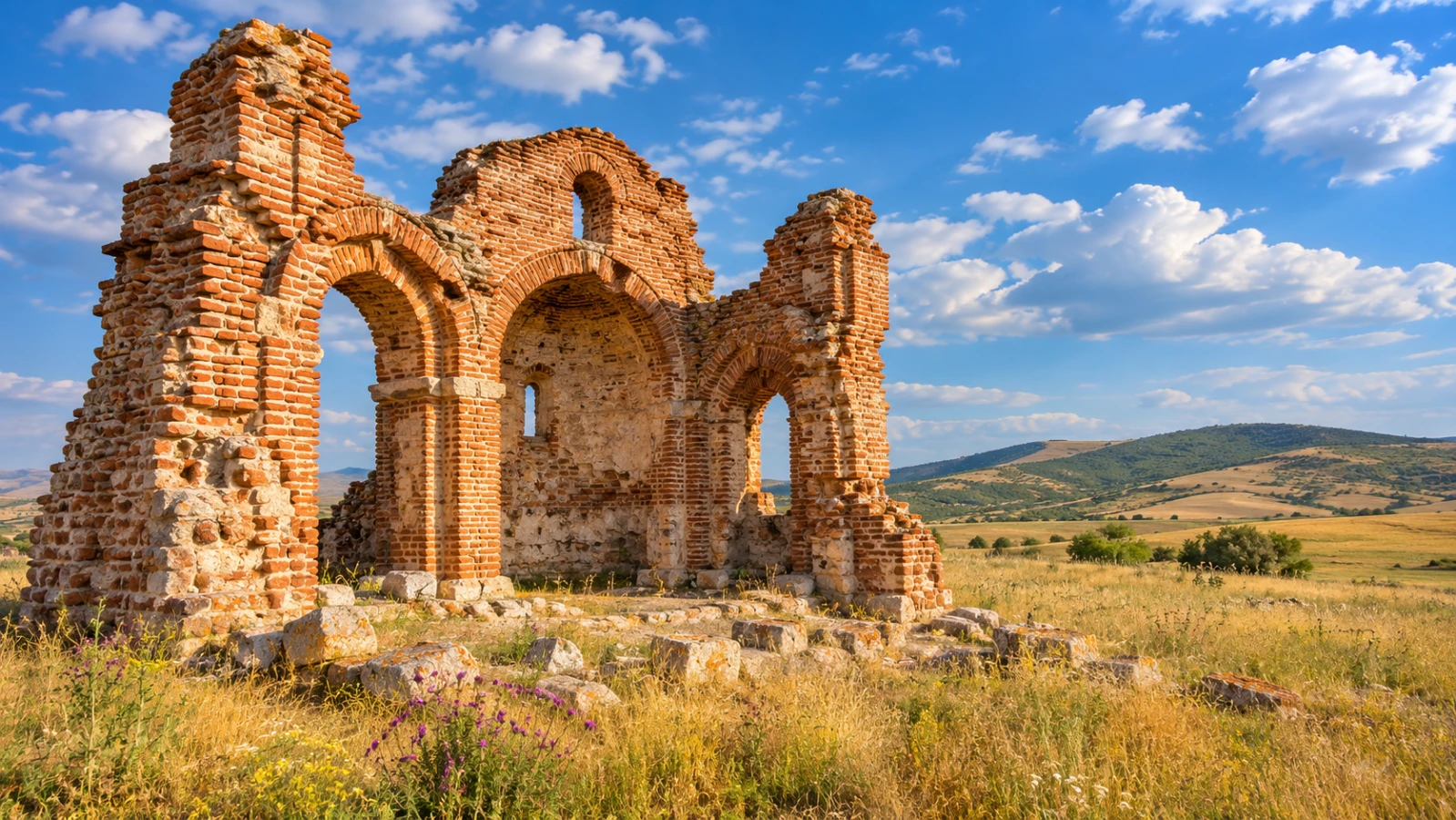
Read this related Kırşehir travel guide for context and practical considerations.
Read travel guide