Private Karamürsel Heritage Tour
Ask us about a tailor-made route combining Karamürsel Bey Mausoleum, the waterfront, Historic Ereğli and other cultural attractions along the southern Gulf of İzmit.
Request a Custom Tour




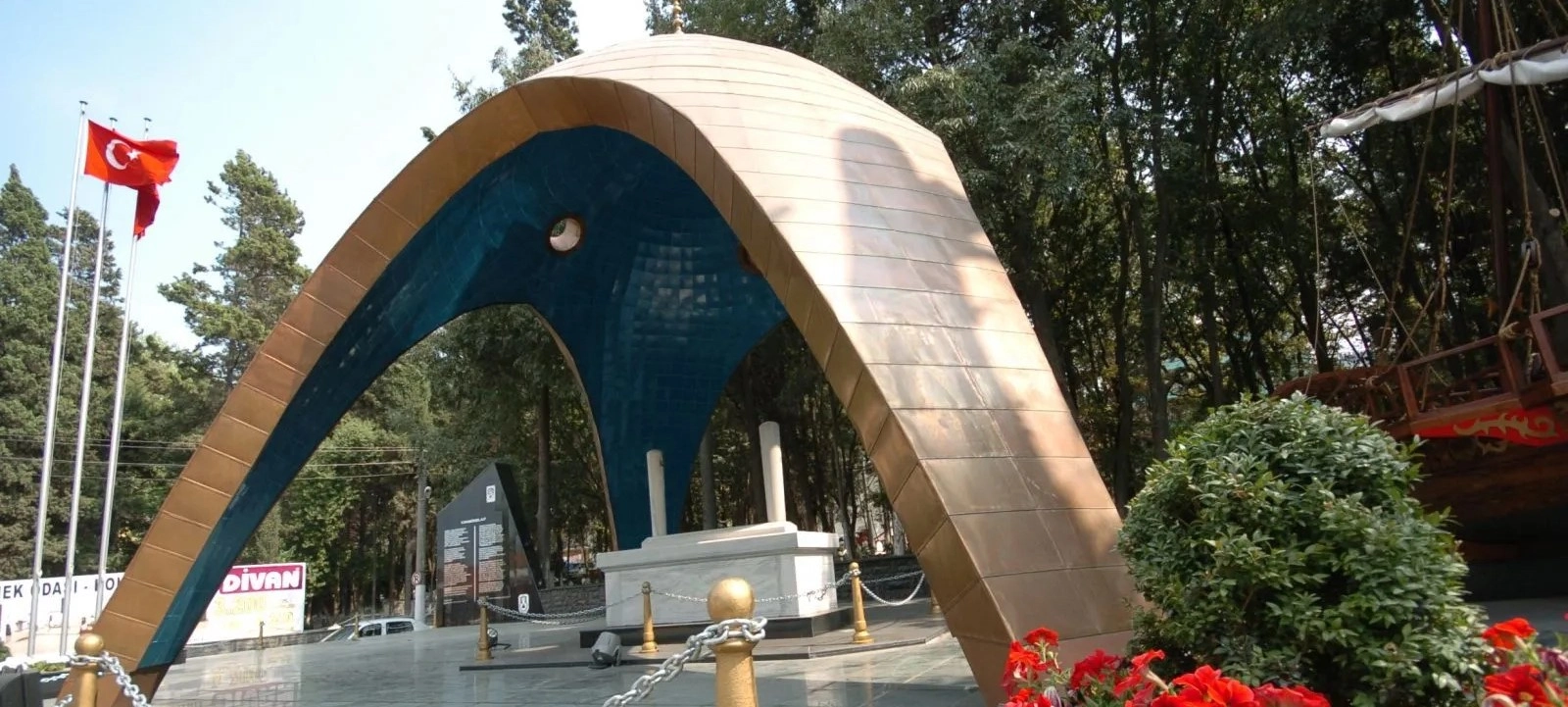
The Karamürsel Bey Mausoleum, also known as the Karamürsel Alp Monumental Tomb, commemorates one of the most important military figures associated with the beginnings of Ottoman naval history. Located in Karamürsel, Kocaeli, overlooking the southern side of the Gulf of İzmit, the monument honors the commander whose name eventually became inseparable from the town itself.
Known originally as Mürsel Alp, Karamürsel Bey lived during the 14th century and served during the reign of Orhan Gazi, when the young Ottoman principality was expanding from northwestern Anatolia toward the Sea of Marmara.
Turkish historical tradition remembers him as an early Ottoman naval commander and as a pioneer in the creation of the state's first organized maritime forces. He established a shipbuilding base in the Karamürsel region and is traditionally associated with a fast, light vessel that later carried the name Karamürsel.
The monumental tomb visible today also reflects this maritime identity. Its location looking toward the sea recalls the famous wish traditionally attributed to Karamürsel Alp: that after his death he should rest with the mountains behind him and the sea before him, forever facing the waters where his ships once sailed.
Discover the commander traditionally remembered as one of the founders of Ottoman naval power.
Learn how shipbuilding and maritime operations developed around Karamürsel during the 14th century.
Visit a memorial deliberately associated with Karamürsel Bey's lifelong connection to the Gulf.
Understand why the district itself still carries the name of this early Ottoman commander.
Essential information about one of Kocaeli's most important monuments connected with early Ottoman maritime history.
Karamürsel town centre, Kocaeli, near the southern shore of the Gulf of İzmit.
Open on Google MapsKaramürsel Bey, also known as Mürsel Alp or Karamürsel Alp.
14th century, during the formative decades of the Ottoman state.
Remembered as a pioneer of the earliest organized Ottoman naval forces.
The monumental tomb was restored and reopened in 2007.
Allow approximately 20–40 minutes, or longer when combined with central Karamürsel.
The monument commemorates a commander closely associated with the Ottoman state's first steps toward becoming a maritime power.
The importance of the Karamürsel Bey Mausoleum extends far beyond the monument itself. It represents the moment when the expanding Ottoman principality began establishing a permanent presence on the shores of the Sea of Marmara.
Before developing the great imperial fleets that would later operate throughout the Mediterranean and Black Sea, the Ottomans first needed shipyards, experienced sailors, coastal bases and commanders capable of understanding warfare on water.
Karamürsel Bey became one of the figures most closely associated with this transformation. Official Turkish heritage traditions describe him as the first Ottoman admiral and emphasize his role in organizing shipbuilding and maritime forces around the southern Gulf of İzmit.
His significance is also geographical. The settlement eventually took the name Karamürsel, ensuring that the commander's memory survived not only through chronicles and monuments but also through the identity of an entire town.
For travelers following our complete guide to places to visit in Kocaeli, the mausoleum provides an important historical connection between the Ottoman expansion into northwestern Anatolia and the later development of one of the world's most powerful imperial navies.
Karamürsel Bey is generally identified with Mürsel Alp, an early 14th-century warrior and commander active during the reign of Orhan Gazi. Precise details about his birth, family and early life remain uncertain, as is common with several figures from the formative generations of the Ottoman state.
According to local and official historical traditions, Mürsel Alp became involved in Ottoman operations around the Gulf of İzmit as the expanding principality pushed northward and westward from its original territories in northwestern Anatolia.
He became particularly associated with the conquest of the southern shore of the Gulf and with the establishment of Ottoman authority around the settlement that would later bear his name.
The title "Kara" was traditionally connected with his courage and boldness in battle. Combined with his personal name Mürsel, it produced the name by which he became remembered: Kara Mürsel.
The commander's original name is generally recorded as Mürsel Alp.
Historical tradition associates the honorific with bravery, strength and fearlessness.
Karamürsel Bey served during the reign in which Ottoman power expanded toward the Marmara coast.
He belongs to the first generations of commanders active during the rise of the Ottoman state.
The southern coastline became the principal geographical setting associated with his career.
His enduring reputation is closely tied to shipbuilding, sailors and early Ottoman naval organization.
During the early 14th century, Ottoman expansion increasingly brought the principality into contact with the Byzantine territories surrounding the Sea of Marmara and the Gulf of İzmit.
Official local histories traditionally date the Ottoman capture of the Karamürsel area to approximately 1324 and associate the operation with Mürsel Alp.
The region was strategically important. Control of the southern Gulf provided access to sheltered coastal positions, short maritime routes and a potential base from which Ottoman forces could support military activity around İznik, İzmit and the Marmara coast.
The town's earlier history is much older. Ancient and Byzantine sources preserve names such as Prainetos and related forms for settlements in this coastal area. With Ottoman control, however, the name Karamürsel gradually became dominant, preserving the memory of the commander associated with its conquest.
Local official histories associate this period with the Ottoman capture of the Karamürsel area.
Control of the coast gave the Ottomans an important foothold on the Sea of Marmara.
Ancient and Byzantine sources preserve this and similar names for settlements in the region.
The commander's name ultimately became the permanent name of the district.
Karamürsel Bey's name was not preserved only in the name of the town. Historical tradition also connects him with a type of light and maneuverable vessel known as the Karamürsel.
Local accounts describe the earliest craft as relatively small, fast vessels suited to the protected waters and short-distance operations of the Sea of Marmara. Their size and mobility made them more practical for the early Ottoman state than the enormous warships associated with later imperial fleets.
The term Karamürsel continued to be used for vessel types in later Ottoman maritime history, although ship design naturally evolved considerably over the centuries.
This maritime vocabulary provides an unusual legacy: the name of one early commander became associated with a town, a naval tradition and a type of ship.
Early vessels needed to be practical for movement through the Gulf and Marmara waters.
Mobility was particularly valuable for coastal transport, scouting and military support.
The Karamürsel area became closely associated with craftsmen and maritime activity.
The word Karamürsel survived within Ottoman maritime terminology long after the commander's lifetime.
The Karamürsel Bey Monumental Tomb stands in the town associated with the commander's greatest historical legacy. Rather than being isolated from everyday Karamürsel, the memorial remains closely connected with the district centre and its historic cemetery.
The monument visible today is distinguished by a large protective canopy formed by sweeping arches above the central tomb. Blue surfaces beneath the structure create an immediate visual association with the sea and reinforce the maritime character of the memorial.
At the centre stands the tomb of Karamürsel Bey. The surrounding memorial space has been designed to emphasize both commemoration and the commander's relationship with Ottoman naval history.
The setting is especially meaningful because the Gulf of İzmit lies nearby. The sea that shaped Karamürsel Bey's historical reputation remains part of the geographical experience of visiting his resting place.
One of the most memorable traditions surrounding Karamürsel Alp concerns the location of his grave.
According to a long-established local tradition, he wished to be buried where the mountains would stand behind him and the sea would stretch before him so that, symbolically, he could continue watching his fleet.
Whether every word of the saying can be traced directly to the 14th century is impossible to demonstrate, but the tradition has become an essential part of the way Karamürsel remembers its founder and maritime hero.
The location of the tomb therefore carries symbolic meaning. Visitors encounter not simply a grave, but a landscape in which commander, town and sea remain connected.
The central tomb forms the historical and symbolic focus of the memorial.
A carved representation of a vessel on the tomb recalls Karamürsel Bey's connection with early Ottoman seafaring.
The blue surfaces beneath the canopy visually reinforce the maritime theme of the monument.
The modern protective structure creates the monument's distinctive silhouette.
The surrounding burial ground gives the monument a quieter and more contemplative setting.
The relationship between the tomb and the Gulf is central to the traditional story surrounding Karamürsel Bey.
Like many historic memorials that remained important to local communities for centuries, the tomb of Karamürsel Bey has undergone restoration and changes to its surrounding presentation.
Official Turkish cultural records state that the monumental tomb was restored and reopened in 2007. The project strengthened its role as one of Karamürsel's principal historical landmarks.
The memorial visitors encounter today should therefore not be interpreted as an untouched 14th-century architectural complex. Its importance lies primarily in the historical burial tradition, the location, the tomb itself and the continued commemoration of Karamürsel Bey.
The Ottoman principality expands through northwestern Anatolia under Osman and Orhan.
Local histories associate Mürsel Alp with Ottoman control of the Karamürsel area.
A shipbuilding and naval base develops around the southern Gulf of İzmit.
The commander's name becomes attached both to the town and to a type of maritime vessel.
Karamürsel remains remembered as an important place in the origins of Ottoman maritime tradition.
The Karamürsel Bey Monumental Tomb is restored and reopened.
The monument is compact, but understanding the symbolism behind its location and design makes the visit considerably more rewarding.
Begin with the central sarcophagus commemorating Karamürsel Bey.
Look for the maritime imagery associated with the commander's naval legacy.
Study the dramatic blue-lined arches that dominate the modern memorial.
Read the memorial texts that identify Karamürsel Bey and explain his historical importance.
Notice how the monument remains integrated with an older burial landscape rather than standing alone.
After visiting, continue toward the Gulf to place the monument within Karamürsel's coastal geography.
The best way to appreciate this site is to consider three different stories simultaneously: the rise of the Ottoman state, the beginnings of Ottoman naval power, and the identity of Karamürsel itself.
The tomb represents an individual commander, but his career belongs to a much larger transformation. The early Ottomans were moving from inland frontier territories toward major Byzantine cities, strategic waterways and the coastline of the Marmara Sea.
Once they reached the Gulf, maritime knowledge was no longer optional. Ships could transport men and supplies, support sieges and campaigns, protect coastal territory and eventually connect Ottoman possessions across opposite sides of the sea.
Karamürsel Bey therefore stands at the beginning of a story that would eventually include enormous dockyards, Mediterranean campaigns and some of the most famous admirals in Ottoman history.
A little knowledge of early Ottoman history makes the relatively small monument far more meaningful.
Daylight makes the architectural form, inscriptions and details of the tomb easier to appreciate.
The monument is a burial and memorial site rather than simply a sightseeing attraction.
Walk quietly and avoid disturbing graves or people visiting family burial places.
The nearby Gulf helps visitors understand why the sea is so central to Karamürsel Bey's memory.
The sweeping arches create attractive compositions, but photograph respectfully within the cemetery environment.
The mausoleum works especially well as part of a longer walk through the town centre.
Continue along the Gulf to experience the traditional coastal heritage of historic Ereğli.
Begin at the Karamürsel Bey Mausoleum. Spend time examining the tomb, the monumental canopy and the maritime symbolism associated with the commander.
From the memorial, continue into central Karamürsel and gradually make your way toward the waterfront. The short transition from tomb to sea gives physical meaning to the traditional story of the commander wishing to face his fleet.
Walk along the Karamürsel seafront and look across the Gulf of İzmit. This body of water was a strategic frontier during the early Ottoman period and later became one of the most important maritime corridors of the Marmara region.
If you have additional time, continue east toward Ereğli, where traditional houses and fishing heritage preserve another side of Karamürsel's long relationship with the sea.
The mausoleum is an outdoor historical memorial in central Karamürsel rather than a conventional museum with exhibition galleries. Visitors can generally view the monument and its exterior memorial space directly.
As conditions around monuments and cemeteries can occasionally change because of ceremonies, maintenance or local arrangements, travelers should respect any temporary barriers or instructions encountered on site.
The mausoleum can be visited throughout the year, although daylight, weather and a broader walk through Karamürsel may influence the experience.
Mild temperatures are ideal for combining the monument with a longer walk along the Gulf.
Comfortable weather and softer light make this another excellent period for exploring Karamürsel.
Earlier hours provide cooler conditions for walking through the town and waterfront.
Softer light can emphasize the curves and blue surfaces of the memorial canopy.
The monument remains accessible as a historical stop, though coastal wind and rain may affect comfort.
A weekday visit may offer a quieter setting for contemplation and photography.
Enough for a brief look at the tomb and main memorial structure.
A comfortable amount of time to read the monument and examine its maritime details.
Allow more time if you are particularly interested in early Ottoman history and photography.
Combine the monument with a relaxed walk through central Karamürsel and the seafront.
Add Historic Ereğli, coastal viewpoints and other nearby heritage attractions.
Spend additional time along the Gulf to understand the geographical setting of Karamürsel Bey's career.
The monument's unusual geometry makes it one of the most visually distinctive historic memorials in Karamürsel. The contrast between the pale outer surfaces, deep blue interior and central white tomb creates strong photographic compositions.
Photograph the tomb centrally beneath the sweeping arches to emphasize symmetry.
Use the blue underside of the canopy as a frame around the white tomb.
A slightly lower viewpoint can emphasize the height and curves of the memorial structure.
Capture inscriptions and maritime motifs carefully without crossing protective barriers.
Include the surrounding mature trees to communicate the quiet cemetery atmosphere.
Softer light can produce more balanced photographs beneath the deep canopy.
The memorial is comparatively compact, so visitors do not need to cover the large distances associated with archaeological sites or extensive museum complexes.
The principal monument can be appreciated without a lengthy walking route.
Most of the visitor experience takes place outdoors.
Approach surfaces around the memorial are more manageable than many rugged historical sites.
Some surrounding paths may be narrower or less even than modern pedestrian areas.
The central memorial can largely be appreciated visually without entering a historic interior.
Central Karamürsel offers cafés, shops and places to rest before or after the visit.
The monument is located in Karamürsel district centre, on the southern side of the Gulf of İzmit. The town lies on the main coastal corridor linking Yalova with Gölcük and İzmit.
The mausoleum is located within the central urban area and can be incorporated into a short town visit.
Travel west along the southern side of the Gulf through Gölcük toward Karamürsel.
Continue west along the coastal route toward Karamürsel town centre.
Travel east toward Karamürsel along the main Yalova–İzmit corridor.
Regional buses and local services connect Karamürsel with surrounding towns and districts.
A car is particularly useful when combining the monument with Ereğli, Gölcük and other southern Kocaeli attractions.
The mausoleum is easy to combine with other attractions around Karamürsel and the southern shore of the Gulf of İzmit. Use our complete Kocaeli visitor guide to continue exploring the region.
Walk beside the Gulf and experience the maritime landscape that shaped Karamürsel Bey's historical legacy.
Discover traditional timber houses, Çıpalı Konak and the old fishing heritage of nearby Ereğli.
Explore an Ottoman stone bridge on the historic route between the Karamürsel region and İznik.
Enjoy the Gulf shoreline at one of Karamürsel's popular coastal recreation areas.
Continue east toward another historic coastal settlement known for its waterfront and traditional houses.
Explore museums, naval heritage and coastal scenery further east along the Gulf.
Continue the maritime story aboard a preserved Turkish naval vessel on the Gölcük waterfront.
Leave the coast for forest scenery and one of Gölcük's refreshing natural attractions.
The monument is located in the Karamürsel district of Kocaeli, on the southern side of the Gulf of İzmit.
Karamürsel Bey, also known as Mürsel Alp or Karamürsel Alp, was a 14th-century commander associated with Orhan Gazi and the early expansion of Ottoman power toward the Sea of Marmara.
Official Turkish cultural and local historical sources traditionally describe Karamürsel Bey as the first Ottoman admiral and one of the founders of the state's earliest naval forces.
His original name is generally recorded as Mürsel Alp. The honorific "Kara" became associated with him because of his bravery and military reputation.
Karamürsel Bey became closely associated with the Ottoman conquest and development of the area, and the settlement eventually came to carry his name.
He lived during the 14th century, in the formative period of the Ottoman state. His exact birth and death dates are not securely known.
He participated in Ottoman expansion along the Gulf of İzmit and is particularly remembered for organizing shipbuilding, seafaring and early naval forces around Karamürsel.
Yes. Local historical traditions associate him with an early Ottoman shipbuilding centre in the Armutçuk and Kavak Boyu area near Karamürsel.
The name Karamürsel became associated with relatively light, maneuverable vessels used within Ottoman maritime activity. The form of vessels carrying the name evolved over time.
Local tradition says Karamürsel Bey wished to be buried with the mountains behind him and the sea before him so that he could symbolically continue watching his fleet.
It is a well-established local historical tradition, although the exact wording cannot be independently verified as a surviving statement from the 14th century.
Visitors can see the central sarcophagus, maritime symbolism, inscriptions and the distinctive modern arched canopy that protects and frames the memorial.
Yes. Official cultural inventory records describe a carved galley on the western side of the sarcophagus, reflecting Karamürsel Bey's association with seafaring.
The burial tradition is associated with the 14th-century commander, but the monumental presentation visible today includes later restoration and modern memorial architecture.
Official cultural sources state that the tomb was restored and reopened in 2007.
The mausoleum functions as an outdoor memorial rather than a conventional ticketed museum. Visitors should nevertheless respect any local access arrangements or temporary restrictions.
Around 20–40 minutes is sufficient for most visitors. Allow longer if you are studying the monument carefully or combining it with the waterfront.
Spring and autumn are particularly comfortable for combining the mausoleum with a walking tour of central Karamürsel and the Gulf waterfront.
Yes. Its dramatic arched canopy, blue interior surfaces and central white tomb create distinctive architectural compositions. Photography should remain respectful because the monument is associated with a cemetery.
Yes. It combines especially well with the Karamürsel waterfront, Historic Ereğli Houses, Valide Sultan Bridge and attractions around Gölcük.
Yes. Karamürsel can be included in a road journey through Yalova and the southern Gulf of İzmit, although it is most rewarding when combined with several attractions in Kocaeli.
He represents one of the earliest stages in the transformation of the Ottoman principality into a maritime state, with shipbuilding and organized naval activity developing around the Gulf of İzmit.
Yes, particularly for travelers interested in Ottoman history, naval heritage and lesser-known sites connected with the foundation period of the Ottoman state.
Do not sit, lean or place personal objects on the sarcophagus or memorial elements.
Protective chains and boundaries help preserve the monument and should always be respected.
The surrounding cemetery deserves the same consideration as the central monumental tomb.
Avoid intrusive photography when other visitors are praying or paying respects.
Take all drinks, packaging and other waste with you after your visit.
Keep noise low and allow the memorial to remain a peaceful place of historical remembrance.
Combine the Karamürsel Bey Mausoleum with the Gulf waterfront, traditional coastal settlements and other historic attractions through a private itinerary designed around your interests.
Ask us to create a private journey focused on early Ottoman history, maritime heritage, traditional architecture and the lesser-known cultural landscapes of Kocaeli.
Ask us about a tailor-made route combining Karamürsel Bey Mausoleum, the waterfront, Historic Ereğli and other cultural attractions along the southern Gulf of İzmit.
Request a Custom Tour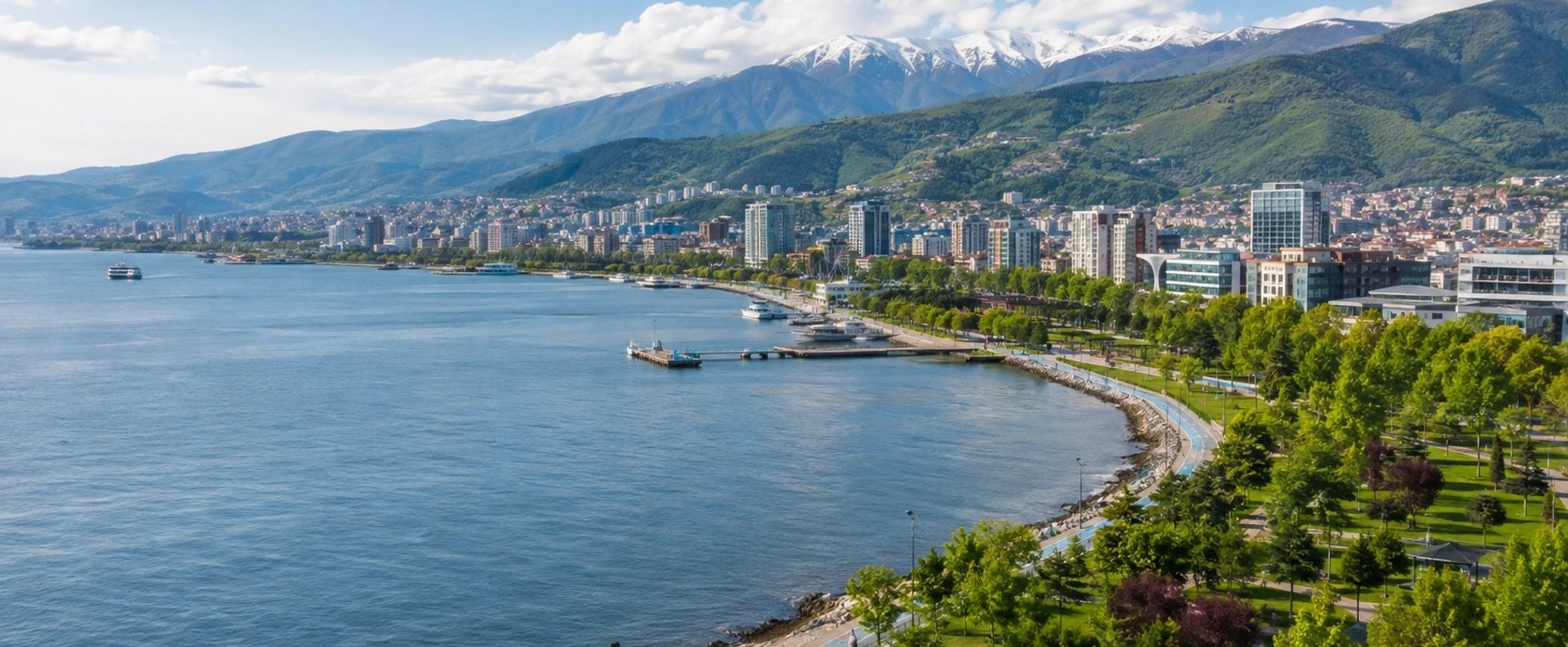
Discover Ottoman monuments, historic houses, castles, museums, beaches and hidden destinations across one of Türkiye's most diverse provinces.
View Kocaeli GuideFollow Karamürsel's maritime story eastward through historic coastal settlements and naval heritage attractions.
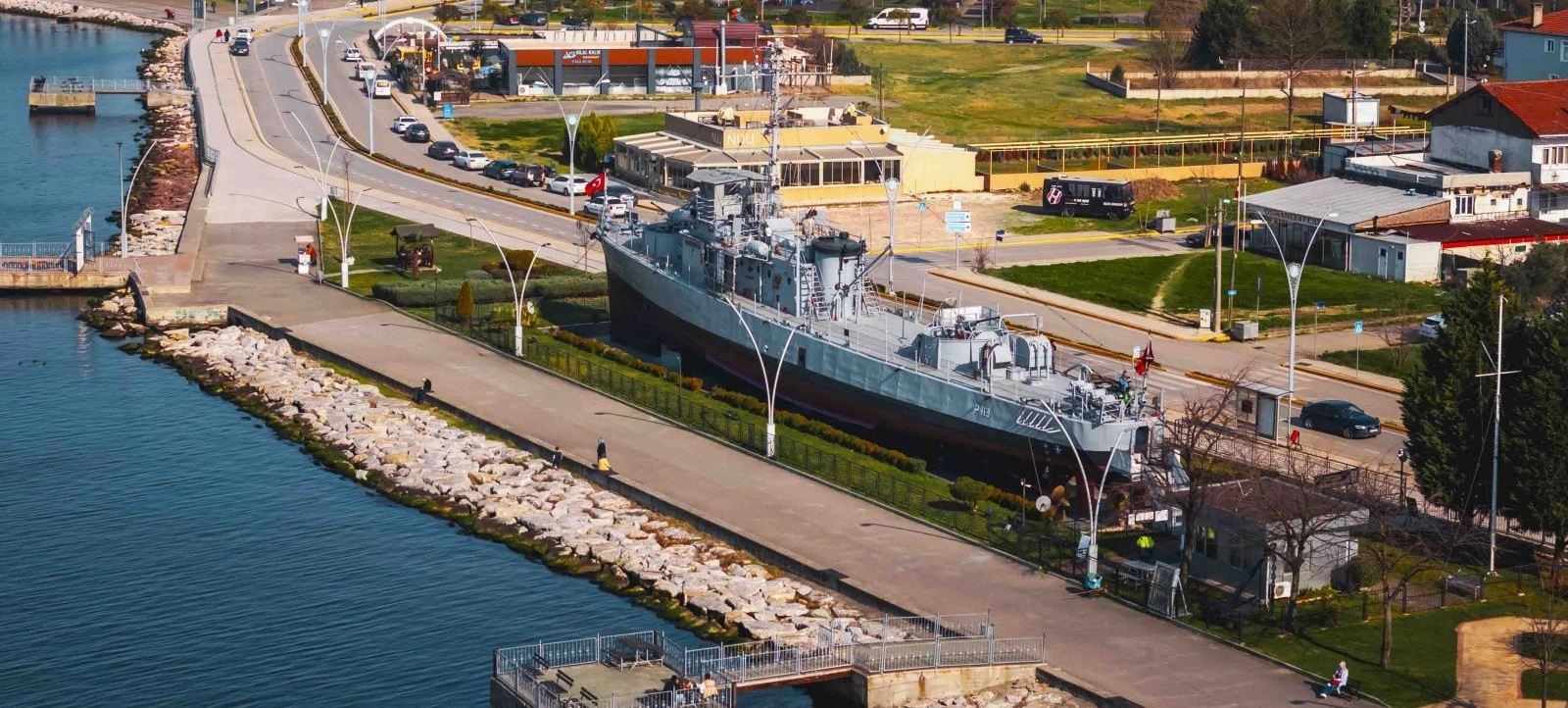
Continue from the beginnings of Ottoman sea power to modern Turkish naval heritage aboard a preserved warship on the Gölcük waterfront.
Explore Yarhisar Museum Ship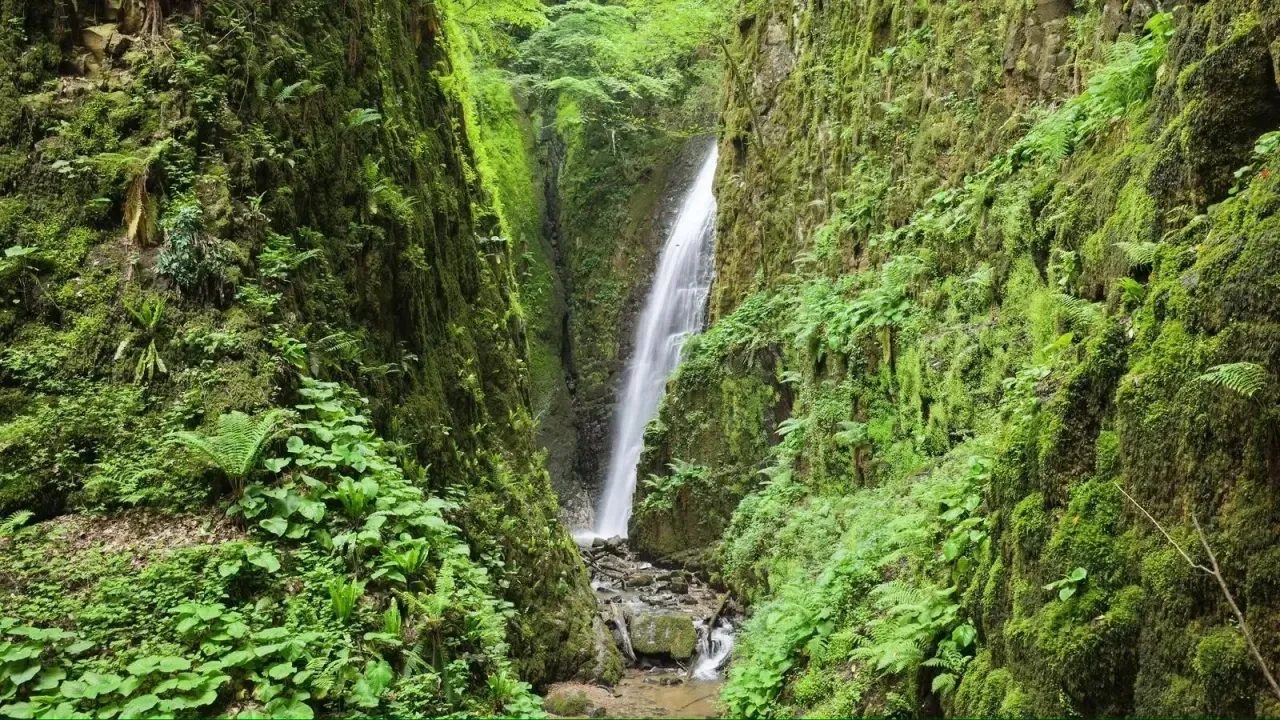
Exchange Ottoman maritime history for forest scenery, walking routes and one of Gölcük's attractive natural escapes.
Explore Nüzhetiye Waterfall
Continue to İzmit, Gölcük, Hereke, Gebze, Kandıra and other fascinating destinations across Kocaeli Province.
Continue Exploring Kocaeli