Pamukkale’s Famous Red Thermal Springs

Karahayıt Hot Springs – Complete Visitor Guide

Discover red mineral terraces, steaming thermal water and relaxing spa experiences
only a few kilometers from Pamukkale’s white travertines.

Explore Karahayıt

See the Red Side of Pamukkale’s Thermal Landscape

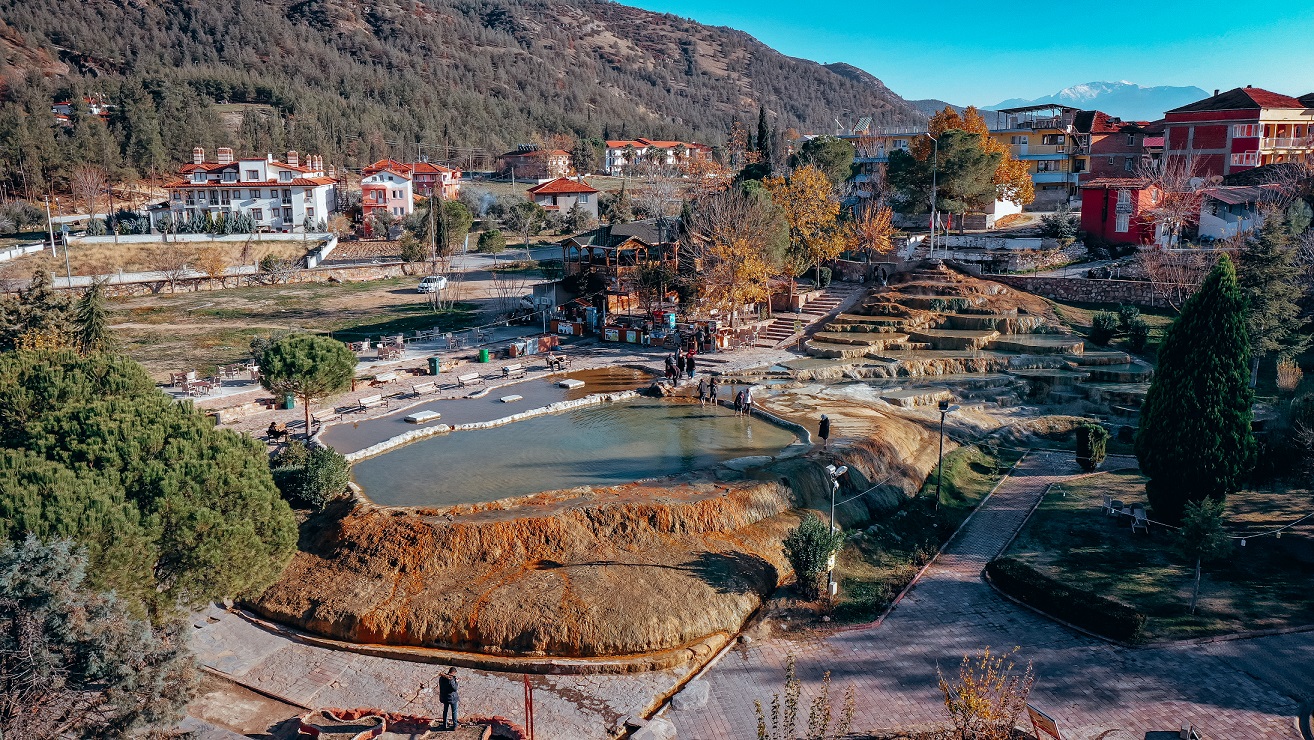
Karahayıt Hot Springs, also known as the Karahayıt Red Water Springs, are located approximately 5 kilometers north of Pamukkale in Denizli Province. While Pamukkale is famous for brilliant white calcium terraces, Karahayıt is distinguished by red, orange, green and cream-colored mineral deposits formed around exceptionally hot thermal water.

The main spring emerges at approximately 58–60°C and carries a rich mixture of minerals. Iron oxides are especially important in creating Karahayıt’s characteristic reddish tones. The public spring and colorful travertine formations can be seen during a short visit, while the surrounding thermal hotels, pools, bathhouses and spa centers offer longer wellness experiences.

Red Mineral Terraces

See unusual red, orange, green and white deposits created by mineral-rich thermal water.

Hot Thermal Source

Observe steaming water emerging at close to 60°C from one of Denizli’s best-known geothermal areas.

Thermal Hotels & Spas

Choose from private pools, traditional bathing facilities, spa treatments and overnight thermal stays.

Close to Pamukkale

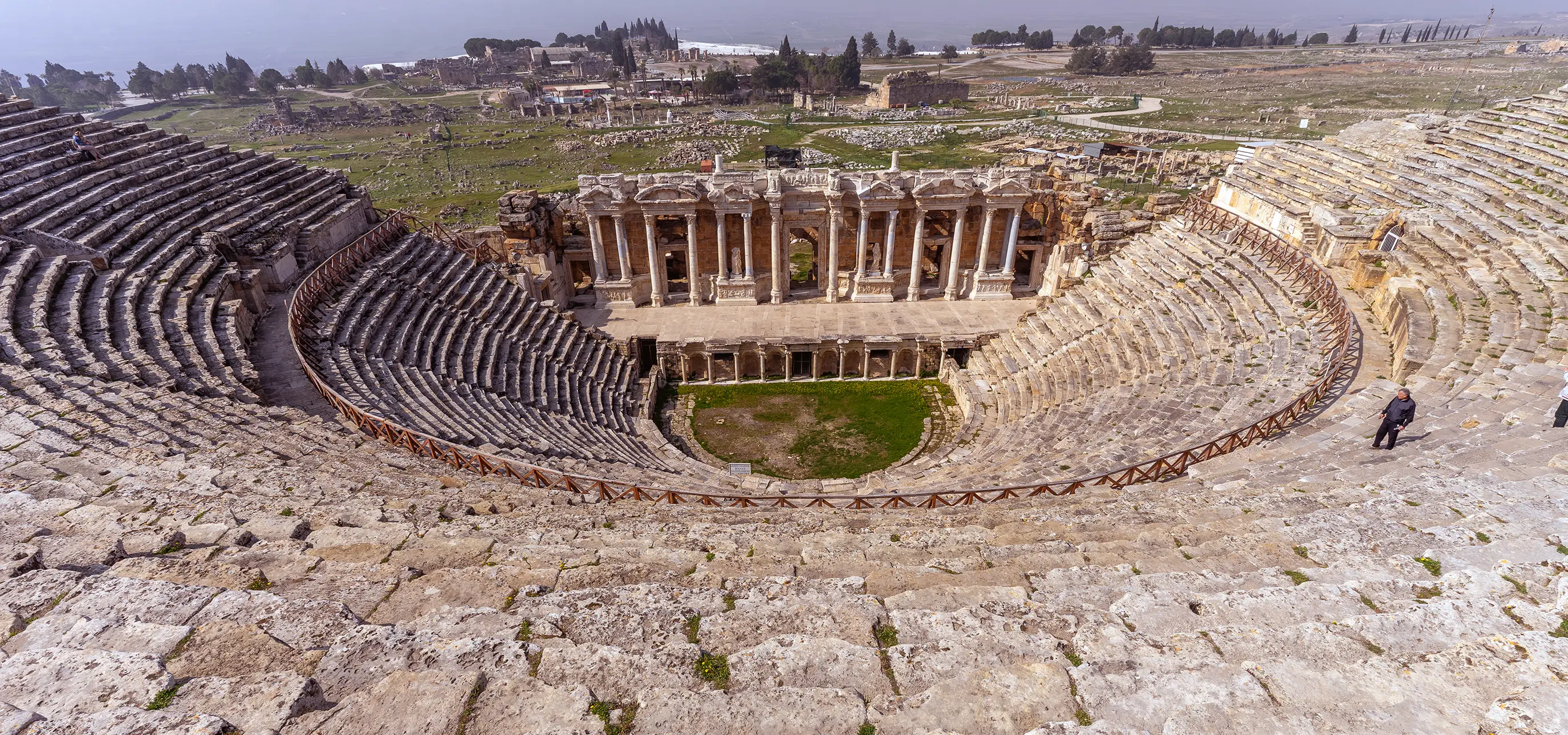
Combine Karahayıt easily with Pamukkale Travertines, Hierapolis and other attractions in the Lycus Valley.

Plan Your Visit

Karahayıt Hot Springs – Quick Facts

Essential information for visiting the colorful thermal springs just north of Pamukkale.

📍

Location

Karahayıt neighborhood, Pamukkale district, approximately 5 kilometers north of Pamukkale Travertines.

♨️

Water Temperature

The principal red-water source emerges at approximately 58–60°C before being cooled for controlled bathing use.

Visit Duration

Allow 30–60 minutes for the public spring area or several hours when adding a thermal pool or spa experience.

🧱

Main Highlight

Approximately 500 square meters of colorful mineral deposits commonly called the Red Water Travertines.


Geothermal Water Beneath the Lycus Valley

Formation, History & Thermal Heritage

Discover why Karahayıt looks so different from nearby Pamukkale and how thermal bathing became central to the area’s identity.

Karahayıt belongs to the wider geothermal system of the Denizli and Pamukkale region. Fault lines allow underground water to circulate deeply through heated rock before returning to the surface carrying dissolved minerals. As the hot water cools and reacts with the air, mineral compounds are deposited around channels, pools and slopes.

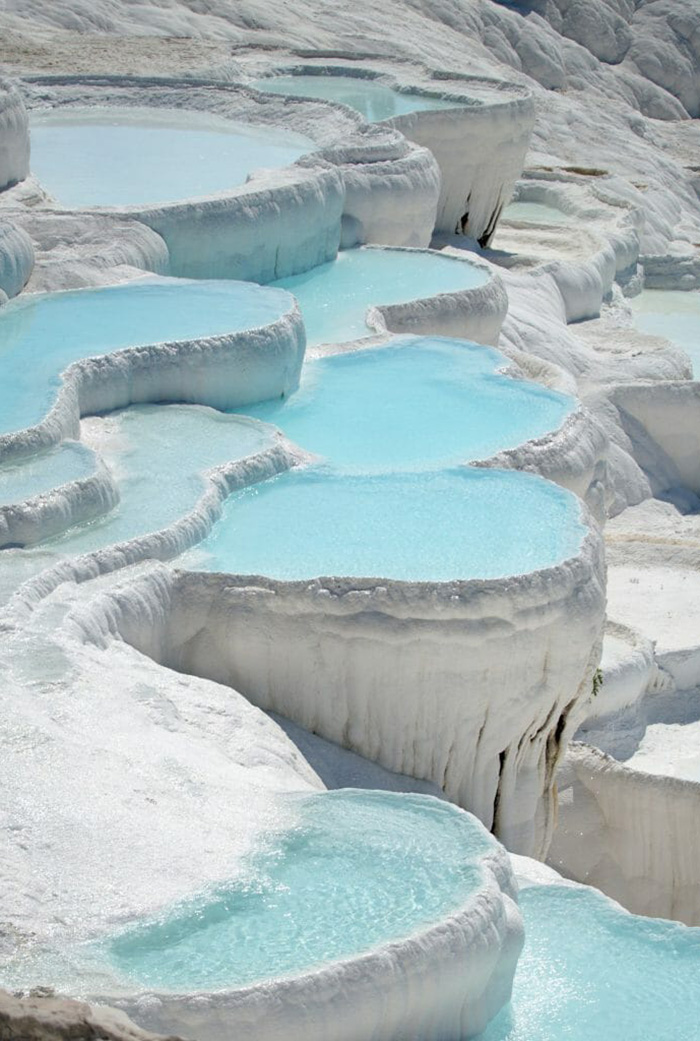
Pamukkale’s world-famous terraces are dominated by brilliant white calcium carbonate. Karahayıt’s water has a different temperature and chemical composition, producing a more varied palette. Iron-rich compounds create deep red and rust-colored surfaces, while other mineral deposits contribute orange, brown, green, cream and white layers.

The principal spring is commonly described as emerging at approximately 58°C, with the most visible colored travertine area covering roughly 500 square meters. Steam is often visible above the flowing water, especially during cool mornings and winter weather.

Thermal water has shaped daily life in the wider Hierapolis and Pamukkale region since antiquity. Karahayıt later developed into a well-known thermal accommodation center with hotels, pensions, apartment hotels, pools, bathhouses and wellness facilities using locally supplied geothermal water.

The springs are frequently promoted for relaxation and balneotherapy. However, claims about treating specific illnesses should not replace professional medical advice. Visitors with cardiovascular conditions, blood-pressure problems, pregnancy, reduced mobility or other health concerns should consult a qualified medical professional before using very hot thermal pools.


What to See & Do in Karahayıt

Explore the public red-water landmark, local thermal culture and the facilities surrounding the spring.

Red Water Travertines

Karahayıt’s most recognizable feature is the compact formation of red, orange and cream-colored mineral terraces. Flowing thermal water creates narrow channels, rounded rims and layered deposits that contrast dramatically with Pamukkale’s white slopes.

  • Local name: Kırmızı Su Travertenleri
  • Approximate area: Around 500 square meters
  • Best for: Geology, photography and a short scenic stop

The Main Thermal Source

The principal source releases extremely hot water at approximately 58–60°C. Steam, mineral staining and constantly flowing water make the spring visually impressive, but visitors should keep away from the hottest outlet unless guided by local staff.

  • Temperature: Approximately 58–60°C at the source
  • Important: Water near the outlet may cause burns
  • Bathing: Use designated and temperature-controlled facilities

Red, Green & White Mineral Layers

Karahayıt is often called the red counterpart of Pamukkale, but the deposits contain several colors. Iron oxides create the strongest red and rust tones, while changing mineral concentrations, water flow and oxidation produce additional greenish, cream and white surfaces.

  • Main color source: Iron-rich mineral oxidation
  • Other tones: Orange, brown, green, cream and white
  • Visual character: Constantly changing wet and dry mineral textures

Thermal Pools & Bathhouses

Many accommodations and independent facilities in Karahayıt offer indoor or outdoor thermal pools. The water used for bathing is normally managed at a safer temperature than the raw source. Day-use availability, hygiene rules and prices vary between properties.

  • Options: Hotel pools, private baths and local thermal facilities
  • Access: Day use may be possible without an overnight stay
  • Advice: Confirm temperature, cleanliness and opening times first

Thermal Mud Experiences

Karahayıt is also associated with naturally mineralized thermal mud. Some hotels and wellness centers offer controlled mud applications as part of spa programs, while access and treatment standards differ significantly between facilities.

  • Where available: Selected hotels and spa centers
  • Use: Wellness and relaxation treatments
  • Safety: Follow staff guidance and avoid unregulated applications

Thermal Hotels & Overnight Stays

Karahayıt has become one of the main accommodation zones around Pamukkale. Visitors can choose from simple pensions and apartment hotels to larger thermal resorts with pools, spa services, restaurants and wellness programs.

  • Best for: Travelers seeking thermal facilities at their hotel
  • Location advantage: Easy access to Pamukkale and Hierapolis
  • Booking tip: Confirm whether thermal pool use is included

Karahayıt Village Center

The surrounding neighborhood has restaurants, cafés, small shops, pensions and local markets. It feels more like a living thermal town than a single isolated attraction and is especially active during holiday periods.

  • Facilities: Food, accommodation, shopping and transport
  • Atmosphere: Local thermal-resort settlement
  • Useful for: Meals before or after Pamukkale sightseeing

Steam in Cool Weather

During cold mornings, the temperature difference between the air and the spring creates visible clouds of steam. This is one of the most atmospheric times to photograph the red terraces and flowing mineral water.

  • Best conditions: Cool mornings and winter days
  • Photo effect: Steam above red and orange mineral surfaces
  • Tip: Protect cameras from moisture and condensation

Entrance Fee & Visitor Access

Karahayıt is a thermal neighborhood rather than one single ticketed attraction. The public Red Water spring and colorful mineral formations can generally be viewed without purchasing an archaeological-site ticket. Thermal pools, private baths, spa treatments and hotel facilities are operated separately and set their own entrance fees, session lengths and access policies.

Public Spring Area

No standard archaeological-site admission ticket is generally required to view the outdoor red-water landmark.

Thermal Pool Access

Hotels and bath facilities charge their own day-use or treatment fees. Prices can change by season and service level.

Overnight Guests

Some hotels include thermal pool access in the room price, while special baths or spa treatments may cost extra.

Before You Go

Confirm whether towels, lockers, swim caps, sandals and private changing areas are included in the selected facility.

Opening Hours & Best Time of Day

The outdoor Red Water formation is part of Karahayıt’s public landscape and does not follow the same controlled schedule as Pamukkale archaeological site. However, individual thermal hotels, pools, bathhouses and spa centers operate according to their own opening hours. Day-use visitors should contact the selected facility before arrival.

Public Red Water Area Best visited during daylight hours
Thermal Hotels & Pools Opening hours vary by property and season
Best Time for Photography Morning or late afternoon
Best Time for Steam Cool mornings and winter days
Typical Visit Duration 30–60 minutes without a spa session

Why Visit Karahayıt Hot Springs?

Karahayıt Hot Springs offer a striking contrast to nearby Pamukkale. Instead of broad white terraces, visitors find a compact red and orange mineral landscape, visibly steaming water and a living thermal-resort neighborhood built around geothermal bathing.

A Different Side of Pamukkale

See how a different mineral composition transforms thermal deposits from white into vivid red, orange and green tones.

Easy Regional Add-On

Karahayıt is close enough to combine with Pamukkale and Hierapolis without requiring a separate long-distance excursion.

Relaxing Thermal Culture

Choose a simple sightseeing stop, a private thermal bath, a spa session or an overnight stay at a thermal hotel.

Atmospheric Photography

Steam, mineral textures and warm-colored terraces create unusual compositions, particularly in cool weather.


Karahayıt is especially rewarding for travelers interested in geology, thermal landscapes, wellness travel, local culture and destinations beyond the most photographed parts of Pamukkale.

How to Get to Karahayıt Hot Springs

Karahayıt is located north of Pamukkale in Denizli Province. It is easily reached by car, taxi, local minibus or private transfer and is one of the most practical places to add before or after a visit to Pamukkale Travertines and Hierapolis Ancient City.

From Pamukkale

The distance is approximately 5 kilometers. Driving normally takes around 10–15 minutes depending on traffic and hotel location.

From Denizli

Karahayıt lies roughly 20–25 kilometers from central Denizli. Allow approximately 30–40 minutes by road.

By Public Transport

Local minibuses and municipal services connect Denizli, Pamukkale and Karahayıt. Confirm the final return time locally.

By Private Transfer

A private vehicle is the easiest option when combining Karahayıt with several attractions or traveling with luggage.

How to Use the Hot Springs Responsibly

Do Not Enter the Raw Source

Water near the principal outlet may approach 60°C and can cause serious burns. Use only designated bathing pools.

Limit Very Hot Sessions

Take breaks, cool down gradually and follow the facility’s recommended session duration rather than staying continuously in hot water.

Stay Hydrated

Drink water before and after bathing. Hot pools can increase fluid loss even when you do not feel heavily perspired.

Consult a Professional

Seek medical advice before bathing when pregnant or living with cardiovascular, blood-pressure or other significant health conditions.

Supervise Children

Children should use only suitable pools under close adult supervision and should avoid very hot water.

Follow Facility Hygiene Rules

Shower before entering, wear suitable footwear and observe all local instructions concerning swimwear, caps and pool use.

Visitor Tips

Separate Sightseeing from Bathing

The public Red Water formation is a short sightseeing stop. For swimming or soaking, choose a designated hotel or bath facility.

Bring Suitable Footwear

Mineral surfaces can be wet and slippery. Wear shoes with good grip and do not climb onto fragile deposits.

Protect Light-Colored Clothing

Iron-rich water and mud may leave reddish mineral stains on swimwear, towels or pale fabrics.

Confirm Day-Use Facilities

Not every thermal hotel accepts outside guests. Contact the property before arriving for a pool or spa session.

Visit Before Pamukkale

An early Karahayıt stop can work well before continuing to the longer walking route through Hierapolis and the white terraces.

Avoid Touching New Deposits

Fresh mineral layers are delicate. Remain on established paths and viewing areas to help protect the formation.

Who Should Visit Karahayıt?

Wellness Travelers

Ideal for visitors who want thermal pools, spa facilities or a relaxing hotel stay close to Pamukkale.

Geology & Nature Lovers

A rewarding example of how temperature, minerals, oxidation and flowing water create colorful travertine formations.

Photographers

Red mineral layers, steam, flowing channels and close-up textures offer a strong contrast to white Pamukkale.

Pamukkale Overnight Guests

Karahayıt is a practical accommodation base for travelers who prefer thermal hotels and quieter evenings.

Frequently Asked Questions

What is Karahayıt famous for?

Karahayıt is famous for its very hot red-colored thermal water, mineral mud, colorful red, orange, green and white travertine deposits and numerous thermal hotels and spa facilities.

Why is the water red?

The reddish appearance is primarily associated with iron-rich minerals that oxidize when the thermal water reaches the surface and comes into contact with air. Other minerals contribute additional green, cream and white tones.

How hot is the Karahayıt thermal water?

The principal source is generally reported at approximately 58–60°C. Designated bathing pools should be cooled or managed to safer temperatures before use.

Is Karahayıt the same as Pamukkale?

No. Karahayıt is a separate thermal neighborhood approximately 5 kilometers north of Pamukkale. Pamukkale is known for large white travertine terraces, while Karahayıt is known for smaller red and multicolored deposits.

Is there an entrance fee?

There is generally no standard archaeological-site ticket for viewing the public Red Water formation. Hotels, thermal pools, bathhouses and spa centers charge their own fees.

Can visitors swim in the red water?

Visitors should not enter the raw source because it is extremely hot. Swimming or soaking should take place only in designated thermal pools where temperature and access are controlled.

How long should I spend in Karahayıt?

Allow approximately 30–60 minutes for the public spring and village center. A thermal-pool or spa experience may require two hours or more.

Can Karahayıt be combined with Pamukkale on the same day?

Yes. The two areas are only about 5 kilometers apart, making Karahayıt an easy stop before or after Pamukkale Travertines and Hierapolis.

Is Karahayıt suitable for children?

The public viewing area can be visited by families, but children must be closely supervised around hot water and slippery surfaces. Only child-appropriate thermal pools should be used.

Are the hot springs medically proven to cure illnesses?

Thermal bathing may be used for relaxation or medically supervised balneotherapy, but it should not be presented as a guaranteed cure. Travelers with health concerns should seek qualified medical advice.

Best Photo Moments at Karahayıt

Karahayıt is a compact but visually distinctive destination. The most interesting photographs usually combine mineral texture, flowing water, steam and the contrast between wet and dry surfaces. Remain on established paths and avoid stepping onto delicate deposits for a better angle.

Red Travertine Channels

Photograph the narrow channels where hot water flows across vivid red, orange and cream mineral layers.

Steam Above the Source

Cool morning air can create dramatic steam clouds above the main spring and pools.

Mineral Texture Close-Ups

Look for ripples, rounded edges, crystalline surfaces and changing bands of color without touching the formation.

Red & White Contrast

Use Karahayıt and Pamukkale photographs together to tell the story of two very different thermal landscapes.

Flowing Water Details

A fast shutter freezes droplets, while a slower exposure can emphasize the movement of water across the terraces.

Evening Mineral Colors

Warm late-afternoon light can intensify the red and orange surfaces before daylight fades.

Best Time to Visit Karahayıt Hot Springs

Karahayıt can be visited throughout the year. Spring and autumn offer the most comfortable sightseeing weather, while winter creates the most visible steam and is especially appealing for travelers staying at a thermal hotel.

Spring (April – June)

Mild temperatures make it easy to combine Karahayıt with a full walking visit through Pamukkale and Hierapolis.

Summer (July – August)

Visit in the morning or late afternoon, as the combination of hot weather and thermal steam can feel intense.

Autumn (September – October)

Comfortable weather, warm light and fewer peak-season crowds make autumn excellent for sightseeing and photography.

Winter (November – March)

Cold air produces dramatic steam, and thermal hotels are particularly attractive during cool or rainy weather.


Best Overall Months

April – June & September – October

Best Season for Thermal Hotels

Late autumn, winter and early spring

Best Time for Photography

Morning or late afternoon

Best Conditions for Steam

Cold, calm mornings

Pamukkale Tours & Private Routes Near Karahayıt

Standard shared tours generally focus on Pamukkale Travertines and Hierapolis Ancient City. Karahayıt is best added through a private itinerary, private transfer or an overnight stay at a thermal hotel.

Recommended Pamukkale Experiences

Choose a classic shared tour or request a flexible private route that can include Karahayıt.