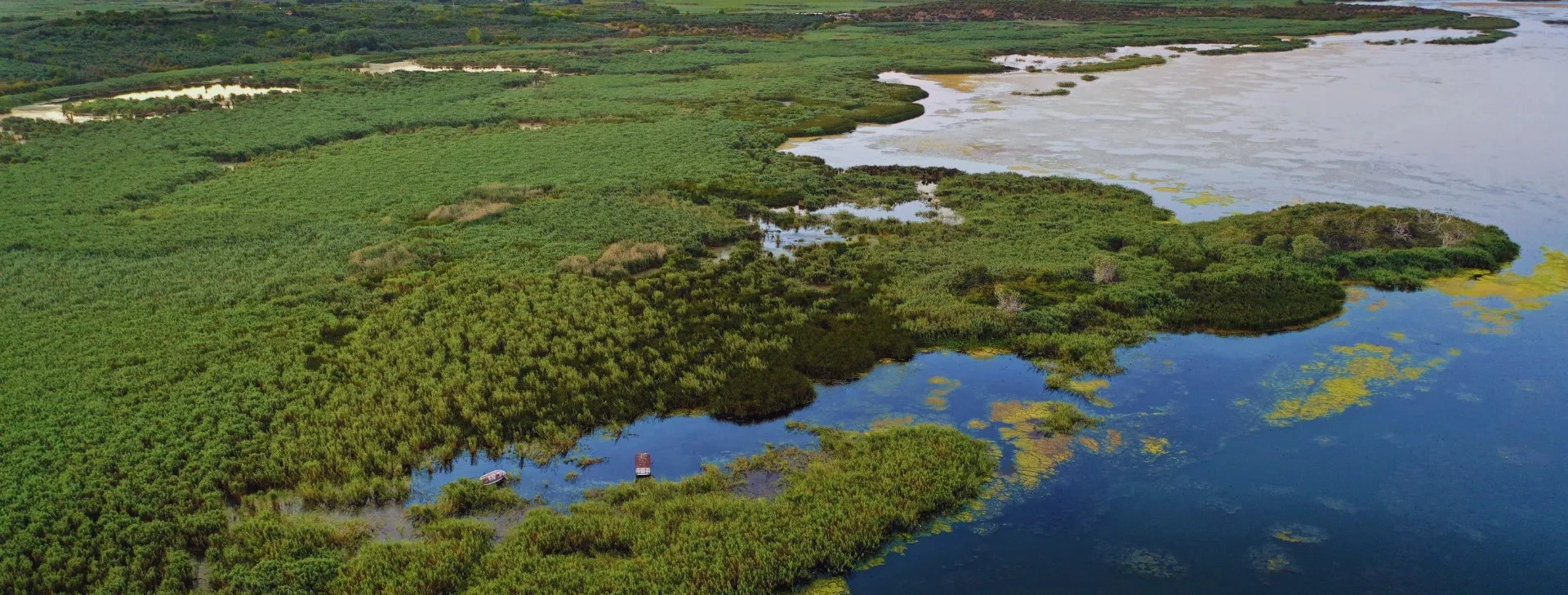
Private Karacabey Longoz Nature Tour
Ask us about a tailor-made excursion through the Karacabey wetland landscape, with time for forest scenery, wildlife observation, photography and the Marmara coast.
Request a Custom Tour





The Karacabey Floodplain Forest, widely known in Turkish as Karacabey Longoz Ormanları, is one of the most remarkable natural landscapes in Bursa Province. Located near Bayramdere and Yeniköy on the southern coast of the Marmara Sea, the forest forms part of the ecologically rich Kocaçay Delta.
Unlike an ordinary woodland, a longoz is a floodplain forest shaped by seasonal water. During wetter periods, shallow water spreads between the trees, creating reflective pools, small channels and flooded clearings. As spring develops, fresh green foliage and water lilies transform parts of the wetland into one of Bursa's most photogenic natural environments.
The wider Kocaçay Delta brings together an unusually varied collection of habitats: floodplain forest, lagoons, reed beds, marshes, coastal dunes, river channels and sandy beaches. This diversity supports an exceptional concentration of plant, bird and aquatic life.
Karacabey Longoz is particularly rewarding for travelers interested in birdwatching, nature photography, wetlands, quiet walks and ecological landscapes. It can also be combined with the nearby Marmara coast for a very different Bursa experience, far removed from the mosques, bazaars and monuments of the city center.
Explore a seasonal floodplain forest shaped by water, woodland and coastal wetlands.
Look for herons, pelicans, storks, ducks, raptors, shorebirds and woodland species.
See beautiful wetland vegetation during the greener and wetter part of the year.
Combine the longoz with lagoons, dunes, Yeniköy Beach and the mouth of the Kocaçay system.
Essential information for visiting Karacabey Longoz and the Kocaçay Delta in Bursa.
Bayramdere–Yeniköy area of Karacabey district, northwest of Bursa city.
Open on Google MapsSeasonally flooded lowland forest within the wider Kocaçay Delta wetland system.
More than 250 bird species have been recorded across the wider delta and surrounding habitat.
Ash, alder, willow, elm and other moisture-loving woodland species.
No single general admission system applies to the entire natural wetland landscape; local arrangements can vary.
Allow approximately 2–4 hours, or longer if combining the forest with lagoons and the coast.
Karacabey Longoz protects a rare meeting point of river, forest, lagoon, marsh, dune and marine ecosystems.
The importance of Karacabey Longoz extends far beyond its beautiful scenery. The forest belongs to the Kocaçay Delta, where waterways draining a large part of southern Marmara approach the sea and create a mosaic of freshwater, brackish and coastal habitats.
This transition from river to sea supports environments that are increasingly uncommon: flooded woodland, reed beds, shallow lagoons, mudflats, dunes, river channels and coastal vegetation. Each habitat supports different plants and animals, producing remarkable biodiversity within a relatively compact landscape.
The delta is especially significant for birds. Resident species share the area with migratory birds using the Marmara region as a resting, feeding and breeding zone. Pelicans, herons, ducks, storks, raptors, shorebirds and woodland birds may all be encountered depending on season and water conditions.
The wetland also demonstrates an important ecological lesson: the flooding that may make paths muddy or temporarily inaccessible is not a problem to be removed. It is the natural process that keeps the longoz ecosystem alive.
The Turkish word longoz is commonly used for a type of floodplain or seasonally inundated forest. These forests develop on low, flat ground where river water, groundwater and seasonal rainfall periodically flood the soil.
Trees growing in such environments must tolerate saturated ground and periods when water surrounds their trunks. Species such as ash, alder and willow are particularly well adapted to these conditions.
Floodwater brings nutrients into the forest and connects woodland pools with marshes, streams and lagoons. As water levels fall, exposed areas become feeding grounds, mudflats and temporary clearings before the next wet cycle begins.
Water spreads across low forest ground during wetter periods and gradually retreats as conditions become drier.
Ash, alder, willow and related species survive soil conditions that many ordinary woodland trees cannot tolerate.
Temporary and permanent water bodies create habitat for insects, amphibians, fish and waterbirds.
Climbing plants, wetland vegetation and seasonal flowers give the forest a dense, almost subtropical appearance.
The changing water level is essential to the health and character of the forest.
Drainage, pollution, disturbance and inappropriate construction can seriously disrupt floodplain ecosystems.
Karacabey Floodplain Forest is only one part of the much larger Kocaçay Delta wetland landscape. Understanding the delta makes the forest itself far more meaningful.
The western part of the delta contains Dalyan Lake and Poyraz Lake, together with extensive reed beds and floodplain woodland. Farther across the delta are additional wetland habitats associated with Arapçiftliği Lake, river channels, sandy coastal areas and mudflats.
Dalyan Lake lies immediately behind the coast and is separated from the Marmara Sea by a sandy barrier. This close relationship between freshwater, lagoon, dune and marine habitats explains why the region supports such a wide variety of wildlife.
Seasonally inundated woodland forms the green heart of the Karacabey Longoz landscape.
A coastal lagoon separated from the Marmara Sea by a sandy barrier.
Another important lagoon and waterbird habitat within the western delta.
Dense wetland vegetation provides nesting, feeding and shelter areas for birds and other animals.
Sandy habitats support specialized plants and form an important buffer between wetland and sea.
The delta reaches the southern coast of the Marmara Sea, creating an unusually diverse ecological transition.
Vegetation is one of the most memorable features of the longoz. The forest canopy contains moisture-loving deciduous trees, while climbing plants, reeds and aquatic vegetation fill the lower layers.
Official descriptions of the area highlight ash, alder, willow and elm. Nearby slopes and drier ground support additional woodland and maquis vegetation, reflecting Karacabey's position between different climatic and botanical zones.
Among the best-known seasonal attractions are the water lilies that appear across quiet pools and wetland areas. Their exact abundance varies from year to year according to water levels and local conditions.
A characteristic tree of wet floodplain forests and one of the dominant species associated with the longoz.
Well adapted to wet soils and frequently associated with riverbanks and flooded woodland.
A familiar moisture-loving tree found around channels, lake edges and damp ground.
Forms part of the varied deciduous woodland recorded in the Karacabey coastal region.
Seasonal flowers floating over still water create some of the longoz's most beautiful spring scenes.
Vines and dense vegetation contribute to the lush appearance of wetter parts of the forest.
The Kocaçay Delta is among the most rewarding birdwatching environments in Bursa. More than 250 bird species have been reported from the wider wetland and surrounding habitats, although the number and species visible on any particular visit depend strongly on season.
The combination of open water, reeds, mudflats, woodland and coast provides feeding and nesting opportunities for birds with very different ecological requirements. Spring and autumn migration can be particularly interesting, while winter brings concentrations of waterbirds.
A striking woodland and wetland species recorded within the Kocaçay Delta ecosystem.
White and Dalmatian pelicans may be encountered in the wider wetland region, especially during seasonal movements.
Grey, little egret and other heron species use shallow water and reed-edge feeding areas.
Lagoons and open water support numerous waterfowl species, especially outside the hottest months.
Birds of prey, including species associated with wetlands and surrounding forest, may be seen overhead.
Mature woodland provides habitat for several woodpecker species.
The lagoon and river system supports fish and other aquatic organisms that form an important part of the food web.
Horses and livestock may occasionally be encountered around the wider rural landscape, but sightings are never guaranteed.
Karacabey Longoz is not about one monument or viewpoint. Its beauty comes from moving slowly through a constantly changing landscape of water, woodland, open sky and wildlife.
Look for trees rising directly from shallow water during periods when the forest floor is inundated.
Quiet pools covered with floating vegetation create beautiful seasonal foregrounds for photography.
Explore the lagoon landscape where freshwater wetlands approach the Marmara coast.
Observe another important open-water and reed habitat within the delta.
Scan reed margins carefully for herons, waterfowl and smaller wetland birds.
Follow established tracks through woodland rather than creating new routes across sensitive vegetation.
See how river channels, wetland vegetation and the coastal plain interact near the Marmara Sea.
Finish with the broad sandy shoreline where forest, dune and sea create a completely different atmosphere.
Few Bursa attractions change as dramatically with the seasons as Karacabey Floodplain Forest. Rainfall, groundwater, river flow and temperature all influence what visitors see.
Higher water levels can create broad reflective pools between bare or emerging trees.
Fresh foliage, wet forest conditions, flowers and active birdlife make this one of the most rewarding periods.
The forest becomes intensely green and aquatic vegetation can be especially attractive.
Water levels may fall substantially, changing the appearance of pools, channels and forest tracks.
Changing foliage, migration and softer light create excellent conditions for quiet exploration.
Expect mud, standing water and changing access conditions even outside the traditional wet season.
Karacabey Longoz is a wild natural environment rather than a manicured urban park. Simple preparation makes the visit much more comfortable and helps protect the wetland.
Waterproof walking shoes are useful because tracks may be muddy, wet or slippery.
Even compact binoculars dramatically improve birdwatching without disturbing wildlife.
Do not assume shops or cafés will be available beside every forest or lagoon section.
Open wetland and beach sections can have little shade, particularly around midday.
Mosquitoes and other insects are natural components of a healthy wetland ecosystem.
Rain can quickly change forest-road and path conditions, especially in low-lying areas.
Save your route before entering quieter rural sections where navigation signs may be limited.
Plan to finish woodland exploration in daylight unless participating in an organized activity.
Begin your visit in the Bayramdere–Yeniköy area, where local roads approach the coastal wetland landscape. Continue toward an established entrance or forest track according to current road and water conditions.
Spend the first part of your visit walking quietly through an accessible section of the floodplain forest. Rather than trying to cover a long distance, stop frequently to observe reflections, aquatic plants, insects and birds moving between the canopy and water.
Continue toward the wider lagoon landscape around Dalyan and Poyraz lakes. These open wetland habitats provide a useful contrast with the enclosed woodland and are particularly rewarding for birdwatching.
Finish around Yeniköy and the Marmara coast, where dunes, beach and sea complete the transition from river forest to coastal ecosystem. If conditions permit, late-afternoon light can be especially beautiful.
Karacabey Longoz is a natural wetland landscape rather than a single enclosed attraction. There is therefore no universal ticket office or one opening schedule covering the entire forest, lagoons, river landscape and coast.
Public access can depend on water level, road condition, conservation measures, forestry restrictions, fire risk and seasonal management. Some forest tracks that appear straightforward in dry weather may become muddy or flooded after rainfall.
For a first visit, daylight hours are strongly recommended. If you intend to undertake scientific research, organized activities, commercial filming, drone photography or access to specially protected sections, confirm whether permission is required before arriving.
There is no single perfect month because the longoz offers different experiences throughout the year. For many visitors, however, spring is the most rewarding period, combining water, fresh foliage, flowers and active birdlife.
Higher water levels can produce classic flooded-forest scenery and beautiful reflections.
Fresh green foliage, wetland flowers and bird activity create particularly rich conditions.
Lush vegetation and aquatic plants make the landscape especially attractive for photography.
Drier conditions can make access easier, while the nearby Marmara coast becomes an additional attraction.
Migration, changing leaves and softer sunlight make this another rewarding period for nature lovers.
Waterbirds and atmospheric flooded scenery can be impressive, but rain, wind and mud require preparation.
Enough for a brief stop at one accessible woodland or wetland section.
Walk a forest track slowly and spend time observing plants, water and birdlife.
A good first visit combining longoz woodland with lagoon or coastal scenery.
Explore several habitats without rushing and include time for birdwatching and photography.
Combine Karacabey Longoz, the wider Kocaçay Delta, Yeniköy coast and nearby countryside.
Birdwatchers and photographers may easily spend an entire day waiting for changing light and wildlife.
Karacabey Longoz offers some of Bursa's most unusual nature-photography opportunities. Water creates reflections beneath the trees, while seasonal vegetation adds layers of green, yellow and autumn color.
Use calm flooded areas to mirror trunks, branches and foliage in the water.
Photograph floating flowers and leaves against dark water or reflected woodland.
Use a telephoto lens whenever possible rather than approaching wildlife closely.
Soft light and calmer conditions can create beautiful reflections and misty wetland scenes.
Use open lagoon and coastal viewpoints to contrast wetland, forest and sky.
Look for leaves, insects, bark, reflections, aquatic plants and patterns in shallow water.
A longer focal length is valuable for photographing birds without entering sensitive habitat.
Do not assume drone use is permitted; confirm current aviation and protected-area restrictions first.
Accessibility varies considerably because this is a natural wetland. Some roadside and open areas can be viewed with little walking, while forest tracks may contain mud, sand, roots, standing water and uneven ground.
Some parts of the wider landscape can be appreciated from or close to rural roads.
Expect natural soil, roots, stones and irregular surfaces rather than paved paths.
Seasonal flooding may make otherwise easy sections inaccessible.
A continuous wheelchair-accessible route through the natural forest should not be assumed.
Ordinary strollers can be difficult to use on muddy, sandy or uneven forest tracks.
Visitors with limited mobility can focus on road-accessible scenery and nearby coastal areas.
Karacabey Longoz lies approximately 75 kilometers from central Bursa in the coastal part of Karacabey district. Because the wetland is spread across a broad rural landscape, a private car or organized transfer is generally the easiest way to explore it.
Traditional access routes approach the longoz through the countryside around Boğaz, Bayramdere and Yeniköy. The final section can include local roads and unpaved forest tracks, so road conditions should be considered after heavy rain.
Drive west from Bursa toward Karacabey, then continue toward the Bayramdere–Yeniköy coastal area.
Continue north toward the Marmara coast and follow current local signs toward Yeniköy and the longoz.
The most flexible option for connecting forest, lagoons, beach and rural viewpoints.
Possible from Karacabey, but arrange the return journey in advance because the wetland is spread across a rural area.
Local services may reach settlements in the coastal area, but they are less practical for exploring multiple natural sites.
A private nature excursion is useful for travelers who prefer not to navigate rural roads independently.
The longoz can be combined with the Marmara coast and several important natural landscapes of western Bursa. For a broader trip, continue with our complete Bursa visitor guide.
Relax on the broad Marmara coastline immediately beside the wider longoz landscape.
See a coastal lagoon separated from the Marmara Sea by a sandy barrier.
Explore another important lagoon habitat for fish, wetland plants and waterbirds.
Discover the larger ecological system of river channels, wetlands, reeds, lagoons and coastal habitats.
Explore the wooded hills rising close to the Marmara coast north of Karacabey.
Stop in the district center for food, supplies and a look at the agricultural heartland of western Bursa.
Continue toward another internationally important wetland landscape between Karacabey and Bursa.
Combine nature with a historic lakeside settlement on a peninsula extending into Lake Uluabat.
It is in Karacabey district of Bursa Province, near Bayramdere and Yeniköy on the southern coast of the Marmara Sea.
Karacabey Longoz is a seasonally flooded forest forming part of the Kocaçay Delta wetland system. Water periodically covers the forest floor, creating a specialized floodplain ecosystem.
Not exactly. Karacabey Longoz is one habitat within the larger Kocaçay Delta, which also contains lagoons, reed beds, marshes, river channels, dunes and coastal environments.
Its low elevation and relationship with river water, groundwater and seasonal rainfall cause water to spread naturally across parts of the forest floor.
No. Periodic inundation is one of the defining ecological processes of a healthy floodplain forest and supports its characteristic plants and wildlife.
Characteristic species include ash, alder, willow and elm, together with other woodland and wetland vegetation.
Yes. Water lilies are one of the area's best-known seasonal attractions, although their abundance varies according to water level, temperature and time of year.
The wider Kocaçay Delta supports a very diverse bird community including storks, pelicans, herons, ducks, raptors, shorebirds and woodland species. More than 250 bird species have been reported from the wider area.
Pelicans occur within the wider delta and regional wetland system, particularly during suitable seasonal movements, but wildlife sightings can never be guaranteed.
Free-ranging horses have been reported in the wider Karacabey coastal landscape. They should be observed from a respectful distance and should not be approached or fed.
Spring is particularly attractive because of higher water levels, fresh vegetation, flowers and active birdlife. Autumn is also excellent for migration and photography.
Flooding is usually associated with wetter seasonal conditions, but the exact extent changes from year to year according to rainfall, river flow and groundwater levels.
The longoz is a broad natural landscape rather than one conventional ticketed attraction. There is no single general entrance ticket for the entire wetland, although particular managed facilities or activities may have their own arrangements.
There is no single universal opening schedule for the entire wetland landscape. Visit in daylight and check current local restrictions before traveling.
Two to four hours is suitable for most first-time visitors. Allow a half or full day if you also want to explore lagoons, the Kocaçay Delta and Yeniköy coast.
Yes, where established tracks and current conditions permit. Paths can become muddy or submerged, so never continue through water when depth or footing is uncertain.
You can visit the wider area, but some forest roads and tracks may be difficult or unsafe. Check conditions and never drive an unsuitable vehicle onto flooded or deeply muddy roads.
Yes. It is one of the most interesting birdwatching environments in Bursa because woodland, open water, reeds, coast and agricultural landscapes occur close together.
Yes. Flooded trees, reflections, water lilies, birds, open lagoons and changing seasonal vegetation provide excellent photographic subjects.
Do not assume drone use is automatically permitted. Protected-area, wildlife, aviation and temporary local restrictions may apply, so check the current rules before flying.
The forest itself is a wetland rather than a swimming destination, but the nearby Yeniköy coast provides access to the Marmara Sea. Always follow current beach and water-safety conditions.
Families can enjoy the area, particularly accessible forest and coastal sections, but children should remain closely supervised around water, mud and uneven ground.
Accessibility is limited in natural forest sections because of mud, water and uneven ground. Some roadside or coastal views may be easier to reach.
Do not rely on finding food or drink within the natural forest. Bring water and use settlements and coastal facilities around Bayramdere and Yeniköy when available.
Yes. For travelers interested in nature, wetlands, birds and photography, it offers one of the most distinctive landscapes in Bursa Province and is very different from the region's better-known historic attractions.
Wetlands can appear resilient, but their vegetation, nesting areas and water systems are highly sensitive to disturbance. Small decisions by individual visitors make an important difference.
Avoid creating new paths through wetland vegetation or across sensitive forest ground.
Never approach nesting birds, chicks, reed colonies or repeatedly alarm wildlife.
Feeding wildlife changes natural behavior and can create health and safety problems.
Carry away every bottle, bag, food wrapper and piece of fishing or picnic waste.
Keep noise low so birds, mammals and other visitors are not unnecessarily disturbed.
Do not pick water lilies or enter pools simply to reach flowers for photographs.
Follow all seasonal forestry and fire restrictions and never light an unauthorized fire.
Temporary restrictions may protect nesting wildlife, reduce fire risk or respond to unsafe conditions.
Combine Karacabey Floodplain Forest with the Kocaçay Delta, Marmara coastline and other remarkable landscapes of western Bursa through a private itinerary designed around your interests.
Ask us to create a private route focused on wetlands, birdwatching, photography, countryside and Bursa's lesser-known natural attractions.
Ask us about a tailor-made excursion through the Karacabey wetland landscape, with time for forest scenery, wildlife observation, photography and the Marmara coast.
Request a Custom Tour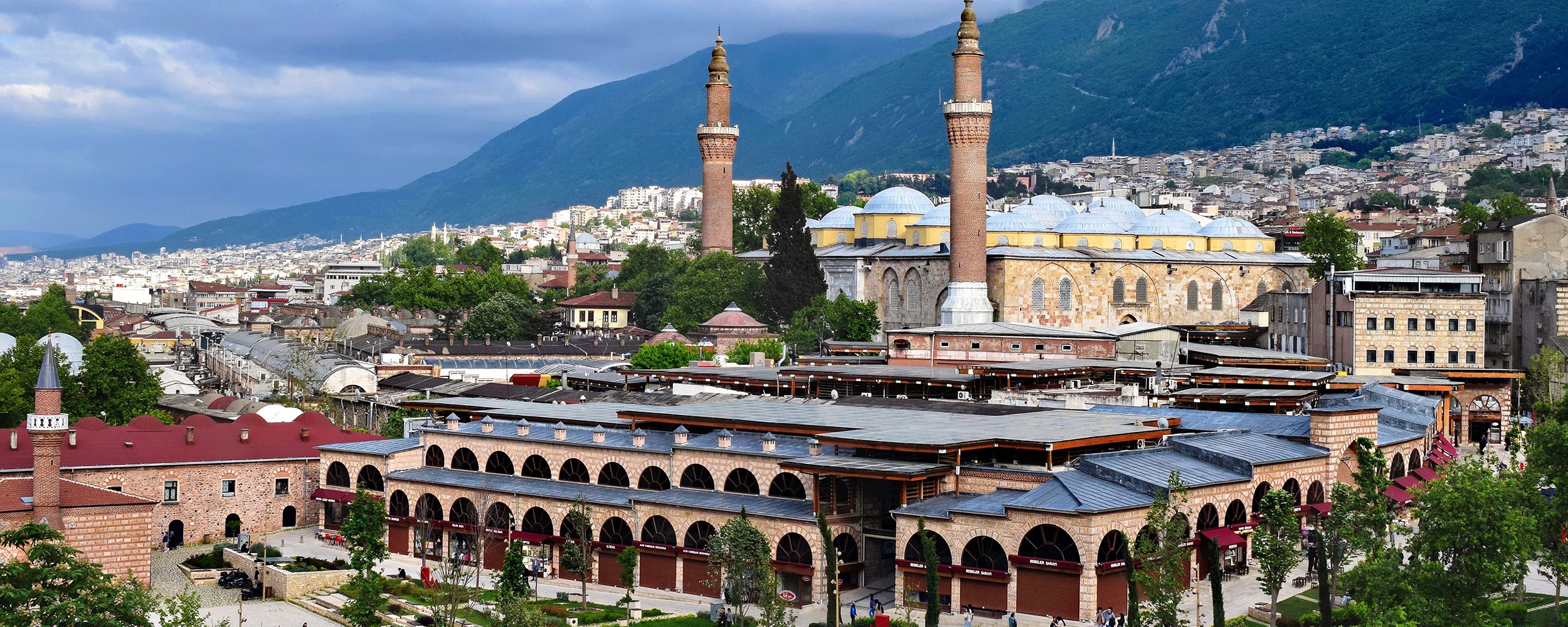
Discover Ottoman monuments, traditional neighborhoods, museums, villages, lakes, waterfalls and mountain landscapes across Bursa Province.
View Bursa GuideCombine the wild landscapes of Karacabey with Bursa's history, archaeology, museums and mountain scenery.
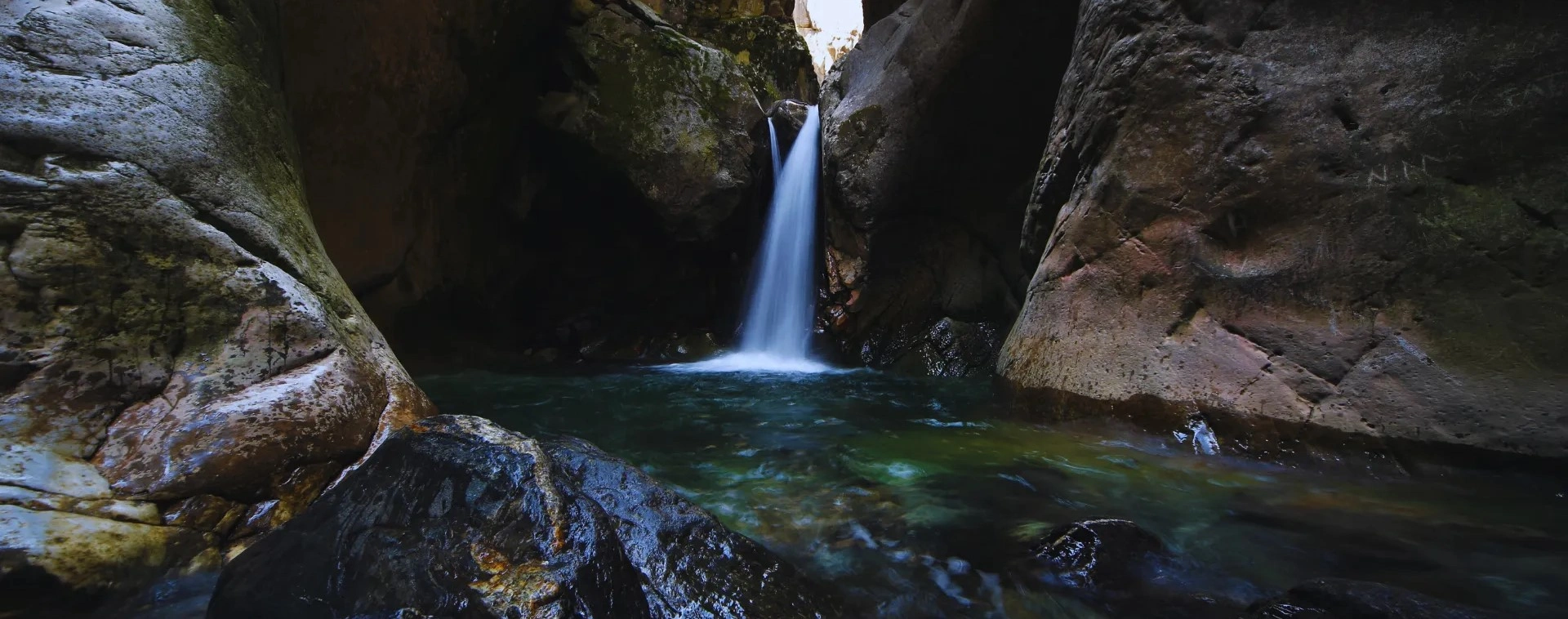
Continue your nature journey at one of Bursa's popular forest waterfalls on the slopes of Uludağ.
Explore Saitabat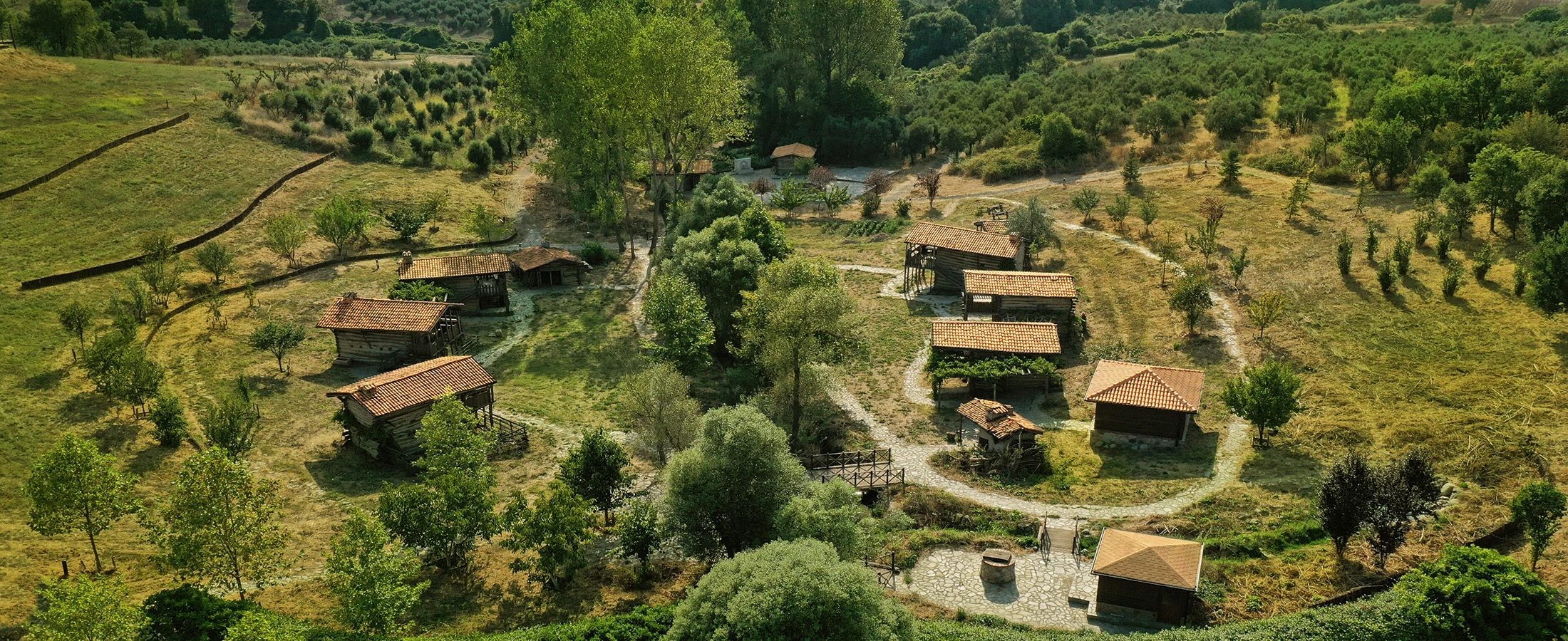
Travel thousands of years into Bursa's past at an archaeological site preserving traces of prehistoric settlement.
Explore Aktopraklık
Continue to Bursa's mosques, bazaars, museums, Ottoman complexes, historic villages and remarkable natural attractions.
Continue Exploring Bursa