Private Işık Hasan Cultural Village Programme
Tell us your group size and priorities. We will check local conditions before proposing a suitable route.
Request a Private Programme





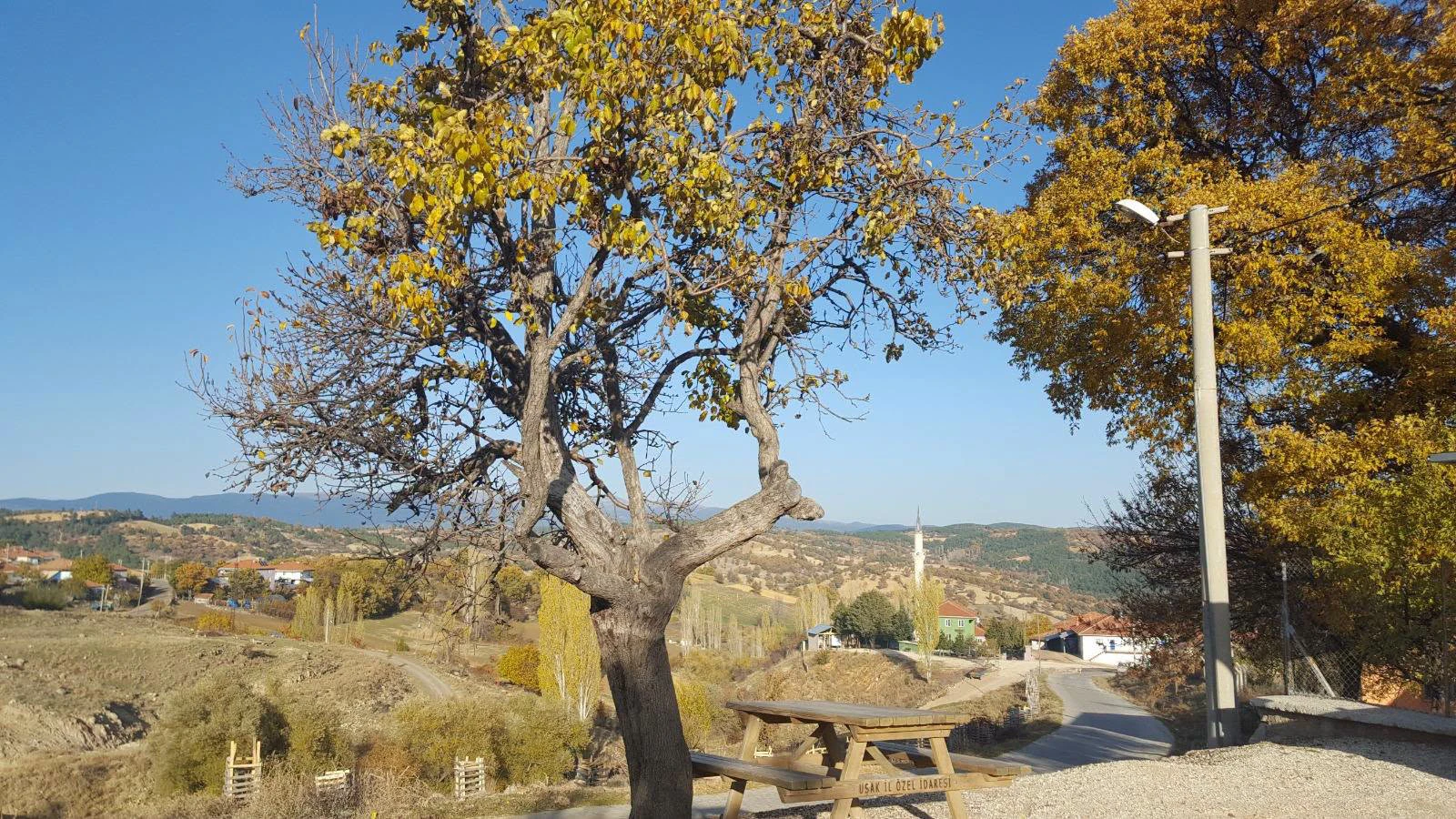
Işık Hasan Cultural Village offers a small-scale rural heritage experience close to Uşak. The provincial tourism directorate describes a village of stone houses, a quiet setting and views towards the Aşağı Karacahisar Dam Pond. It is a place to notice everyday architecture and landscape, not a reconstructed theme park.
Two traditional stone village mansions and six wooden granaries are mentioned in the official visitor description. Their value lies in showing how rural building materials and storage needs shaped local architecture.
Traditional masonry and domestic proportions are the central architectural interest.
The provincial account records two stone konaks maintained in traditional style.
Wooden storage buildings reflect rural agricultural life and craftsmanship.
Views across the Aşağı Karacahisar water landscape connect village and countryside.
Useful orientation before planning a journey in Uşak.
Işık Hasan village, Uşak central district
History and Cultural Heritage
The village’s cultural importance is tied to vernacular architecture: stone-built houses, timber storage buildings and the arrangement of communal space.
Pines frame parts of the village, and the Aşağı Karacahisar reservoir is visible from the village square and many houses according to the tourism directorate.
Plan a realistic stop and allow additional time for access and transport.
Confirm current opening, permissions, safety and road conditions.
Işık Hasan Cultural Village offers a small-scale rural heritage experience close to Uşak. The provincial tourism directorate describes a village of stone houses, a quiet setting and views towards the Aşağı Karacahisar Dam Pond. It is a place to notice everyday architecture and landscape, not a reconstructed theme park.
The most rewarding way to understand this subject is to place its documented features in the wider Uşak story. Wooden storage buildings reflect rural agricultural life and craftsmanship.
The village’s cultural importance is tied to vernacular architecture: stone-built houses, timber storage buildings and the arrangement of communal space. Without a dated building inventory, individual houses should not be assigned precise centuries.
The official provincial page identifies the site as a cultural village around 22 km from Uşak city centre. This designation does not mean that every house is a public museum or open for entry.
Pines frame parts of the village, and the Aşağı Karacahisar reservoir is visible from the village square and many houses according to the tourism directorate. The views help explain the relationship between settlement and the surrounding water landscape.
The surrounding area matters to the visitor experience: plan around local roads, terrain, land use and the difference between an accessible public viewpoint and a privately managed area.
Traditional masonry and domestic proportions are the central architectural interest.
This is best appreciated without touching protected material or entering restricted ground.
The provincial account records two stone konaks maintained in traditional style.
This is best appreciated without touching protected material or entering restricted ground.
Wooden storage buildings reflect rural agricultural life and craftsmanship.
This is best appreciated without touching protected material or entering restricted ground.
Views across the Aşağı Karacahisar water landscape connect village and countryside.
This is best appreciated without touching protected material or entering restricted ground.
For archaeological sites, the interpretation is strongest when visible masonry, documented history and modern land use are kept distinct.
The official provincial page identifies the site as a cultural village around 22 km from Uşak city centre. This designation does not mean that every house is a public museum or open for entry.
Look for the relationship between documented phases and the surviving material. Not every visible fragment can be dated or assigned a function from appearance alone.
Traditional masonry and domestic proportions are the central architectural interest.
Four distinct details give this visit a useful structure. Which can be approached on the day depends on access, current operations and local conditions.
Traditional masonry and domestic proportions are the central architectural interest.
The provincial account records two stone konaks maintained in traditional style.
Wooden storage buildings reflect rural agricultural life and craftsmanship.
Views across the Aşağı Karacahisar water landscape connect village and countryside.
Homes and outbuildings may be private. Ask before entering courtyards, photographing residents or opening doors; do not assume commercial visitor services.
Opening hours, entry charges, staff availability and permitted routes are not guaranteed by historical web descriptions. Verify these details before travelling, especially for smaller sites or rural stops.
Allow 45–90 minutes for a respectful village walk and time to enjoy the landscape from public areas. A local host or guide can help interpret building functions.
Choose a small number of meaningful stops and leave enough time for local travel. If the intended area is closed, respect the restriction and use an alternative public viewpoint or nearby attraction.
Spring and autumn offer comfortable walking, while winter conditions can affect rural roads.
Daylight, weather and local operating arrangements are more important than a fixed seasonal promise. Check forecasts and any current access notices.
Use wide views to establish the archaeological setting, then photograph architectural details only from permitted positions. Do not climb remains for a dramatic angle.
Drone operation may require aviation and local permissions. Never fly above sensitive heritage areas, crowds or protected environments without authorisation.
Uneven surfaces, rubble, slopes and the absence of formal paths can make archaeological visits difficult for visitors with reduced mobility. Confirm step-free alternatives before setting out.
For families with young children, plan regular breaks and keep everyone on permitted routes.
The official provincial description places the village about 22 km from Uşak centre. Verify the road and suitable parking rather than driving into narrow village lanes.
Use a current map and confirm the final approach with the local authority or operator. A straight-line distance does not describe winding roads, track quality or private-property restrictions.
These related guides help you create a realistic route around Uşak. Select combinations by actual travel time and the interests of your group.
See a contrasting natural landscape, allowing for actual road conditions and seasonal access.
Build a realistic regional route with a complementary Uşak destination.
Build a realistic regional route with a complementary Uşak destination.
Return to the main Uşak guide for an overview of regional sights and travel routes.
Işık Hasan Cultural Village is associated with Işık Hasan village, Uşak central district, within Uşak Province, Türkiye.
Traditional masonry and domestic proportions are the central architectural interest. The provincial account records two stone konaks maintained in traditional style.
The village’s cultural importance is tied to vernacular architecture: stone-built houses, timber storage buildings and the arrangement of communal space. Without a dated building inventory, individual houses should not be assigned precise centuries.
Highlights include stone village houses, two stone village mansions, six timber granaries.
Allow roughly 30–90 minutes for a permitted visit, depending on access, walking conditions and your interests.
The official provincial description places the village about 22 km from Uşak centre. Verify the road and suitable parking rather than driving into narrow village lanes.
No. Public access, staffing, prices, permissions and local conditions may change. Confirm the current situation with the responsible authority or operator shortly before travelling.
Consider Göğem Victory Monument and Pond; Historic Uşak Houses; Altıntaş Rock Settlement and Pond. Check actual road conditions and travel time rather than relying on straight-line distances.
Treat historic buildings, graves and archaeological remains as irreplaceable evidence. Do not remove fragments, cross fences, enter unstable spaces or disturb local residents.
Any site-specific rules issued by the responsible public authority or operator take precedence over this general guide.
Wow Cappadocia / Venere Travel can help plan a tailored route with licensed guiding and suitable transport, subject to availability and confirmed access. No compulsory shopping stops.
Share your interests, preferred pace and travel date for a practical itinerary.
Tell us your group size and priorities. We will check local conditions before proposing a suitable route.
Request a Private Programme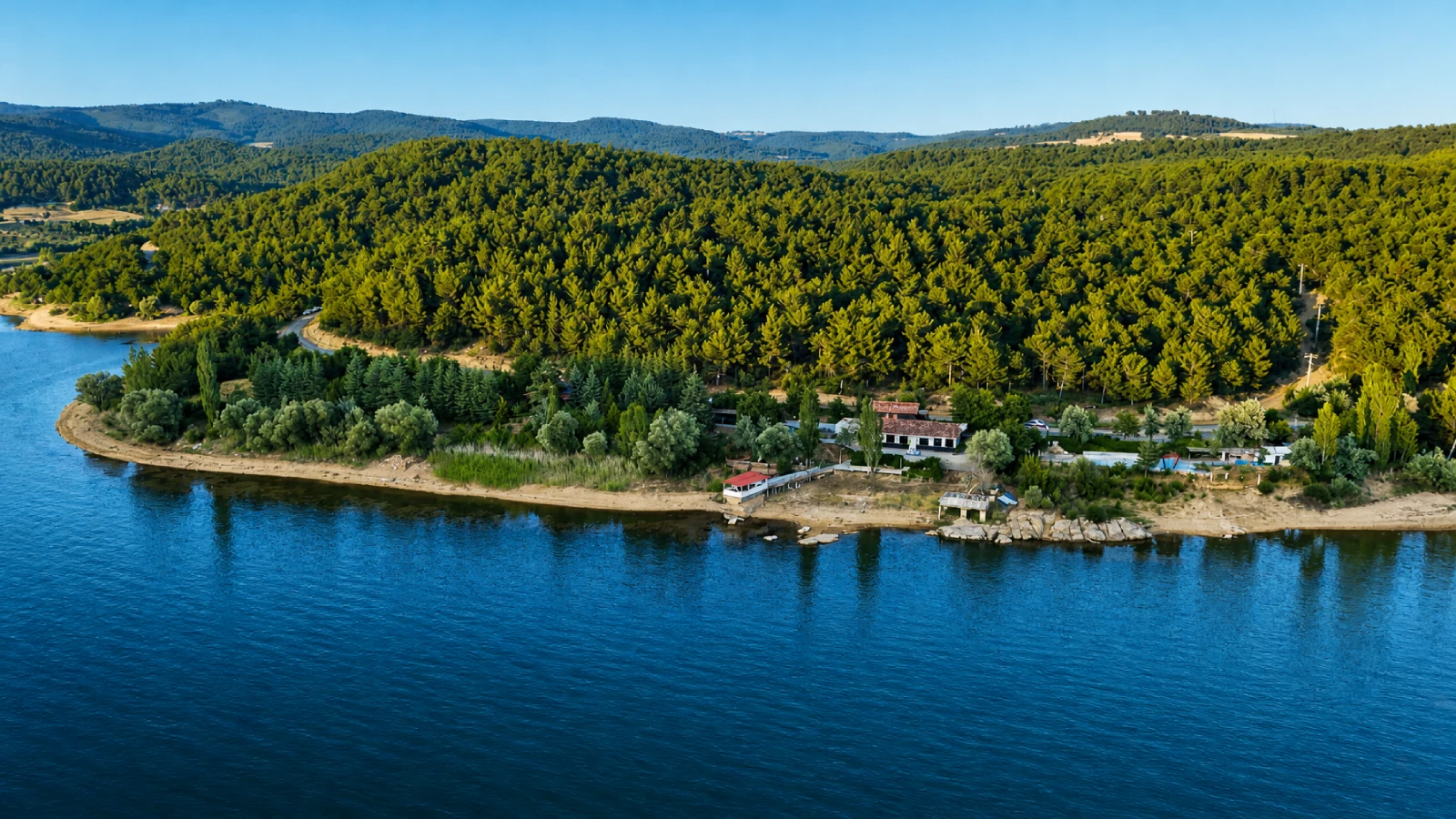
Continue with a related destination or cultural theme in Uşak Province.
Read the Nearby Guide