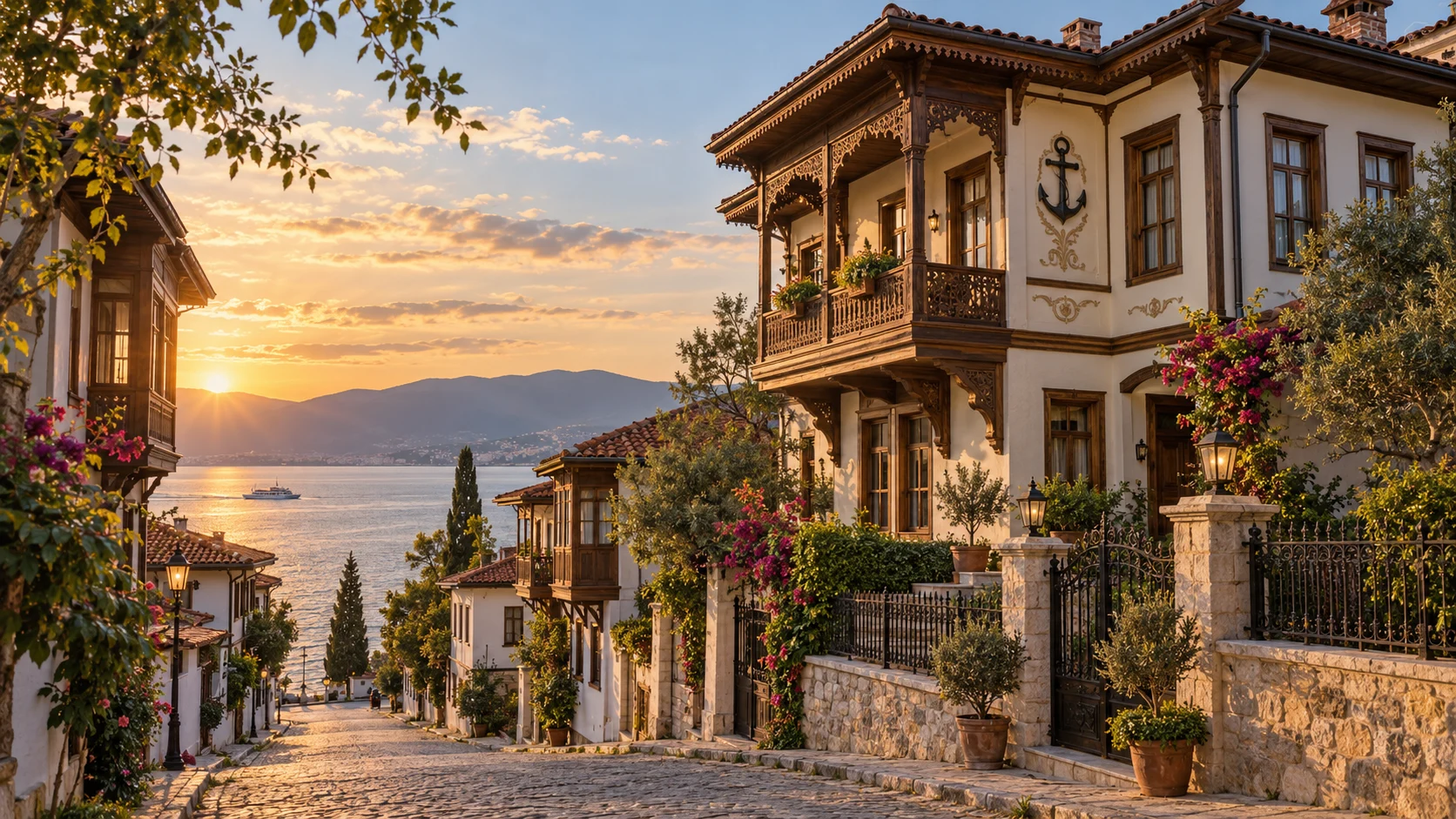
Private Historic Ereğli & Karamürsel Tour
Ask us about a tailor-made route combining the Historic Ereğli Houses, Çıpalı Konak, the Karamürsel waterfront and the cultural heritage of the southern Gulf of İzmit.
Request a Custom Tour





The Historic Ereğli Houses are among the most distinctive examples of traditional residential architecture on the southern coast of the Gulf of İzmit. Located in Ereğli Mahallesi in the Karamürsel district of Kocaeli, the surviving houses preserve memories of a waterfront settlement whose life was closely connected with fishing, the sea and the maritime culture of the Marmara region.
Although their architectural language reflects the traditions of the Ottoman-Turkish house, many of the houses visible today belong primarily to the early decades of the Turkish Republic. Ereğli suffered severe destruction during the final years of the War of Independence, after which local residents rebuilt the settlement using architectural traditions that had developed over generations.
The resulting streetscape includes timber-framed and masonry houses, projecting upper floors, balconies, decorative eaves, large windows and façades arranged toward the coast. Historically, the shoreline lay much closer to many of these homes, emphasizing the intimate relationship between the houses and Ereğli's fishing community.
One of the best-known buildings is Çıpalı Konak, the "Anchor Mansion," named after the anchor-shaped decorations on its façade. The mansion and neighboring historic buildings have been restored as part of efforts to preserve Ereğli's architectural identity.
See timber and masonry buildings inspired by the classic Ottoman-Turkish house tradition.
Discover Ereğli's famous restored mansion decorated with distinctive anchor motifs.
Experience a neighborhood whose history and daily life developed around the Gulf of İzmit.
Walk through a streetscape that has appeared as a setting in Turkish cinema.
Essential information for visiting the traditional houses of Ereğli in Karamürsel.
Ereğli Mahallesi, Karamürsel, Kocaeli, on the southern shore of the Gulf of İzmit.
Open on Google MapsTraditional timber-frame and masonry houses reflecting Ottoman-Turkish residential design.
Many surviving examples date mainly from the early Republican reconstruction of Ereğli.
Çıpalı Konak, recognized by the anchor motifs decorating its façade.
The historic streets and exterior views can generally be explored freely.
Allow approximately 45–90 minutes for the houses, waterfront and photography.
The houses preserve the architectural character and maritime memory of one of Karamürsel's traditional coastal communities.
The significance of the Ereğli Houses goes beyond the age of individual buildings. Together they preserve something increasingly rare around the heavily developed Gulf of İzmit: a recognizable historic residential environment connected with a traditional fishing settlement.
Their balconies, projecting façades, timber construction, decorative rooflines and narrow relationship with the street reflect architectural ideas inherited from the traditional Ottoman-Turkish house. These features show how domestic architecture responded to family life, climate, views and available local materials.
Ereğli is also unusual because its surviving historic character tells a story of destruction and reconstruction. The settlement was heavily damaged during the War of Independence, and many houses were subsequently rebuilt during the formative years of the Republic. The neighborhood therefore connects older architectural traditions with the beginning of modern Türkiye.
For travelers following our guide to places to visit in Kocaeli, Ereğli offers a quieter heritage experience than a monumental palace, mosque or archaeological site. Its value lies in streets, houses, waterfront scenery and the atmosphere of an old Marmara settlement.
Ereğli developed on the southern shore of the Gulf of İzmit, an area whose settlements have long depended on the sea for transportation, trade and fishing. Its sheltered coastal position made maritime activity a defining element of local life.
Before modern coastal roads and shoreline engineering transformed the landscape, the sea extended much closer to the historic houses. Older descriptions of Ereğli evoke fishermen stepping from their homes and reaching their boats almost immediately, illustrating how closely domestic life and the waterfront were once connected.
The settlement suffered serious destruction during the Turkish War of Independence. During the occupation and withdrawal of Greek forces in 1921, much of Ereğli was damaged or destroyed. The community subsequently rebuilt its homes, particularly during the first years of the Turkish Republic.
Rather than abandoning traditional building forms, residents continued to use architectural ideas familiar from Ottoman Anatolian houses. As a result, the reconstructed quarter retained timber-framed structures, masonry sections, projecting upper levels, balconies, decorative eaves and carefully proportioned windows.
During the 20th century, modernization gradually altered the waterfront. Road construction, new buildings and changing economic patterns weakened the original connection between the houses and the sea. Nevertheless, a group of traditional buildings survived and became recognized as an important part of Karamürsel's cultural heritage.
Ereğli developed as a coastal community whose everyday economy was closely connected with fishing and the Gulf of İzmit.
The settlement suffered severe destruction during the final stages of the War of Independence.
Residents rebuilt Ereğli while continuing traditional Ottoman-Turkish domestic architectural forms.
Changing roads, shoreline development and new construction gradually transformed the historic coastal environment.
The historic urban character of Ereğli received formal conservation recognition.
Major restoration work on Çıpalı Konak and neighboring historic structures was completed.
The Ereğli Houses should not be understood as identical buildings constructed from a single plan. Their importance comes from the collective streetscape created by houses sharing traditional construction methods, proportions and decorative features.
Many surviving examples use timber-frame construction, sometimes combined with masonry lower floors. Timber allowed upper storeys to remain relatively light while also enabling projecting façades, balconies and more flexible interior arrangements.
Windows are often tall and regularly arranged to admit generous daylight. Upper floors may project slightly toward the street, while balconies provide views toward the neighborhood and historically toward the waterfront. Decorative wooden brackets, roof edges and eaves add visual richness without the monumental ornament of elite palaces.
Wooden structural systems characterize many traditional houses and allowed flexible upper-floor construction.
Stone or masonry was often used for lower sections where greater strength and moisture resistance were required.
Upper levels extend toward the street in forms associated with traditional Turkish residential architecture.
Small balconies create rhythm across façades and historically strengthened the visual connection with the sea.
Carved timber details and deep rooflines give the houses much of their distinctive character.
Repeated vertical windows provide natural light while creating balanced and elegant façades.
Among Ereğli's historic residences, Çıpalı Konak is the building most immediately recognizable to visitors. Its Turkish name can be translated as the Anchor Mansion, a reference to the anchor-shaped decorative motifs displayed on its front façade.
The maritime decoration is especially appropriate in Ereğli, where generations of residents lived from and beside the Gulf of İzmit. The anchors transform the mansion into a visual reminder of the neighborhood's fishing and seafaring identity.
Architecturally, Çıpalı Konak has a ground level and two upper floors and presents the appearance of a paired or twin residential structure. One of its most memorable elements is the symmetrical arrangement of double staircases rising toward the entrances.
The building underwent extensive restoration by Kocaeli Metropolitan Municipality. Traditional details, timber components and façade characteristics were renewed with the intention of preserving the mansion's historic appearance. The restored building has subsequently been associated with social and cultural use.
Decorative anchors on the façade provide the mansion with both its name and its distinctive maritime identity.
The mansion consists of a ground floor with two principal upper floors.
The composition resembles a paired residential building organized symmetrically across its façade.
Two exterior flights of stairs create one of the building's most attractive architectural features.
The anchors connect the mansion visually with the fishing and seafaring heritage of Ereğli.
Municipal restoration returned the building to a prominent place within Karamürsel's cultural landscape.
Traditional timber houses are particularly vulnerable to moisture, fire, structural movement, abandonment and inappropriate alterations. These risks became increasingly visible in Ereğli as modern development replaced parts of the older neighborhood.
The historic quarter eventually received conservation recognition, and restoration programs have attempted to protect representative examples of the original streetscape. One of the most important projects involved Çıpalı Konak and a neighboring group of historic structures.
The restoration work included traditional timber elements, doors, windows, balconies and interior components, while modern mechanical systems were introduced where required for continued use.
Another restored civil-architecture building within the project occupies approximately 112 square metres at ground level and extends across three floors, creating roughly 336 square metres of interior space. Its timber-frame construction demonstrates how substantial these apparently modest coastal residences could be.
A visit to Ereğli is best approached as a slow neighborhood walk. Instead of searching for one monumental façade, look for the small details that reveal how the historic quarter once functioned.
Begin with the restored Anchor Mansion and its distinctive maritime decorations.
Compare timber frames, masonry sections, plaster surfaces and carefully arranged windows.
Notice balconies and projecting upper floors that animate the streetscape.
Look upward for carved brackets, roof edges and surviving ornamental timberwork.
Observe how historic houses now stand beside modern roads, apartment buildings and contemporary coastal life.
Walk toward the Gulf of İzmit to understand why fishing and maritime imagery are central to Ereğli's identity.
Compare carefully restored buildings with surviving houses that still display weathered historic fabric.
Remember that Ereğli remains a living residential area rather than an open-air museum.
The nostalgic character of Ereğli did not escape the attention of Turkish filmmakers. The neighborhood and its historic houses have been used as locations in Yeşilçam-era Turkish cinema, helping preserve images of the older settlement on screen.
It is easy to understand the attraction. Traditional façades, balconies, narrow residential streets, the nearby sea and the atmosphere of a small Marmara town provided filmmakers with an environment very different from modern metropolitan Istanbul.
This cinematic association has become part of the identity of the Ereğli Houses today. Even visitors unfamiliar with particular films often find that the streets possess the visual character of a classic Turkish movie setting.
Natural light makes the timber details, façades and architectural differences much easier to appreciate.
The houses are spread through a living neighborhood rather than arranged inside a museum complex.
Continue to the waterfront to understand Ereğli's historic relationship with fishing and the sea.
Some historic houses remain residential properties and should only be viewed from public areas.
An open gate or garden does not mean that a historic property is publicly accessible.
Wide street views are excellent, but avoid photographing residents closely without permission.
A short walking route may include pavements, slopes, curbs and uneven surfaces.
Combine Ereğli with central Karamürsel for a rewarding half-day journey along the Gulf.
Begin around the main concentration of Historic Ereğli Houses and spend time comparing restored façades with surviving older residential structures. Do not focus only on individual buildings; the relationship between neighboring houses is an important part of the experience.
Continue to Çıpalı Konak, where the anchor motifs, symmetrical façade and exterior staircase provide one of the best introductions to the neighborhood's maritime identity.
From here, walk toward the Ereğli waterfront. The modern shoreline differs considerably from the historic landscape, but standing beside the Gulf of İzmit makes it much easier to understand why fishing shaped generations of life here.
After exploring Ereğli, continue west toward central Karamürsel for the seafront, local cafés and monuments connected with the district's maritime history.
The Historic Ereğli Houses form part of a residential neighborhood, so there is no single entrance gate, ticket office or universal opening schedule. Public streets and exterior views can normally be explored freely.
Interior access to individual restored buildings, including spaces used for community or cultural functions, may depend on their current purpose and operating arrangements. Visitors should not assume that every historic house is open to the public.
Ereğli can be visited throughout the year, but weather and natural light have a considerable effect on a walking and photography-focused visit.
Mild temperatures and fresh vegetation make walking through the historic streets particularly pleasant.
Comfortable temperatures and softer light make this another excellent season for photography.
Visit early for cooler temperatures and quieter residential streets.
Warm light can beautifully emphasize timber details, balconies and textured façades.
Quiet streets can be atmospheric, though rain and wind from the Gulf may affect comfort.
A weekday visit often provides a calmer experience for architecture and street photography.
Enough for a quick look at Çıpalı Konak and several nearby historic façades.
A good amount of time for a relaxed architectural walk and photography.
Explore the houses carefully and continue toward the Ereğli waterfront.
Add coffee, the seafront and more time exploring the surrounding neighborhood.
Combine Ereğli with central Karamürsel and other nearby heritage sites.
Allow extra time to wait for favorable light and study architectural details.
The Historic Ereğli Houses are among Karamürsel's most rewarding locations for architectural and street photography. Their appeal comes from the contrast between restored heritage, weathered timber surfaces and everyday neighborhood life.
Use a frontal composition to emphasize the symmetry, staircase and anchor decorations.
Look for wooden window frames, brackets, balconies, eaves and changes in material.
Photograph several houses together to communicate the character of the historic neighborhood.
Modern cars and buildings can create interesting contrasts with traditional architecture.
Soft late-afternoon light can add warmth and depth to painted façades and timberwork.
Include the Gulf of İzmit to tell the wider story of Ereğli's maritime heritage.
Much of the neighborhood can be appreciated from ordinary public streets, making exterior viewing relatively straightforward for many visitors. Conditions nevertheless vary between individual streets and buildings.
Many façades can be appreciated without entering historic buildings.
Curbs, parked vehicles and uneven surfaces may occasionally interrupt an easy route.
Traditional entrances and staircases may not meet modern accessibility standards.
Exterior viewing is generally easier than interior access to individual historic properties.
The neighborhood can usually be explored with a stroller, though some pavement sections may require care.
The nearby waterfront and local cafés provide convenient places to rest during a longer visit.
The houses are located in Ereğli Mahallesi, east of central Karamürsel on the southern shore of the Gulf of İzmit. They can be reached by road from Karamürsel, Gölcük, İzmit and Yalova.
Ereğli is a short journey east from the district centre along the Gulf coast.
Travel west along the southern side of the Gulf through the Gölcük direction toward Ereğli and Karamürsel.
Follow the main coastal route toward Karamürsel and continue toward Ereğli.
Regional buses and minibuses connect Karamürsel with surrounding districts; local services can be used for Ereğli.
A taxi from central Karamürsel is convenient for visitors with limited time.
A car is useful when combining Ereğli with several attractions around southern Kocaeli.
Ereğli can easily form part of a broader journey through Karamürsel and the southern Gulf of İzmit. Use our complete Kocaeli visitor guide to discover more historic, cultural and natural attractions.
Walk beside the Gulf, enjoy local cafés and experience the district's continuing maritime character.
Discover the monument associated with the early Ottoman commander and naval figure who gave the district its name.
Relax beside the Gulf at one of the better-known coastal recreation areas around Karamürsel.
Explore an Ottoman stone bridge on the historic inland route connecting Karamürsel with the İznik region.
Continue east along the Gulf for another historic coastal settlement with traditional mansion houses.
Combine local heritage with waterfront walks, museums and viewpoints around the southern Gulf.
Leave the coast behind for forest scenery and a refreshing waterfall near Gölcük.
Explore Türkiye's naval heritage aboard a preserved warship on the Gölcük waterfront.
They are located in Ereğli Mahallesi in the Karamürsel district of Kocaeli, on the southern shore of the Gulf of İzmit.
They are a surviving group of traditional timber and masonry residences reflecting the architectural characteristics of Ottoman-Turkish domestic design.
Although their architectural traditions are older, many surviving houses date primarily from the early Republican period, when Ereğli was rebuilt following destruction during the War of Independence.
Their architectural style draws strongly on Ottoman-Turkish residential traditions, but many surviving buildings were constructed or reconstructed during the early years of the Republic.
The settlement suffered extensive destruction during the occupation and withdrawal associated with the Turkish War of Independence. Local residents later rebuilt the community.
Çıpalı Konak is one of Ereğli's best-known historic houses. Its name means Anchor Mansion and refers to the anchor-shaped motifs decorating its façade.
The anchors reflect Ereğli's strong historic relationship with fishing, boats and maritime life on the Gulf of İzmit.
Yes. Kocaeli Metropolitan Municipality carried out a major restoration project involving Çıpalı Konak and neighboring historic structures.
Municipal descriptions indicate that approximately twenty traditional houses using local materials survived into the modern period, although their condition and level of preservation vary.
Yes. The historic houses and neighborhood have been used as locations for various Yeşilçam-era Turkish films.
Not every house is open to visitors. Some remain private properties, while access to restored cultural buildings depends on their current use and operating arrangements.
There is generally no fee for walking through the public streets and viewing the historic houses from outside. Individual facilities may operate separately.
The neighborhood itself has no formal opening hours. Visit during daylight for the best experience and check locally if you specifically want to enter a restored building.
Around 45–90 minutes is suitable for most visitors, with additional time recommended if you also explore the waterfront.
Spring and autumn provide comfortable walking conditions, while mornings and late afternoons generally offer the best light for photography.
Yes. Timber façades, balconies, decorative details, restored mansions and the nearby Gulf make Ereğli one of Karamürsel's most interesting architectural photography locations.
Many exterior views are available from street level, although curbs, uneven pavements and traditional building entrances may create difficulties.
Yes. Ereğli can be incorporated into a road trip through Yalova, Karamürsel, Gölcük and the southern Gulf of İzmit, although travel time should be considered carefully.
Nearby possibilities include Karamürsel waterfront, the Karamürsel Bey Monumental Tomb, Altınkemer Beach, Valide Sultan Bridge and attractions around Gölcük.
Yes, particularly for travelers interested in traditional Turkish houses, local history, maritime heritage, photography and quieter destinations away from major tourist routes.
Do not enter houses, gardens, stairways or courtyards without clear permission.
Avoid touching fragile decorative elements or leaning against historic façades.
Ask permission before taking close photographs of residents or private activities.
Do not block doorways, narrow pavements or vehicle access while taking photographs.
Carry away drinks, food packaging and other waste after your visit.
Respect restoration areas, barriers and instructions protecting vulnerable historic structures.
Combine the Historic Ereğli Houses with Karamürsel's waterfront, local maritime heritage and other cultural attractions around the Gulf of İzmit through a private itinerary designed around your interests.
Ask us to create a private journey focused on traditional architecture, coastal towns, photography, local history and the lesser-known heritage of Kocaeli.
Ask us about a tailor-made route combining the Historic Ereğli Houses, Çıpalı Konak, the Karamürsel waterfront and the cultural heritage of the southern Gulf of İzmit.
Request a Custom Tour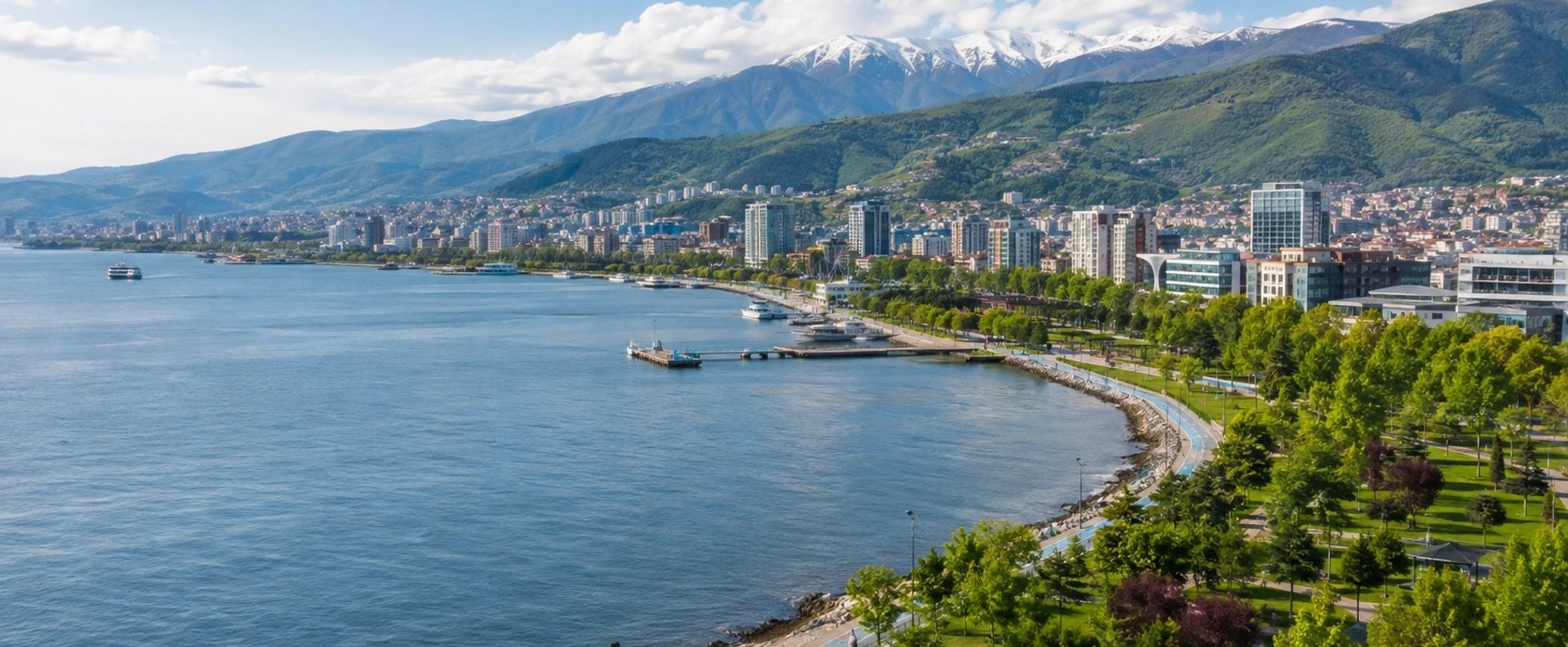
Discover Ottoman monuments, historic houses, castles, museums, beaches, forests and lesser-known destinations across Kocaeli.
View Kocaeli GuideCombine Ereğli's traditional architecture with cultural and natural attractions across southern Kocaeli.
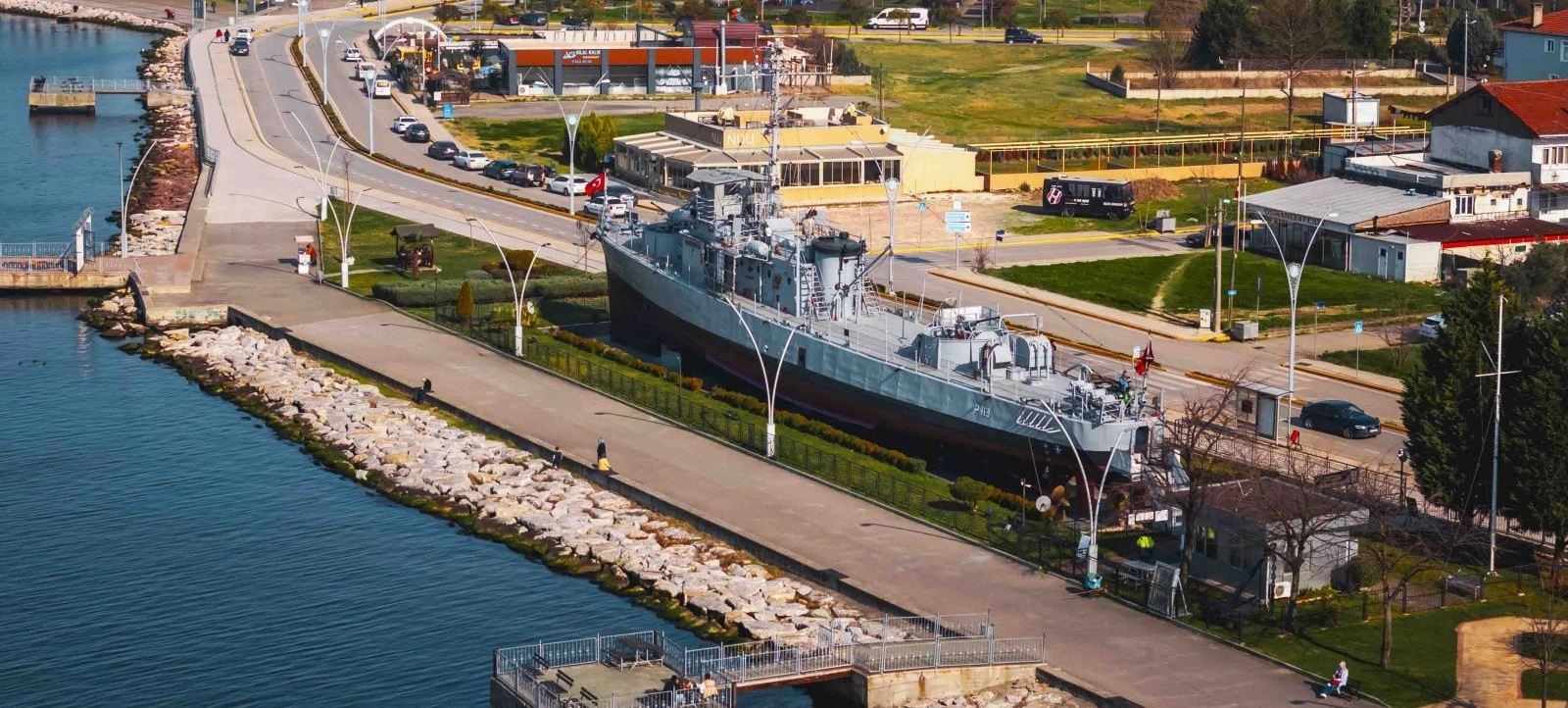
Continue the maritime theme aboard a preserved Turkish naval vessel on the Gölcük waterfront.
Explore Yarhisar Museum Ship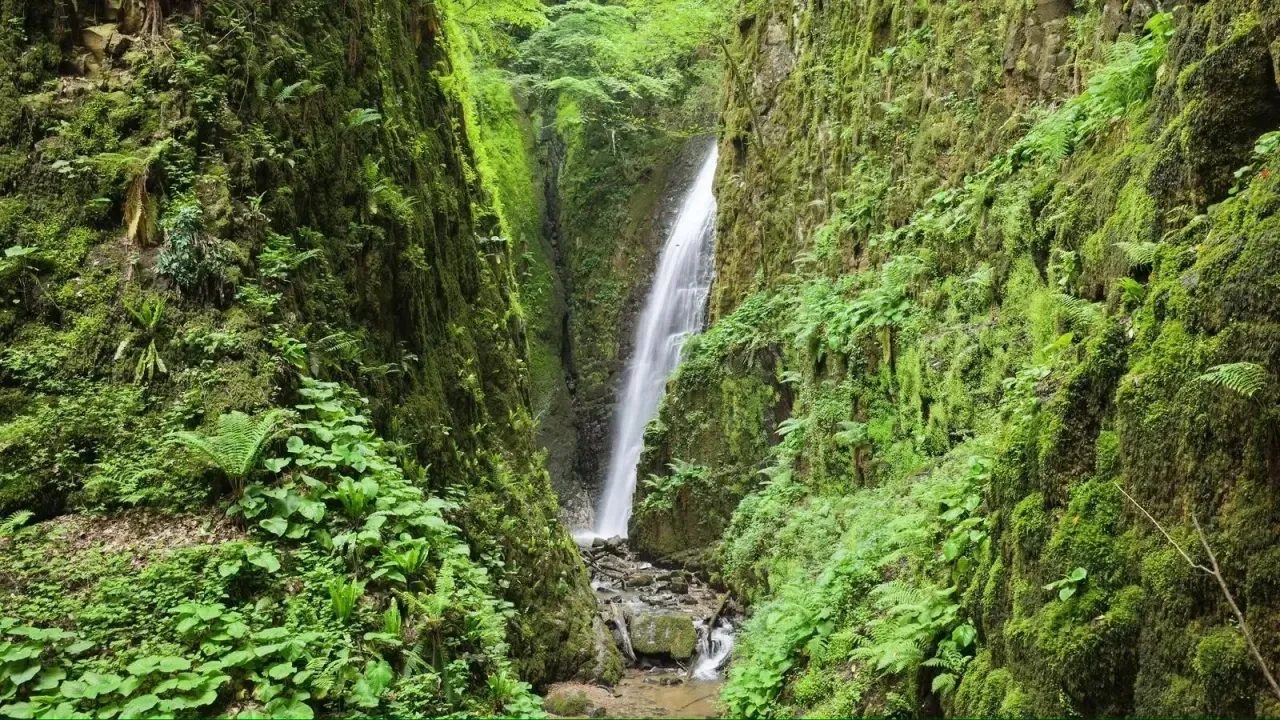
Exchange the Gulf coast for forest scenery, walking paths and one of Gölcük's attractive natural escapes.
Explore Nüzhetiye Waterfall
Continue to İzmit, Gölcük, Hereke, Gebze, Kandıra and other fascinating destinations across the province.
Continue Exploring Kocaeli