Heritage and backgroundHistory & Cultural Significance: Hatuniye Madrasa
A carefully contextualised introduction, distinguishing the evidence from later interpretation.
Hatuniye Madrasa was commissioned in 1382 by Nefise Sultan, daughter of Ottoman Murad I and wife of the Karamanid ruler Alaeddin Ali Bey; it therefore embodies dynastic connections as well as educational patronage.
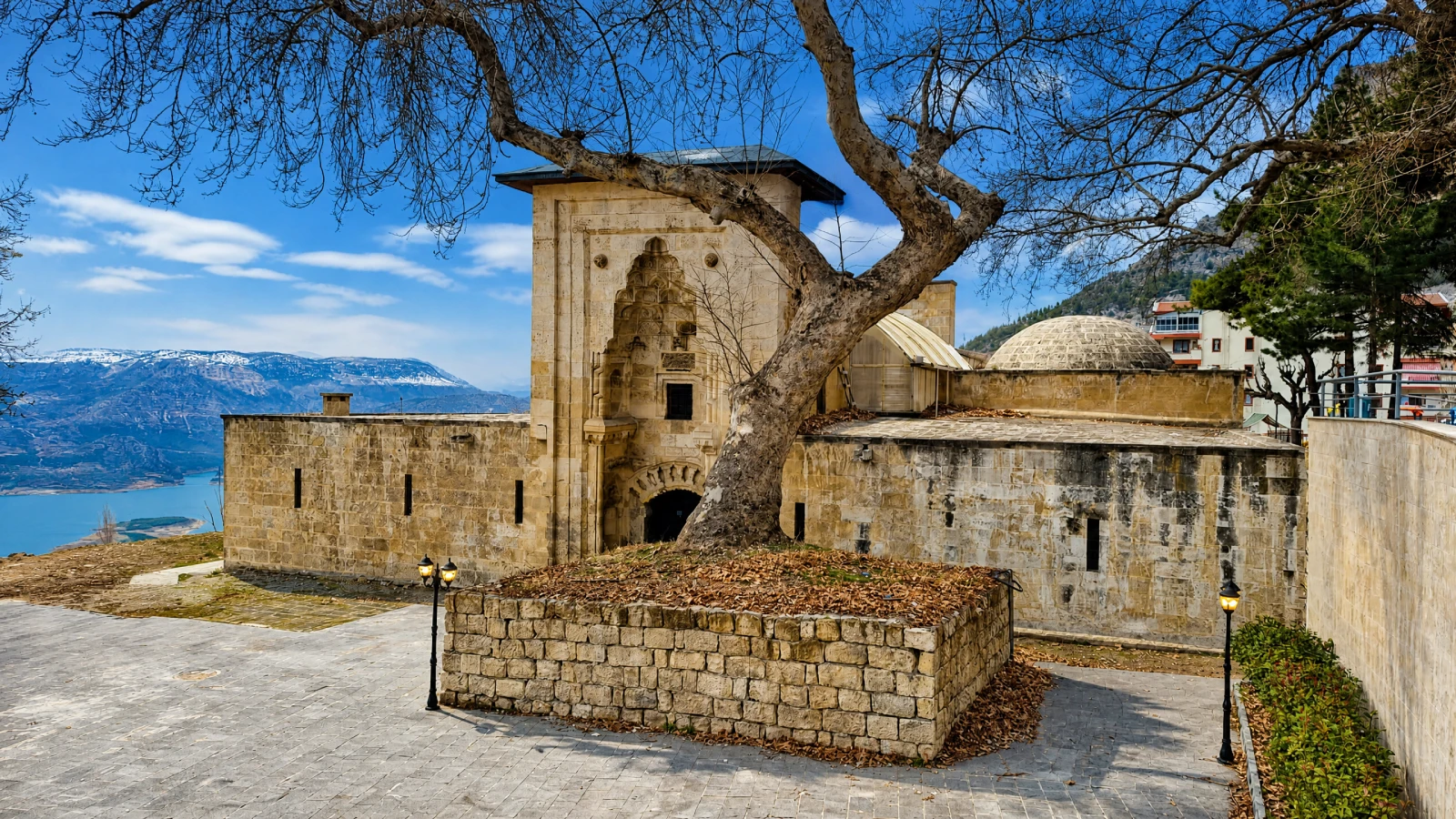
The main portal and carefully composed carved stonework deserve slow study. Geometrical, vegetal, rumi and palmette motifs, epigraphic bands and a courtyard-centred organisation reveal the priorities of late medieval Anatolian architecture.
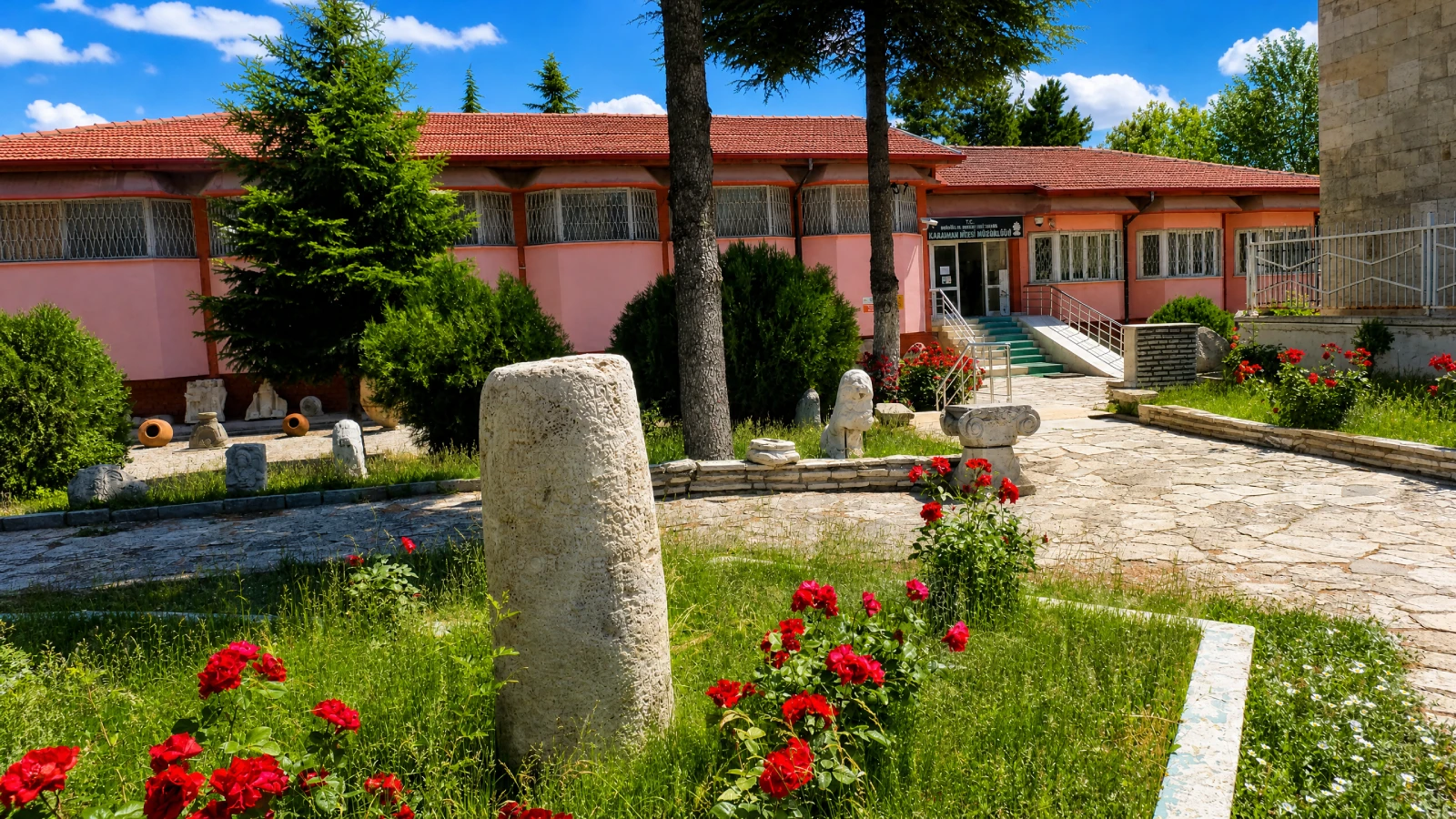
It belongs in a walking itinerary with the museum and other Karamanid monuments; comparing its ornament with Tol Madrasa at Ermenek can reveal changing tastes and patronage settings.
Historic buildings functioned in networks: defensive structures, homes, madrasas, religious institutions and markets all depended on one another within a working town.
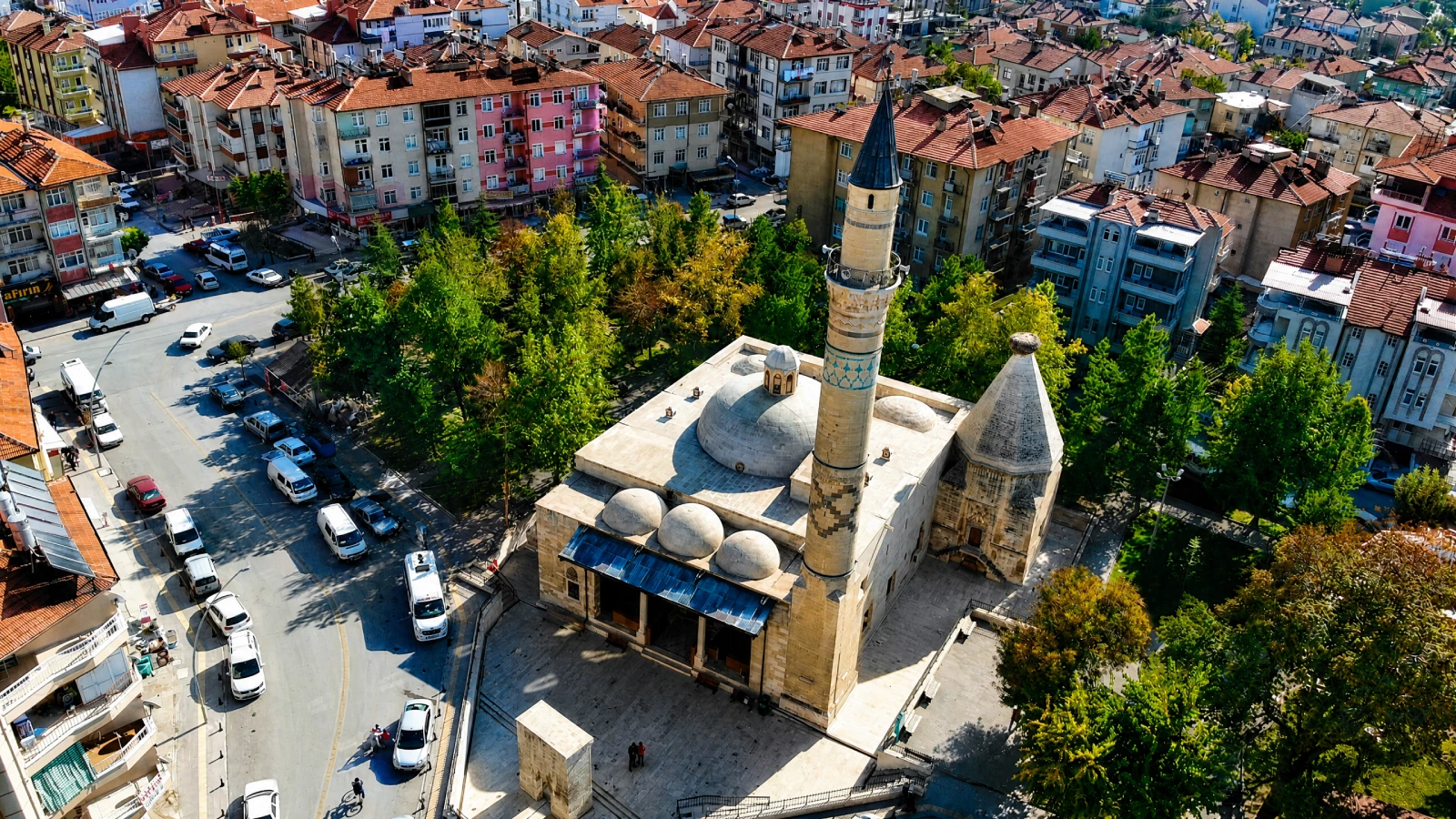
A responsible architectural account looks at visible material, patterns of use, restoration and changes to the surrounding streets. Not every important detail survives in original form.