History, architecture & cultural heritage

Fatma Hatun Mausoleum – History & Visitor Guide

One of the city’s lesser-known funerary monuments, best appreciated in the wider context of Seljuk and post-Seljuk patronage and the craft traditions of central Anatolia.

Discover Fatma Hatun Mausoleum

Discover Fatma Hatun Mausoleum

Explore the history, surviving features and cultural significance of Fatma Hatun Mausoleum in Kırşehir, while separating secure evidence from later traditions.

Fatma Hatun’s tomb, sometimes described as the İlhanlı Kümbeti, stands in Yenice neighbourhood in the Kümbetaltı locality, southwest of the city centre. Specialist architectural studies commonly place it in 1287–1288, whereas an older Ministry heritage-inventory entry includes a different construction date. Because those published chronologies are inconsistent, the monument is best introduced securely as a medieval tower tomb with a debated exact date.

A late-medieval tower tomb with debated dating

Fatma Hatun’s tomb, sometimes described as the İlhanlı Kümbeti, stands in Yenice neighbourhood in the Kümbetaltı locality, southwest of the city centre. Specialist architectural studies commonly place it in 1287–1288, whereas an older.

The architecture of the kümbet

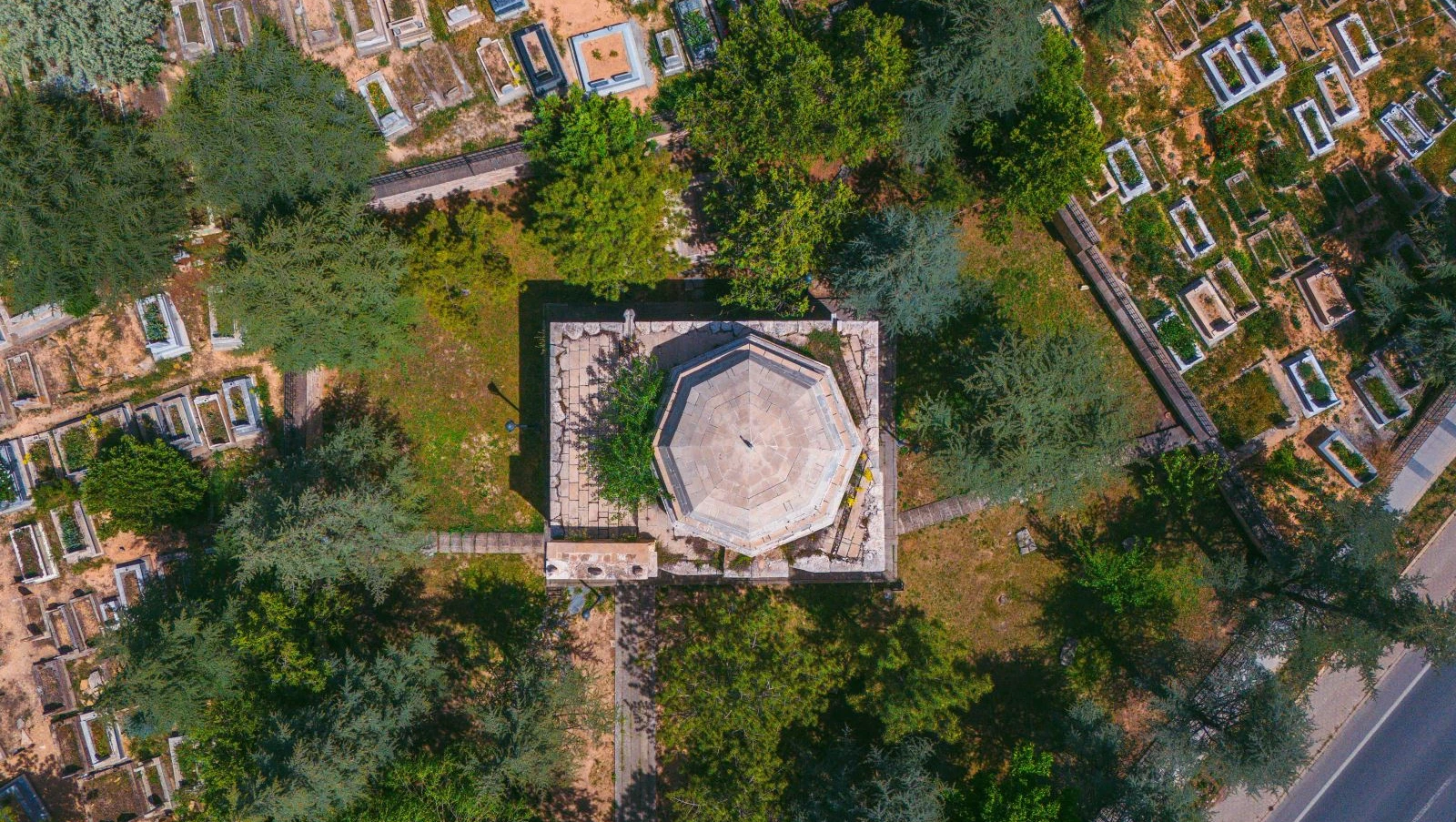
The building is octagonal above a square foundation with chamfered corners. Its interior is covered by a brick dome; the exterior uses a tapered stone roof. Three window openings and restrained decoration distinguish its architectural.

Historical interpretation and conservation

A patron named Hoca Aka Muattar appears in architectural discussions of the building. Older inventories provide details of repairs but cannot establish its current accessibility. View the façade respectfully, keep a distance from.

What to look for

Two useful themes here are funerary heritage and architectural details. Observe the site in relation to the surrounding land and settlements. Where the evidence is fragmentary, avoid assigning precise dates or functions to individual.


Quick reference

Fatma Hatun Mausoleum – Essential Facts

Key distinctions, reliable context and practical considerations.

📍

Area / Location

Kırşehir Centre, Kırşehir, Türkiye

🏛️

Known For

A quieter monument of Kırşehir

🔎

Context to Know

Fatma Hatun’s tomb, sometimes described as the İlhanlı Kümbeti, stands in Yenice neighbourhood in the Kümbetaltı locality, southwest of the city centre. Specialist architectural studies commonly place it in 1287–1288, whereas an.

ℹ️

Plan Carefully

Visitor information: Opening hours, admission, site access and road conditions are not guaranteed. Please verify locally before travel, especially for remote ruins and research areas.


Culture, evidence & context

History, Architecture & Cultural Context of Fatma Hatun Mausoleum

Page-specific research and local distinctions, not generic regional claims.

A late-medieval tower tomb with debated dating

Fatma Hatun’s tomb, sometimes described as the İlhanlı Kümbeti, stands in Yenice neighbourhood in the Kümbetaltı locality, southwest of the city centre. Specialist architectural studies commonly place it in 1287–1288, whereas an older Ministry heritage-inventory entry includes a different construction date. Because those published chronologies are inconsistent, the monument is best introduced securely as a medieval tower tomb with a debated exact date.

The architecture of the kümbet

The building is octagonal above a square foundation with chamfered corners. Its interior is covered by a brick dome; the exterior uses a tapered stone roof. Three window openings and restrained decoration distinguish its architectural treatment. Comparisons with Melikgazi Kümbeti illustrate variations within the tower-tomb tradition rather than proving that both were designed by the same workshop.

Architecture, Cultural Meaning & What to Look For

Original Kırşehir context, significant details and interpretation from the researched guide.

Historical interpretation and conservation

A patron named Hoca Aka Muattar appears in architectural discussions of the building. Older inventories provide details of repairs but cannot establish its current accessibility. View the façade respectfully, keep a distance from fragile masonry and use signage at the site to understand any recent interventions.

What to look for

Two useful themes here are funerary heritage and architectural details. Observe the site in relation to the surrounding land and settlements. Where the evidence is fragmentary, avoid assigning precise dates or functions to individual features without a published source.

An inscription and a distinct mausoleum form

Fatma Hatun’s monument, also called the İlhanlı Kümbeti, is placed in Kırşehir’s Kümbetaltı locality. Architectural catalogues associate it with 686 AH, corresponding to 1287–1288 CE. These are not two conflicting construction periods: the apparent two-year difference comes from converting a Hijri year across Gregorian calendar years.

The enclosed dome and exterior conical or pyramidal roof should be described separately. Later interpretations of the tomb’s historical affiliations do not supersede the inscription and physical features. Treat this as a medieval funerary building whose significance can be read through materials, geometry and its cemetery setting rather than a romanticised “princess palace.”

Why the published dates disagree

The Kırşehir Governorate’s heritage summary assigns Fatma Hatun Kümbeti to 1266, whereas specialist architecture references date it to AH 686 (1287–1288 CE). This is a real discrepancy between published accounts, not simply the difference between Hijri and Gregorian calendar notation. The article should not hide it or force a false compromise. Architectural catalogues identify the later year through an inscription or its reading; the governorate gives the earlier attribution. Readers should consult the monument’s inscription, scholarly epigraphy and restoration documentation for a definitive determination. Both sources describe the same monument at Kümbetaltı, despite differences in historical dating and sometimes neighbourhood terminology.

Why Fatma Hatun Mausoleum Matters

The Kırşehir Governorate’s heritage summary assigns Fatma Hatun Kümbeti to 1266, whereas specialist architecture references date it to AH 686 (1287–1288 CE). This is a real discrepancy between published accounts, not simply the difference between Hijri and Gregorian calendar notation. The article should not hide it or force a false compromise. Architectural catalogues identify the later year through an inscription or its reading; the governorate gives the earlier attribution. Readers should consult the monument’s inscription, scholarly epigraphy and restoration documentation for a definitive determination. Both sources describe the same monument at Kümbetaltı, despite differences in historical dating and sometimes neighbourhood terminology.

A late-medieval tower tomb with debated dating

Fatma Hatun’s tomb, sometimes described as the İlhanlı Kümbeti, stands in Yenice neighbourhood in the Kümbetaltı locality, southwest of the city centre. Specialist architectural studies commonly place it in 1287–1288, whereas an older Ministry.

The architecture of the kümbet

The building is octagonal above a square foundation with chamfered corners. Its interior is covered by a brick dome; the exterior uses a tapered stone roof. Three window openings and restrained decoration distinguish its architectural treatment. Comparisons.

Historical interpretation and conservation

A patron named Hoca Aka Muattar appears in architectural discussions of the building. Older inventories provide details of repairs but cannot establish its current accessibility. View the façade respectfully, keep a distance from fragile masonry and use.

What to look for

Two useful themes here are funerary heritage and architectural details. Observe the site in relation to the surrounding land and settlements. Where the evidence is fragmentary, avoid assigning precise dates or functions to individual features without a.

Finding & Experiencing Fatma Hatun Mausoleum

Visitor information: Opening hours, admission, site access and road conditions are not guaranteed. Please verify locally before travel, especially for remote ruins and research areas.

Where to Start

Kırşehir Centre in Kırşehir Province, central Türkiye. Check the exact approach or local kitchen before travel.

Evidence and Expectations

Fatma Hatun’s tomb, sometimes described as the İlhanlı Kümbeti, stands in Yenice neighbourhood in the Kümbetaltı locality, southwest of the city centre. Specialist architectural studies commonly place it in 1287–1288, whereas an.

What to Verify

Visitor information: Opening hours, admission, site access and road conditions are not guaranteed. Please verify locally before travel, especially for remote ruins and research areas.

Wider Regional Context

Explore our Kırşehir province guide to plan related places and regional food traditions.

Responsible Visiting Tips

Respect living heritage

Be considerate of active worship, residents and any commemorative activities.

Notice layers of history

Repairs, reuse and modern conservation may coexist with historic fabric.

Photograph thoughtfully

Confirm whether interior photography or drone use is allowed before proceeding.

Verify access first

Check any restoration closures, opening hours and admission arrangements with local authorities.

Who Will Appreciate Fatma Hatun Mausoleum?

Cultural travellers

Explore the monument through its architecture and regional history.

Architecture enthusiasts

Look for building materials, spatial organization and later adaptations.

Thoughtful photographers

Document characteristic details without disturbing heritage or worship.

Regional history readers

Connect local stories with documented Anatolian history.

Frequently Asked Questions about Fatma Hatun Mausoleum

Where is Fatma Hatun Mausoleum?

Fatma Hatun Mausoleum is associated with Kırşehir Centre, in Kırşehir province, central Türkiye. Confirm the exact entrance or meeting point before setting out.

Can I visit Fatma Hatun Mausoleum without advance arrangements?

Access arrangements for Fatma Hatun Mausoleum can change. For archaeological sites, ruins, thermal sources and small cultural houses especially, verify whether public admission is currently possible.

What else can I see near Fatma Hatun Mausoleum?

Use the Kırşehir province guide to plan other heritage stops and consider the Kaman museum, the historic city centre or Mucur depending on your route.

Architectural Photography & Respectful Observation

Look for the subject's real character, rather than using a photograph from a different site or a generic representation as documentary evidence.

A late-medieval tower tomb with debated dating

Fatma Hatun’s tomb, sometimes described as the İlhanlı Kümbeti, stands in Yenice neighbourhood in the Kümbetaltı locality, southwest of the city centre. Specialist architectural studies commonly place it in 1287–1288, whereas an older.

The architecture of the kümbet

The building is octagonal above a square foundation with chamfered corners. Its interior is covered by a brick dome; the exterior uses a tapered stone roof. Three window openings and restrained decoration distinguish its architectural.

Historical interpretation and conservation

A patron named Hoca Aka Muattar appears in architectural discussions of the building. Older inventories provide details of repairs but cannot establish its current accessibility. View the façade respectfully, keep a distance from.

What to look for

Two useful themes here are funerary heritage and architectural details. Observe the site in relation to the surrounding land and settlements. Where the evidence is fragmentary, avoid assigning precise dates or functions to individual.

Best Time & Practical Planning

Schedules and conditions vary. These are planning considerations, not fixed opening hours or admission guarantees.

Opening and restoration

Official arrangements can change; verify them close to your visit.

Religious use

At active monuments, worship or ceremonies have priority.

Comfort

Allow suitable daylight and conditions for exterior observation.

Access

Verify whether the interior, courtyard or cemetery is open to visitors.

Plan a More Meaningful Kırşehir Route

Choose a realistic combination of Kırşehir heritage and landscapes, taking road distances, access permissions and conservation requirements into account.

Evidence, Historical Context & Further Reading

Sources below were used in the previous research and editorial review. Historical inventories do not by themselves guarantee current opening, access, prices or conservation status. Where published sources disagree, the text distinguishes the accounts rather than presenting an invented certainty.

Editorial review: November 2026. For current arrangements, consult the operator or relevant local authorities.

Kırşehir Provincial Directorate of Culture and Tourism