


Yozgat & Central Anatolia

Çadır Höyük – Travel Guide

Peyniryemez, Sorgun, Yozgat, Türkiye · Archaeology & ancient history

Discover the Story

Discover Çadır Höyük

Excavated settlement near Gelingüllü reservoir with a long sequence of occupation from prehistoric periods through later Anatolian history.

History & background

Six millennia of village life and the Burnt House

Key details

Occupation layers and domestic spaces · Fieldwork, Burnt House and Byzantine summit

Explore Yozgat

Related Places & Traditions

Plan Your Visit

Çadır Höyük – Quick Facts

📍

Location

Peyniryemez, Sorgun, Yozgat, Türkiye

🏛️

Category

Archaeology & ancient history

⭐

Main focus

Six millennia of village life and the Burnt House

🧭

Related guide

Gelingüllü Dam Lake


Archaeology & ancient history

Six millennia of village life and the Burnt House

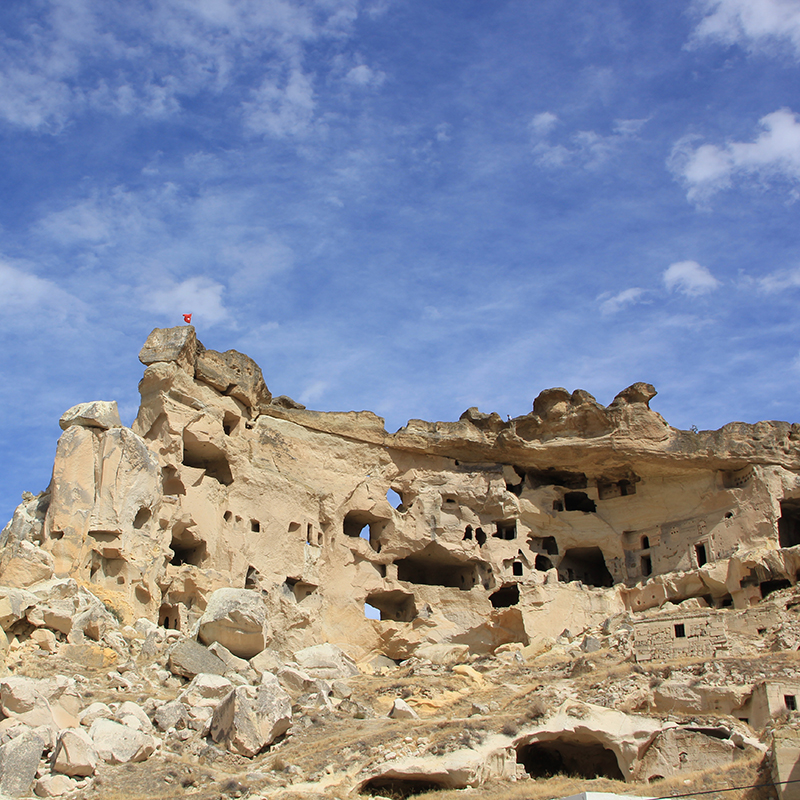
Near Peyniryemez village and Gelingüllü reservoir, Çadır Höyük preserves a long sequence of human settlement spanning prehistoric and later periods. The mound is valuable because changes in houses, craft activity and everyday objects can be studied across successive layers.

Key details and historical context

Occupation layers and domestic spaces

An archaeological mound is built up through repeated rebuilding and occupation. At Çadır, investigation of domestic spaces complements the monumental architecture studied at Uşaklı and the fortified Iron Age layout at Kerkenes.
Fieldwork, Burnt House and Byzantine summit

The field project began with survey in 1993 and excavation in 1994. Recent reports place occupation as early as about 5200 BC and its final abandonment in the thirteenth or fourteenth century AD. Fourth-millennium deposits include evidence of a burned building and buried children; a published study associates a major reorganisation of the settlement with the transition toward the Early Bronze Age around 3200–3100 BC. Byzantine investigations on the summit have uncovered a gateway and possible chapel.

Visiting Çadır Höyük

Planning your visit

Check the excavation arrangements before visiting.

On-site considerations

The reservoir and surrounding cultivated land offer a useful geographical context, but neither shoreline land nor excavation trenches should be treated as unrestricted access.

Continue Exploring Yozgat

Yozgat & Central Anatolia