Private Belgrad Forest & Historic Dams Route
Ask us about a tailor-made route combining Belgrad Forest, Neşet Suyu, historic Ottoman dams, reservoir landscapes and the remarkable water history of Istanbul.
Request a Custom Tour





Travel north from Istanbul's historic center and the dense urban landscape gradually begins to change.
Apartment blocks give way to hills, villages and increasingly thick woodland until the city seems surprisingly distant.
This is Belgrad Forest — Belgrad Ormanı, one of the largest and most important surviving forest landscapes close to Istanbul.
Covering approximately 5,300 hectares, the forest spreads across the northern European side of the city and is most commonly approached through Bahçeköy in the Sarıyer district.
For Istanbul residents, Belgrad Forest is a place to walk, run, cycle, picnic and escape the noise of the city.
But the forest is much more than a recreational area.
Hidden among its valleys and streams are some of the most important surviving structures from Istanbul's historic water-supply network.
For centuries, water collected in the hills north of Constantinople and later Ottoman Istanbul was captured, stored and carried toward the city through a sophisticated network of reservoirs, channels, aqueducts and distribution systems.
Seven historic Ottoman dams survive within the Belgrad Forest landscape, creating one of the most remarkable combinations of forest ecology, hydraulic engineering and Ottoman history anywhere around Istanbul.
The forest is also closely associated with the monumental Kırkçeşme Water Supply System developed during the reign of Sultan Süleyman the Magnificent and designed by the great Ottoman architect Mimar Sinan.
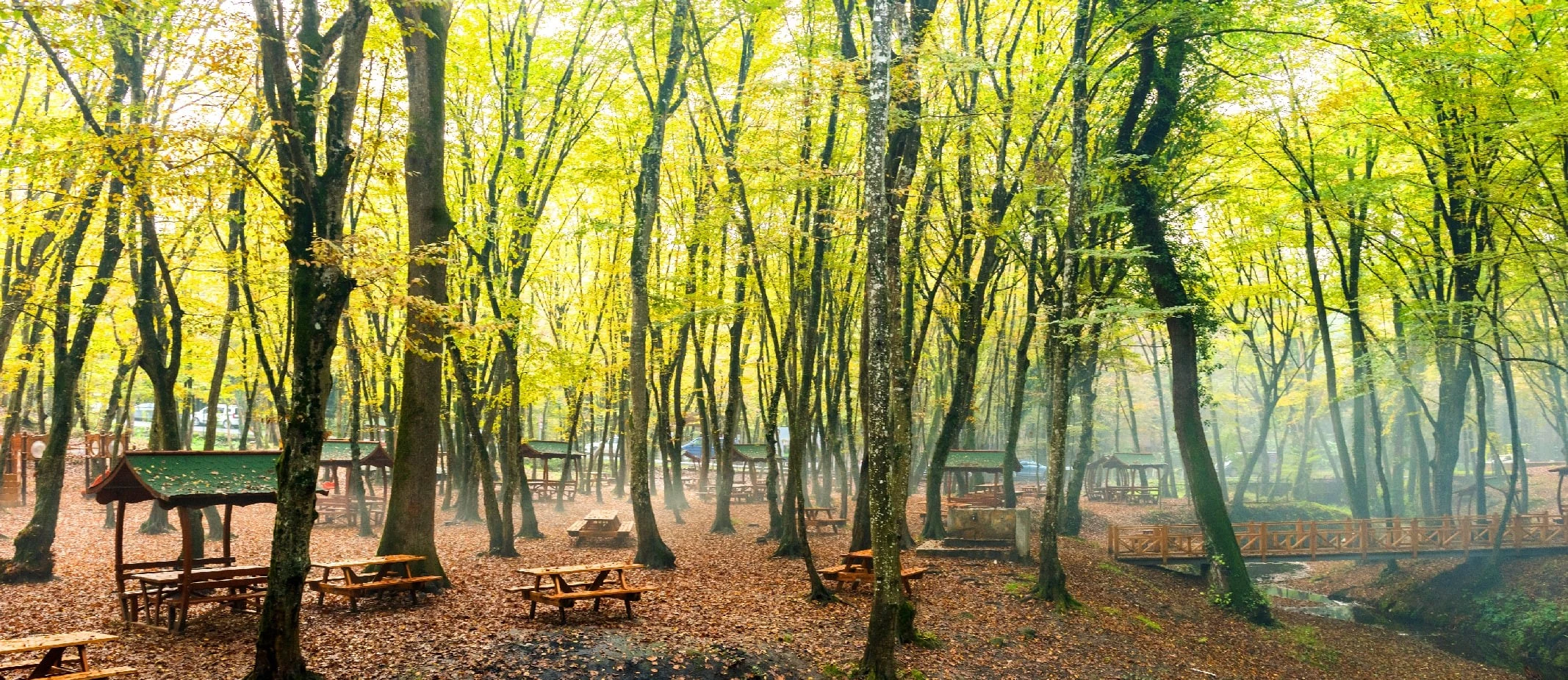
Today, visitors can walk beneath oak and hornbeam trees, follow streams through shaded valleys, cross historic dam structures, photograph calm reservoirs and explore designated nature parks spread throughout the forest.
Discover centuries-old reservoirs including Topuzlu Bent, Valide Sultan Bendi, Sultan Mahmud II Bendi, Büyük Bent, Ayvat Bendi and other historic water structures.
Follow woodland roads, nature trails and the famous approximately 6-kilometer running and walking circuit around Neşet Suyu.
Experience one of Istanbul's richest woodland habitats, dominated by deciduous forest and supporting birds, mammals, reptiles and countless smaller species.
Reach deep woodland, reservoirs and peaceful picnic areas without leaving the greater Istanbul metropolitan region.
Essential information about Belgrad Forest's location, size, historic reservoirs, walking trails, recreation areas, wildlife, transport and the best way to plan your visit.
Northern European Istanbul, primarily approached through Bahçeköy in Sarıyer.
Large protected forest landscape with designated nature parks, recreation areas, reservoirs and historic waterworks.
About 5,300 hectares, making Belgrad Forest one of Istanbul's largest major green landscapes.
The forest protected streams, reservoirs and water systems that supplied Istanbul for centuries.
Seven major Ottoman dams survive within the Belgrad Forest water landscape.
The Neşet Suyu area is known for an approximately 6-kilometer walking and running circuit through the forest.
Nine designated nature parks are located within the wider Belgrad Forest area.
Allow at least three to four hours; a full day is better for walking, historic dams and a relaxed forest experience.
Belgrad Forest is important because it represents something increasingly rare in a modern megacity: a large historic woodland whose survival is closely connected with the survival of the city itself.
For centuries, the forest's streams and valleys formed part of the natural catchment area supplying water to Constantinople and Ottoman Istanbul.
Protecting the forest therefore meant protecting Istanbul's drinking water.
This relationship between forest conservation and water security helped preserve Belgrad Forest long before modern environmental protection became a formal concept.
The forest also contains an exceptional concentration of historic hydraulic structures.
Ottoman engineers built dams, channels and aqueduct systems capable of collecting water from northern valleys and carrying it many kilometers toward the densely populated city.
The surviving reservoirs are not simply picturesque lakes.
They are physical remains of one of Istanbul's most important infrastructure systems.
At the same time, Belgrad Forest remains an important habitat for wildlife and a major recreational landscape for millions of people living in Istanbul.
Few destinations around the city combine ecology, engineering history, Ottoman heritage, outdoor recreation and landscape photography on the same scale.
The history of Belgrad Forest is inseparable from Istanbul's search for fresh water.
The hills north of the city contain numerous streams and valleys capable of collecting rainfall before carrying it toward lower ground.
These water resources were recognized and exploited long before the Ottoman period.
Byzantine Constantinople depended on an enormous network of reservoirs, aqueducts and channels extending far beyond the city walls.
After the Ottoman conquest of Constantinople in 1453, the growing capital required increasingly sophisticated systems to supply palaces, mosques, fountains, baths, neighborhoods and charitable institutions.
The modern name of the forest is connected with the Ottoman conquest of Belgrade in 1521.
People brought from the Belgrade region were settled in a village near the forest, and the settlement became known as Belgrad Köyü.
The surrounding woodland gradually inherited the same name.
During the reign of Sultan Süleyman the Magnificent, the great architect and engineer Mimar Sinan developed the monumental Kırkçeşme water system, linking northern water sources with Istanbul through channels and aqueducts.
Over the following centuries, additional dams were constructed inside the forest to increase storage and regulate supply.
Because contamination, uncontrolled settlement and excessive tree cutting threatened the water system, increasingly strict measures were introduced to protect the forest and its catchment areas.
By the modern period, Belgrad Forest had developed a second major role as a place of recreation, forestry education, ecological research and public access.
Designated picnic and recreation areas were established during the 20th century, while parts of the forest were later organized as nature parks.
The northern landscapes of Constantinople formed part of the wider system of water sources feeding the imperial capital.
The Ottoman conquest began a new period of urban expansion and growing demand for reliable water supplies.
The forest's later name became connected with people brought from Belgrade and settled in a nearby village after the Ottoman campaign.
Mimar Sinan developed the monumental Kırkçeşme water system during the reign of Süleyman the Magnificent.
A series of major reservoirs and dams were constructed to strengthen Istanbul's water supply.
The protected water forest gradually became one of Istanbul's major recreation, walking, research and nature areas.
The name Belgrad Forest sometimes surprises visitors because Belgrade, the modern capital of Serbia, lies hundreds of kilometers away.
The connection dates to the reign of Sultan Süleyman the Magnificent.
Following the Ottoman conquest of Belgrade in 1521, a community brought from the Belgrade region was settled in this part of the countryside north of Istanbul.
Their settlement became known as Belgrad Köyü — Belgrade Village.
The surrounding woodland subsequently became known as Belgrad Forest.
Because the settlement stood within an extremely important water catchment area, concerns eventually developed about the effect of human activity on the purity of the water sources.
The village was ultimately relocated and the protection of the forest and reservoir landscape became increasingly strict.
The historic village itself no longer defines the landscape, but its name remains permanently attached to the forest.
To understand Belgrad Forest properly, it helps to imagine Istanbul before modern pumping stations, pipelines and metropolitan reservoirs.
Supplying fresh water to a city spread across steep hills beside the sea was one of the greatest engineering challenges faced by both Byzantine and Ottoman administrators.
The solution depended on collecting water from higher ground north of the city and transporting it toward populated areas using gravity.
Belgrad Forest became one of the most important catchment landscapes in this system.
Streams flowing through forest valleys were controlled using dams and reservoirs.
Water then entered channels and aqueduct networks carrying it toward Istanbul.
Two Ottoman systems are particularly important when exploring the forest: the Kırkçeşme Water System and the later Taksim Water System.
Together, their surviving dams turn Belgrad Forest into an open-air museum of Ottoman hydraulic engineering.
One of the most remarkable chapters in the history of Belgrad Forest belongs to Mimar Sinan.
Best known internationally for masterpieces such as the Süleymaniye Mosque and Selimiye Mosque, Sinan was also an exceptional engineer.
During the reign of Sultan Süleyman the Magnificent, he worked on the reconstruction and expansion of Istanbul's northern water-supply network.
The resulting Kırkçeşme Water System gathered water from sources north of the city and transported it toward Istanbul through an immense network of channels, galleries and aqueducts.
Some of the most impressive surviving monuments associated with this wider system are monumental aqueducts hidden among the wooded valleys outside the central city.
The system demonstrates how Ottoman engineering combined precise surveying, gravity-fed water movement, durable masonry and careful protection of entire watersheds.
Belgrad Forest therefore provides important landscape context for understanding Sinan not only as an architect of mosques, but also as an engineer responsible for infrastructure essential to daily urban life.
Seven major Ottoman dams survive within Belgrad Forest, constructed between the 17th and 19th centuries as Istanbul's water requirements continued to grow.
They belong principally to the historic Kırkçeşme and Taksim water systems.
Also associated with Kömürcü Bent, this is the earliest of the major Ottoman dams preserved within the Belgrad Forest landscape.
One of the forest's most impressive reservoir structures and an important component of the Kırkçeşme water system.
A historic dam associated with the Taksim water system and one of the best-known structures in the Bentler area.
A major reservoir located deeper within the forest landscape and associated with the Kırkçeşme system.
Built under the patronage of Mihrişah Valide Sultan and connected with the expanding Taksim water network.
An early 19th-century dam forming part of the historic Kırkçeşme reservoir network.
Also known as Yeni Bent, this elegant late Ottoman dam belongs to the Taksim water system.
The dams should be understood together with streams, channels, forests, aqueducts and the protected catchments surrounding them.
For visitors primarily interested in Belgrad Forest's historic water structures, Bentler Tabiat Parkı — Bentler Nature Park is one of the most rewarding areas.
Its name comes directly from the Turkish word bent, meaning a dam or barrier constructed to hold water.
The landscape contains several important Ottoman reservoir structures, including Topuzlu Bent, Valide Sultan Bendi and Sultan Mahmud II Bendi.
Walking here is therefore very different from simply following an ordinary woodland trail.
Stone engineering structures repeatedly appear between trees, streams and reservoirs, revealing how thoroughly the forest was shaped by Istanbul's need for water.
The combination of monumental masonry and dense vegetation is also one of the best photographic themes in Belgrad Forest.
For many Istanbul residents, the name Belgrad Forest is almost synonymous with Neşet Suyu.
This is one of the forest's best-known recreation areas and a popular starting point for walking and running.
A well-known circuit of approximately 6 kilometers passes through shaded woodland and provides a manageable introduction to the forest for visitors who do not want to navigate remote tracks.
The route is particularly popular in the morning when runners, walkers and families arrive before the busiest part of the day.
The surrounding woodland is dominated by deciduous species, especially oak and hornbeam.
During spring, the route becomes intensely green.
In summer, the tree canopy provides welcome shade.
Autumn transforms the path with fallen leaves and warm woodland colors, while winter creates a quieter and more open forest atmosphere.
Belgrad Forest is not managed as one single uniform visitor area.
Within the wider forest are multiple designated nature parks and recreation zones, each with a different landscape character and level of visitor infrastructure.
Official nature-park designations include nine separate areas within Belgrad Forest.
Some are associated with historic dams, others with springs, picnic facilities, walking routes or woodland recreation.
Well-known names visitors may encounter include:
One of the most popular areas for walking, running and general forest recreation.
The strongest choice for visitors who want to combine woodland with major Ottoman dams and water history.
A smaller nature area named after one of the forest's historic water-control structures.
A forest recreation area associated with the historic Kirazlı Bent reservoir landscape.
A wooded recreation area where streams and forest vegetation create a particularly natural atmosphere.
A designated recreation zone used for picnicking and spending time in the forest.
Another established recreation area within the wider Belgrad Forest visitor landscape.
The forest is too large to treat all recreation areas as a single walking circuit. Choose one or two zones according to your priorities.
Belgrad Forest lies in a climatic transition zone influenced by both the Black Sea environment and the broader Mediterranean region.
This helps create a rich mixed woodland landscape very different from the dry vegetation visitors may associate with other parts of Turkey.
Much of the forest consists of deciduous woodland.
Oak is particularly important, with sessile oak among the dominant species, while hornbeam is also widespread.
Ash and alder can be encountered in wetter areas close to streams and low ground.
The constant changes in soil moisture, slope, exposure and elevation create numerous small habitats within the larger forest.
The result is a landscape that changes dramatically through the year.
Spring fills the forest floor and canopy with new growth.
Summer creates deep green shade.
Autumn produces one of Istanbul's strongest displays of seasonal foliage.
Winter strips away much of the leaf cover and makes the underlying shape of valleys, reservoirs and tree trunks more visible.
Belgrad Forest is one of the most important wildlife habitats within Istanbul's metropolitan environment.
The combination of mature woodland, streams, reservoirs, dense undergrowth and relatively secluded interior areas supports a wide variety of species.
Birds are the wildlife most visitors are likely to notice.
Early morning offers the best opportunity to hear woodland bird activity before recreation areas become busy.
Mammals including foxes, wild boar and deer are associated with the wider forest ecosystem, although casual visitors should not expect guaranteed sightings.
Reptiles, amphibians, insects and countless smaller organisms are equally important to the health of the forest.
Wildlife observation should always remain passive.
Never pursue animals through vegetation, attempt to feed them or leave food waste that can alter their natural behavior.
Water gives Belgrad Forest much of its distinctive character.
Streams descend through wooded valleys and feed reservoirs retained behind historic masonry dams.
When water levels are high and conditions are calm, the reservoirs can produce mirror-like reflections of the surrounding tree canopy.
The contrast between still water and dense woodland creates some of the forest's most beautiful scenery.
Yet these reservoirs should not be treated as recreational swimming lakes.
They form part of a historic and environmentally sensitive water landscape.
Visitors should remain on appropriate paths and observation areas rather than climbing down unstable banks or entering the water.
Belgrad Forest and Atatürk Arboretum are closely connected geographically but should not be treated as the same visitor attraction.
Atatürk Arboretum occupies part of the wider Belgrad Forest landscape near Bahçeköy and functions as a specialized collection of trees and woody plants.
Its purpose is scientific research, education, conservation and botanical study as well as controlled public visitation.
The arboretum contains curated plant collections, landscaped paths and ponds, producing a much more botanical-garden-like experience than the larger natural forest.
Belgrad Forest, by contrast, is an enormous woodland landscape containing nature parks, picnic areas, running routes, historic reservoirs and long forest roads.
The visiting rules are also different.
Atatürk Arboretum operates with its own entrance arrangements, opening schedule and visitor regulations.
Long woodland walks, running, historic dams, nature parks, picnics and a broader sense of wilderness.
Botanical collections, controlled landscaped paths, tree identification, pond photography and a quieter educational visit.
A full day around Bahçeköy can include both, provided you check the arboretum's current opening arrangements in advance.
Do not assume that entering Belgrad Forest automatically provides access to Atatürk Arboretum.
Walking is one of the best ways to experience Belgrad Forest.
Routes range from straightforward recreational circuits to longer forest-road walks connecting quieter interior sections.
The famous Neşet Suyu circuit is suitable for visitors looking for a clearly established walking or running route without committing to a remote hike.
More adventurous walkers can explore longer forest roads, but navigation becomes increasingly important away from the main visitor areas.
Do not rely entirely on mobile reception.
Large forests can make short distances deceptive, particularly where multiple roads branch through similar-looking woodland.
Choose a short loop around an established recreation area or historic reservoir.
The approximately 6-kilometer Neşet Suyu route is one of Istanbul's best-known forest running circuits.
Use mapped forest roads and allow generous time for route-finding, elevation and unexpected detours.
Focus on Bentler Nature Park for a route combining dams, water engineering and woodland.
Unpaved surfaces can become muddy and slippery after rain, especially away from the principal recreation routes.
Save your chosen route before entering deeper parts of the forest and remember where you parked or entered.
Belgrad Forest is one of Istanbul's most famous outdoor running environments.
The combination of shade, clean forest air, varied terrain and established routes attracts recreational runners as well as more serious athletes.
The Neşet Suyu circuit is especially popular because it provides a recognizable loop of approximately six kilometers.
Early morning offers the most comfortable conditions, particularly in summer.
Runners should remember that forest terrain can include uneven surfaces, exposed roots, wet leaves and changing gradients.
After heavy rain, even familiar trails can become slippery.
Belgrad Forest is also popular with cyclists, particularly on the broader forest roads surrounding the main recreation areas.
The experience varies considerably depending on the route.
Some sections are relatively smooth while others may include gravel, mud, potholes or rough forest surfaces.
Cyclists should always reduce speed around pedestrians, children and busy picnic zones.
Weather can change trail conditions quickly, so routes suitable during a dry week may become difficult after prolonged rain.
Picnicking has been part of Belgrad Forest's modern recreational identity for generations.
Several designated recreation areas provide places where families and groups can spend long periods beneath the trees.
Weekends and public holidays can become especially busy during pleasant weather.
Visitors planning a peaceful nature walk may therefore prefer weekday mornings, while families looking for a social picnic atmosphere may enjoy the busier designated areas.
Rules concerning fires, barbecues and access can change according to season and forest-fire risk.
During dry periods, authorities may impose strict restrictions.
Never assume that lighting a fire or barbecue is permitted simply because it has been allowed in a particular area at another time of year.
Visitors should not assume that ordinary recreational access to Belgrad Forest includes unrestricted overnight camping.
The forest contains protected areas, water catchments and designated nature parks with their own regulations.
Rules concerning tents, overnight stays, vehicles and fires can change according to management decisions and seasonal safety conditions.
If camping is an essential part of your plans, confirm the current regulations for the exact area you intend to use before arriving.
The best overall time for walking, running, wildlife sounds, quiet reservoirs and soft forest light.
Ideal if your priority is peaceful walking, photography or exploring the historic dams without heavy recreational crowds.
Fresh foliage, flowing streams, wild vegetation and comfortable walking temperatures make spring excellent.
The dense canopy offers valuable shade, although humidity and weekend crowds can be significant.
Arguably the most photogenic season, with changing leaves, mist and richly textured forest floors.
Quiet and atmospheric, particularly around the reservoirs, although mud and cold conditions require better preparation.
The forest becomes intensely fresh and green, but unpaved trails may be muddy and slippery.
Can create exceptionally atmospheric woodland photography but requires additional caution on roads and trails.
Enough for a short woodland walk around one established recreation area without exploring the wider forest.
A good minimum for walking part or all of the Neşet Suyu circuit at a relaxed pace.
Recommended for combining forest walking with one or more historic reservoirs in the Bentler area.
Ideal for a longer nature experience with walking, photography, picnic time and several forest zones.
Allow most of a day and confirm Atatürk Arboretum's separate opening arrangements before planning the combination.
Arrive early and concentrate on reservoirs, historic dams and changing forest light rather than trying to cover the entire area.
Belgrad Forest is one of Istanbul's strongest destinations for landscape and nature photography.
The most successful images often combine the forest with water, architecture or atmospheric weather.
Photograph calm water early in the morning when reflections are strongest and visitor activity is still limited.
Use Ottoman dam walls, stone balustrades and water-control structures as foreground elements against woodland.
Long curving tracks between tall tree trunks create excellent depth and leading lines.
Look for fallen leaves, changing canopy colors, wet stone and reservoir reflections.
Mist and light rain can create beautifully layered woodland scenes when conditions remain safe.
Use patience and distance rather than approaching or disturbing animals.
Belgrad Forest can be one of Istanbul's most enjoyable family escapes.
Children have space to walk, observe trees, listen for birds and experience a much larger natural environment than the city's formal parks.
Established recreation areas are generally easier for families than attempting remote forest routes.
Parents should pay particular attention around reservoirs, streams, roads and steep or slippery banks.
The size of the forest also makes it important to remain together.
A child can become disoriented quickly where several similar-looking woodland roads intersect.
Accessibility varies greatly depending on which part of Belgrad Forest you visit.
Some established recreation areas contain broad roads and relatively level sections, while more natural routes can include gravel, mud, roots, steep gradients and uneven ground.
Visitors using wheelchairs or mobility aids should concentrate on a specific developed recreation zone rather than planning a long forest circuit.
Strollers are similarly easiest on broad maintained surfaces.
Historic dam environments can include steps, narrow passages, uneven masonry and unprotected changes in level.
Belgrad Forest lies in northern European Istanbul and is most commonly approached through Bahçeköy.
Unlike Yıldız Park or Emirgan Park, it is not directly beside central tourist districts.
You should therefore allow meaningful travel time in both directions.
Public transport can bring visitors toward Bahçeköy, while taxis or private vehicles make it easier to reach particular nature parks deeper within the forest.
The exact best route depends heavily on which entrance or recreation area you intend to visit.
Travel north through the metro network toward Hacıosman, then continue toward Bahçeköy by local transport or taxi.
Use the M2 metro north toward Hacıosman and continue toward Bahçeköy.
Local buses and taxis provide onward connections toward Bahçeköy and the Belgrad Forest approaches.
Bahçeköy is the principal gateway for several popular forest areas and Atatürk Arboretum.
Convenient when you want to reach a specific recreation area without changing between several public-transport services.
Offers the greatest flexibility, but parking availability, entrance rules and vehicle restrictions may vary between nature parks.
Belgrad Forest is too large to visit without a plan. Decide whether your priority is walking, historic dams, picnicking or photography.
Forest surfaces may include gravel, roots, wet leaves, mud and uneven ground.
Do not assume that food and drink services will be available exactly where your route takes you.
Download maps or save your destination before walking into quieter forest sections.
Heavy rain, strong wind and storms can make wooded environments hazardous.
Open-fire and barbecue rules can become much stricter during dry or high-risk periods.
When walking through natural vegetation, use sensible clothing and check yourself after the visit.
Sunny weekends can bring heavy traffic and large picnic crowds to the most accessible areas.
Forest roads become much harder to navigate after sunset, especially away from established facilities.
Do not swim in reservoirs or climb unstable banks around historic dams.
Never leave food waste that can attract wildlife to recreation areas.
Opening arrangements, vehicle access and individual facility operations can change throughout the year.
Belgrad Forest is too large for a single definitive route, but first-time visitors can create a balanced experience by concentrating on one walking area and one historic water landscape.
Three hours is enough for a rewarding first forest experience if you concentrate on one primary area instead of trying to cross large sections of Belgrad Forest.
A half day allows enough time to combine the forest's recreational side with its extraordinary Ottoman water history.
For visitors who genuinely enjoy forests, botanical landscapes and photography, Belgrad Forest and Atatürk Arboretum can form one of Istanbul's strongest nature-focused days.
The historic dams of Belgrad Forest become even more impressive when viewed as part of a much larger water network.
Reservoirs alone could not supply Istanbul.
Water had to travel across valleys, hills and long distances toward the city.
This required channels and monumental aqueducts.
Several major aqueduct structures survive in the wider northern Istanbul landscape, including works associated with the Kırkçeşme system and Mimar Sinan.
Among the most famous is the monumental Mağlova Aqueduct, one of the masterpieces of Ottoman hydraulic architecture.
Other historic aqueducts and water structures around northern Istanbul demonstrate the extraordinary geographic scale of the system.
Visitors with a serious interest in architecture or engineering can therefore use Belgrad Forest as the starting point for a broader exploration of Istanbul's historic water infrastructure.
Explore a major scientific tree collection, ponds and landscaped botanical environment beside the wider Belgrad Forest landscape.
The principal settlement and transport gateway for several of Belgrad Forest's best-known visitor areas.
Continue toward the Bosphorus for waterfront restaurants, fishing traditions, historic neighborhoods and views toward the Black Sea approaches.
Compare Belgrad Forest's natural woodland with one of Istanbul's most famous landscaped Bosphorus groves.
A major modern business district located between the historic center and the northern forest landscapes.
Another useful gateway toward northern Istanbul's forests, recreation areas and historic water-system landscape.
Extend the historical theme by exploring surviving aqueducts connected with Istanbul's monumental Ottoman water system.
Continue planning with Istanbul's palaces, mosques, churches, museums, parks, forests and historic neighborhoods.
Belgrad Forest is in northern European Istanbul. The most frequently used visitor approaches are around Bahçeköy in Sarıyer.
Yes. It combines extensive natural woodland, historic Ottoman reservoirs, walking and running trails, picnic areas, wildlife and one of Istanbul's most important historic water landscapes.
The wider forest covers approximately 5,300 hectares.
The name derives from a community brought from the Belgrade region and settled near the forest following the Ottoman conquest of Belgrade in 1521.
Yes. Its streams and reservoirs were integral to historic systems that supplied Istanbul with water for centuries.
Seven major Ottoman dams associated with the Kırkçeşme and Taksim water systems survive within the forest landscape.
They include Topuz Bendi, Büyük Bent, Topuzlu Bent, Ayvat Bendi, Valide Sultan Bendi, Kirazlı Bent and Sultan Mahmud II Bendi, also known as Yeni Bent.
Bentler Nature Park is an area of Belgrad Forest particularly important for its concentration of historic Ottoman dams and reservoir landscapes.
The popular walking and running circuit around the Neşet Suyu area is approximately 6 kilometers long.
Yes. It is one of Istanbul's best-known outdoor running areas, especially around Neşet Suyu.
Yes. Visitors can choose between established recreational trails and longer forest-road walks, although route planning becomes increasingly important away from the busiest areas.
Cycling is popular on various forest roads, although surface conditions and access rules differ between areas.
Yes, designated recreation areas are widely used for picnics. Always follow current regulations concerning fires and barbecues.
Rules depend on the location, season and current forest-fire restrictions. Never assume that open flames are permitted without checking current regulations.
Do not assume that unrestricted overnight camping is permitted. Protected areas and individual nature parks can have specific regulations, so check the current rules for the exact location.
The historic reservoirs should not be treated as recreational swimming lakes. They are sensitive water and heritage environments.
No. Atatürk Arboretum lies within the wider Belgrad Forest landscape but operates as a separate botanical and scientific visitor site with its own entrance and regulations.
Yes. They can form an excellent full-day nature itinerary, but check the arboretum's current opening schedule before travelling.
Spring and autumn are particularly beautiful. Spring brings fresh green vegetation while autumn produces some of Istanbul's strongest woodland colors.
Yes. The deciduous forest changes through gold, yellow, brown and red tones, making autumn especially popular with photographers.
Popular recreation areas can become very busy on sunny weekends and public holidays. Weekday mornings are considerably quieter.
Allow at least three hours for a proper walk. A half or full day is better if you want to combine trails, reservoirs, historic dams and a picnic.
Yes. Public transport can take you toward Bahçeköy, usually via northern metro and bus connections, although taxis are useful for reaching specific recreation areas deeper inside the forest.
No, but a private vehicle or taxi provides greater flexibility because Belgrad Forest is extremely large and individual nature parks can be separated by considerable distances.
Yes. Established recreation areas are excellent for families, although children should be supervised carefully around reservoirs, streams and forest roads.
Some broad recreation roads are suitable for strollers, but natural trails may be rough, muddy or steep.
Accessibility varies greatly. Some developed recreation areas are easier than natural trails, so visitors with mobility requirements should select a specific accessible area in advance.
Yes. The wider ecosystem supports numerous birds, mammals, reptiles, amphibians and other wildlife, although sightings of larger animals are never guaranteed.
Popular routes are frequently used, but anyone walking alone should remain on known trails, keep track of daylight, save their route and avoid entering remote sections without preparation.
Ordinary walking shoes may be sufficient on established routes in dry weather, while waterproof footwear with better grip is useful after rain or on longer natural trails.
Yes. Reservoir reflections, Ottoman dams, autumn foliage, mist, streams and long woodland roads make it one of Istanbul's strongest nature-photography destinations.
Early morning is generally best for quiet walking, running, bird activity, softer light and easier parking in popular areas.
No. Established recreation areas can easily be explored independently. A knowledgeable guide becomes more useful if your priority is Ottoman water engineering, historic dams, Mimar Sinan's water systems or a broader historical route.
Never light unauthorized fires and obey all seasonal restrictions immediately.
Do not leave plastic, food packaging, glass or cigarette waste in picnic areas or woodland.
Do not climb, scratch or damage masonry, inscriptions, balustrades or other historic water structures.
Do not swim, throw objects into the water or disturb reservoir banks.
Observe animals from a distance and never chase, feed or attempt to handle them.
Avoid trampling sensitive vegetation or creating new unofficial paths through the forest.
Allow other visitors to enjoy the natural atmosphere and reduce disturbance to wildlife.
Never carve names into bark, break branches or attach hammocks and equipment where they can harm trees.
Temporary access restrictions during extreme weather or high fire risk protect both visitors and the forest.
Walkers, runners and cyclists should use forest roads with consideration for one another.
Do not collect flowers, fungi or other natural material from protected areas without authorization.
The best visit is one that leaves the forest looking exactly as it did before you arrived.
Discover a different side of Istanbul with a private route connecting woodland, historic Ottoman water systems, reservoirs, botanical landscapes and northern neighborhoods — without compulsory shopping stops.
Create a private route focusing on nature, walking, photography, historic reservoirs, Mimar Sinan's engineering heritage and the lesser-known landscapes of northern Istanbul.
Ask us about a tailor-made route combining Belgrad Forest, Neşet Suyu, historic Ottoman dams, reservoir landscapes and the remarkable water history of Istanbul.
Request a Custom Tour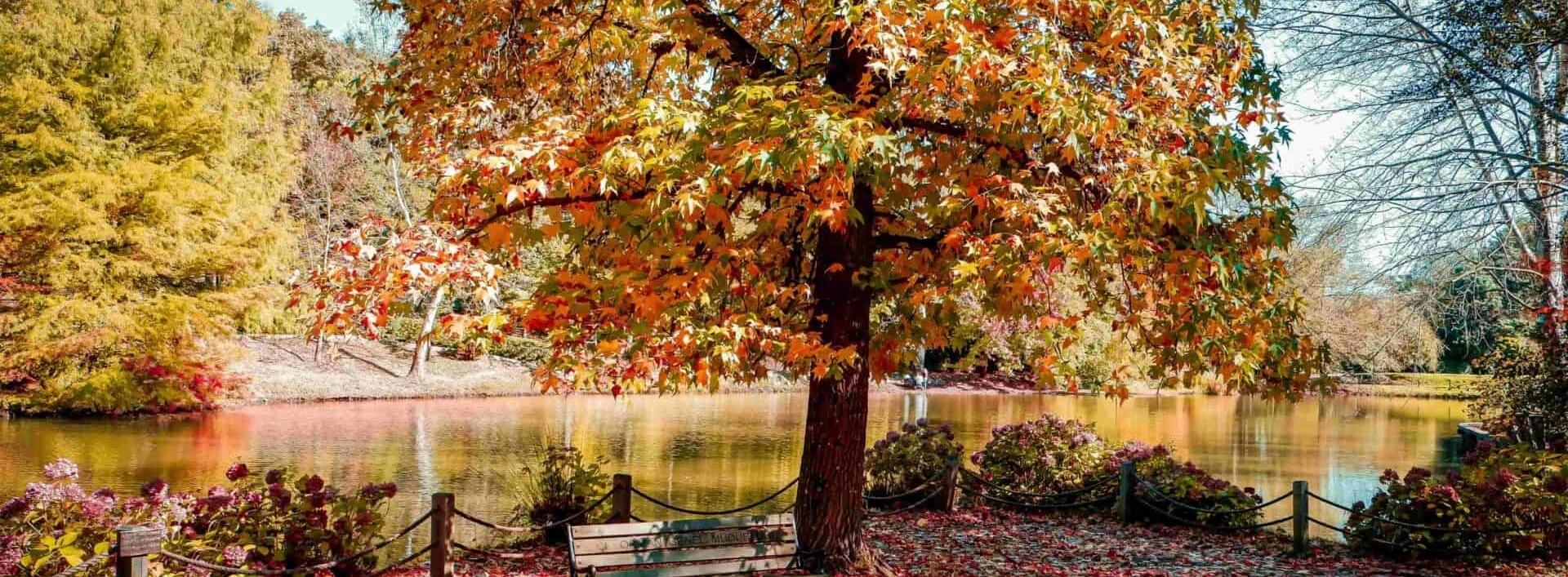
Combine natural woodland with one of Istanbul's most important botanical collections for a full day focused on trees, photography, landscapes and environmental history.
Plan a Nature DayCombine Belgrad Forest with Sarıyer, Bosphorus neighborhoods, historic aqueducts, parks or other lesser-known Istanbul landscapes according to your interests.
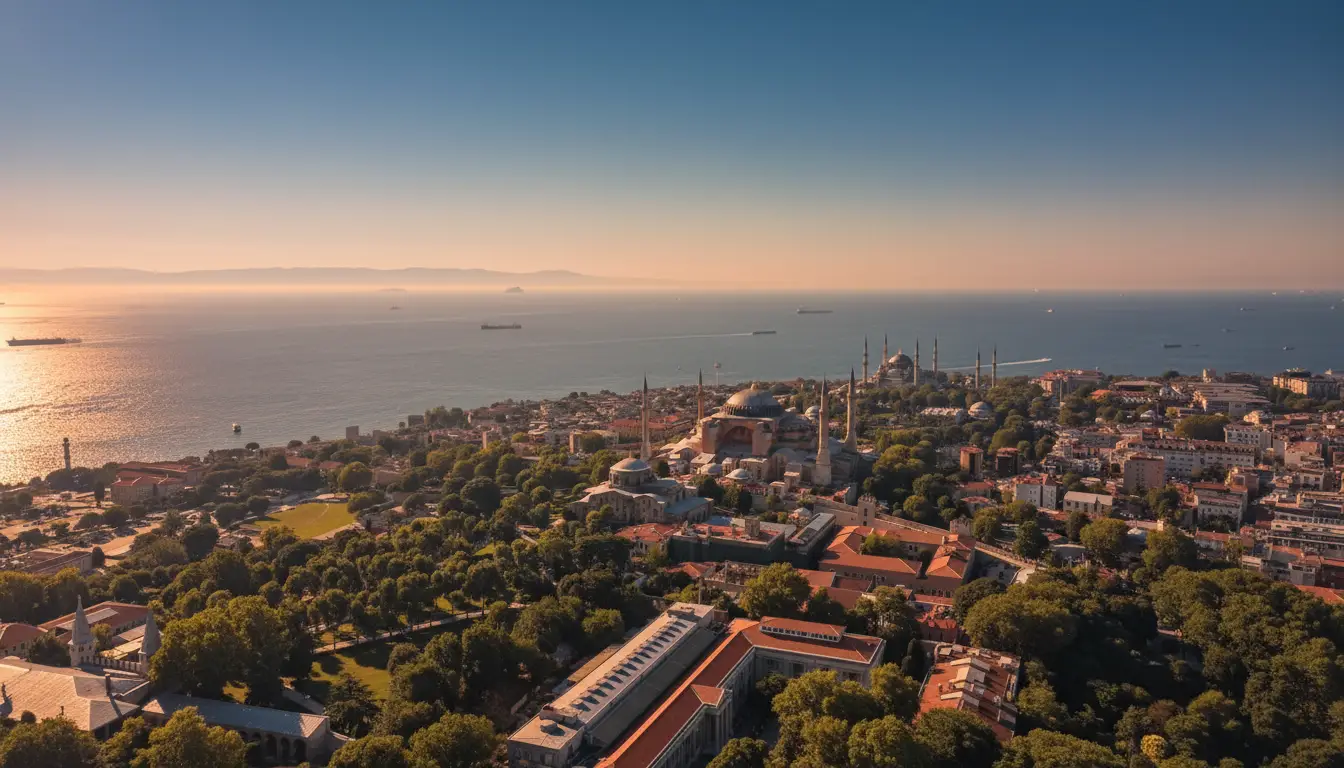
Create a private Istanbul itinerary around Byzantine and Ottoman history, architecture, museums, forests, gardens, neighborhoods, food and Bosphorus scenery.
View Private Istanbul Tours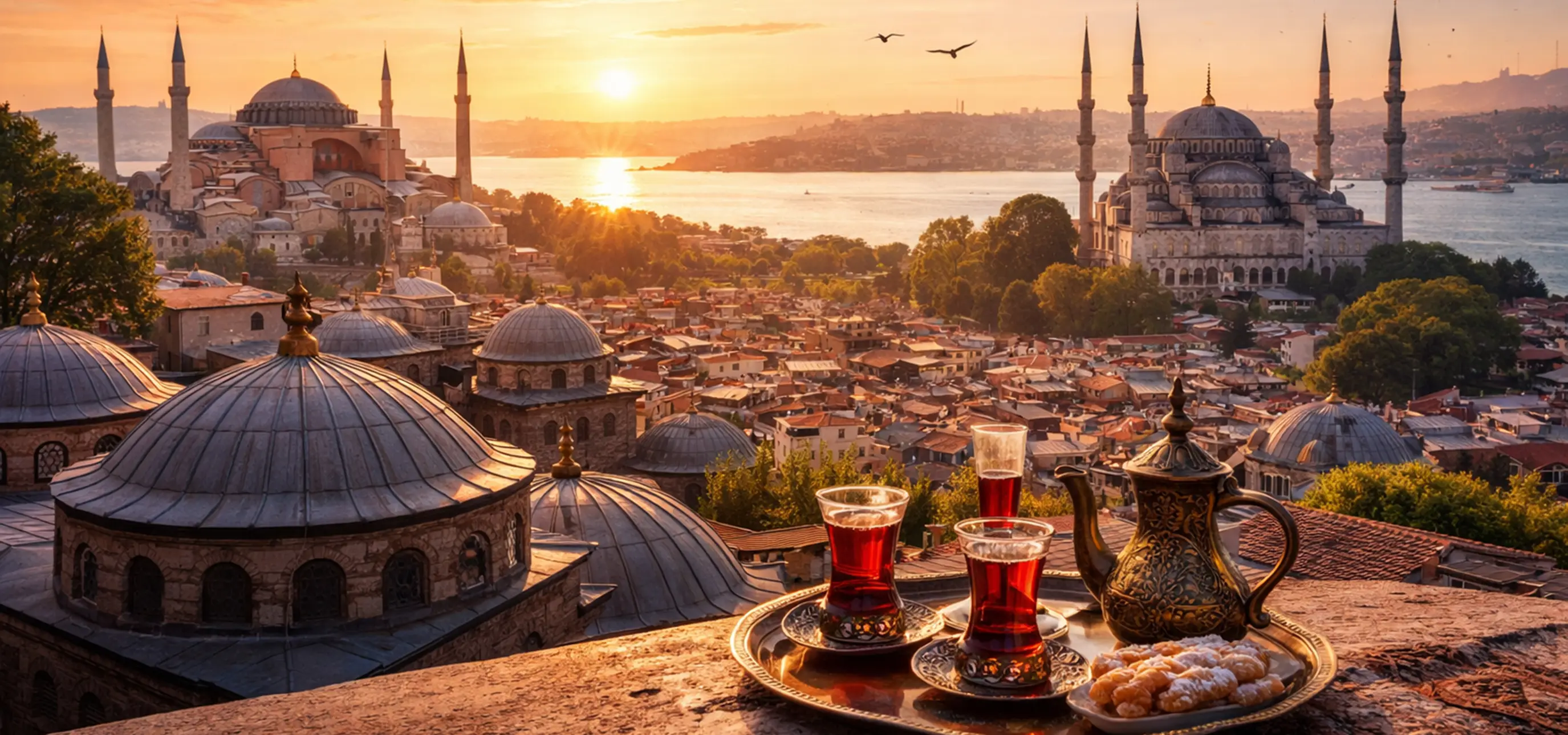
Continue planning with Istanbul's mosques, churches, palaces, museums, bazaars, forests, parks, Bosphorus districts and historic neighborhoods.
Explore Istanbul