Private Emirgan & Bosphorus Tour
Ask us about a tailor-made route combining Emirgan Park, its three historic pavilions, the Bosphorus shoreline, nearby museums and northern Istanbul neighborhoods.
Request a Custom Tour





On the European shore of the Bosphorus, north of the historic center and only a short distance from the Sakıp Sabancı Museum, a steep green hillside rises above the waterfront.
This is Emirgan Park, more accurately known in Turkish as Emirgan Korusu — Emirgan Grove.
The grove covers approximately 47 hectares and contains an extraordinary mixture of lawns, wooded slopes, ornamental gardens, ponds, historic pavilions, walking roads and Bosphorus viewpoints.
Its history reaches back through the Ottoman period, but the name Emirgan is especially associated with Emir Güne Han, the former governor of Revan who entered Ottoman service during the reign of Sultan Murad IV.
The landscape later became connected with Khedive Ismail Pasha of Egypt, who had three elegant pavilions built here in the 19th century.
Today those buildings are known simply by their colors: Sarı Köşk — Yellow Pavilion, Pembe Köşk — Pink Pavilion and Beyaz Köşk — White Pavilion.
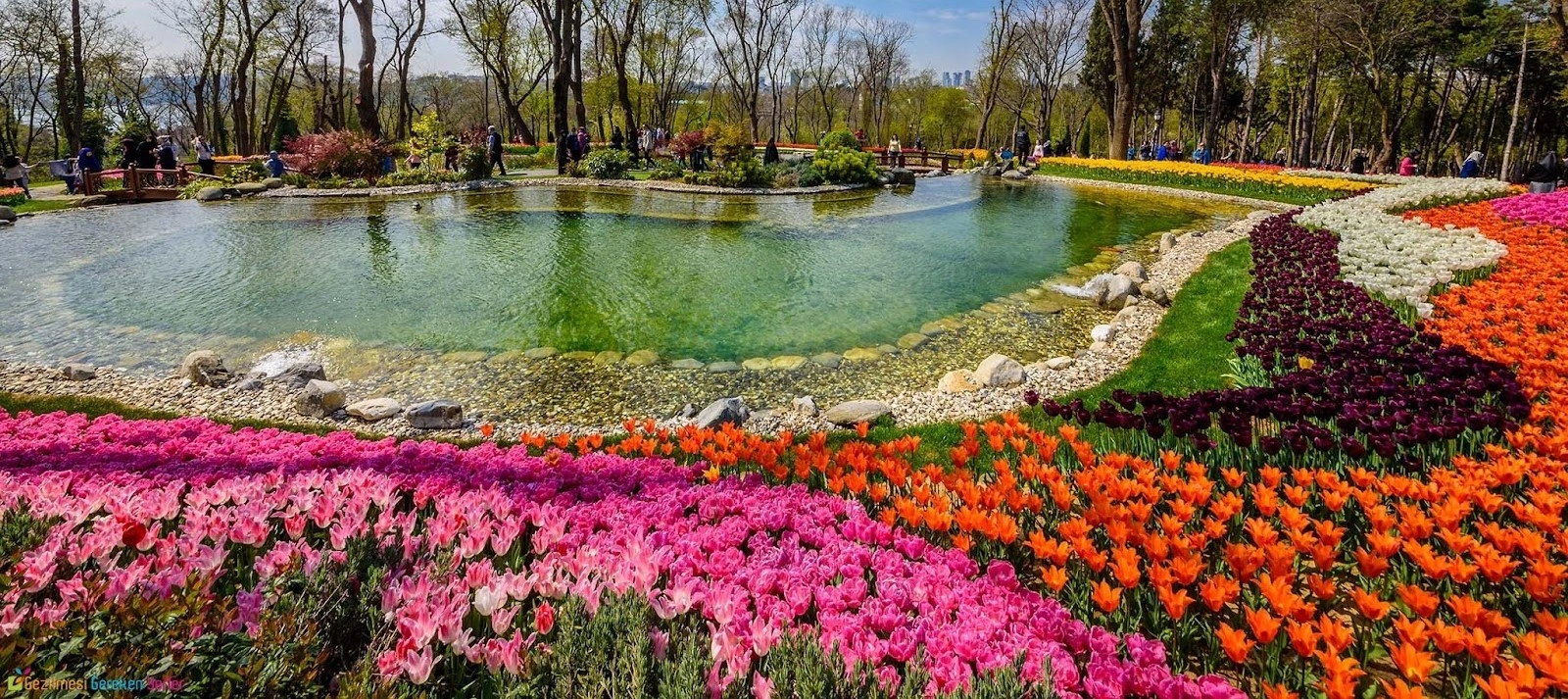
Yet for many modern visitors, Emirgan is most famous for one thing: tulips.
Every spring, especially during April, vast beds of tulips transform the lawns and slopes into one of the most photographed seasonal landscapes in Istanbul.
Experience one of Istanbul's greatest spring displays during the city's annual tulip season.
Discover the Yellow, Pink and White Pavilions built during the 19th-century Khedive era.
Walk through a wooded hillside estate overlooking one of the world's most famous waterways.
Enjoy mature trees, ponds, lawns, birds, flowers and long walking routes far from the intensity of central Istanbul.
Essential information about Emirgan Grove's location, Ottoman history, tulip season, three historic pavilions, walking routes, Bosphorus atmosphere and the best way to plan your visit.
Emirgan, Sarıyer, on the European side of the Bosphorus in northern Istanbul.
A historic municipal grove and landscaped public park spread across a steep wooded Bosphorus hillside.
About 472 dönüm, or roughly 47 hectares.
Spring tulips, the Istanbul Tulip Festival, historic pavilions, mature trees and Bosphorus scenery.
Sarı Köşk, Pembe Köşk and Beyaz Köşk — the Yellow, Pink and White Pavilions.
Lawns, wooded hills, ornamental flower beds, ponds, terraces, winding paths and viewpoints.
April is usually the strongest period for tulip displays, although flowering changes with the weather.
Allow about two to three hours, or half a day if you want breakfast, photography and a slow walk.
Emirgan Park is important because it combines several different versions of Istanbul in one landscape.
It is at once an Ottoman historic estate, a 19th-century pavilion garden, a large municipal park, a spring flower destination and an important green refuge on the Bosphorus.
Unlike Istanbul's monumental squares, Emirgan is experienced through movement: climbing a wooded road, descending through flower beds, looking across a pond, resting beneath old trees and suddenly finding a historic pavilion on the next terrace.
The grove also preserves the memory of the Bosphorus as a landscape of imperial estates, gardens, yalıs and seasonal residences.
Its three surviving pavilions connect the park directly with the era of Khedive Ismail Pasha in the 19th century.
The modern importance of Emirgan is equally strong.
Since the revival of Istanbul's large-scale tulip celebrations in the 2000s, the park has become one of the principal symbols of spring in the city.
Few places show the relationship between Ottoman floral culture and contemporary Istanbul as vividly as Emirgan during April.
The hills around modern Emirgan have long been valued for their Bosphorus position, vegetation and access to the shoreline.
Historical sources associate the wider landscape in earlier periods with cypress-covered ground, while more clearly documented development appears during the Ottoman era.
In the 16th century, the area became associated with Feridun Bey and was known as the Feridun Gardens.
A major change came during the reign of Sultan Murad IV.
After the Ottoman campaign against Revan, the former Safavid governor Emir Güne Han entered Ottoman service.
The sultan granted him the estate, and the area became known as Emirgüne or Emirgüne Korusu.
Over time, the name evolved into the modern form Emirgan.
The property changed hands repeatedly during later Ottoman centuries.
In the 19th century, Sultan Abdülaziz transferred the estate to Khedive Ismail Pasha of Egypt.
Between approximately 1871 and 1878, three pavilions were built within the grove.
These survive today as the Yellow, Pink and White Pavilions and remain the architectural landmarks most closely associated with Emirgan.
In the 20th century, the estate ultimately became part of Istanbul's public green-space system and was developed as one of the city's major municipal parks.
The landscape was associated with Feridun Bey and became known as the Feridun Gardens.
Sultan Murad IV granted the estate to Emir Güne Han, whose name became attached to the area.
The grove became connected with Khedive Ismail Pasha of Egypt during the reign of Sultan Abdülaziz.
The three surviving historic pavilions were built within the estate.
The former private estate entered Istanbul's modern public-park system.
Emirgan is one of the city's best-known historic groves and the flagship destination of spring tulip season.
The name Emirgan preserves a remarkable fragment of 17th-century Ottoman–Safavid history.
During Sultan Murad IV's campaign against Revan, the city's governor Emir Güne Han surrendered and later entered Ottoman service.
Murad IV rewarded him with rank and property, including the Bosphorus estate that would become associated with his name.
The grove was subsequently called Emirgüne Korusu.
Through gradual changes in pronunciation and usage, Emirgüne developed into Emirgan, the name used both for the grove and the surrounding neighborhood today.
The appearance of modern Emirgan is closely linked with Ismail Pasha, the Khedive of Egypt.
During the reign of Sultan Abdülaziz, the estate passed to Ismail Pasha, who reshaped the grove as an elite Bosphorus property.
The most visible legacy of that period is the trio of pavilions built between the early and late 1870s.
Their placement within the hillside is as important as their architecture.
Rather than standing together as a formal palace complex, the pavilions occupy different parts of the landscaped estate, allowing visitors to encounter them gradually while walking through the grove.
This arrangement creates a classic Bosphorus garden experience: architecture appears between trees, lawns and changes in elevation rather than dominating the landscape from a single monumental axis.
The most important buildings inside Emirgan are known by simple color names.
Together, the Yellow Pavilion, Pink Pavilion and White Pavilion form the architectural heart of the grove.
The Yellow Pavilion is the most visually elaborate of the three and one of the park's best-known architectural symbols.
The Pink Pavilion has the atmosphere of a traditional Ottoman-era Bosphorus residence set among lawns and trees.
The White Pavilion provides a lighter, elegant contrast and completes the trio of surviving Khedive-era buildings.
The pavilions have been restored and adapted for contemporary public use over time.
Operating arrangements, restaurant service and event use can change, so visitors who want to eat inside a particular pavilion should check current municipal information before arriving.
The Yellow Pavilion — Sarı Köşk is the architectural landmark most visitors remember after leaving Emirgan.
Its warm exterior colors, broad eaves, decorative wooden details and elevated position give it the appearance of an elegant garden chalet.
The building belongs to the group of pavilions created during the Khedive Ismail Pasha period in the 19th century.
Its terraces and surrounding gardens make the structure especially photogenic during spring, when tulips and flowering trees create strong foreground color.
Even outside tulip season, the pavilion is worth seeing for the relationship between architecture and landscape.
The Pink Pavilion — Pembe Köşk has a softer residential character than the more theatrical Yellow Pavilion.
Its scale and appearance recall the refined wooden houses and garden residences once found along the Bosphorus.
Surrounded by mature trees and landscaped grounds, it is particularly attractive in spring but remains atmospheric throughout the year.
The building has been restored and used as a municipal social facility, giving modern visitors an opportunity to experience the historic structure as part of everyday city life rather than as a closed museum object.
The White Pavilion — Beyaz Köşk completes Emirgan's trio of 19th-century garden buildings.
Its pale exterior creates a strong contrast with the surrounding greenery and makes it especially striking when viewed through mature trees.
Like the other pavilions, the building is best understood as part of a larger estate rather than as an isolated monument.
The approach, the slope of the ground, the surrounding plantings and the glimpses of the Bosphorus all contribute to the experience.
Visitors interested in architecture should allow time to see all three pavilions from several angles rather than treating them simply as café stops.
For many travelers, tulip season is the main reason to visit Emirgan.
Istanbul has maintained a large spring tulip program since the 2000s, and Emirgan has become one of its most celebrated locations.
During the strongest flowering period, huge beds of tulips cover lawns and slopes in geometric patterns, sweeping curves and broad blocks of color.
The display is not limited to one small garden.
Tulips appear throughout the grove, around pavilions, beside paths, across terraces and near ponds.
This scale is what makes Emirgan different from simply seeing tulips in a city flower bed.
The flower also has deep historical associations with Ottoman art and culture.
Stylized tulips appear in ceramics, textiles, manuscripts and architectural decoration, while the famous 18th-century Tulip Era permanently connected the flower with images of Ottoman refinement and garden life.
April is generally the most important month, but exact flowering changes each year with temperature and rainfall.
Weekdays are usually far easier for photography than sunny weekends during peak bloom.
Arrive early in the morning before tour groups and local weekend traffic build.
Large crowds, extensive flower beds, temporary seasonal installations and intense photography activity.
Emirgan is far more than a tulip garden.
The grove contains an exceptionally rich collection of mature trees and planted species, with municipal sources describing more than 120 tree species.
This botanical variety gives the park a very different atmosphere in each season.
Spring brings flowering trees and fresh foliage.
Summer creates deep shade under mature canopies.
Autumn introduces warm colors across the wooded slopes.
Winter reveals the structure of the landscape, the pavilions and long views between bare branches.
Because the park rises steeply from the Bosphorus, changes in elevation create multiple micro-landscapes rather than one flat lawn.
Some sections feel formal and ornamental, while others feel closer to a woodland walk.
Small ponds and ornamental water features add another layer to Emirgan's garden character.
Their reflections soften the wooded landscape and provide some of the park's most peaceful viewpoints away from the busiest tulip beds.
Water, stone edges, bridges, lawns and overhanging branches create excellent compositions for photography.
Families also tend to spend time around these areas because they provide visual interest for children during a longer walk.
As with any urban wildlife area, visitors should avoid chasing birds or throwing unsuitable food into the water.
Emirgan's location above the Bosphorus is fundamental to its identity.
The grove rises from the European shoreline, and openings between trees reveal changing views toward the water and the Asian side.
These are not always uninterrupted postcard panoramas.
The beauty comes from the combination of water glimpses, foliage, steep slopes, pavilion terraces and the movement of ships through the strait.
After visiting the park, it is worth descending to the Emirgan waterfront to experience the Bosphorus from street level.
The contrast between the wooded estate above and the busy shoreline below makes the geography of the neighborhood much easier to understand.
The best overall time for quiet paths, pavilion photography and spring flower beds with fewer people.
Good for breakfast and a relaxed walk, but spring crowds increase quickly.
Excellent outside peak tulip weekends, especially for woodland shade and Bosphorus atmosphere.
The signature season for tulips and the most famous visual experience in Emirgan.
Green, fresh and often calmer after the strongest tulip crowds begin to fade.
Mature trees provide shade, although uphill walking can still be tiring in humid weather.
A beautiful season for colored foliage, quieter paths and more atmospheric woodland photography.
Much quieter, with clearer architectural views and a more local park atmosphere.
Enough for a quick walk through part of the grove and one or two main viewpoints.
A good minimum for seeing the pavilions, flower beds, ponds and several wooded paths.
Recommended for a relaxed full circuit with photography and resting time.
Ideal if you want breakfast or lunch, slow photography and a visit during tulip season.
Allow at least half a day when combining the grove with the nearby Sakıp Sabancı Museum.
Combine Emirgan with Rumeli Fortress, Bebek, İstinye, Yeniköy or a longer Bosphorus route.
Emirgan is one of the most versatile photography locations in Istanbul.
The strongest images often combine several layers — flowers in the foreground, a historic pavilion in the middle distance and mature trees behind.
Arrive early and shoot across the beds rather than stepping between flowers.
Use the Yellow Pavilion as a focal point framed by flowers, branches or landscaped terraces.
Look for calm ponds, bridges and low-angle reflections around the water features.
Use winding roads and tall tree trunks to create depth on the upper slopes.
Search for openings in the canopy where ships and the opposite shore appear behind the trees.
Early morning and late afternoon usually produce softer light than the middle of the day.
Emirgan can be an excellent choice for families because it offers a break from museums, traffic and dense historic neighborhoods.
Children have space to walk, watch birds, explore different garden areas and enjoy the ponds and lawns.
The main challenge is the terrain.
The park is large and noticeably hilly, so younger children may tire faster than they would in a flat urban park.
Families using strollers should choose broad paved routes and avoid turning a short visit into a full circuit of every upper path.
Emirgan is a large hillside grove, so accessibility requires more planning than in a flat city park.
Many principal roads and walking routes are paved, but significant sections involve gradients.
Visitors using wheelchairs, mobility aids or strollers should expect uphill and downhill movement between the lower entrances, pavilions and upper gardens.
Benches and resting points are available, but distances can feel much longer when moving uphill.
The easiest strategy is to identify the specific pavilion or garden area you most want to see and choose the closest practical entrance or drop-off point.
Emirgan Park is on the European side of Istanbul in the Sarıyer district, well north of Sultanahmet and the Historic Peninsula.
The most scenic public-transport approach is along the Bosphorus corridor through Beşiktaş, Ortaköy, Arnavutköy and Bebek.
Multiple bus services use the coastal road, although line numbers and schedules can change.
Bosphorus ferry services may also call at Emirgan depending on the current timetable, making the waterfront pier a particularly attractive arrival when the schedule works.
Metro travelers can connect from the M2 line to local buses or taxis for the final section.
Travel toward Kabataş or Beşiktaş, then continue north along the Bosphorus by bus or taxi.
Use metro and connecting transport or travel through Beşiktaş toward the northern Bosphorus.
Continue north along the Bosphorus coastal road by public bus or taxi.
Check the current Şehir Hatları timetable to see whether a convenient service calls at Emirgan Pier.
Convenient outside peak traffic, but journey times vary dramatically with Bosphorus road congestion.
Possible, but spring weekends can create heavy traffic and parking pressure around the grove.
Emirgan is large and hilly, so even a relaxed visit involves more walking than it first appears.
Peak tulip weekends can become extremely busy by late morning.
Flowering depends on weather, so the strongest tulip period changes slightly each year.
Restaurant and social-facility operations can change independently of the park itself.
Long uphill sections can be tiring, especially in warm weather.
Wooded parks may be temporarily restricted during severe wind or dangerous conditions.
During popular spring days, avoiding the parking search can save significant time.
The Sakıp Sabancı Museum and the Bosphorus waterfront fit naturally into the same day.
There is no single compulsory route through Emirgan, but the following sequence gives a balanced introduction to flowers, architecture and woodland.
Two hours is enough for a satisfying visit if you keep moving and do not stop for a full meal.
Emirgan Grove and the Sakıp Sabancı Museum make one of the strongest nature-and-culture combinations on the European Bosphorus.
Emirgan works best when visitors understand that it belongs to a chain of historic neighborhoods and landscapes along the European shore.
Visit one of Istanbul's leading private museums, known for calligraphy, painting, temporary exhibitions and a beautiful Bosphorus estate.
Walk beside the Bosphorus, watch ferries and cargo ships, and experience the neighborhood below the grove.
Explore the monumental Ottoman fortress built by Mehmed II before the conquest of Constantinople.
Continue south for one of the Bosphorus's best-known waterfront neighborhoods, cafés and walking routes.
Head north toward a historic Bosphorus bay, marina area and transport connections.
Explore elegant waterfront streets, historic houses, churches and a quieter northern Bosphorus atmosphere.
Discover another green and historic Bosphorus district between Emirgan and Rumeli Hisarı.
Continue planning with Istanbul's palaces, mosques, churches, museums, bazaars, parks and historic neighborhoods.
Emirgan Park is in the Emirgan neighborhood of Sarıyer on the European side of the Bosphorus.
Yes. The Turkish name Emirgan Korusu means Emirgan Grove and is the name most commonly used locally.
Yes. It combines historic pavilions, mature woodland, ponds, flower gardens, Bosphorus scenery and one of Istanbul's most famous spring tulip displays.
The grove covers approximately 472 dönüm, roughly 47 hectares.
It is especially famous for the Istanbul Tulip Festival, the Yellow, Pink and White Pavilions and its large wooded Bosphorus landscape.
April is usually the most important month, although exact bloom timing changes with the weather each year.
No. The major tulip display is seasonal and is associated with spring, especially April.
Istanbul's large modern tulip festival program began in the 2000s, with Emirgan becoming one of its principal venues.
The name is associated with Emir Güne Han, who entered Ottoman service during the reign of Sultan Murad IV and received the estate.
Ismail Pasha was the 19th-century ruler of Egypt whose period of ownership transformed Emirgan into an important landscaped Bosphorus estate.
They are Sarı Köşk — Yellow Pavilion, Pembe Köşk — Pink Pavilion and Beyaz Köşk — White Pavilion.
The three surviving pavilions are associated with Khedive Ismail Pasha's 19th-century estate and were built during the 1870s.
The historic pavilions have been used as public social and dining facilities, but operating arrangements can change. Check current municipal information before your visit.
Allow around two to three hours for a comfortable visit. A half day is better during tulip season or when including a meal.
Absolutely. Mature trees, historic architecture, ponds, walking paths and Bosphorus scenery make the grove attractive throughout the year.
Yes. The grove rises steeply from the Bosphorus and includes noticeable uphill and downhill sections.
Some principal paved roads are usable, but the park's slopes can be challenging. Visitors with mobility requirements should choose routes carefully.
Yes. The lawns, ponds, trees and open spaces are family-friendly, although the hills can be tiring for younger children.
Yes, but broad paved routes are easier than steep side paths and long upper loops.
The grove is widely used as a recreational green space, but visitors should follow current municipal rules and protect lawns, flower beds and planted areas.
Bosphorus ferry services may stop at Emirgan Pier depending on the current timetable. Check Şehir Hatları schedules before relying on a particular sailing.
Yes. The Sakıp Sabancı Museum is one of the best nearby attractions and fits naturally into the same half-day itinerary.
Yes. Rumeli Fortress lies farther south on the European Bosphorus and works well as part of a full-day shoreline route.
Yes. Sunny weekends during peak tulip season can be extremely busy, especially from late morning onward.
Early morning is usually best for softer light, fewer people and cleaner views of the flower beds and pavilions.
No. The grove is easy to explore independently, but a knowledgeable guide can add context about Ottoman Bosphorus estates, Emir Güne Han, Khedive Ismail Pasha, the pavilions and tulip culture.
Never step between flowers or enter planted displays for photographs.
Do not climb on pavilion terraces, railings, walls or decorative architectural features.
Avoid damaging bark, breaking branches or attaching objects to historic trees.
Do not throw rubbish or unsuitable food into the water.
Do not block narrow routes with large photography setups during busy spring periods.
Use bins and leave lawns, picnic areas and woodland edges clean.
Observe birds and small animals without chasing, trapping or disturbing them.
Temporary restrictions during severe wind are important safety measures in heavily wooded areas.
Discover Emirgan as part of a private Istanbul route connecting Ottoman Bosphorus history, gardens, pavilions, museums, waterfront neighborhoods and panoramic scenery — without compulsory shopping stops.
Create a private route focusing on gardens, Ottoman history, architecture, photography, museums and local Bosphorus neighborhoods according to your interests and available time.
Ask us about a tailor-made route combining Emirgan Park, its three historic pavilions, the Bosphorus shoreline, nearby museums and northern Istanbul neighborhoods.
Request a Custom Tour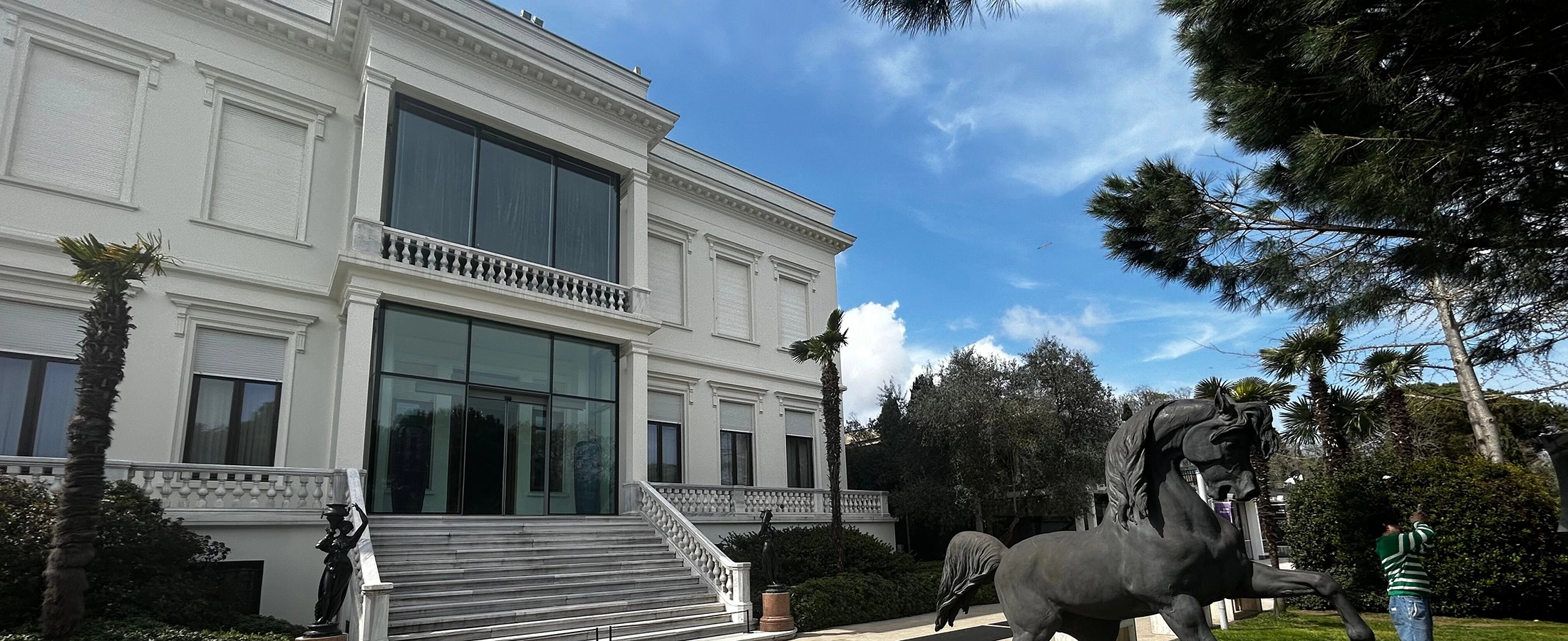
Pair the grove's historic gardens and pavilions with one of Istanbul's leading museums and another beautiful Bosphorus estate.
Explore Sakıp Sabancı MuseumCombine Emirgan with Rumeli Fortress, Bebek, İstinye, Yeniköy, Bosphorus viewpoints, museums or other neighborhoods according to your interests.
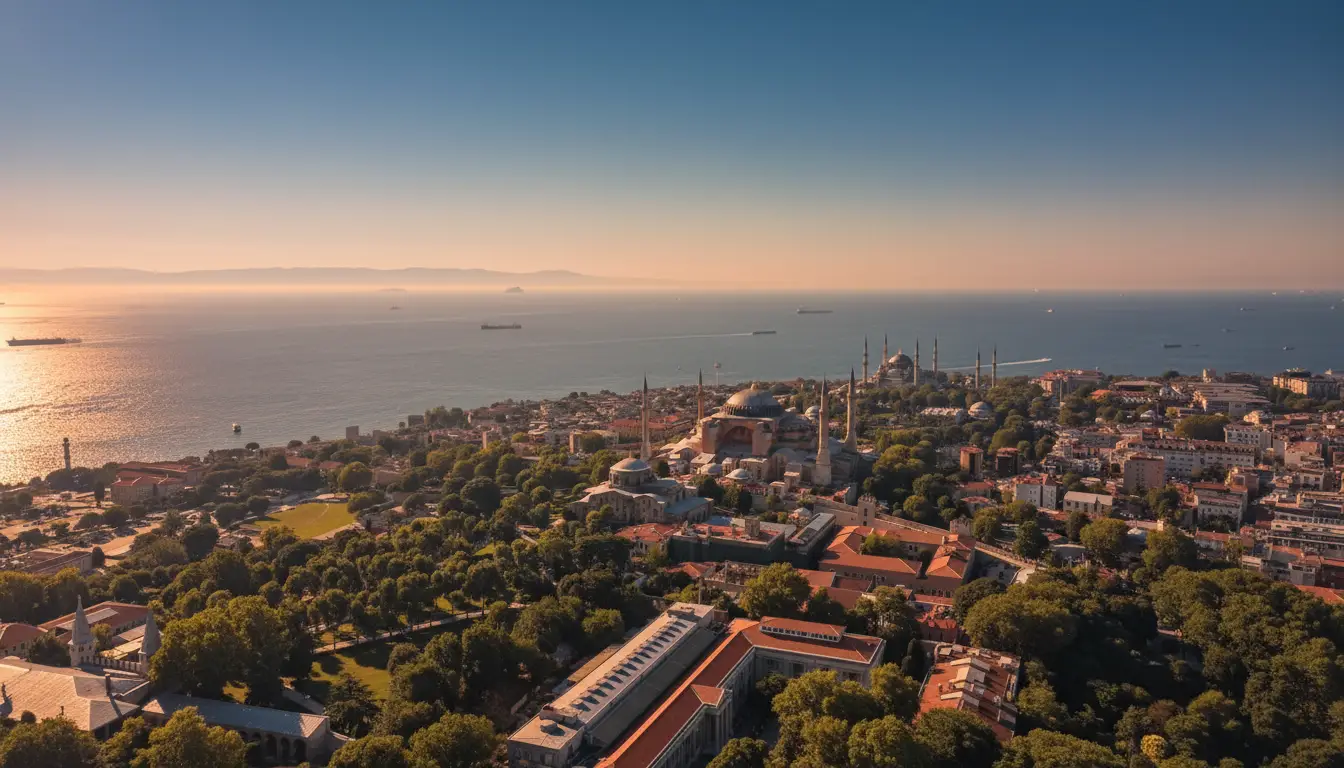
Create a private Istanbul itinerary around Byzantine and Ottoman history, architecture, museums, gardens, neighborhoods, food and Bosphorus scenery.
View Private Istanbul Tours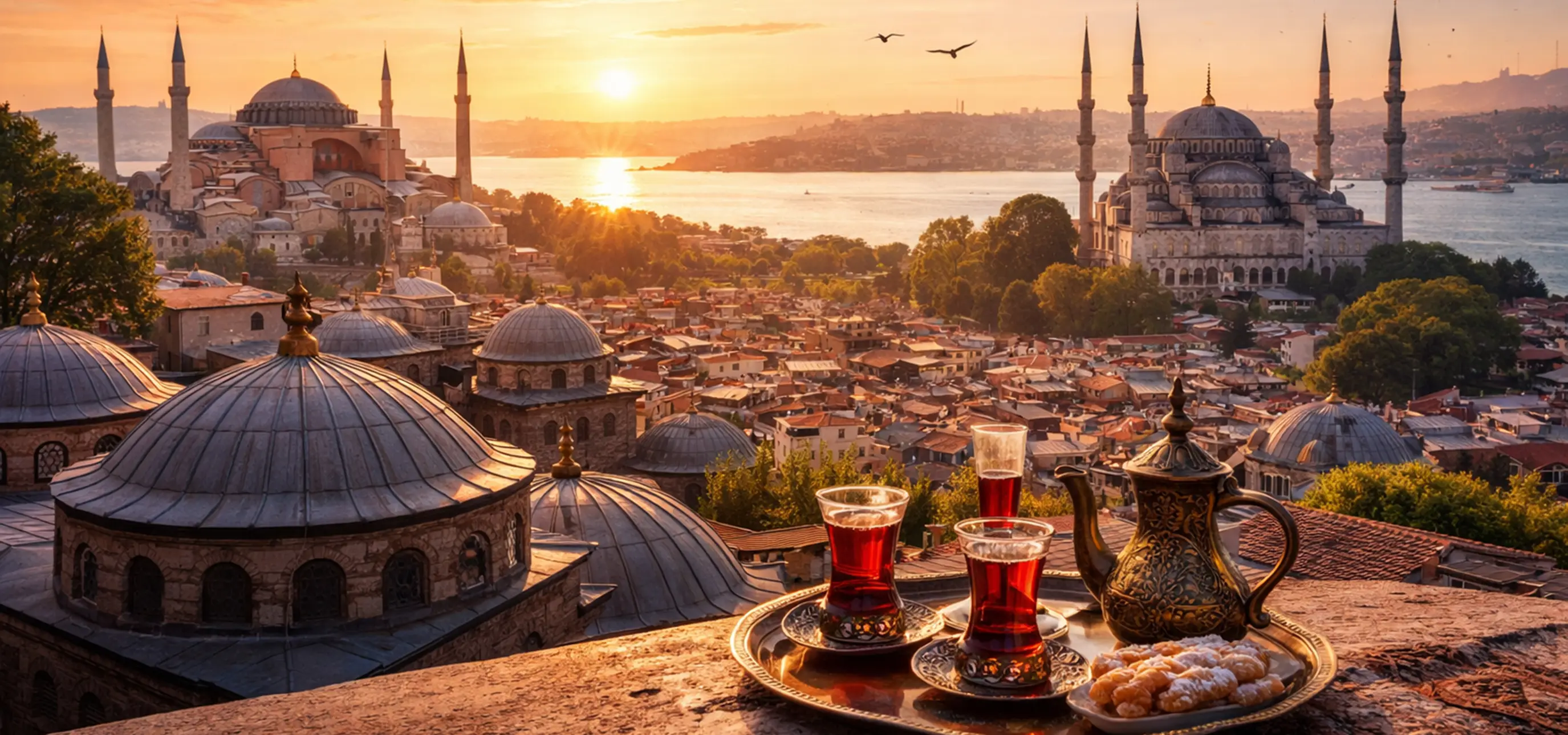
Continue planning with Istanbul's mosques, churches, palaces, museums, bazaars, parks, Bosphorus districts and historic neighborhoods.
Explore Istanbul