Private Bedri Rahmi Bay Programme
Share your dates, interests and group size so we can check access and suggest a practical route.
Request Your Private Programme





Bedri Rahmi Bay is a celebrated stop on Göcek blue-cruise itineraries. Its name honours painter and poet Bedri Rahmi Eyüboğlu, whose fish image on a shoreline rock became a cultural landmark. The cove is best understood as a meeting of art, maritime travel and a sheltered natural setting.
Official coastal-management information associates the fish image with Eyüboğlu’s 1974 visit. The modern blue-cruise tradition grew through writers and artists who popularised voyages along the Turkish coast. The artwork is a cultural feature of the bay; it should not be confused with ancient rock art.
For a rewarding visit, focus on how the setting, the surviving features and the surrounding district fit together. Arrange a licensed boat from Göcek or a suitable marina; there is no assumption of regular public transport to the bay.
The image is the bay’s signature cultural landmark and should be viewed without touching or repainting it.
The name connects the cove to modern Turkish art and travel writing.
The inlet is a recognised stop on Göcek itineraries.
Pines and rocky edges create a striking contrast with the water.
Orientation, heritage and practical visitor advice before you travel.
Göcek gulf, accessible primarily by boat
Göcek gulf cove and cultural landmark
Modern blue-cruise culture with older coastal setting
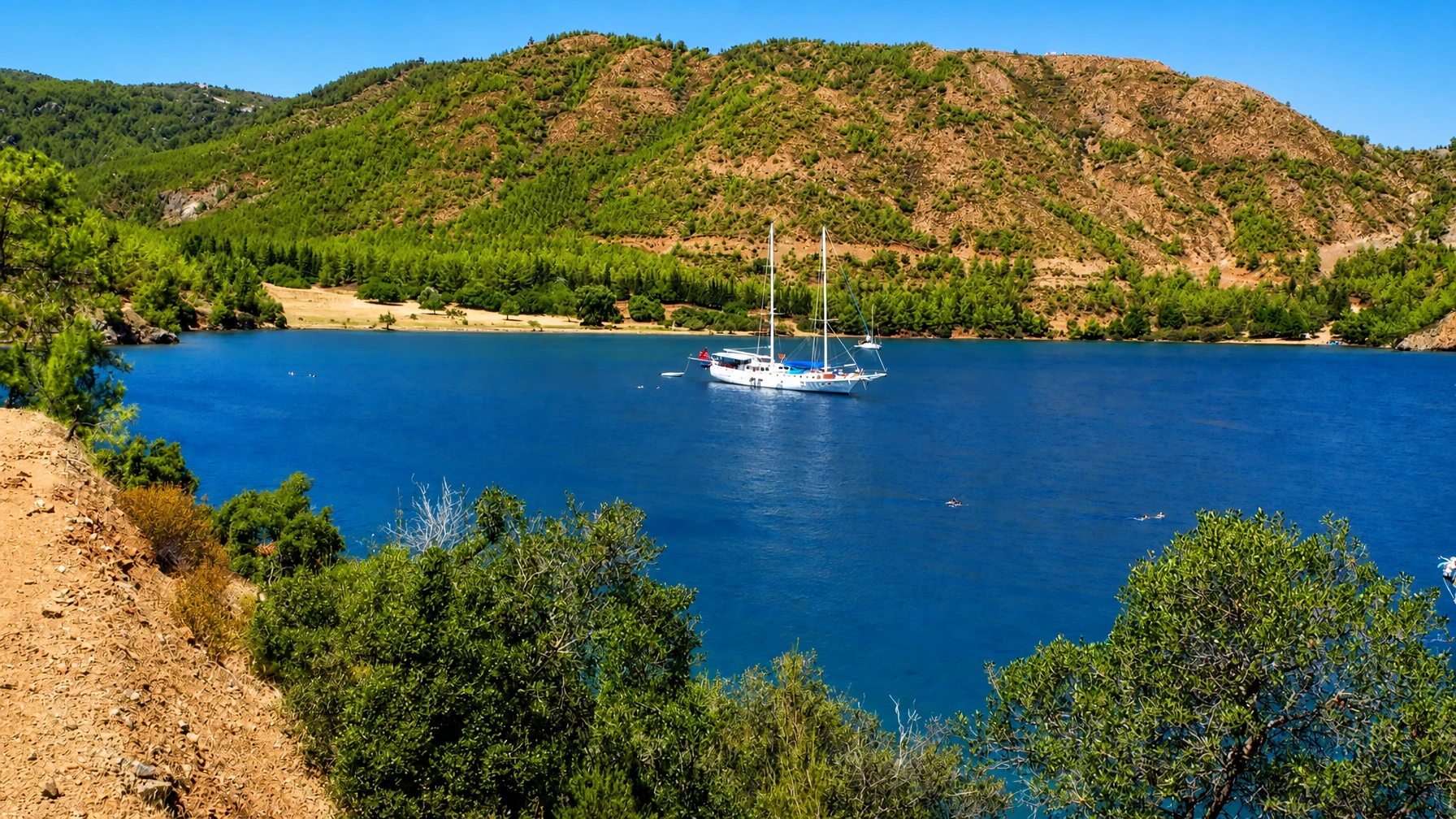
Sheltered turquoise inlet and wooded shoreline
Allow a stop of 30–90 minutes within a wider boat itinerary.
Painted fish motif associated with Bedri Rahmi Eyüboğlu
Bedri Rahmi Bay is a celebrated stop on Göcek blue-cruise itineraries. Its name honours painter and poet Bedri Rahmi Eyüboğlu, whose fish image on a shoreline rock became a cultural landmark. The cove is best understood as a meeting of art, maritime travel and a sheltered natural setting.
The distinctive experience here is painted fish motif associated with bedri rahmi eyüboğlu. The inlet is enclosed by wooded slopes and offers a protected-looking anchorage. The shore and seabed can be sensitive to heavy boat use, which is why mooring arrangements and environmental rules matter.
Rather than rushing from one photo stop to another, make time to understand the place in its wider Muğla setting. Calm sea conditions are more important than a fixed month. Early departures may offer a quieter stop.
Official coastal-management information associates the fish image with Eyüboğlu’s 1974 visit. The modern blue-cruise tradition grew through writers and artists who popularised voyages along the Turkish coast. The artwork is a cultural feature of the bay; it should not be confused with ancient rock art.
The key is to distinguish what can be seen on the ground from broader traditions, modern descriptions and reconstructions. Bedri Rahmi Bay is a celebrated stop on Göcek blue-cruise itineraries. Its name honours painter and poet Bedri Rahmi Eyüboğlu, whose fish image on a shoreline rock became a cultural landmark. The cove is best understood as a meeting of art, maritime travel and a sheltered natural setting.
Modern blue-cruise culture with older coastal setting
Painted fish motif associated with Bedri Rahmi Eyüboğlu
Göcek gulf, accessible primarily by boat
Arrange a licensed boat from Göcek or a suitable marina; there is no assumption of regular public transport to the bay.
The inlet is enclosed by wooded slopes and offers a protected-looking anchorage. The shore and seabed can be sensitive to heavy boat use, which is why mooring arrangements and environmental rules matter.
The physical setting affects the pace and safety of a visit. Do not touch the artwork or disturb the shoreline. Follow the latest mooring and environmental rules.
The wider district also provides opportunities to connect scenery with cultural history, provided travel times and seasonal conditions are checked.
The image is the bay’s signature cultural landmark and should be viewed without touching or repainting it.
This is a useful place to slow down and examine the relationship between the feature and the surrounding landscape. The inlet is enclosed by wooded slopes and offers a protected-looking anchorage. The shore and seabed can be sensitive to heavy boat use, which is why mooring arrangements and environmental rules matter.
The name connects the cove to modern Turkish art and travel writing.
Look for the details that distinguish this stop from the other features nearby. Official coastal-management information associates the fish image with Eyüboğlu’s 1974 visit. The modern blue-cruise tradition grew through writers and artists who popularised voyages along the Turkish coast. The artwork is a cultural feature of the bay; it should not be confused with ancient rock art.
The inlet is a recognised stop on Göcek itineraries.
A practical visit should be shaped by conditions on the day. Do not touch the artwork or disturb the shoreline. Follow the latest mooring and environmental rules.
Pines and rocky edges create a striking contrast with the water.
This is a useful place to slow down and examine the relationship between the feature and the surrounding landscape. The inlet is enclosed by wooded slopes and offers a protected-looking anchorage. The shore and seabed can be sensitive to heavy boat use, which is why mooring arrangements and environmental rules matter.
Official descriptions mention a spring behind the painted rock; availability is not a drinking-water guarantee.
Look for the details that distinguish this stop from the other features nearby. Official coastal-management information associates the fish image with Eyüboğlu’s 1974 visit. The modern blue-cruise tradition grew through writers and artists who popularised voyages along the Turkish coast. The artwork is a cultural feature of the bay; it should not be confused with ancient rock art.
Use authorised systems and avoid anchoring on sensitive habitats where restrictions apply.
A practical visit should be shaped by conditions on the day. Do not touch the artwork or disturb the shoreline. Follow the latest mooring and environmental rules.
Official coastal-management information associates the fish image with Eyüboğlu’s 1974 visit. The modern blue-cruise tradition grew through writers and artists who popularised voyages along the Turkish coast. The artwork is a cultural feature of the bay; it should not be confused with ancient rock art.
The place is connected to other destinations through geography, history and travel routes, but not all nearby-looking places are easy to combine. Arrange a licensed boat from Göcek or a suitable marina; there is no assumption of regular public transport to the bay.
Begin with the most visible elements: painted fish motif associated with bedri rahmi eyüboğlu. Then consider what they reveal about the people, water, terrain or transport that shaped this place.
Bedri Rahmi Bay is a celebrated stop on Göcek blue-cruise itineraries. Its name honours painter and poet Bedri Rahmi Eyüboğlu, whose fish image on a shoreline rock became a cultural landmark. The cove is best understood as a meeting of art, maritime travel and a sheltered natural setting.
Do not confuse a compelling legend, an old tourism description or a map label with a verified archaeological or conservation finding. Official coastal-management information associates the fish image with Eyüboğlu’s 1974 visit. The modern blue-cruise tradition grew through writers and artists who popularised voyages along the Turkish coast. The artwork is a cultural feature of the bay; it should not be confused with ancient rock art.
Choose the stops that best fit your interests and the conditions on the day. The six highlights below are not necessarily a fixed walking circuit.
The image is the bay’s signature cultural landmark and should be viewed without touching or repainting it.
The name connects the cove to modern Turkish art and travel writing.
The inlet is a recognised stop on Göcek itineraries.
Pines and rocky edges create a striking contrast with the water.
Official descriptions mention a spring behind the painted rock; availability is not a drinking-water guarantee.
Use authorised systems and avoid anchoring on sensitive habitats where restrictions apply.
Allow a stop of 30–90 minutes within a wider boat itinerary.
Arrange a licensed boat from Göcek or a suitable marina; there is no assumption of regular public transport to the bay.
Opening times, entry arrangements, boat schedules and facilities are not guaranteed by this guide. Check the relevant official authority or current local operator before setting out. Carry water and allow time for unexpected delays.
Start by confirming where the public entrance, departure point or appropriate viewpoint is located. Arrange a licensed boat from Göcek or a suitable marina; there is no assumption of regular public transport to the bay.
Once there, begin with painted fish rock, then consider blue-cruise heritage and sheltered anchorage if they are safely accessible. This sequence is thematic, not a promise of a signed path.
Finish with a pause to take in the setting, rather than trying to include every possible feature. Allow a stop of 30–90 minutes within a wider boat itinerary.
Calm sea conditions are more important than a fixed month. Early departures may offer a quieter stop.
Summer heat, winter rain, sea conditions and visitor numbers affect different Muğla destinations in different ways. Check the local forecast and access rules before committing to a long journey.
A quiet hour can be more rewarding than a rushed stop. Allow flexibility for conservation closures, maintenance or changes in transport.
Start with a wide view that explains the landscape: sheltered turquoise inlet and wooded shoreline. Then look for details that tell the local story, such as painted fish rock or blue-cruise heritage.
Photograph only from public, safe areas. Do not climb historic structures, approach protected wildlife or block narrow paths for a better angle.
Morning or evening light may flatter the scene, but access and safety rules always take priority over photography.
Do not touch the artwork or disturb the shoreline. Follow the latest mooring and environmental rules.
Accessible routes, toilets, handrails and step-free access cannot be assumed. Ask the site manager or operator for current details if mobility, balance or sensory access is a concern.
Families should match the route to the youngest or least mobile member of the group and be prepared to shorten the visit.
Arrange a licensed boat from Göcek or a suitable marina; there is no assumption of regular public transport to the bay.
Check actual travel time rather than straight-line distance. Some routes involve narrow roads, seasonal boat services, river crossings or rough tracks; a rental-car map does not establish public access.
If travelling independently, confirm where you can legally park and how you will return. For remote places, share your plan with someone before setting out.
Browse the Muğla travel guide for more regional ideas. The links below are thematic suggestions, not a guarantee of short driving distance.
Consider this as a complementary Muğla stop; verify the actual route, opening arrangements and time needed from Bedri Rahmi Bay before combining them.
Consider this as a complementary Muğla stop; verify the actual route, opening arrangements and time needed from Bedri Rahmi Bay before combining them.
Consider this as a complementary Muğla stop; verify the actual route, opening arrangements and time needed from Bedri Rahmi Bay before combining them.
Consider this as a complementary Muğla stop; verify the actual route, opening arrangements and time needed from Bedri Rahmi Bay before combining them.
Bedri Rahmi Bay is in Göcek gulf, accessible primarily by boat, in Muğla Province, southwestern Türkiye.
Its defining appeal is painted fish motif associated with bedri rahmi eyüboğlu. The surrounding setting is sheltered turquoise inlet and wooded shoreline.
Official coastal-management information associates the fish image with Eyüboğlu’s 1974 visit. The modern blue-cruise tradition grew through writers and artists who popularised voyages along the Turkish coast. The artwork is a cultural feature of the bay; it should not be confused with ancient rock art.
Allow a stop of 30–90 minutes within a wider boat itinerary. Add realistic time for transport, breaks and any access restrictions.
Arrange a licensed boat from Göcek or a suitable marina; there is no assumption of regular public transport to the bay.
Access, fees and operating hours can change. Check the relevant official site or local operator shortly before travelling; do not rely on an unverified price or timetable.
Calm sea conditions are more important than a fixed month. Early departures may offer a quieter stop.
Do not touch the artwork or disturb the shoreline. Follow the latest mooring and environmental rules.
Consider Göcek Travel Guide, Göcek Twelve Islands and Yassıca, Sarsala Bay. Plan by actual travel time and conditions, not just map distance.
Do not touch the artwork or disturb the shoreline. Follow the latest mooring and environmental rules.
Leave no litter, follow official restrictions and give wildlife, residents and other visitors room. Do not remove stones, plants or artefacts, and do not touch protected paintings or historic surfaces.
Responsible travel is especially important in a province where archaeological landscapes, living villages, beaches and sensitive wetlands exist side by side.
Ask Wow Cappadocia / Venere Travel about a tailored regional itinerary, with realistic distances and confirmed site access rather than compulsory shopping stops.
Combine Bedri Rahmi Bay with a small number of complementary places at a comfortable pace.
Share your dates, interests and group size so we can check access and suggest a practical route.
Request Your Private Programme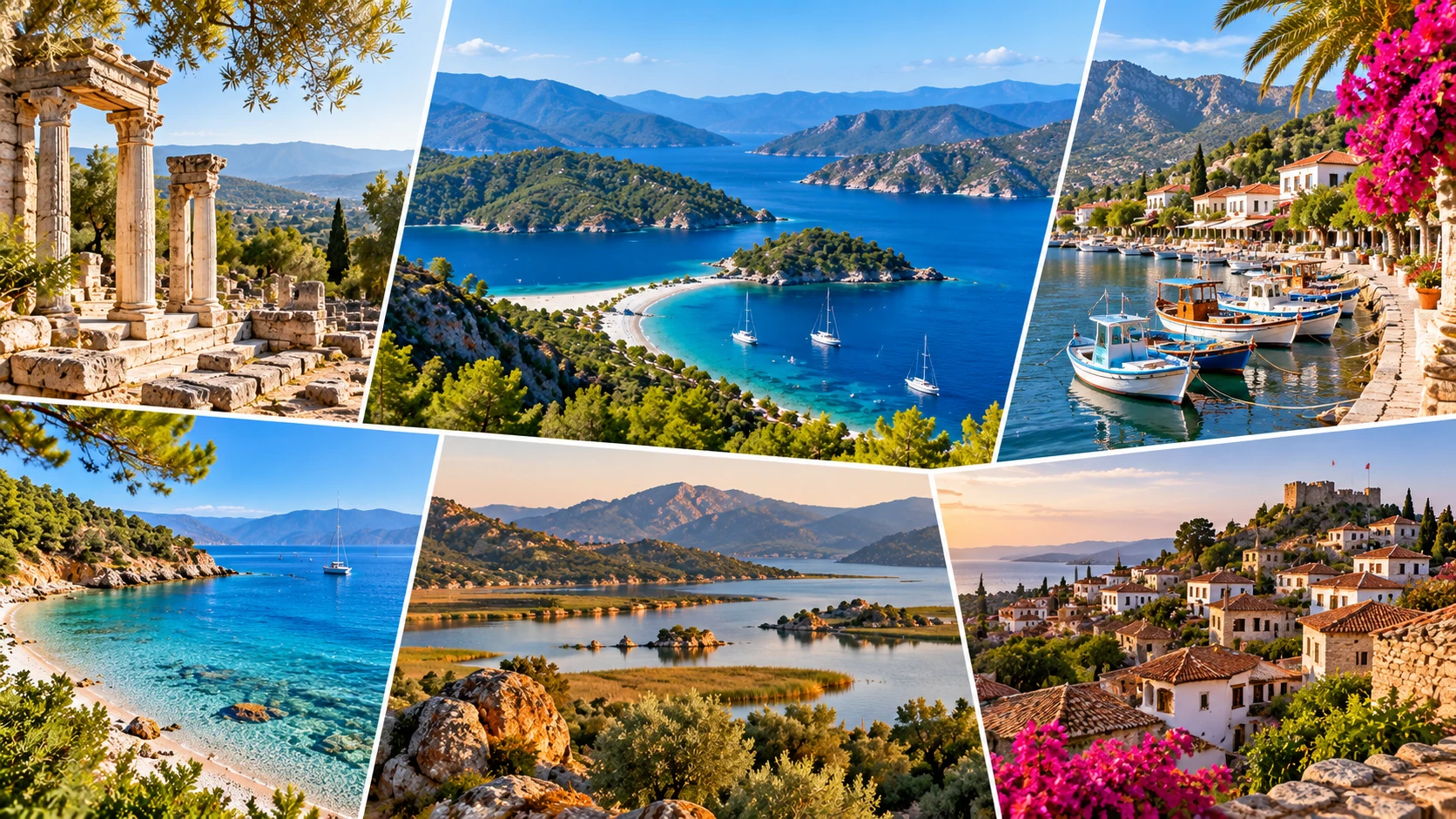
Discover ancient cities, coastal villages, protected nature and local traditions across the province.
View the Muğla Travel Guide