Zeyrek Mosque, Pantokrator Monastery, UNESCO Heritage, Vefa, Byzantine Churches, Ottoman Külliyes, Historic Houses, Boza & Old Istanbul

Zeyrek & Vefa Istanbul – Complete Byzantine, Ottoman & Neighborhood Guide

Explore two of the Historic Peninsula's most rewarding old quarters, where the Byzantine Pantokrator Monastery, UNESCO-listed streets, Vefa's mosques and churches, Ottoman libraries, wooden houses, ancient waterworks and one of Istanbul's most famous traditional drinks reveal centuries of urban history.

Explore Zeyrek & Vefa

Two Historic Neighborhoods Between the Golden Horn and the Third Hill of Constantinople

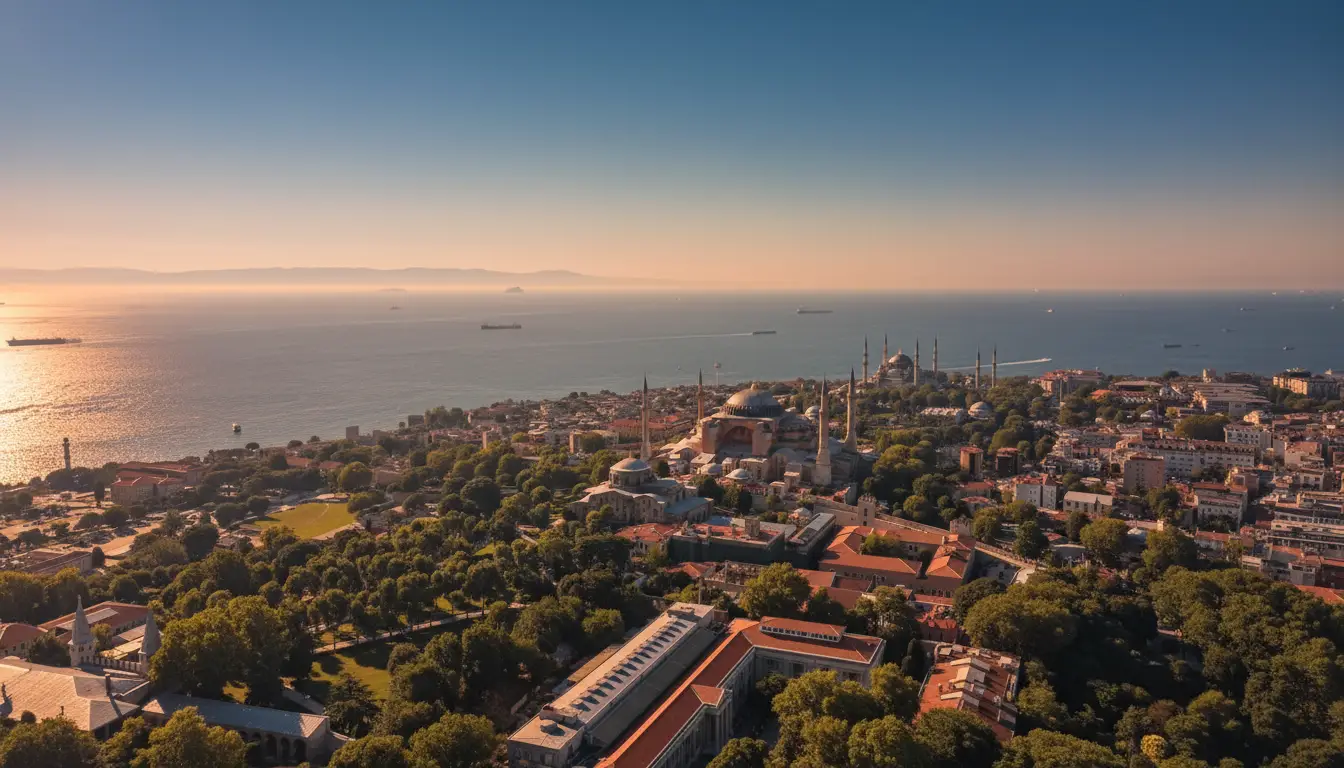
Historic Zeyrek and Vefa lie beside one another in the Fatih district of Istanbul, on the slopes rising above the Golden Horn and around the great ridge crossed by the ancient Valens Aqueduct. Together they preserve one of the richest concentrations of Byzantine and Ottoman neighborhood history outside the most visited parts of Sultanahmet.

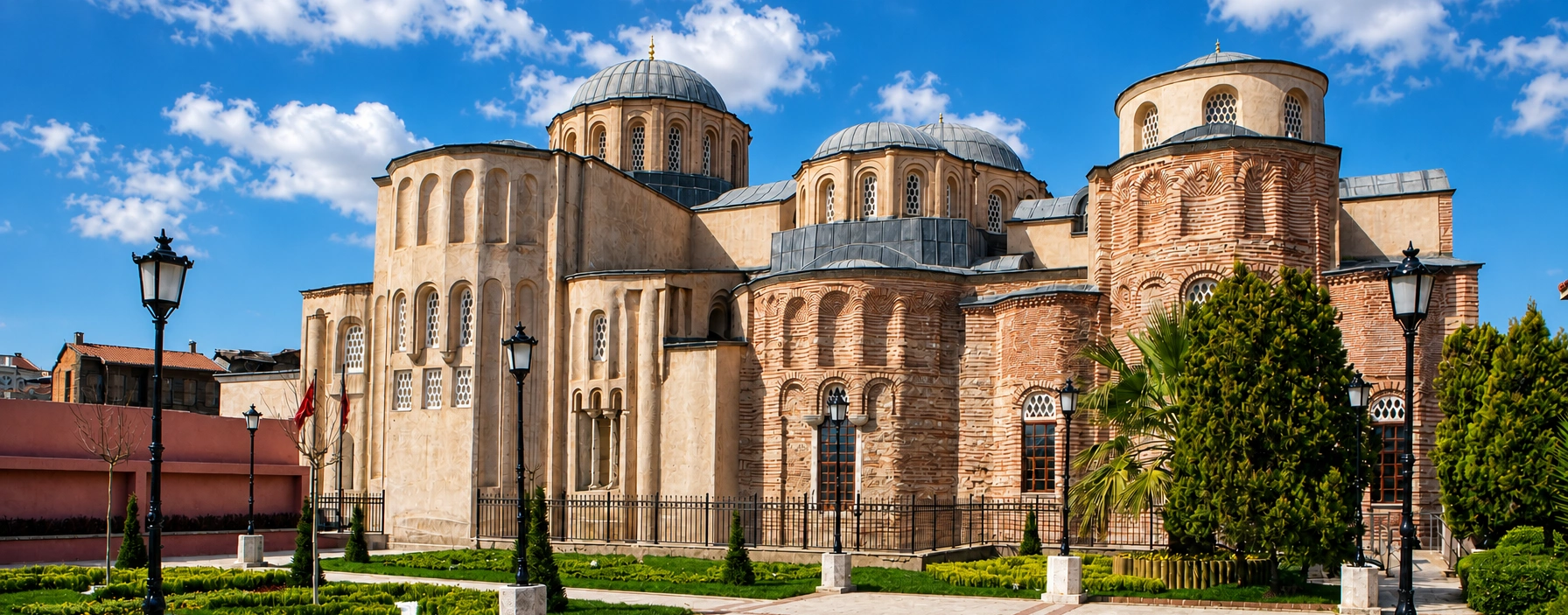
Zeyrek is dominated by the monumental Zeyrek Mosque, the former Byzantine Monastery of Christ Pantokrator. Founded in the 12th century by the Komnenian imperial dynasty, the complex became one of Constantinople's most important religious, charitable and funerary institutions. The surrounding Zeyrek conservation area is today one of the component parts of Istanbul's UNESCO World Heritage Site.

Immediately to the south and southeast, Vefa adds another remarkable layer. Here, Byzantine churches were converted into mosques, Ottoman scholars and Sufi figures established religious institutions, manuscript libraries were founded, and one of Turkey's best-known boza traditions became permanently associated with the neighborhood.

The great appeal of the area is not a single monument but the continuity between them. Steep streets, surviving timber houses, brick Byzantine walls, mosque courtyards, small squares, neighborhood shops and sudden views toward the Golden Horn create a historical landscape that still feels connected to daily life.

For travelers interested in Byzantine Constantinople, Ottoman Istanbul, architecture, religious history, urban conservation or photography, a Zeyrek–Vefa walk is one of the strongest lesser-known routes on the Historic Peninsula.

Zeyrek Mosque / Pantokrator

A vast 12th-century Byzantine monastic complex transformed into an Ottoman mosque and one of the defining landmarks of Zeyrek.

UNESCO Zeyrek

Historic streets and surviving vernacular houses form part of one of the four component areas of the Historic Areas of Istanbul World Heritage property.

Vefa's Sacred Heritage

Şeyh Vefa, Vefa Kilise Mosque and Kalenderhane preserve Ottoman Sufi, Byzantine and post-conquest religious history within a compact walk.

Traditional Vefa

Libraries, old schools, neighborhood streets and the historic boza tradition preserve the intellectual and social character of old Istanbul.


Know Before You Go

Zeyrek & Vefa Istanbul – Quick Facts

Essential information about the Zeyrek and Vefa neighborhoods, the Pantokrator Monastery, UNESCO heritage, Byzantine churches, Ottoman religious monuments, historic streets, traditional food culture and the easiest way to explore the area.

📍

Location

In Fatih on Istanbul's European side, between the Golden Horn slopes, Süleymaniye, Fatih and the Valens Aqueduct.

🏛️

Main Landmark

Zeyrek Mosque, originally the 12th-century Monastery of Christ Pantokrator.

🌍

UNESCO Status

The Zeyrek area surrounding the former Pantokrator church is one of the component areas of the UNESCO-listed Historic Areas of Istanbul.

Byzantine Heritage

Pantokrator, Vefa Kilise Mosque and Kalenderhane preserve major layers of Middle Byzantine religious architecture.

🕌

Ottoman Heritage

Mosques, Sufi institutions, libraries, schools and converted Byzantine churches document the transformation of the city after 1453.

🏘️

Neighborhood Character

Steep lanes, old houses, retaining walls, courtyards and irregular streets preserve the scale of historic residential Istanbul.

🚇

Best Transport

Vezneciler on the M2 metro is especially convenient for Vefa; buses and walking connections also reach Zeyrek from the Golden Horn and Fatih.

⏱️

Recommended Visit

Allow three to four hours for the main Zeyrek–Vefa route, or half a day with Süleymaniye and the Valens Aqueduct.


Why Are Zeyrek and Vefa Important?

Zeyrek and Vefa are important because they preserve an unusually complete cross-section of Istanbul's history within a relatively small part of the Historic Peninsula.

The most monumental layer is Byzantine. The Pantokrator Monastery was one of the great religious complexes of 12th-century Constantinople and was closely associated with the Komnenian imperial family. Nearby churches now known as Vefa Kilise Mosque and Kalenderhane Mosque preserve additional evidence of the city's Middle Byzantine architecture.

After the Ottoman conquest, these monuments were not simply abandoned. They were incorporated into new religious and educational networks. Pantokrator became a mosque and medrese associated with Molla Zeyrek, while Vefa developed around the religious influence of Şeyh Muslihuddin Mustafa, known as Şeyh Vefa.

The neighborhoods also preserve less monumental forms of heritage. Zeyrek's timber houses and irregular street pattern became internationally important examples of the late Ottoman urban fabric, while Vefa developed a strong identity connected with scholarship, education, manuscript culture and traditional food production.

For this reason, the area is especially valuable for understanding Istanbul as a continuously inhabited city. Byzantine churches, Ottoman mosques, residential houses, schools and modern neighborhood life remain physically interwoven rather than separated into different archaeological zones.

History of Zeyrek & Vefa Istanbul

The hills occupied by modern Zeyrek and Vefa formed part of the densely settled interior of Constantinople. Their position between the ceremonial routes of the city, the Golden Horn, major reservoirs and the water system of the Valens Aqueduct made the area strategically important long before the present neighborhood names existed.

During the Middle Byzantine period, powerful monasteries and churches reshaped the district. The most important was the Monastery of Christ Pantokrator, established in the 12th century under Emperor John II Komnenos and Empress Irene. Its churches, monastery, charitable institutions and imperial burials made it one of the outstanding religious foundations of the Komnenian capital.

The Fourth Crusade and Latin occupation of Constantinople in the 13th century disrupted many institutions, but the area remained important after the Byzantine restoration of 1261. Churches were repaired, expanded or redecorated, and the sacred geography of the third and fourth hills continued to develop.

After the Ottoman conquest in 1453, the former Pantokrator complex was converted for Muslim use and became associated with Molla Zeyrek, an important scholar of the early Ottoman capital. His name eventually became attached to the mosque and the surrounding neighborhood.

Vefa developed around another major early Ottoman figure, the Sufi scholar Şeyh Vefa, who died in 1491. A religious complex associated with him gave the area its enduring name and helped establish Vefa as a district of scholarship and spiritual life.

Through the Ottoman centuries, both neighborhoods filled with mosques, medreses, libraries, fountains, schools, timber houses and small workshops. Vefa became especially associated with education and manuscripts, while Zeyrek retained a striking residential landscape around the former Byzantine monastery.

Fires, earthquakes, road construction, population change and modern rebuilding damaged much of the old urban fabric. Yet enough survived for Zeyrek to be recognized internationally as an important historic neighborhood, and in 1985 it became part of the UNESCO World Heritage property known as the Historic Areas of Istanbul.

Byzantine Constantinople

Churches, monasteries, cisterns and water infrastructure shaped the hills long before the modern neighborhood names.

12th Century

The Pantokrator Monastery became the dominant religious and dynastic monument of the area.

1453 & After

Former Byzantine institutions were adapted to the religious, educational and social needs of the Ottoman capital.

Molla Zeyrek

The scholar associated with the former Pantokrator complex gave his name to the mosque and eventually the neighborhood.

Şeyh Vefa

The Sufi scholar and his religious complex gave neighboring Vefa its enduring identity.

World Heritage

Zeyrek's monument and historic settlement became part of UNESCO's Historic Areas of Istanbul in 1985.

Where Do the Names Zeyrek and Vefa Come From?

The modern neighborhood names are closely connected with two influential religious and intellectual figures of early Ottoman Istanbul.

Zeyrek takes its name from Molla Zeyrek, a scholar associated with the educational institution established in the former Pantokrator complex after the conquest. As the building became known as Zeyrek Mosque, the surrounding quarter gradually adopted the same name.

Vefa is named after Şeyh Muslihuddin Mustafa İbnülvefa, usually known simply as Şeyh Vefa. He was a respected 15th-century Sufi scholar whose religious complex became a major focus of the neighborhood.

These names are a useful reminder that Istanbul's urban geography often records people as much as places. Byzantine districts were repeatedly reorganized under Ottoman rule, and the names of scholars, saints, founders and religious institutions became attached to entire quarters.

Historical clue: when walking through Zeyrek and Vefa, many street and monument names preserve the memory of scholars and religious foundations that once shaped neighborhood life far beyond the buildings that survive today.

Zeyrek in Byzantine Constantinople

Before it was called Zeyrek, the area formed part of the elevated urban landscape above the Golden Horn. Its slopes offered commanding views, while nearby roads connected the city center with western districts, major churches and the land walls.

The district's most important Byzantine foundation was the Monastery of Christ Pantokrator. Its scale indicates the wealth and political significance of the Komnenian court during the 12th century.

The surrounding neighborhood also depended on Constantinople's complex water system. Large reservoirs, conduits and the nearby Valens Aqueduct supplied the city's elevated districts and made dense settlement possible.

Although most Byzantine houses and minor churches disappeared, the terrain itself still helps visitors understand the medieval city. The steep gradients, high retaining walls and sudden changes in level are part of the same topographical world in which monasteries once dominated the skyline.

Zeyrek is therefore best understood not only as the location of one surviving church complex but as a fragment of the urban structure of medieval Constantinople.

Zeyrek Mosque & the Monastery of Christ Pantokrator

The architectural heart of the neighborhood is Zeyrek Mosque, originally the church complex of the Monastery of Christ Pantokrator.

The complex was created during the reign of Emperor John II Komnenos and Empress Irene in the first half of the 12th century. Rather than consisting of a single church, the surviving monument is formed from multiple connected sacred spaces constructed in stages.

The foundation was more than a monastery. It formed part of a large charitable institution that included facilities associated with care for the sick and poor, while the churches also served as an imperial burial place for members of the Komnenian dynasty.

After the Ottoman conquest, the complex was converted into a mosque and educational institution. It became associated with Molla Zeyrek and eventually took the name Zeyrek Camii.

Today the building remains an active mosque. Its brickwork, domes, complex plan and surviving Byzantine architectural details make it one of the most important monuments for understanding Middle Byzantine Constantinople.

Visitor note: Zeyrek Mosque is an active place of worship rather than a museum. Visitors should dress respectfully, remove shoes before entering the carpeted prayer area and avoid sightseeing during congregational prayers.

Architecture of the Pantokrator Complex

The Pantokrator complex is especially fascinating because its present form preserves the joining together of three connected Byzantine sacred spaces.

The northern and southern churches were built as separate foundations, while a funerary chapel was later inserted between them. This creates the long, unusual exterior profile that immediately distinguishes Zeyrek Mosque from a typical single-domed Byzantine church.

The walls show characteristic Byzantine brick and stone construction, while the sequence of domes and vaults reveals the complex internal organization of the monument.

The interior once contained rich marble revetment, liturgical furnishings and decorative pavements. Surviving fragments, including sections associated with opus sectile flooring, offer a glimpse of the visual sophistication of the original imperial foundation.

Ottoman repairs and alterations changed columns, surfaces, roofs and interior fittings, while earthquakes and fires also affected the building. The monument seen today is therefore the result of a long history of use, damage, rebuilding and restoration.

Multiple Churches

The surviving monument combines distinct Byzantine sacred spaces rather than one simple church plan.

Brick Architecture

Exterior masonry, arches and domes preserve the visual language of Middle Byzantine Constantinople.

Funerary Chapel

The central space was closely connected with the imperial burial function of the monastery.

Decorative Floors

Surviving marble pavement fragments recall the richness of the original Komnenian interior.

Ottoman Layers

Mihrabs, minarets, repairs and interior adaptations document centuries of Muslim worship.

Restoration

Modern conservation has focused on stabilizing the complex while revealing important Byzantine architectural features.

Pantokrator as an Imperial Mausoleum

One of the most important functions of the Pantokrator complex was as a dynastic burial place.

The central funerary chapel, often described as a heroon, was designed to hold prestigious imperial burials. Members of the Komnenian dynasty were buried within the complex, linking monastic prayer directly with the memory and legitimacy of the ruling family.

This role placed Pantokrator among the most politically significant sacred spaces of 12th-century Constantinople. The monastery was not simply a private act of devotion; it projected the dynasty's religious patronage, charitable responsibility and imperial identity.

Although the original tomb monuments and much of the decoration have disappeared, understanding the funerary function changes the way the building should be experienced. The central section was once one of the ceremonial spaces in which the empire remembered its rulers.

UNESCO World Heritage in Zeyrek

Zeyrek has international importance beyond the Pantokrator monument itself.

The Historic Areas of Istanbul were inscribed on the UNESCO World Heritage List in 1985. The property is composed of several component areas, including the Zeyrek area of settlement surrounding Zeyrek Mosque.

This recognition is significant because it protects not only a monumental former Byzantine church but also the historic urban fabric around it. Traditional houses, street alignments, slopes, retaining walls and neighborhood scale all contribute to the value of the area.

UNESCO documentation has repeatedly emphasized the importance and vulnerability of Zeyrek's historic timber housing. Fires, neglect, redevelopment pressure and changing living conditions have caused serious losses over time.

Visitors should therefore look beyond the mosque. A surviving wooden façade, narrow plot, projecting upper floor or irregular lane may be part of the very urban landscape that gives Zeyrek its World Heritage significance.

World Heritage perspective: Zeyrek is valuable as a neighborhood, not only as a monument. Walk slowly through the streets around the mosque to understand why the surrounding residential fabric matters.

Molla Zeyrek & the Ottoman Transformation of Pantokrator

Following the conquest of Constantinople, the former Pantokrator complex entered a new phase as part of the emerging Ottoman capital.

The building was converted for Muslim worship and education and became associated with the scholar Molla Zeyrek. The educational use of major former Byzantine religious buildings was part of the rapid effort to establish new institutions in the conquered city.

Over time, the name Zeyrek became inseparable from the building. The former Pantokrator church became known as Zeyrek Mosque, and the surrounding district inherited the same name.

This transformation illustrates a broader pattern visible throughout Istanbul: rather than removing every earlier monument, Ottoman patrons frequently adapted important Byzantine buildings, adding minarets, mihrabs, wooden fittings, courtyards and new institutions around them.

The result at Zeyrek is a monument where the history of Byzantine Christianity and Ottoman Islam can be read within the same architectural fabric.

Historic Timber Houses of Zeyrek

The old houses of Zeyrek are among the neighborhood's most important — and most fragile — historic features.

Traditional Istanbul residential architecture relied heavily on timber construction. Houses were often built on narrow plots, with upper floors projecting over the street and windows arranged to capture light, air and views.

Zeyrek once preserved a dense concentration of such buildings. Many were modest homes rather than palaces, which is precisely why they are important: they document the everyday urban form of late Ottoman Istanbul.

Fire, abandonment, structural decay and redevelopment caused major losses in the 20th century. Some houses were restored, others reconstructed and many disappeared entirely.

The surviving examples should therefore be seen as part of a threatened historic landscape. Their value comes from the relationship between buildings, plots, lanes, courtyards, slopes and the monumental presence of Zeyrek Mosque.

Projecting Upper Floors

Traditional bay windows and overhanging rooms helped maximize space on narrow urban plots.

Timber Construction

Wood made houses flexible and relatively quick to build but also highly vulnerable to fire and neglect.

Irregular Streets

The neighborhood's lanes follow old topography rather than a modern geometric grid.

Steep Terrain

Changes in elevation produce layered rooflines and dramatic views toward the Golden Horn.

Conservation

Preserving the neighborhood requires protecting both individual buildings and the historic relationship between them.

Everyday Heritage

The houses are valuable precisely because they represent ordinary residential Istanbul rather than imperial architecture.

Vefa – An Intellectual & Spiritual Quarter of Old Istanbul

Vefa lies immediately beside Zeyrek and has a different but complementary historical character.

Its identity is strongly associated with religion, scholarship and education. The neighborhood took its name from Şeyh Vefa, while later Ottoman institutions included libraries, schools, fountains and religious foundations.

At the same time, Vefa preserves important Byzantine monuments. The buildings now called Vefa Kilise Mosque and Kalenderhane Mosque stand as evidence that this part of Constantinople contained significant churches long before the Ottoman neighborhood developed.

In the late Ottoman period, Vefa became further associated with modern education and urban culture. Vefa High School and the famous boza shop helped create a neighborhood identity extending far beyond religious monuments.

Today Vefa is best explored on foot. Its greatest strength is the proximity of very different historical layers within only a few streets.

Şeyh Vefa Complex

The neighborhood of Vefa is named after the 15th-century Sufi scholar Şeyh Muslihuddin Mustafa İbnülvefa, who died in 1491.

A religious complex grew around his presence and became one of the defining institutions of the district. Historical sources describe a much larger külliye that included a mosque or tevhidhane, medrese, Sufi lodge, bath, imaret, guest facilities, library, fountain and tomb.

The original complex suffered severe losses over the centuries. Fires, rebuilding and modern interventions transformed the site, and not every element of the early foundation survives in its original form.

The tomb and surviving historic fabric remain important because they preserve the memory of the figure who gave Vefa its name and demonstrate the central role of Sufi institutions in the social geography of Ottoman Istanbul.

The site should not be confused with a converted Byzantine church. Historical research identifies the early Şeyh Vefa mosque as an Ottoman foundation associated with the reign of Fatih Sultan Mehmed.

Respectful visiting: the Şeyh Vefa complex is a living religious place. Dress appropriately, keep voices low and avoid disturbing prayer or devotional visits to the tomb.

Vefa Kilise Mosque / Molla Gürani Mosque

One of Vefa's most important Byzantine monuments is the building known as Vefa Kilise Camii or Molla Gürani Camii.

The structure is a Middle Byzantine church, probably dating to around the 11th or 12th century. Its exact original dedication is not securely known. It has often been associated with a church of Saint Theodore, but modern scholarship treats that identification with caution.

Architecturally, the building preserves a classic cross-in-square arrangement and later additions from the Palaiologan period. Brickwork, domes, arches and the surviving outer narthex make it especially valuable for understanding the development of Byzantine church architecture.

After the conquest, the church was converted into a mosque associated with Molla Gürani, an important scholar connected with Mehmed II.

Restoration has revealed or documented surviving Byzantine decorative elements, including mosaics associated with the later parts of the building. Because the monument is a mosque, visitors should experience these remains within the context of an active place of worship.

Important historical note: you will often see the building confidently called the Church of Saint Theodore. The identification is traditional but not certain, so it is more accurate to describe its original dedication as unresolved.

Kalenderhane Mosque

Near the Valens Aqueduct stands Kalenderhane Mosque, another major Byzantine monument incorporated into Ottoman religious life.

The surviving building is a Middle Byzantine church with a compact domed Greek-cross plan. For many years scholars debated its original identity. Archaeological and art-historical research, including evidence associated with images of the Virgin, has supported a connection with the Theotokos Kyriotissa and the nearby Byzantine monastic landscape.

After the Ottoman conquest, the building became associated with Kalender dervishes, from whom the modern name Kalenderhane derives.

Its location immediately beside the surviving arches of the Valens Aqueduct makes the site particularly atmospheric. In only a few steps, visitors can compare Byzantine religious architecture with one of Constantinople's greatest Roman engineering works.

Kalenderhane is often overlooked by visitors moving between Süleymaniye and Fatih, yet it is one of the best monuments for understanding the transition from Byzantine sacred architecture to Ottoman neighborhood use.

Atıf Efendi Library

Vefa's reputation as a neighborhood of scholarship is strongly represented by the Atıf Efendi Library.

The institution was founded in the 18th century by Defterdar Âtıf Mustafa Efendi. The purpose-built library became one of the important independent Ottoman library foundations in Istanbul.

Its significance lies not only in its manuscript collection but also in its architecture. The complex includes the library itself and residential structures associated with its staff, preserving a rare example of how Ottoman scholarly institutions were integrated into the street fabric.

The collection contains thousands of manuscripts, including rare works and important copies. The building therefore remains part of Istanbul's living manuscript culture rather than functioning simply as a historical display.

Because it is a specialist library and research institution, public access should not be assumed to work like a museum. Visitors interested in manuscripts or the interior should check current access conditions in advance.

Vefa High School & the History of Modern Education

Vefa is also closely associated with one of Istanbul's historic educational institutions, Vefa High School.

The school's roots reach into the development of modern civil secondary education in the late Ottoman Empire. During the 19th century, new institutions were created alongside the older medrese system as the state reorganized administration and education.

The school later became established in Vefa and developed a strong identity connected with the neighborhood. Its historic campus includes the mansion associated with Şirvanizade Mütercim Rüşdü Paşa.

Vefa High School produced many well-known graduates in politics, literature, arts, education and popular culture, adding another intellectual layer to the district's history.

The school is an active educational institution rather than a tourist attraction. Appreciate its architecture from public streets unless official access has been arranged.

Vefa Bozacısı & Istanbul's Boza Tradition

Few neighborhood names in Istanbul are as strongly connected with a traditional drink as Vefa.

The famous Vefa Bozacısı was established in the neighborhood in 1876 by Hacı Sadık Bey, who had come to Istanbul from Prizren and developed a thick, pale style of boza that became closely associated with the family business.

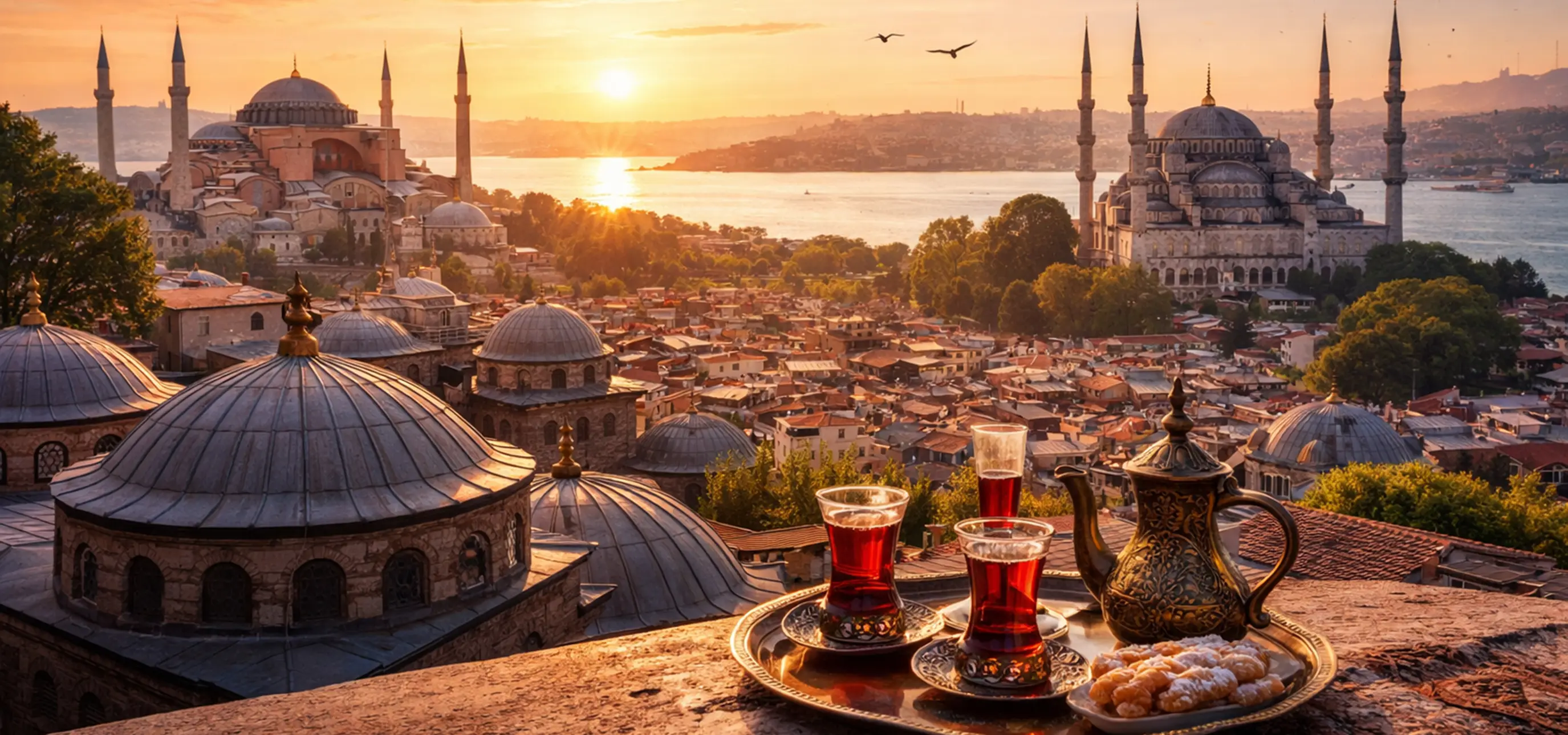
Boza is a lightly fermented grain drink with a thick texture and gently sweet-sour flavor. In Istanbul it is especially associated with colder months and is commonly served with cinnamon, while roasted chickpeas are a classic accompaniment.

The shop became far more than a place to buy a drink. It helped turn the word Vefa into a culinary reference known throughout Turkey.

For visitors following a historical route, a small glass of boza provides a rare opportunity to connect architectural sightseeing with a food tradition that has remained associated with the same neighborhood for generations.

Founded

1876 in the Vefa neighborhood.

Founder

Hacı Sadık Bey, who settled in Istanbul after arriving from Prizren.

What Is Boza?

A thick, lightly fermented grain beverage with a sweet-sour flavor.

Classic Topping

Cinnamon is traditionally sprinkled over the surface.

Classic Pairing

Roasted chickpeas are commonly eaten alongside boza.

Best Season

Boza is especially associated with autumn and winter, although availability can extend beyond the coldest months.

Valens Aqueduct & the Water Landscape of Vefa

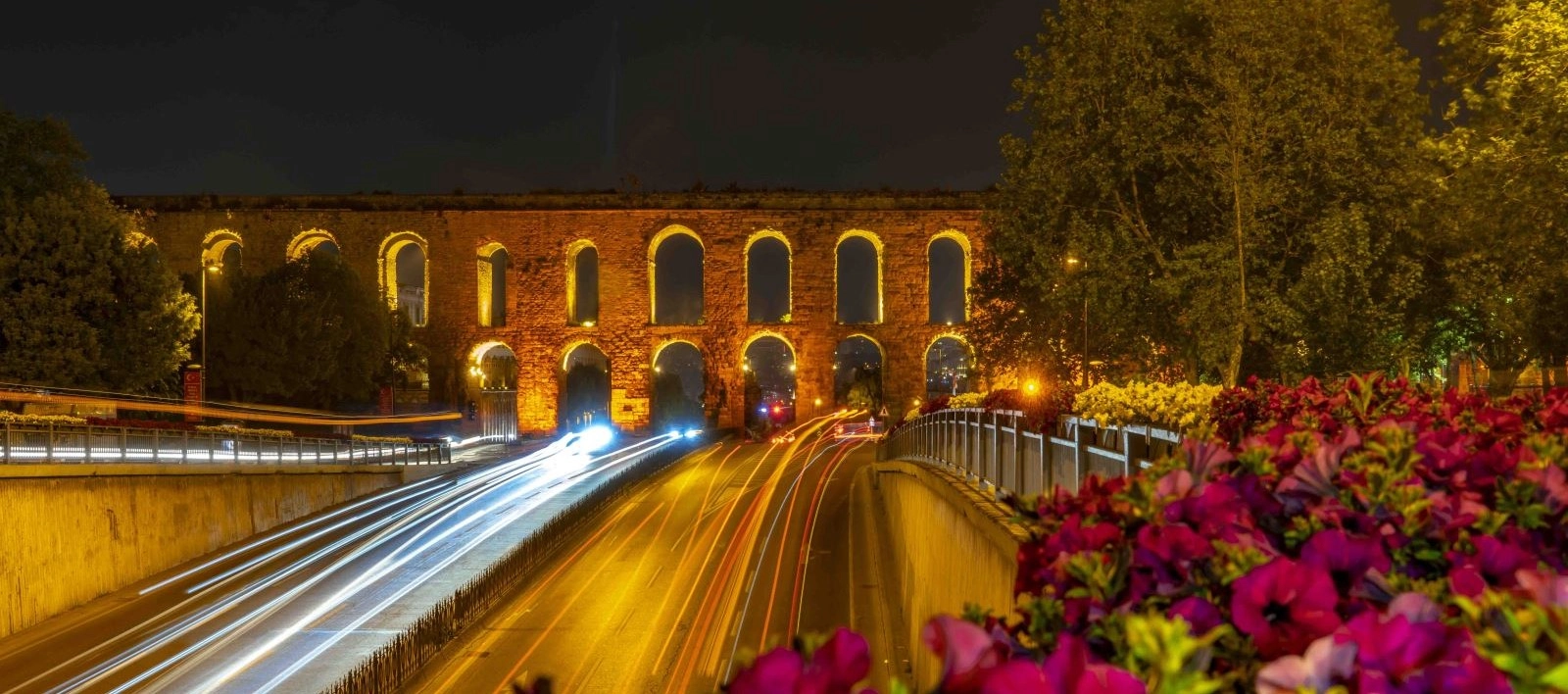
The great Valens Aqueduct, known in Turkish as Bozdoğan Kemeri, forms one of the most dramatic boundaries of the wider Vefa area.

Constructed in the Roman period and repeatedly repaired during Byzantine and Ottoman times, the aqueduct was part of the vast system that brought water into Constantinople.

Its surviving arches cross the modern city at an extraordinary scale. The monument makes it easier to understand why elevated neighborhoods such as Vefa and Zeyrek required major hydraulic infrastructure.

The relationship between the aqueduct and nearby Kalenderhane Mosque is especially striking. Roman engineering and Byzantine church architecture stand almost side by side, while Ottoman adaptations add a third major historical layer.

If you are photographing the area, the aqueduct is also useful as an orientation point. It visually connects Vefa with Fatih, Şehzadebaşı and the central ridge of the Historic Peninsula.

Historic Streets & Urban Texture of Zeyrek and Vefa

The most rewarding part of a Zeyrek–Vefa visit often happens between the monuments.

Zeyrek's slopes descend sharply toward the Golden Horn, creating narrow streets, retaining walls and sudden changes in level. Vefa is slightly more connected with the central ridge but still preserves irregular lanes shaped by centuries of rebuilding.

Look for timber houses, masonry ground floors, bay windows, old fountains, garden walls, mosque courtyards and fragments of Byzantine brickwork.

The area has also experienced heavy modern redevelopment. Historic buildings can stand directly beside apartment blocks, parking areas and busy roads. This contrast is part of the real urban history of Istanbul rather than something that can be edited out of the visit.

Walk slowly and look behind the main streets. Several of the most memorable views appear unexpectedly where a lane opens toward the Golden Horn, a dome rises behind a wooden house or the arches of the aqueduct appear between modern buildings.

Steep Streets

Zeyrek's topography creates strong changes of level and broad views toward the Golden Horn.

Timber Houses

Surviving wooden homes are essential to the neighborhood's UNESCO-recognized urban character.

Byzantine Brickwork

Church walls and reused masonry reveal medieval Constantinople within later streets.

Ottoman Courtyards

Mosques, libraries and tombs often sit behind walls that create quieter spaces within the dense city.

Golden Horn Views

Elevated parts of Zeyrek offer changing perspectives across the historic northern side of the peninsula.

Living Neighborhood

Residents, schools, shops and traffic remain part of the experience; this is not an open-air museum.

What to Eat & Drink in Zeyrek and Vefa

The area is better for traditional neighborhood food and simple breaks than for high-end dining.

Boza

Vefa's signature drink and the essential traditional taste of the neighborhood.

Roasted Chickpeas

A classic accompaniment to boza and an easy snack during a walking route.

Turkish Tea

A simple tea break works well between the steep streets of Zeyrek and the monuments of Vefa.

Turkish Coffee

A good option for a slower break in the wider Süleymaniye–Vefa area.

Soup & Lokanta Food

Neighborhood restaurants around Fatih often serve practical home-style dishes rather than tourist menus.

Traditional Bakeries

Look for fresh bread, pastries and simple baked snacks while moving between the two quarters.

What to See in Zeyrek & Vefa Istanbul

Zeyrek Mosque

Explore the former Pantokrator Monastery, one of the most important surviving Middle Byzantine religious complexes in Istanbul.

UNESCO Zeyrek Streets

Walk the historic settlement around the mosque and look for surviving timber houses and traditional urban scale.

Golden Horn Views

Use the steep streets around Zeyrek to find changing panoramas over the northern side of the Historic Peninsula.

Vefa Kilise Mosque

See an important Middle Byzantine church transformed into the Molla Gürani Mosque.

Şeyh Vefa Complex

Visit the religious center connected with the Sufi scholar who gave Vefa its name.

Kalenderhane Mosque

Discover a Byzantine church beside the Valens Aqueduct, later associated with Kalender dervishes.

Atıf Efendi Library

See one of Vefa's most important Ottoman scholarly institutions and its distinctive historic street architecture.

Vefa High School

View the historic educational complex connected with the development of modern Ottoman civil schooling.

Vefa Bozacısı

Stop for the neighborhood's famous traditional fermented grain drink, associated with Vefa since 1876.

Valens Aqueduct

Walk beneath one of Constantinople's most impressive surviving Roman engineering monuments.

Old Houses

Notice surviving timber and masonry residences, especially on quieter streets around Zeyrek.

Neighborhood Details

Fountains, tombs, walls, shopfronts and courtyards reveal the everyday historical landscape between major monuments.

Best Walking Route Through Zeyrek & Vefa

A practical route begins around Vezneciler, crosses the Vefa monuments first and then continues downhill toward Zeyrek and the Golden Horn. This direction makes it easy to combine major Byzantine and Ottoman sites without unnecessary backtracking.

Stop 1 Vezneciler metro station
Stop 2 Kalenderhane Mosque and the Valens Aqueduct
Stop 3 Vefa Bozacısı and the historic Vefa streets
Stop 4 Atıf Efendi Library exterior
Stop 5 Şeyh Vefa complex
Stop 6 Vefa Kilise Mosque / Molla Gürani Mosque
Stop 7 Walk north toward Zeyrek through historic residential streets
Stop 8 Zeyrek Mosque / Pantokrator Monastery
Stop 9 UNESCO Zeyrek streets and surviving timber houses
Optional Continue toward the Golden Horn, Women's Bazaar or Fatih
Finish Return toward Fatih, Süleymaniye or the Golden Horn according to your next destination

Zeyrek & Vefa Visitor Information

Zeyrek and Vefa are living neighborhoods, and most of the route takes place on ordinary public streets.

Zeyrek Mosque, Kalenderhane Mosque, Vefa Kilise Mosque and the Şeyh Vefa complex are active religious sites. There is generally no museum-style admission simply to enter for a respectful visit, but access can be limited during prayer, religious events, restoration or local circumstances.

Historic libraries and schools should be treated differently. Atıf Efendi Library is a specialist research institution, and Vefa High School is an active school. Do not assume that their interiors are open to casual sightseeing.

The UNESCO streets of Zeyrek can be explored freely from public roads, but many historic houses remain private residences. Photograph architecture from public space and avoid entering courtyards or doorways without permission.

The area is hilly. Comfortable footwear is important, especially if you descend from Vefa into Zeyrek and continue toward the Golden Horn.

Neighborhood Streets

Free to explore from public roads and lanes.

Mosques

Active places of worship; tourist access may pause during prayer.

Admission

No general neighborhood ticket is required.

Libraries

Research access and visitor conditions can differ from normal museum opening.

Schools

View active educational institutions from public streets unless official access is arranged.

Walking

Expect steep slopes, uneven pavements and frequent changes of level.

Practical Tips for Visiting Zeyrek & Vefa

Start in Daylight

The historic streets, brickwork and timber houses are much easier to appreciate before dark.

Check Prayer Times

Avoid planning mosque interiors around the busiest congregational prayer periods.

Dress Respectfully

Modest clothing is appropriate for active mosques; carry a light scarf if needed.

Wear Good Shoes

Zeyrek is steep and some pavements are uneven.

Look Beyond the Monuments

The UNESCO value of Zeyrek includes its residential streets and vernacular architecture.

Plan a Boza Break

A short stop in Vefa adds food history to an otherwise architecture-heavy route.

Respect Private Homes

Historic houses may be inhabited; photograph from public space without blocking entrances.

Allow Extra Time

Steep streets, photography and unexpected architectural details can easily extend the walk.

Best Time to Visit Zeyrek & Vefa

Morning

Best for quieter streets, architectural photography and cooler walking conditions.

Late Morning

Ideal for combining mosque exteriors, neighborhood streets and Vefa's cultural sites.

Afternoon

Works well for a route ending with views over the Golden Horn from Zeyrek.

Golden Hour

Warm light can be especially attractive on Byzantine brickwork and timber façades.

Autumn & Winter

Excellent seasons for the traditional atmosphere of Vefa, especially if boza is part of the visit.

Summer

Begin earlier in the day because steep streets can feel demanding in midday heat.

How Much Time Do You Need in Zeyrek & Vefa?

1 Hour

Enough for Zeyrek Mosque and a short walk through the surrounding UNESCO streets.

2 Hours

Add Vefa Kilise Mosque or Kalenderhane and the Valens Aqueduct.

3 Hours

Good for the main Byzantine and Ottoman monuments plus a Vefa boza stop.

4 Hours

Ideal for the full neighborhood route without rushing photography or side streets.

Half Day

Combine Zeyrek and Vefa with Süleymaniye, Fatih or a longer walk toward the Golden Horn.

Full Day

Create a deeper Historic Peninsula route including Süleymaniye, the aqueduct, Fatih and additional Byzantine monuments.

Photography in Zeyrek & Vefa

Zeyrek and Vefa are excellent for photographers interested in architecture, urban layers and neighborhood texture.

Zeyrek Mosque offers powerful exterior compositions because its sequence of domes rises above steep surrounding streets. The old residential lanes are often even more photogenic, especially where surviving timber houses frame views of the monument.

Vefa offers different subjects: Byzantine brickwork at Vefa Kilise Mosque, the scale of the Valens Aqueduct, historic institutional façades and the intimate atmosphere of old streets.

The strongest images often show historical contrast — ancient masonry beside modern apartments, a mosque dome above a neighborhood shop, or a timber house standing against the skyline of contemporary Istanbul.

Best Monument

Zeyrek Mosque / Pantokrator Monastery.

Best Urban Texture

The UNESCO streets around Zeyrek Mosque.

Best Byzantine Detail

Brick patterns, arches and domes at Vefa Kilise Mosque.

Best Engineering View

The Valens Aqueduct around Kalenderhane and Atatürk Boulevard.

Best Food Detail

A glass of boza with cinnamon and roasted chickpeas in Vefa.

Best Light

Morning for quiet streets; late afternoon for warmer brick and timber tones.

Photography etiquette: do not photograph worshippers at close range without permission, and follow any restrictions inside mosques, libraries, schools or other active institutions.

Accessibility in Zeyrek & Vefa

The main challenge for visitors with limited mobility is Zeyrek's steep terrain.

Vefa is comparatively easier around the main roads, but side streets can still include uneven paving, narrow sidewalks, steps and changes of level.

Historic mosques may have thresholds, steps or access arrangements that vary between entrances. Do not assume that every part of a converted Byzantine church is step-free.

Vezneciler metro can reduce the initial walking distance for Vefa. Taxis can also help, although narrow streets, traffic and one-way systems may prevent direct access to every monument.

If mobility is a major concern, focus on a compact route around Vefa and the Valens Aqueduct, then use a taxi for Zeyrek Mosque rather than attempting the entire slope on foot.

Accessibility planning: Zeyrek is historically rewarding but physically demanding. A shorter route with vehicle support can be much more comfortable than trying to follow every side street.

How to Get to Zeyrek & Vefa

The easiest starting point for a combined Zeyrek–Vefa walk is often Vezneciler station on the M2 metro.

From Vezneciler, Kalenderhane Mosque, the Valens Aqueduct and the central streets of Vefa are within walking distance. You can then continue north and downhill toward Zeyrek Mosque.

Zeyrek can also be approached from Fatih or from the Golden Horn side, but the slopes are significant. Starting higher and walking downhill is often more comfortable than climbing from the waterfront.

Visitors coming from Sultanahmet can use tram and metro connections or combine the journey with a walk through Süleymaniye. A taxi is convenient if time is limited, but traffic through the Historic Peninsula can be unpredictable.

Because the two neighborhoods are compact, public transport is mainly useful for reaching the area. Once there, walking is the best way to understand the relationship between monuments and streets.

Best Metro

Vezneciler on the M2 line for the Vefa side of the route.

From Sultanahmet

Use public transport toward Vezneciler or Süleymaniye, then continue on foot.

From Süleymaniye

Vefa is close enough to combine naturally with a walking route across the central ridge.

From Fatih

Walk or take a short taxi ride toward Zeyrek Mosque and continue south into Vefa.

From the Golden Horn

Possible on foot, but expect a steep climb toward Zeyrek.

By Taxi

Useful for saving energy, especially if you want to avoid the steepest sections.

Suggested Half-Day Zeyrek & Vefa Route

This route combines the strongest Byzantine, Ottoman, UNESCO and neighborhood experiences into a logical half-day walk.

09:00 Arrive at Vezneciler metro station
09:10 Kalenderhane Mosque and Valens Aqueduct
09:40 Walk into Vefa and stop for boza or tea
10:00 Atıf Efendi Library exterior and historic streets
10:20 Şeyh Vefa complex
10:45 Vefa Kilise Mosque / Molla Gürani Mosque
11:15 Walk toward Zeyrek through the old residential quarter
11:45 Zeyrek Mosque / Pantokrator Monastery
12:30 UNESCO Zeyrek streets, timber houses and Golden Horn viewpoints
13:15 Lunch in the wider Fatih, Zeyrek or Süleymaniye area

What to See Near Zeyrek & Vefa

Süleymaniye

Continue south toward one of the great Ottoman imperial mosque complexes and the surrounding historic quarter.

Valens Aqueduct

Study one of the city's most important surviving Roman engineering monuments immediately beside Vefa.

Şehzade Mosque

See an early masterpiece of the architect Sinan near the Vezneciler side of the route.

Fatih Mosque

Continue west to the monumental Ottoman complex built around the memory of Sultan Mehmed II.

Golden Horn

Descend north from Zeyrek for waterfront views and connections toward Fener and Balat.

Fener

Explore Greek Orthodox heritage, steep streets and the historic northern neighborhoods of Fatih.

Balat

Continue through one of Istanbul's most colorful historic residential districts with Jewish, Christian and Muslim heritage.

More of Istanbul

Continue planning with Istanbul's Byzantine monuments, Ottoman neighborhoods, churches, mosques, museums and waterfront districts.

Planning Your Visit

Frequently Asked Questions About Zeyrek & Vefa Istanbul

Where are Zeyrek and Vefa in Istanbul?

Both neighborhoods are in Fatih on Istanbul's European side, on the Historic Peninsula between the Golden Horn, Süleymaniye, Fatih and the Valens Aqueduct.

What is Zeyrek famous for?

Zeyrek is famous for Zeyrek Mosque, the former Pantokrator Monastery, its UNESCO World Heritage status, steep historic streets and surviving Ottoman timber houses.

What is Vefa famous for?

Vefa is known for Şeyh Vefa, Vefa Kilise Mosque, Kalenderhane Mosque, Atıf Efendi Library, Vefa High School and the historic Vefa boza tradition.

Is Zeyrek a UNESCO World Heritage Site?

Yes. The Zeyrek area surrounding Zeyrek Mosque is one of the component areas of the Historic Areas of Istanbul, inscribed on the UNESCO World Heritage List in 1985.

What was Zeyrek Mosque originally?

It was the church complex of the Monastery of Christ Pantokrator, a major 12th-century Byzantine imperial and monastic foundation.

Who built the Pantokrator Monastery?

The complex was created under the Komnenian dynasty, especially through the patronage of Emperor John II Komnenos and Empress Irene in the 12th century.

Why is the mosque called Zeyrek?

The name is associated with Molla Zeyrek, an early Ottoman scholar connected with the educational use of the former Pantokrator complex after the conquest.

Can tourists enter Zeyrek Mosque?

It is an active mosque and can generally be visited respectfully outside prayer times, subject to current religious activities, restoration or local access conditions.

Was Vefa Kilise Mosque the Church of Saint Theodore?

It is often identified with a church of Saint Theodore, but the original Byzantine dedication is not certain. It is safer to describe the building as a Middle Byzantine church of uncertain original identity.

What was Kalenderhane Mosque before it became a mosque?

It was a Byzantine church. Research has connected it with the Theotokos Kyriotissa and the monastic landscape near the Valens Aqueduct.

Who was Şeyh Vefa?

Şeyh Vefa was the name commonly used for Muslihuddin Mustafa İbnülvefa, a respected 15th-century Sufi scholar whose religious complex gave the neighborhood its name.

What is Vefa Bozacısı?

It is the historic boza business established in Vefa by Hacı Sadık Bey in 1876, helping make the neighborhood famous throughout Turkey for the traditional fermented grain drink.

What is boza?

Boza is a thick, lightly fermented grain beverage with a gently sweet-sour taste, commonly served with cinnamon and often accompanied by roasted chickpeas.

How long do I need for Zeyrek and Vefa?

Allow three to four hours for the main monuments and streets, or half a day if you want a slower walk with food stops and nearby Süleymaniye.

What is the easiest way to reach Vefa?

Vezneciler station on the M2 metro is one of the most convenient starting points for Kalenderhane, the Valens Aqueduct and central Vefa.

Is Zeyrek difficult to walk?

The neighborhood is very hilly. Visitors should expect steep streets, uneven pavements and frequent changes of level.

Are the historic houses in Zeyrek open to visitors?

Generally no. Many are private residences or privately controlled properties. Appreciate them from public streets unless an individual building clearly offers public access.

Can I combine Zeyrek and Vefa with Süleymaniye?

Yes. The neighborhoods are close enough to create an excellent half-day or full-day route combining Byzantine architecture, Ottoman monuments, historic streets and Golden Horn views.

Is there an entrance ticket for the Zeyrek–Vefa neighborhood?

No general ticket is required to explore the public streets. Individual religious or cultural institutions may have their own access rules.

Is Zeyrek or Vefa better for photography?

Both are excellent. Zeyrek is stronger for steep streets, timber houses, domes and Golden Horn views, while Vefa offers Byzantine brickwork, the Valens Aqueduct and more compact architectural details.

Responsible Visiting

Respect Worship

Give priority to prayer and community use inside active mosques and religious complexes.

Follow Mosque Etiquette

Remove shoes where required, dress modestly and avoid walking directly in front of people who are praying.

Protect Historic Houses

Do not enter private courtyards, lean on fragile timber façades or treat residential buildings as abandoned scenery.

Photograph Thoughtfully

Avoid intrusive images of worshippers, schoolchildren, residents and people in private moments.

Support Local Businesses

A tea, bakery or boza stop helps connect the historical walk with the living neighborhood economy.

Remember It Is Home

Zeyrek and Vefa are active residential and educational districts, not open-air museum zones.

Private Zeyrek, Vefa & Old Istanbul Experiences

Discover Zeyrek and Vefa through a private route shaped around Byzantine Constantinople, Ottoman religious history, UNESCO streets, architecture, photography and local food traditions — without compulsory shopping stops.

Custom Zeyrek & Vefa Historical Walking Tour

Build a private route through the Pantokrator Monastery, UNESCO Zeyrek, Vefa Kilise Mosque, Kalenderhane, Şeyh Vefa, the Valens Aqueduct and the traditional streets of Vefa, with pacing adapted to your interests.

Create a Private Zeyrek, Vefa & Historic Peninsula Day

Combine Zeyrek and Vefa with Süleymaniye, Fatih, the Valens Aqueduct, Fener, Balat or other Historic Peninsula districts according to your interests and available time.