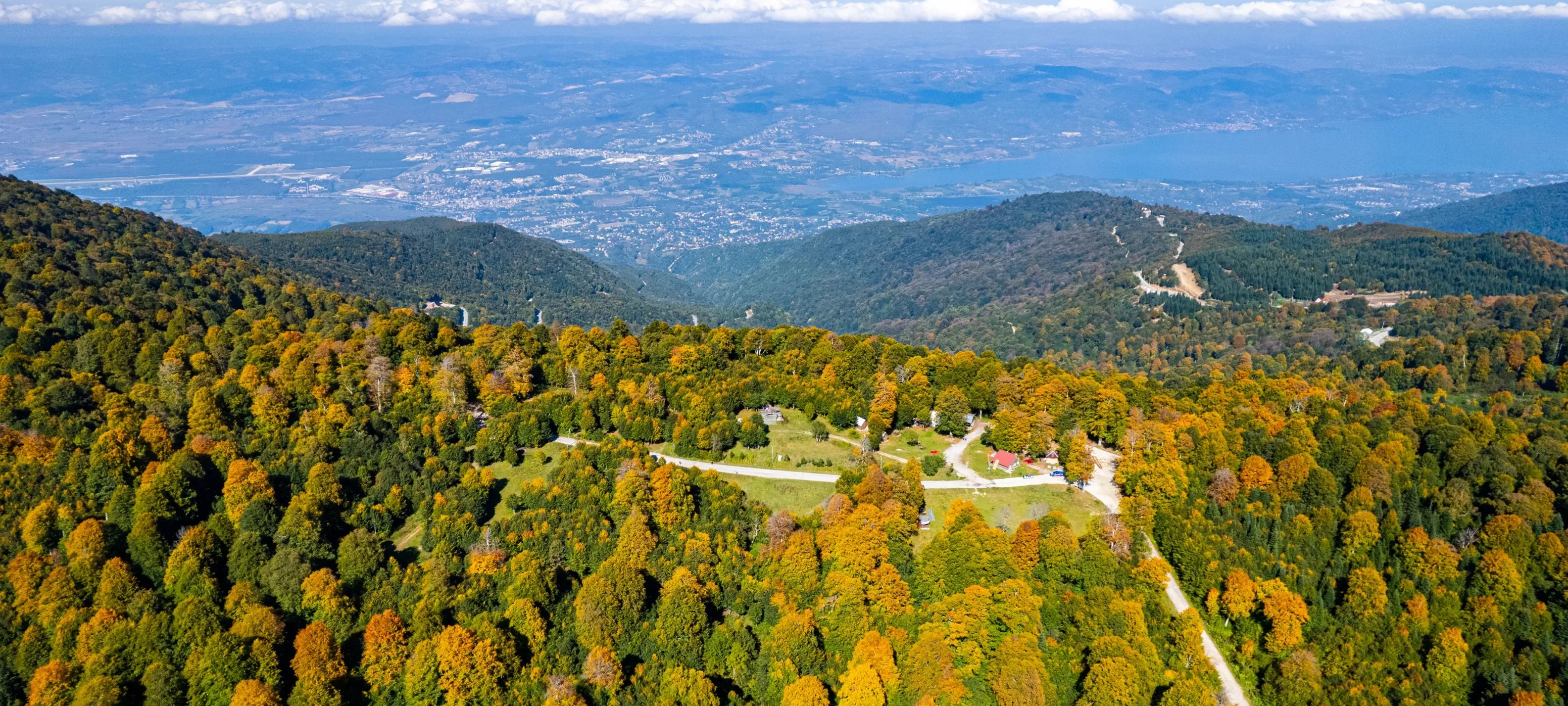
Kartepe Cable Car & Kuzuyayla
Rise above the forest from Derbent to the mountain landscapes of Kuzuyayla, with panoramic views toward Sapanca Lake.
Explore Kartepe Cable Car





Maşukiye lies at the foot of the Samanlı Mountains in Kartepe District of Kocaeli, close to Sapanca Lake and surrounded by one of the greenest landscapes in the eastern Marmara Region.
The destination is famous for a combination that is surprisingly difficult to find so close to major cities: forest-covered slopes, rushing streams, small waterfalls, fruit trees, mountain air and restaurants built beside the water. For generations, visitors have come here simply to eat, walk and relax while listening to the sound of flowing water.
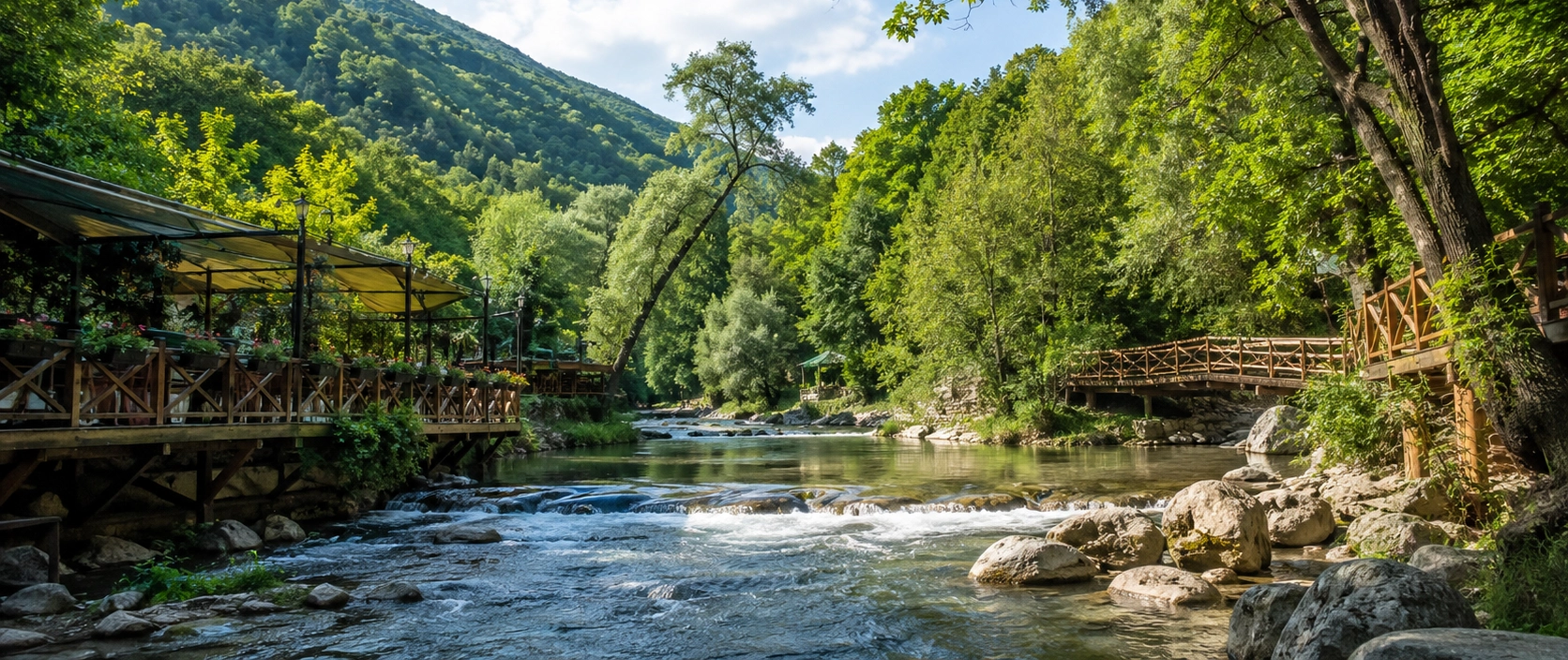
The best-known part of the area is the Alabalık Vadisi – Trout Valley, formed around Aygır Deresi. Restaurants and recreation areas appear along the stream, with many tables positioned beside channels, small cascades and forest vegetation.
Maşukiye is also one of the easiest bases for exploring the wider Kartepe region. From here you can continue toward Kartepe Cable Car and Kuzuyayla, visit Ormanya Wildlife Park, or enjoy viewpoints toward Sapanca Lake.
Follow a mountain stream through one of the greenest corners of Kartepe.
Eat beside flowing water in the traditional trout-restaurant district.
See spring greenery, cool summer forests, autumn color and winter snow.
Reach mountain scenery without needing a long or technically difficult hike.
Essential information for planning a nature, food and mountain day in Maşukiye.
Maşukiye, Kartepe District, Kocaeli Province, Türkiye.
Open on Google MapsForests, streams, waterfalls, traditional breakfasts and trout restaurants.
Aygır Deresi descends from the Kartepe mountain landscape through Maşukiye.
Alabalık Vadisi is particularly famous for fresh trout served beside flowing water.
Allow approximately 3–5 hours, or most of a day when combining nearby attractions.
Maşukiye works especially well with Kartepe Cable Car, Kuzuyayla and Ormanya.
Maşukiye combines forest scenery and regional food culture in a destination that can be enjoyed without complicated planning.
Maşukiye's appeal begins with water. Streams descend from the slopes of Kartepe, moving between forest vegetation, rocks, restaurants and small recreation areas. The constant sound of running water gives much of Maşukiye its characteristic atmosphere.
The second defining feature is the forest. Maşukiye sits beneath the heavily wooded slopes of the Samanlı Mountains, where changing elevation creates a noticeably greener, cooler environment than many nearby urban areas.
Food has become almost inseparable from the destination. Many visitors arrive specifically for breakfast beside a stream or for trout in Alabalık Vadisi, turning a simple restaurant meal into part of the sightseeing experience.
Its location is another advantage. Maşukiye stands close to Sapanca Lake, the mountain road toward Kartepe and several major nature attractions. Visitors following our guide to places to visit in Kocaeli can therefore use Maşukiye as part of a much larger day in eastern Kocaeli.
The modern settlement of Maşukiye developed during the 1860s, a period when large numbers of people from the Caucasus were forced to migrate into Ottoman lands.
Local historical research connects the foundation of Maşukiye particularly with Ubykh and other Circassian communities arriving from the region around present-day Sochi. The settlement is associated especially with Öçbe Murat Bey and families who established themselves beneath Kartepe during the years surrounding the end of the Caucasian War in 1864.
Historical sources also record an earlier local name, often written as Voçbe Hable, reflecting the Circassian origins of the settlement. Over time, different communities settled in the area and Maşukiye developed its own mixed cultural identity.
The village's position on an important route east of İzmit helped its gradual development. During the twentieth century, improved roads brought increasing numbers of travelers through the area. Fruit growing, agriculture and roadside food gradually became connected with tourism.
From the second half of the twentieth century, trout farms and restaurants expanded along Aygır Deresi. Maşukiye eventually became one of the best-known weekend destinations close to Istanbul, İzmit and Sakarya.
Communities arriving from the Caucasus established the modern settlement.
Ubykh Circassian families were particularly important in Maşukiye's early history.
Local historical sources preserve this earlier name connected with the settlement.
Orchards and local produce formed an important part of traditional village life.
Fish farms and restaurants helped transform the valley into a regional attraction.
Maşukiye is one of the most recognized tourism destinations in Kocaeli.
One of the most repeated explanations for the name Maşukiye comes from the Ottoman Turkish word maşuk, meaning a beloved person or someone who is loved. This has produced the romantic interpretation of Maşukiye as a place associated with lovers.
The landscape makes the story easy to understand: forest paths, streams, waterfalls and secluded mountain scenery have long given the area a romantic reputation.
Historical research introduces another possibility. Some local historians connect the official naming of the settlement with Maşuk Paşa, who served as the Ottoman administrator of İzmit during the period when Caucasian migrants were being settled in the region.
Aygır Deresi is one of the natural features most closely associated with Maşukiye. The stream descends from the Kartepe mountain landscape and passes through the forested valley above the settlement.
Its water historically supported trout farming and helped create the restaurant culture for which Maşukiye later became famous. Today, much of the visitor experience in Alabalık Vadisi still revolves around the stream.
Walkways, bridges, terraces and restaurant gardens appear beside different sections of the water. At quieter moments, the combination of rushing water and dense vegetation can make the valley feel far more remote than its location suggests.
Aygır Deresi descends from the higher landscapes around Kartepe.
Trees and dense vegetation surround much of the stream corridor.
The water supported fish farms that contributed to Maşukiye's culinary identity.
Changes in elevation create flowing sections and picturesque waterfalls.
Many dining areas are positioned to take advantage of the sound and scenery of the stream.
Moving water, rocks and forest shade create excellent landscape details.
Visitors often hear the expression Maşukiye Waterfall, but the experience is better understood as a stream valley containing several cascades, channels and waterfall-like sections rather than one enormous isolated natural waterfall.
Aygır Deresi drops through uneven terrain as it moves down from Kartepe. Some sections have been incorporated into restaurant gardens and visitor areas, while others retain a more natural forest appearance.
Water volume changes with rainfall, snowmelt and season. After wet periods the cascades can be stronger, while late summer may produce gentler flows.
Follow the road from central Maşukiye toward Kartepe and you enter the area traditionally known as Alabalık Vadisi, or Trout Valley.
Restaurants line sections of the valley, often using wooden terraces, stone channels, pools, bridges and gardens to create dining areas directly beside Aygır Deresi.
Trout farming became an important activity here during the twentieth century. As visitors increasingly traveled to Maşukiye, the fish farms and restaurants developed together, eventually turning trout into one of the strongest symbols of the destination.
For many visitors, sitting beside the water is just as important as the meal itself. Choose the restaurant atmosphere that appeals to you: some are large family complexes, while others have smaller garden sections closer to the stream.
Trout baked and served in an earthenware dish is one of the classic local choices.
A simpler preparation that keeps the fish at the center of the meal.
Dining beside flowing water is an essential part of the Maşukiye experience.
Many establishments are designed for families and large weekend groups.
Numerous restaurants also serve substantial Turkish-style breakfasts.
Popular restaurants can become extremely busy on sunny weekends and holidays.
Food is one of the main reasons people travel to Maşukiye. The region is particularly associated with large Turkish breakfasts, trout, mushrooms, local cheese and mountain products.
One of Maşukiye's signature dishes: trout cooked in an earthenware dish.
Oven-baked mushrooms are a traditional accompaniment at many valley restaurants.
Village-style cheese served hot from a casserole is another regional favorite.
Large shared breakfasts with cheese, olives, eggs, preserves and local products are extremely popular.
A warm cornmeal-and-cheese dish frequently appears on breakfast menus in the area.
Grilled sucuk and sucuk sandwiches are common along the route toward Kartepe.
Local and regional honey is widely offered alongside breakfast products.
Cherries, pears, apples and chestnuts reflect Maşukiye's traditional orchard landscape.
For many visitors from Istanbul, İzmit and nearby cities, Maşukiye is almost synonymous with weekend breakfast in nature.
Restaurants commonly serve large shared breakfast spreads with cheeses, olives, eggs, tomatoes, cucumbers, jams, honey, butter, pastries and hot dishes. The setting varies from open forest gardens to covered terraces directly beside the stream.
Breakfast can easily become a two-hour experience, particularly if you are traveling with family or friends. This makes an early Maşukiye breakfast a very good beginning to a full day around Kartepe.
Arrive before the main weekend rush for a calmer atmosphere and easier parking.
Confirm whether breakfast is priced per person or as a fixed table package.
Hot dishes and drinks are not always included in the standard breakfast price.
Request one when available, particularly during pleasant weather.
Maşukiye breakfast is usually intended to be relaxed rather than rushed.
A weekday morning can feel dramatically quieter than Saturday or Sunday.
Maşukiye can be as relaxed or as active as you choose. Some visitors come only for breakfast and a walk, while others use the area as a base for adventure activities on the lower slopes of Kartepe.
Walk around the stream valley and explore quieter roads beneath the mountain.
Photograph cascades, rocks, bridges and moving water around Aygır Deresi.
Commercial operators offer off-road ATV experiences in designated areas around Maşukiye and Kartepe.
Short recreational zipline activities are available at selected private facilities.
Some local operators organize mountain and forest routes using off-road vehicles.
Outdoor activity centers around the region sometimes offer paintball for groups.
Streams, forests, autumn leaves, snow and mountain views provide constant subjects.
Use designated recreation areas rather than occupying private restaurant property.
Long before tourism became Maşukiye's defining industry, the area was shaped by agriculture and orchards. Its fertile foothill environment is associated with cherries, pears, apples, walnuts and chestnuts.
Seasonal produce is still part of Maşukiye's identity. Local products appear at roadside stalls, markets, breakfast tables and small shops, although visitors should remember that not everything sold beside a tourist route is necessarily produced in Maşukiye itself.
Cherry season traditionally brings some of the area's most celebrated fruit.
Pears and other orchard fruits become increasingly visible.
Apple season begins to add another layer to the agricultural landscape.
Apples and chestnuts accompany the changing autumn colors.
Fresh foliage, flowing streams and mild weather make this one of the most attractive seasons.
Excellent for breakfast gardens, forest walking and long daylight hours.
The forest and water provide a cooler escape from hotter urban areas.
Autumn colors can make the forest and mountain road particularly photogenic.
Snow on Kartepe can transform Maşukiye into a busy gateway for winter visitors.
Whatever the season, weekdays usually provide the most peaceful experience.
Maşukiye offers far more photographic variety than a single waterfall. The best images often come from combining water, forest, bridges, rocks, food and seasonal details.
Use a slower shutter speed when possible to create smooth waterfall and stream textures.
Cloudy weather often produces softer and more balanced photographs beneath the trees.
October can produce rich combinations of yellow, orange, brown and remaining green.
Fresh snow creates strong contrast against dark tree trunks and flowing water.
Traditional food beside a stream can tell the story of Maşukiye better than scenery alone.
Higher sections toward Kartepe can open impressive views across the surrounding landscape.
Maşukiye is particularly popular with families because substantial nature scenery can be enjoyed without undertaking a difficult hike.
Children often enjoy the streams, bridges, fish pools, waterfalls and outdoor restaurant gardens. Nearby Ormanya Wildlife Park makes the region even more suitable for a family day.
Stream edges, rocks and small bridges can become slippery.
Children will enjoy exploring much more in shoes suitable for wet or uneven surfaces.
Young children have an impressive ability to find water even when you think they cannot.
Some family restaurants provide dedicated children's areas, but facilities vary.
Confirm age, height and safety requirements before booking ATV or zipline activities.
Animals, forest walks and Maşukiye create an excellent full day for children.
Accessibility varies considerably across Maşukiye. The central settlement and roadside restaurants are easier to reach, while stream paths and natural areas can involve steps, slopes, wet stones and uneven surfaces.
Ask individual restaurants about step-free entrances and accessible seating before visiting.
The most atmospheric tables may require stairs or narrow paths.
Some developed areas are manageable, but the valley cannot be considered universally wheelchair accessible.
Useful around paved areas but difficult on rough paths and wet forest surfaces.
Snow and ice can significantly reduce accessibility.
Contact your chosen restaurant or activity provider when specific mobility requirements are essential.
Weekend traffic can increase quickly, particularly during beautiful weather and snowy periods.
Wet stones, stream paths and forest surfaces can be slippery.
Read menus and confirm prices before ordering rather than assuming every venue is similar.
Shade and flowing water can make the valley cooler than nearby open areas.
Maşukiye works best when you leave time to sit beside the water rather than simply photograph it.
Sunny Sundays and snow days can produce congestion on roads toward Kartepe.
Choose ATV, safari and zipline businesses according to safety standards rather than price alone.
Many attractive stream sections are part of restaurants or other commercial properties.
Begin in central Maşukiye and continue toward Alabalık Vadisi before the busiest part of the day. If breakfast is part of your plan, arriving relatively early gives you a much calmer experience.
After breakfast, explore the areas around Aygır Deresi. Walk between the stream, small cascades and forest sections rather than remaining only at your restaurant.
Continue slowly uphill on the Kartepe road. The landscape becomes increasingly mountainous, and several recreation and activity facilities appear along the route.
From here, continue toward Kartepe Cable Car for the journey to Kuzuyayla, or return toward Ormanya Wildlife Park for a forest and wildlife experience.
Enough only for a meal or short walk through the main valley area.
A comfortable breakfast or lunch combined with stream and waterfall exploration.
Ideal for a relaxed first visit with food, walking and photography.
Excellent if Maşukiye is the main destination and you want to explore without rushing.
Allow most of a day for Maşukiye, Kartepe Cable Car and Kuzuyayla.
A full day works best when combining Maşukiye with Ormanya Wildlife Park.
Maşukiye is a residential neighborhood and tourism area rather than a gated attraction, so there is no general entrance ticket or single opening time for visiting the destination itself.
Restaurants, adventure parks and individual recreational facilities set their own opening hours, prices and seasonal arrangements.
Maşukiye lies in eastern Kocaeli, at the foot of Kartepe and close to Sapanca Lake. Road access is one of the main reasons the destination became so popular for day trips.
A private vehicle is the easiest option if you want to combine Maşukiye with Kartepe, Ormanya and Sapanca.
Follow the main routes east toward Kartepe and Maşukiye.
Kocaeli public transport currently links Maşukiye Centre with İzmit and the Plajyolu corridor.
Maşukiye is a popular road day trip, although weekend traffic can considerably extend travel time.
Maşukiye is close enough to combine easily with the Sapanca Lake area.
The mountain road descends directly toward Maşukiye, making the two destinations natural partners.
Parking arrangements vary across Maşukiye. Many larger restaurants and commercial attractions provide their own customer parking, while central streets and popular stream areas can become congested.
Many larger restaurants provide dedicated spaces for customers.
Arriving early greatly improves your chances of easy parking.
Traffic toward Kartepe can become especially heavy during fresh snowfall.
Avoid informal parking that restricts narrow roads or access for local residents.
ATV and adventure businesses generally have their own arrival arrangements.
Confirm whether a restaurant car park is for customers only before walking elsewhere.
One of Maşukiye's greatest advantages is the number of worthwhile attractions located within the same general area. You can build an excellent full day without spending most of it inside a vehicle.
For adults and couples, Maşukiye + Kartepe Cable Car + Kuzuyayla is perhaps the strongest combination. Begin with breakfast or an early walk in Maşukiye, then ride the cable car into the higher mountains.
Families can choose Ormanya + Maşukiye. Spend the morning exploring animals, forest trails and Ormanköy at Ormanya Wildlife Park, then come to Maşukiye for a late lunch beside the stream.
Maşukiye lies within one of the most attractive nature-tourism corridors around Kocaeli. Use our complete Kocaeli travel guide to continue exploring the province.
Ride from Derbent into the mountains for forest and Sapanca Lake panoramas.
Explore wildlife areas, forest paths, Ormanköy and family nature experiences.
Enjoy high mountain scenery, walking areas and seasonal snow above Kartepe.
Continue east for lakeside promenades, scenery and sunset views.
Drive higher into the Samanlı Mountains for viewpoints and winter landscapes.
Combine nature with museums, historic neighborhoods and the Gulf waterfront.
Maşukiye is in Kartepe District of Kocaeli Province, at the foot of the Samanlı Mountains and close to Sapanca Lake.
Maşukiye is famous for forests, streams, waterfalls, traditional breakfasts, trout restaurants and its location beneath Kartepe.
Yes. It is particularly worthwhile for travelers who enjoy green scenery, flowing water, regional food and easy outdoor experiences.
Historically Maşukiye developed as a village and later municipality. Today it forms part of Kartepe District in Kocaeli.
A popular explanation connects the name with the word maşuk, meaning beloved or lover. Historical research also associates the settlement's name with Maşuk Paşa.
The modern settlement developed in the 1860s with Circassian communities arriving from the Caucasus, particularly Ubykh families associated with the Sochi region.
Aygır Deresi is the mountain stream that flows through the forested valley associated with Maşukiye and its famous trout restaurants.
Yes. The Aygır Deresi area contains cascades and waterfall sections, although visitors should think of Maşukiye as a stream-and-waterfall valley rather than a destination centered on one enormous waterfall.
Alabalık Vadisi, or Trout Valley, is the streamside restaurant district on the road from Maşukiye toward Kartepe.
Popular choices include kiremitte alabalık, oven-baked mushrooms, hot casserole cheese and traditional Turkish breakfast.
Yes. Streamside Turkish breakfast is one of the most popular reasons for weekend trips to Maşukiye.
No. Maşukiye itself is a public settlement and nature destination. Individual restaurants and commercial activities charge separately.
Spring is lush and green, summer is pleasant beneath the forest, autumn brings colorful foliage and winter can produce dramatic snowy scenery.
Yes, especially when Kartepe receives snow. However, weekend traffic can become extremely heavy during popular snowy periods.
Yes. The easy access to nature, restaurants, streams and nearby Ormanya Wildlife Park makes Maşukiye particularly suitable for families.
Yes. Visitors can walk around the stream, restaurant valley and surrounding forest areas, although some paths are wet, steep or uneven.
Yes. Several commercial operators around Maşukiye and Kartepe offer ATV experiences. Check current routes, prices and safety procedures directly with the operator.
Selected private adventure facilities offer recreational zipline activities. Availability and operating conditions can change.
Three to five hours is comfortable for most visitors. Allow a full day when combining Maşukiye with Kartepe or Ormanya.
Yes. Maşukiye is a very popular road day trip from Istanbul, although weekend and holiday traffic should be considered.
Yes. Kocaeli municipal buses serve Maşukiye, including connections toward İzmit. Always check the latest timetable before traveling.
Yes. This is one of the best combinations in the region. Maşukiye is ideal for breakfast or lunch, while the cable car provides the mountain panorama.
Yes. Ormanya Wildlife Park and Maşukiye make an excellent full-day itinerary, especially for families.
Yes. Maşukiye is very close to the Sapanca Lake tourism area, so both destinations can easily be visited in the same day.
It can be very crowded on sunny weekends, public holidays and winter days following significant snowfall. Weekday visits are generally much calmer.
There is no general admission fee for entering Maşukiye. You pay separately for food, private parking when applicable and commercial activities.
Comfortable walking shoes are recommended. Bring an additional layer in cooler months and waterproof footwear when conditions are wet or snowy.
Morning is particularly pleasant. The area is quieter, light is softer and restaurants are easier to enjoy before the main weekend crowds arrive.
Use bins and never leave food packaging beside streams or inside the forest.
Do not throw food, plastic or other waste into Aygır Deresi.
Maşukiye is a living neighborhood as well as a tourism destination.
Do not block homes, narrow roads or emergency access.
Avoid unnecessary music and vehicle noise in forest and stream areas.
Stay on existing paths rather than trampling riverbanks and forest plants.
Use established ATV and safari routes rather than driving through sensitive natural areas.
Observe birds and forest animals quietly and never pursue or feed them.
Combine Maşukiye's streams and forest restaurants with panoramic mountain journeys, wildlife parks and the landscapes of eastern Kocaeli.
Maşukiye works perfectly with Kartepe Cable Car and Ormanya Wildlife Park.
Rise above the forest from Derbent to the mountain landscapes of Kuzuyayla, with panoramic views toward Sapanca Lake.
Explore Kartepe Cable Car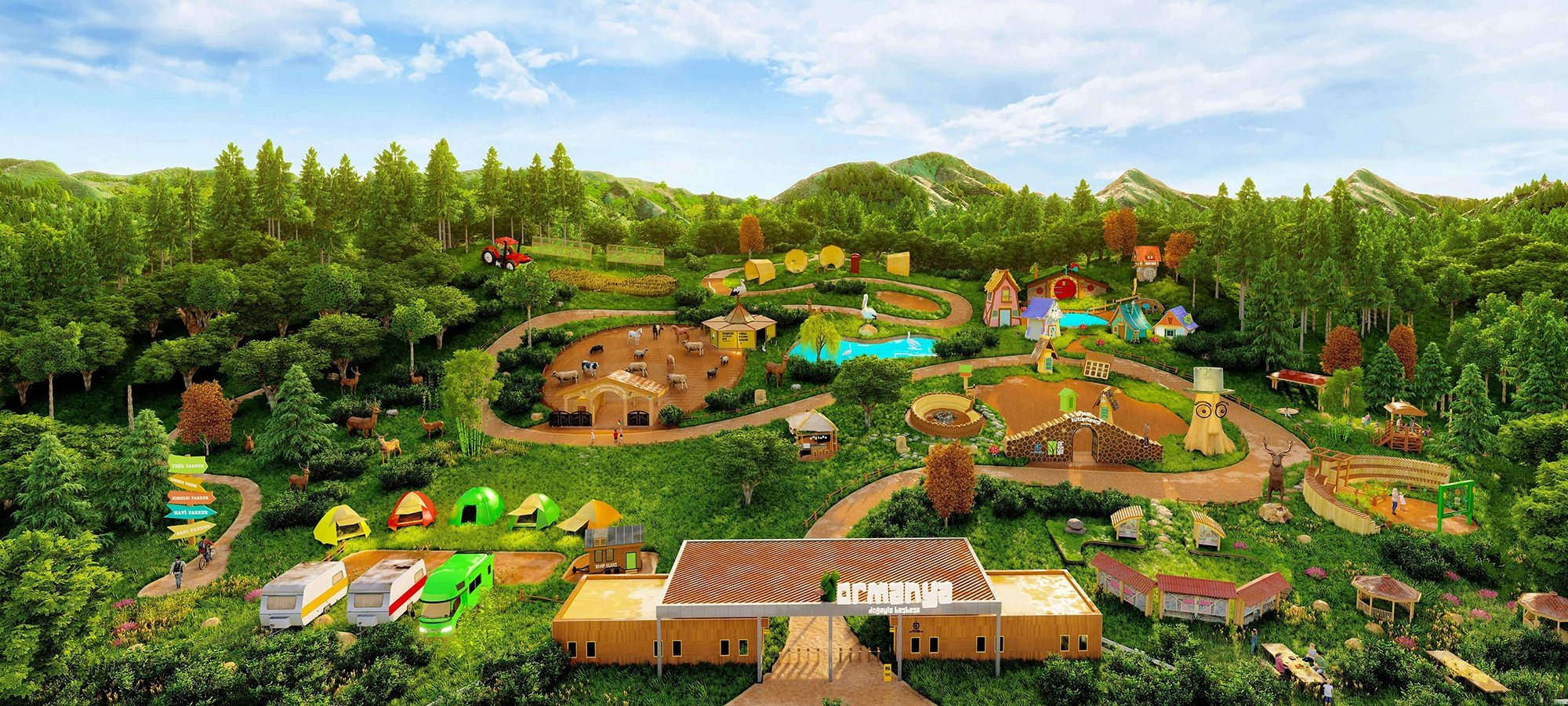
Explore wildlife, forest trails, family recreation areas and Ormanköy only a short journey from Maşukiye.
Explore OrmanyaWe can include Maşukiye, Kartepe and Kocaeli inside a tailor-made journey connecting Istanbul with destinations throughout Türkiye.
Ask us about including Maşukiye, Kartepe, Ormanya or other Kocaeli highlights inside a privately designed Turkey journey.
Request a Custom Route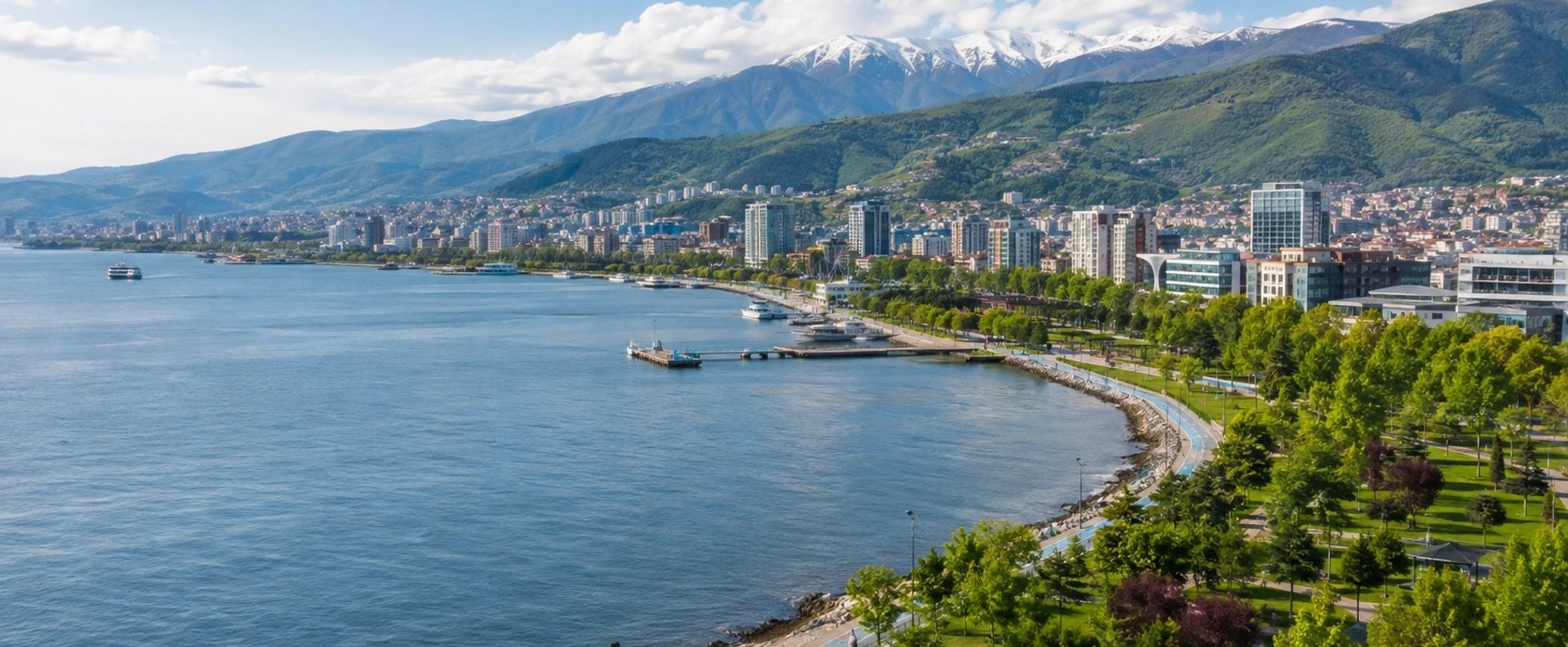
Discover İzmit, Kartepe, the Gulf coast, Black Sea landscapes, historic towns, nature parks and regional foods.
Explore Kocaeli
Continue throughout Türkiye with archaeological sites, historic cities, natural landscapes, food traditions and cultural heritage.
Explore Türkiye