Private Kırkağaç Food Experience
Share your travel date, interests and group size. We can propose a sensible local route and check any producer access.
Request Your Private Programme





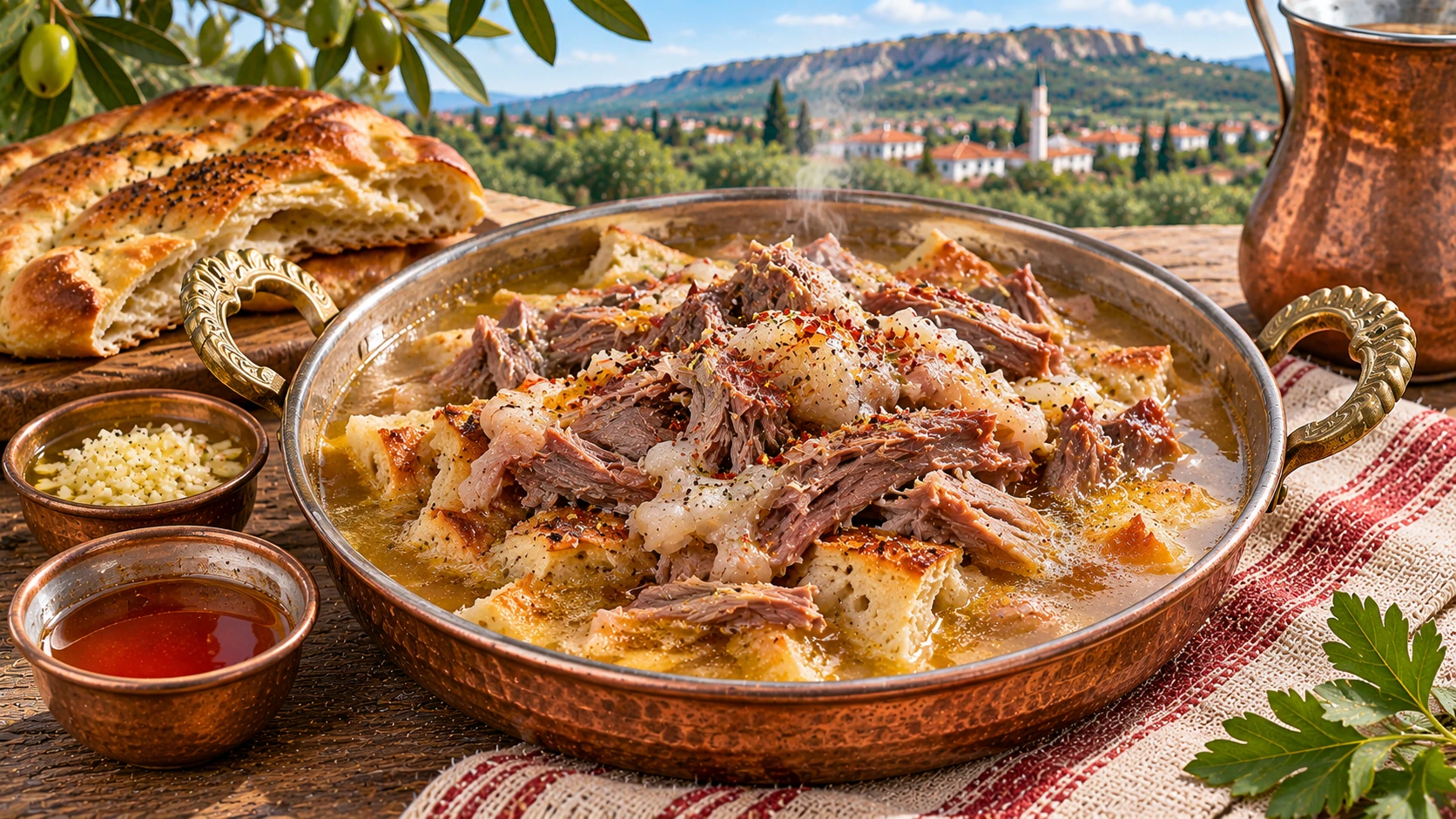
Kırkağaç Çakal Pideli Paça is a robust local speciality built around long-cooked meat, rich stock and pieces of pide. Its name identifies a specific Kırkağaç preparation, not a generic bowl of paça soup.
The bread is not merely a side dish. Pide soaks up the long-cooked broth and helps create the substantial texture that makes this Kırkağaç breakfast speciality recognisable.
Kırkağaç Pideli Paça / Kırkağaç Çakal Pideli Paça.
Long-cooked meat and stock, pide, and a garlic-vinegar finish.
Often associated with a substantial morning meal.
Bread absorbs broth and becomes part of the dish.
Essential context for a meaningful food experience.
Kırkağaç, Manisa
Bread-and-broth meat dish
Registered name
Key components
Ask locally about availability and season
Turkish GI no. 1579
The geographical-indication registry lists the full protected name Kırkağaç Pideli Paça / Kırkağaç Çakal Pideli Paça, registration 1579, dated 20 April 2024.
The dish belongs to a regional tradition of hearty early meals. Rather than being merely soup poured into a bowl, the pide is part of the dish’s structure: bread absorbs the hot broth and changes the texture of every bite.
The Turkish geographical-indication registry lists Kırkağaç Pideli Paça / Kırkağaç Çakal Pideli Paça under number 1579 (Mahreç işareti), registered 2024-04-20.
The eating experience combines soft bread, gelatinous broth and substantial meat. A garlic-vinegar condiment provides a sharp counterpoint; optional pepper adds heat.
The most useful comparison is with a clear meat broth: in pideli paça, the soaked bread is not an afterthought. It is an essential component of the finished plate.
Kırkağaç Pideli Paça / Kırkağaç Çakal Pideli Paça.
Long-cooked meat and stock, pide, and a garlic-vinegar finish.
Often associated with a substantial morning meal.
Bread absorbs broth and becomes part of the dish.
A Kırkağaç breakfast focused on pideli paça can be followed by a walk around the district and a seasonal melon tasting.
Local descriptions emphasise cattle head meat and leg bones, which are cooked for an extended period to produce tender meat and flavourful stock. The resulting meat is separated and served with pieces of pide.
The stock is ladled over the bread and meat, with garlic and vinegar used to brighten the richness. As with many slow-cooked dishes, the exact proportions and final garnishes may differ between kitchens.
Kırkağaç Pideli Paça / Kırkağaç Çakal Pideli Paça.
Long-cooked meat and stock, pide, and a garlic-vinegar finish.
Often associated with a substantial morning meal.
Bread absorbs broth and becomes part of the dish.
Look for the complete local name and ask whether the broth and pide are prepared in the registered style. Because recipes may include garlic, vinegar and wheat bread, clarify ingredients if you have allergies.
Reference for the regional method or designation: Official Turkish GI registry. The linked record is provided for checking the details; opening hours and producer availability must be confirmed separately.
It is often associated with morning eating, although a business may serve it at other times. Order it freshly assembled so the pide is not left soaking for too long before arrival.
If you are unfamiliar with head-meat dishes, ask the server what the portion contains. The preparation is not vegetarian and may not suit everyone’s preferences.
Start by asking for the simplest or most characteristic preparation. Give yourself time to observe the texture, aroma and serving method, then compare it with one of the related Manisa foods linked below. A short conversation with a producer can be more revealing than collecting several rushed tastings.
The geographical-indication status identifies a protected regional product; it does not guarantee that every restaurant using the name is officially inspected or currently operating.
For a special trip, verify the producer or bakery is open and that the item is available. Seasonal harvests, working-kitchen schedules and festival dates can change; this guide deliberately avoids inventing fixed opening hours or prices.
Photograph the product in its actual context: the market stall, bakery counter, plate or orchard, with the maker’s permission. Do not enter production spaces without approval, and avoid disrupting food handling to stage a picture.
The hero path in this page is a website image reference, not a photograph included in this HTML package. Supply a properly licensed image of the specific food or product before publishing.
Food markets and historic town centres may have steps, narrow pavements or limited seating. If you need a step-free tasting location, confirm the venue’s access arrangements before travelling.
Ingredient and allergen information should come from the actual producer or kitchen. A traditional description cannot guarantee the absence of cross-contact or accommodate individual dietary needs.
For a broader Manisa food journey, compare this bread-and-broth preparation with Kırkağaç topalak yemeği, which centres on shaped veal meatballs in sauce.
The local starting point is Kırkağaç in Manisa Province. Use an up-to-date map for the exact shop, producer or market and confirm access before making a special journey.
Continue with this related Manisa guide for a different food tradition or nearby heritage stop. Check actual travel time and opening conditions.
Continue with this related Manisa guide for a different food tradition or nearby heritage stop. Check actual travel time and opening conditions.
Continue with this related Manisa guide for a different food tradition or nearby heritage stop. Check actual travel time and opening conditions.
A Kırkağaç dish combining slow-cooked meat and stock with pieces of pide and typically a garlic-vinegar finish.
Yes. The registered name has mahreç protection under number 1579, dated 20 April 2024.
It absorbs the broth and creates the characteristic bread-and-meat texture.
It is often associated with hearty morning eating, though serving times depend on the kitchen.
Traditional descriptions include cattle head meat and stock from bones; ask the restaurant for the exact portion.
Topalak yemeği and the district’s well-known melon are useful contrasts.
Buy from identifiable producers and ask respectfully about their methods.
Read labels and ask about allergens, preparation and storage.
Do not enter farms, mills, kitchens or workshops without permission.
Order manageable portions and use practical packaging for purchases.
Ask Wow Cappadocia / Venere Travel to plan a private route with licensed guiding where appropriate, realistic travel times and no compulsory shopping stops. Producer visits are subject to availability and permission.
Combine food, culture and history at your own pace.
Share your travel date, interests and group size. We can propose a sensible local route and check any producer access.
Request Your Private Programme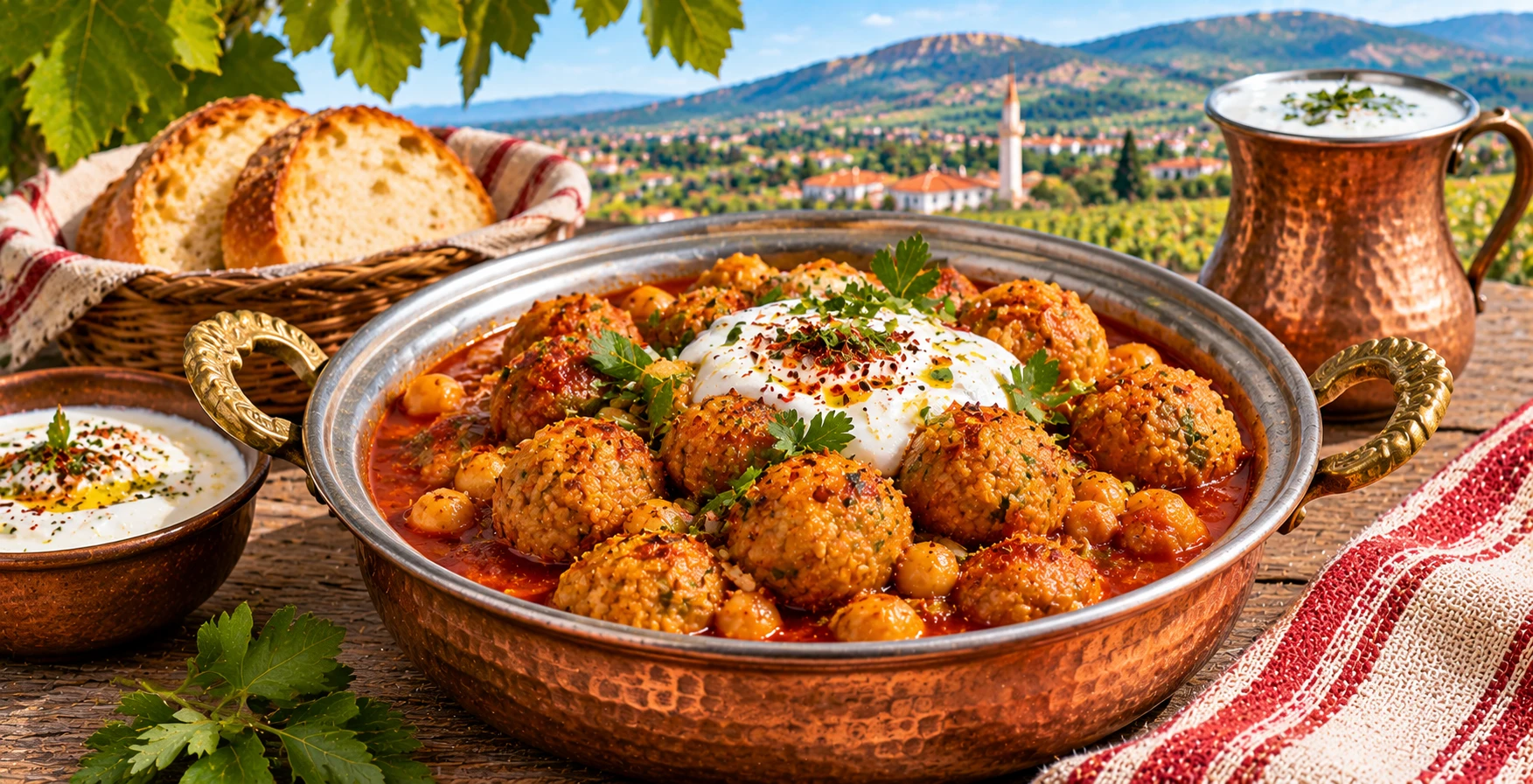
Discover a complementary local food or cultural destination.
Read the Related Guide