A Caffeine-Free Village Tradition from Biga

Işıkeli Chickpea Coffee – Complete Guide

Discover a remarkable coffee-like drink made from roasted chickpeas,
traditionally prepared in Işıkeli Village in Biga, Çanakkale.

Discover Işıkeli Chickpea Coffee

Discover Işıkeli Nohut Kahvesi

Işıkeli Chickpea Coffee, known in Turkish as Işıkeli Nohut Kahvesi, is one of Çanakkale's most unusual regional drinks. Despite its name, it contains no coffee beans. Instead, locally sourced small yellow chickpeas are slowly roasted in a wood-fired oven, finely ground, and brewed in a cezve in a method reminiscent of Turkish coffee.

The drink belongs specifically to Işıkeli Village in the Biga district of Çanakkale. Its distinctive preparation, long-standing relationship with village life, local ingredients, and traditional serving customs led to its registration as a geographically indicated product in Türkiye.

Perhaps its most surprising characteristic is that it is naturally caffeine-free. Traditionally prepared without sugar and served alongside dried grapes, Işıkeli Chickpea Coffee offers travelers a fascinating glimpse into the rural food traditions of northwestern Anatolia.

Roasted Chickpeas

Made from small yellow chickpeas traditionally associated with the geographical area around Işıkeli Village.

Caffeine-Free

No coffee beans are used, making the traditional drink naturally free from caffeine.

Wood-Fired Roasting

The chickpeas are slowly roasted in trays in a wood-fired oven before being finely ground.

Village Tradition

The drink has an important place in the culinary culture and local economy of Işıkeli Village.

Know Before You Taste

Işıkeli Chickpea Coffee – Quick Facts

Essential information about one of Biga and Çanakkale's most distinctive traditional drinks.

📍

Origin

Işıkeli Village in the Biga district of Çanakkale Province in northwestern Türkiye.

Open Işıkeli on Google Maps

Main Ingredient

Small yellow chickpeas are roasted, finely ground, and brewed to create the traditional drink.

🌿

Caffeine

Işıkeli Chickpea Coffee contains no caffeine because it is produced entirely from chickpeas rather than coffee beans.

🏅

Geographical Indication

Registered by TÜRKPATENT as Işıkeli Nohut Kahvesi with registration number 1442.


A Tradition from Rural Çanakkale

The Story of Işıkeli Chickpea Coffee

A humble village drink transformed into one of Biga's officially recognised culinary traditions.

Işıkeli is a village in the Biga district of Çanakkale, an agricultural region of northwestern Türkiye where farming and traditional food production have shaped everyday life for generations.

Within this rural landscape developed an unusual beverage made not from coffee beans but from locally grown chickpeas. The drink became known as Işıkeli Nohut Kahvesi — literally, Işıkeli Chickpea Coffee.

Its preparation developed around ingredients and equipment readily available in village life. Small yellow chickpeas were cleaned, slowly roasted in a wood-fired oven, finely ground, and brewed with water and a small quantity of baking soda.

Over time, chickpea coffee became closely associated with the culinary identity and local economy of Işıkeli. The relationship between the drink, the village, the locally produced chickpeas, and the traditional preparation method ultimately resulted in formal geographical-indication protection.

Today, Işıkeli Chickpea Coffee is an excellent example of how a seemingly simple agricultural ingredient can develop into a distinctive regional speciality through local knowledge, preparation techniques, and cultural continuity.


What Makes It Different

Distinctive Features of Işıkeli Chickpea Coffee

Its identity comes from the local chickpea variety, slow roasting, extremely fine grinding, traditional brewing method, and connection with Işıkeli Village.

Small Yellow Chickpeas

The traditional raw material is a small chickpea known locally as sarı nohut, or yellow chickpea. It is smaller than many modern hybrid varieties and is not perfectly round.

  • Ingredient: Yellow chickpeas
  • Diameter: Approximately 5–7 mm
  • Character: Small and characteristically irregular in shape

Wood-Fired Roasting

Cleaned chickpeas are spread over trays and roasted in a wood-fired oven. Controlled roasting develops the deep colour and characteristic toasted aroma required for the finished drink.

  • Temperature: Approximately 200–250°C
  • Duration: Approximately 2–4 hours
  • Technique: Gentle stirring during roasting

Fine Grinding

After roasting, the chickpeas are ground extremely finely using a hammer-type coffee grinder. This allows the powder to behave more like traditional coffee during brewing.

  • Grinding size: 200–300 microns
  • Texture: Fine powder
  • Purpose: Suitable for cezve-style preparation

Naturally Caffeine-Free

Işıkeli Chickpea Coffee contains no coffee beans and therefore does not contain caffeine. Its roasted flavour comes entirely from chickpeas and the traditional production process.

  • Coffee beans: None
  • Caffeine: None
  • Main flavour source: Roasted chickpeas

Baking Soda

A small amount of baking soda is used when the drink is prepared. This is a distinctive part of the registered brewing method and separates Işıkeli Chickpea Coffee from ordinary Turkish coffee.

  • Traditional ingredient: Baking soda
  • Amount: Approximately 1–2 g per portion
  • Added: Before brewing

Traditional Serving

The drink was traditionally prepared without sugar and accompanied by dried grapes, providing natural sweetness beside the roasted flavour of the chickpeas.

  • Traditional sweetness: Unsweetened
  • Classic accompaniment: Dried grapes
  • Modern alternatives: Turkish delight or chocolate

Village Production

The geographical indication connects authentic Işıkeli Chickpea Coffee directly with Işıkeli Village and the knowledge required to produce it according to the registered method.

  • Province: Çanakkale
  • District: Biga
  • Village: Işıkeli

Protected Culinary Heritage

Işıkeli Nohut Kahvesi is officially recognised as a geographical indication, protecting the relationship between its name, preparation method, and place of origin.

  • Registration: No. 1442
  • Date: 7 August 2023
  • Type: Mahreç İşareti

Işıkeli Chickpea Coffee's Geographical Indication

Işıkeli Nohut Kahvesi is officially registered by the Turkish Patent and Trademark Office as a geographically indicated product associated with Işıkeli Village in Biga, Çanakkale.

Registration Name

The official protected name is Işıkeli Nohut Kahvesi.

Registration Number

The geographical-indication registration number is 1442.

Registration Date

The registration was completed on 7 August 2023.

Application Number

The geographical-indication application number is C2022/000044.

Type of Protection

The product is registered as a Mahreç İşareti.

Geographical Boundary

The registered geographical boundary is Işıkeli Village, Biga, Çanakkale.


The registration was made through the Biga Chamber of Agriculture, Biga Chamber of Commerce and Industry, and Biga Municipality. It documents the characteristics of the chickpeas, roasting temperature, grinding size, preparation method, traditional serving style, and connection of the product with Işıkeli Village.

Geographical-indication protection is important because it helps preserve the recognised production method while giving visitors a clearer understanding of what distinguishes genuine Işıkeli Chickpea Coffee from other roasted-legume beverages.

The Yellow Chickpeas Used for Işıkeli Chickpea Coffee

The character of Işıkeli Chickpea Coffee begins with the chickpeas themselves. The registered product uses small chickpeas traditionally known as yellow chickpeas.

Small Size

The chickpeas measure approximately 5–7 mm in diameter and are smaller than many hybrid chickpea varieties.

Distinctive Shape

The yellow chickpeas are not perfectly round and traditionally have a form sometimes described as resembling a bird's head.

Local Agriculture

The chickpeas used for registered Işıkeli Chickpea Coffee are sourced from within the geographical boundary.

Natural Resilience

The traditional yellow chickpea is valued for its resistance to environmental conditions and pests.


Once harvested and selected, the chickpeas are washed before beginning the slow roasting process that transforms an ordinary pulse into the aromatic base of the drink.

How Işıkeli Chickpea Coffee Is Produced

The registered production process follows a careful sequence. Roasting is particularly important because it develops the colour, aroma, and toasted flavour of the finished powder.

1. Select the Chickpeas Small yellow chickpeas sourced from the geographical production area are selected for processing
2. Clean with Water The chickpeas are washed thoroughly before roasting
3. Arrange on Trays The cleaned chickpeas are spread over trays in preparation for the oven
4. Roast over Wood Fire The trays are placed in a wood-fired oven at approximately 200–250°C
5. Roast Slowly Roasting generally takes approximately 2–4 hours depending on season and chickpea moisture
6. Stir During Roasting The chickpeas are gently stirred from time to time to help prevent burning and promote even roasting
7. Grind Finely The roasted chickpeas are ground to approximately 200–300 microns using a hammer coffee grinder
8. Protect from Air The finely ground product is placed in airtight aluminium-barrier packaging
9. Package The registered product is traditionally marketed in 200-gram packages

Why Roasting Is So Important

Raw chickpeas do not naturally possess the deep toasted aroma associated with Işıkeli Chickpea Coffee. The extended roasting process changes their colour, aroma, flavour, and texture before grinding.

High Temperature

The registered method specifies roasting at approximately 200–250°C.

Slow Process

The roasting can take between approximately two and four hours depending on moisture and seasonal conditions.

Even Roasting

Gentle stirring helps expose the chickpeas evenly to heat and reduces the risk of individual pieces burning.

Roasted Aroma

The process develops the toasted, nutty and cereal-like character that defines the finished beverage.


The roasting stage is therefore not merely preparation for grinding. It is the central transformation that allows chickpeas to produce a dark, aromatic drink reminiscent in appearance and preparation of coffee.

How Işıkeli Chickpeas Are Ground

After roasting, the chickpeas must be ground much more finely than they would be for ordinary culinary use.

Grinding Equipment

The registered method specifies the use of a hammer-type coffee grinder.

Particle Size

The roasted chickpeas are ground to approximately 200–300 microns.

Fine Texture

The result is a powder fine enough to be mixed directly with water in a cezve.

Protected Packaging

After grinding, the powder is sealed in aluminium-barrier packaging to reduce exposure to air.

Characteristics of Işıkeli Chickpea Coffee Powder

The official geographical-indication specification also records measurable characteristics of the finely ground product before brewing.

Protein Approximately 5.5% of dry matter
Fat Approximately 8% of dry matter
Caffeine None
Grinding Size Approximately 200–300 microns
Packaging Traditionally packed in 200 g airtight aluminium-barrier packages

The absence of caffeine is particularly noteworthy. Although the finished drink is called "coffee" because of its appearance, preparation, and cultural role, its raw material is chickpea rather than the seed of a coffee plant.

How to Prepare Işıkeli Chickpea Coffee

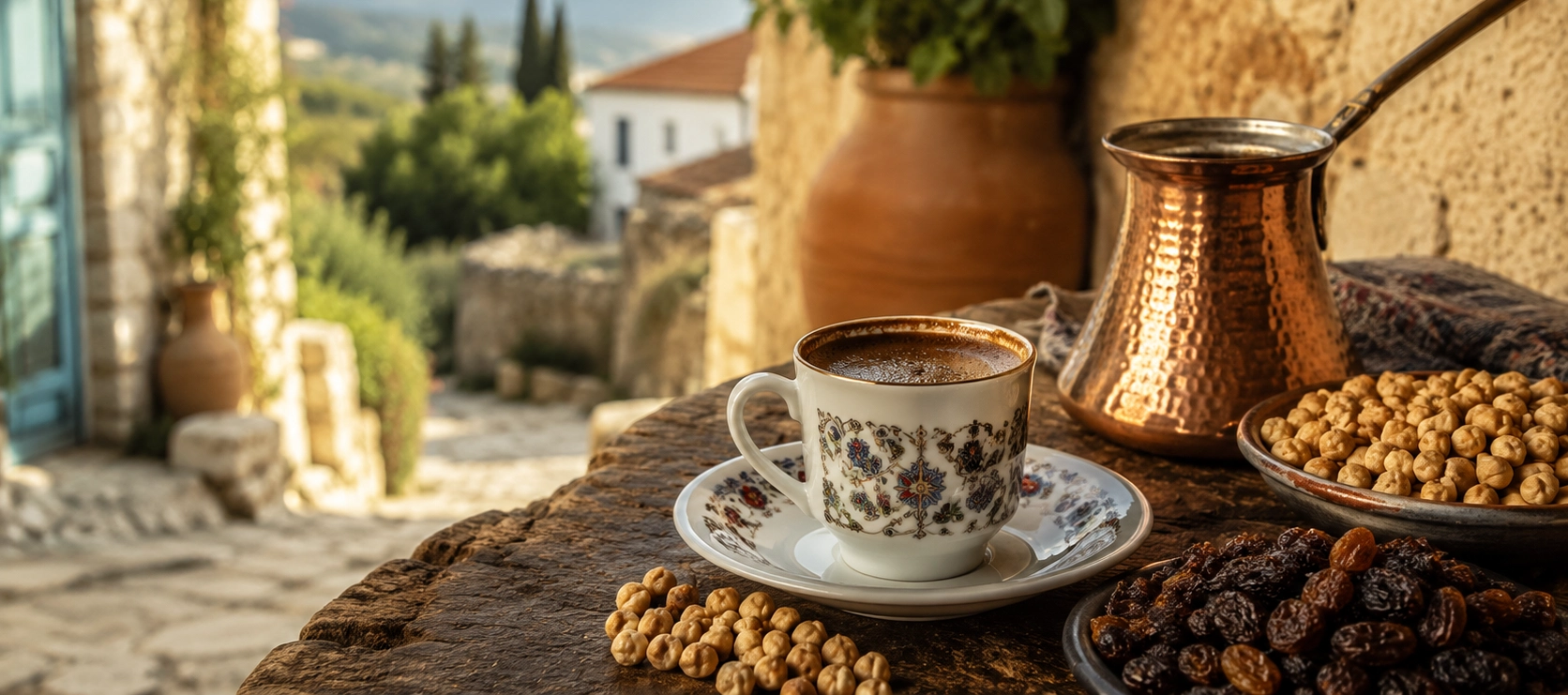
Işıkeli Chickpea Coffee is brewed in a cezve, the small handled pot also associated with Turkish coffee. The registered recipe uses chickpea-coffee powder, baking soda, hot water, and optional sugar.

Chickpea Coffee

Use approximately 10–12 g of finely ground Işıkeli Chickpea Coffee for one portion.

Baking Soda

Add approximately 1–2 g of baking soda.

Water

Use approximately 70–75 ml of hot water.

Sugar

Sugar is optional. The traditional preparation is unsweetened.


Brewing Method

1. Measure the Powder Add 10–12 g of Işıkeli Chickpea Coffee to the cezve
2. Add Baking Soda Add approximately 1–2 g of baking soda
3. Add Sugar if Desired The drink may be prepared unsweetened or with white sugar according to preference
4. Add Water Pour approximately 70–75 ml of hot water into the cezve
5. Mix Thoroughly Stir the chickpea powder, baking soda, sugar, and water together before heating
6. Brew Gently Heat the mixture to approximately 90–95°C
7. Serve Immediately Pour into a small cup and enjoy while hot

How Much Sugar Is Added?

Traditional Işıkeli Chickpea Coffee is prepared without sugar, particularly when it is accompanied by naturally sweet dried grapes. The registered recipe nevertheless allows sugar to be added according to preference.

Traditional

No sugar is required for the traditional unsweetened preparation.

Lightly Sweet

Approximately 2.0–2.5 g of white sugar may be used for a lightly sweet cup.

Medium

Approximately 3.0–3.5 g of white sugar may be used for medium sweetness.

Sweet

Approximately 4.5–5.0 g of white sugar may be used for a sweeter preparation.

How Işıkeli Chickpea Coffee Is Traditionally Served

Serving traditions are part of what makes the drink culturally distinctive. Rather than automatically sweetening the beverage itself, the traditional method pairs an unsweetened cup with dried fruit.

Traditional Drink Işıkeli Chickpea Coffee prepared without sugar
Classic Accompaniment Dried grapes eaten alongside the drink
Modern Accompaniment Turkish delight is now frequently served beside the coffee
Chocolate Chocolate may also accompany modern presentations
Serving Style Served hot in a small coffee cup after preparation in a cezve

Visitors wanting the most traditional experience should try the drink unsweetened with dried grapes. This allows the roasted flavour of the chickpeas to remain prominent while the grapes provide sweetness separately.

What Does Chickpea Coffee Taste Like?

Işıkeli Chickpea Coffee should not be expected to taste exactly like coffee made from roasted coffee beans. Its character comes from the transformation of chickpeas during slow roasting.

Roasted

The prolonged oven roasting gives the drink a pronounced toasted character.

Nutty

Roasted chickpeas naturally produce nutty and cereal-like flavour notes.

Earthy

The beverage has a gentle earthy character associated with roasted pulses.

Different from Coffee

Its flavour is softer and distinctly different from beverages produced from roasted coffee beans.


For first-time visitors, tasting it without sugar alongside a few dried grapes provides one of the best introductions to its traditional flavour combination.

Işıkeli Chickpea Coffee vs Turkish Coffee

The two drinks share certain preparation and serving traditions, but their ingredients and flavour profiles are fundamentally different.

Main Ingredient Işıkeli Chickpea Coffee uses roasted chickpeas; Turkish coffee uses roasted coffee beans
Caffeine Işıkeli Chickpea Coffee contains no caffeine; ordinary Turkish coffee naturally contains caffeine
Cooking Vessel Both can be prepared in a traditional cezve
Grinding Both rely on very finely ground ingredients suitable for direct brewing
Baking Soda Baking soda forms part of the registered Işıkeli recipe but is not a standard ingredient of Turkish coffee
Traditional Accompaniment Işıkeli Chickpea Coffee is traditionally associated with dried grapes

Does Işıkeli Chickpea Coffee Contain Caffeine?

No. One of the defining characteristics recorded for Işıkeli Chickpea Coffee is that the powdered product does not contain caffeine.

This is because no coffee beans are used in its production. The beverage's coffee-like qualities come instead from the dark colour and toasted aroma created by roasting chickpeas and from the way the finely ground powder is brewed and served.

No Coffee Beans

The raw material is chickpea rather than Arabica or Robusta coffee.

No Caffeine

The registered chickpea-coffee powder contains no caffeine.

Traditional Hot Drink

Despite the difference in ingredients, it occupies a coffee-like role as a small, freshly brewed hot beverage.

Distinct Regional Identity

Its significance comes from its connection with Işıkeli rather than from attempting to reproduce ordinary coffee exactly.

Işıkeli Village and Biga

Işıkeli Village lies within the district of Biga in Çanakkale Province. The geographical indication specifically defines Işıkeli Village as the geographical boundary of the product.

Biga forms part of a fertile agricultural landscape between the Marmara and Aegean regions. Agriculture, animal husbandry, local markets, village food production, and seasonal farming remain important elements of the area's cultural identity.

For culinary travelers, Işıkeli Chickpea Coffee offers an opportunity to look beyond Türkiye's famous archaeological sites and encounter a much smaller form of heritage: a drink preserved through the agricultural and domestic traditions of a single village.

Province

Çanakkale

District

Biga

Village

Işıkeli

Cultural Focus

Local agriculture, traditional food production, and village culinary heritage.

Where to Find Işıkeli Chickpea Coffee

Travelers exploring Biga and the wider Çanakkale region may encounter Işıkeli Chickpea Coffee through local producers, regional food shops, village events, markets, and businesses promoting geographically indicated products.

Işıkeli Village

The village itself provides the strongest geographical connection with the traditional product and its production culture.

Biga

Local food shops and regional-product sellers in Biga may stock packaged Işıkeli Nohut Kahvesi.

Regional Markets

Special events and regional food markets can provide opportunities to encounter Çanakkale's geographically indicated products.

Check the Label

Look for the name Işıkeli Nohut Kahvesi and geographical-indication information when purchasing the protected product.


Availability can change throughout the year. If tasting the drink is an important part of your journey, confirm availability locally before making a special trip solely for the product.

Işıkeli Chickpea Coffee Visitor Tips

Try It Unsweetened First

The traditional preparation is unsweetened, allowing you to experience the roasted chickpea flavour clearly.

Eat the Dried Grapes

Traditional dried grapes provide sweetness between sips and create the most characteristic pairing.

Expect Something Different

It is not intended to taste exactly like ordinary coffee. Approach it as a distinctive regional drink in its own right.

Ask How It Was Prepared

Preparation methods are part of the experience, particularly the use of baking soda and cezve brewing.

Look for Local Products

When buying a package, check the producer, product name, and geographical-indication information.

Combine It with Biga

A tasting makes more sense as part of a wider visit exploring Biga's rural culture, villages, and regional foods.

Take Some Home

Properly packaged chickpea-coffee powder can make an unusual regional food souvenir from Çanakkale.

Support Local Producers

Buying directly from recognised regional producers helps support the continuation of small-scale culinary traditions.

Frequently Asked Questions About Işıkeli Chickpea Coffee

What is Işıkeli Chickpea Coffee?

Işıkeli Chickpea Coffee is a traditional caffeine-free hot drink produced from roasted and finely ground chickpeas in Işıkeli Village in the Biga district of Çanakkale.

What is Işıkeli Chickpea Coffee called in Turkish?

Its Turkish name is Işıkeli Nohut Kahvesi.

Is Işıkeli Chickpea Coffee made from coffee beans?

No. It is made from roasted chickpeas rather than coffee beans.

Does chickpea coffee contain caffeine?

No. The registered Işıkeli Chickpea Coffee powder does not contain caffeine.

Where does Işıkeli Chickpea Coffee come from?

It comes from Işıkeli Village in the Biga district of Çanakkale Province in northwestern Türkiye.

Is Işıkeli Chickpea Coffee geographically indicated?

Yes. Işıkeli Nohut Kahvesi is registered by the Turkish Patent and Trademark Office as a geographical indication.

What is its geographical-indication registration number?

The official registration number is 1442.

When was Işıkeli Chickpea Coffee registered?

Its geographical-indication registration was completed on 7 August 2023.

What type of chickpea is used?

The registered preparation uses small yellow chickpeas measuring approximately 5–7 mm in diameter.

How are the chickpeas roasted?

The cleaned chickpeas are placed on trays and roasted in a wood-fired oven at approximately 200–250°C.

How long are the chickpeas roasted?

Roasting normally takes approximately two to four hours depending on factors including the season and moisture content of the chickpeas.

How finely is chickpea coffee ground?

After roasting, the chickpeas are ground to approximately 200–300 microns.

How do you prepare Işıkeli Chickpea Coffee?

For one portion, approximately 10–12 g of chickpea-coffee powder is mixed with 1–2 g of baking soda, optional sugar, and approximately 70–75 ml of hot water before being brewed in a cezve.

Why is baking soda added to chickpea coffee?

Baking soda forms part of the traditional registered preparation of Işıkeli Chickpea Coffee and is mixed with the powder and water before brewing.

Is Işıkeli Chickpea Coffee sweet?

Traditionally it is prepared without sugar. Sugar can nevertheless be added according to personal preference.

What is traditionally served with chickpea coffee?

The traditional accompaniment is dried grapes. Today, Turkish delight or chocolate may also be served with the drink.

What does Işıkeli Chickpea Coffee taste like?

It has a roasted, nutty, earthy character produced by slowly roasting chickpeas. It should not be expected to taste exactly like conventional coffee.

Is chickpea coffee the same as Turkish coffee?

No. The drinks share certain preparation and serving characteristics, but Turkish coffee is produced from coffee beans while Işıkeli Chickpea Coffee is produced from roasted chickpeas.

Can I drink it at night?

The registered product contains no caffeine, although individual dietary considerations should always be taken into account when choosing any food or drink.

Can I buy Işıkeli Chickpea Coffee to take home?

Packaged Işıkeli Nohut Kahvesi may be available from regional producers and shops. The registered product is traditionally packed in airtight 200-gram aluminium-barrier packaging.

Is Işıkeli Village worth visiting?

For travelers interested in rural food traditions and lesser-known destinations, a visit can provide an unusual complement to the archaeological and historical attractions of the wider Çanakkale region.

What else can I visit near Biga?

The ancient city of Parion is one of the most important archaeological attractions in the wider Biga area. Travelers can also continue toward central Çanakkale, Troy, Gallipoli, Assos, Bozcaada, and the villages around Mount Ida.

Best Photos of Işıkeli Chickpea Coffee

The transformation from pale chickpeas to deeply roasted powder, the traditional cezve, small coffee cups, village surroundings, and dried-grape accompaniment provide excellent opportunities for culinary and cultural photography.

Roasted Chickpeas

Photograph the colour and texture of the chickpeas after roasting to show the ingredient behind the drink.

Grinding Process

If production is being demonstrated, capture the moment the roasted chickpeas are transformed into fine powder.

Cezve Preparation

The small cezve and freshly brewed drink create the clearest visual connection with Türkiye's wider coffee culture.

Coffee and Dried Grapes

A traditional cup accompanied by dried grapes tells the cultural story of the drink in a single image.

Village Setting

Include Işıkeli's agricultural landscape or village environment to provide geographical context.

Local Producers

With permission, photograph the people preserving the roasting, grinding, packaging, and serving traditions.


Always ask permission before photographing producers, villagers, shopkeepers, or people inside private workplaces and homes.

Çanakkale Tours and Regional Experiences

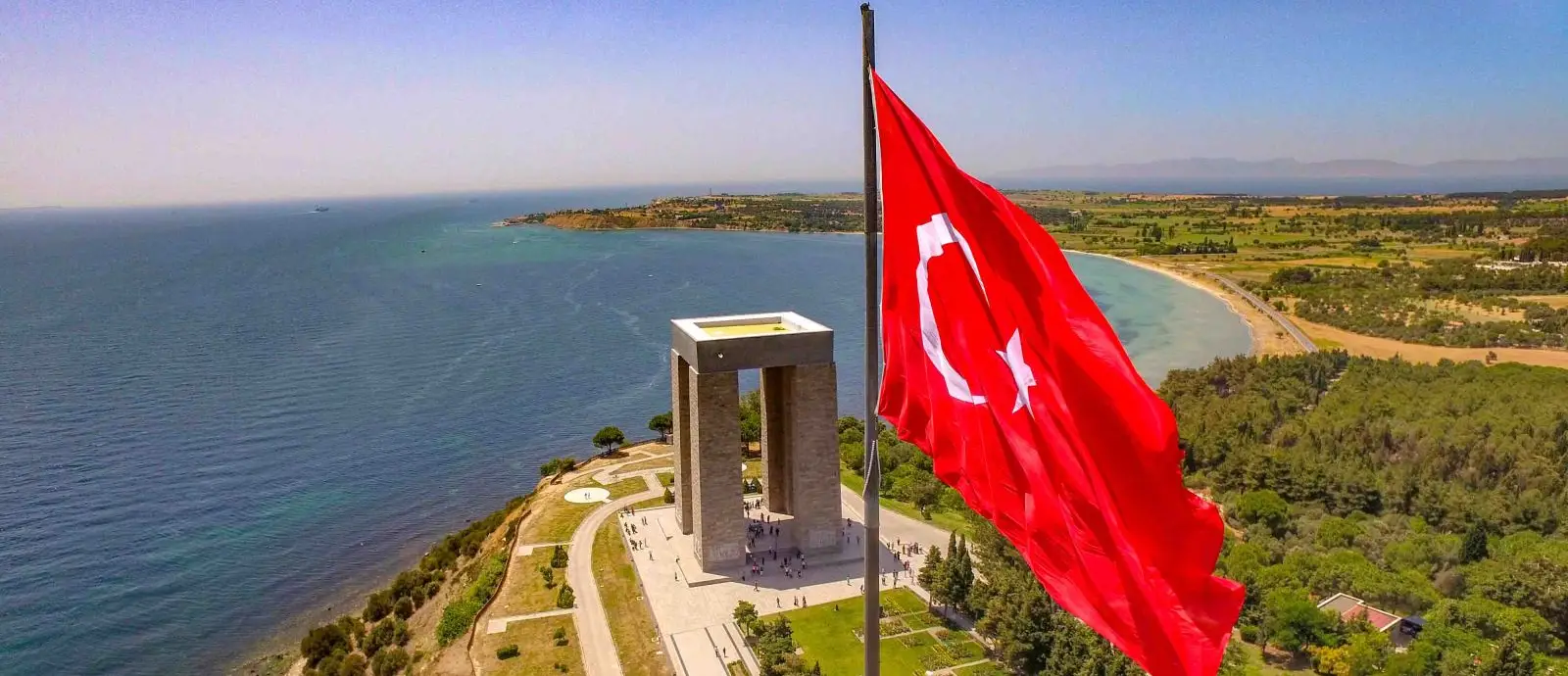
Combine Çanakkale's local culinary traditions with Troy, Gallipoli, Biga, ancient cities, Ottoman fortresses, villages, and the beautiful landscapes of the northern Aegean.

Çanakkale Experiences

Discover the history and regional culture of Çanakkale through carefully organised tours and custom private itineraries.

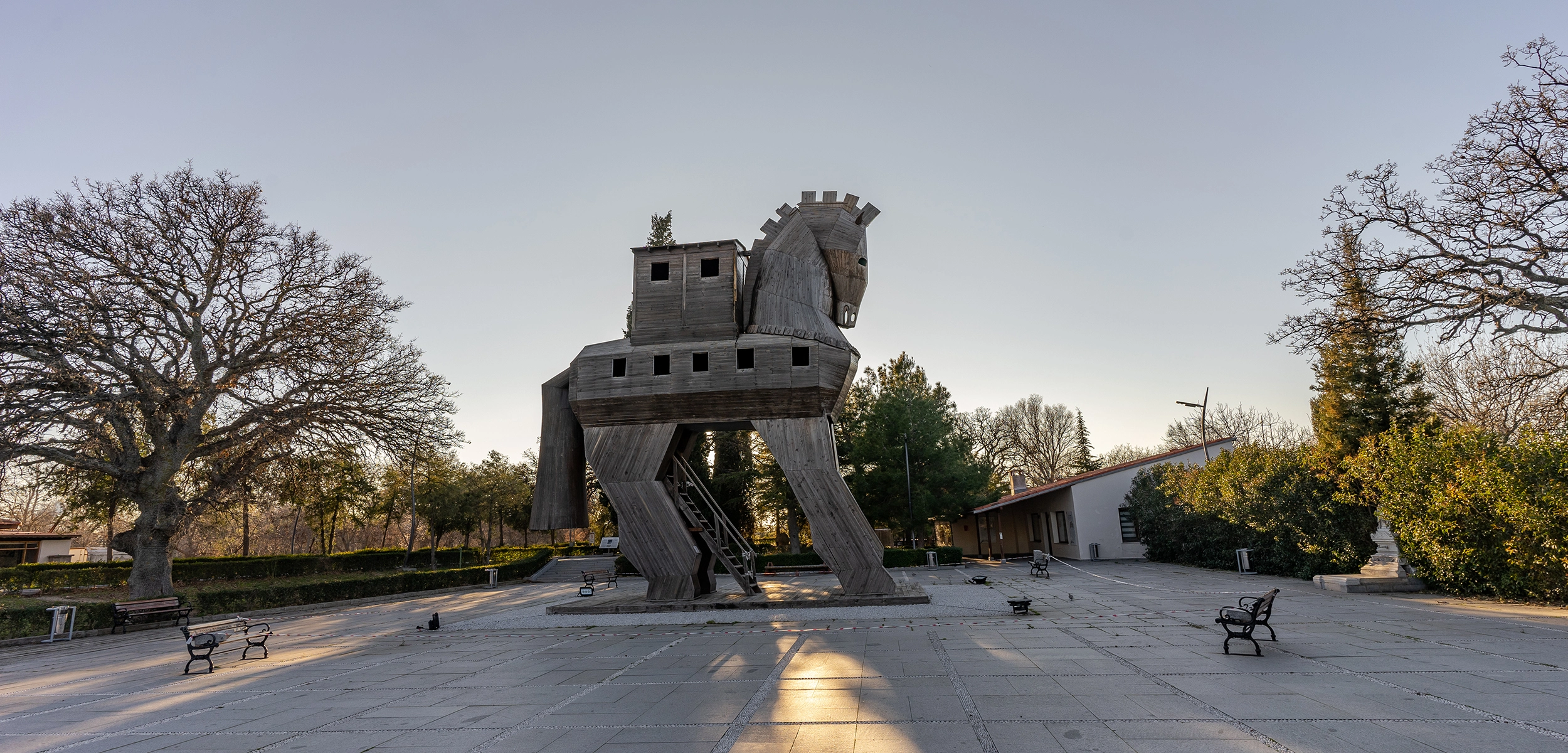
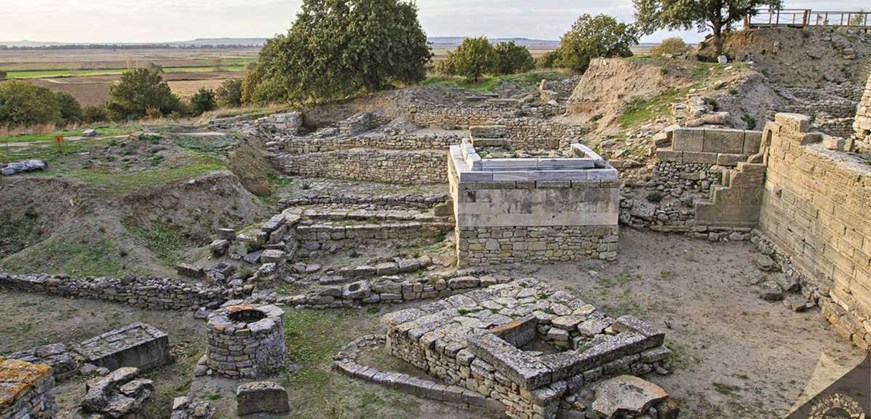
Troy and Canakkale tour

1 Day Troy Tour from Istanbul

Travel from Istanbul to Çanakkale and explore legendary Troy, its archaeological layers, ancient walls, houses, ceremonial areas, and stories connected with the Trojan War.

View Tour

Longer Çanakkale Journeys

Spend more time in the region by combining Troy and Gallipoli or including Çanakkale within a wider private journey through western Türkiye.