Lake Uluabat Waterfront
Walk beside shallow lake waters filled with fishing boats, reeds, birds and constantly changing reflections.
- Best for: Scenery & photography
- Character: Shallow freshwater wetland
- Best light: Sunrise & sunset






Few places around Bursa combine archaeology, traditional village life and wetland scenery as naturally as Gölyazı.
Located on the eastern side of Lake Uluabat, Gölyazı occupies a narrow peninsula and island-like settlement surrounded by water, reed beds, fishing boats and low green hills.
The peaceful village seen today stands directly over the remains of Apollonia ad Rhyndacum, an ancient city whose history stretches back more than two thousand years.
Fragments of this past remain scattered throughout the modern settlement.
Visitors can encounter ancient defensive walls, Roman and Hellenistic remains, rock-cut tombs, old roads, a large ancient theatre, historic churches and reused architectural stones incorporated into later buildings.
Yet Gölyazı is not simply an archaeological site.
It remains a living lakeside community shaped for generations by fishing, small boats, olive cultivation, agriculture and the changing waters of Lake Uluabat.
At the entrance to the settlement stands the enormous Ağlayan Çınar – the Weeping Plane Tree, one of Gölyazı's best-known symbols.
Beyond it, narrow streets lead toward traditional houses, small restaurants, the lakeshore and views across fishing boats reflected in the shallow water.
One of the most important monuments is St. Panteleimon Church, a late Ottoman Greek Orthodox church restored by Nilüfer Municipality and today used as Gölyazı Kültürevi.
Above the settlement, archaeological work at Zambak Tepe has revealed the ancient theatre of Apollonia, a major structure originally created during the Hellenistic period and modified under Roman rule.
Surrounding everything is Lake Uluabat, an internationally important wetland protected under the Ramsar Convention.
Its shallow waters, reed beds, islands and muddy shorelines support an extraordinary variety of waterbirds, fish, aquatic plants and other wetland wildlife.
For photographers, Gölyazı is especially famous for sunrise, sunset, mist, reflections, silhouetted fishing boats and solitary trees standing in the water.
This complete guide explores Gölyazı, Lake Uluabat, Apollonia ad Rhyndacum, the ancient theatre, city walls, necropolis, ancient roads, Kız Ada, the Temple of Apollo, St. Panteleimon Church, Ağlayan Çınar, traditional houses, fishing, boat trips, wetlands, birdlife, food, photography, transport, parking, walking routes, visitor information and suggested Gölyazı itineraries.
Explore a living village constructed over the remains of an important ancient settlement beside Lake Uluabat.
Discover an internationally protected shallow freshwater wetland rich in birds, fish, reed beds and aquatic vegetation.
See the archaeological landscape of a remarkable theatre built on Zambak Tepe overlooking the ancient city.
Visit one of Gölyazı's finest surviving historic buildings, today restored as a cultural centre.
Stand beneath Gölyazı's monumental centuries-old plane tree at the entrance to the peninsula.
Photograph one of Bursa's most atmospheric landscapes as small boats cross the lake in evening light.
Essential information for visiting one of Bursa's most distinctive historic lakeside settlements.
Nilüfer district, approximately 40–45 km west of central Bursa.
Open on Google MapsApollonia ad Rhyndacum, later known as Apolyont.
Gölyazı stands beside Lake Uluabat, one of northwestern Türkiye's major wetlands.
Private vehicle, taxi, organised tour and regional public transport connections.
Gölyazı offers ancient history, traditional village life and extraordinary wetland scenery within an easy excursion from Bursa.
Gölyazı is unusual because the archaeological site and the modern village occupy the same landscape.
Ancient stones appear beside houses, sections of fortification survive between modern streets and archaeological remains extend into the surrounding hills and islands.
At the same time, the settlement remains closely connected with the lake.
Fishing boats are tied beside the shore, nets are repaired near houses, restaurants serve freshwater fish and the rhythm of daily life still reflects the changing seasons of Lake Uluabat.
For travellers who have already explored Bursa's major Ottoman monuments, Gölyazı reveals a completely different chapter of the region's history.
Instead of monumental mosques, tombs and caravanserais, the landscape here is defined by ancient ruins, Greek Orthodox heritage, wetlands, birds, boats and rural life.
Most visitors can explore the central settlement on foot, while archaeological areas extend beyond the main village.
Walk beside shallow lake waters filled with fishing boats, reeds, birds and constantly changing reflections.
Discover archaeological remains belonging to the ancient city beneath and around modern Gölyazı.
Explore the Zambak Tepe archaeological area containing the remains of Apollonia's large ancient theatre.
Visit the restored historic Greek Orthodox church now operating as Gölyazı Kültürevi.
See the enormous centuries-old plane tree that has become the most recognisable natural symbol of Gölyazı.
Look for surviving sections of the defensive system that once controlled access to the ancient settlement.
Explore the wider archaeological landscape containing ancient tombs, sarcophagi and routes leading toward the city.
Experience the traditional working landscape that has supported Gölyazı families for generations.
Lake Uluabat is the natural landscape that gives Gölyazı its extraordinary character.
The lake is a large, shallow freshwater wetland lying west of Bursa between the districts of Nilüfer, Karacabey and Mustafakemalpaşa.
Its shoreline changes visibly with water levels, creating extensive reed beds, mudflats, wet meadows, shallow bays and seasonally flooded areas.
Lake Uluabat has been protected internationally under the Ramsar Convention since 1998.
The internationally designated Ramsar area covers approximately 19,900 hectares.
Water depth varies considerably according to season and rainfall.
Extensive reeds provide shelter, feeding areas and nesting habitat for wildlife.
The lake has supported fishing communities around its shores for generations.
Its location on important migration routes makes the wetland valuable for large numbers of waterbirds.
Visitors should think of Lake Uluabat not simply as a scenic background to Gölyazı, but as a complex living ecosystem.
Changes in water, pollution, disturbance, agriculture and human use can directly affect the birds, fish and aquatic vegetation that depend upon it.
The Ramsar Convention recognises wetlands of international ecological importance.
Lake Uluabat qualifies because its shallow freshwater environment supports rich aquatic vegetation and large populations of resident and migratory birds.
The lake lies along migration routes connecting Europe, Anatolia, Asia and Africa.
This globally important wetland is associated with the impressive Dalmatian pelican and many other waterbirds.
Shallow nutrient-rich waters support an unusually diverse range of aquatic vegetation.
Wetland channels, open water and vegetation create important freshwater fish habitats.
Reeds provide breeding, feeding and shelter areas for numerous species.
Fishing villages and archaeological sites demonstrate the long relationship between people and the lake.
Modern Gölyazı stands on the site of Apollonia ad Rhyndacum, one of the important ancient settlements of the region south of the Marmara Sea.
The name distinguished the city from numerous other ancient settlements called Apollonia.
Rhyndacum referred to the ancient river system associated with the lake and surrounding landscape.
The exact circumstances surrounding the city's earliest foundation remain debated, but archaeological and historical evidence demonstrates a settlement with deep Hellenistic, Roman and Byzantine roots.
The settlement developed into an important fortified community during the Hellenistic world.
Public architecture and urban life continued to develop under Roman rule.
Apollonia remained inhabited and acquired an important Christian religious landscape.
The settlement continued under Ottoman rule and became widely known as Apolyont.
The historic settlement eventually received its present Turkish name during the Republican period.
Repeated occupation means ancient and later structures often overlap within the modern village.
This continuous occupation is one reason Gölyazı feels different from a conventional archaeological park.
The ancient city is not isolated behind a fence. Its remains are woven into the modern settlement.
The result is a rare cultural landscape where ancient, Byzantine, Ottoman, Greek Orthodox and modern Turkish heritage can all be encountered within a relatively compact area.
One of the most important archaeological monuments at Gölyazı is the ancient theatre on Zambak Tepe.
Archaeological investigation has revealed a substantial theatre originally constructed during the Hellenistic period and later modified during Roman times.
Its estimated capacity of approximately 5,600 spectators demonstrates that ancient Apollonia was considerably more important than the scale of today's village might suggest.
The theatre occupies the slope of a hill immediately beside the historic settlement.
The estimated audience capacity indicates the significance of public entertainment in ancient Apollonia.
The first major construction belongs to the Hellenistic phase of the city.
The theatre underwent alterations as architectural and performance traditions changed.
Long-term excavation has gradually revealed preserved sections of the monument.
Conservation and restoration aim to protect the structure and improve understanding of the ancient city.
Archaeological work can affect public access.
Visitors should respect barriers, excavation areas and instructions from site personnel.
Apollonia's naturally protected lakeside position was strengthened with substantial defensive walls.
Sections remain visible around Gölyazı, particularly close to the narrow approach connecting the historic settlement with the mainland.
One of the best-known sections is traditionally called Taş Kapı – the Stone Gate.
Defences controlled movement into the principal ancient settlement.
Some surviving fortification sections demonstrate impressive wall thickness and construction.
Architectural blocks from earlier ancient monuments were reused during later building phases.
The fortifications were repaired and altered as the settlement evolved through centuries of occupation.
Look carefully while walking through Gölyazı: ancient masonry can appear unexpectedly between later buildings.
Outside the principal settlement lies the necropolis of ancient Apollonia.
Archaeological remains include rock-cut tombs, sarcophagus elements, monumental burial structures and traces of ancient roads.
Burial chambers and tomb forms were cut directly into the natural rock.
Stone burial containers and fragments survive throughout parts of the wider archaeological landscape.
Traces of routes once connecting the necropolis with the city remain identifiable.
Excavations have helped reveal aspects of ancient burial customs, trade and everyday life.
Some archaeological remains lie outside the compact tourist centre.
Wear suitable footwear and never enter active excavation areas or climb on tombs and masonry.
The ancient city's identity was closely connected with Apollo, and archaeological remains associated with a sanctuary of the god have been investigated on Kız Ada.
The island landscape demonstrates how the ancient city extended beyond the modern Gölyazı settlement.
The deity gave his name to numerous settlements called Apollonia throughout the ancient Mediterranean world.
The island forms part of the wider archaeological landscape connected with ancient Apollonia.
Archaeological research has investigated surviving evidence associated with the sanctuary area.
The location emphasises the close relationship between religion, landscape and water in the ancient city.
Island access should never be assumed.
Archaeological protection, water conditions and local regulations may limit visits, so observe the site from authorised areas unless official access is available.
St. Panteleimon Church is one of the finest surviving monuments from Gölyazı's late Ottoman Greek Orthodox community.
The present church was built during the early twentieth century, after a major fire affected the older island settlement.
Construction is generally dated between 1908 and 1918.
After decades of deterioration, the building was restored by Nilüfer Municipality and reopened in 2014 as Gölyazı Kültürevi.
The building reflects the important Christian community that once lived in Apolyont.
The surviving church belongs to the final decades of the Ottoman period.
Careful restoration saved one of Gölyazı's most significant architectural landmarks.
Today the building hosts exhibitions, cultural events and presentations about local heritage.
Photographs and materials help visitors understand the history of Gölyazı and its former churches.
The restored space preserves the proportions and character of the original religious building.
Opening times and temporary exhibitions may change. Check current Nilüfer Municipality information before travelling specifically to visit the interior.
Before reaching the historic centre, visitors encounter one of Gölyazı's most recognisable landmarks: Ağlayan Çınar.
This enormous Oriental plane tree is estimated to be approximately 750 years old.
It was officially registered as a monumental tree in 2000.
The tree has witnessed much of the late Byzantine, Ottoman and modern history of the settlement.
Its exceptional age and dimensions led to formal protection.
The plane tree appears in countless photographs and has become closely associated with the village.
The surrounding area provides a natural starting point for exploring Gölyazı on foot.
The name “Weeping Plane Tree” is associated with reddish liquid that can sometimes appear from parts of the trunk.
Avoid climbing on exposed roots or damaging the bark. A tree of this age survives only through careful protection.
The pleasure of Gölyazı comes partly from walking without rushing.
The compact historic area contains narrow lanes, old houses, small gardens, fishing equipment, local cafés and sudden glimpses of the lake between buildings.
The old settlement is best explored slowly on foot rather than from a vehicle.
Surviving vernacular buildings preserve traces of Gölyazı's historic residential character.
Small streets frequently emerge onto waterfront areas overlooking boats and reeds.
Remember that Gölyazı remains a residential community rather than an open-air museum.
Respect private homes, avoid blocking narrow streets and ask permission before photographing residents at close range.
Fishing has shaped Gölyazı's economy, food and visual identity for generations.
Small boats, nets and working waterfronts remain part of everyday life.
Small lake boats are particularly photogenic in the quiet waters around the village.
Local fishing traditions depend on the seasonal ecology and fish populations of Lake Uluabat.
The waterfront can be especially atmospheric when fishermen begin work around sunrise.
Fish from the surrounding region plays an important role in Gölyazı's visitor dining scene.
Fishing activity is working life, not simply a tourist performance.
Avoid stepping over nets, equipment or private boats simply to obtain a photograph.
A short boat excursion can provide an entirely different perspective on Gölyazı.
From the water, visitors can appreciate the relationship between the historic settlement, surrounding islands, reed beds and the enormous open lake.
Photograph Gölyazı's waterfront and historic silhouette from offshore.
Boats reveal the channels, reeds and shallow waters used by local fishing communities.
Late-afternoon boat trips can be exceptionally atmospheric when conditions are calm.
Local boat availability may depend on weather, water levels, demand and local regulations.
Always use a responsible operator, follow life-jacket instructions and avoid requesting approaches to protected nesting areas.
Lake Uluabat is one of the most important wetland environments in northwestern Türkiye for waterbirds and migratory species.
Depending on the season, visitors may encounter pelicans, cormorants, herons, egrets, ducks, grebes, gulls, terns and numerous smaller wetland birds.
One of the most spectacular birds associated with the wider Uluabat wetland.
Often seen resting, fishing or flying low over open water.
Shallow water and reed edges create ideal feeding habitat for long-legged waterbirds.
Seasonal migration can dramatically increase bird numbers around the lake.
Dense vegetation provides shelter for many smaller and less conspicuous wetland species.
A telephoto lens allows wildlife to be photographed without approaching or disturbing it.
Bird populations vary greatly according to season, water level, weather and migration.
Gölyazı has become one of Bursa's best-known photography destinations largely because of its relationship with light and water.
During calm conditions, the lake can reflect boats, trees, clouds and the changing colours of the sky.
Early mornings can offer mist, quiet streets and working fishing boats.
Warm evening light creates silhouettes across the western lake horizon.
Low wind can transform the shallow lake into a vast reflective surface.
Cool mornings occasionally produce atmospheric layers of mist above the water.
Small fishing boats make especially strong compositions against colourful skies.
Changing water levels can create striking images of trees apparently standing within the lake.
There is no single perfect season.
Spring and autumn are generally most comfortable for combining archaeology, walking and photography.
Winter can be extraordinarily atmospheric, while summer gives longer evenings but can become hot and crowded at weekends.
Midday conditions can become very warm, particularly during July and August.
Winter mornings beside the water may feel considerably colder because of humidity and wind.
Temperature differences can sometimes create beautiful early-morning mist over the lake.
Wind can change lake conditions quickly and affect small-boat excursions.
Wet weather can make archaeological paths muddy and slippery.
The appearance of the shoreline can differ considerably from one season to another.
The most characteristic local dining experience is naturally connected with freshwater fish.
Restaurants around the village and waterfront commonly specialise in fish, salads and simple regional dishes.
Freshwater fish is one of the foods most closely associated with the village's traditional identity.
A lakeside Turkish breakfast can be a pleasant beginning to an early visit.
Sometimes the simplest Gölyazı experience is sitting beside the water with Turkish tea.
Visitors returning to the city can combine Gölyazı with Bursa specialities including İskender kebab and candied chestnuts.
Availability of specific fish species changes according to season, legal fishing periods and lake conditions.
Gölyazı lies approximately 40–45 kilometres west of central Bursa, depending on your starting point.
The settlement is reached from the Bursa–İzmir road by turning south toward Lake Uluabat.
The easiest independent option and particularly convenient for sunrise or sunset photography.
A practical choice for travellers who do not want to drive, although return arrangements should be discussed in advance.
Regional connections can reach the Gölyazı area, but routes and schedules should be checked before travelling.
A private excursion allows Gölyazı to be combined easily with historic Bursa or other destinations west of the city.
Journey time from central Bursa is normally around one hour, but traffic can significantly affect travel times.
Gölyazı's historic streets are narrow and were never designed for large numbers of modern vehicles.
The easiest approach is generally to park before entering the most congested part of the settlement and continue on foot.
Parking pressure increases significantly on sunny weekends and public holidays.
Avoid attempting to drive deeply into residential areas unless local access clearly permits it.
Most major sights within central Gölyazı are close enough to explore on foot.
Morning visitors usually encounter easier parking and quieter village streets.
For a relaxed visit, allow approximately 3–4 hours.
Travellers interested in archaeology, birdwatching or photography can easily spend most of a day around Gölyazı.
Yes. Gölyazı can be an enjoyable family excursion because the visit combines open-air history, boats, birds and short walks.
The central village can be explored without very long walking distances.
A suitable local boat trip can become a memorable activity for children.
Binoculars can turn the lakeshore into a simple wildlife-discovery activity.
Walls, tombs and the theatre provide an accessible introduction to archaeology.
Young children should be supervised closely near open water, uneven archaeological terrain and traffic around the village entrance.
Accessibility varies considerably according to which part of Gölyazı you wish to visit.
The principal arrival area and some waterfront sections are relatively straightforward to reach.
Narrow streets, uneven paving and changing surfaces can present difficulties.
Ancient ruins may require walking over soil, stones, slopes and irregular terrain.
Accessibility differs between developed promenade sections and informal shoreline paths.
Private transport provides greater flexibility for visitors with limited mobility.
Small local boats may not be suitable for every mobility requirement.
Gölyazı contains three vulnerable environments at once: a residential village, an archaeological site and an internationally important wetland.
Do not treat doorways, gardens and private courtyards as tourist attractions.
Never climb on walls, move stones or enter restricted excavation areas.
Avoid approaching nesting colonies, reed beds or resting flocks for photographs.
Litter entering the shallow lake can directly damage wetland wildlife.
Nets, boats and waterfront work areas support local livelihoods.
Choose operators who respect protected areas and wildlife rather than approaching birds aggressively.
Gölyazı works particularly well as a half-day or full-day extension to a Bursa itinerary.
A traveller spending several days in Bursa can combine the city's Ottoman monuments with Gölyazı's ancient and natural landscape.
Begin with panoramic Bursa views and the tombs of Osman Gazi and Orhan Gazi.
Visit one of the masterpieces of early Ottoman architecture before travelling west.
Explore Bursa's historic silk-trading heritage in the centre of the old city.
Discover some of Bursa's most celebrated early Ottoman tile decoration.
Explore one of the most important Ottoman royal burial complexes in Türkiye.
Finish the day beside Lake Uluabat as the light changes across the water.
Explore viewpoints, wetlands and rural communities around one of Bursa's most important freshwater ecosystems.
Discover another famous Uluabat lakeside community known for storks, birdlife and wetland conservation.
Combine Gölyazı with mosques, bazaars, Ottoman tombs and UNESCO-listed monuments in central Bursa.
Visit the extraordinary collection of Ottoman princely and royal tombs west of Bursa's historic centre.
Explore the unusual mosque and madrasa commissioned by Sultan Murad I.
Contrast the low wetland landscape of Uluabat with forests and alpine scenery high above Bursa.
Walk through one of Bursa's best-preserved historic Ottoman villages beneath Uludağ.
Use our Bursa destination guide to explore the city's monuments, villages, museums, food and surrounding landscapes.
Gölyazı is located in the Nilüfer district of Bursa Province beside Lake Uluabat, approximately 40–45 kilometres west of central Bursa.
The ancient settlement was known as Apollonia ad Rhyndacum. During later centuries the name evolved into forms including Apolyont before the modern name Gölyazı became established.
The settlement has a history extending well over two thousand years, with archaeological evidence from the ancient, Roman, Byzantine, Ottoman and modern periods.
Yes. Modern Gölyazı occupies the ancient city of Apollonia ad Rhyndacum, and archaeological remains survive throughout the village and surrounding landscape.
Major sights include Lake Uluabat, Ağlayan Çınar, St. Panteleimon Church, ancient city walls, the necropolis, ancient roads, the Zambak Tepe theatre, historic streets and the fishing waterfront.
Yes. The ancient theatre of Apollonia occupies Zambak Tepe and has been the subject of major archaeological excavations.
Archaeological research indicates an estimated capacity of approximately 5,600 spectators.
It is a historic Greek Orthodox church from the late Ottoman period. After restoration, the building reopened as Gölyazı Kültürevi.
The restored building functions as a municipal cultural centre, but opening hours and event schedules can change. Check current information before visiting.
Ağlayan Çınar is Gölyazı's famous monumental Oriental plane tree, estimated to be around 750 years old.
The popular name is associated with reddish liquid that can sometimes appear from the tree's trunk.
Lake Uluabat is a large, shallow freshwater lake and wetland west of Bursa, known for fishing, aquatic vegetation and abundant birdlife.
Yes. A 19,900-hectare area has international protection under the Ramsar Convention.
It supports internationally important wetland habitats, large numbers of waterbirds, fish, reed beds and diverse aquatic plant communities.
Dalmatian pelicans are among the notable birds associated with the wider Uluabat wetland, although sightings are never guaranteed.
Small local boat trips are commonly associated with Gölyazı, but availability depends on weather, water conditions, season and local operations.
Yes. It is one of Bursa's most popular locations for sunrise, sunset, lake reflections, fishing boats, mist, birds and historic village scenes.
The hour around sunrise and the period before sunset usually provide the most dramatic light.
Yes. Sunset across Lake Uluabat is one of the most popular reasons for making a late-afternoon visit.
Yes. Early morning can offer quiet water, fishing boats, birds and occasionally mist over the lake.
Gölyazı should primarily be considered a wetland, fishing and nature destination rather than a swimming resort. Water conditions can vary and there are far better established swimming destinations around Bursa.
Yes. Private vehicle is one of the easiest ways to reach Gölyazı from Bursa.
Depending on traffic and your starting point, the journey generally takes around one hour.
Parking is available around the village, but sunny weekends and public holidays can become very busy. Arriving early is recommended.
Yes. Walking is the best way to explore the compact historic centre and waterfront.
Allow at least 3–4 hours for the principal sights. A full day is better if you want to include archaeology, lunch, birdwatching, a boat trip and sunset.
Yes. The combination of boats, birds, ancient ruins and short walks can work very well for families. Supervision is important beside open water and archaeological terrain.
Some central areas can be visited, but uneven historic streets, archaeological surfaces and informal waterfront paths make complete accessibility difficult.
Yes. The village has cafés and restaurants, with freshwater fish among the foods most closely associated with the area.
Yes. Winter offers a much quieter atmosphere, migratory birdlife, misty landscapes and dramatic photography, although the weather can be cold and damp.
Spring and autumn provide some of the most comfortable conditions for walking and photography, but every season offers a different landscape.
Weekends, public holidays and pleasant spring weather can bring significant visitor numbers. Weekday mornings are generally much quieter.
Yes. A very good itinerary combines Bursa's Ottoman monuments during the first part of the day with Gölyazı and Lake Uluabat in the afternoon.
It is possible as part of a long day trip, especially with private transport, but combining Gölyazı with an overnight stay in Bursa creates a much more relaxed experience.
No. Gölyazı itself is not part of Bursa's UNESCO World Heritage inscription. However, Lake Uluabat has international wetland protection through the Ramsar Convention.
Absolutely. Its combination of ancient ruins, historic architecture, traditional fishing life, wetland wildlife and beautiful lake scenery makes Gölyazı one of the most rewarding excursions from Bursa.
Use people beneath the enormous branches to communicate the extraordinary scale of the ancient tree.
Fishing boats create colourful foregrounds against the open lake.
Photograph boats and trees against the glowing western sky.
Arrive early on cool mornings for atmospheric layers above the water.
Capture one of the best-preserved architectural reminders of Gölyazı's Greek Orthodox community.
Look for layered compositions combining traditional houses, people and glimpses of Lake Uluabat.
Use surviving fortification masonry to show the connection between ancient Apollonia and modern Gölyazı.
The archaeological landscape offers wider views across the ancient settlement and surrounding lake.
Calm weather creates beautiful mirror-like surfaces around boats, reeds and lakeside trees.
Use a long lens to photograph pelicans, herons and other waterbirds without disturbing them.
Seasonal water levels can create iconic compositions of trunks rising directly from the lake.
A responsible lake excursion provides attractive views back toward the village from the water.
The strongest Gölyazı photographs often come from patience rather than moving constantly between viewpoints.
Choose a good lakeside position, watch how boats, birds, clouds and light move through the frame and allow the landscape to change around you.
Gölyazı can be incorporated into private Bursa itineraries combining ancient history, lakeside scenery, traditional village life, Ottoman heritage, local cuisine and the remarkable wetland landscape of Lake Uluabat.
Flexible private journeys with transportation and professionally licensed guiding.
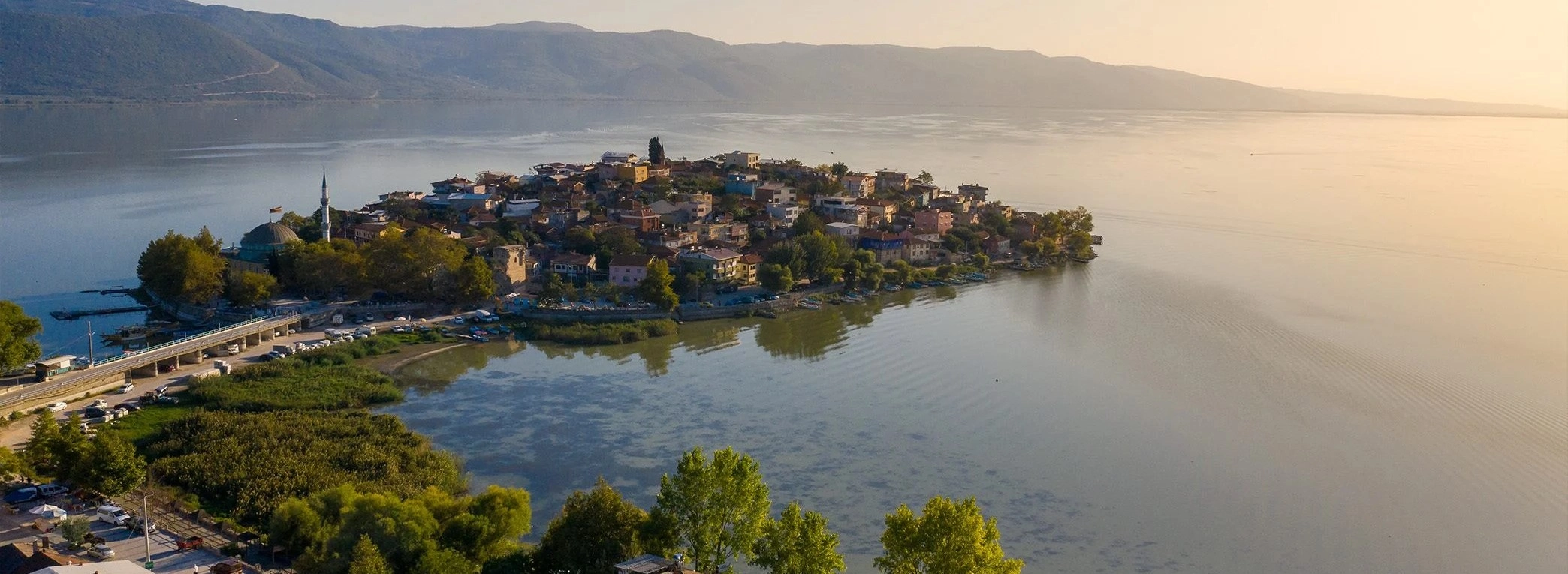
Discover the ancient settlement of Apollonia ad Rhyndacum, Gölyazı's historic streets, St. Panteleimon Church, Ağlayan Çınar, archaeological remains, fishing traditions and the beautiful wetland landscapes of Lake Uluabat.
Request This Tour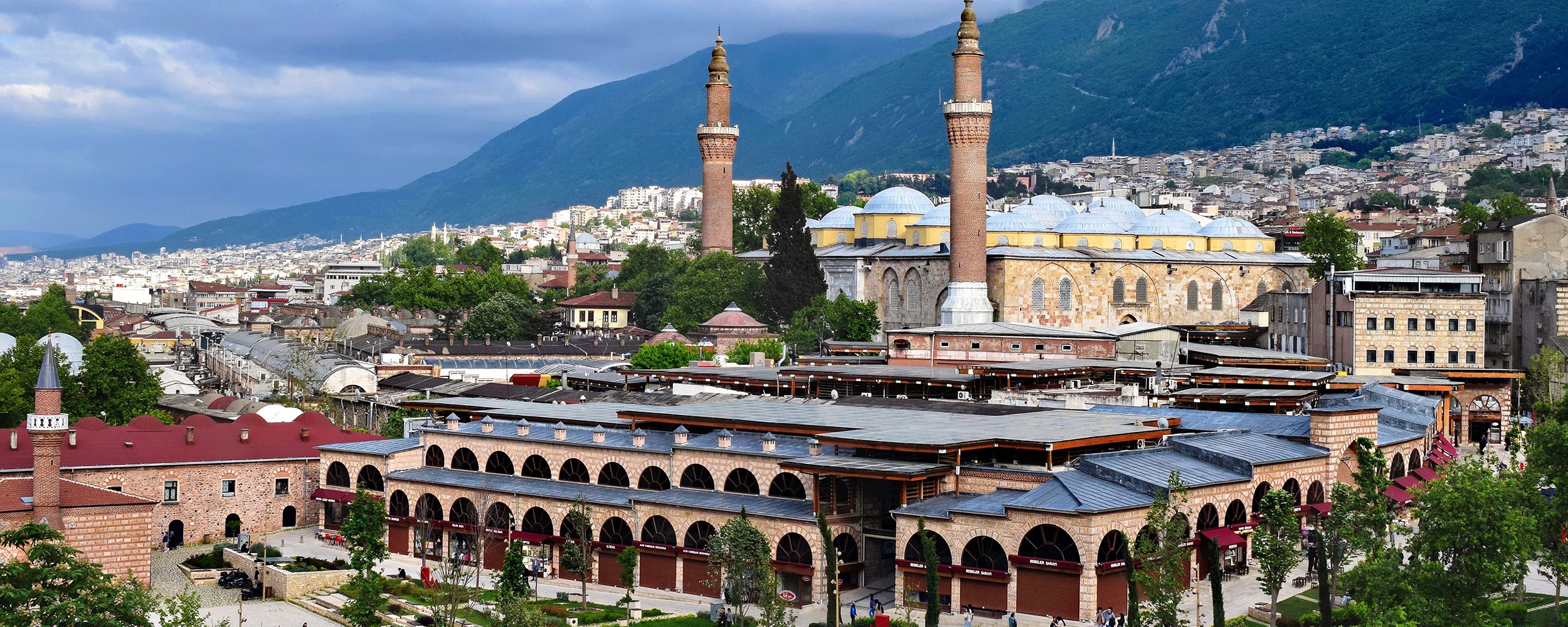
Experience two very different sides of Bursa in one private journey: the monumental Ottoman heritage of the historic city centre and the ancient lakeside settlement of Gölyazı surrounded by the waters and wetlands of Lake Uluabat.
Design Your JourneyConnect Bursa and Gölyazı with the wider archaeological, cultural and natural heritage of Türkiye.
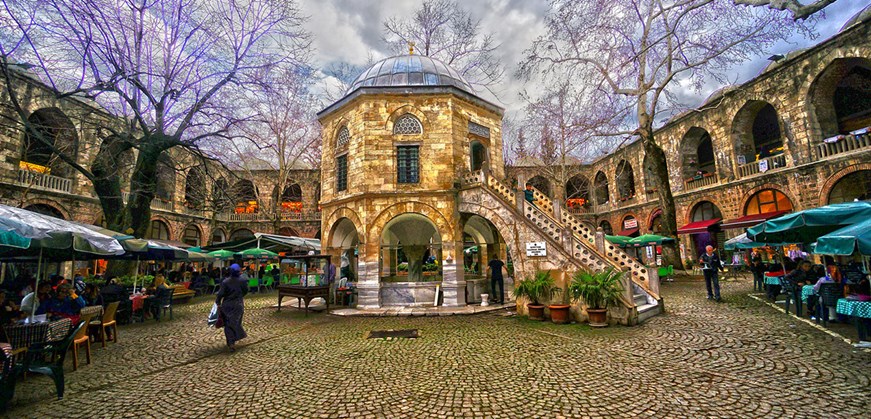
Travel through Istanbul, Bursa, Safranbolu, Hattusha, Cappadocia, Mount Nemrut, Şanlıurfa, Ephesus, Pamukkale, Pergamon, Troy and Gallipoli.
View Tour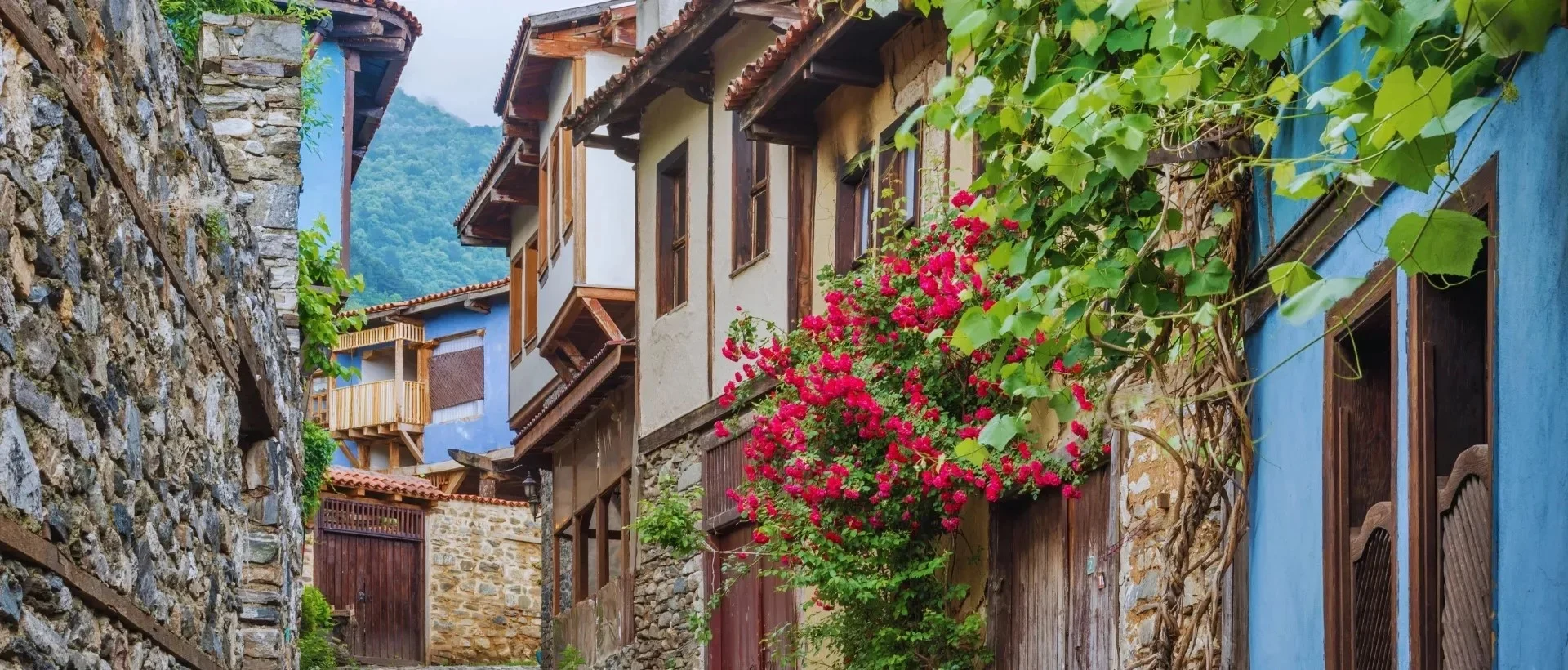
Build a private programme combining Gölyazı and Lake Uluabat, Cumalıkızık, Bursa's imperial külliyes, historic bazaars, traditional neighbourhoods, local cuisine and the remarkable cultural landscapes surrounding the city.
Design Your Journey