The location
Place the remains in the wider Historic Keskin landscape without attributing unsupported ancient names.






Ceritkale Rock Tombs is part of Kırıkkale Province, in the Historic Keskin area. Its particular interest is ancient funerary remains in rocky country.
Ceritkale is in the Keskin hinterland; official district descriptions place rock-cut remains in a valley several kilometres from the village, on the east-facing slopes.
Historic Keskin — one of Kırıkkale's distinct regional routes.
Ancient funerary remains in rocky country
The historical or cultural evidence for Ceritkale Rock Tombs should be read alongside its known regional setting rather than replacing it with a legend or unverified date.
Remote rock-cut sites may lack maintained paths and guardrails; do not enter unstable cavities or cross private land without permission.
Only documented or explicitly qualified visiting information is included.
Historic Keskin, Kırıkkale Province, Türkiye
Archaeology and historic sites
Kırıkkale Provincial Culture Directorate – Keskin district
Remote rock-cut sites may lack maintained paths and guardrails; do not enter unstable cavities or cross private land without permission.
The historic record for Ceritkale Rock Tombs requires care in separating documented statements from later interpretation.
Provincial descriptions attribute the rock-cut settlement or funerary landscape broadly to the Roman period. This is a regional archaeological attribution, not a precise date established for each opening.
Keskin is an old market and cultural district south of the present provincial centre. Red Ankara stone buildings, late Ottoman commercial and public architecture, rock-cut remains and the Abdal–bozlak music tradition are different chapters in its long local history.
Look for the relationship between cut chambers, slope orientation and the surrounding valley. Use the term rock tomb where a funerary interpretation is supported, without treating all hollowed surfaces as tombs.
Key local details, historical evidence and practical considerations.
Place the remains in the wider Historic Keskin landscape without attributing unsupported ancient names.
Provincial descriptions attribute the rock-cut settlement or funerary landscape broadly to the Roman period. This is a regional archaeological attribution, not a precise date established for each opening.
Look for the relationship between cut chambers, slope orientation and the surrounding valley. Use the term rock tomb where a funerary interpretation is supported, without treating all hollowed surfaces as tombs.
Published archaeological research does not imply public entry to excavation trenches or closed interiors.
The presence of ruins at Ceritkale Rock Tombs does not identify an ancient ruler or precise building date without supporting excavation or epigraphic evidence.
Understand the site within Historic Keskin and compare it with other archaeological entries only where the chronology is genuinely related.
Look for the relationship between cut chambers, slope orientation and the surrounding valley. Use the term rock tomb where a funerary interpretation is supported, without treating all hollowed surfaces as tombs.
This is also an opportunity to place Historic Keskin within a regional travel itinerary without confusing an ancient site, sacred building, contemporary recreation facility or living food tradition with another type of experience.
The most reliable material for Ceritkale Rock Tombs comes from the listed documentary sources and the actual features they describe.
Recognise the particular history of Historic Keskin, not an interchangeable Anatolian landmark.
Look for the relationship between cut chambers, slope orientation and the surrounding valley. Use the term rock tomb where a funerary interpretation is supported, without treating all hollowed surfaces as tombs.
Remote rock-cut sites may lack maintained paths and guardrails; do not enter unstable cavities or cross private land without permission.
Remote rock-cut sites may lack maintained paths and guardrails; do not enter unstable cavities or cross private land without permission.
Remote rock-cut sites may lack maintained paths and guardrails; do not enter unstable cavities or cross private land without permission.
Keskin is an old market and cultural district south of the present provincial centre. Red Ankara stone buildings, late Ottoman commercial and public architecture, rock-cut remains and the Abdal–bozlak music tradition are different chapters in its long local history.
This location may be sacred, a home, active infrastructure, an archaeological area or a working landscape. Check who administers Ceritkale Rock Tombs before treating it as an unrestricted visitor attraction.
Remote rock-cut sites may lack maintained paths and guardrails; do not enter unstable cavities or cross private land without permission.
Do not climb historic masonry, move stones, enter unsafe chambers or cross barriers.
Construction, rebuilding and later use may be several different episodes.
Active religious sites, schools and private buildings require special respect.
Historic significance does not imply that every building has public opening hours.
Readers interested in how Ceritkale Rock Tombs connects to the larger story of Kırıkkale.
Travellers who want a grounded account of the Historic Keskin region rather than a checklist of generic Turkish attractions.
The details at Ceritkale Rock Tombs reward visitors who want to recognise its locally documented features rather than relying on generic photographs.
Remote rock-cut sites may lack maintained paths and guardrails; do not enter unstable cavities or cross private land without permission.
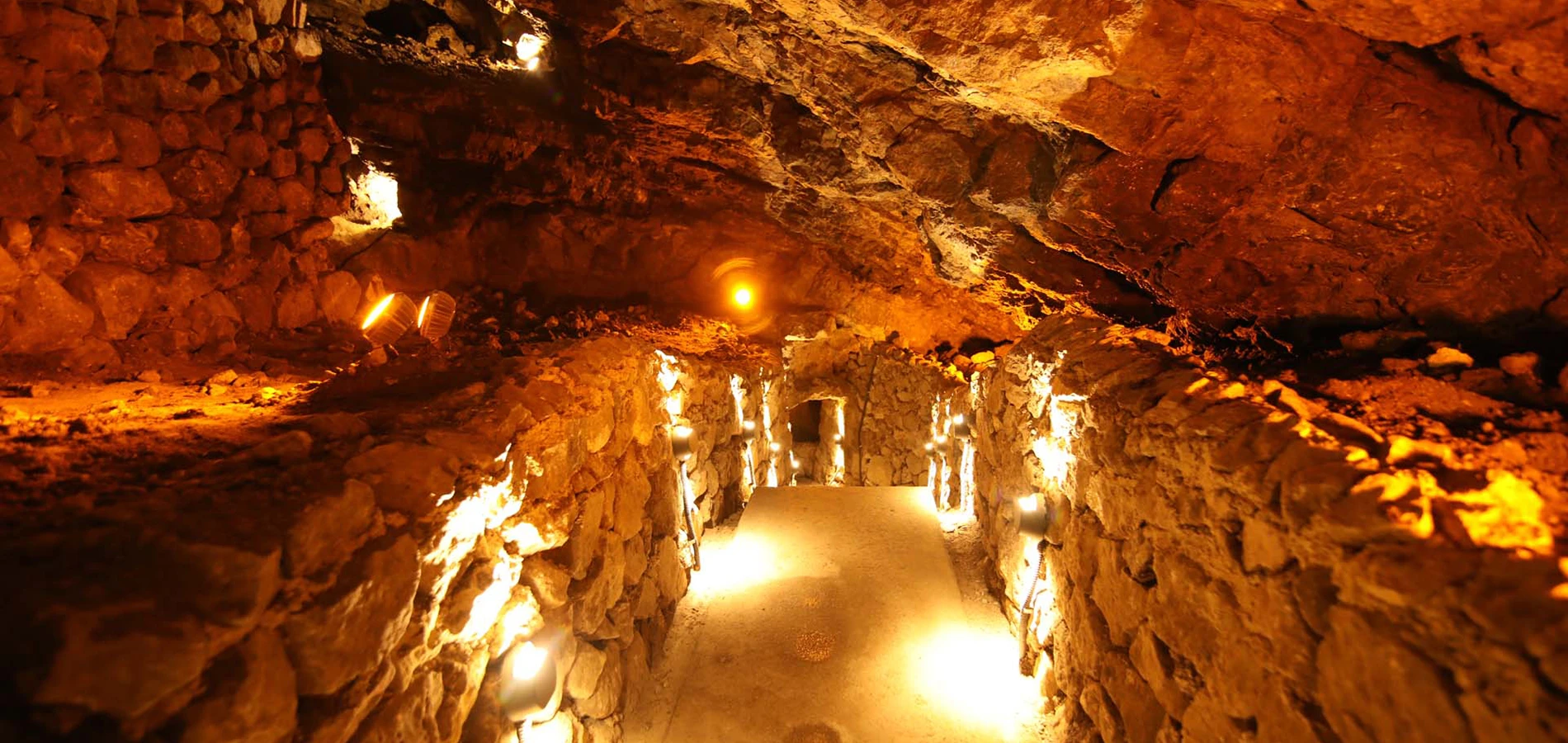
Natural passages and traces of human modification
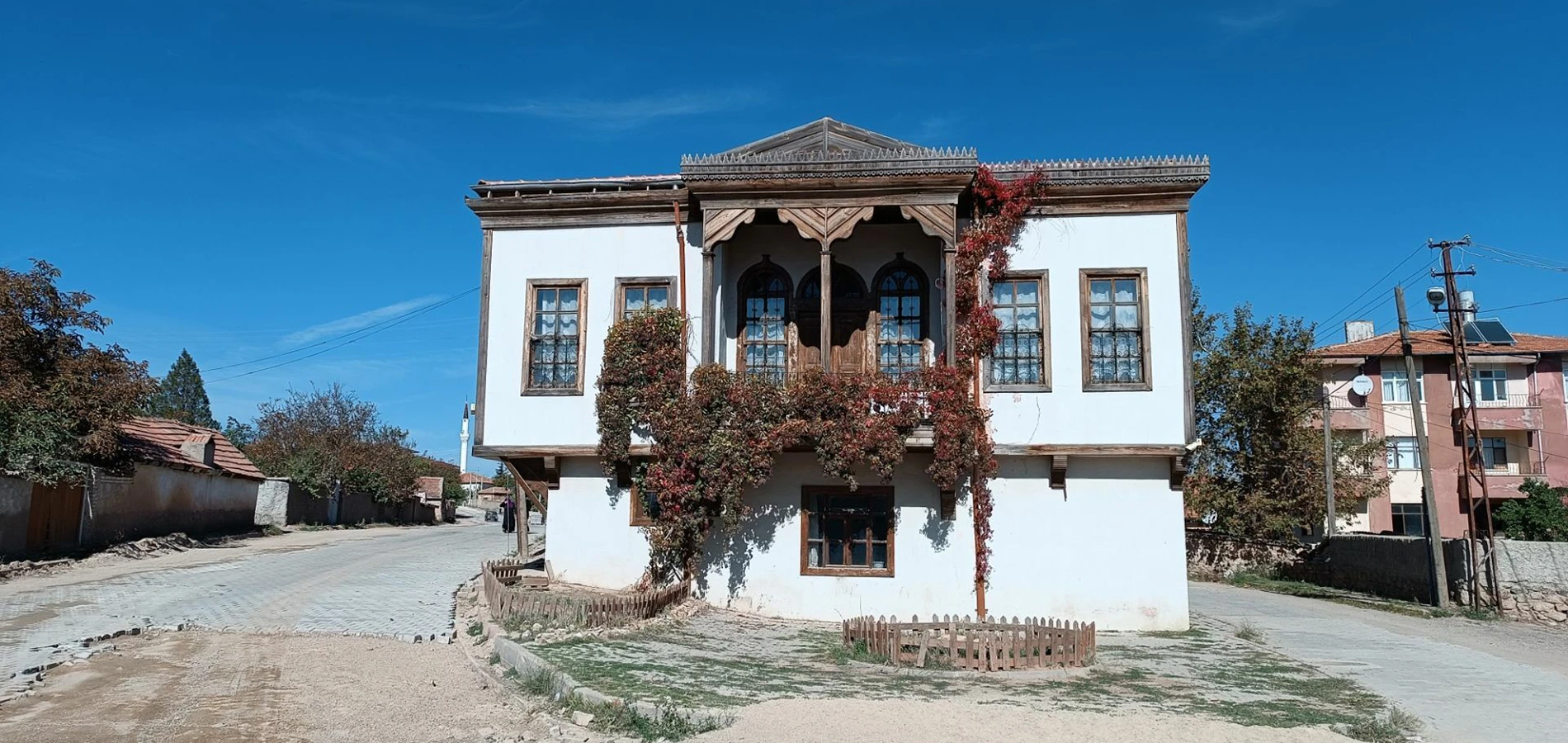
Traditional townscape beyond the industrial city
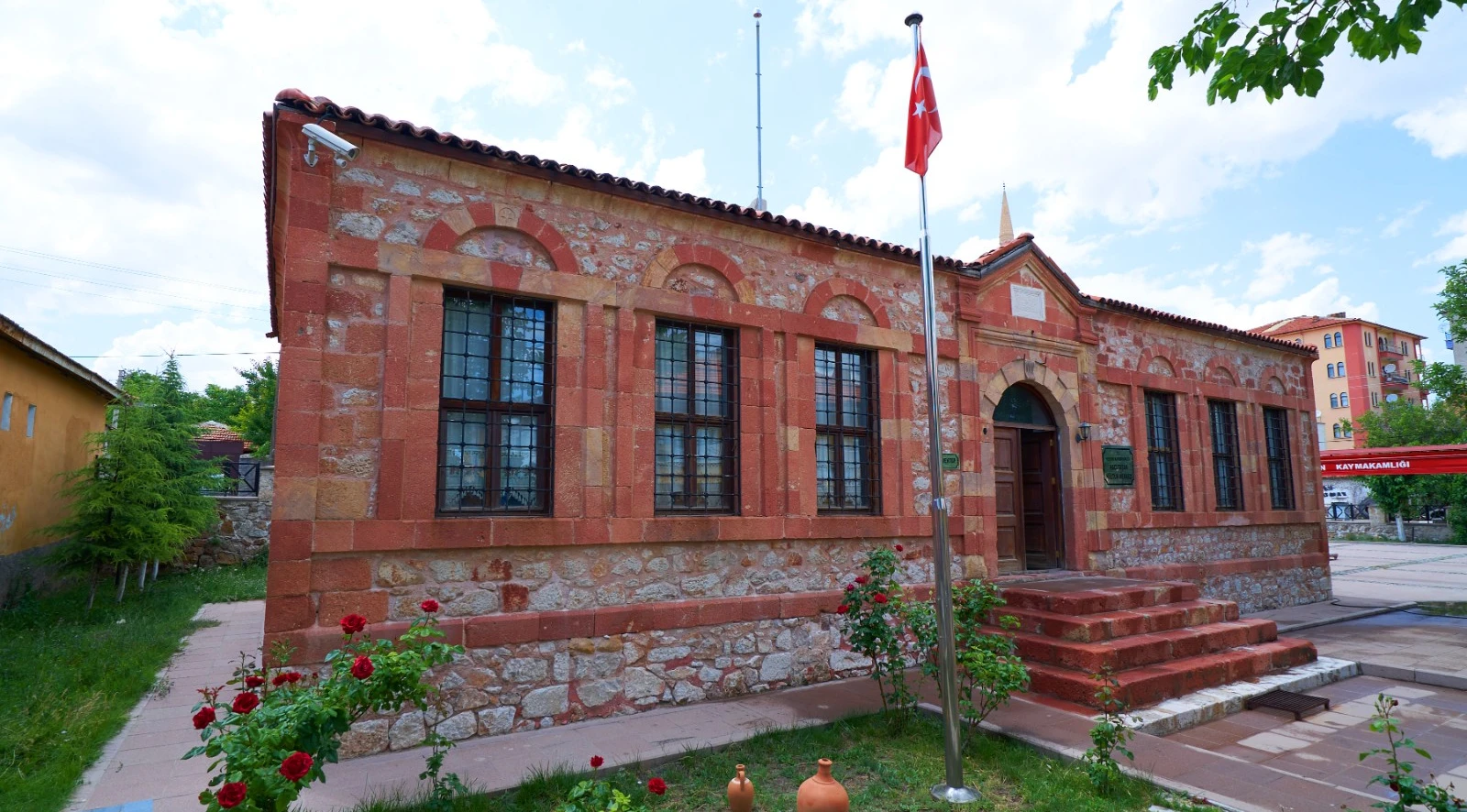
Where stone architecture meets the bozlak tradition
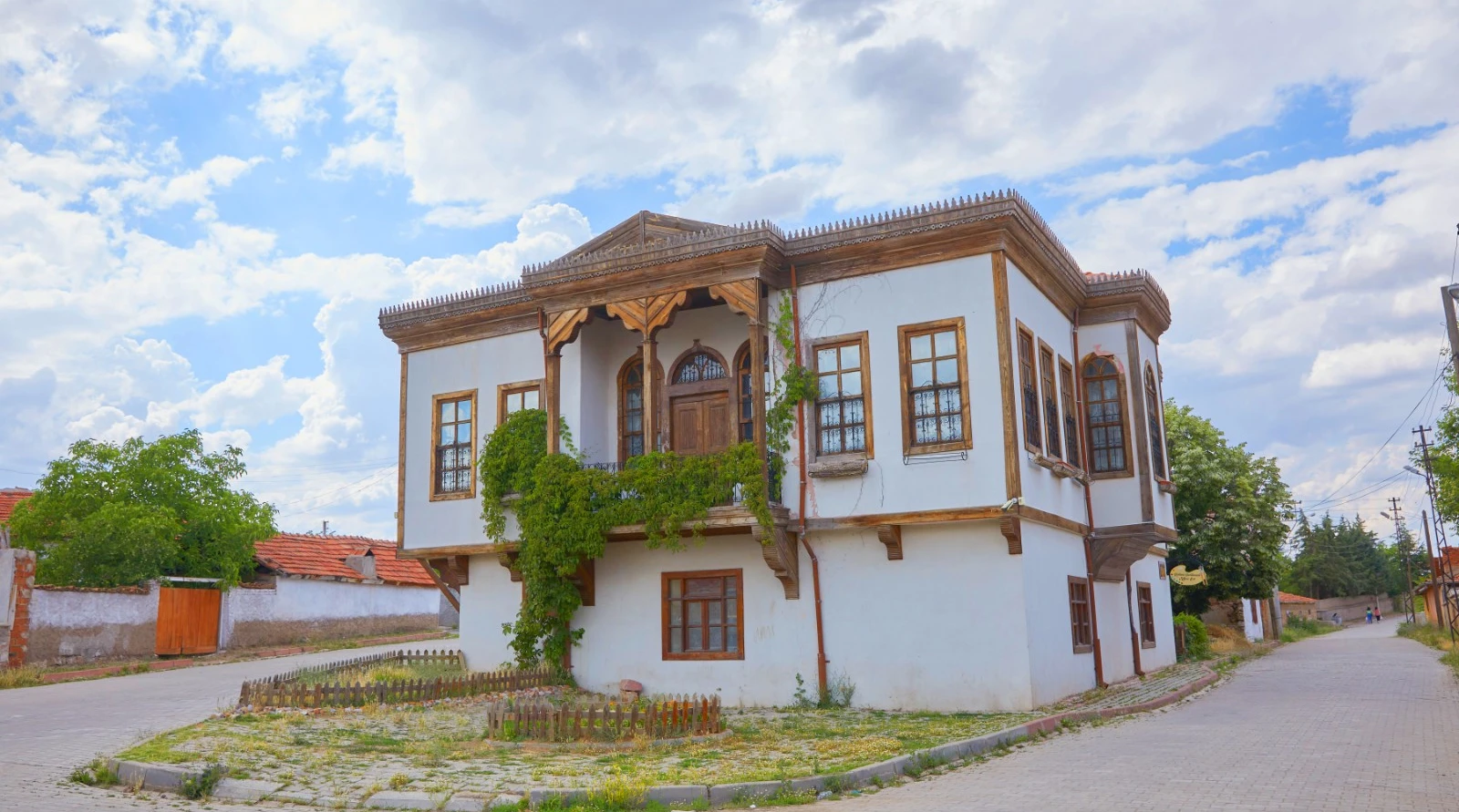
The artistic heritage of the “Painter of Kings”
Ceritkale is in the Keskin hinterland; official district descriptions place rock-cut remains in a valley several kilometres from the village, on the east-facing slopes.
Provincial descriptions attribute the rock-cut settlement or funerary landscape broadly to the Roman period. This is a regional archaeological attribution, not a precise date established for each opening.
Look for the relationship between cut chambers, slope orientation and the surrounding valley. Use the term rock tomb where a funerary interpretation is supported, without treating all hollowed surfaces as tombs.
Remote rock-cut sites may lack maintained paths and guardrails; do not enter unstable cavities or cross private land without permission.
The site or tradition is associated with the Historic Keskin area of Kırıkkale Province, Türkiye. Use local wayfinding and verify the present venue before setting out.
Look for the relationship between cut chambers, slope orientation and the surrounding valley. Use the term rock tomb where a funerary interpretation is supported, without treating all hollowed surfaces as tombs.
Remote rock-cut sites may lack maintained paths and guardrails; do not enter unstable cavities or cross private land without permission.
Topic-specific official or archival documentation was consulted, although uncertain details remain.
The research record for Ceritkale Rock Tombs is anchored in the specific public sources linked here; where a publication gives no exact dates or visiting guarantees, none are added.