Sacred and architectural heritage · Ermenek & Taşeli

Balkusan Tomb & Karamanid Heritage – Complete Travel Guide

A remembered dynastic landscape. Explore the heritage and character of Karaman.

Discover Balkusan Tomb & Karamanid Heritage

Discover Balkusan Tomb & Karamanid Heritage

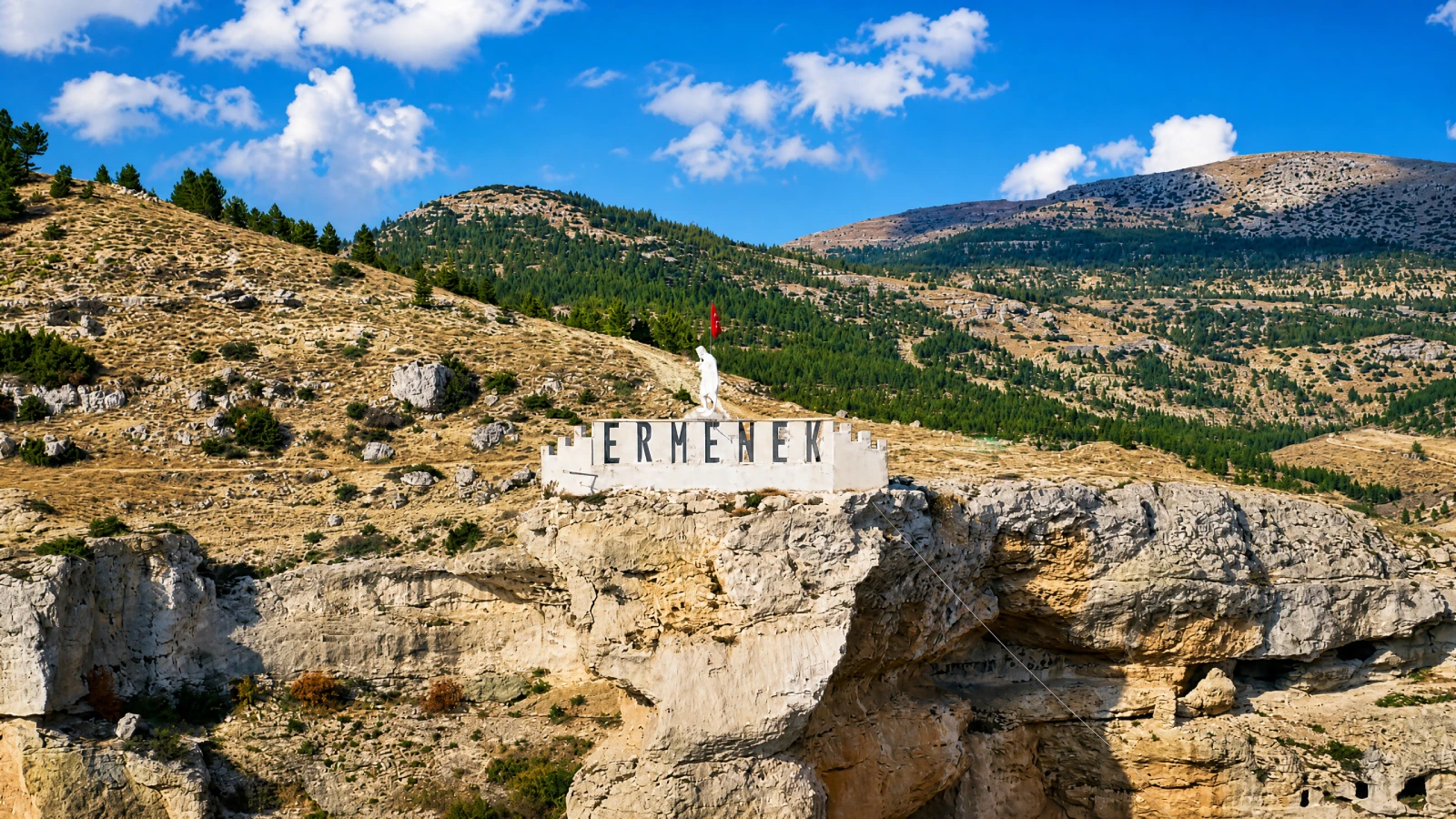
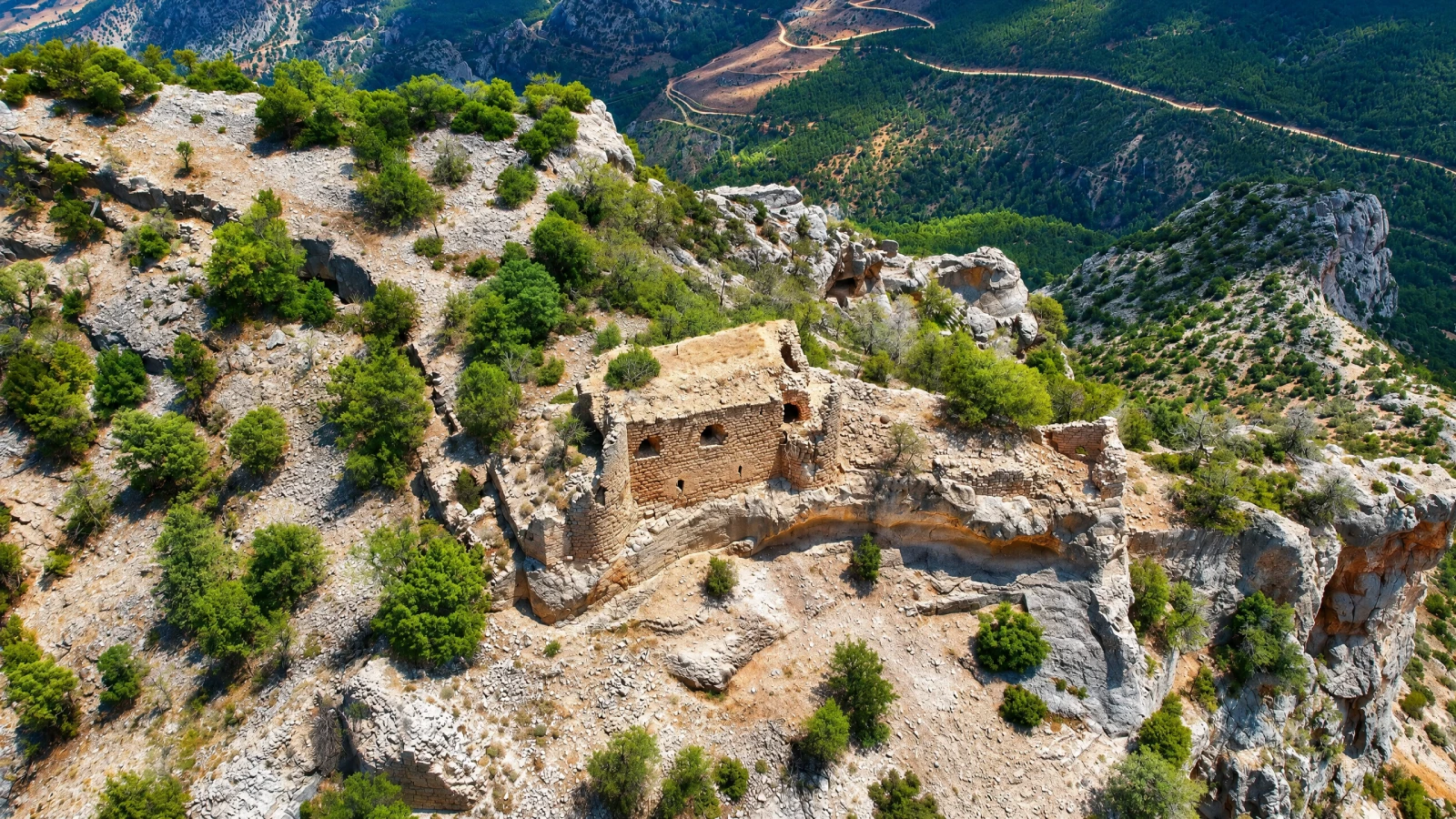
Balkusan Tomb & Karamanid Heritage is part of the mountainous Ermenek–Taşeli region, historically distinct from the flatter landscape near the provincial capital. Balkusan village near Ermenek preserves a dynastic tomb traditionally associated with the Karamanid founders and the memory of Karaman Bey and Mehmed Bey.

The monument is important because the Karamanid story began in the Taşeli hinterland before the dynasty’s wider power became associated with Karaman and Konya.

Understand a religious site through its architecture, patrons, community traditions and changing use.

Heritage

Balkusan village near Ermenek preserves a dynastic tomb traditionally associated with the Karamanid founders and the memory of Karaman Bey and Mehmed Bey.

Visible Features

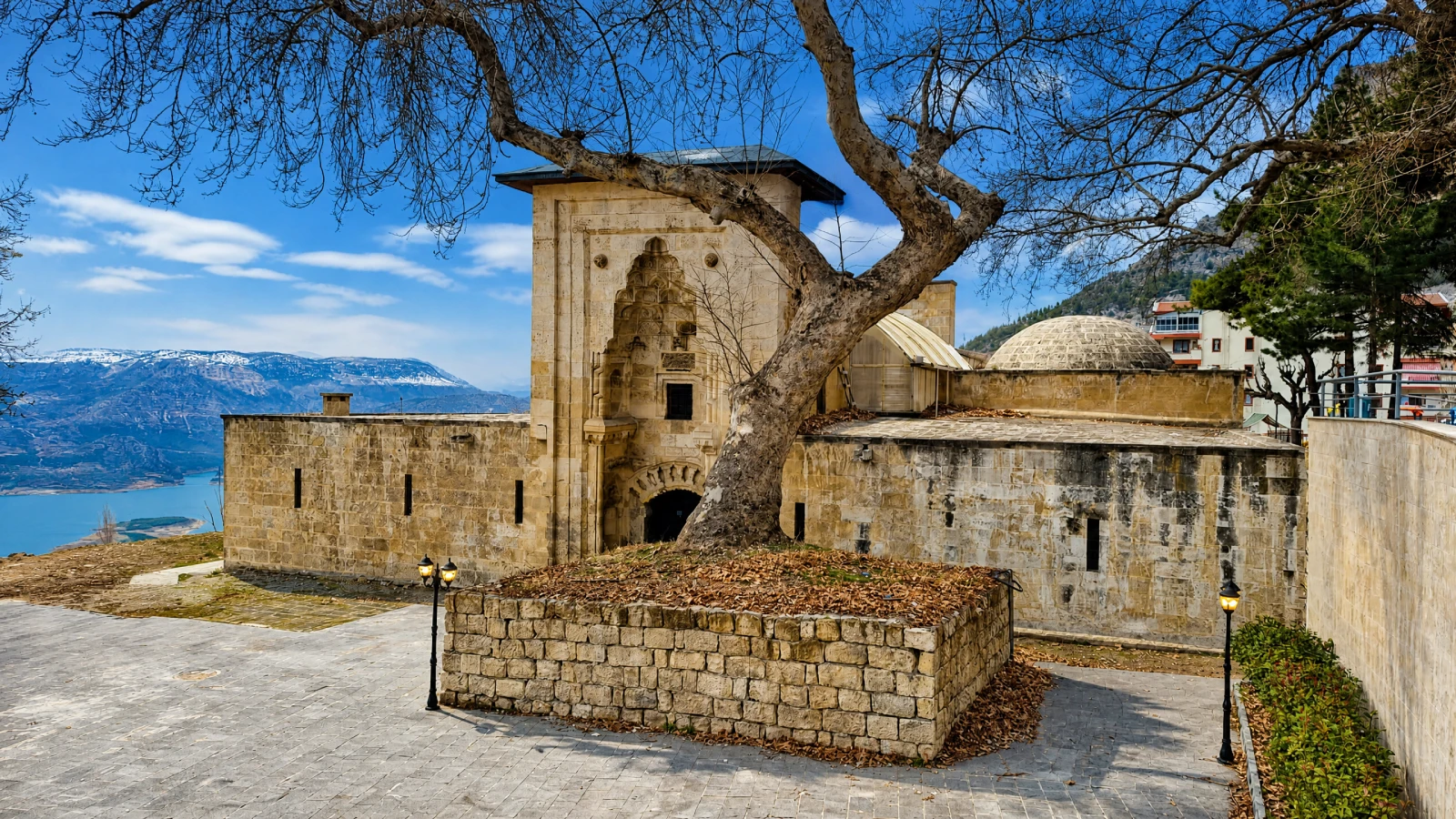
Regional accounts describe the tomb as the remaining structure of a wider former complex and note cut stone, a domed burial chamber and a vaulted entrance or prayer space.

Local Connections

The monument is important because the Karamanid story began in the Taşeli hinterland before the dynasty’s wider power became associated with Karaman and Konya.

Plan Carefully

Dynastic attributions and restoration phases should be distinguished, and access to a village shrine confirmed beforehand.

Plan and understand

Balkusan Tomb & Karamanid Heritage – Essential Monument Facts

Key facts, distinguishing characteristics and access considerations.

📍

Location / Region

Ermenek & Taşeli, Karaman Province, Türkiye

🏛️

Known For

A remembered dynastic landscape

🔎

Principal Evidence

Regional accounts describe the tomb as the remaining structure of a wider former complex and note cut stone, a domed burial chamber and a vaulted entrance or prayer space.

ℹ️

Access Note

Dynastic attributions and restoration phases should be distinguished, and access to a village shrine confirmed beforehand.


Heritage and background

History, Faith & Architecture: Balkusan Tomb & Karamanid Heritage

A carefully contextualised introduction, distinguishing the evidence from later interpretation.

Balkusan village near Ermenek preserves a dynastic tomb traditionally associated with the Karamanid founders and the memory of Karaman Bey and Mehmed Bey.

Regional accounts describe the tomb as the remaining structure of a wider former complex and note cut stone, a domed burial chamber and a vaulted entrance or prayer space.

The monument is important because the Karamanid story began in the Taşeli hinterland before the dynasty’s wider power became associated with Karaman and Konya.

The histories of religious buildings are often layered. A foundation may be associated with a named patron while later repairs, restorations and changing patterns of worship alter what a visitor sees today.

Treat local sacred memory as significant historical evidence of devotion, while distinguishing it from inscriptions or archaeological conclusions where the sources differ.


Architecture, Patronage & Devotional Life

Explore six complementary ways to understand this Karaman subject, from its characteristic details to its wider setting.

Historical or Cultural Character

Balkusan village near Ermenek preserves a dynastic tomb traditionally associated with the Karamanid founders and the memory of Karaman Bey and Mehmed Bey.

  • Remember: Interpret the subject in its historical, cultural and local context.

Details Worth Noticing

Regional accounts describe the tomb as the remaining structure of a wider former complex and note cut stone, a domed burial chamber and a vaulted entrance or prayer space.

  • Remember: Interpret the subject in its historical, cultural and local context.

Wider Karaman Connections

The monument is important because the Karamanid story began in the Taşeli hinterland before the dynasty’s wider power became associated with Karaman and Konya.

  • Remember: Interpret the subject in its historical, cultural and local context.

How to Interpret the Evidence

The histories of religious buildings are often layered. A foundation may be associated with a named patron while later repairs, restorations and changing patterns of worship alter what a visitor sees today.

  • Remember: Interpret the subject in its historical, cultural and local context.

What Makes It Distinctive

A remembered dynastic landscape. Treat local sacred memory as significant historical evidence of devotion, while distinguishing it from inscriptions or archaeological conclusions where the sources differ.

  • Remember: Interpret the subject in its historical, cultural and local context.

Access and Preservation

Dynastic attributions and restoration phases should be distinguished, and access to a village shrine confirmed beforehand.

  • Remember: Interpret the subject in its historical, cultural and local context.

Why This Monument Matters

Balkusan village near Ermenek preserves a dynastic tomb traditionally associated with the Karamanid founders and the memory of Karaman Bey and Mehmed Bey.

The monument is important because the Karamanid story began in the Taşeli hinterland before the dynasty’s wider power became associated with Karaman and Konya.

A Distinctive Karaman Story

Balkusan village near Ermenek preserves a dynastic tomb traditionally associated with the Karamanid founders and the memory of Karaman Bey and Mehmed Bey.

Connections Across the Region

The monument is important because the Karamanid story began in the Taşeli hinterland before the dynasty’s wider power became associated with Karaman and Konya.

What Research Can Tell Us

The histories of religious buildings are often layered. A foundation may be associated with a named patron while later repairs, restorations and changing patterns of worship alter what a visitor sees today.

What Remains Uncertain

Dynastic attributions and restoration phases should be distinguished, and access to a village shrine confirmed beforehand.

Getting There & Respectful Access

Dynastic attributions and restoration phases should be distinguished, and access to a village shrine confirmed beforehand.

The subject is connected with the mountainous Ermenek–Taşeli region, historically distinct from the flatter landscape near the provincial capital. Where the location is in mountainous, rural or protected terrain, travel times and safe access can differ from a map's straight-line distance. Conditions should be checked with local authorities or the relevant producer before travel.

Where It Belongs

Ermenek & Taşeli in Karaman Province, Türkiye

What to Confirm

Dynastic attributions and restoration phases should be distinguished, and access to a village shrine confirmed beforehand.

Before Setting Out

Check access, ownership, seasonal conditions, transport and available visitor facilities. No unverified ticket price or opening time is stated here.

A Sensible Approach

Treat rural routes, heritage structures and local workspaces with care. A viewpoint or local introduction may be preferable to entering restricted areas.

Respectful Visitor Guidance

Observe worship etiquette

Dress and act respectfully, especially when a site is an active mosque or shrine.

Ask about photography

Photography of interiors, worshippers and sacred spaces may be restricted.

Look for later changes

Restoration and adaptive reuse are part of the building’s story.

Plan around services

Visiting arrangements can vary at prayer and event times.

Who Should Discover This Place?

Curious Visitors

Explore why Balkusan Tomb & Karamanid Heritage matters within the wider story of Karaman and south-central Anatolia.

Culture and Community

The monument is important because the Karamanid story began in the Taşeli hinterland before the dynasty’s wider power became associated with Karaman and Konya.

Photography and Detail

Regional accounts describe the tomb as the remaining structure of a wider former complex and note cut stone, a domed burial chamber and a vaulted entrance or prayer space.

Thoughtful Independent Travellers

Especially rewarding for visitors happy to check local information and adapt plans to the conditions on site.

Frequently Asked Questions about Balkusan Tomb & Karamanid Heritage

Where is Balkusan Tomb & Karamanid Heritage?

The subject belongs to Ermenek & Taşeli in Karaman Province, Türkiye. Confirm the exact approach or producer location rather than relying only on a map pin.

What makes Balkusan Tomb & Karamanid Heritage significant?

Balkusan village near Ermenek preserves a dynastic tomb traditionally associated with the Karamanid founders and the memory of Karaman Bey and Mehmed Bey.

What should I pay attention to?

Regional accounts describe the tomb as the remaining structure of a wider former complex and note cut stone, a domed burial chamber and a vaulted entrance or prayer space.

What other Karaman places fit with this topic?

The monument is important because the Karamanid story began in the Taşeli hinterland before the dynasty’s wider power became associated with Karaman and Konya.

Is it possible to visit at any time?

Dynastic attributions and restoration phases should be distinguished, and access to a village shrine confirmed beforehand.

How should I plan my visit?

Verify on-the-ground conditions, permission and seasonal factors; take a flexible approach rather than assuming all sites have staffed visitor facilities.

Architectural Photography & Etiquette

Use photography to explain character and context; never treat unsafe access or inaccurate images as a substitute for observation.

Wider Setting

Show the connection between Balkusan Tomb & Karamanid Heritage and the mountainous Ermenek–Taşeli region, historically distinct from the flatter landscape near the provincial capital rather than cropping away all surroundings.

Characteristic Detail

Regional accounts describe the tomb as the remaining structure of a wider former complex and note cut stone, a domed burial chamber and a vaulted entrance or prayer space.

A Human Scale

Where appropriate, show how the place or tradition is experienced, without disturbing local residents or workers.

Historical Context

The monument is important because the Karamanid story began in the Taşeli hinterland before the dynasty’s wider power became associated with Karaman and Konya.

Respect for Heritage

Dynastic attributions and restoration phases should be distinguished, and access to a village shrine confirmed beforehand.

Light & Season

Soft natural light and a patient viewpoint can communicate texture and setting without entering fragile or private areas.

Planning Around Religious Use

Dynastic attributions and restoration phases should be distinguished, and access to a village shrine confirmed beforehand.

Weekdays

Quieter periods may be easier for architecture-focused visits; never assume unrestricted access.

Prayer or services

Religious activities always take priority over tourism.

Seasonal conditions

Stone buildings, exterior courtyards and hilltop monuments may be less comfortable in extreme weather.

Before travel

Check conservation works, opening and any special religious dates locally.

Discover Karaman Sacred Heritage

The monument is important because the Karamanid story began in the Taşeli hinterland before the dynasty’s wider power became associated with Karaman and Konya.

For a more meaningful visit, start with the main subject and follow the connected local story: landscape, settlement, architecture, or the people behind a regional dish. Avoid collecting distant stops in a single day without considering driving, weather, permissions and opening conditions.

Evidence, Historical Context & Further Reading

The histories of religious buildings are often layered. A foundation may be associated with a named patron while later repairs, restorations and changing patterns of worship alter what a visitor sees today.

Treat local sacred memory as significant historical evidence of devotion, while distinguishing it from inscriptions or archaeological conclusions where the sources differ.

The linked resource is an editorial starting point rather than a claim that every aspect of this page has been independently verified. For contested identifications, archaeological interpretation, active worship, food registration and access, more recent primary records may supersede older descriptions.

Source to consult: Karaman heritage / subject-specific reference. Official local resource: Karaman Provincial Directorate of Culture and Tourism.