Request a Private Uşak Programme
We can discuss regional heritage and food experiences; individual access and tastings must be confirmed in advance.
Contact Wow Cappadocia





The Uşak landscape connects the closing phase of the Turkish War of Independence with places of remembrance, civilian experience and military movement. The city is best explored as a network of locations rather than a single battlefield monument.
After the Great Offensive began on 26 August 1922, Turkish forces advanced westward. Local official histories describe the liberation of Uşak in early September; the city marks 1 September, while detailed narratives describe the fighting and consolidation across 1–2 September. Greek General Nikolaos Trikoupis surrendered in the Göğem area on 2 September 1922. The account must distinguish his capture from the later formal appointment often described in popular summaries.
The decisive westward operation began in late August 1922.
Associated with the surrender of General Trikoupis.
Interpret local civilian and political history.
Separate contemporary events from later commemorations.
Essential context for curious visitors and local food enthusiasts.
Uşak city and Göğem district landscape
War of Independence heritage
Great Offensive
Associated with the surrender of General Trikoupis.
Plan around public access and road conditions.
Confirm local arrangements and individual variations.
The Uşak landscape connects the closing phase of the Turkish War of Independence with places of remembrance, civilian experience and military movement. The city is best explored as a network of locations rather than a single battlefield monument.
Official provincial narratives, memoirs and historical research do not always use the same phrasing for the date of liberation. A responsible visitor can acknowledge that complexity without diminishing the importance of the events.
Memorials and museum collections reveal different kinds of evidence: maps explain movement, preserved buildings provide context and monuments communicate how later generations remember events.
After the Great Offensive began on 26 August 1922, Turkish forces advanced westward. Local official histories describe the liberation of Uşak in early September; the city marks 1 September, while detailed narratives describe the fighting and consolidation across 1–2 September. Greek General Nikolaos Trikoupis surrendered in the Göğem area on 2 September 1922. The account must distinguish his capture from the later formal appointment often described in popular summaries.
Official provincial narratives, memoirs and historical research do not always use the same phrasing for the date of liberation. A responsible visitor can acknowledge that complexity without diminishing the importance of the events.
Memorials and museum collections reveal different kinds of evidence: maps explain movement, preserved buildings provide context and monuments communicate how later generations remember events.
Compare the distinctive elements below with other Uşak traditions. Similar names elsewhere do not always indicate identical ingredients, techniques or historical origins.
The decisive westward operation began in late August 1922.
In Uşak War of Independence Sites, great offensive is worth examining in relation to the whole setting. Observe from permitted ground and distinguish visible fabric from later repair or interpretation.
Associated with the surrender of General Trikoupis.
In Uşak War of Independence Sites, göğem area is worth examining in relation to the whole setting. Observe from permitted ground and distinguish visible fabric from later repair or interpretation.
Interpret local civilian and political history.
In Uşak War of Independence Sites, city museums is worth examining in relation to the whole setting. Observe from permitted ground and distinguish visible fabric from later repair or interpretation.
Separate contemporary events from later commemorations.
In Uşak War of Independence Sites, memory and evidence is worth examining in relation to the whole setting. Observe from permitted ground and distinguish visible fabric from later repair or interpretation.
The following is a practical cultural outline, not a claim that every household or site follows an identical procedure.
Start with Uşak’s city-history and Atatürk/ethnography museum interpretation, checking current exhibitions before visiting.
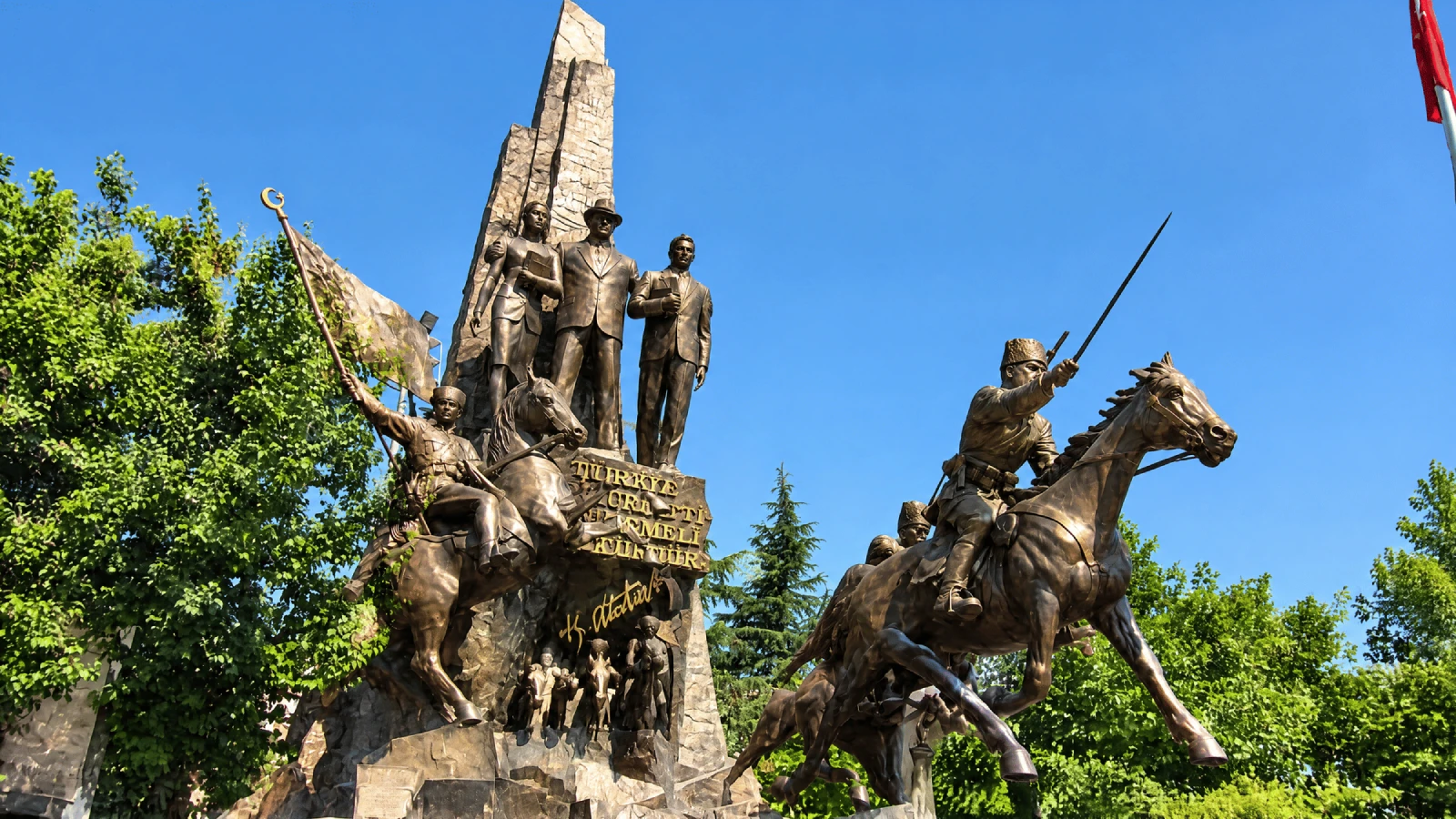
Continue to the Göğem Victory Monument area, which relates to the surrender of Greek officers; respect any memorial restrictions.
Use a map to understand how routes from Afyon, Banaz and Uşak shaped the final advance toward the Aegean.
Read civilian testimonies alongside military accounts, and avoid sensational or one-sided descriptions of suffering.
Official provincial narratives, memoirs and historical research do not always use the same phrasing for the date of liberation. A responsible visitor can acknowledge that complexity without diminishing the importance of the events.
Local terms, production methods and the stories told by residents can be as valuable as the finished photograph. Ask before recording a demonstration or entering privately managed spaces.
Memorials and museum collections reveal different kinds of evidence: maps explain movement, preserved buildings provide context and monuments communicate how later generations remember events.
Notice the relationship between the principal elements rather than judging the subject only by appearance. Differences between families, seasons and preservation conditions deserve attention.
Allow a separate half-day or longer for a multi-stop itinerary, depending on the museums actually open and the condition of rural approaches. Observe ceremonies quietly; do not photograph sensitive memorial activity without permission.
Memorial sites require respectful behaviour; dates should be presented with their historical context.
Choose daylight and suitable weather, allowing enough time for a careful visit. Check whether roads, museum access or public pathways are open before departure.
For a more rewarding experience, combine this topic with related Uşak heritage or cuisine rather than rushing through many unrelated stops.
Locate the relevant area on a current map, then check the final approach with municipal or provincial information. Rural roads and site access can differ from the shortest route shown on a map.
If arranging a private itinerary, tell your guide your interests and accessibility needs in advance. No shopping stops are required.
Explore this related Uşak topic to understand the region in a broader context. Check availability, travel conditions and local access before making a combined itinerary.
Support local craftspeople, farmers and small food producers without treating private homes or working spaces as public attractions. Ask permission before photographing people and leave public spaces clean.
Do not make claims about protected status, historical dates or ingredients without reliable evidence. Check the relevant official register or provincial cultural authority for updated information.
The Uşak landscape connects the closing phase of the Turkish War of Independence with places of remembrance, civilian experience and military movement. The city is best explored as a network of locations rather than a single battlefield monument.
Uşak War of Independence Sites is associated with Uşak city and Göğem district landscape, in the wider Uşak region of western Türkiye.
The decisive westward operation began in late August 1922. Associated with the surrender of General Trikoupis.
Start with Uşak’s city-history and Atatürk/ethnography museum interpretation, checking current exhibitions before visiting. Continue to the Göğem Victory Monument area, which relates to the surrender of Greek officers; respect any memorial restrictions.
Allow a separate half-day or longer for a multi-stop itinerary, depending on the museums actually open and the condition of rural approaches. Observe ceremonies quietly; do not photograph sensitive memorial activity without permission.
Related Uşak topics include Göğem Victory Monument & Pond, Ataturk Ethnography Museum Usak. Check travel and opening conditions before combining places.
Wow Cappadocia / Venere Travel can help design a private itinerary focused on local culture, subject to access and availability. No compulsory shopping stops.
Share your dates, group size and interests for a thoughtful regional route.
We can discuss regional heritage and food experiences; individual access and tastings must be confirmed in advance.
Contact Wow Cappadocia