Setting and religious role
The building or shrine must be read through its local community and present sacred use, rather than as a detached archaeological museum.






Koçubaba Tomb is part of Kırıkkale Province, in the Balışeyh & Highland area. Its particular interest is turkmen and bektashi devotional heritage.
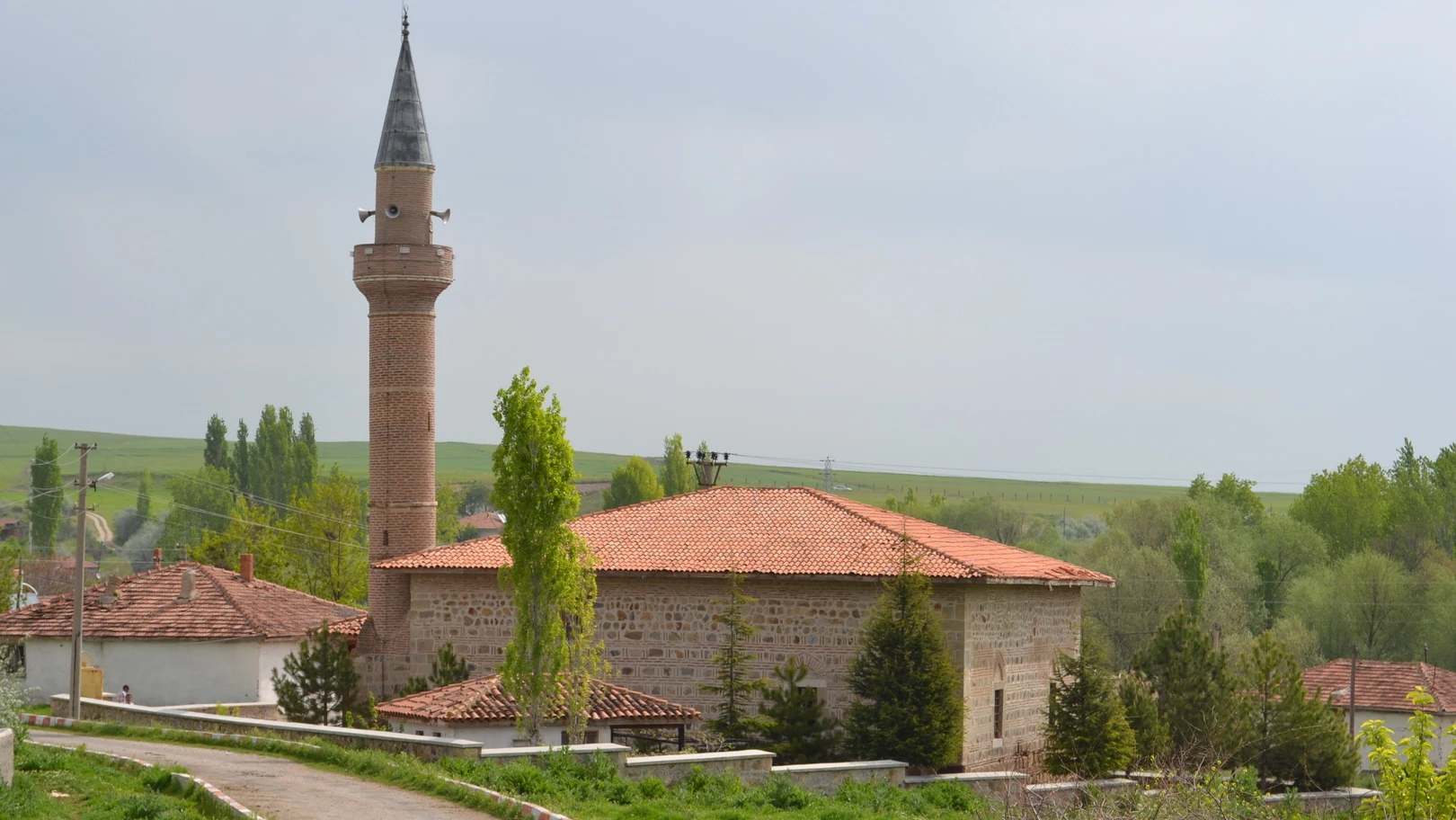
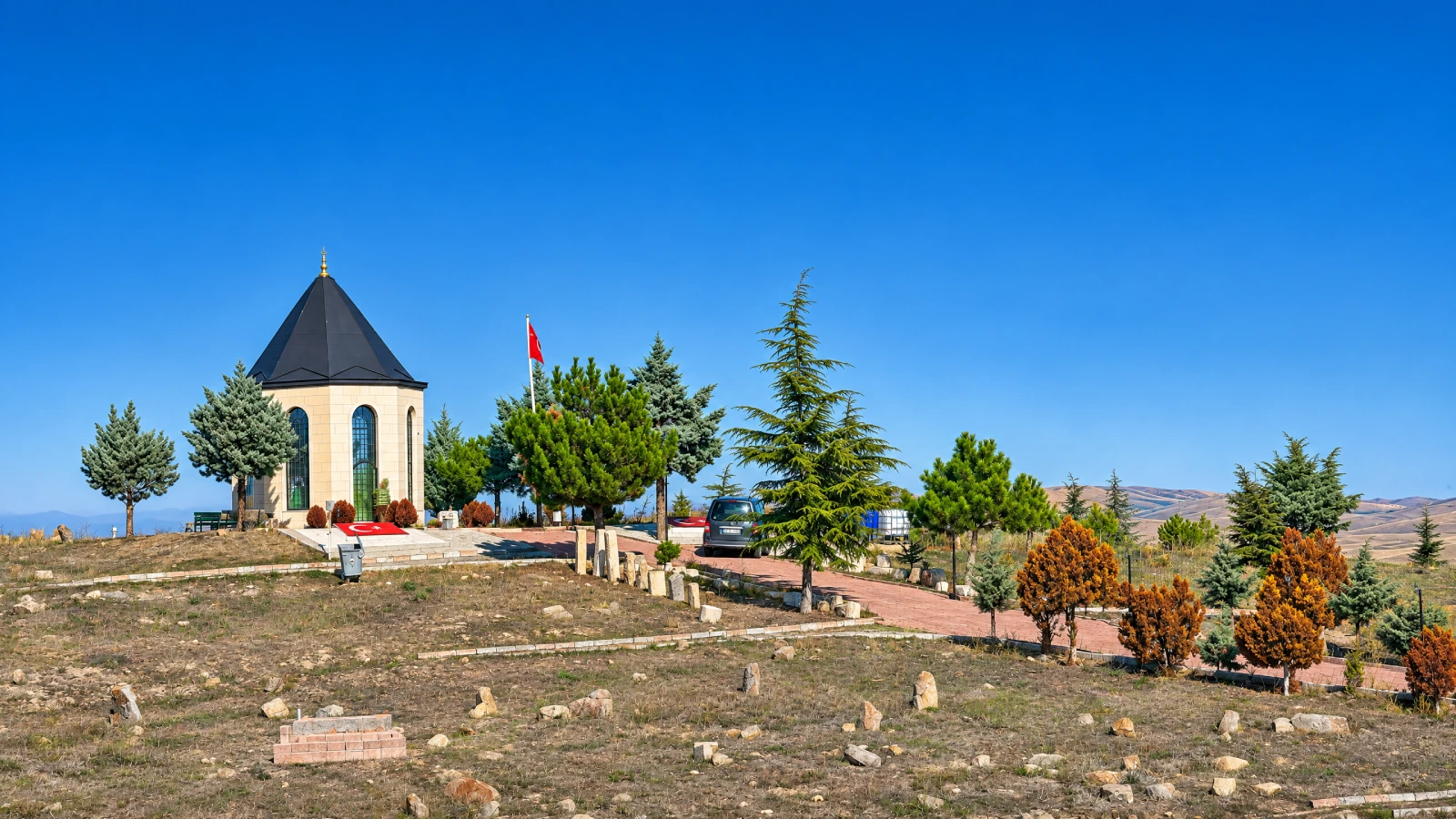
Koçubaba's tomb stands in Koçubaba village in the Balışeyh district and is connected with Turkmen and Alevi-Bektashi devotional traditions.
Balışeyh & Highland — one of Kırıkkale's distinct regional routes.
Turkmen and Bektashi devotional heritage
The historical or cultural evidence for Koçubaba Tomb should be read alongside its known regional setting rather than replacing it with a legend or unverified date.
Respect the tomb's spiritual significance. Access may be different during religious gatherings and the building is not a secular museum.
Only documented or explicitly qualified visiting information is included.
Balışeyh & Highland, Kırıkkale Province, Türkiye
Sacred architecture and community
Kırıkkale Provincial Culture Directorate – Balışeyh district
Respect the tomb's spiritual significance. Access may be different during religious gatherings and the building is not a secular museum.
The historic record for Koçubaba Tomb requires care in separating documented statements from later interpretation.
The provincial district account notes the absence of a construction inscription, so there is no firmly documented foundation date. Architectural characteristics have been compared with the fourteenth and fifteenth centuries.
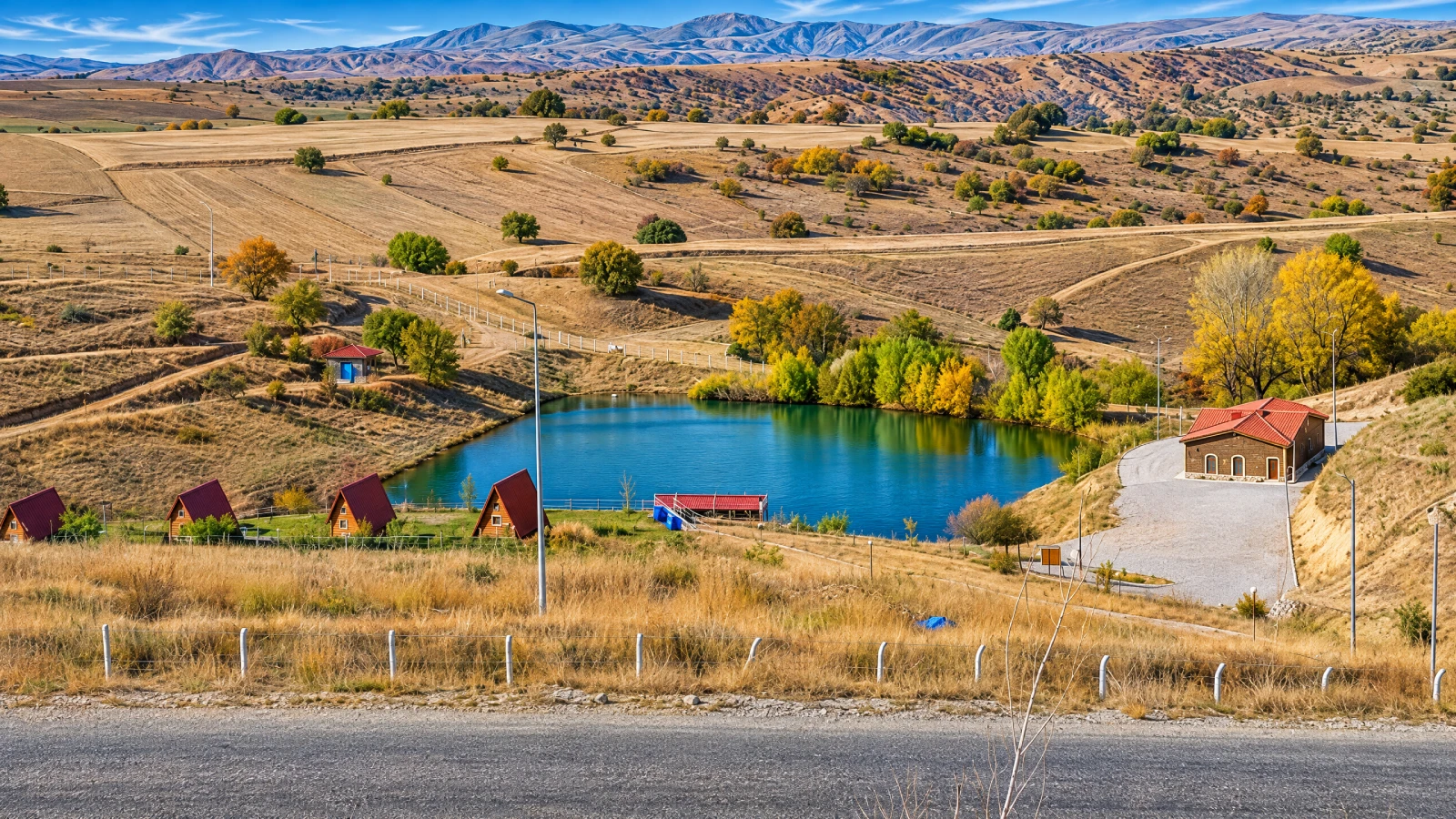
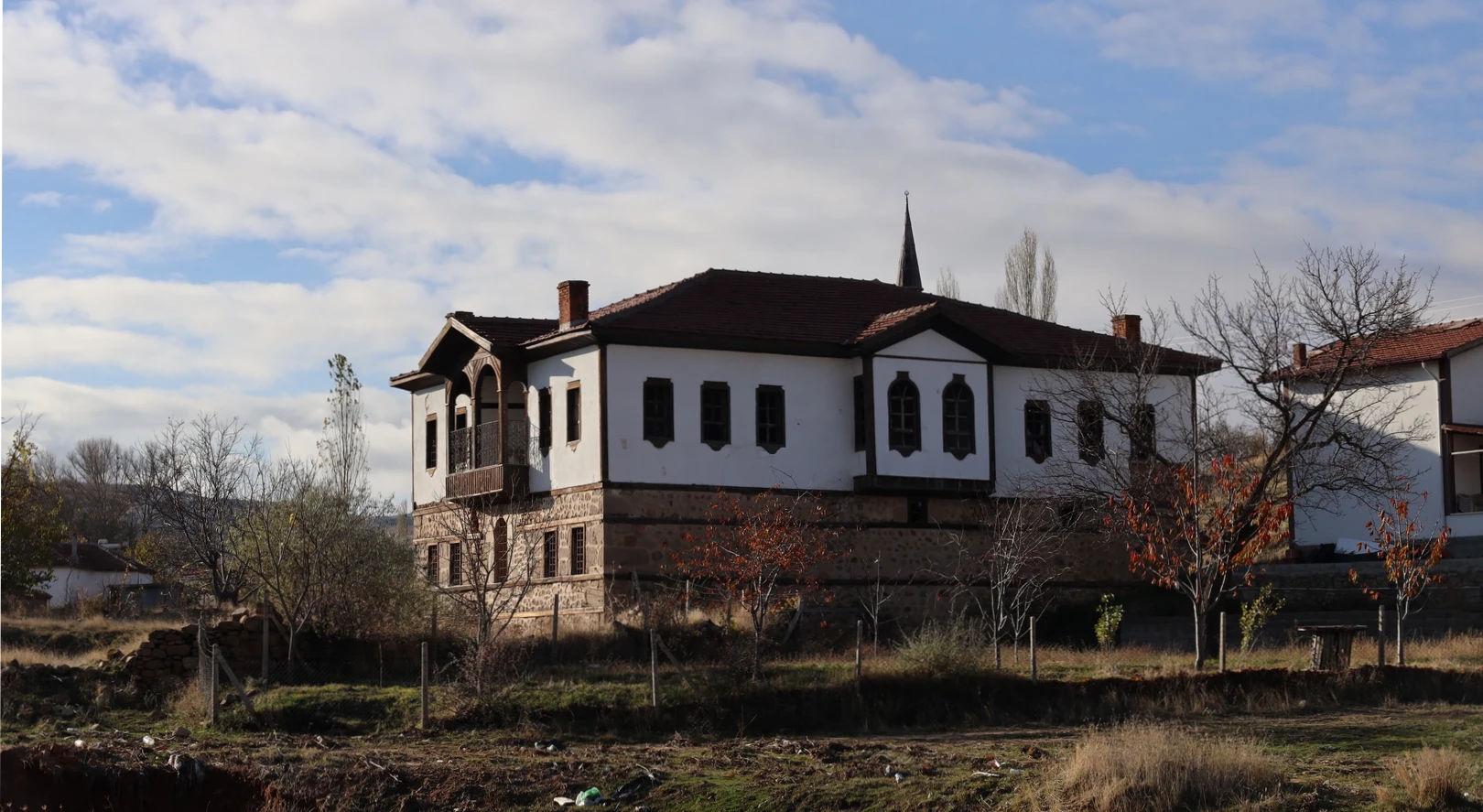
The Balışeyh area combines Turkmen religious memory, traditional houses in villages such as Beyobası and agricultural uplands around the Denek Mountains. Each monument and landscape needs a site-specific date and description rather than a single blanket attribution.
The associated saint's biography is preserved through religious and local narratives; individual dates and journeys should be presented as traditions rather than independently established documentary facts.
Key local details, historical evidence and practical considerations.
The building or shrine must be read through its local community and present sacred use, rather than as a detached archaeological museum.
The provincial district account notes the absence of a construction inscription, so there is no firmly documented foundation date. Architectural characteristics have been compared with the fourteenth and fifteenth centuries.
The associated saint's biography is preserved through religious and local narratives; individual dates and journeys should be presented as traditions rather than independently established documentary facts.
The site is valued by an active community; avoid disrupting worship and seek permission for close photography.
Original masonry, later repairs, inscriptions and devotional traditions are separate sources of information at Koçubaba Tomb; do not infer an exact date from a stylistic feature alone.
Ask whether access is limited during worship or ceremonies and approach the site as a place with present-day community significance.
The associated saint's biography is preserved through religious and local narratives; individual dates and journeys should be presented as traditions rather than independently established documentary facts.
This is also an opportunity to place Balışeyh & Highland within a regional travel itinerary without confusing an ancient site, sacred building, contemporary recreation facility or living food tradition with another type of experience.
The most reliable material for Koçubaba Tomb comes from the listed documentary sources and the actual features they describe.
Recognise the particular history of Balışeyh & Highland, not an interchangeable Anatolian landmark.
The associated saint's biography is preserved through religious and local narratives; individual dates and journeys should be presented as traditions rather than independently established documentary facts.
Respect the tomb's spiritual significance. Access may be different during religious gatherings and the building is not a secular museum.
Respect the tomb's spiritual significance. Access may be different during religious gatherings and the building is not a secular museum.
Respect the tomb's spiritual significance. Access may be different during religious gatherings and the building is not a secular museum.
The Balışeyh area combines Turkmen religious memory, traditional houses in villages such as Beyobası and agricultural uplands around the Denek Mountains. Each monument and landscape needs a site-specific date and description rather than a single blanket attribution.
This location may be sacred, a home, active infrastructure, an archaeological area or a working landscape. Check who administers Koçubaba Tomb before treating it as an unrestricted visitor attraction.
Respect the tomb's spiritual significance. Access may be different during religious gatherings and the building is not a secular museum.
Do not climb historic masonry, move stones, enter unsafe chambers or cross barriers.
Construction, rebuilding and later use may be several different episodes.
Active religious sites, schools and private buildings require special respect.
Historic significance does not imply that every building has public opening hours.
Readers interested in how Koçubaba Tomb connects to the larger story of Kırıkkale.
Travellers who want a grounded account of the Balışeyh & Highland region rather than a checklist of generic Turkish attractions.
The details at Koçubaba Tomb reward visitors who want to recognise its locally documented features rather than relying on generic photographs.
Respect the tomb's spiritual significance. Access may be different during religious gatherings and the building is not a secular museum.
Koçubaba's tomb stands in Koçubaba village in the Balışeyh district and is connected with Turkmen and Alevi-Bektashi devotional traditions.
The provincial district account notes the absence of a construction inscription, so there is no firmly documented foundation date. Architectural characteristics have been compared with the fourteenth and fifteenth centuries.
The associated saint's biography is preserved through religious and local narratives; individual dates and journeys should be presented as traditions rather than independently established documentary facts.
Respect the tomb's spiritual significance. Access may be different during religious gatherings and the building is not a secular museum.
The site or tradition is associated with the Balışeyh & Highland area of Kırıkkale Province, Türkiye. Use local wayfinding and verify the present venue before setting out.
The associated saint's biography is preserved through religious and local narratives; individual dates and journeys should be presented as traditions rather than independently established documentary facts.
Respect the tomb's spiritual significance. Access may be different during religious gatherings and the building is not a secular museum.
Topic-specific official or archival documentation was consulted, although uncertain details remain.
The research record for Koçubaba Tomb is anchored in the specific public sources linked here; where a publication gives no exact dates or visiting guarantees, none are added.